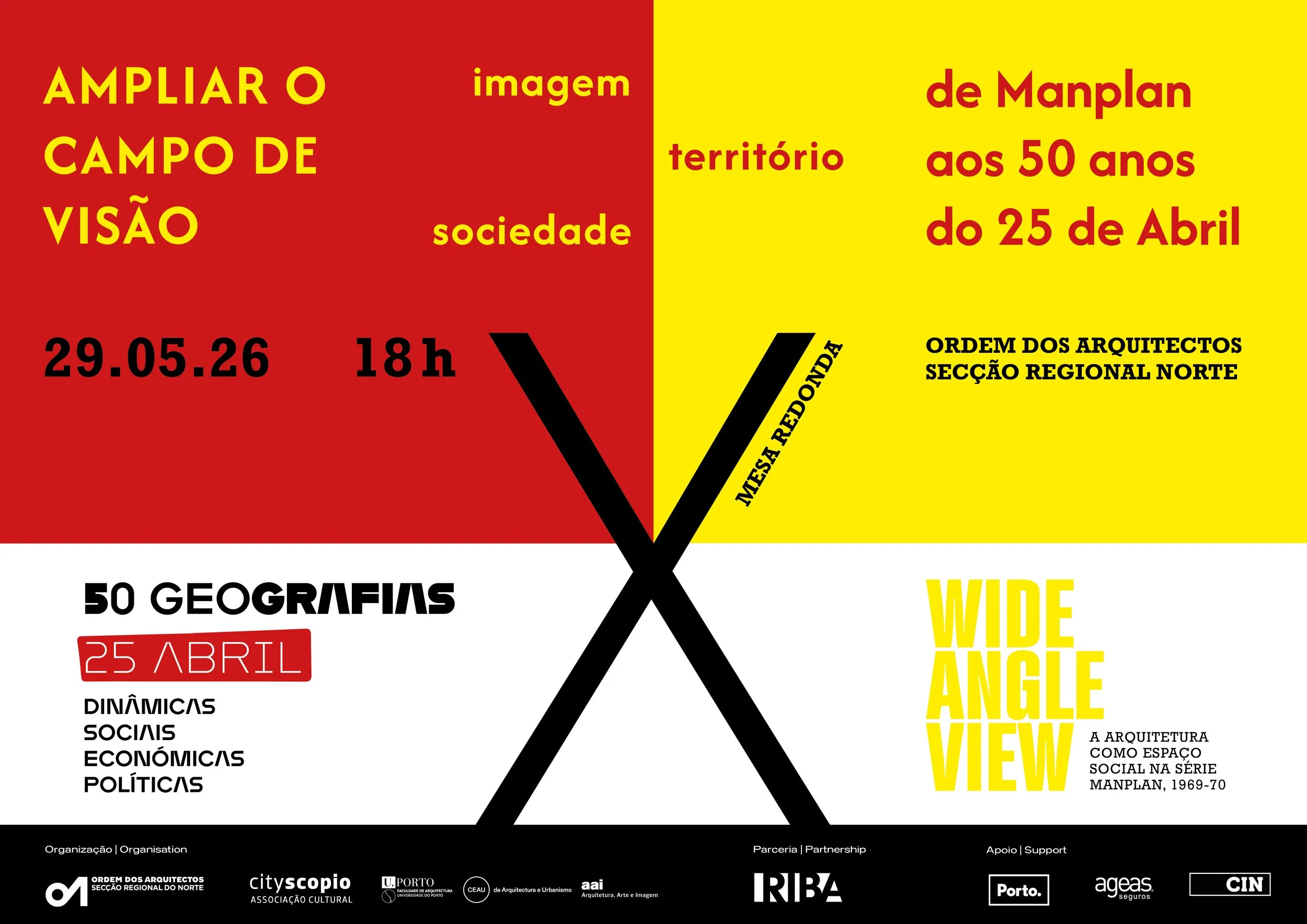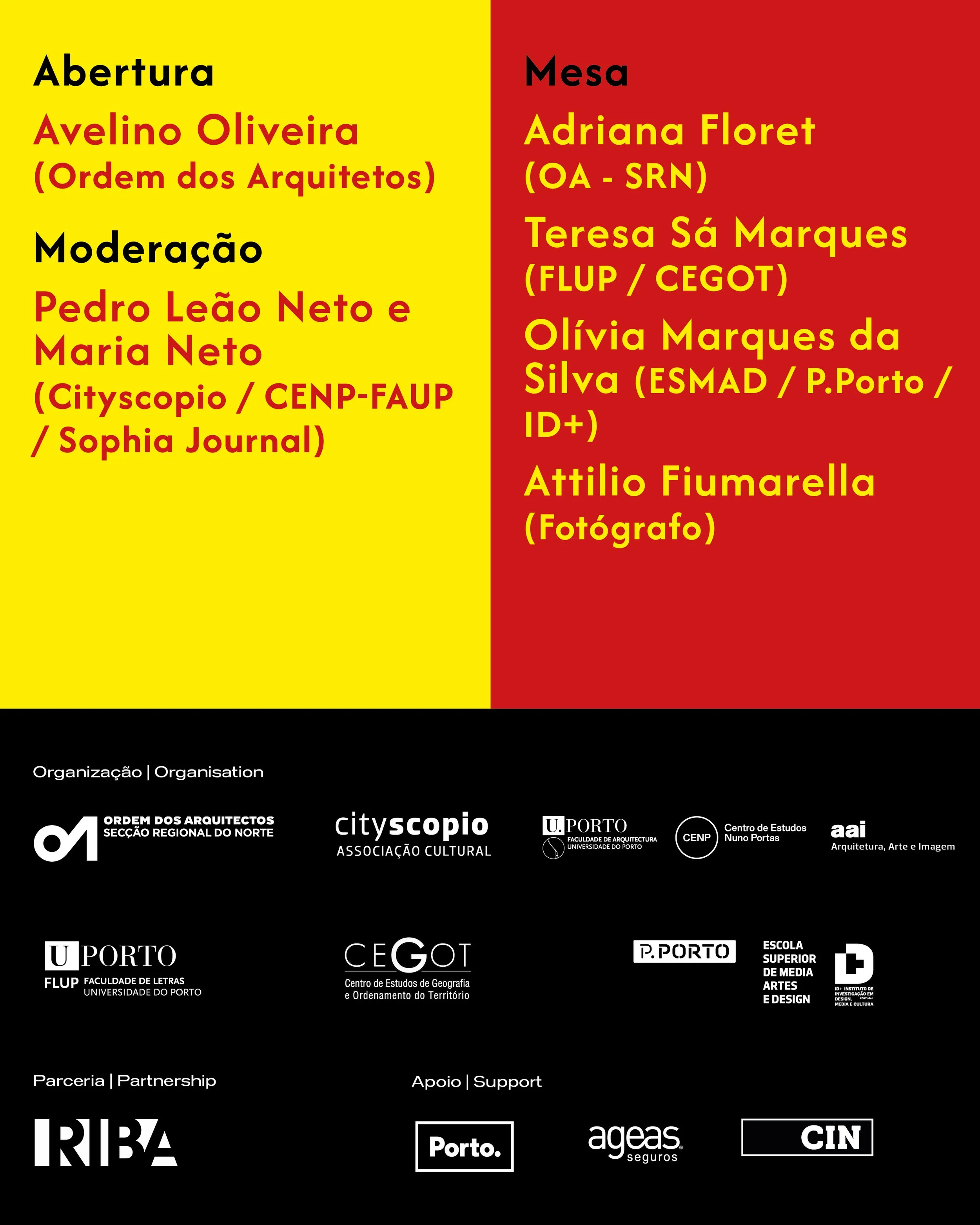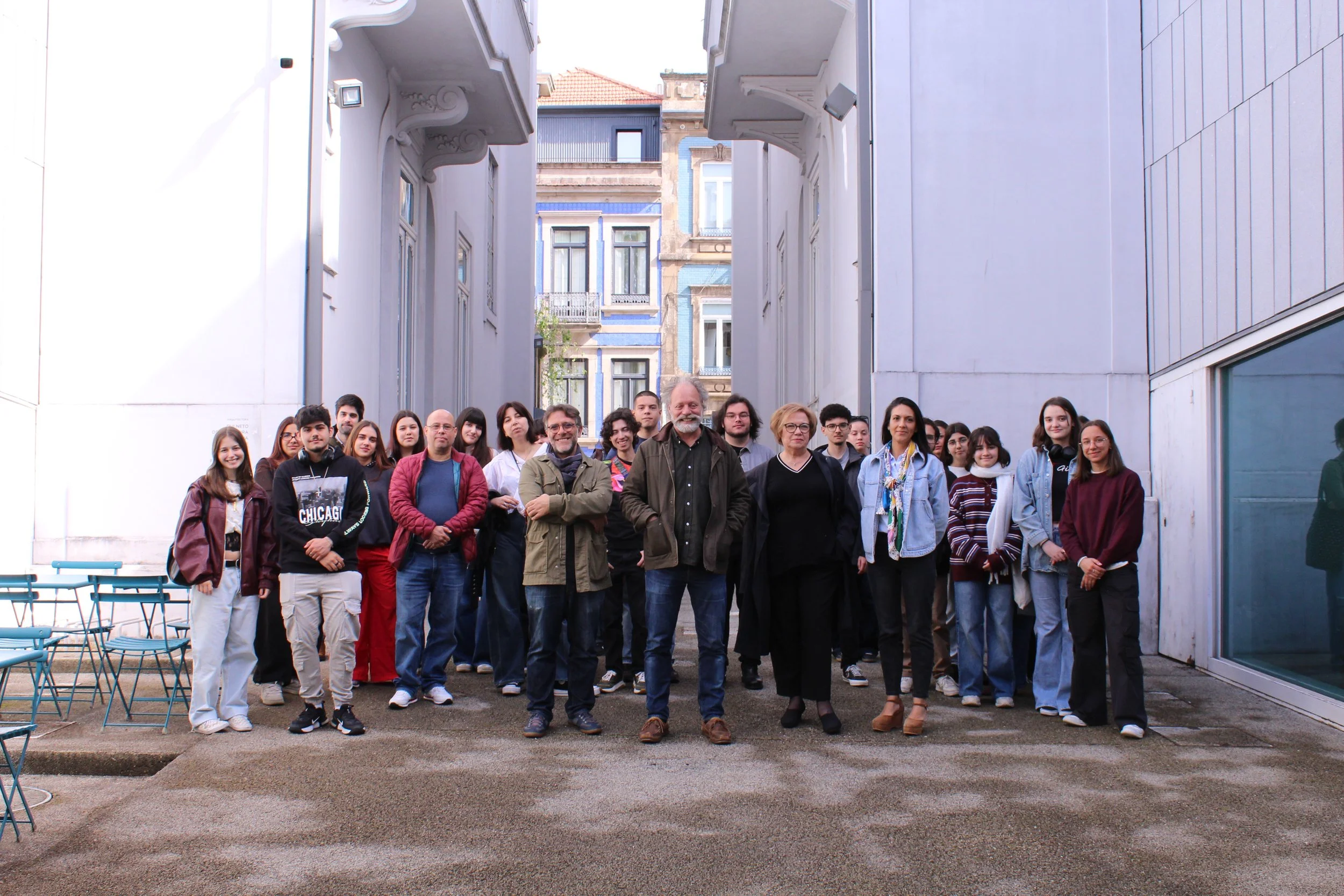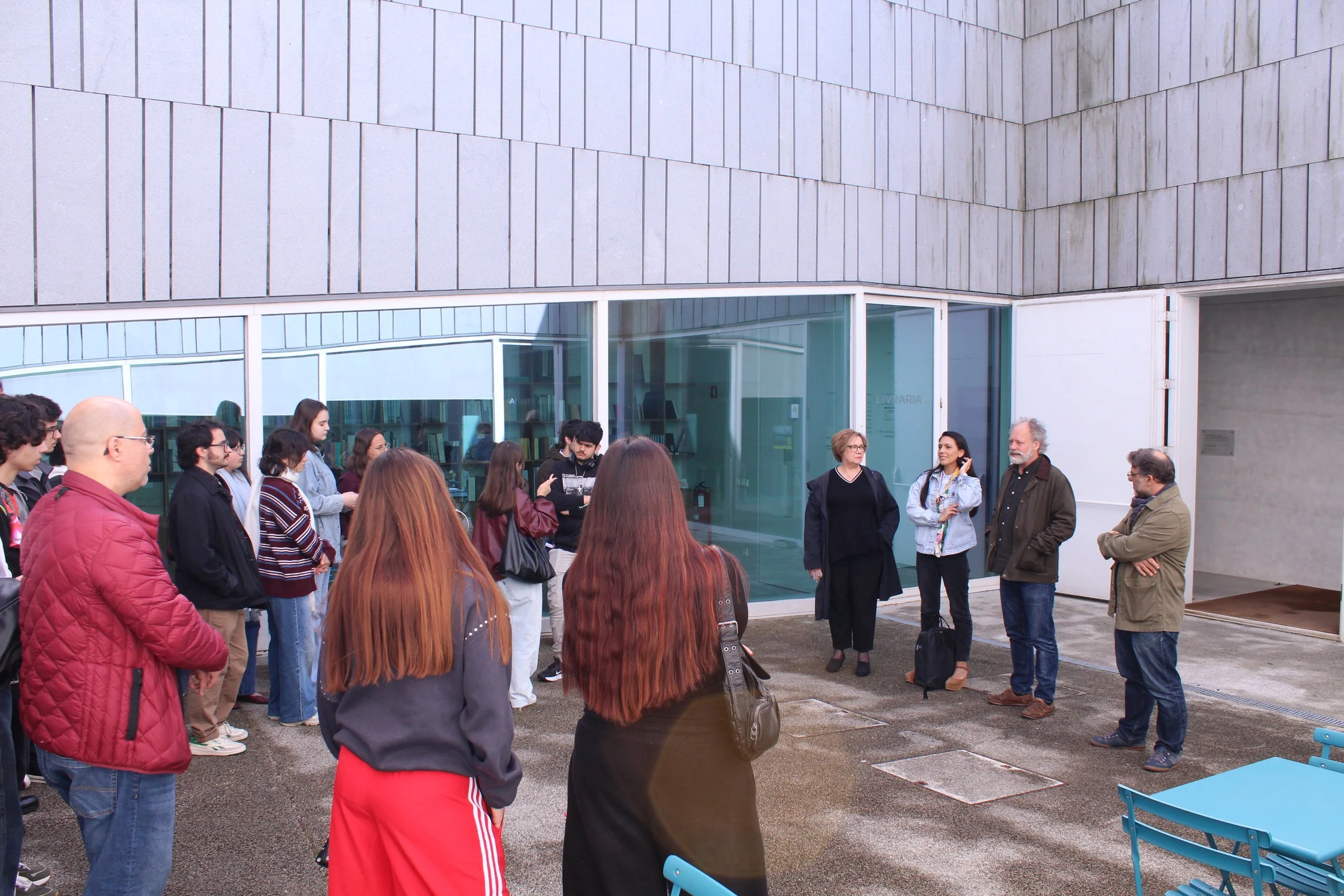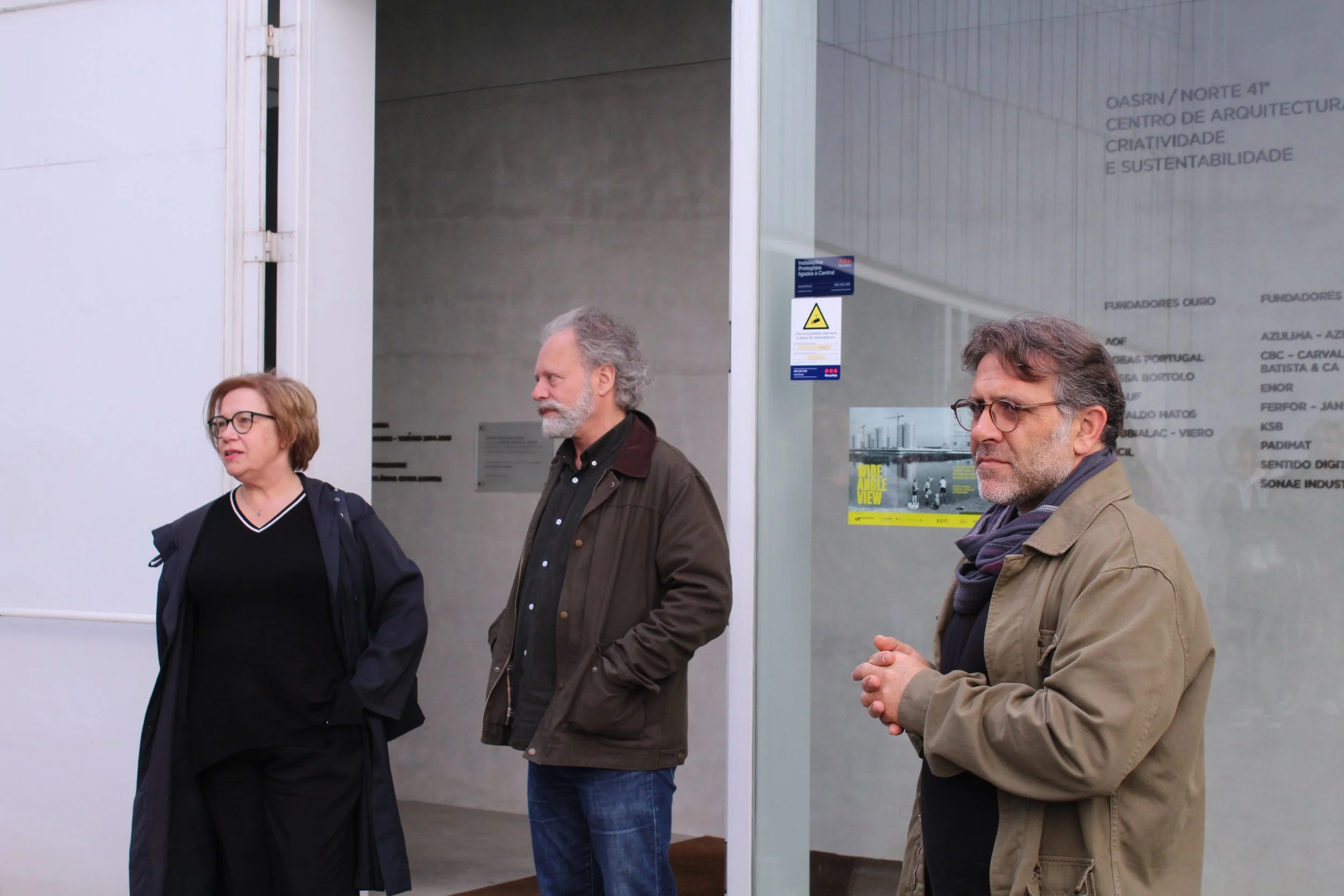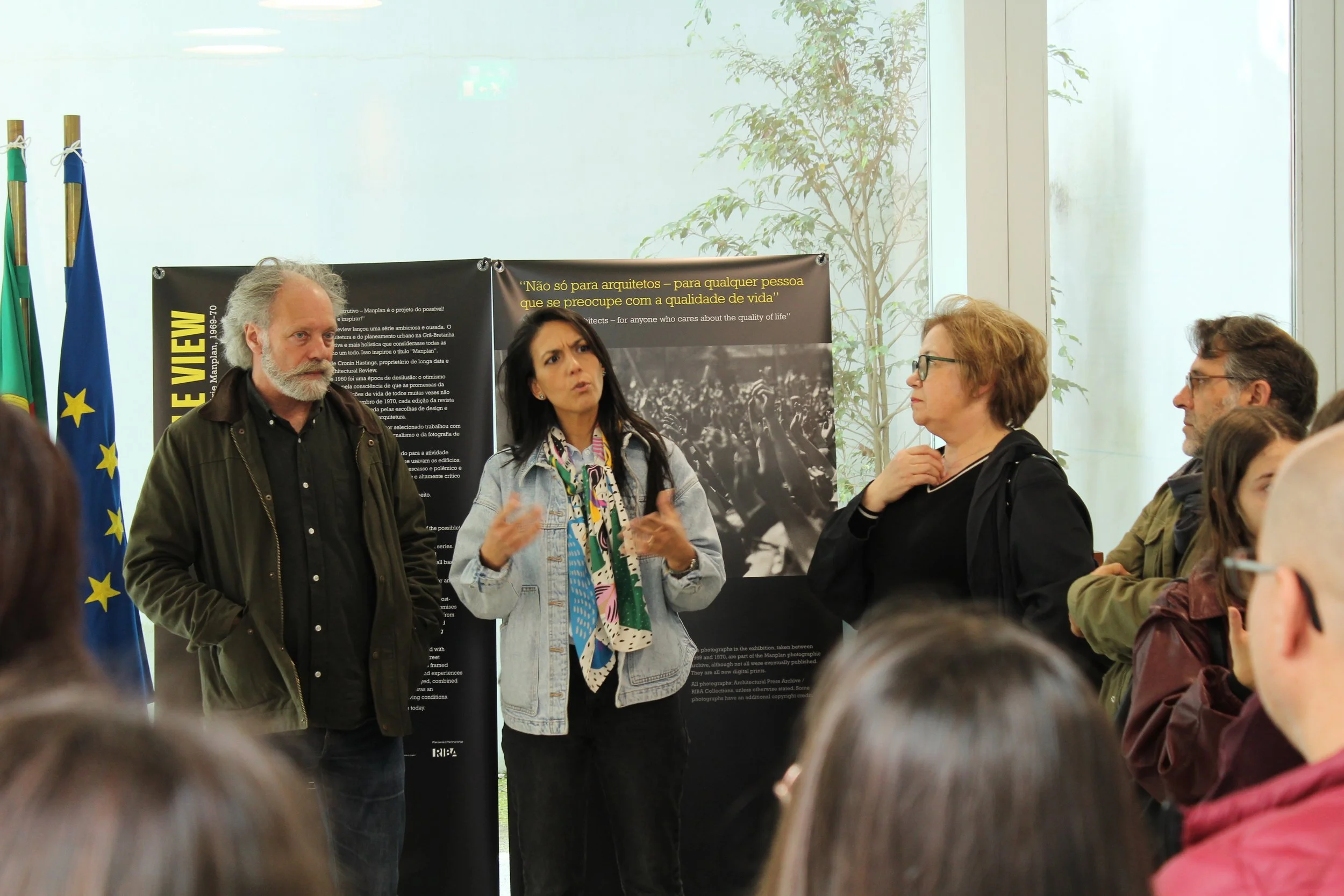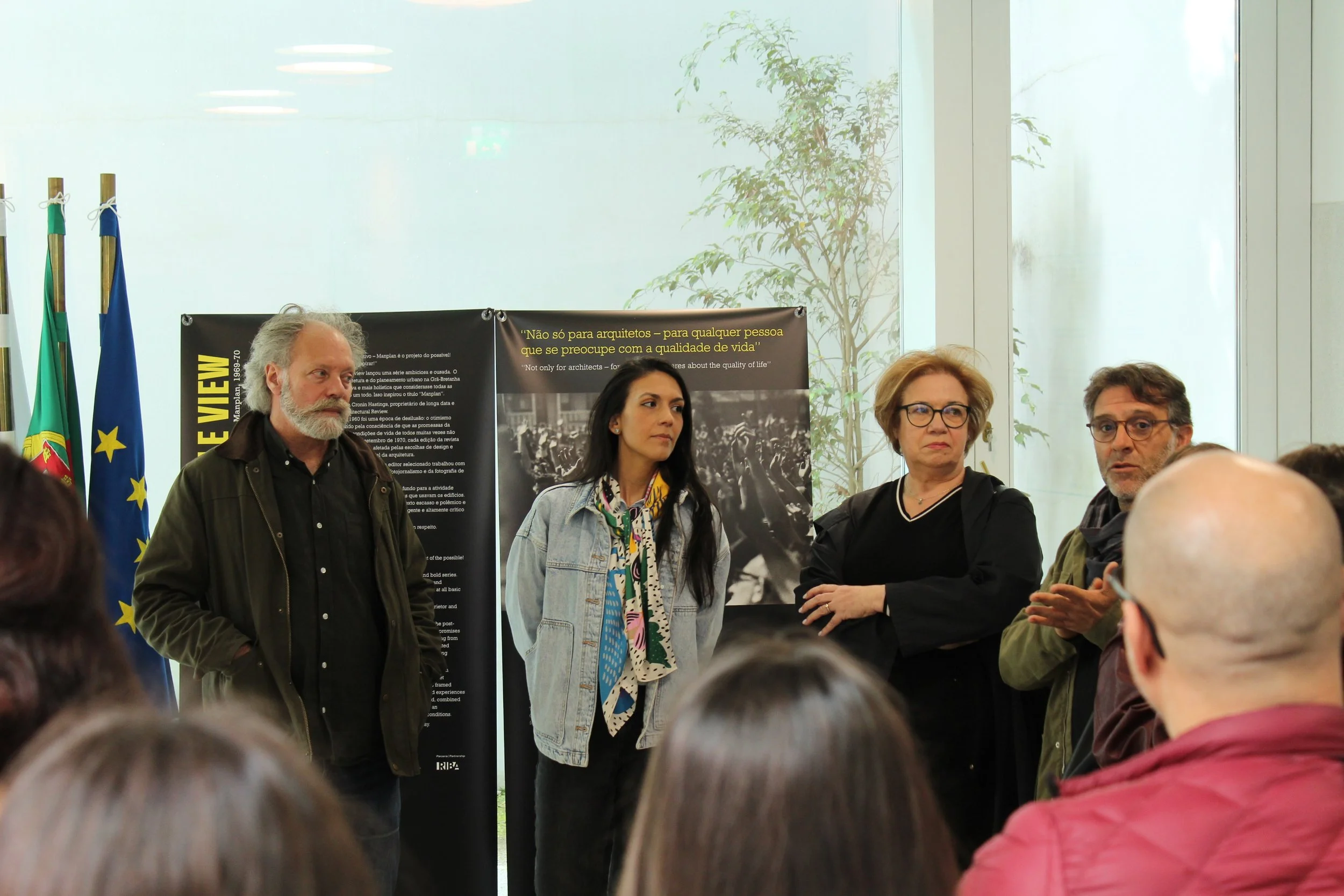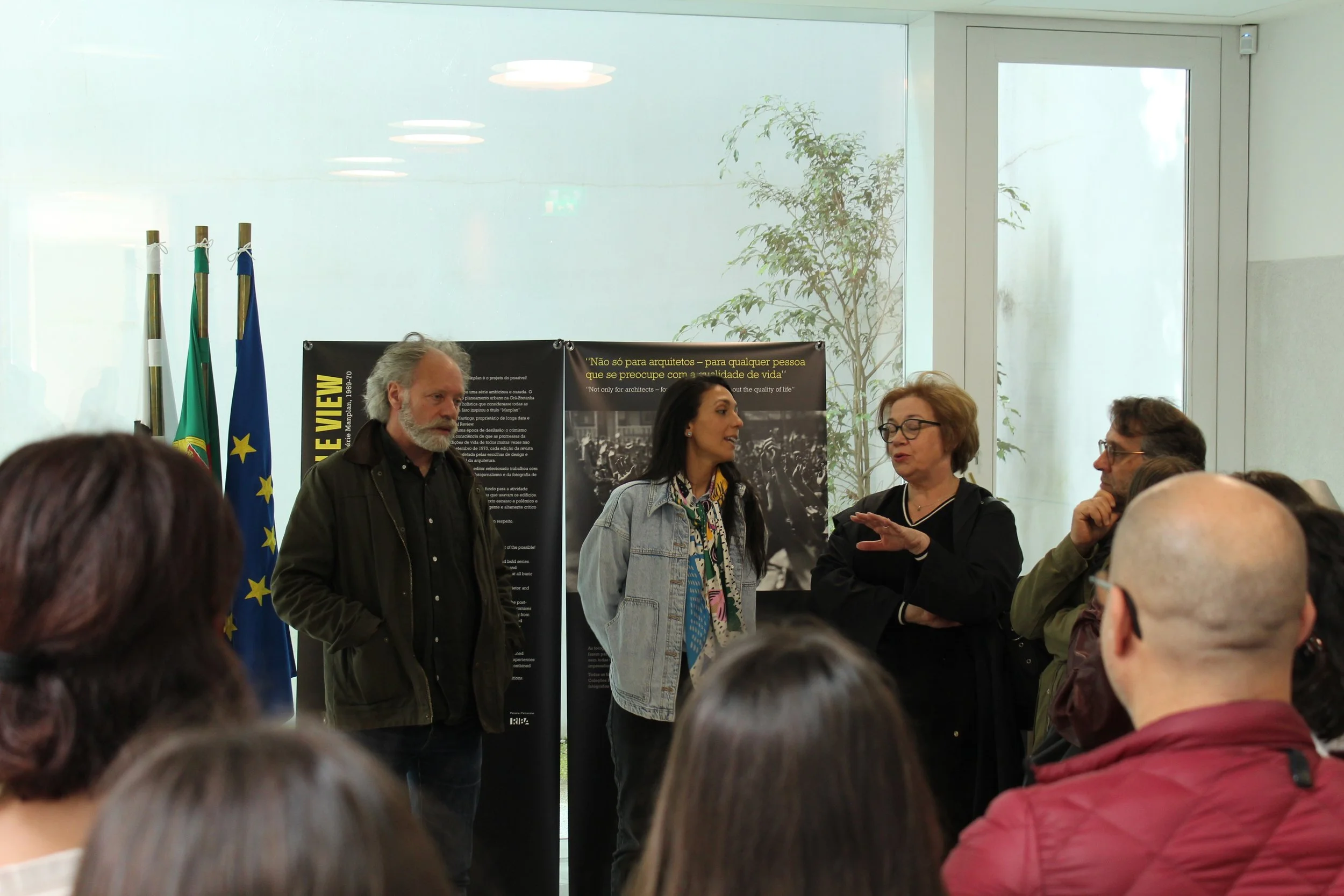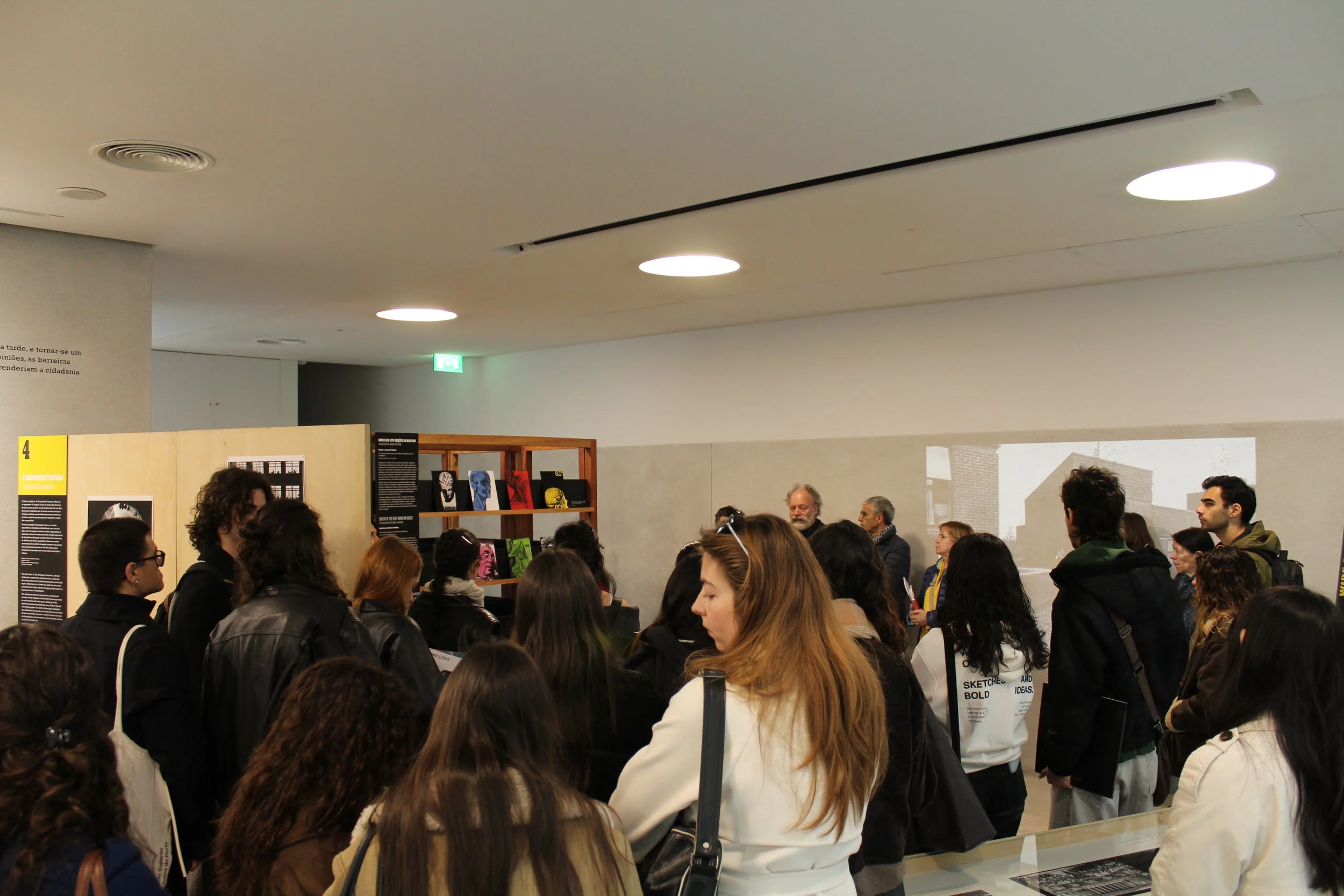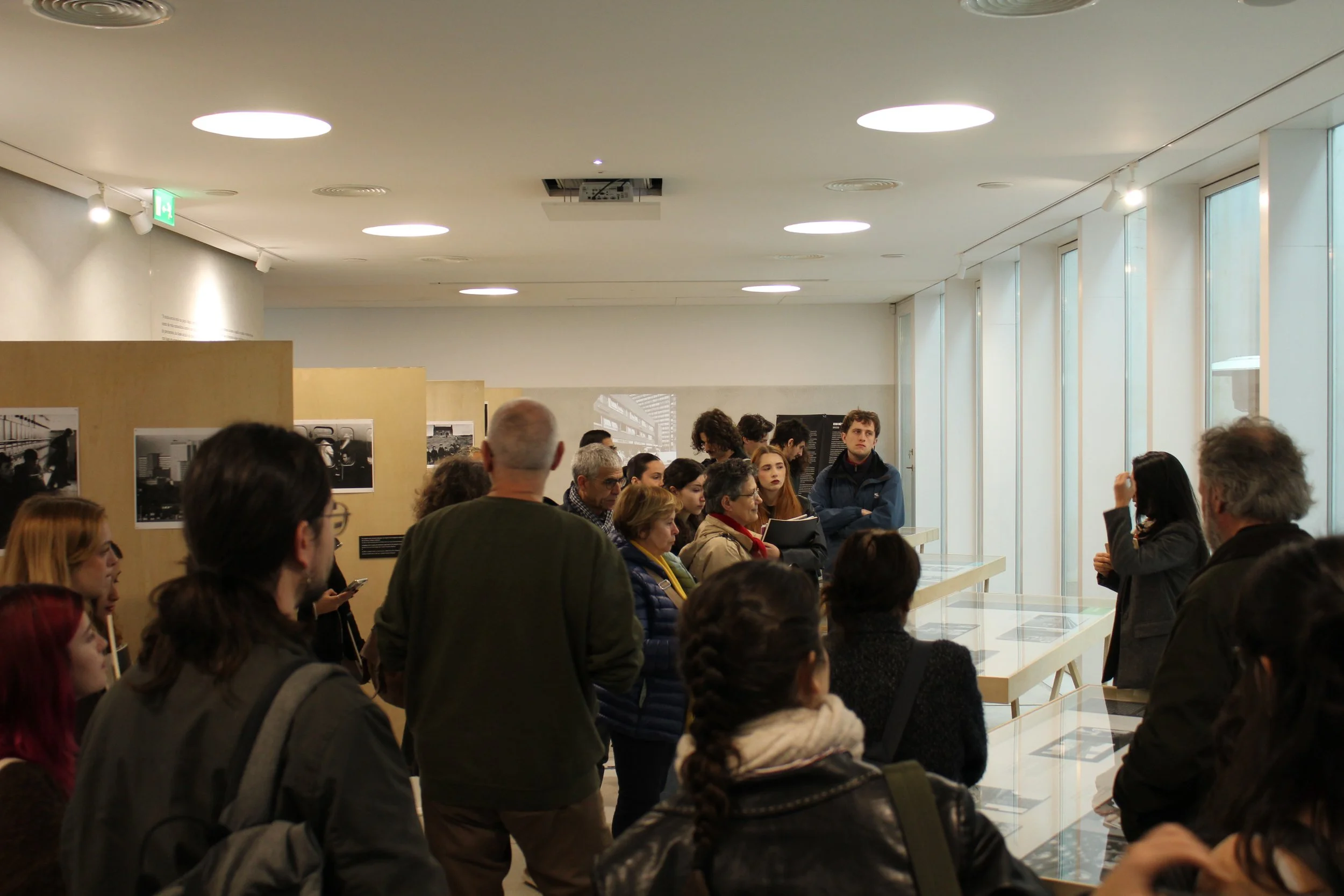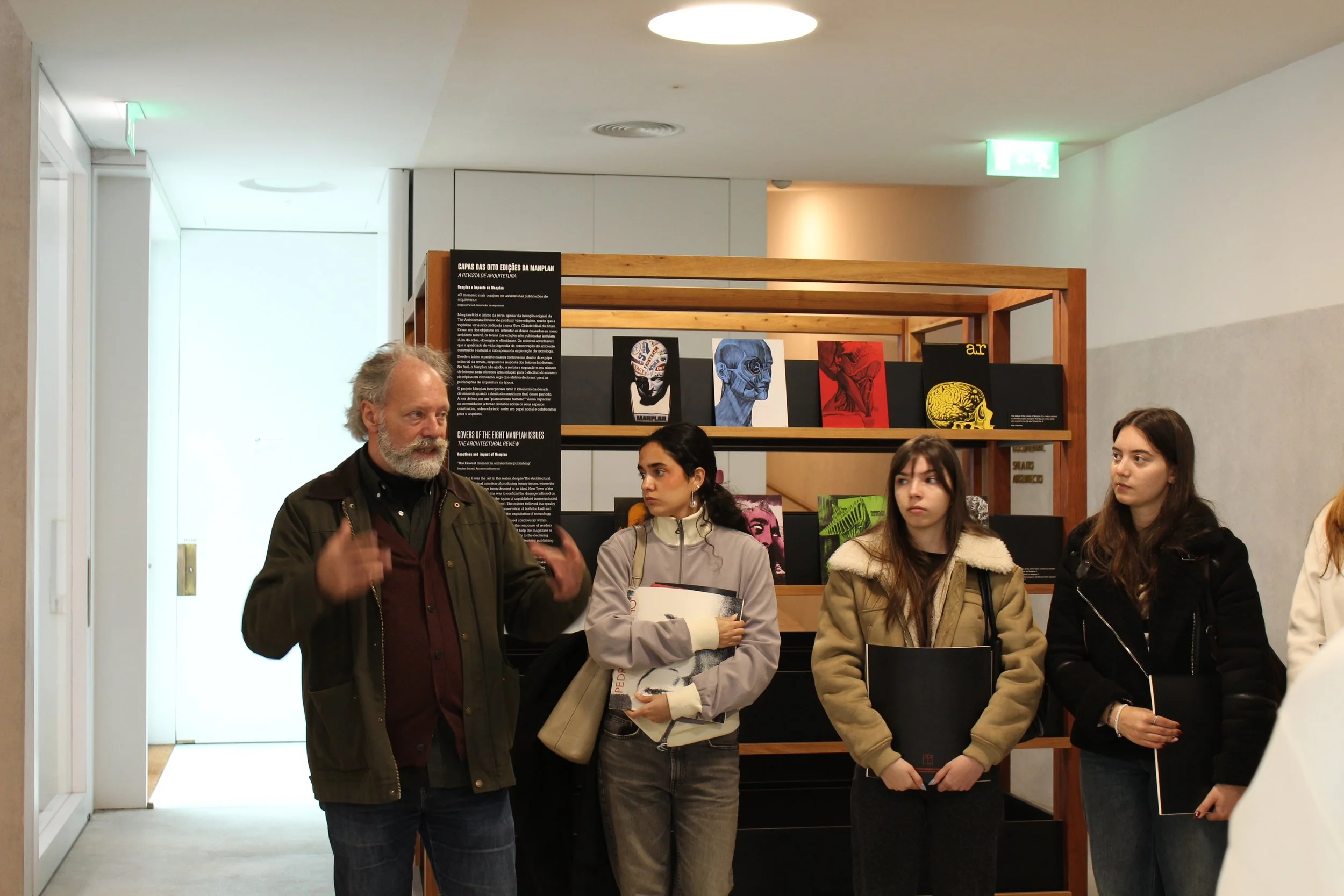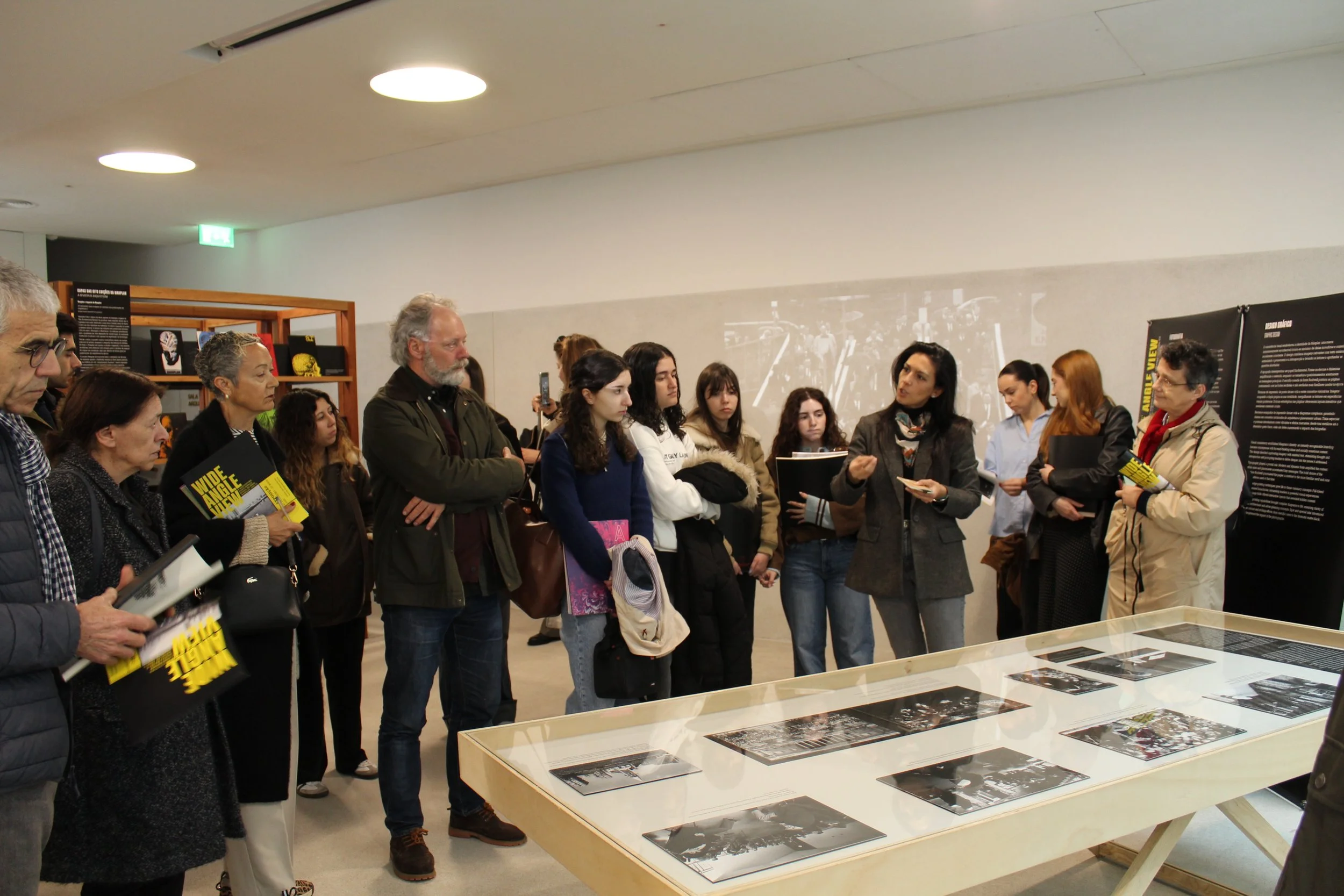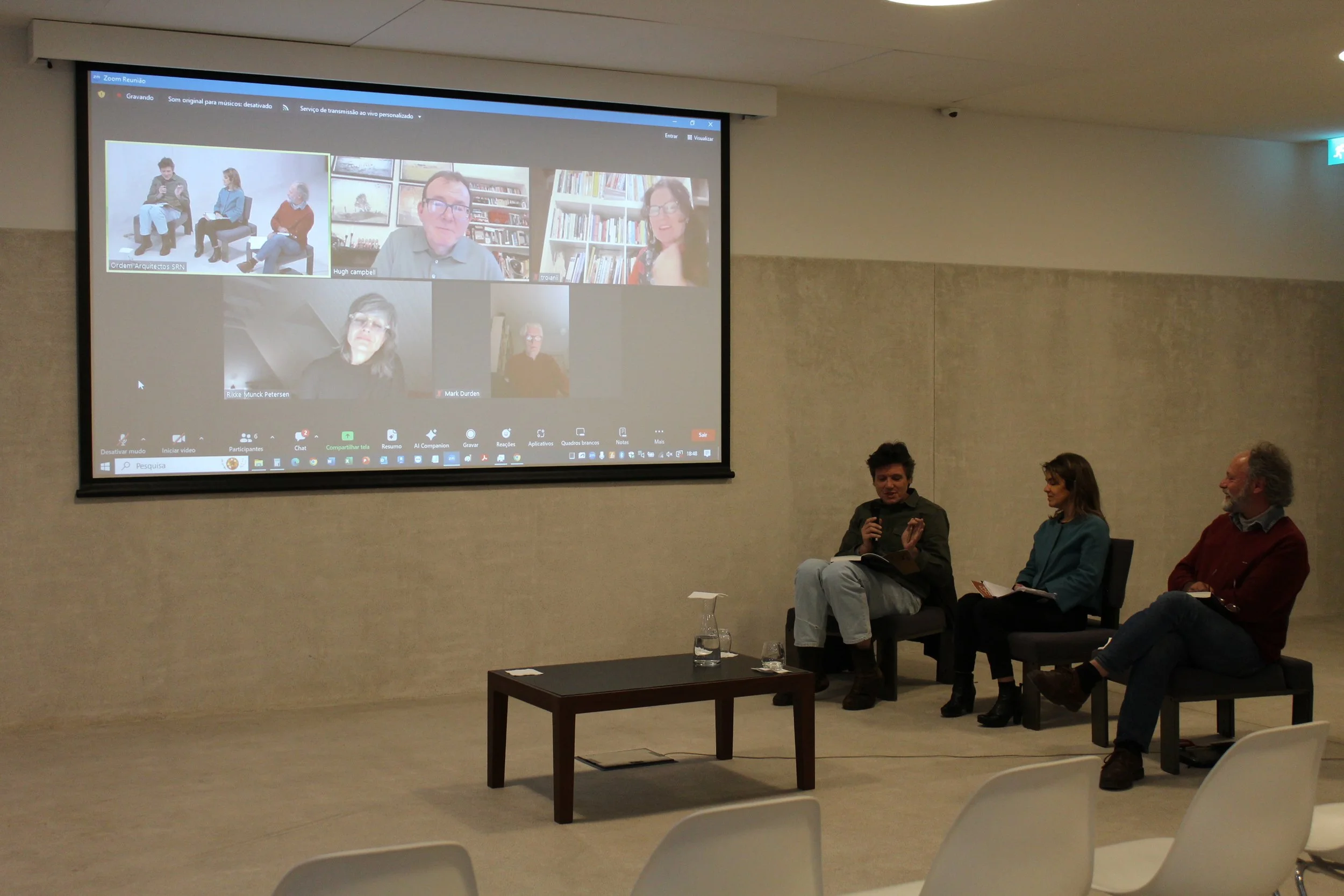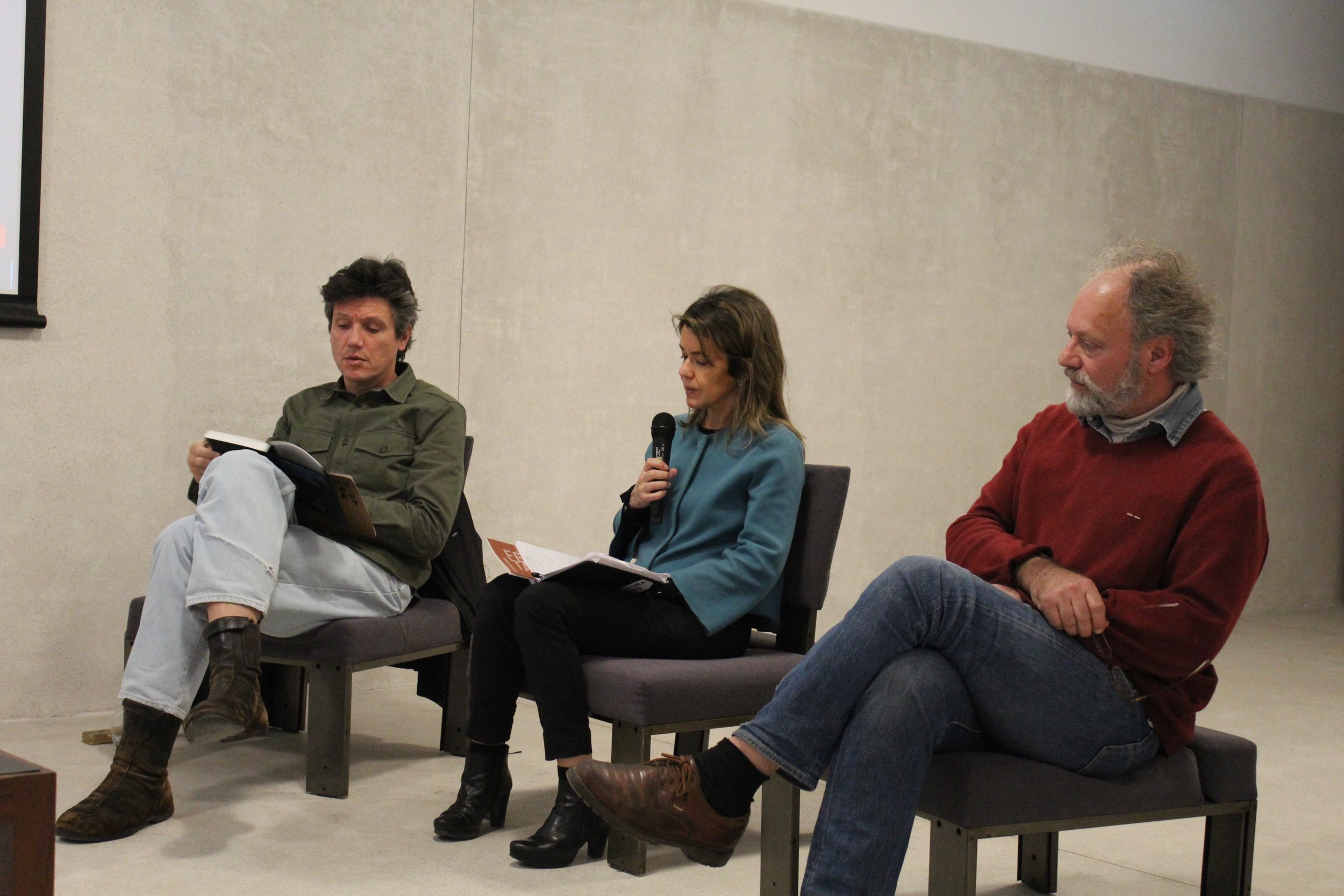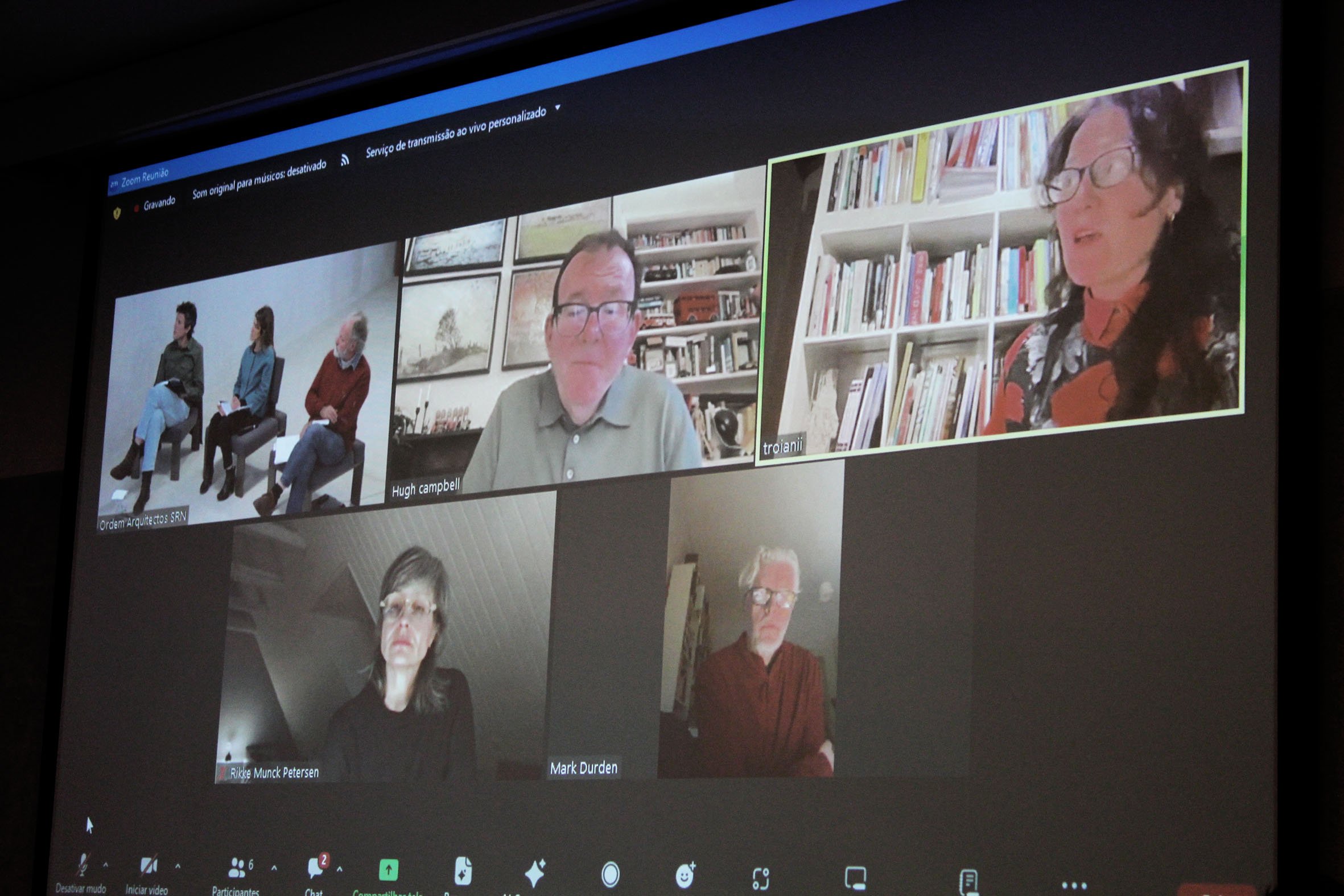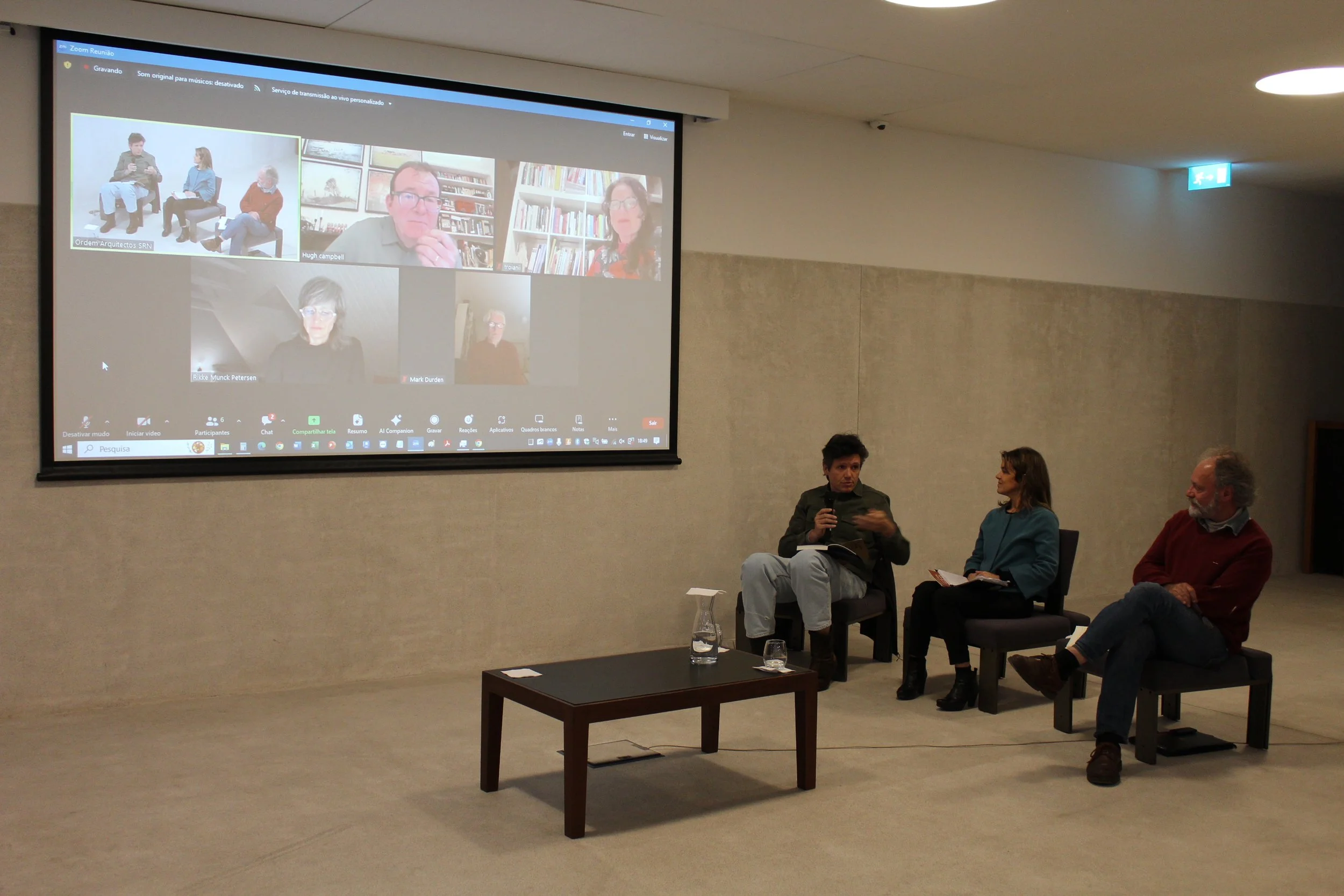
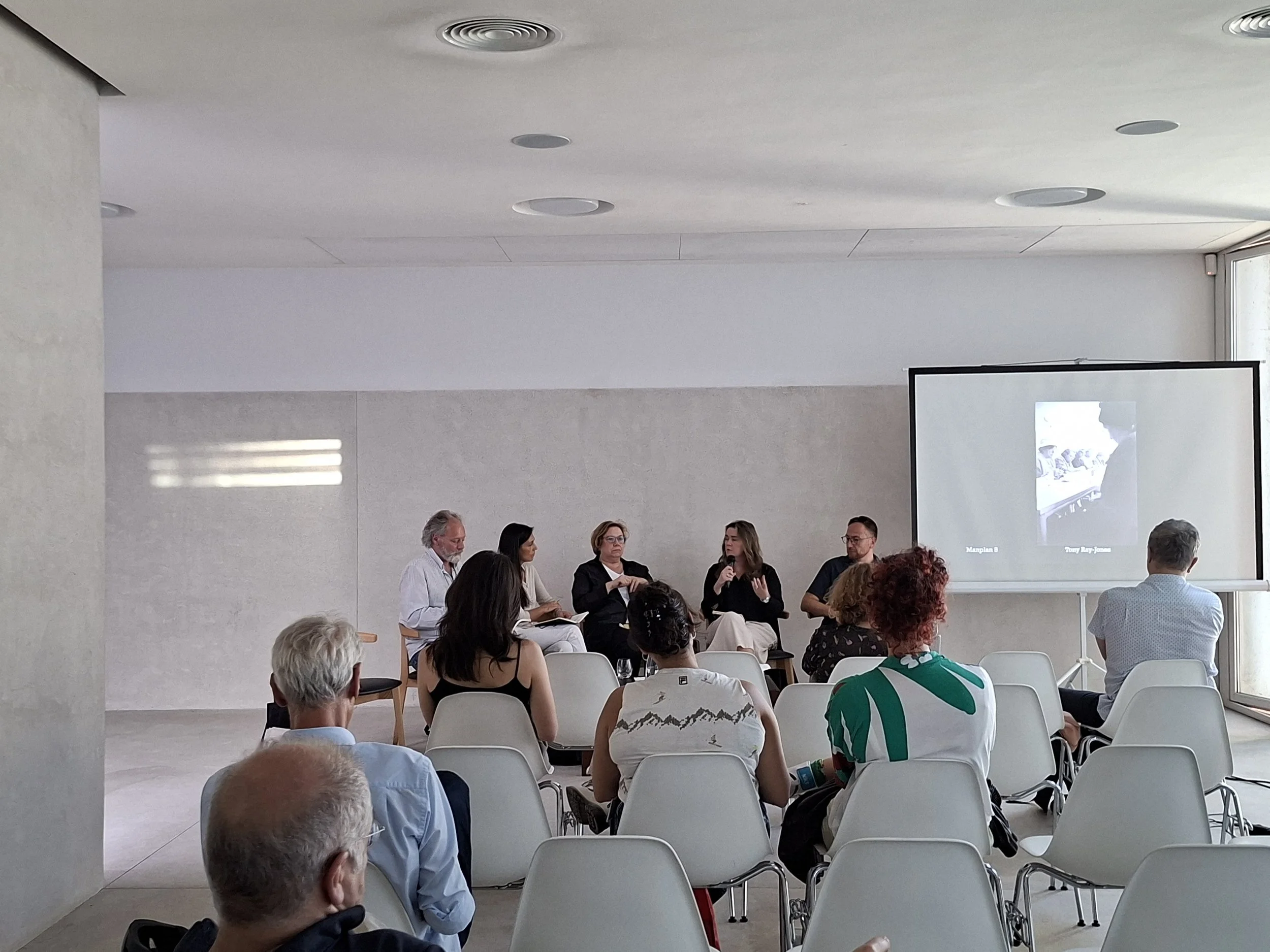
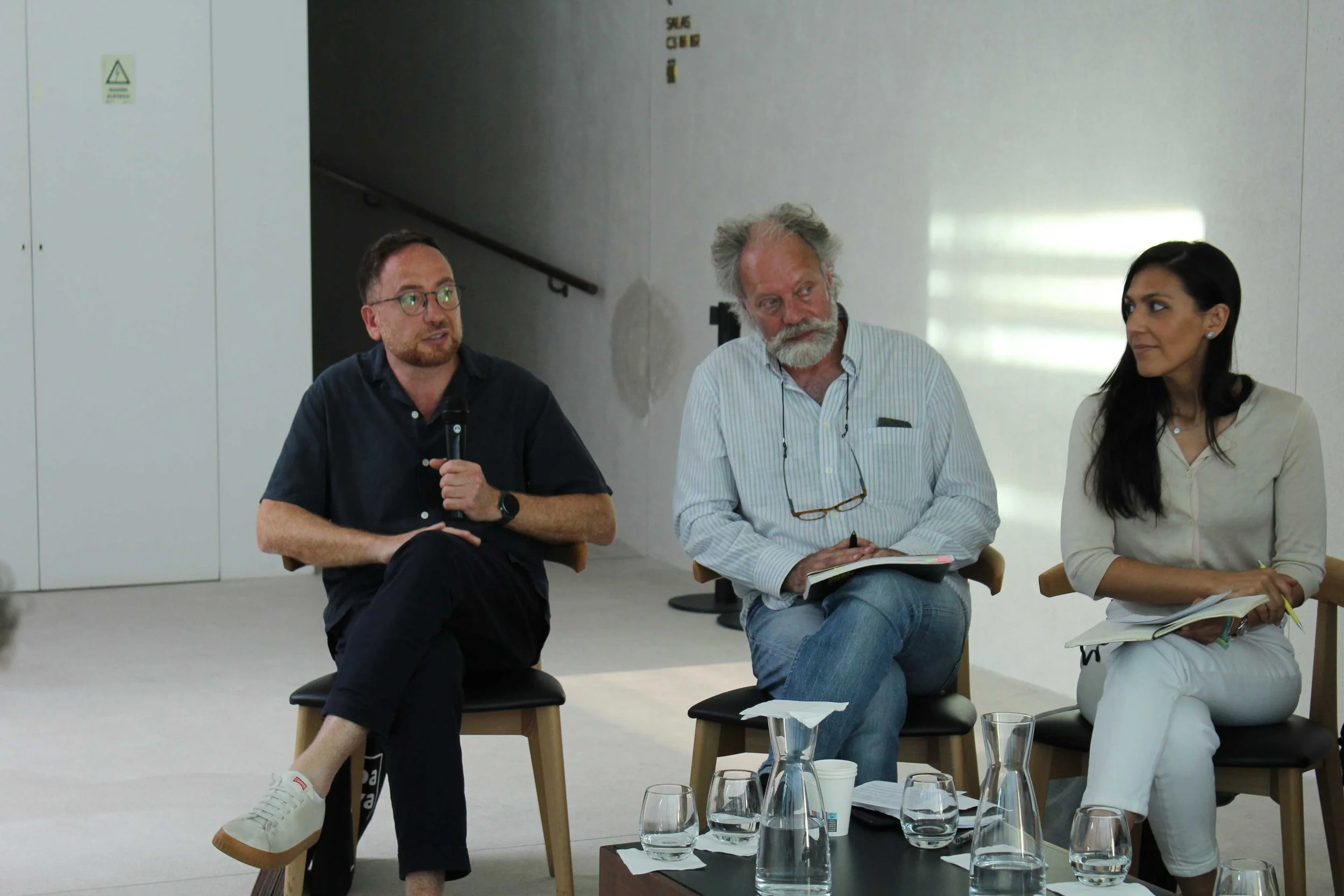
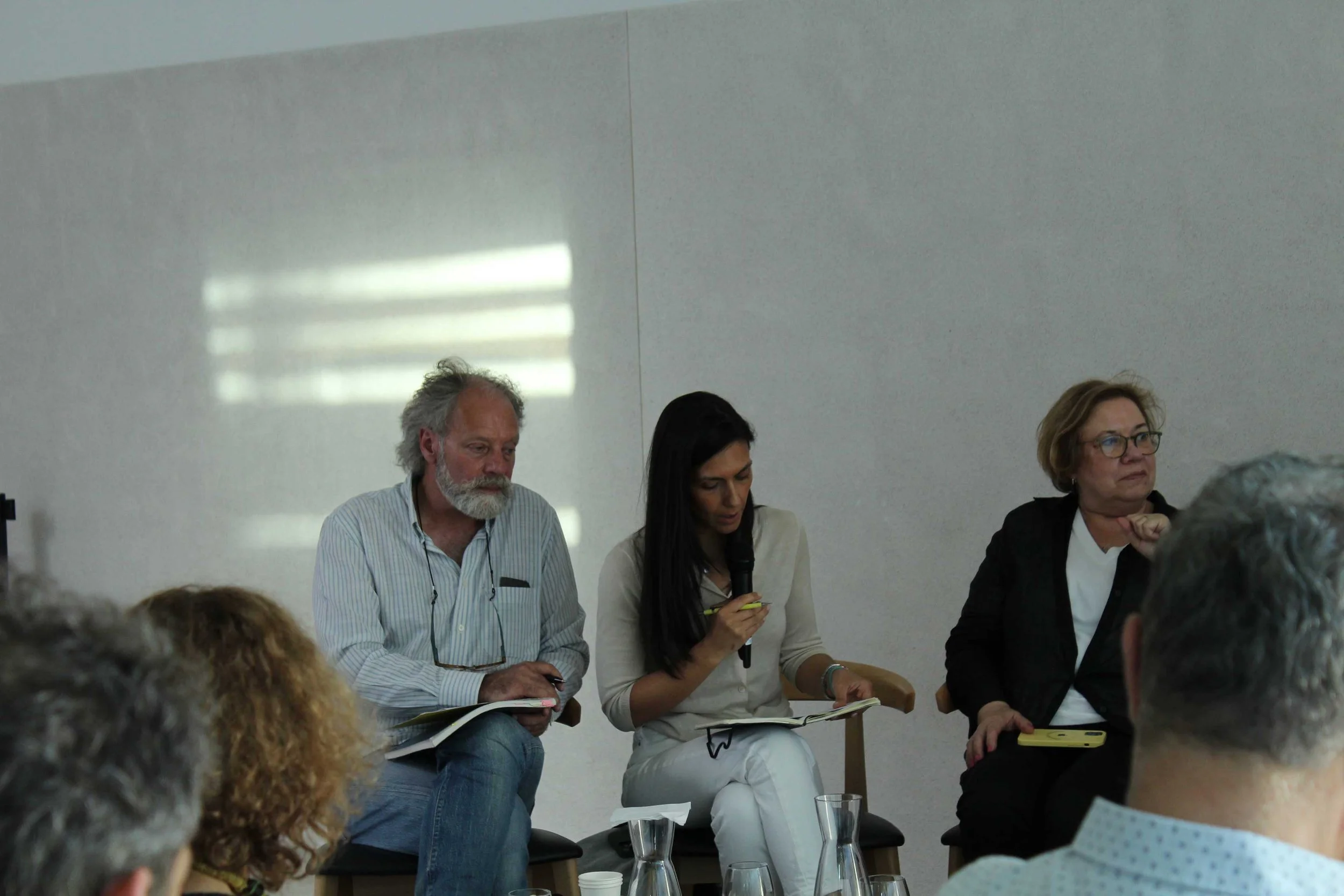
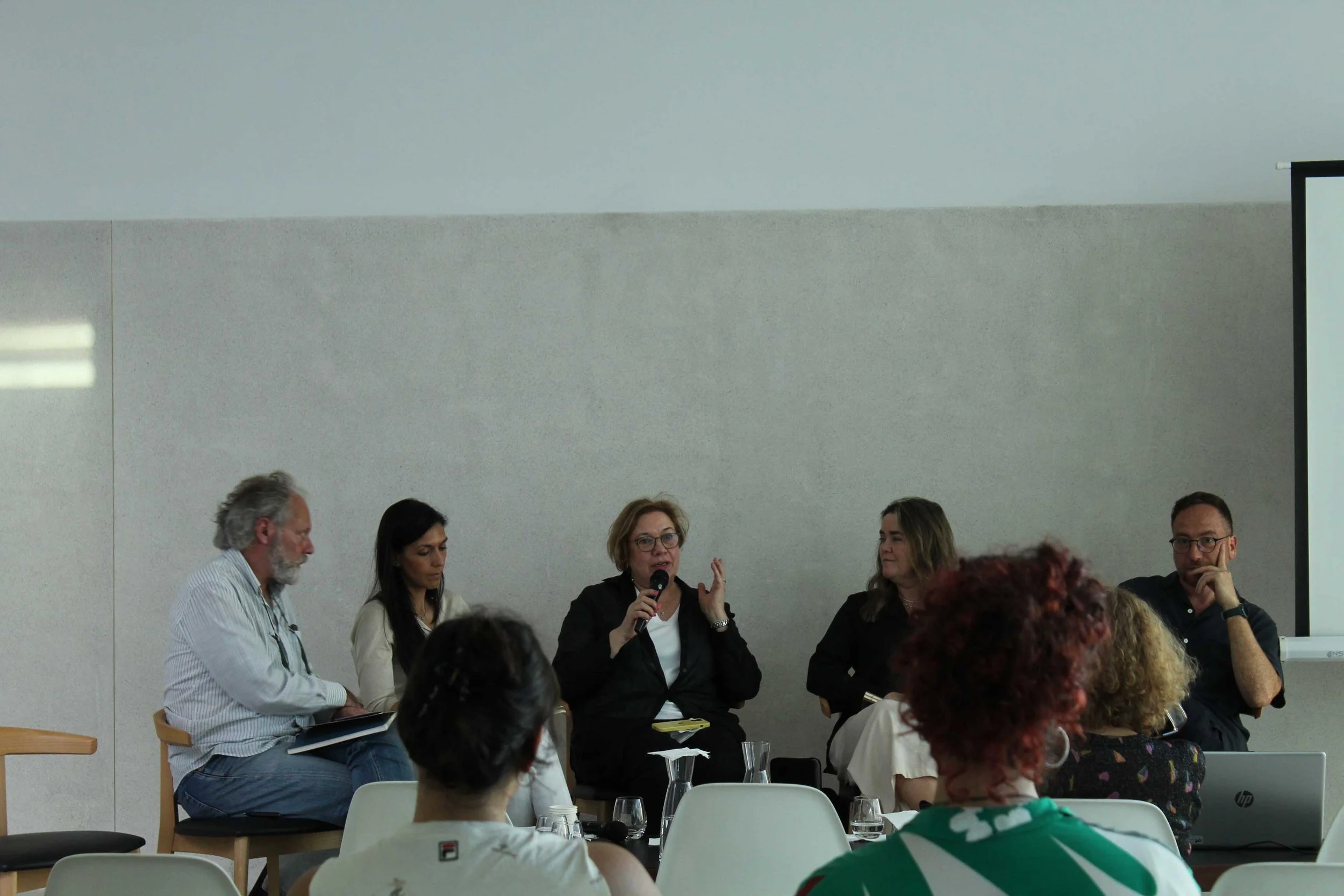
AULA ABERTA: VISITA GUIADA À EXPOSIÇÃO “WIDE-ANGLE VIEW NA ORDEM DOS ARQUITETOS – SECÇÃO REGIONAL NORTE


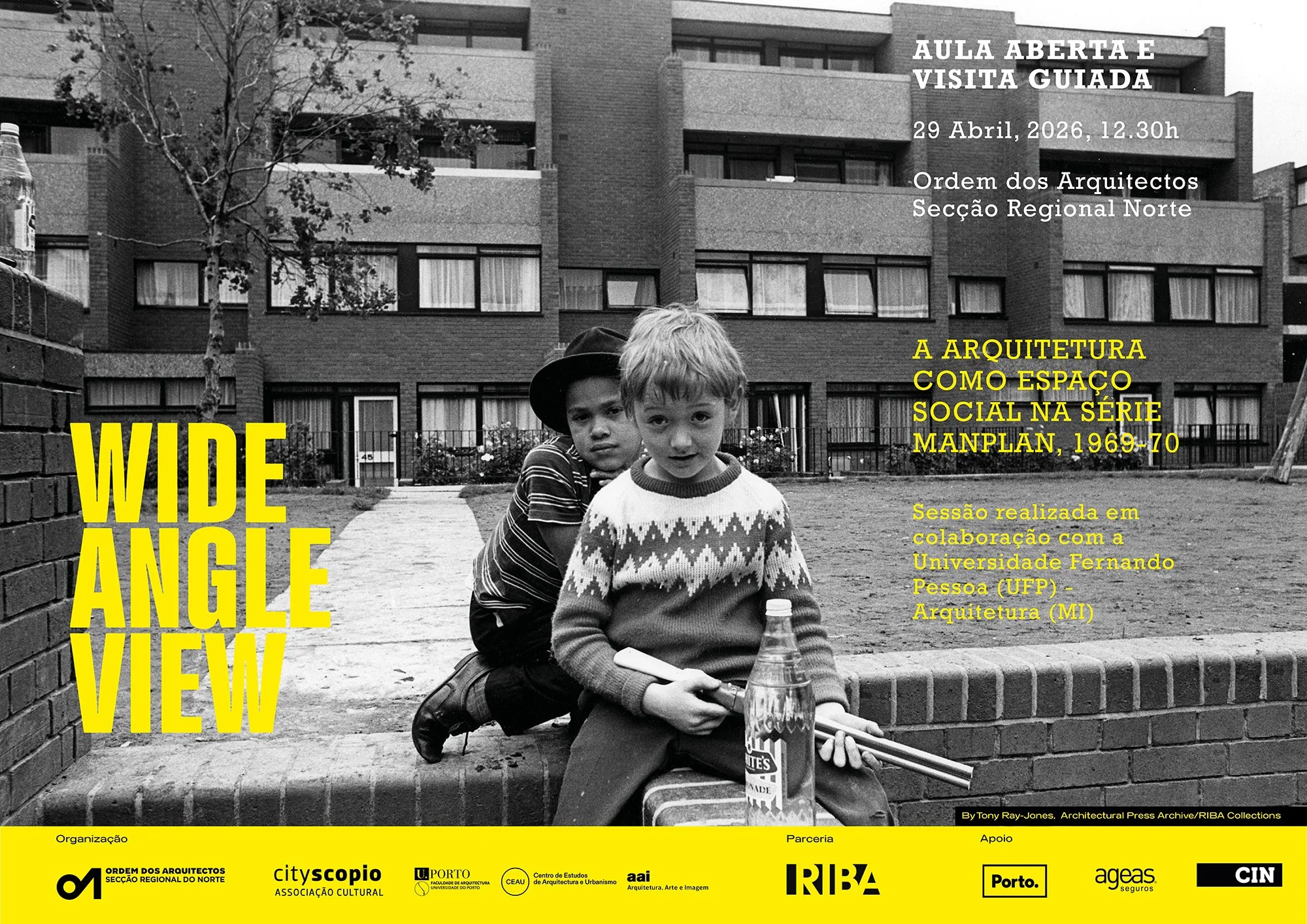
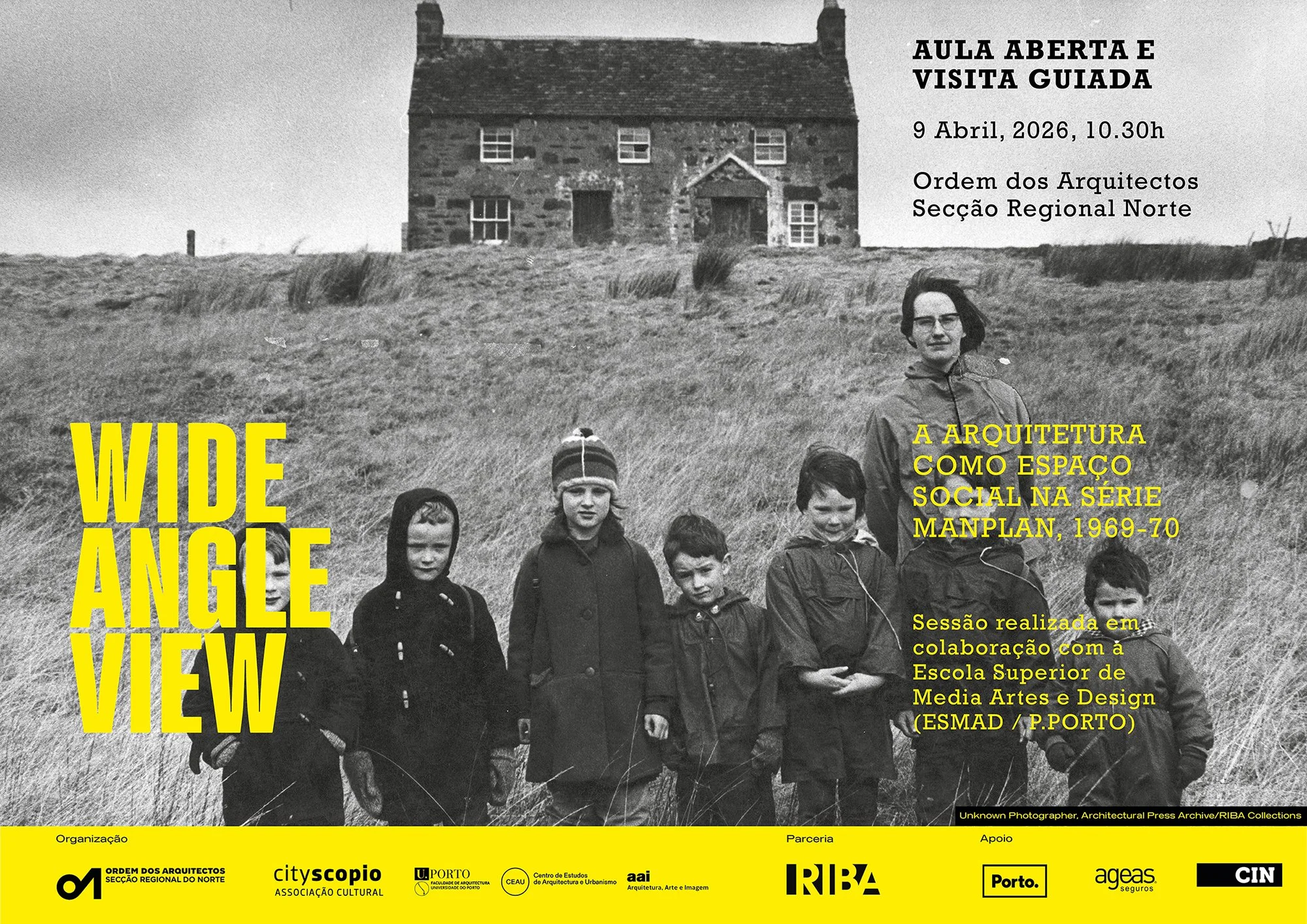
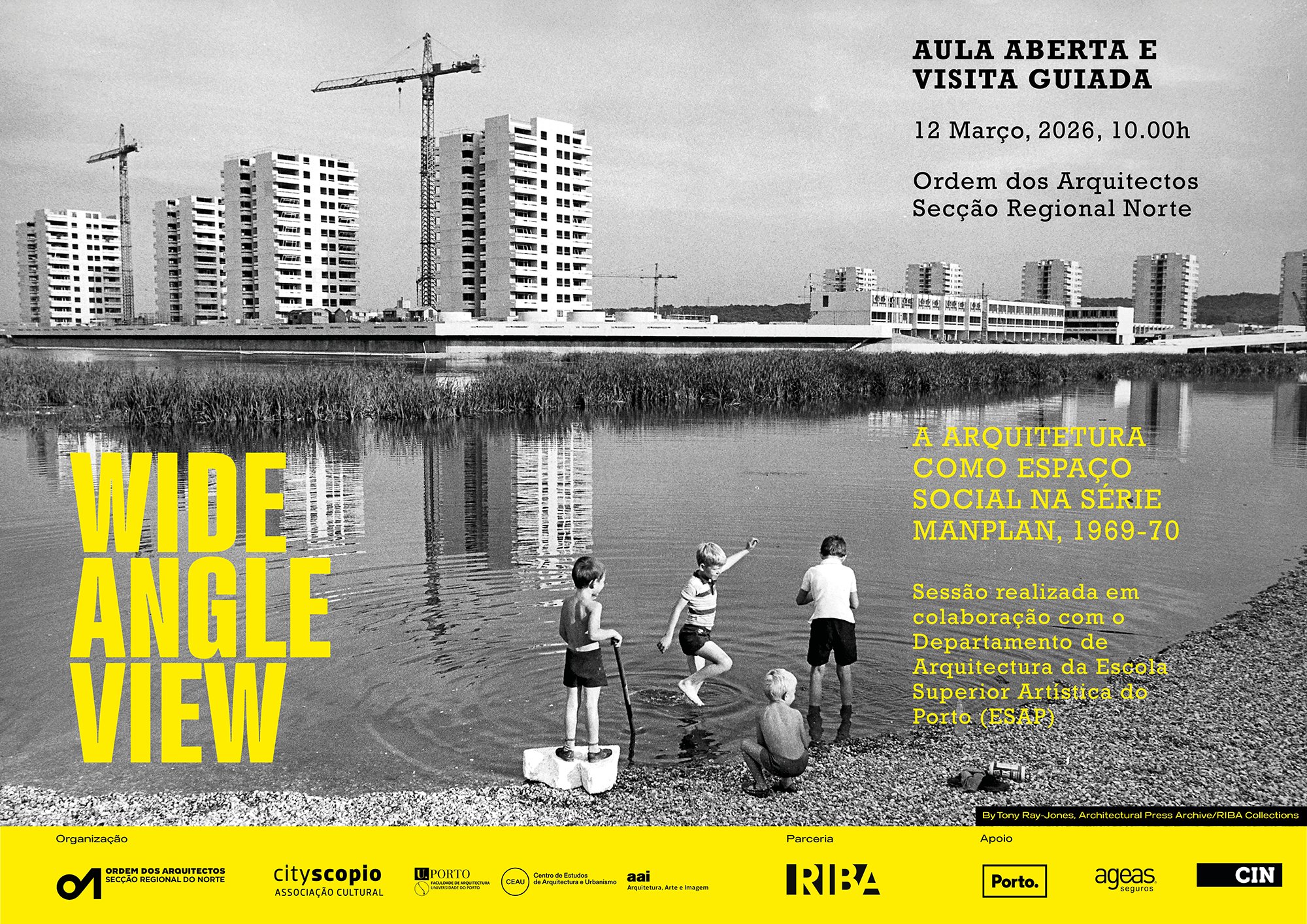
Aula aberta e visita guiada à exposição Wide-Angle View: A Arquitetura como Espaço Social na Série Manplan 1969–70

Ordem dos Arquitectos – Secção Regional Norte | 12 de março, 10h00

Sessão realizada em colaboração com o Departamento de Arquitectura da Escola Superior Artística do Porto (ESAP)

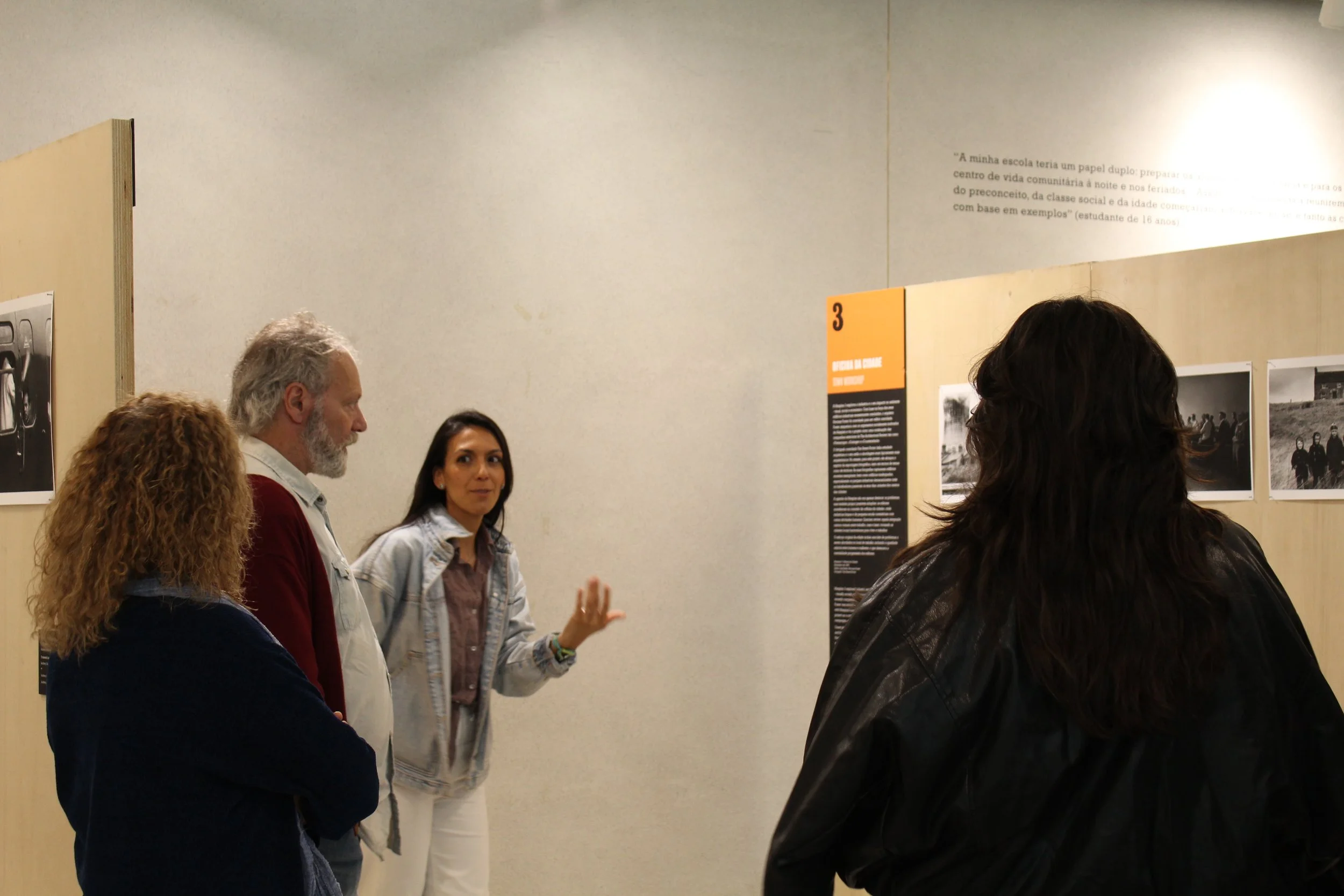
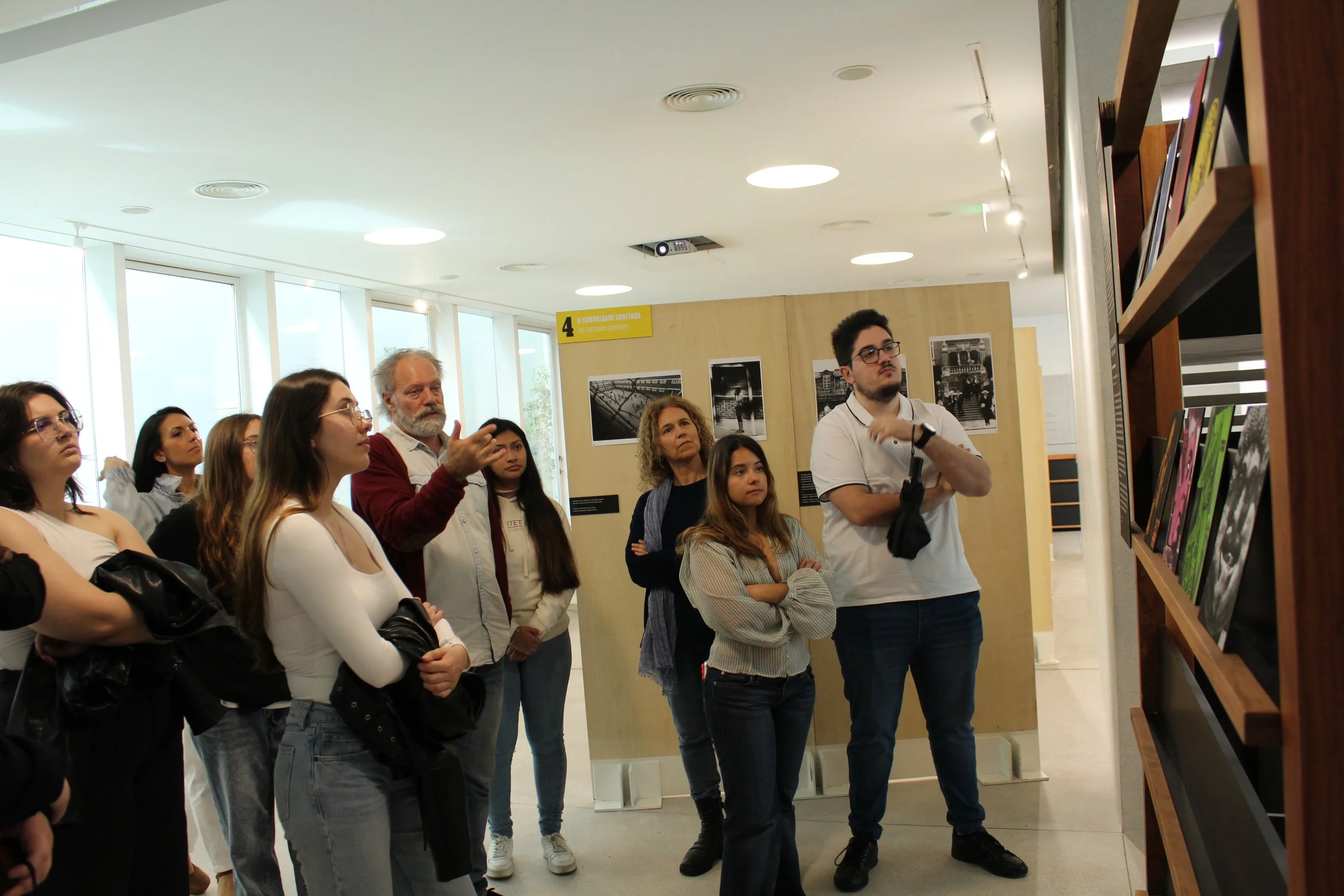
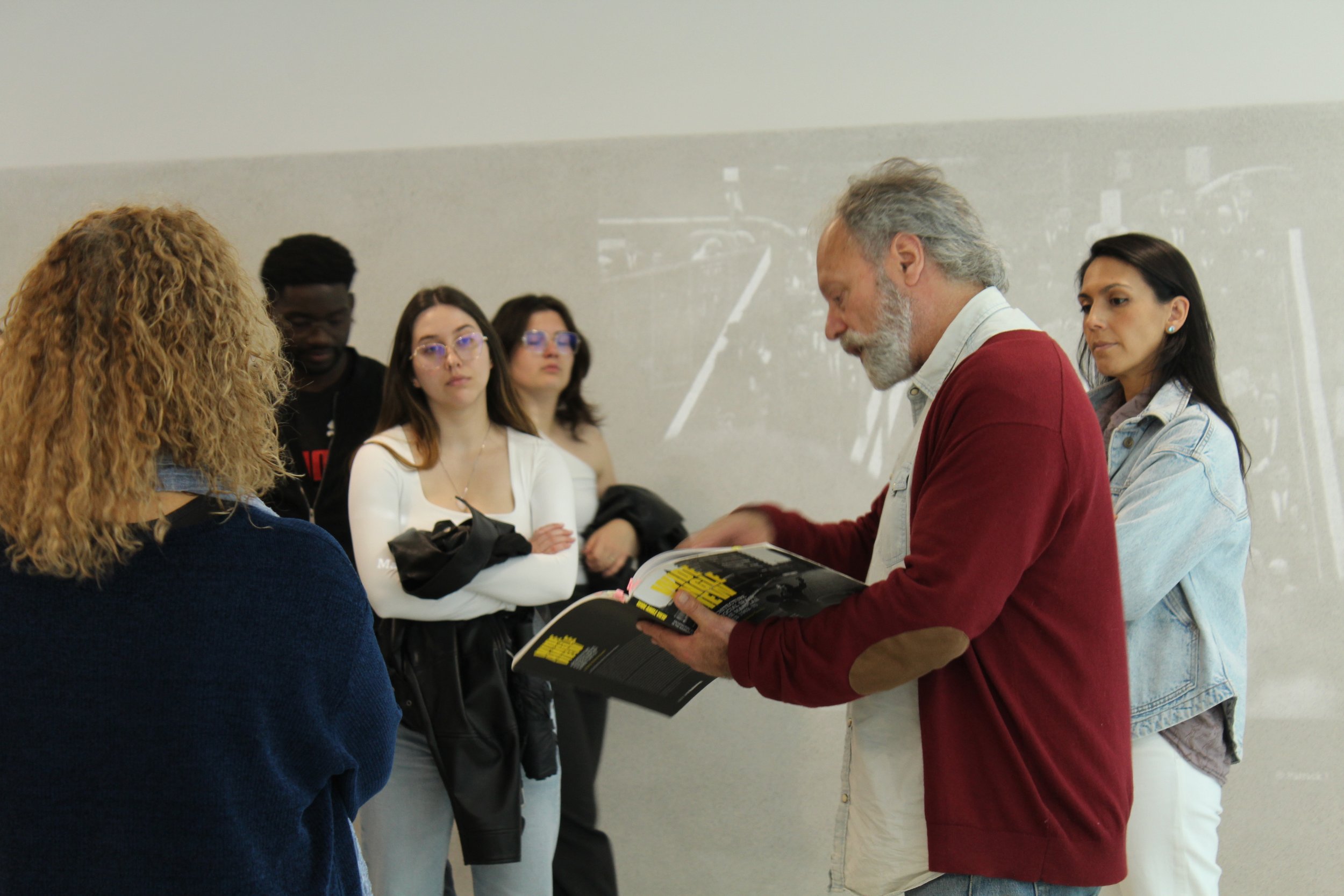
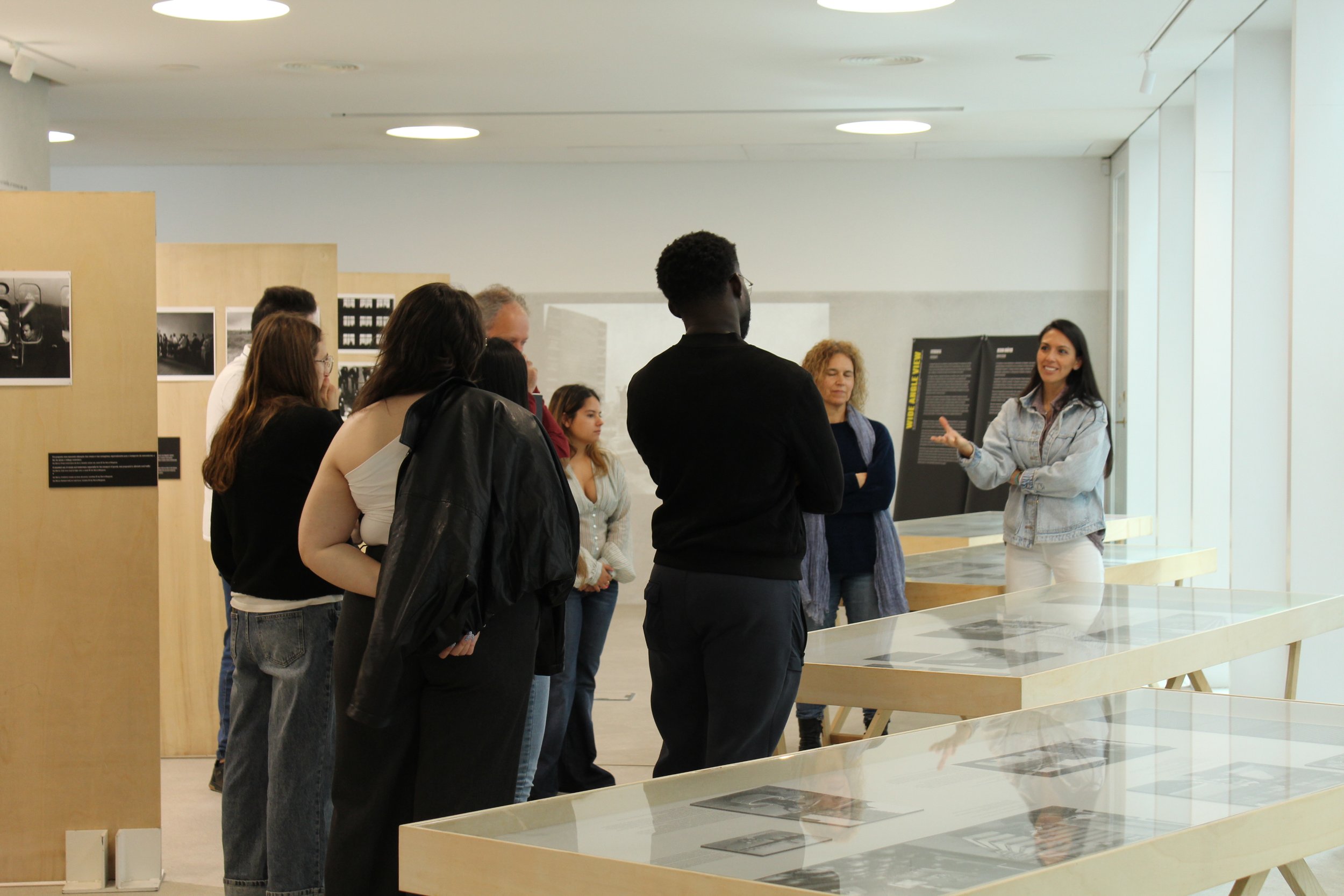
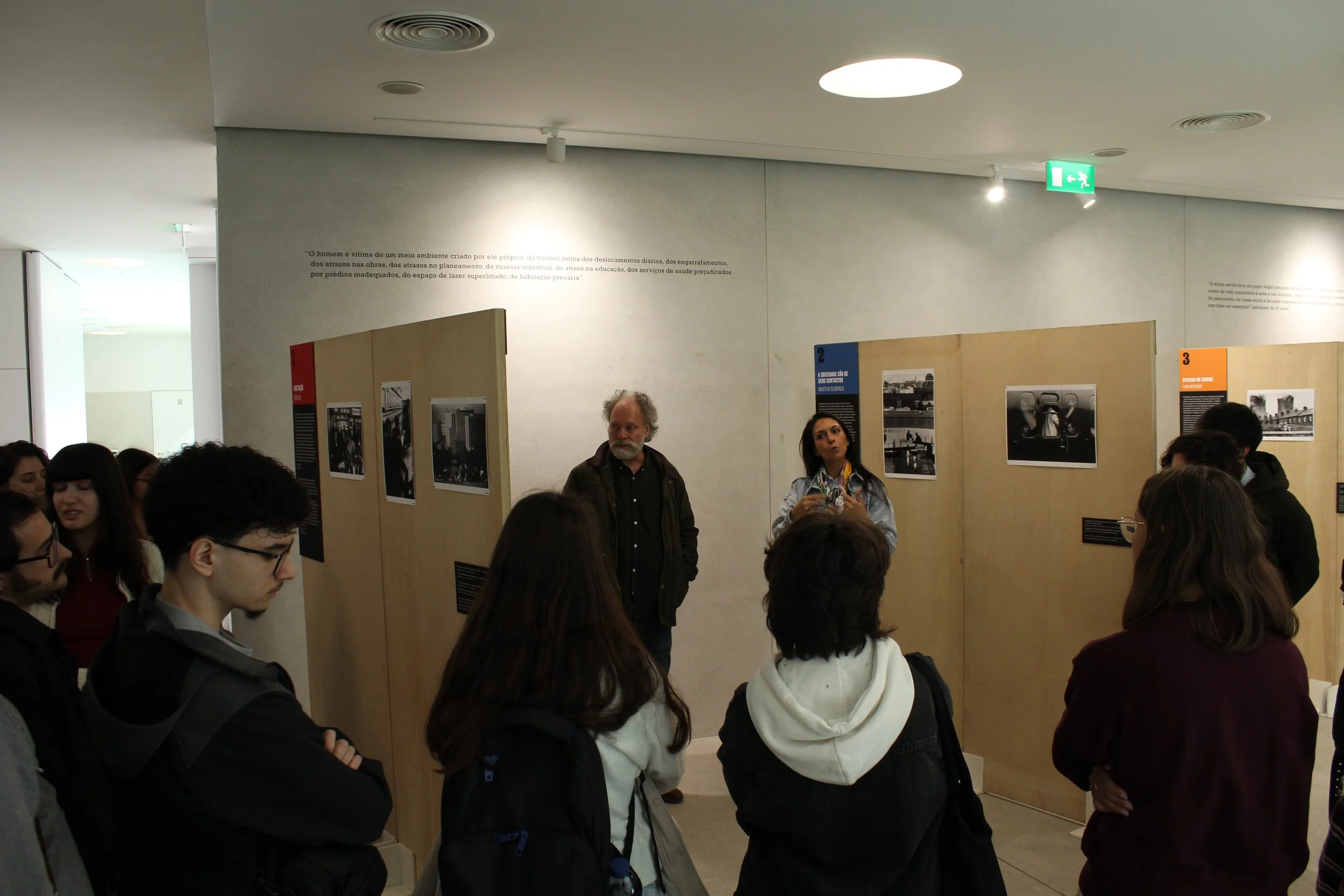
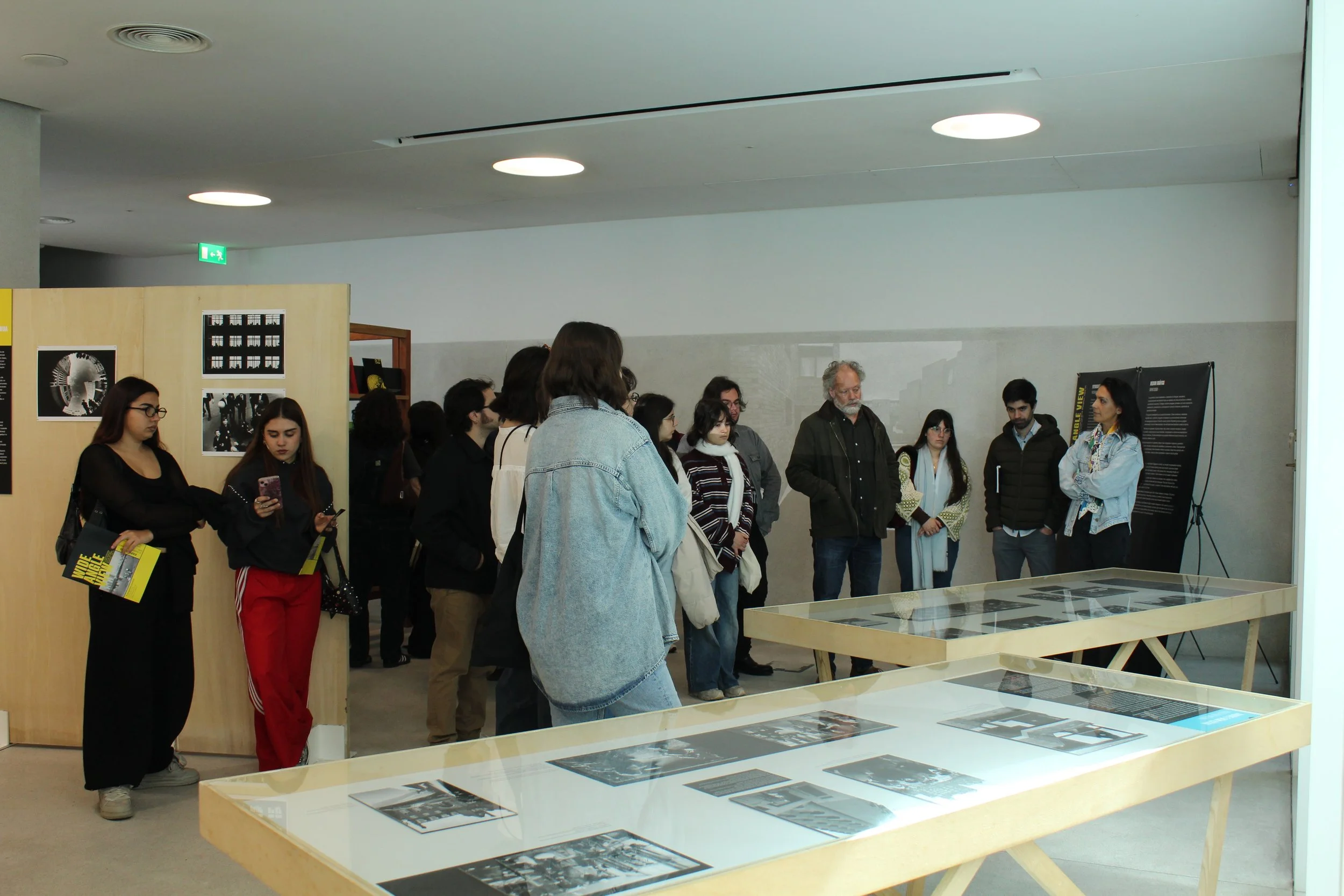
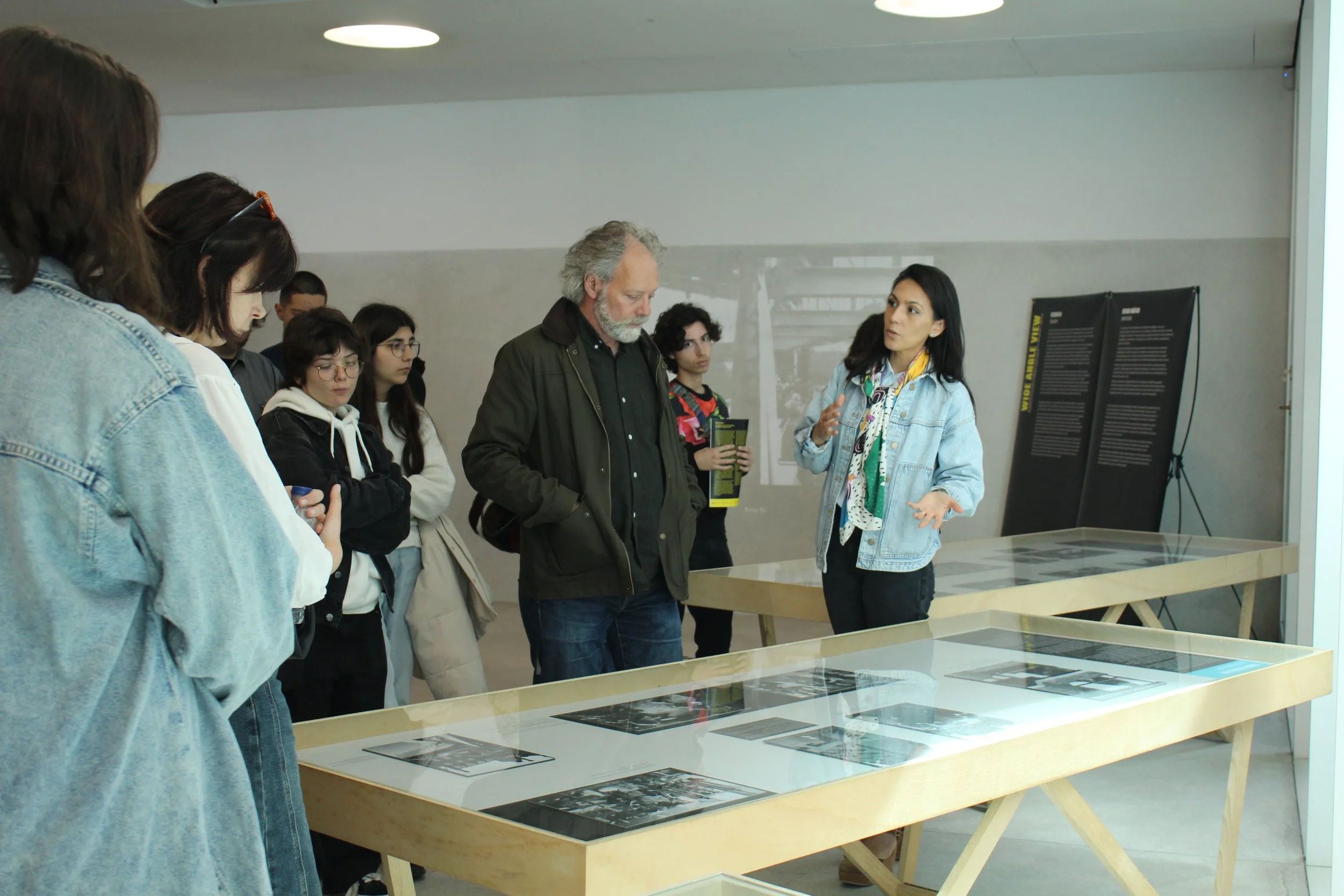
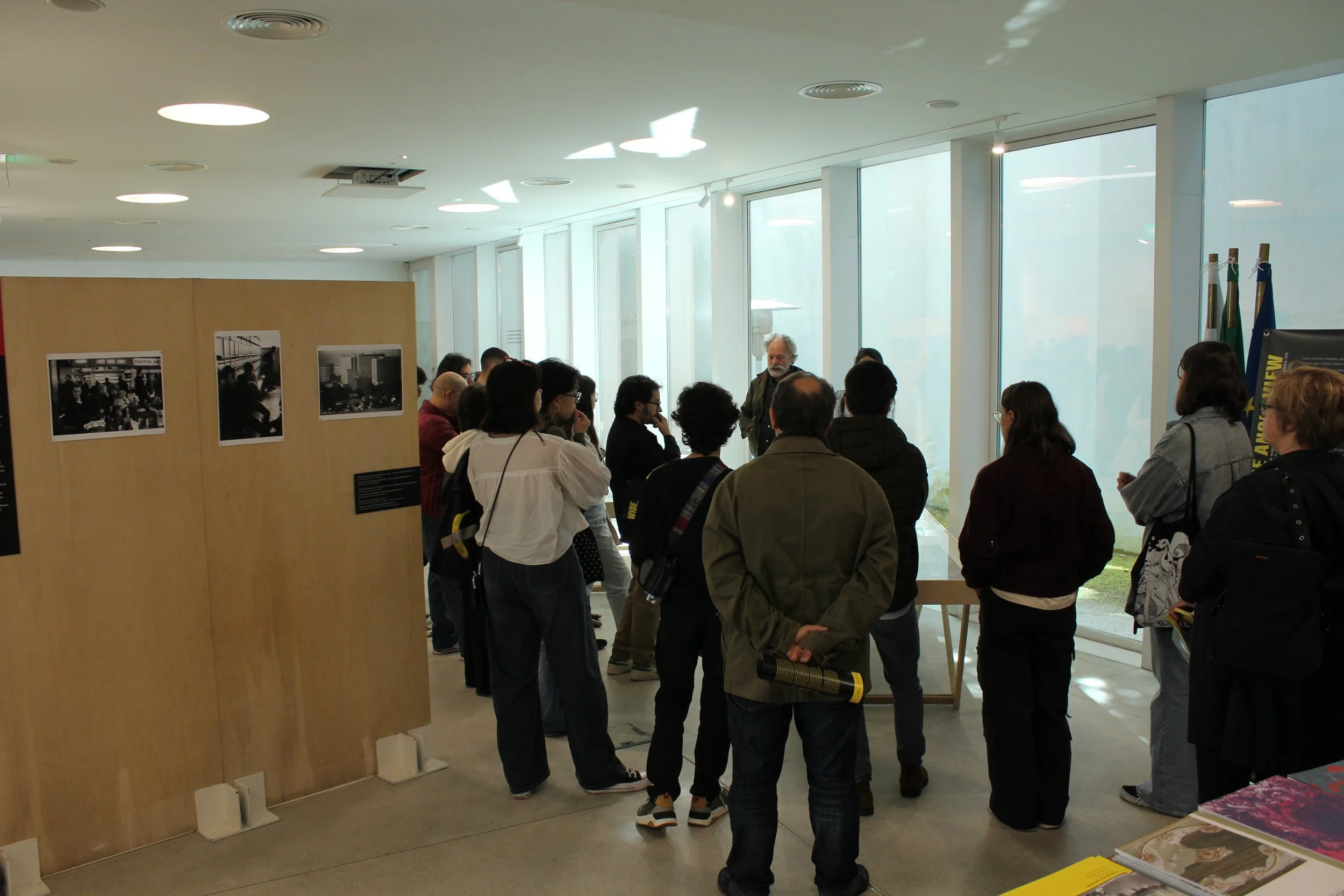
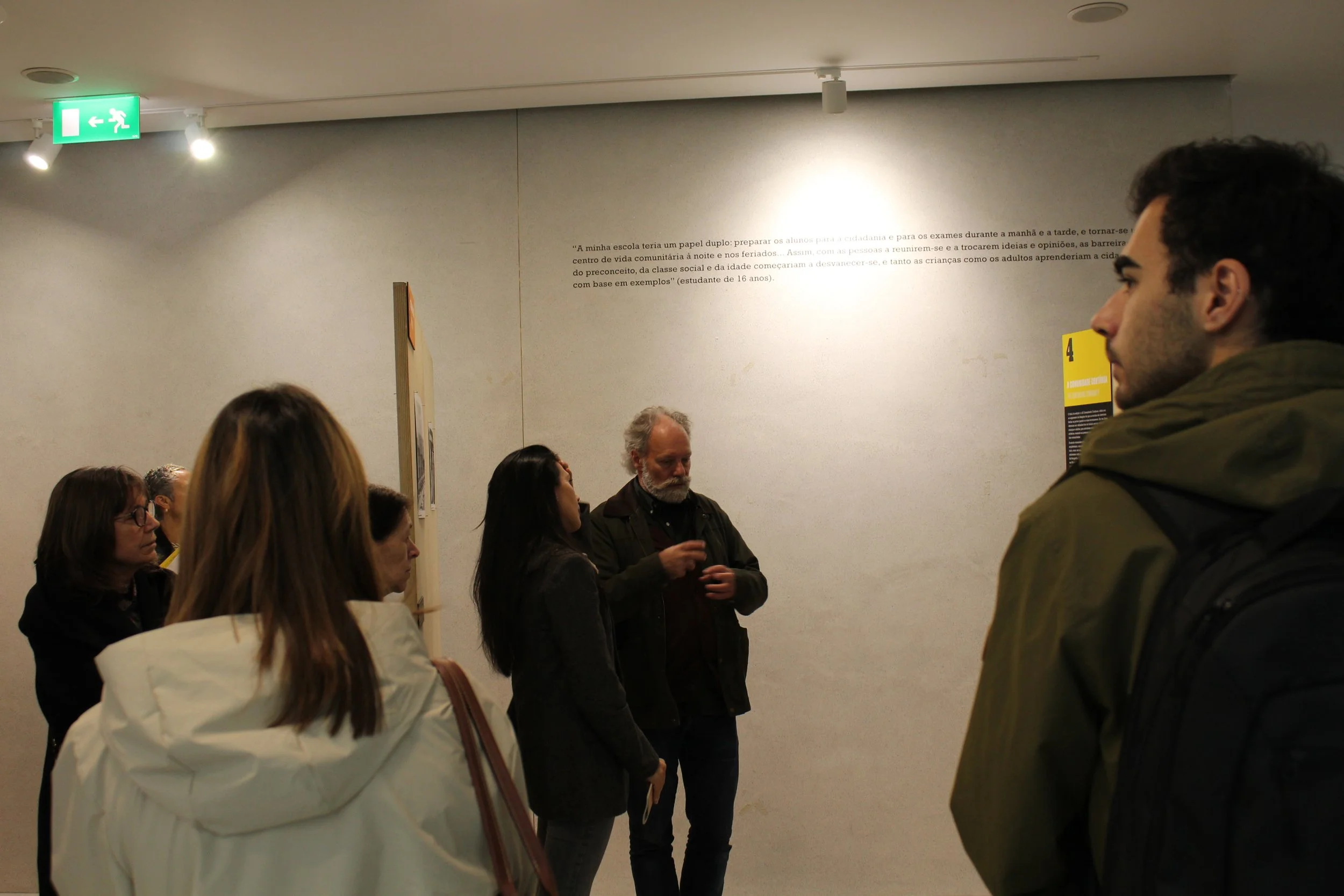
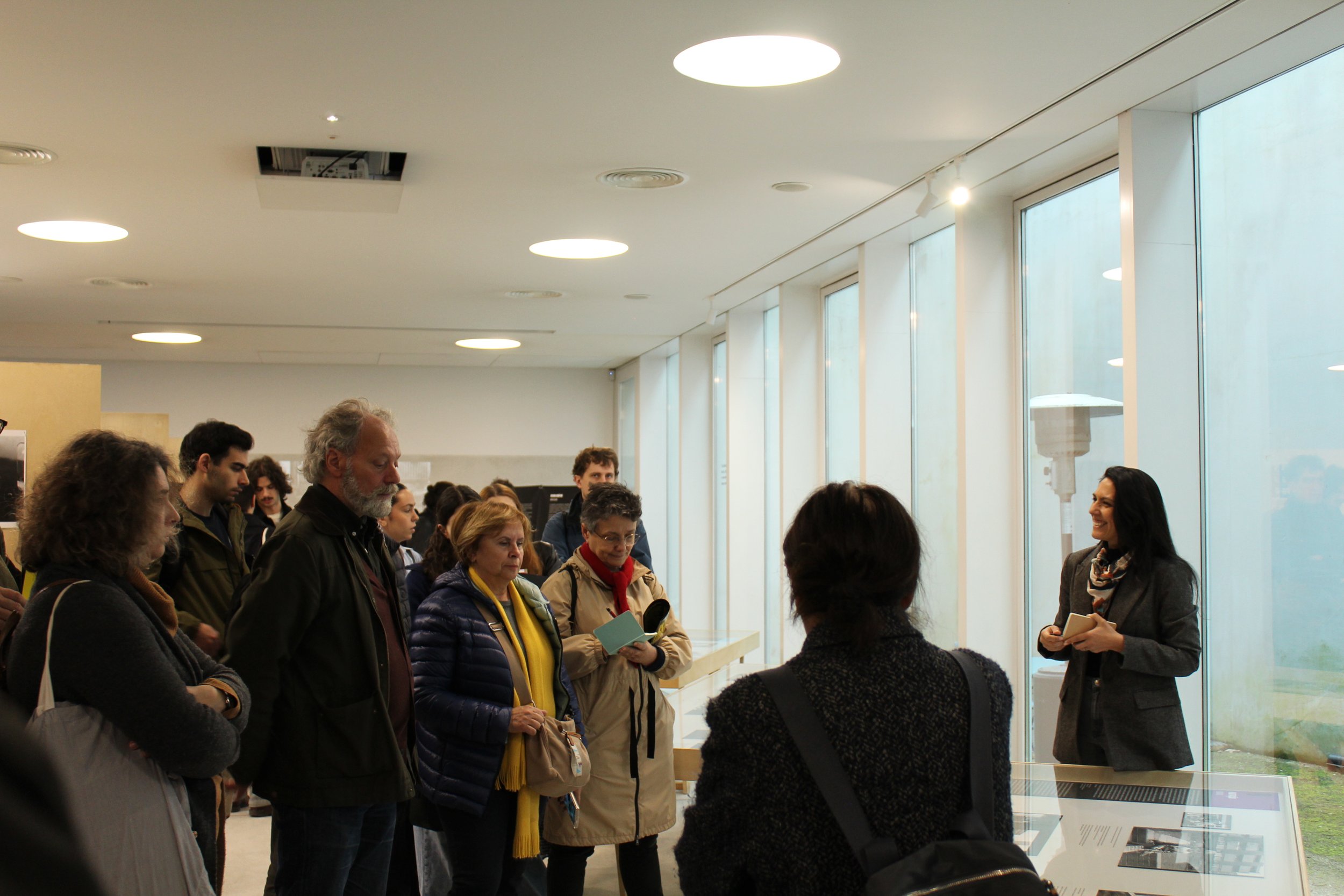
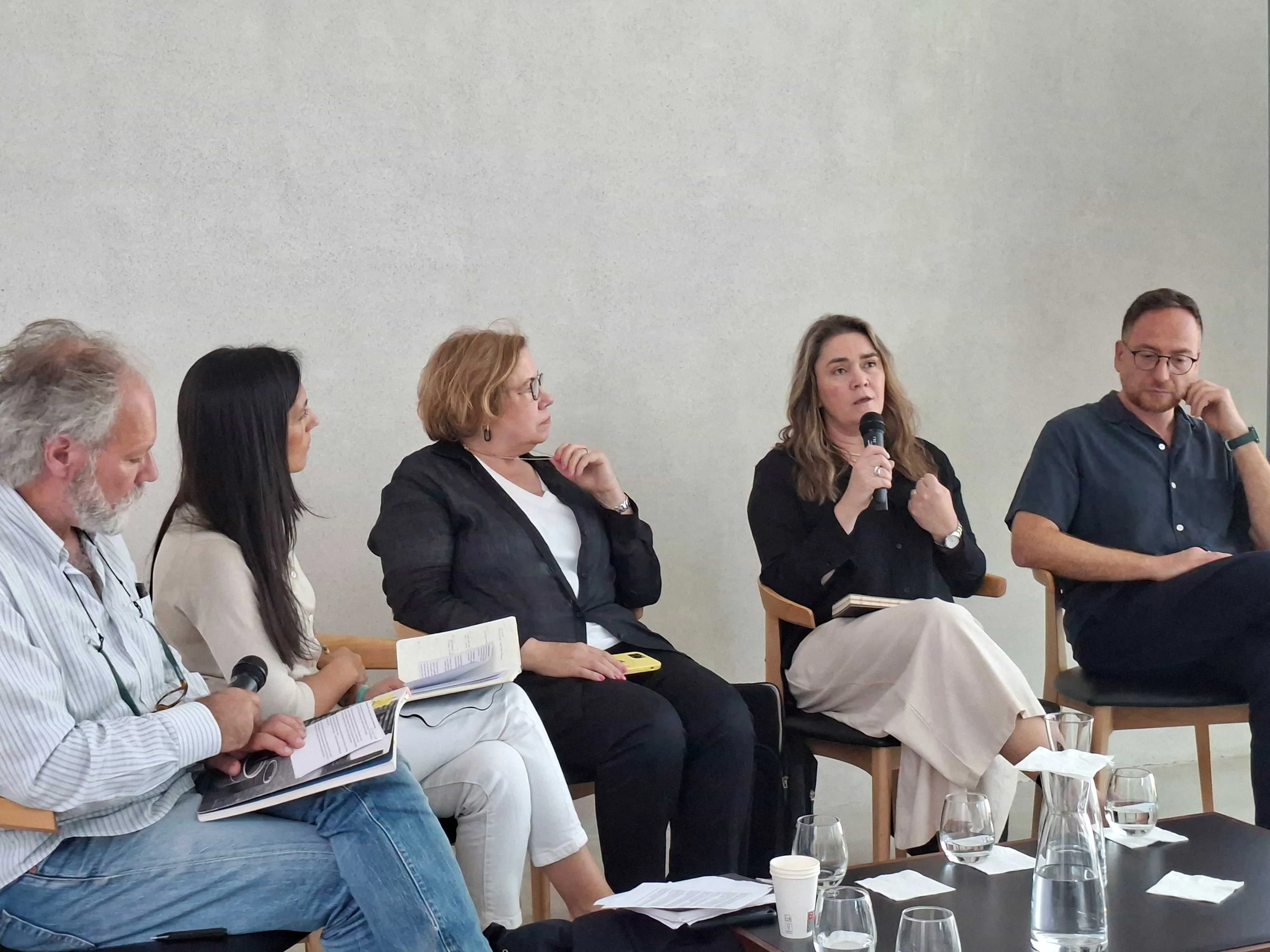
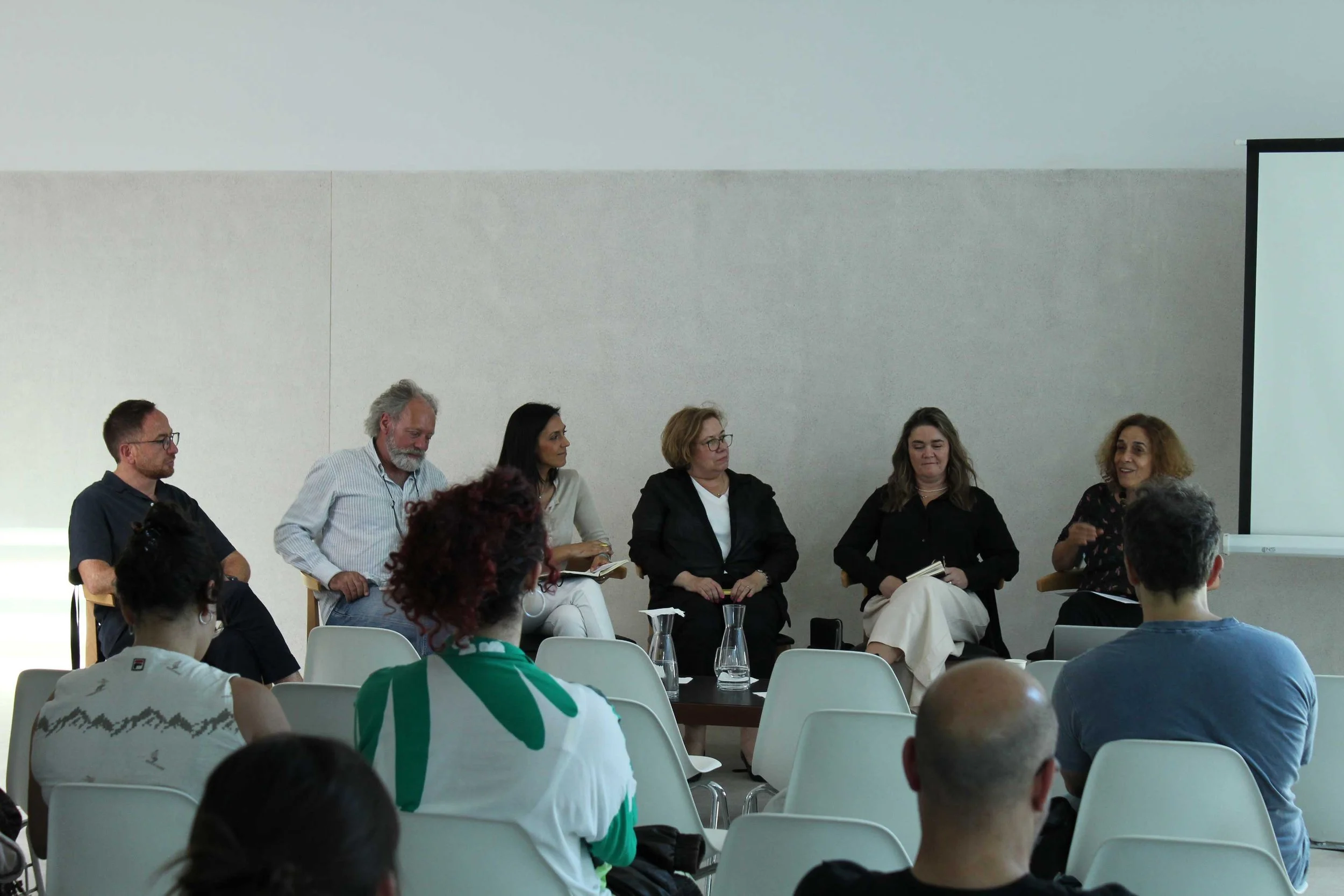
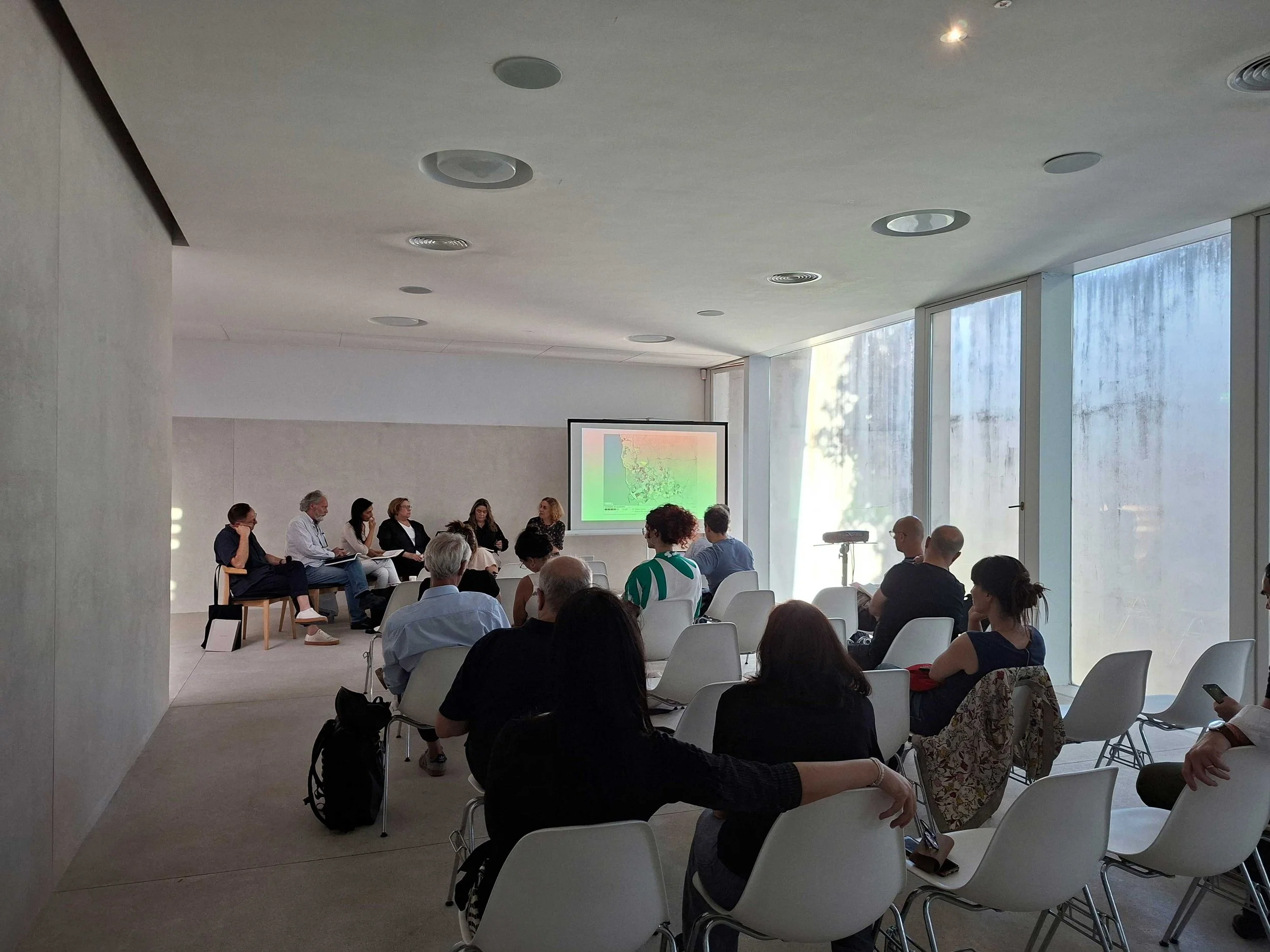
No dia 12 de março, quinta-feira, pelas 10:00, realiza-se uma visita guiada / aula aberta à exposição “Wide-Angle View: A Arquitetura como Espaço Social na série Manplan 1969–70”, patente na Ordem dos Arquitetos – Secção Regional Norte (OASRN), com especial enfoque para os estudantes do Departamento de Arquitectura (DARQ) da Escola Superior Artística do Porto (ESAP).

Esta iniciativa integra-se no programa de visitas guiadas / aulas abertas dirigido a toda a comunidade académica e ao público, sendo particularmente dirigida a estudantes, investigadores e profissionais interessados nas relações entre fotografia, arquitetura e cultura visual contemporânea.

A visita será conduzida por Pedro Leão Neto, investigador e docente da FAUP, associado ao grupo de investigação Arquitetura, Arte e Imagem (AAI) do CENP – Centro de Estudos Nuno Portas, sendo acompanhado por Alexandra TrevisanFátima Sales, Helena Maia e Henrique Muga docentes e investigadores do CEAA - Centro de Estudos Arnaldo Araújo (ESAP), e Franklin Morais docente do MIA (ESAP) e envolve uma leitura crítica da exposição enquanto dispositivo de reflexão sobre as relações entre arquitetura, cidade, imagem e sociedade.

Participam ainda a investigadora Maria Neto grupo de investigação AAI / CENP e um membro da OASRN, que contribuirão com perspetivas complementares sobre imagem, território e arquitetura.

Através destas sessões pretende-se criar um espaço de exploração, debate e reflexão em torno de novas abordagens à fotografia de arquitetura e às representações visuais da cidade, sublinhando o papel da imagem — e em particular da fotografia — enquanto instrumento de investigação, interpretação crítica e comunicação do espaço construído.

Inspirada na série Manplan, publicada pela revista The Architectural Review entre 1969 e 1970, a exposição propõe uma leitura crítica da arquitetura enquanto espaço social vivido, deslocando o foco da disciplina do edifício enquanto objeto para as relações humanas, os contextos urbanos e as condições sociais que moldam a vida quotidiana.

Estas sessões públicas pretendem igualmente estimular o contacto direto dos estudantes com exposições e projetos curatoriais relevantes no campo da arquitetura e da fotografia, permitindo compreender os modos como a imagem participa na construção de discursos críticos sobre a cidade e o território.

A visita é aberta a toda a comunidade académica e ao público em geral, sendo particularmente dirigida a estudantes, investigadores e profissionais interessados nas relações entre fotografia, arquitetura e cultura visual contemporânea.

Programa da Exposição Wide-Angle View

A exposição “Wide-Angle View: A Arquitetura como Espaço Social na série Manplan 1969–70” apresenta uma seleção de fotografias e materiais provenientes do arquivo da Architectural Press / RIBA Collections, revisitando a influente série publicada pela revista The Architectural Review no final da década de 1960.

Produzida num contexto de profundas transformações sociais e urbanas, Manplan marcou uma rutura na cultura editorial da arquitetura ao colocar as pessoas e os contextos sociais no centro da representação arquitetónica, abordando temas como habitação, saúde, trabalho, educação e lazer através de narrativas visuais inspiradas no fotojornalismo e na fotografia de rua.

A exposição resulta de uma parceria internacional entre o Royal Institute of British Architects (RIBA), a Ordem dos Arquitetos – Secção Regional Norte, a Associação Cultural Cityscopio (CCA) e o CENP/FAUP – Centro de Estudos Nuno Portas, através do grupo de investigação Arquitetura, Arte e Imagem (AAI) e do projeto editorial e científico Sophia Journal.

Mais do que uma exposição histórica, Wide-Angle View afirma-se como um dispositivo de reflexão contemporânea sobre as relações entre arquitetura e sociedade, particularmente relevante num contexto marcado pela crise da habitação, pelas transformações do espaço urbano e pelas desigualdades territoriais.

Durante o período em que estará patente na sede da Ordem dos Arquitetos – Secção Regional Norte, a exposição será acompanhada por um programa paralelo de visitas guiadas, conversas públicas e ações educativas, dirigido a estudantes, investigadores, arquitetos e ao público em geral.

Estas iniciativas procuram promover novas leituras críticas sobre a cidade contemporânea, sublinhando o papel da fotografia e da imagem enquanto instrumentos fundamentais de pensamento e investigação sobre o espaço arquitetónico e urbano.

MANIFESTO
Da Manplan à crise da habitação: ampliar o campo de visão

A arquitetura nunca foi neutra. Nunca foi apenas forma, técnica ou estilo. É um campo de forças onde se inscrevem conflitos sociais, escolhas políticas e visões do mundo. A série Manplan (1969–1970) tornou essa condição explícita num momento em que as promessas do modernismo entravam em crise e a realidade urbana expunha, de forma incontornável, as falhas de um projeto social incompleto. Cinquenta anos depois, essa lucidez crítica não perdeu atualidade — tornou-se urgente.

Hoje, perante uma crise global da habitação, a financeirização do território, a exclusão crescente e a fragmentação das cidades, importa recuperar e atualizar o gesto radical de Manplan: olhar a arquitetura a partir da vida, e não o inverso. Colocar as pessoas no centro da representação e do pensamento arquitetónico. Reconhecer que cada decisão espacial produz efeitos reais sobre corpos, relações, desigualdades e possibilidades de futuro. “Wide-Angle View: Architecture as social space in the Manplan series 1969–70” | SR-NRT uma mostra inédita em Portugal que revisita a influente série Manplan, afirma-se nesse território de continuidade crítica.

Não como uma exposição nostálgica, mas como um dispositivo de leitura do presente. O arquivo não é aqui um lugar fechado, mas um campo ativo de investigação, capaz de iluminar as tensões contemporâneas. As imagens de Manplan — cruas, próximas, incómodas — continuam a interpelar-nos porque revelam uma verdade persistente: a cidade é vivida antes de ser desenhada, e a habitação é um direito antes de ser um produto.

A lente grande-angular que dá título à exposição é mais do que um recurso técnico. É uma posição ética e política. Ampliar o campo de visão significa recusar leituras simplificadas da realidade urbana, rejeitar soluções rápidas para problemas estruturais e confrontar a disciplina com as consequências sociais do seu próprio fazer. Significa aceitar que a arquitetura participa ativamente na produção de desigualdade, mas também que pode — e deve — ser instrumento de reparação.

Entre a Manplan e o presente estende-se uma linha de continuidade: a compreensão da arquitetura como prática inevitavelmente política. A crise da habitação não é um acidente, mas o resultado de escolhas acumuladas — de modelos económicos, de legislação, de planeamento e de cultura disciplinar. Perante isso, não basta projetar mais edifícios; é necessário repensar os modos de habitar, os regimes de propriedade, as formas de cooperação e os imaginários urbanos que sustentam a cidade contemporânea.

Wide-Angle View convoca arquitetos, estudantes, investigadores e cidadãos a assumir uma posição. A olhar para o arquivo não como repertório formal, mas como memória crítica. A reconhecer na fotografia não apenas um meio de representação, mas uma forma de pensamento. A compreender que toda a imagem é uma tomada de posição — e que toda a arquitetura comunica, mesmo quando pretende silenciar os seus efeitos.

Este manifesto afirma que a relevância de Manplan reside precisamente na sua recusa da indiferença. Na sua capacidade de expor o desconforto, de tornar visíveis as falhas do sistema e de insistir que a qualidade de vida é uma questão coletiva. Hoje, como então, a arquitetura só faz sentido se for pensada a partir da vida concreta, das suas fragilidades e das suas urgências.

Ampliar o campo de visão é, por isso, um compromisso com o presente. Um convite à ação crítica. Uma exigência de responsabilidade disciplinar. Entre arquivo e atualidade, entre imagem e projeto, entre arquitetura e sociedade, “Wide-Angle View: Architecture as social space in the Manplan series 1969–70” | SR-NRT  afirma que não há futuro habitável sem um olhar atento, informado e profundamente humano sobre a cidade que construímos.

Pedro Leão Neto

Maria Neto

Mais informação em breve nos canais da SR-NRT, CNEP - FAUP e CCA.
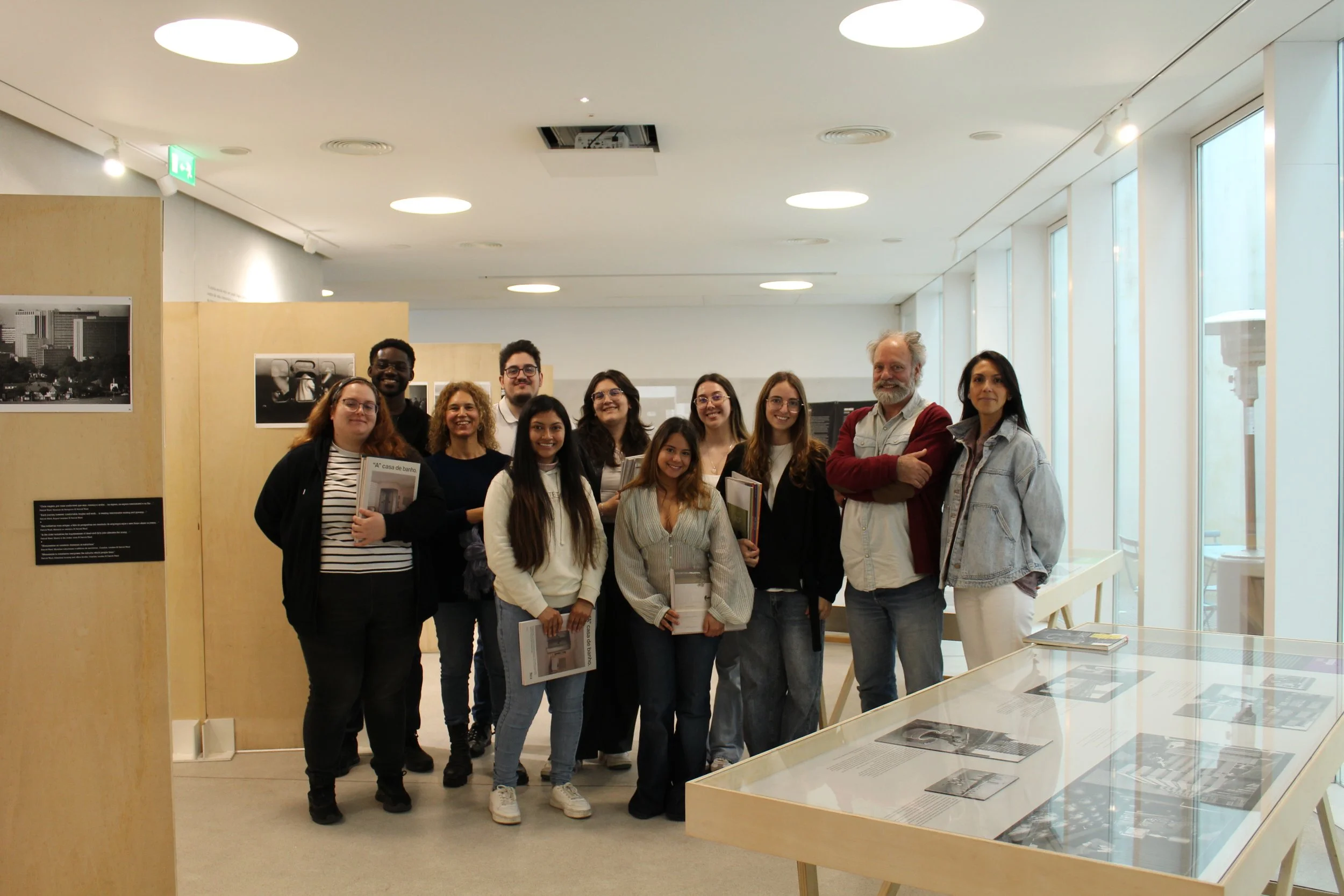
 

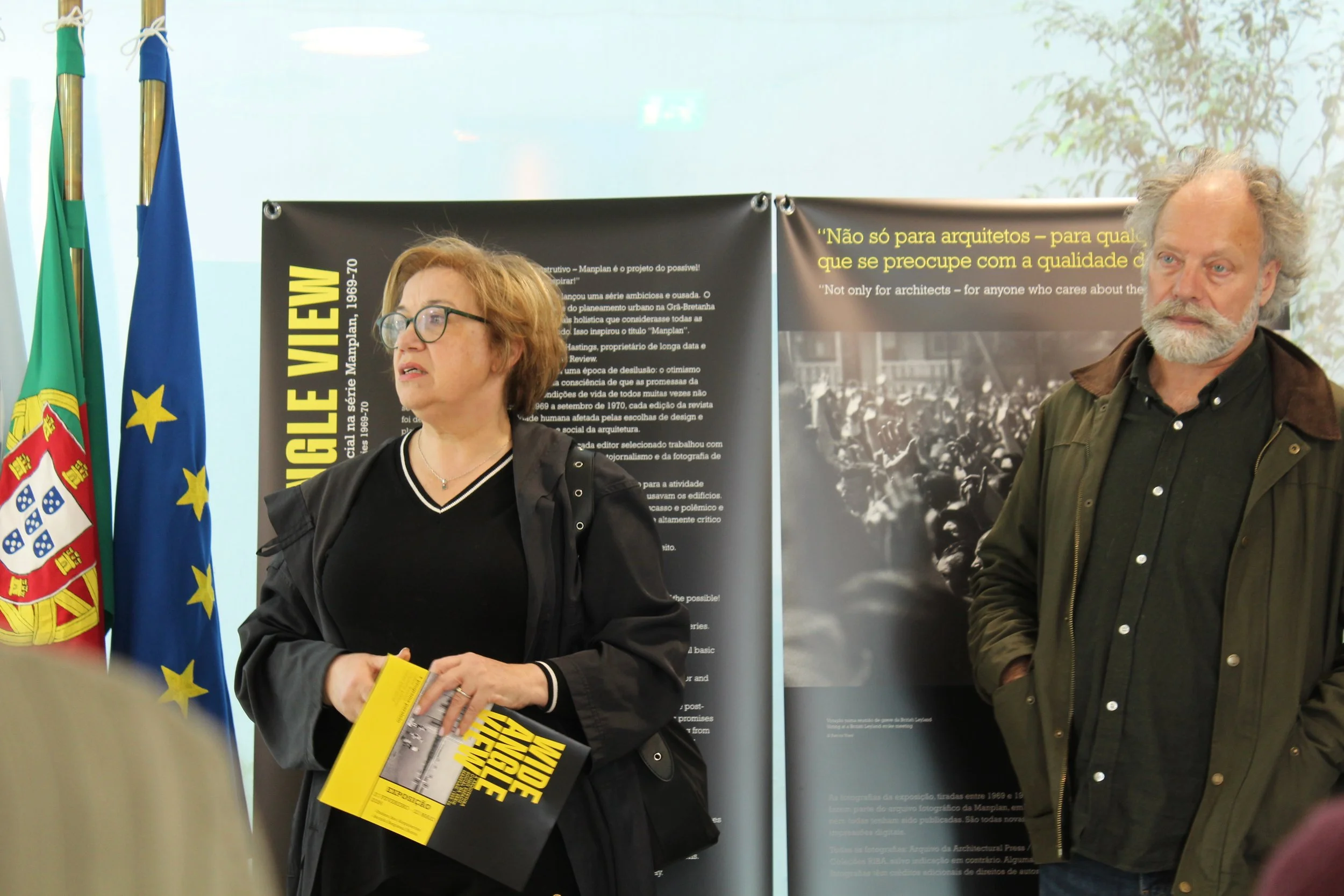
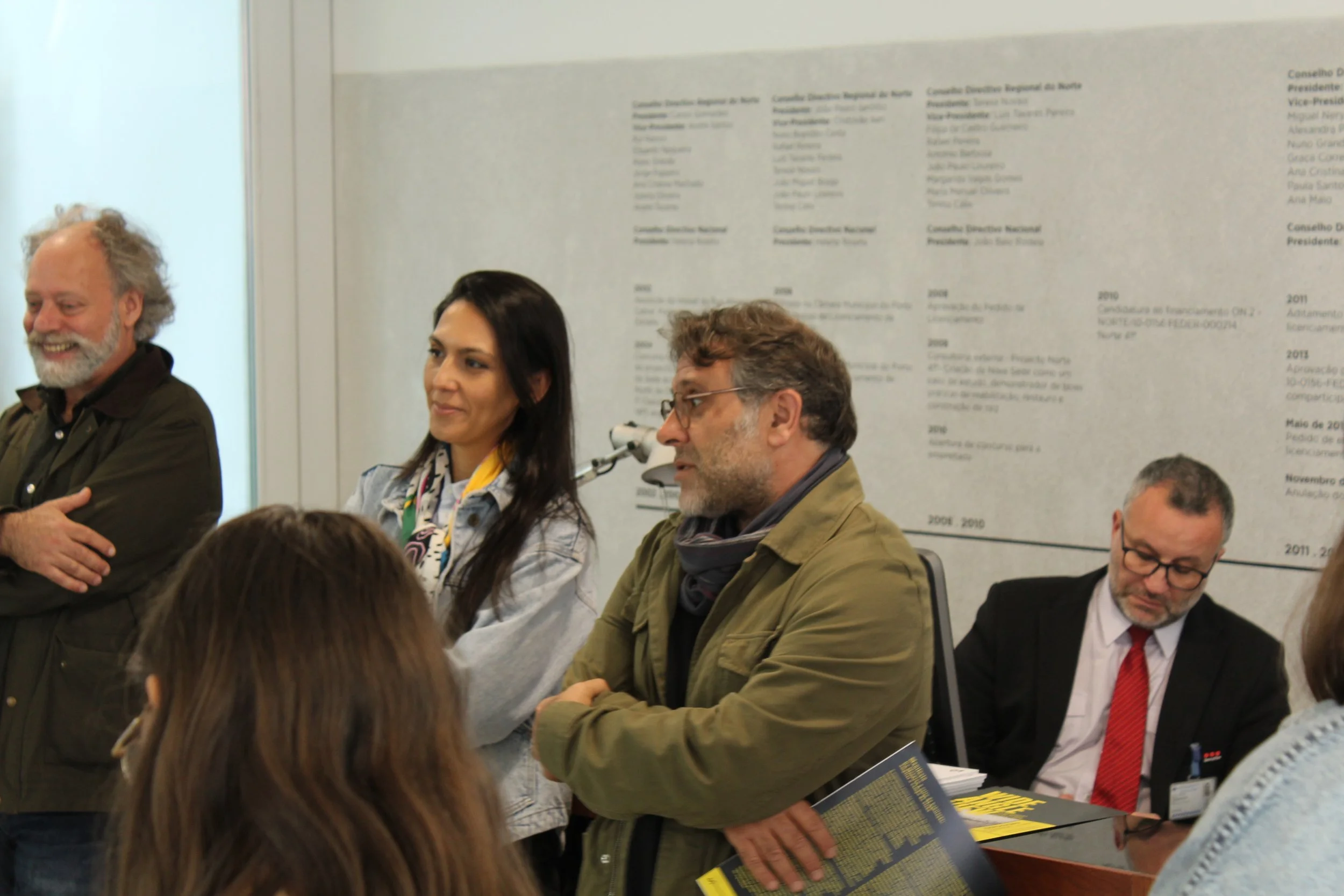
Opening of the exhibition “Wide-Angle View: Architecture as Social Space in the Manplan Series 1969–70” brings together architects, researchers and students at the Order of Architects


Fotografia ©Egídio Santos/ SR-NRT


Opening of the exhibition “Wide-Angle View

Architecture as Social Space in the Manplan Series 1969–70” brings together architects, researchers and students at the Order of Architects

PT/ENG

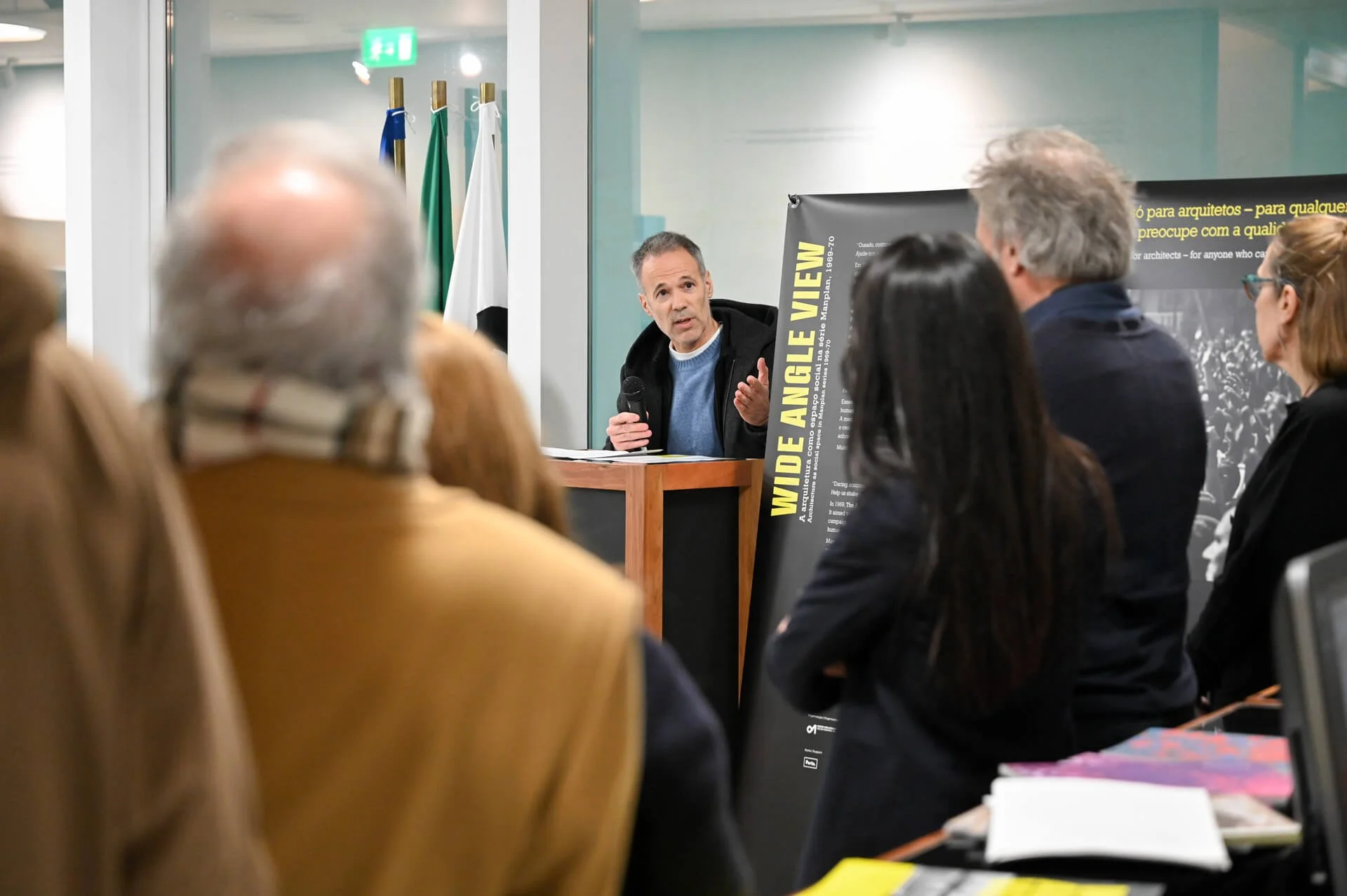
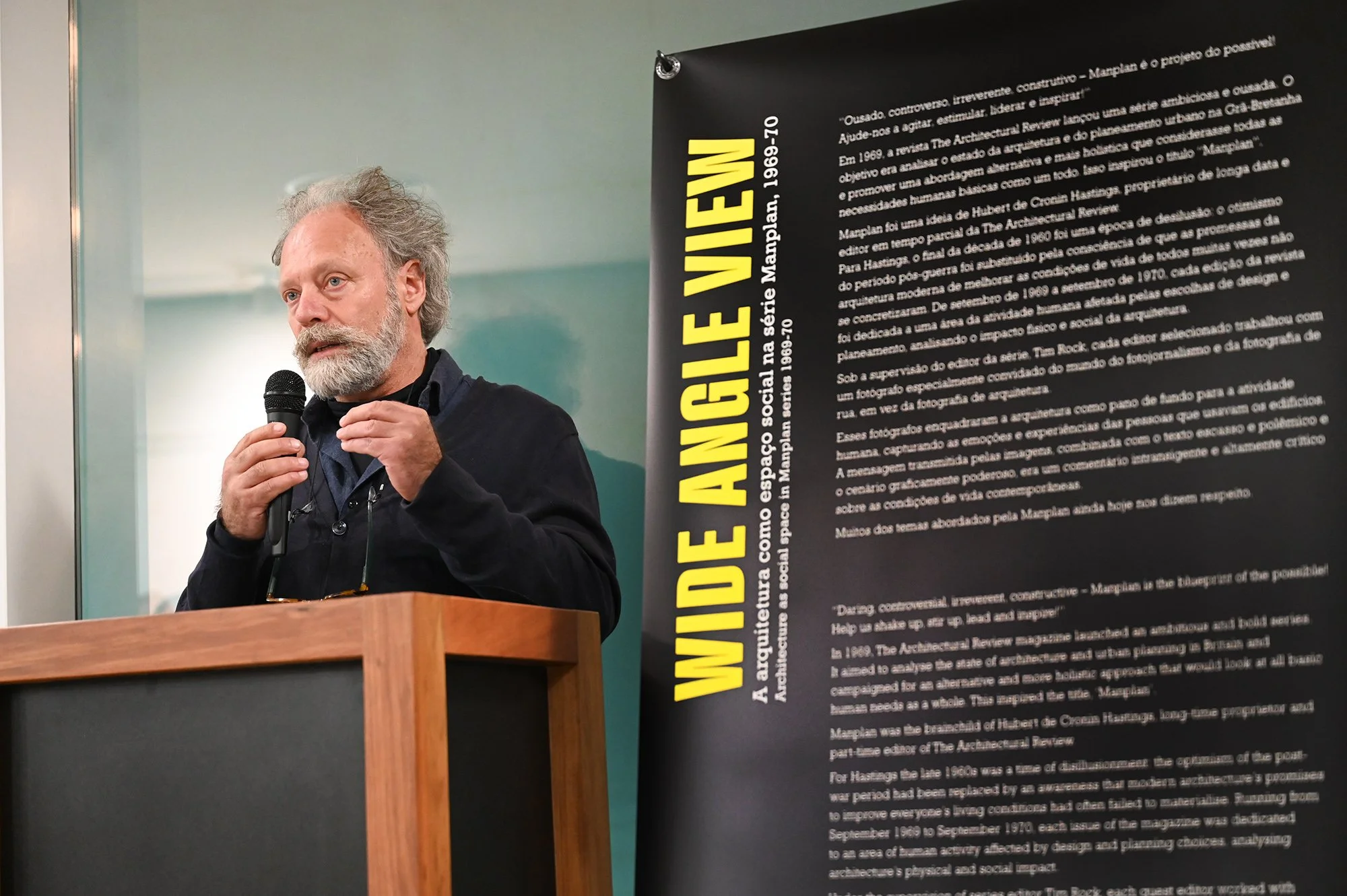
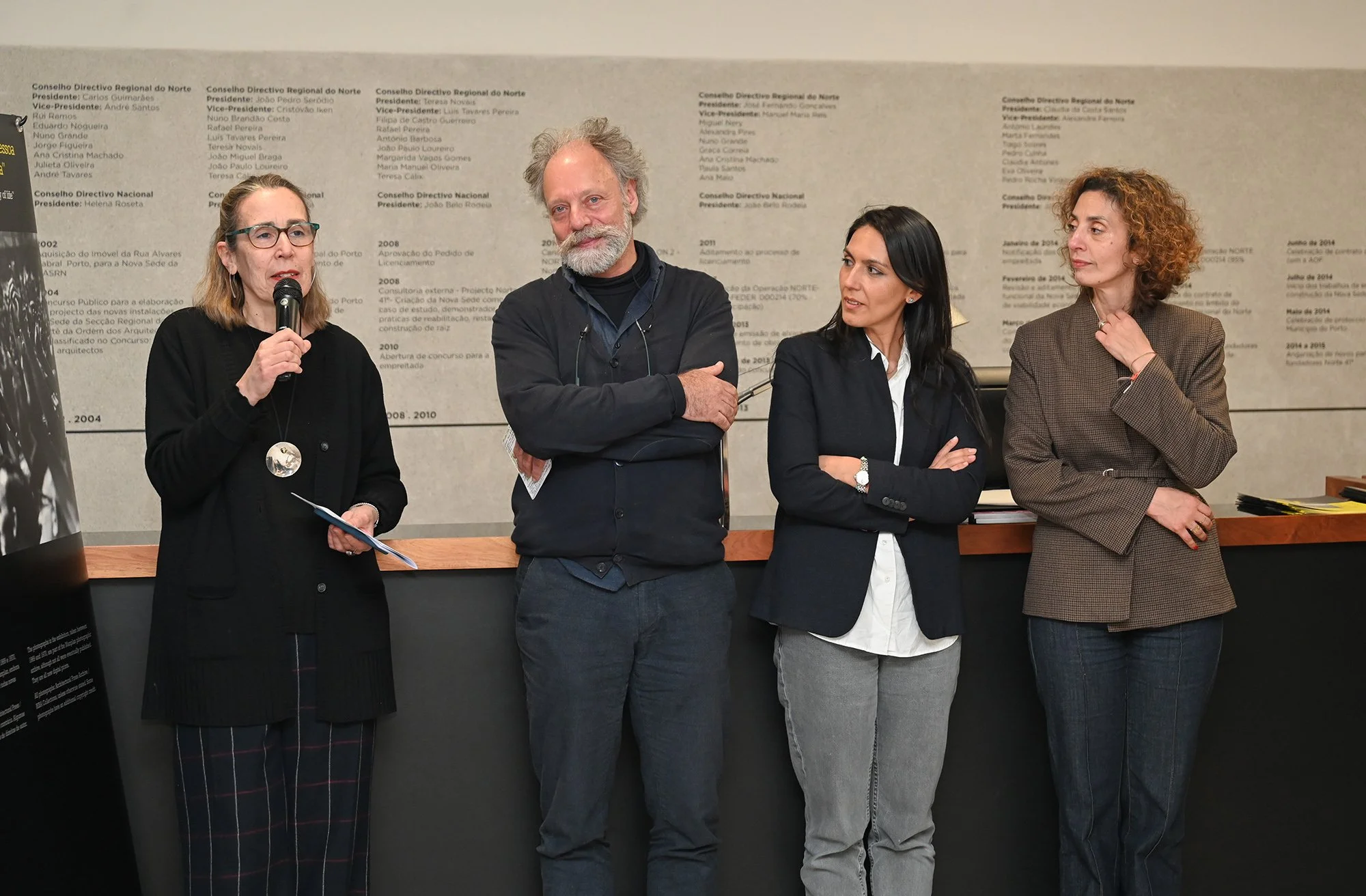
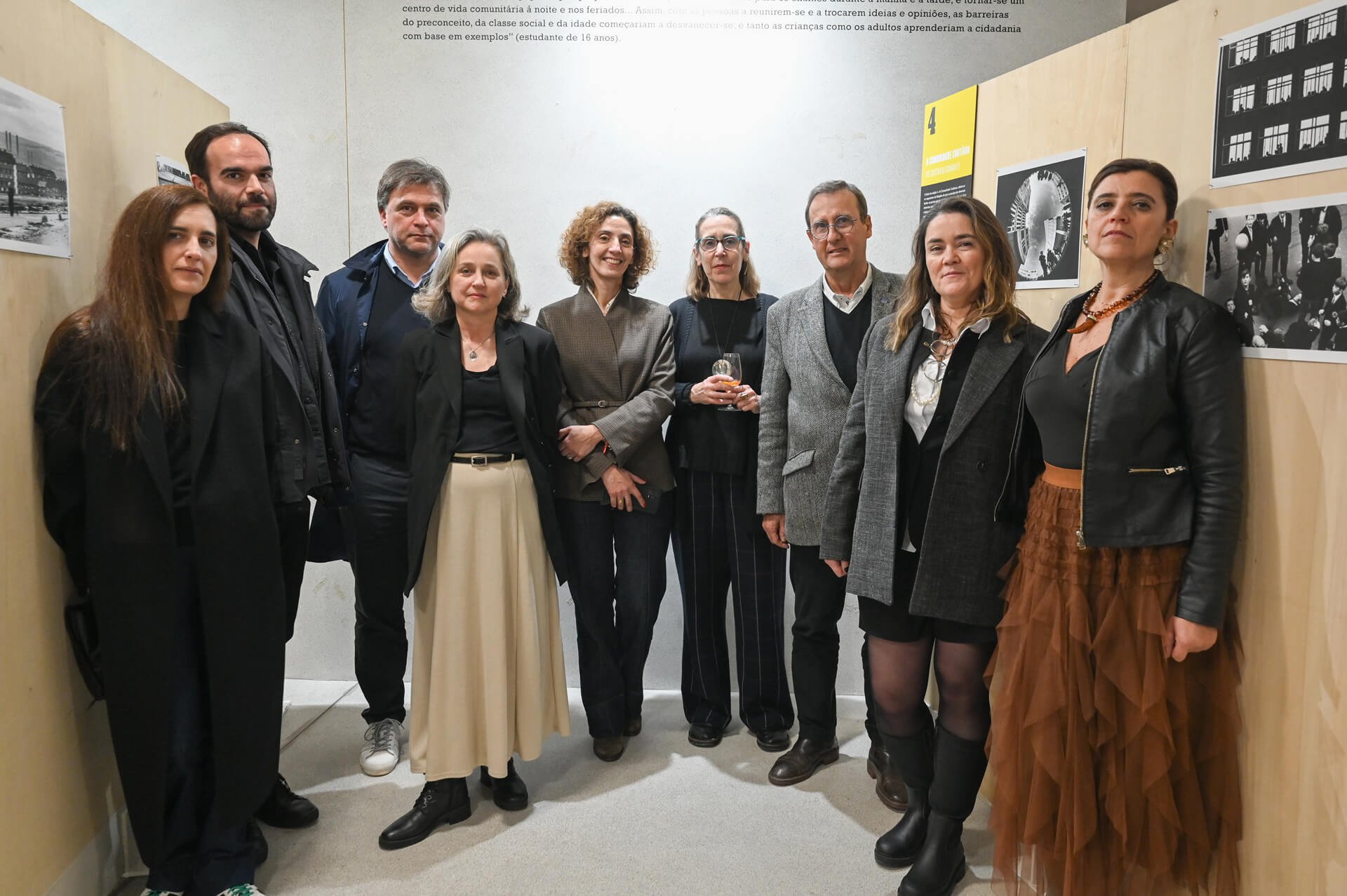
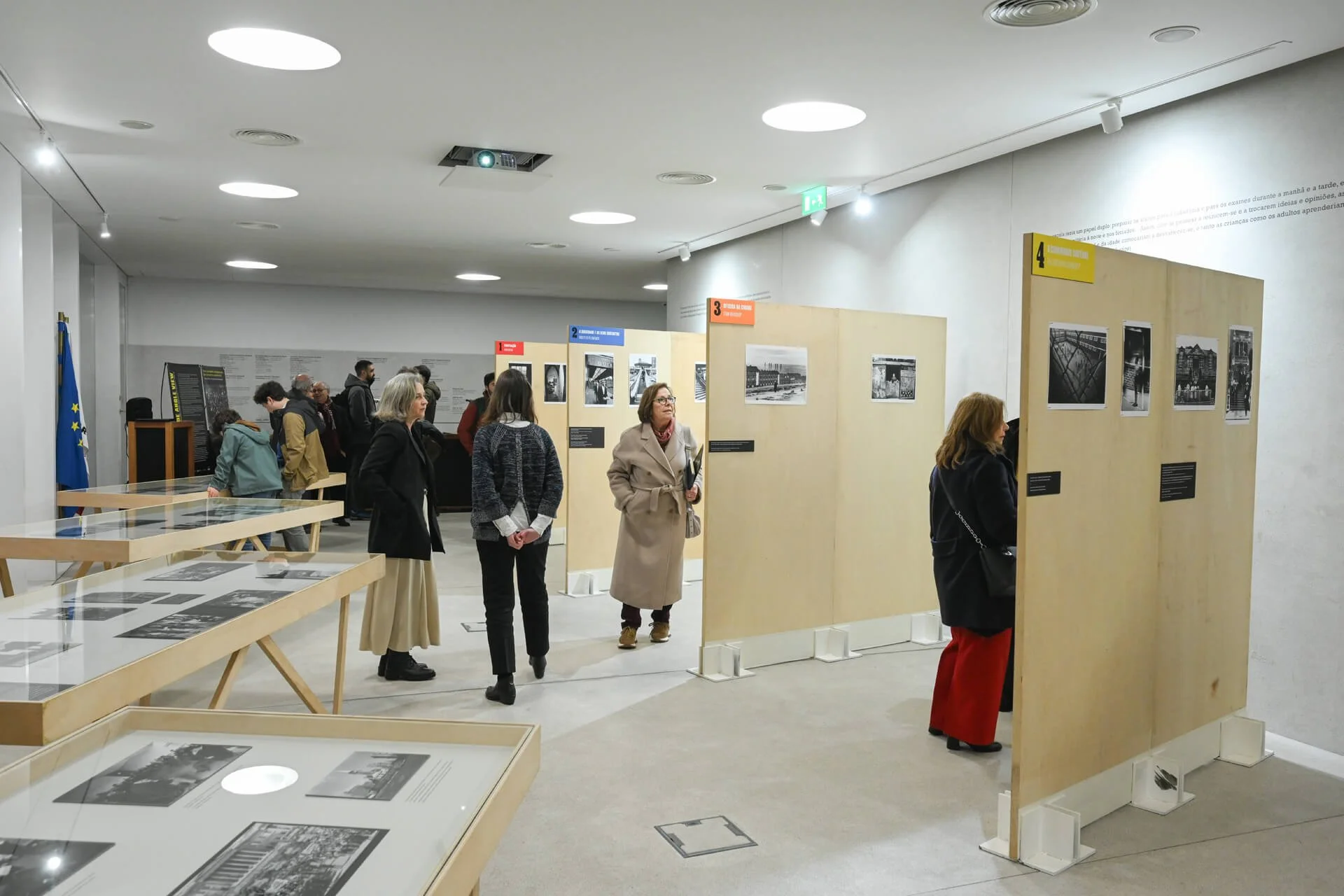
The opening of the exhibition Wide-Angle View: Architecture as Social Space in the Manplan Series 1969–70, which took place on February 27th at the headquarters of the Northern Regional Section of the Order of Architects (OASRN), brought together a large and diverse audience, confirming the interest that the initiative has been generating in the academic, professional and cultural community.

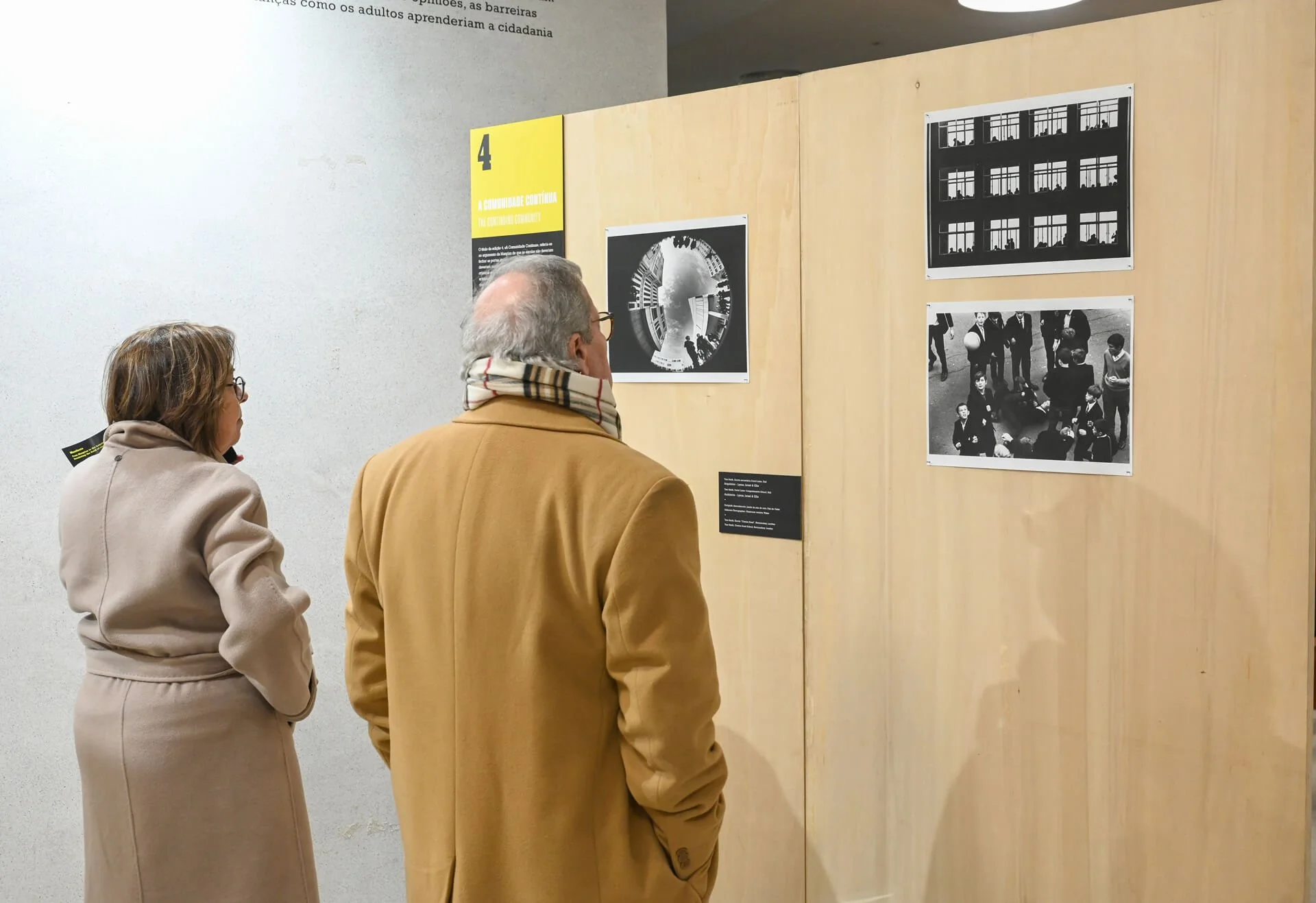
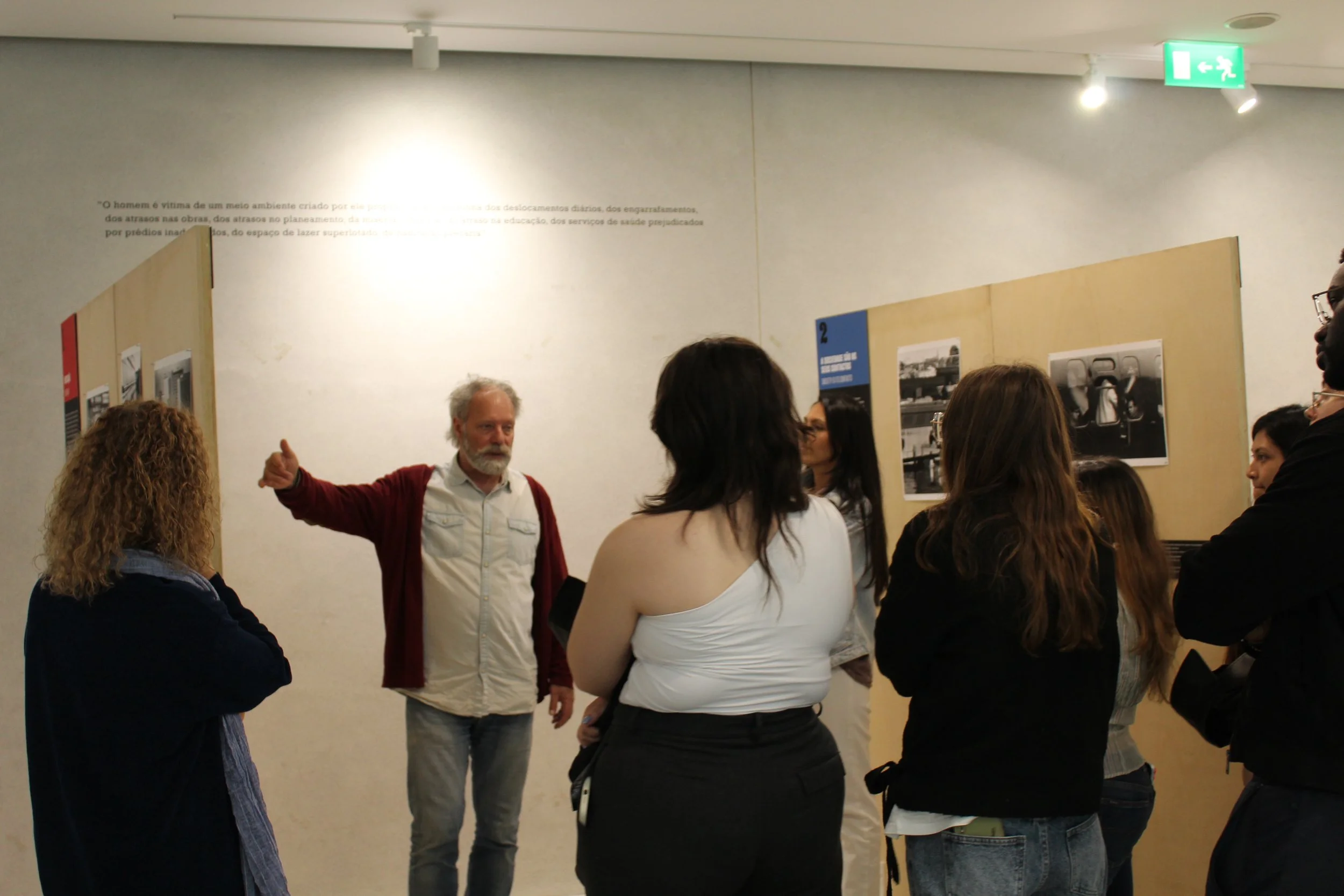
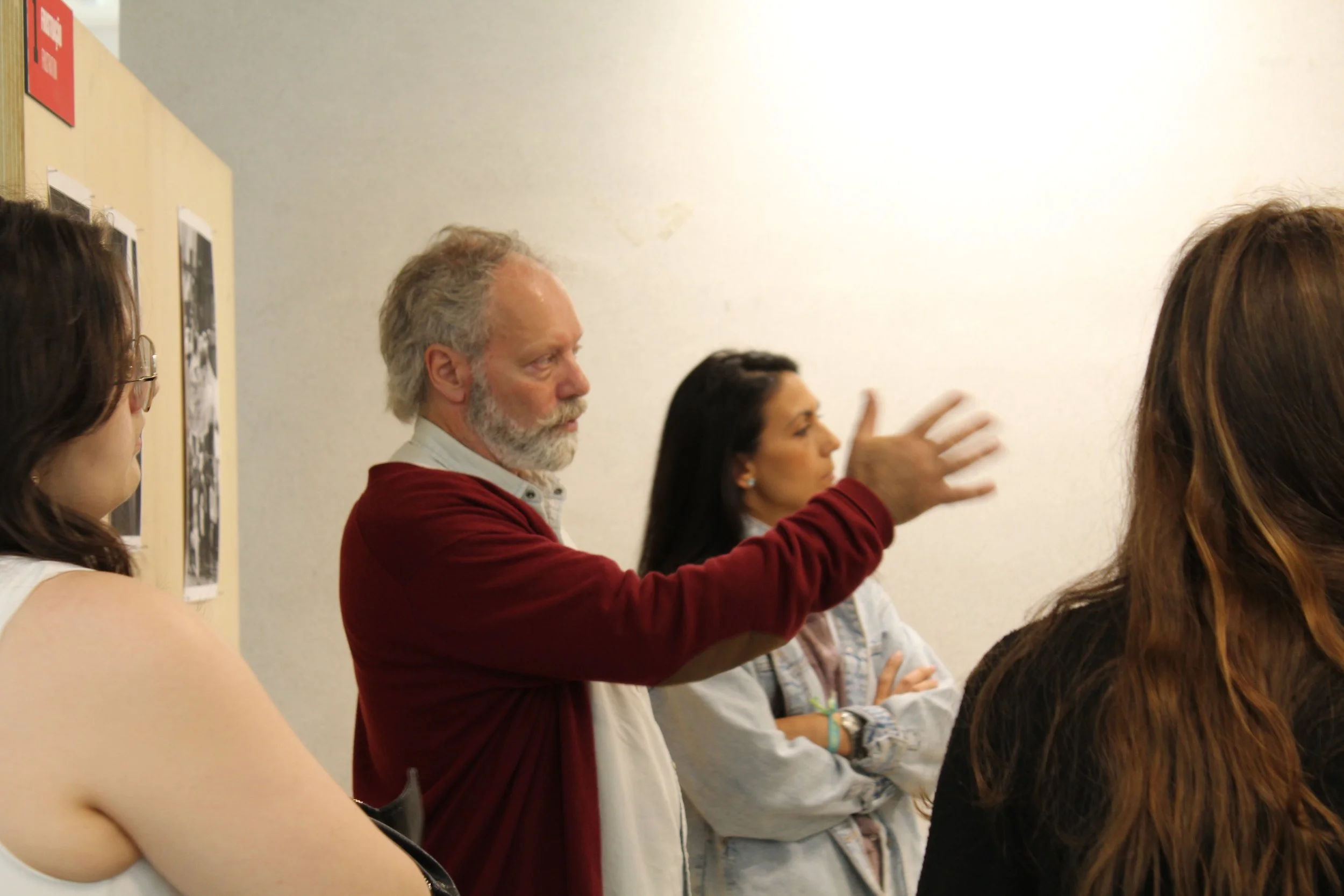
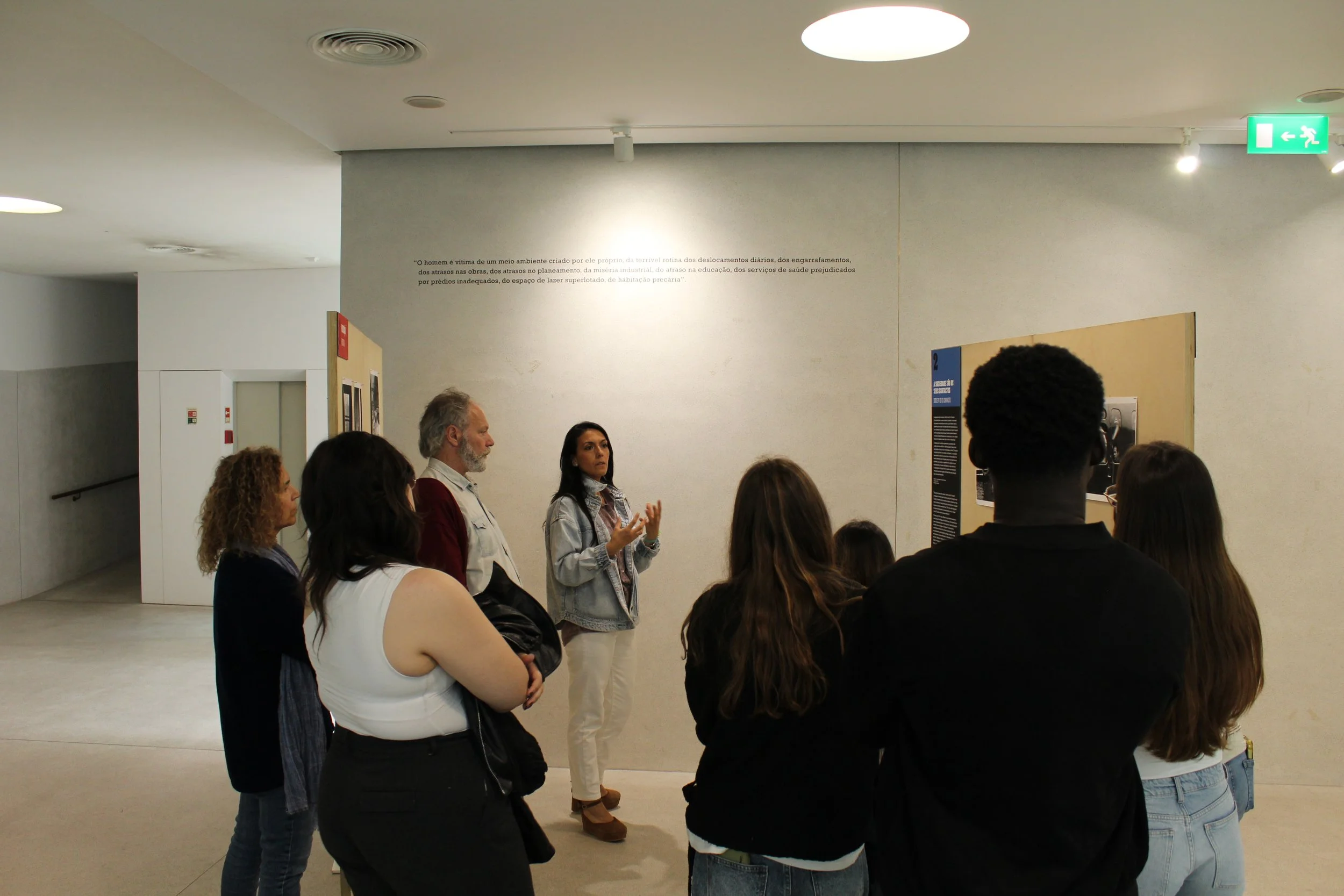
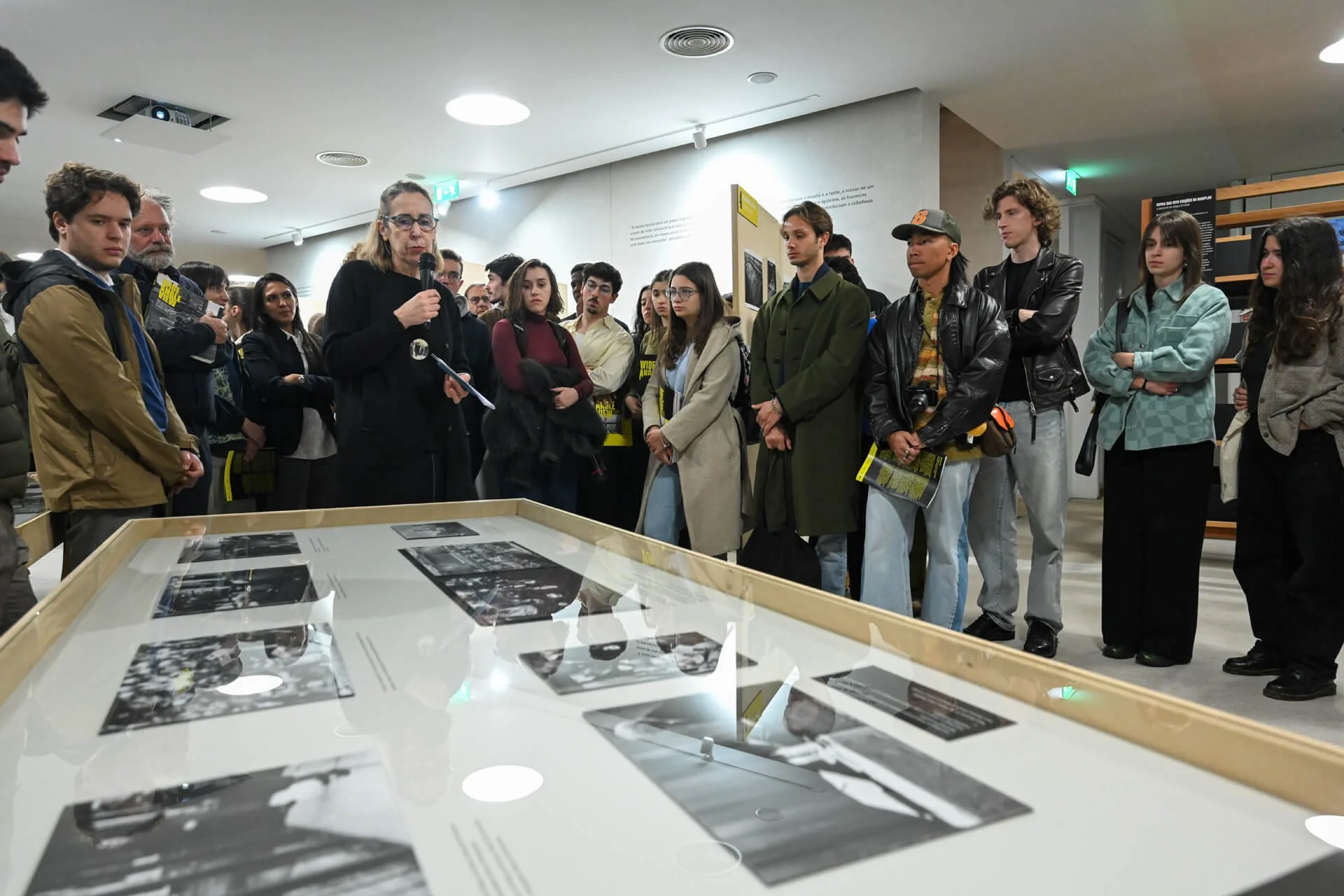
Among architects, researchers, institutional partners and the general public, the strong presence of students stood out, who attentively followed the different moments of the opening session and, above all, the guided tour conducted by the photography curator of the Royal Institute of British Architects (RIBA), Valeria Carullo. The tour proved to be one of the highlights of the inauguration, generating a lively dialogue with the students, who actively participated, asking various questions and debating the issues raised by the Manplan series.

The exhibition is the result of an international collaboration involving RIBA, the Northern Regional Section of the Order of Architects, the Cityscopio Cultural Association, and CENP/FAUP — Nuno Portas Center for Studies, through the Architecture, Art and Image (AAI) research group and the Sophia Journal editorial and scientific project, currently in its 11th volume. This international collaboration network highlights the importance of partnerships between institutions, disciplinary areas, and researchers, creating platforms for dialogue and reflection on urgent contemporary issues and bringing academic research closer to society.

Originally produced between 1969 and 1970 by the periodical The Architectural Review, the Manplan series emerged at a time of profound crisis in the promises of modernism. By shifting the focus from architecture as an object to architecture as a lived social space, the series allowed for the development of a critical awareness of the problems that marked urban life at the time—many of which remain surprisingly relevant today. By placing people at the center of the image, and not just buildings, Manplan broadened the field of vision regarding architectural practice and thought.

In this sense, the concept of wide-angle view emerges not only as a technical resource of photography, but as a critical device and an ethical stance towards architecture. Broadening the field of vision means recognizing that each spatial decision has concrete consequences for ways of living, quality of life, and the future possibilities of cities. In a context marked by a profound housing crisis and increasing processes of urban fragmentation, this critical perspective proves particularly relevant—and urgent.

The exhibition also takes on special significance in the context of architectural education and, in particular, in the role of photography in the curricula of architecture schools, as is the case at the Faculty of Architecture of the University of Porto (FAUP). More than a simple recording instrument, photography is understood here as a tool for thought, capable of analyzing, questioning, and reinterpreting visible realities. The image thus becomes a space for investigation that crosses disciplinary boundaries and allows us to understand—and potentially transform—reality.

More than an exercise in historical revisitation, Wide-Angle View proposes itself as an active device for interpreting the present. In this sense, it also establishes a direct dialogue with the open call and international conference of the Sophia Journal, scheduled for September of this year, dedicated to the theme “Landscapes of Repair | The Invisible City: Manplan and Contemporary Forms of Repair,” deepening the critical issues raised by the exhibition.

The exhibition will remain on display at the headquarters of the Association of Architects – Northern Regional Section until May, accompanied by a parallel program that will include new guided tours, debates, and roundtables dedicated to the different themes raised by the exhibition. These initiatives will seek to extend the reflection begun at the opening and broaden the debate on the role of architecture, image, and the city in contemporary society.

MANIFESTO

From Manplan to the housing crisis: broadening the field of vision

Architecture has never been neutral. It has never been merely form, technique, or style. It is a field of forces where social conflicts, political choices, and worldviews are inscribed. The Manplan series (1969–1970) made this condition explicit at a time when the promises of modernism were in crisis and urban reality was inevitably exposing the flaws of an incomplete social project. Fifty years later, this critical lucidity has not lost its relevance—it has become urgent.

Today, faced with a global housing crisis, the financialization of territory, increasing exclusion, and the fragmentation of cities, it is important to recover and update Manplan's radical gesture: to look at architecture from the perspective of life, and not the other way around. To place people at the center of architectural representation and thought. To recognize that every spatial decision produces real effects on bodies, relationships, inequalities, and possibilities for the future. “Wide-Angle View: Architecture as social space in the Manplan series 1969–70” SR-NRT, a groundbreaking exhibition in Portugal that revisits the influential Manplan series, asserts itself within this territory of critical continuity.

Not as a nostalgic exhibition, but as a device for interpreting the present. The archive here is not a closed space, but an active field of investigation, capable of illuminating contemporary tensions. Manplan's images—raw, intimate, unsettling—continue to challenge us because they reveal a persistent truth: the city is lived before it is designed, and housing is a right before it is a product.

The wide-angle lens that gives the exhibition its title is more than a technical resource. It is an ethical and political stance. Expanding the field of vision means rejecting simplistic readings of urban reality, rejecting quick fixes for structural problems, and confronting the discipline with the social consequences of its own actions. It means accepting that architecture actively participates in the production of inequality, but also that it can—and should—be an instrument of reparation.

Between Manplan and the present lies a line of continuity: the understanding of architecture as an inevitably political practice. The housing crisis is not an accident, but the result of accumulated choices—economic models, legislation, planning, and disciplinary culture. Given this, it is not enough to design more buildings; it is necessary to rethink ways of living, property regimes, forms of cooperation, and the urban imaginaries that sustain the contemporary city.

Wide-Angle View calls upon architects, students, researchers, and citizens to take a stand. To look at the archive not as a formal repertoire, but as critical memory. To recognize in photography not only a means of representation, but a form of thought. To understand that every image is a stance—and that all architecture communicates, even when it intends to silence its effects.

This manifesto affirms that Manplan's relevance lies precisely in his refusal of indifference. In his ability to expose discomfort, to make visible the flaws of the system, and to insist that quality of life is a collective issue. Today, as then, architecture only makes sense if it is conceived from concrete life, its fragilities, and its urgencies.

Expanding one's field of vision is, therefore, a commitment to the present. An invitation to critical action. A demand for disciplinary responsibility. Between archive and present, between image and project, between architecture and society, “Wide-Angle View: Architecture as social space in the Manplan series 1969–70” | SR-NRT argues that there is no habitable future without an attentive, informed, and profoundly human look at the city we build.

Pedro Leão Neto

Maria Neto

More information coming soon on the SR-NRT, CNEP - FAUP and CCA channels.


Exposição “Wide-Angle View: Architecture as social space in the Manplan series 1969–70” inaugura na Secção Regional Norte da Ordem dos Arquitetos (Copy)


Fotografia ©Egídio Santos/ SR-NRT


Inauguração da exposição “Wide-Angle View

A Arquitetura como Espaço Social na Série Manplan 1969–70” reúne arquitetos, investigadores e estudantes na Ordem dos Arquitectos

PT/ENG

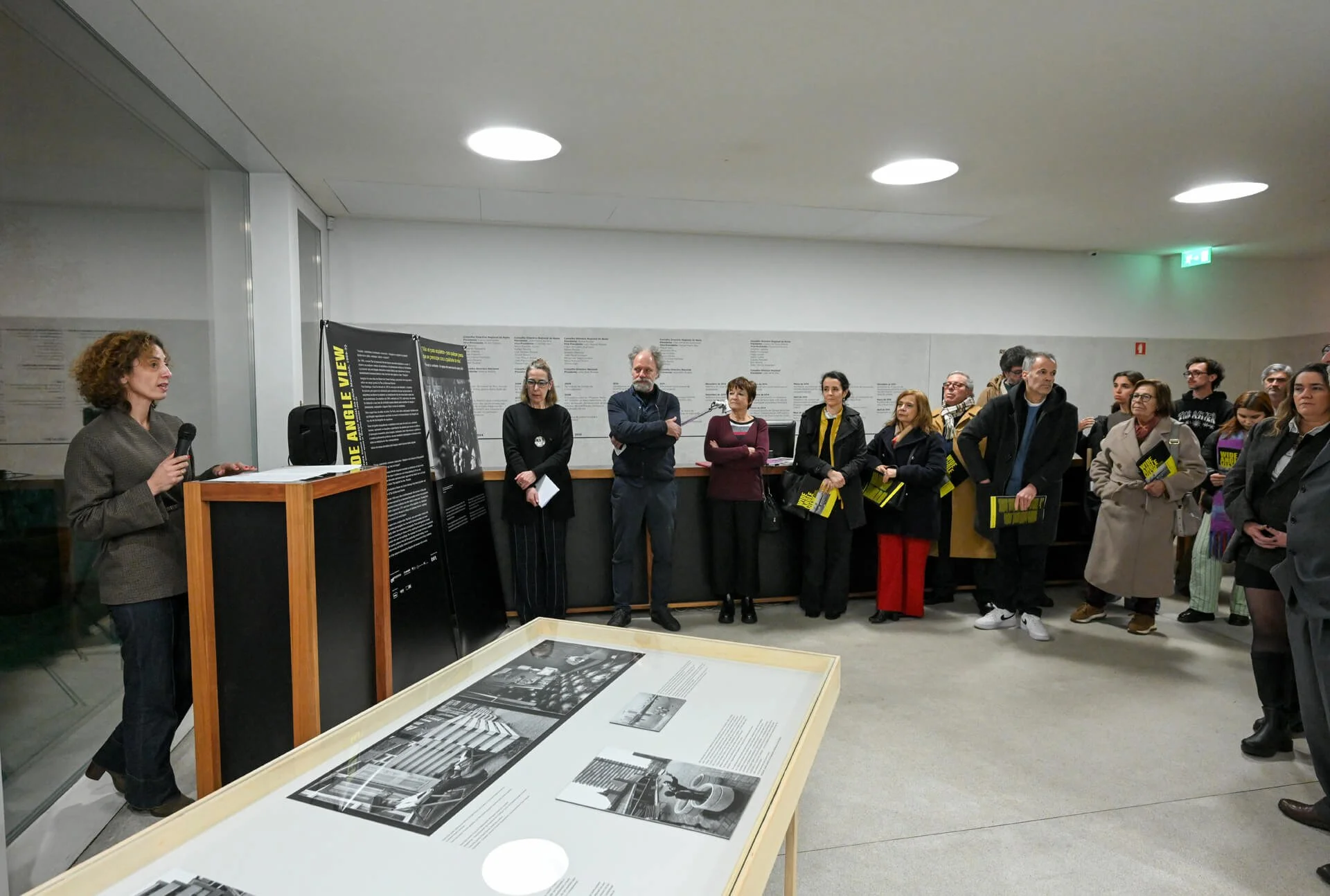
A inauguração da exposição Wide-Angle View: A Arquitetura como Espaço Social na Série Manplan 1969–70, que teve lugar no passado dia 27 de fevereiro, na sede da Secção Regional Norte da Ordem dos Arquitectos (OASRN), reuniu um público numeroso e diversificado, confirmando o interesse que a iniciativa tem vindo a suscitar junto da comunidade académica, profissional e cultural.

Entre arquitetos, investigadores, parceiros institucionais e público em geral, destacou-se particularmente a forte presença de estudantes, que acompanharam com grande atenção os diferentes momentos da sessão de abertura e, sobretudo, a visita guiada realizada pela curadora de fotografia do Royal Institute of British Architects (RIBA), Valeria Carullo. A visita revelou-se um dos momentos altos da inauguração, tendo gerado um diálogo vivo com os estudantes, que participaram de forma ativa, colocando diversas questões e debatendo as problemáticas levantadas pela série Manplan.

A exposição resulta de uma colaboração internacional que envolve o RIBA, a Secção Regional Norte da Ordem dos Arquitectos, a Associação Cultural Cityscopio e o CENP/FAUP — Centro de Estudos Nuno Portas, através do grupo de investigação Arquitetura, Arte e Imagem (AAI) e do projeto editorial e científico Sophia Journal, atualmente no seu 11.º volume. Esta rede internacional de colaboração evidencia a importância das parcerias entre instituições, áreas disciplinares e investigadores, criando plataformas de diálogo e reflexão sobre questões urgentes da contemporaneidade e aproximando a investigação académica da sociedade.

Produzida originalmente entre 1969 e 1970 pelo periódico The Architectural Review, a série Manplan surgiu num momento de profunda crise das promessas do modernismo. Ao deslocar o foco da arquitetura enquanto objeto para a arquitetura enquanto espaço social vivido, a série permitiu desenvolver uma consciência crítica sobre os problemas que marcavam a vida urbana da época — muitos dos quais permanecem hoje surpreendentemente atuais. Ao colocar as pessoas no centro da imagem, e não apenas os edifícios, Manplan ampliou o campo de visão sobre a prática e o pensamento arquitetónico.

Nesse sentido, o conceito de wide-angle view surge não apenas como um recurso técnico da fotografia, mas como um dispositivo crítico e uma posição ética perante a arquitetura. Ampliar o campo de visão significa reconhecer que cada decisão espacial tem consequências concretas nos modos de habitar, na qualidade de vida e nas possibilidades de futuro das cidades. Num contexto marcado por uma crise profunda da habitação e por crescentes processos de fragmentação urbana, esta perspetiva crítica revela-se particularmente pertinente — e urgente.

A exposição assume igualmente um significado especial no contexto do ensino da arquitetura e, em particular, no papel da fotografia nos currículos das escolas de arquitetura, como acontece na Faculdade de Arquitetura da Universidade do Porto (FAUP). Mais do que um simples instrumento de registo, a fotografia é aqui entendida como uma ferramenta de pensamento, capaz de analisar, questionar e reinterpretar as realidades visíveis. A imagem torna-se, assim, um espaço de investigação que atravessa fronteiras disciplinares e permite compreender — e potencialmente transformar — a realidade.

Mais do que um exercício de revisitação histórica, Wide-Angle View propõe-se como um dispositivo ativo de leitura do presente. Nesse sentido, estabelece também um diálogo direto com a chamada aberta e a conferência internacional do Sophia Journal, prevista para setembro deste ano, dedicada ao tema “Paisagens de Reparação | A Cidade Invisível: Manplan e Formas Contemporâneas de Reparação”, aprofundando as questões críticas levantadas pela exposição.

A mostra permanecerá patente na sede da Ordem dos Arquitectos – Secção Regional Norte até maio, sendo acompanhada por um programa paralelo que incluirá novas visitas guiadas, debates e mesas-redondas dedicadas às diferentes temáticas levantadas pela exposição. Estas iniciativas procurarão prolongar a reflexão iniciada na inauguração e ampliar o debate sobre o papel da arquitetura, da imagem e da cidade na sociedade contemporânea.

MANIFESTO
Da Manplan à crise da habitação: ampliar o campo de visão

A arquitetura nunca foi neutra. Nunca foi apenas forma, técnica ou estilo. É um campo de forças onde se inscrevem conflitos sociais, escolhas políticas e visões do mundo. A série Manplan (1969–1970) tornou essa condição explícita num momento em que as promessas do modernismo entravam em crise e a realidade urbana expunha, de forma incontornável, as falhas de um projeto social incompleto. Cinquenta anos depois, essa lucidez crítica não perdeu atualidade — tornou-se urgente.

Hoje, perante uma crise global da habitação, a financeirização do território, a exclusão crescente e a fragmentação das cidades, importa recuperar e atualizar o gesto radical de Manplan: olhar a arquitetura a partir da vida, e não o inverso. Colocar as pessoas no centro da representação e do pensamento arquitetónico. Reconhecer que cada decisão espacial produz efeitos reais sobre corpos, relações, desigualdades e possibilidades de futuro. “Wide-Angle View: Architecture as social space in the Manplan series 1969–70” | SR-NRT uma mostra inédita em Portugal que revisita a influente série Manplan, afirma-se nesse território de continuidade crítica.

Não como uma exposição nostálgica, mas como um dispositivo de leitura do presente. O arquivo não é aqui um lugar fechado, mas um campo ativo de investigação, capaz de iluminar as tensões contemporâneas. As imagens de Manplan — cruas, próximas, incómodas — continuam a interpelar-nos porque revelam uma verdade persistente: a cidade é vivida antes de ser desenhada, e a habitação é um direito antes de ser um produto.

A lente grande-angular que dá título à exposição é mais do que um recurso técnico. É uma posição ética e política. Ampliar o campo de visão significa recusar leituras simplificadas da realidade urbana, rejeitar soluções rápidas para problemas estruturais e confrontar a disciplina com as consequências sociais do seu próprio fazer. Significa aceitar que a arquitetura participa ativamente na produção de desigualdade, mas também que pode — e deve — ser instrumento de reparação.

Entre a Manplan e o presente estende-se uma linha de continuidade: a compreensão da arquitetura como prática inevitavelmente política. A crise da habitação não é um acidente, mas o resultado de escolhas acumuladas — de modelos económicos, de legislação, de planeamento e de cultura disciplinar. Perante isso, não basta projetar mais edifícios; é necessário repensar os modos de habitar, os regimes de propriedade, as formas de cooperação e os imaginários urbanos que sustentam a cidade contemporânea.

Wide-Angle View convoca arquitetos, estudantes, investigadores e cidadãos a assumir uma posição. A olhar para o arquivo não como repertório formal, mas como memória crítica. A reconhecer na fotografia não apenas um meio de representação, mas uma forma de pensamento. A compreender que toda a imagem é uma tomada de posição — e que toda a arquitetura comunica, mesmo quando pretende silenciar os seus efeitos.

Este manifesto afirma que a relevância de Manplan reside precisamente na sua recusa da indiferença. Na sua capacidade de expor o desconforto, de tornar visíveis as falhas do sistema e de insistir que a qualidade de vida é uma questão coletiva. Hoje, como então, a arquitetura só faz sentido se for pensada a partir da vida concreta, das suas fragilidades e das suas urgências.

Ampliar o campo de visão é, por isso, um compromisso com o presente. Um convite à ação crítica. Uma exigência de responsabilidade disciplinar. Entre arquivo e atualidade, entre imagem e projeto, entre arquitetura e sociedade, “Wide-Angle View: Architecture as social space in the Manplan series 1969–70” | SR-NRT  afirma que não há futuro habitável sem um olhar atento, informado e profundamente humano sobre a cidade que construímos.

Pedro Leão Neto

Maria Neto

Mais informação em breve nos canais da SR-NRT, CNEP - FAUP e CCA.
 

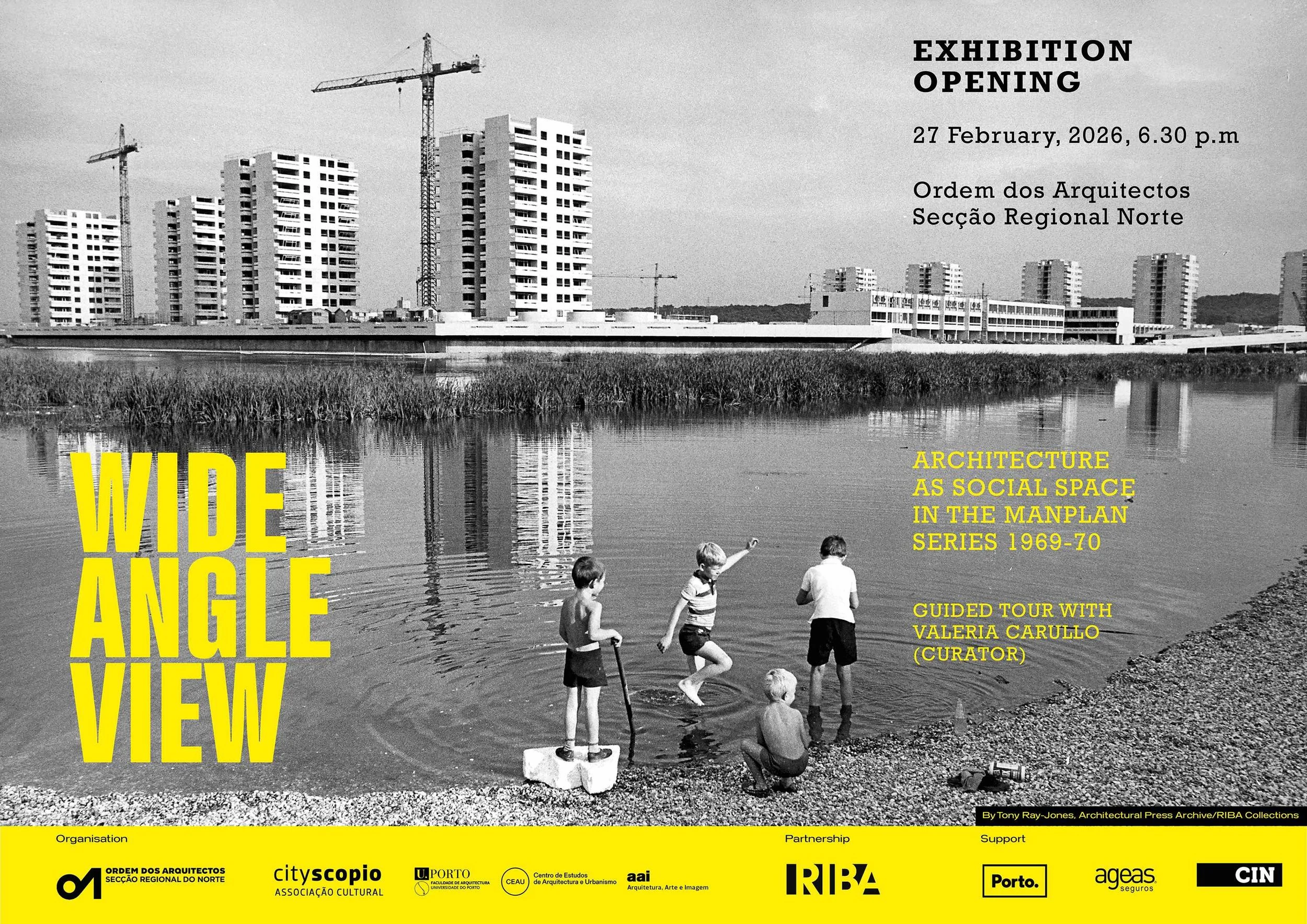
Exhibition “Wide-Angle View: Architecture as social space in the Manplan series 1969–70” opens at the Northern Regional Section of the Order of Architects


Wide-Angle View: ARCHITECTURE AS SOCIAL SPACE IN THE MANPLAN SERIES 1969–70

Opening of the Exhibition at the Association of Architects, Northern Regional Section, on February 27th at 6:30 PM

Guided tour by Valeria Carullo (photography curator at the Royal Institute of British Architects - RIBA)

PT/ENG

The Northern Regional Section of the Order of Architects will host, on February 27, 2025, at 6:30 PM, a groundbreaking exhibition in Portugal that revisits the Manplan series of photographs published by The Architectural Review in 1969–1970, which profoundly influenced how architecture, planning, and society came to be visually represented.

The result of an international partnership between the Royal Institute of British Architects (RIBA), the Northern Regional Section of the Order of Architects (SR-NRT), the Cityscopio Cultural Association (CCA), and CENP/FAUP – Nuno Portas Center for Studies, through the Architecture, Art and Image (AAI) research group and the Sophia Journal editorial and scientific project, the exhibition proposes a critical reading of how architecture, the city, and daily life were—and continue to be—represented and conceived.

Produced in a context of crisis surrounding post-war promises, the Manplan series marked a profound rupture in the editorial culture of architecture by shifting the focus from the building as an object to architecture as a lived social space. Through sequential visual narratives, inspired by photojournalism and street photography, Manplan addressed fundamental themes such as housing, health, work, education, and leisure, placing people and their contexts at the center of architectural reflection.

The exhibition Wide-Angle View presents a selection of photographs and original materials from the Architectural Press / RIBA Collections archive, digitally printed for this show, including images that have not all been published. The title refers to the use of the wide-angle lens as a technical and conceptual device, symbolizing a way of looking that broadens the field of vision and brings the observer closer to the social reality of the city.

More than a historical exhibition, Wide-Angle View asserts itself as a device for contemporary reflection, particularly relevant at a time marked by the housing crisis, the commodification of urban space, and social inequalities. By establishing bridges between Manplan's critical legacy and current research developed within FAUP and the Sophia Journal, the exhibition highlights the role of photography and image as instruments of critical thinking and disciplinary questioning.

The opening will include institutional interventions, followed by a guided tour by curator Valeria Carullo, photography curator at the Royal Institute of British Architects (RIBA), and the presentation of a future international conference associated with the Sophia Journal project. The exhibition will be on display at the headquarters of the Association of Architects of the Northern Regional Section until May 2026, accompanied by a parallel program of guided tours, public talks, and educational activities aimed at architects, students, researchers, and the general public.

By hosting Wide-Angle View, the Association of Architects of the Northern Regional Section reaffirms its role as an active space for critical reflection and dialogue between architecture, image, and society, highlighting the relevance and urgency of the thinking inaugurated by Manplan.

Exhibition Program

Partners | Organization

  • SR-NRT – Order of Architects of the Northern Regional Section

  • RIBA – Royal Institute of British Architects

  • Cityscopio Cultural Association (CCA)

  • CENP–FAUP — Nuno Portas Studies Center, through the AAI research group, and Sophia Journal

Inauguration Program

February 27, 2025 — SR-NRT Headquarters

6:30 PM — Opening

Session Interventions:

- Andreia Oliveira, President of the Northern Regional Council of the Association of Architects

- Avelino Oliveira, President of the National Board of Directors of the Order of Architects

- José Pedro Sousa, Faculty of Architecture of the University of Porto

- Pedro Leão Neto, Cityscopio Cultural Association

7:00 PM — Guided Tour

By Valeria Carullo, photography curator of RIBA

Permanent and Parallel Activities

From March to May 2026, the SR-NRT will host:

  • guided tours Themes

  • Conversations with researchers and curators

  • Educational activities

Target audience

Students, professionals, and the general public interested in: Architecture, photography, urbanism, visual arts, city history, cultural studies, and urban policies.

Free admission.

More information coming soon on the SR-NRT, CNEP - FAUP, and CCA channels.

MANIFESTO

From Manplan to the housing crisis: broadening the field of vision

Architecture has never been neutral. It has never been merely form, technique, or style. It is a field of forces where social conflicts, political choices, and worldviews are inscribed. The Manplan series (1969–1970) made this condition explicit at a time when the promises of modernism were in crisis and urban reality was inevitably exposing the flaws of an incomplete social project. Fifty years later, this critical lucidity has not lost its relevance—it has become urgent.

Today, faced with a global housing crisis, the financialization of territory, increasing exclusion, and the fragmentation of cities, it is important to recover and update Manplan's radical gesture: to look at architecture from the perspective of life, and not the other way around. To place people at the center of architectural representation and thought. To recognize that every spatial decision produces real effects on bodies, relationships, inequalities, and possibilities for the future. “Wide-Angle View: Architecture as social space in the Manplan series 1969–70” SR-NRT, a groundbreaking exhibition in Portugal that revisits the influential Manplan series, asserts itself within this territory of critical continuity.

Not as a nostalgic exhibition, but as a device for interpreting the present. The archive here is not a closed space, but an active field of investigation, capable of illuminating contemporary tensions. Manplan's images—raw, intimate, unsettling—continue to challenge us because they reveal a persistent truth: the city is lived before it is designed, and housing is a right before it is a product.

The wide-angle lens that gives the exhibition its title is more than a technical resource. It is an ethical and political stance. Expanding the field of vision means rejecting simplistic readings of urban reality, rejecting quick fixes for structural problems, and confronting the discipline with the social consequences of its own actions. It means accepting that architecture actively participates in the production of inequality, but also that it can—and should—be an instrument of reparation.

Between Manplan and the present lies a line of continuity: the understanding of architecture as an inevitably political practice. The housing crisis is not an accident, but the result of accumulated choices—economic models, legislation, planning, and disciplinary culture. Given this, it is not enough to design more buildings; it is necessary to rethink ways of living, property regimes, forms of cooperation, and the urban imaginaries that sustain the contemporary city.

Wide-Angle View calls upon architects, students, researchers, and citizens to take a stand. To look at the archive not as a formal repertoire, but as critical memory. To recognize in photography not only a means of representation, but a form of thought. To understand that every image is a stance—and that all architecture communicates, even when it intends to silence its effects.

This manifesto affirms that Manplan's relevance lies precisely in his refusal of indifference. In his ability to expose discomfort, to make visible the flaws of the system, and to insist that quality of life is a collective issue. Today, as then, architecture only makes sense if it is conceived from concrete life, its fragilities, and its urgencies.

Expanding one's field of vision is, therefore, a commitment to the present. An invitation to critical action. A demand for disciplinary responsibility. Between archive and present, between image and project, between architecture and society, “Wide-Angle View: Architecture as social space in the Manplan series 1969–70” | SR-NRT argues that there is no habitable future without an attentive, informed, and profoundly human look at the city we build.

Pedro Leão Neto

Maria Neto

More information coming soon on the SR-NRT, CNEP - FAUP and CCA channels.


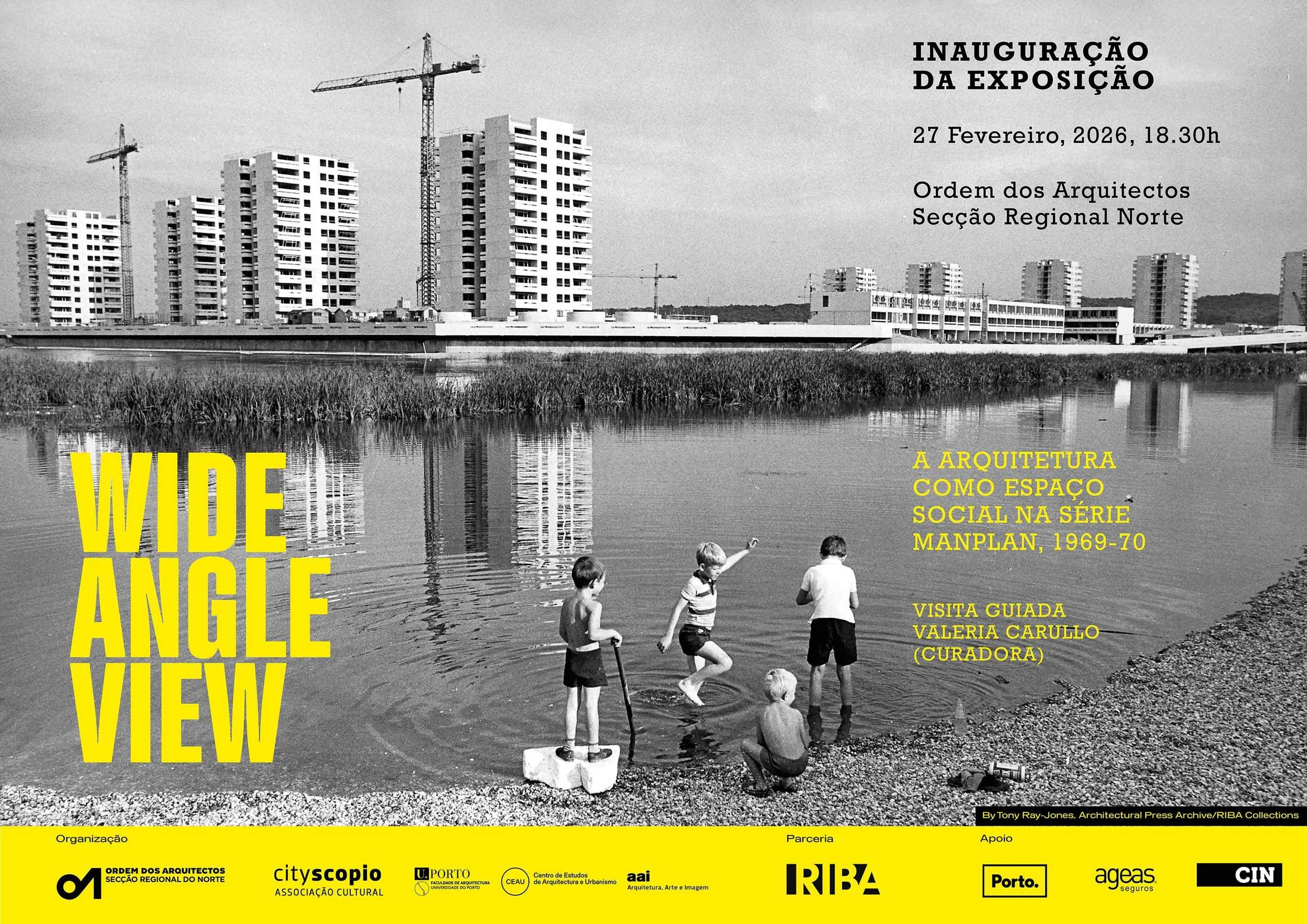
Exposição “Wide-Angle View: Architecture as social space in the Manplan series 1969–70” inaugura na Secção Regional Norte da Ordem dos Arquitetos


Wide-Angle View: A ARQUITETURA COMO ESPAÇO SOCIAL NA SÉRIE MANPLAN 1969–70

Inauguração DA EXPOSIÇÃO na Ordem dos Arquitetos Secção Regional Norte NO DIA 27 de fevereiro, pelas 18h30

VISITA GUIADA por Valeria Carullo (curadora de fotografia no Royal Institute of British Architects - RIBA)

PT/ENG

A Secção Regional do Norte da Ordem dos Arquitectos acolhe, no próximo dia 27 de fevereiro de 2025, pelas 18h30, uma mostra inédita em Portugal, que revisita a série de fotografias “Manplan” publicada pelo periódico The Architectural Review em 1969–1970, e que marcou profundamente a forma como arquitetura, planeamento e sociedade passaram a ser representados visualmente.

Resultado de uma parceria internacional entre o Royal Institute of British Architects (RIBA), a Secção Regional do Norte da Ordem dos Arquitetos (SR-NRT), a Associação Cultural Cityscopio (CCA) e o CENP/FAUP – Centro de Estudos Nuno Portas, através do grupo de investigação Arquitetura, Arte e Imagem (AAI) e do projeto editorial e científico Sophia Journal, a exposição propõe uma leitura crítica sobre a forma como a arquitetura, a cidade e a vida quotidiana foram — e continuam a ser — representadas e pensadas.

Produzida num contexto de crise das promessas do pós-guerra, a série Manplan marcou uma rutura profunda na cultura editorial da arquitetura ao deslocar o foco do edifício enquanto objeto para a arquitetura enquanto espaço social vivido. Através de narrativas visuais sequenciais, inspiradas no fotojornalismo e na fotografia de rua, Manplan abordou temas fundamentais como a habitação, a saúde, o trabalho, a educação ou o lazer, colocando as pessoas e os seus contextos no centro da reflexão arquitetónica.

A exposição Wide-Angle View apresenta uma seleção de fotografias e materiais originais provenientes do arquivo da Architectural Press / RIBA Collections, impressos digitalmente para esta mostra, incluindo imagens que nem todas chegaram a ser publicadas. O título remete para a utilização da lente grande-angular enquanto dispositivo técnico e conceptual, simbolizando uma forma de olhar que amplia o campo de visão e aproxima o observador da realidade social da cidade.

Mais do que uma exposição histórica, Wide-Angle View afirma-se como um dispositivo de reflexão contemporânea, particularmente relevante num momento marcado pela crise da habitação, pela mercantilização do espaço urbano e pelas desigualdades sociais. Ao estabelecer pontes entre o legado crítico da Manplan e as investigações atuais desenvolvidas no âmbito da FAUP e de Sophia Journal, a mostra sublinha o papel da fotografia e da imagem como instrumentos de pensamento crítico e de questionamento disciplinar.

A inauguração contará com intervenções institucionais, seguidas de uma visita guiada pela curadora Valeria Carullo, curadora de fotografia no Royal Institute of British Architects (RIBA), e da apresentação de uma futura conferência internacional associada ao projeto Sophia Journal. A exposição estará patente na sede da Ordem dos Arquitetos da Secção Regional Norte até maio de 2026, sendo acompanhada por um programa paralelo de visitas guiadas, conversas públicas e ações educativas, dirigido a arquitetos, estudantes, investigadores e ao público em geral.

Ao acolher Wide-Angle View, a Ordem dos Arquitetos da Secção Regional Norte reafirma o seu papel enquanto espaço ativo de reflexão crítica e de diálogo entre arquitetura, imagem e sociedade, sublinhando a atualidade e a urgência do pensamento inaugurado pela Manplan.

Programa da Exposição

Parceiros | Organização

  • SR-NRT – Ordem dos Arquitetos da Secção Regional Norte

  • RIBA – Royal Institute of British Architects

  • Cityscopio Associação Cultural (CCA)

  • CENP–FAUP — Centro de Estudos Nuno Portas, através do grupo de investigação AAI, e Sophia Journal

Programa da inauguração

27 de fevereiro de 2025 — Sede da SR-NRT

18h30 — Sessão de abertura
Intervenções:
- Andreia Oliveira, Presidente do Conselho Diretivo Regional Norte da Ordem dos Arquitectos

- Avelino Oliveira, Presidente do Conselho Diretivo Nacional da Ordem dos Arquitectos

– José Pedro Sousa, Faculdade de Arquitetura da Universidade do Porto
– Pedro Leão Neto, Associação Cultural Cityscopio

19h00 — Visita guiada
Por Valeria Carullo, curadora de fotografia no RIBA

Permanência e atividades paralelas

De março a maio de 2026, a SR-NRT acolherá:

  • visitas guiadas temáticas

  • conversas com investigadores e curadores

  • atividades educativas

Público-alvo

Estudantes, profissionais e público interessado em:
Arquitetura, fotografia, urbanismo, artes visuais, história da cidade, estudos culturais e políticas urbanas.

Entrada livre.
Mais informações em breve nos canais da SR-NRT, CNEP - FAUP e CCA.
MANIFESTO
Da Manplan à crise da habitação: ampliar o campo de visão

A arquitetura nunca foi neutra. Nunca foi apenas forma, técnica ou estilo. É um campo de forças onde se inscrevem conflitos sociais, escolhas políticas e visões do mundo. A série Manplan (1969–1970) tornou essa condição explícita num momento em que as promessas do modernismo entravam em crise e a realidade urbana expunha, de forma incontornável, as falhas de um projeto social incompleto. Cinquenta anos depois, essa lucidez crítica não perdeu atualidade — tornou-se urgente.

Hoje, perante uma crise global da habitação, a financeirização do território, a exclusão crescente e a fragmentação das cidades, importa recuperar e atualizar o gesto radical de Manplan: olhar a arquitetura a partir da vida, e não o inverso. Colocar as pessoas no centro da representação e do pensamento arquitetónico. Reconhecer que cada decisão espacial produz efeitos reais sobre corpos, relações, desigualdades e possibilidades de futuro. “Wide-Angle View: Architecture as social space in the Manplan series 1969–70” | SR-NRT uma mostra inédita em Portugal que revisita a influente série Manplan, afirma-se nesse território de continuidade crítica.

Não como uma exposição nostálgica, mas como um dispositivo de leitura do presente. O arquivo não é aqui um lugar fechado, mas um campo ativo de investigação, capaz de iluminar as tensões contemporâneas. As imagens de Manplan — cruas, próximas, incómodas — continuam a interpelar-nos porque revelam uma verdade persistente: a cidade é vivida antes de ser desenhada, e a habitação é um direito antes de ser um produto.

A lente grande-angular que dá título à exposição é mais do que um recurso técnico. É uma posição ética e política. Ampliar o campo de visão significa recusar leituras simplificadas da realidade urbana, rejeitar soluções rápidas para problemas estruturais e confrontar a disciplina com as consequências sociais do seu próprio fazer. Significa aceitar que a arquitetura participa ativamente na produção de desigualdade, mas também que pode — e deve — ser instrumento de reparação.

Entre a Manplan e o presente estende-se uma linha de continuidade: a compreensão da arquitetura como prática inevitavelmente política. A crise da habitação não é um acidente, mas o resultado de escolhas acumuladas — de modelos económicos, de legislação, de planeamento e de cultura disciplinar. Perante isso, não basta projetar mais edifícios; é necessário repensar os modos de habitar, os regimes de propriedade, as formas de cooperação e os imaginários urbanos que sustentam a cidade contemporânea.

Wide-Angle View convoca arquitetos, estudantes, investigadores e cidadãos a assumir uma posição. A olhar para o arquivo não como repertório formal, mas como memória crítica. A reconhecer na fotografia não apenas um meio de representação, mas uma forma de pensamento. A compreender que toda a imagem é uma tomada de posição — e que toda a arquitetura comunica, mesmo quando pretende silenciar os seus efeitos.

Este manifesto afirma que a relevância de Manplan reside precisamente na sua recusa da indiferença. Na sua capacidade de expor o desconforto, de tornar visíveis as falhas do sistema e de insistir que a qualidade de vida é uma questão coletiva. Hoje, como então, a arquitetura só faz sentido se for pensada a partir da vida concreta, das suas fragilidades e das suas urgências.

Ampliar o campo de visão é, por isso, um compromisso com o presente. Um convite à ação crítica. Uma exigência de responsabilidade disciplinar. Entre arquivo e atualidade, entre imagem e projeto, entre arquitetura e sociedade, “Wide-Angle View: Architecture as social space in the Manplan series 1969–70” | SR-NRT  afirma que não há futuro habitável sem um olhar atento, informado e profundamente humano sobre a cidade que construímos.

Pedro Leão Neto

Maria Neto

Mais informação em breve nos canais da SR-NRT, CNEP - FAUP e CCA.
 

Lançamento e apresentação de Sophia Journal Vol. 8 No. 1 (Copy)


Sophia Journal Vol. 8 Lançamento e Mesa Redonda na OASRN

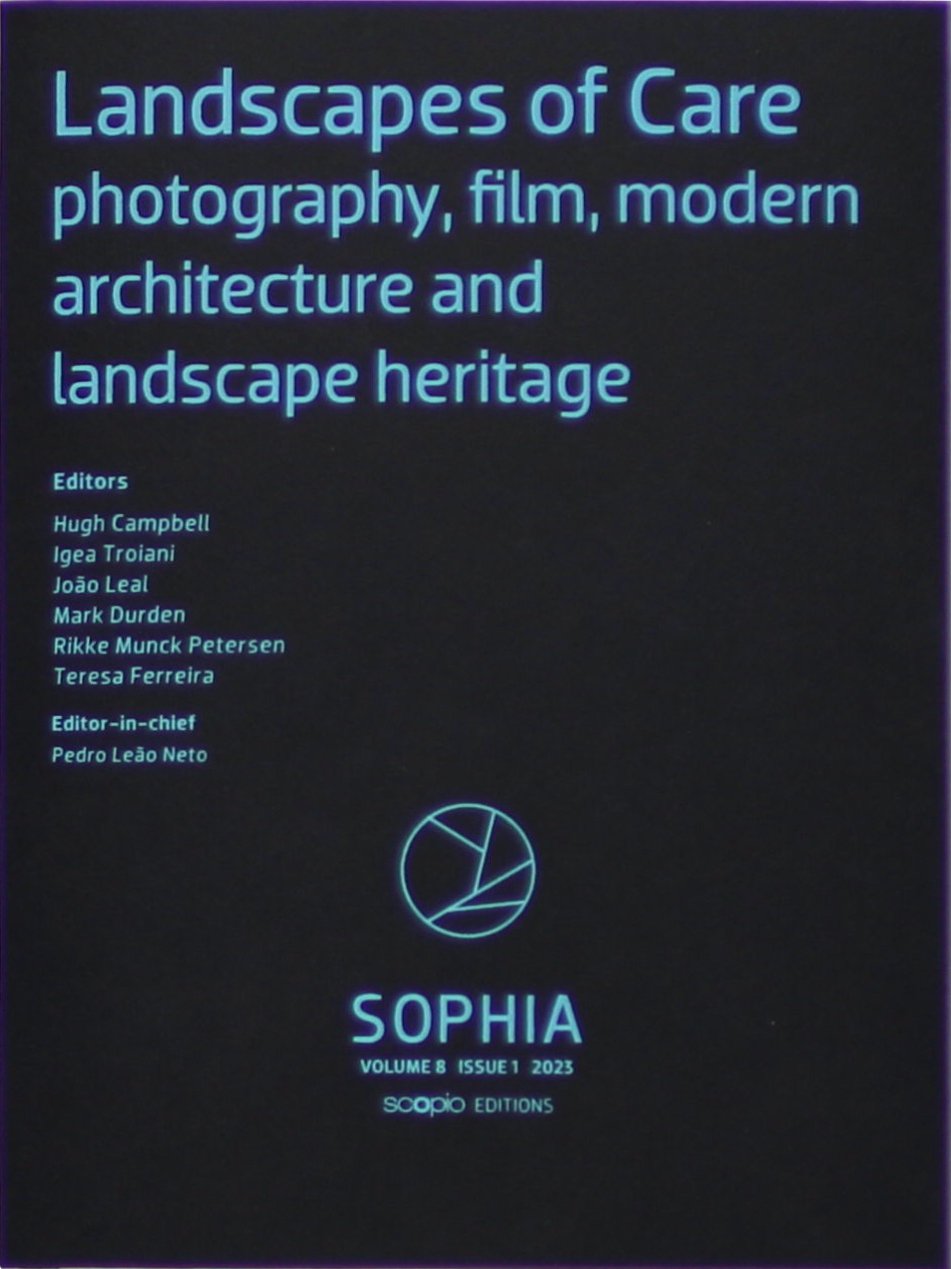
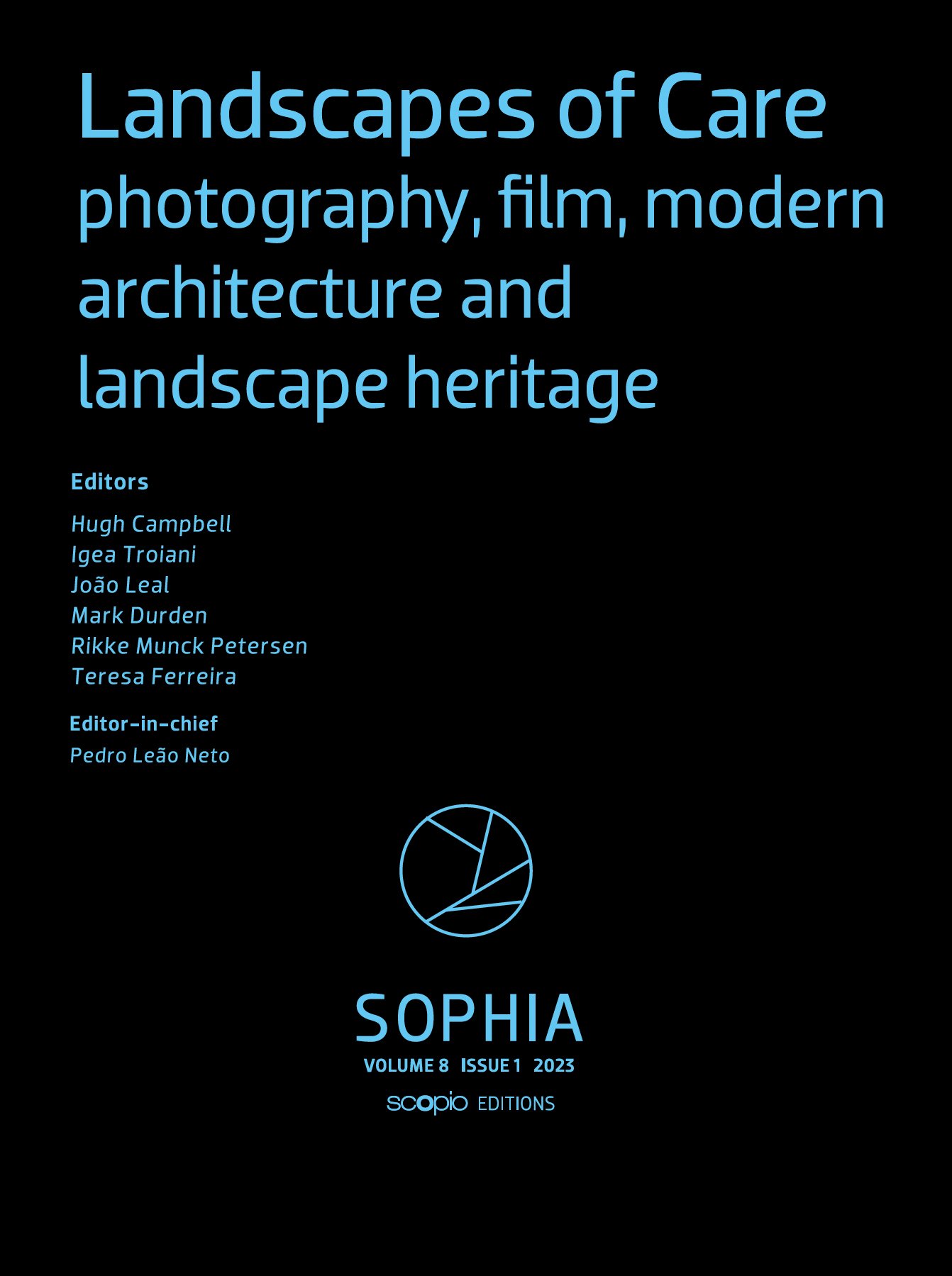
“Landscapes of Care: Photography, Film, Modern Architecture and Landscape Heritage”

CONFERENCE LIVE STREAMING YOUTUBE FAUPlive
https://www.youtube.com/watch?v=USs_LRaMBpc

Sophia Journal Vol. 8 No. 1 | Landscapes of care: photography, film, modern architecture and landscape heritage

PT/ENG

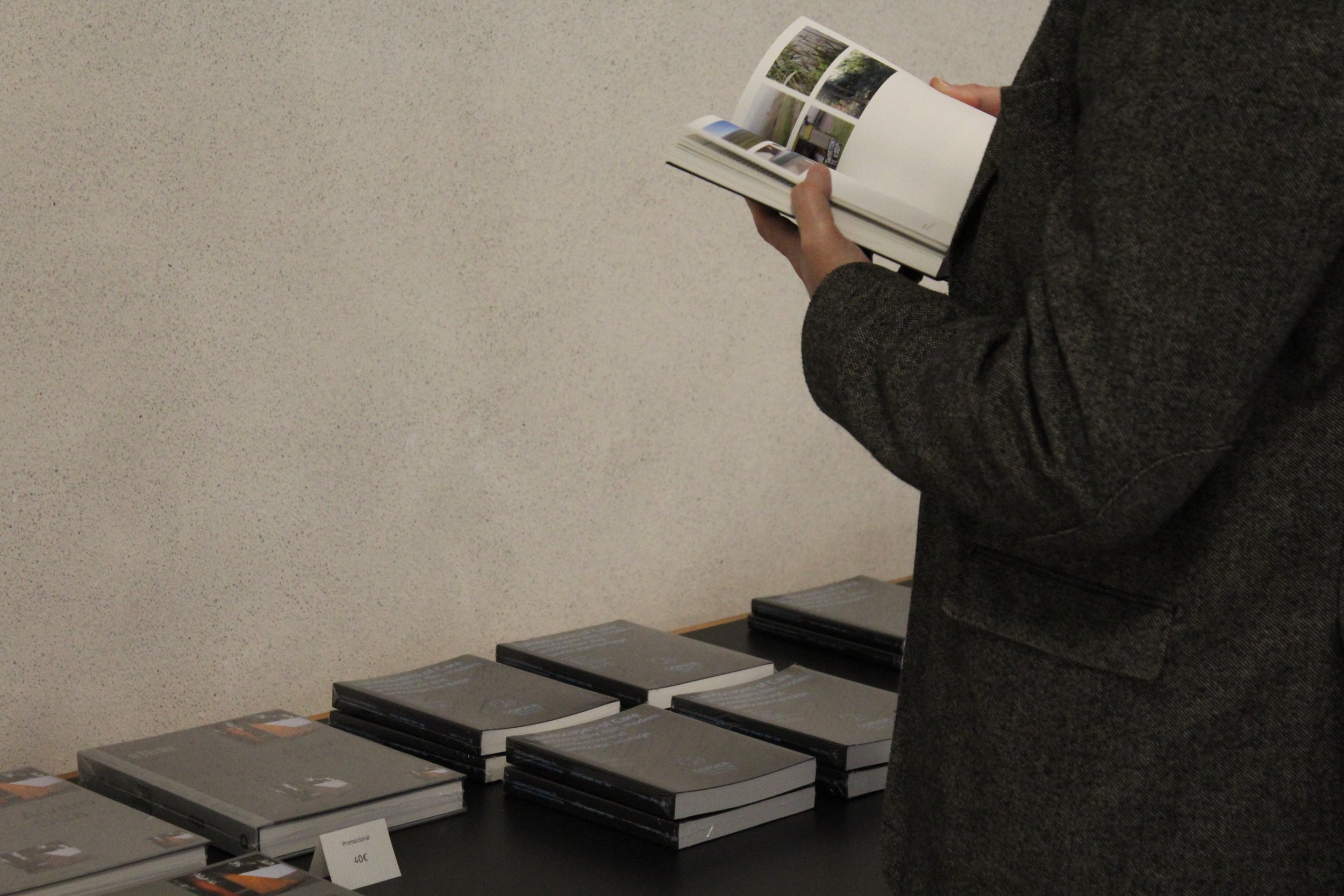
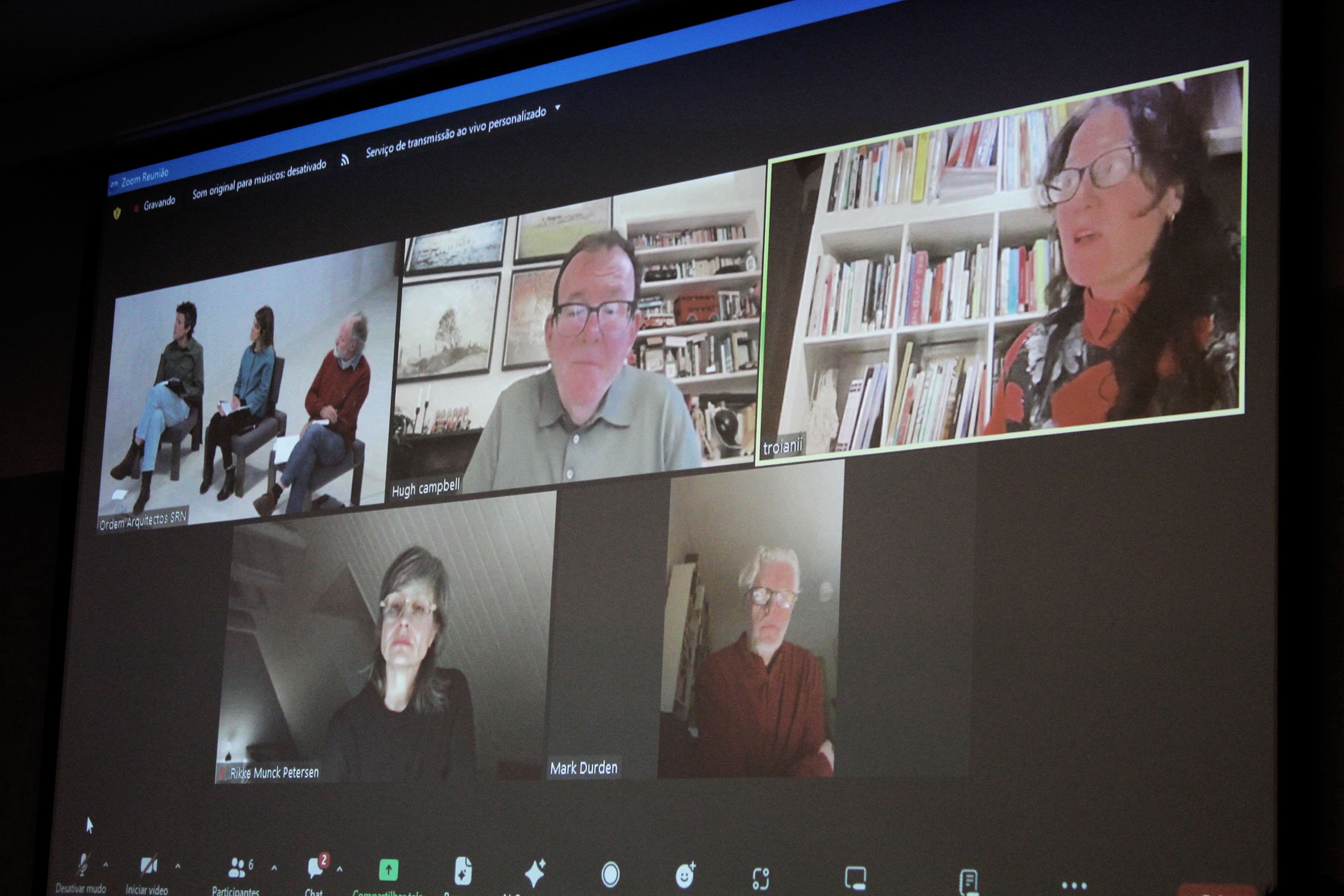
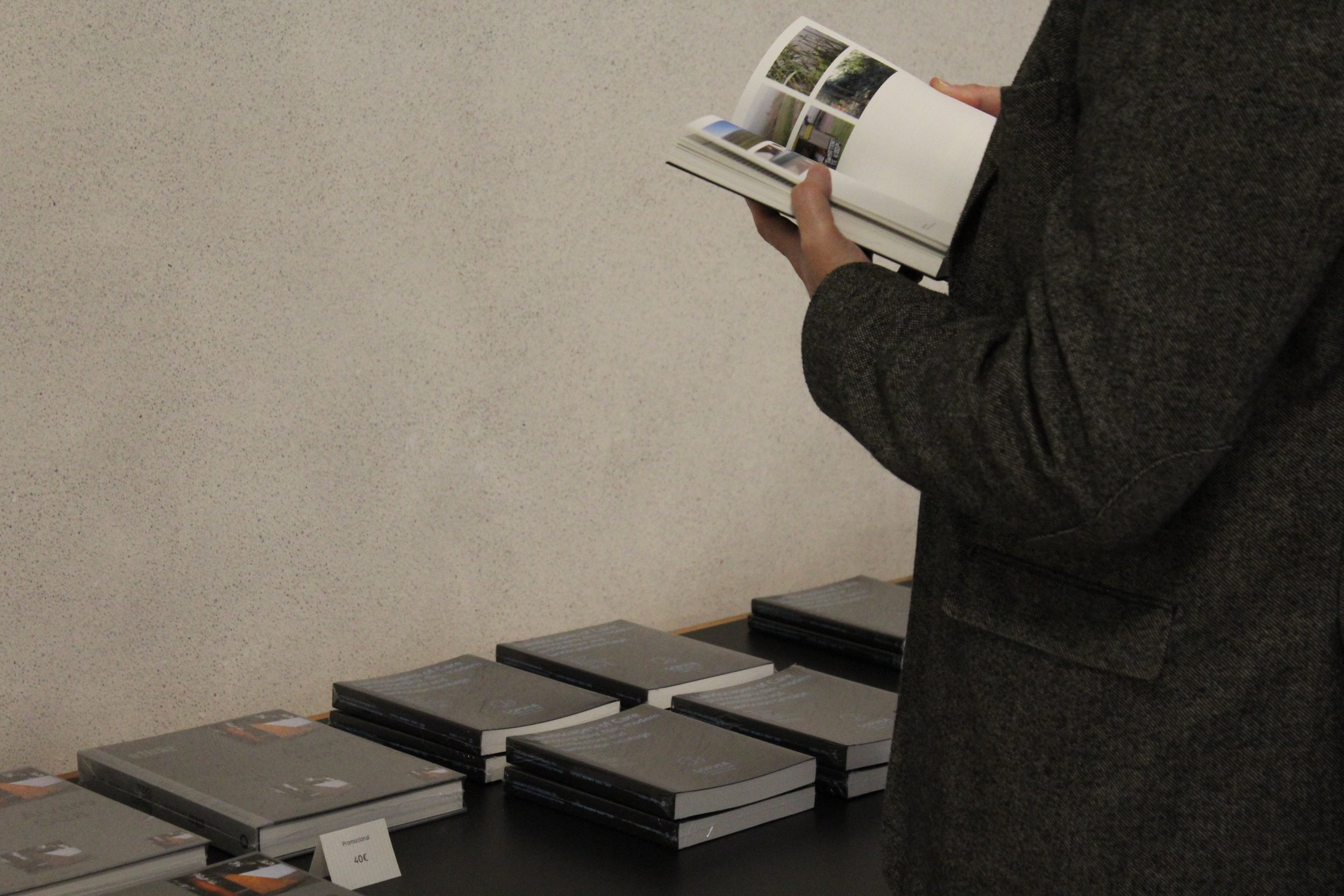
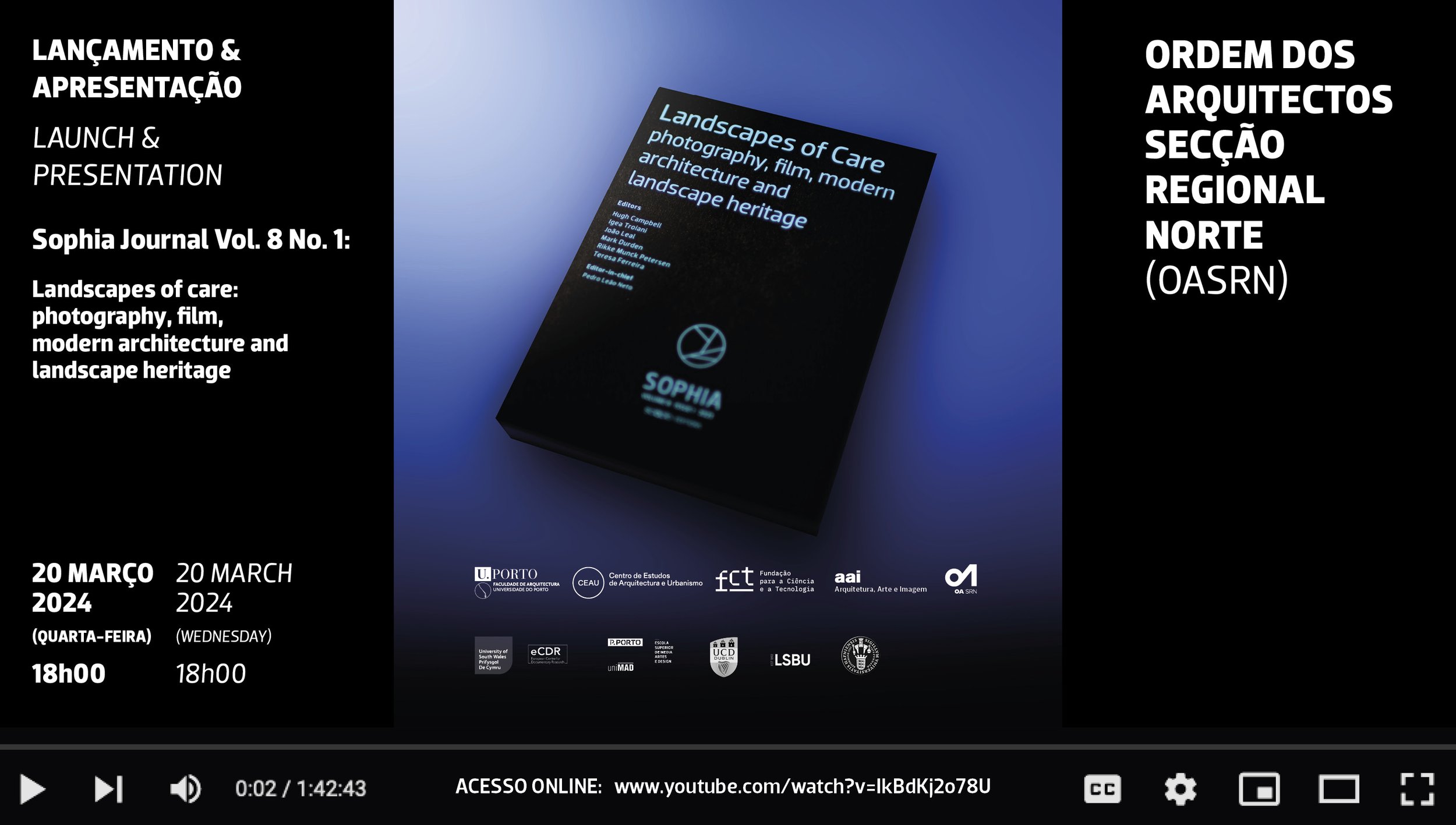
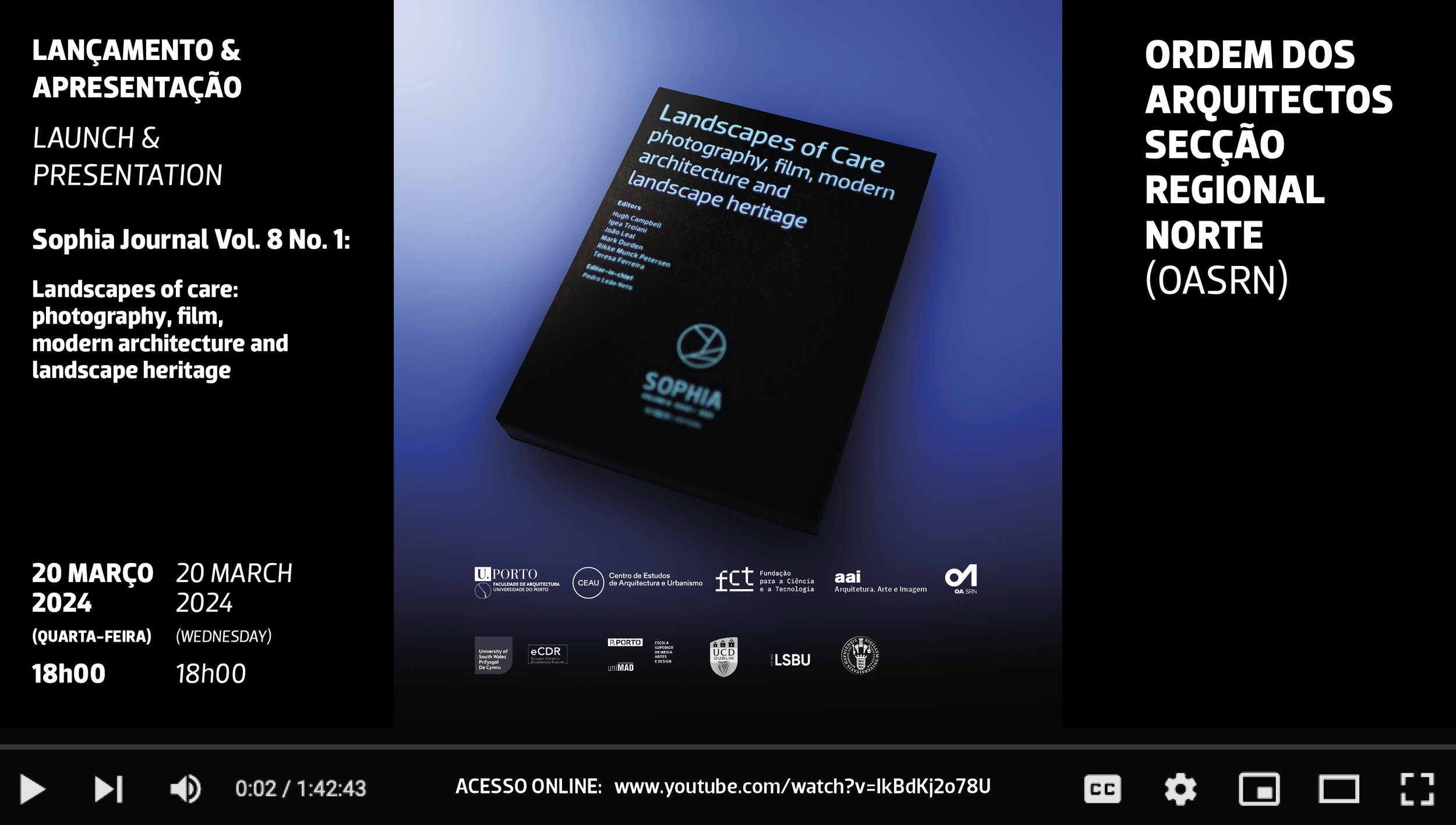
No dia 20 de março, pelas 18h00, a Ordem dos Arquitetos - Secção Regional Norte (OASRN) acolheu o aguardado lançamento da Revista Sophia Vol. 8, intitulada "Landscapes of Care: Photography, Film, Modern Architecture and Landscape Heritage". Esta mesa-redonda dá assim continuidade à análise critica que a revista promove anualmente em volta da confluência entre os mundos da imagem e da arquitetura, assinalando mais um ano de sucesso da publicação.

O evento teve início com a abertura oficial da sessão pela Arquiteta Adriana Floret, coordenadora da área de Cultura e Comunicação da OASRN. De seguida, o Diretor da publicação, Pedro Leão Neto, apresentou a revista e o projeto scopio Editions a uma audiência de estudantes, profissionais e académicos, no local e online. Com especial enfoque no estudo da interseção entre a fotografia e a arquitetura, nomeadamente a fotografia documental artística, a scopio Editions procura inspirar o diálogo e a inovação nestas áreas.

Neto explicou a missão da scopio Editions, salientando o seu papel na promoção do intercâmbio intelectual em volta do universo da arquitetura, da arte e da imagem, com especial incidência na fotografia, mostrando o seu impacto significativo através de uma gama diversificada de publicações. Durante o lançamento, foi também apresentada a publicação Sophia Journal, uma revista académica revista por pares que integra a scopio Editions, estabelecendo uma ponte entre as disciplinas de fotografia, arquitetura e arte através da investigação e de um discurso académico e criativo significativo.

O envolvimento da Faculdade de Arquitetura da Universidade do Porto (FAUP) e do seu Centro de Estudos de Arquitetura e Urbanismo (CEAU), bem como as colaborações com fóruns internacionais, foram destacados como fundamentais para reforçar o reconhecimento global da revista. Todo este trabalho desenvolvido revela o empenho de Sophia Journal em dar continuidade e reforçar os fóruns e debates académicos em volta do estudo da interseção entre arquitetura, arte e fotografia.

Uma Mesa Redonda Inspiradora

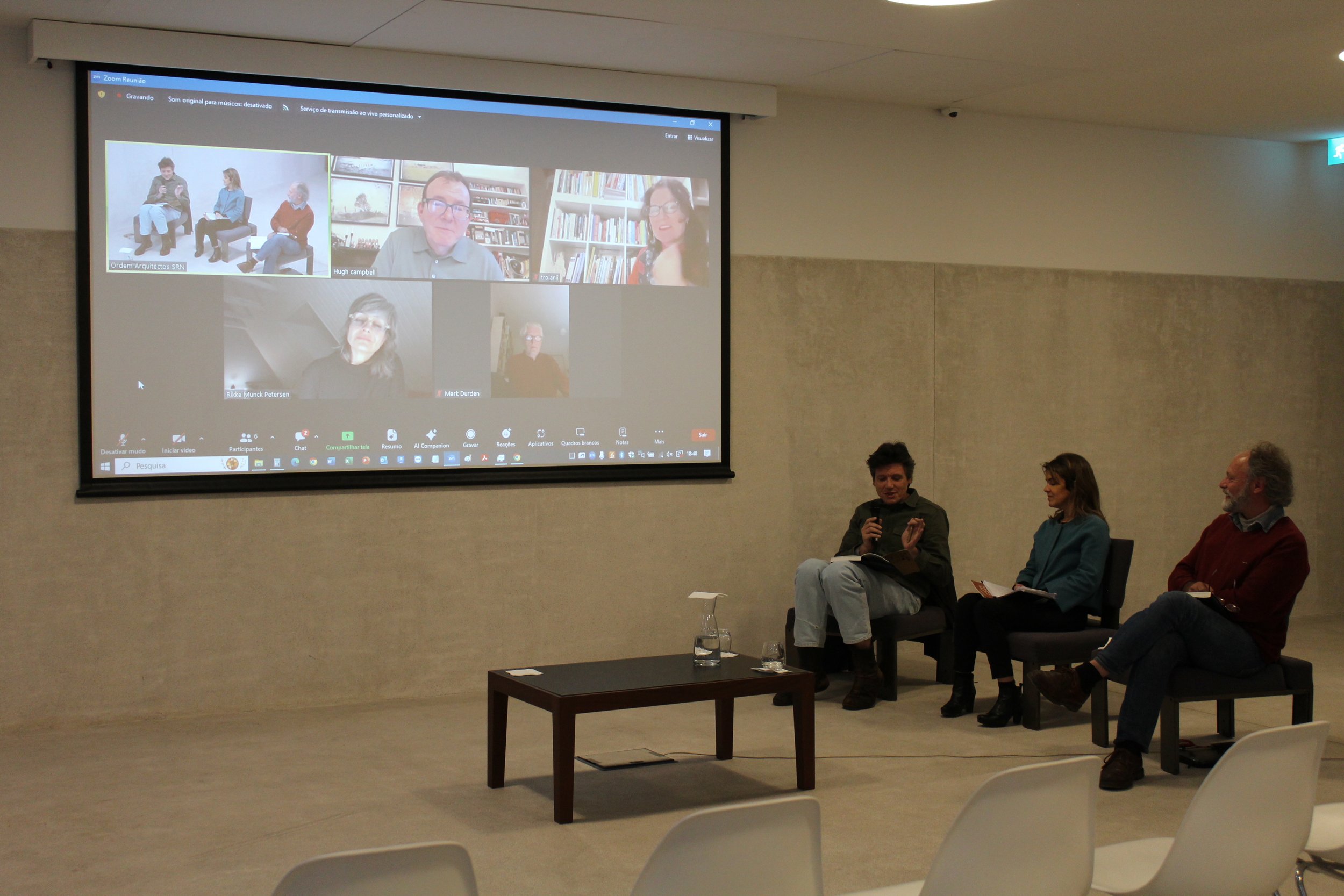
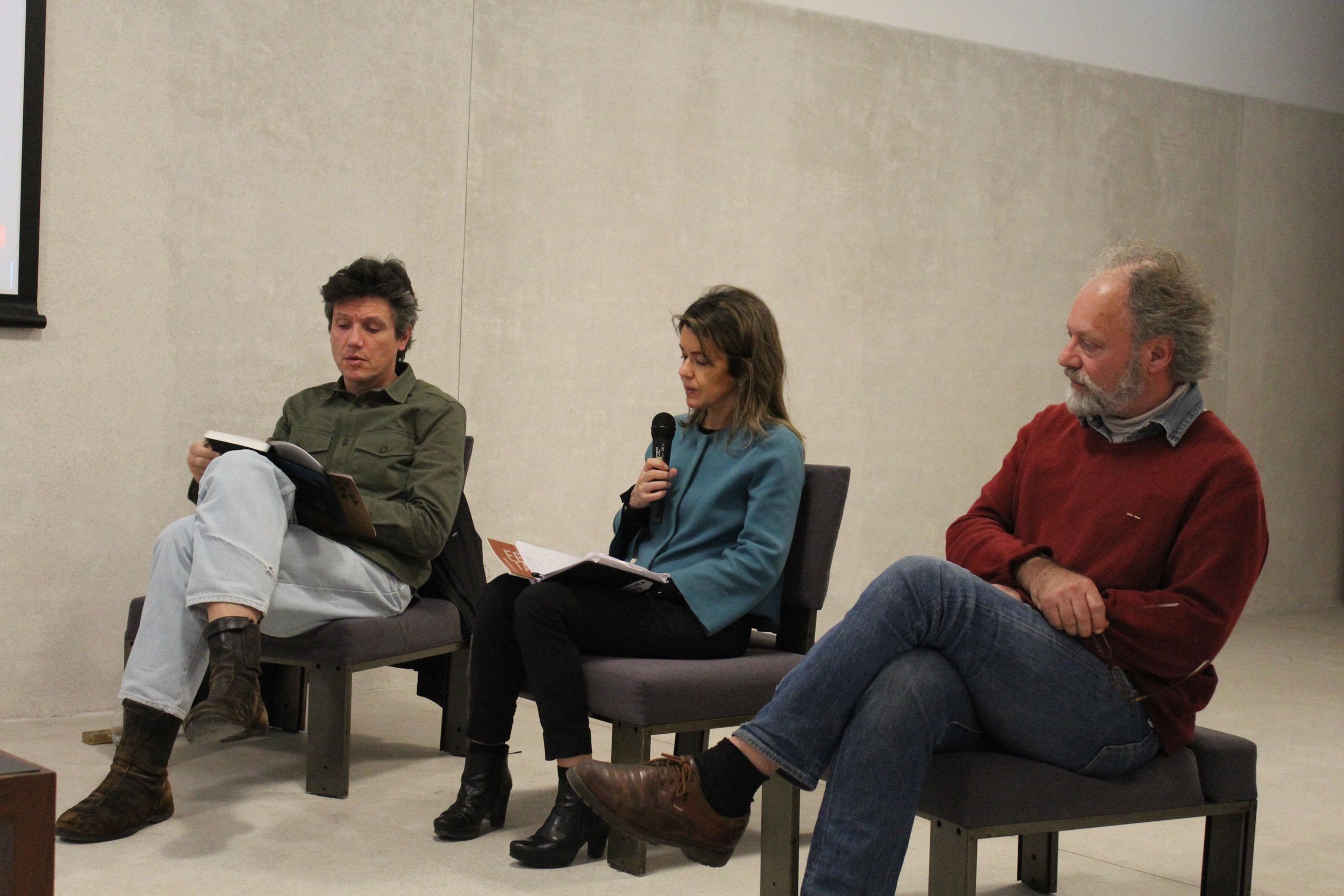
O evento foi enriquecido por uma mesa redonda com os editores do Volume 8, moderada por Hugh Campbell, Professor de Arquitetura na University College Dublin. Os editores, cada um com uma perspetiva única, partilharam as suas experiências enriquecedoras com a revista, sublinhando o espírito de colaboração e a abordagem interdisciplinar que define Sophia Journal.

A discussão aventurou-se pelos temas matizados de "Tipos", "Lugares" e "Processos", estando a publicação estruturada em volta deste temas, revelando a profundidade de análise e exploração caraterística da revista. Hugh Campbell (UCD), juntamente com os editores Igea Troiani (LSBU), João Leal (ESMAD), Mark Durden (USW /eCDR), Rikke Munck Petersen (UCPH) e Teresa Ferreira (FAUP), debateram e analisaram a importância da fotografia e do filme para o estudo e atribuição de valor ao património e às paisagens. O diálogo entre os editores sublinhou o potencial dos meios visuais para transformar percepções e narrativas em torno de ambientes arquitectónicos e naturais e a conversa foi um testemunho da abordagem inovadora e inclusiva para com a arquitetura moderna e o património paisagístico.

A partir de “Lugares”, Igea Troiani e Mark Durden sublinharam a natureza reveladora dos lugares através de ensaios cinematográficos, tanto ficcionais como documentais. Destacaram a riqueza interdisciplinar que surge quando se trabalha com colegas de várias áreas, como a fotografia, o cinema, a arquitetura e a história. Foi sublinhada a utilização da fotografia e do filme como instrumentos primários de investigação, enfatizando a atribuição de valor às imagens nas publicações.

João Leal e Rikke Munck Petersen, abordando “Processos”, discutiram a importância dos processos experimentais nas suas publicações. A essência de estar fisicamente presente num local, observando-o, fotografando-o e filmando-o, é crucial. Este envolvimento direto garante que os locais estudados não são apenas documentados, mas profundamente vividos, enriquecendo assim o conteúdo da publicação.

Abordando “Tipos”, Hugh Campbell e Teresa Ferreira falaram sobre o conceito de atribuição de valor a diferentes tipos de edifícios e sítios, abordando aspectos patrimoniais. Foi salientado o potencial da fotografia e do filme para atribuir e, por vezes, transferir valor ou reconhecimento para edifícios e paisagens. Esta conversa aponta para um processo cíclico em que os locais e os edifícios procuram reconhecimento e valorização através do envolvimento visual e experimental.

Um assunto que esteve subjacente em todo o debate foi o da importância que os meios visuais (fotografia e filme) e a experiência direta possuem para a investigação, documentação e valorização dos lugares. Quer seja através dos lugares, dos processos ou dos tipos, cada par de editores sublinhou a riqueza da abordagem multifacetada para compreender e apreciar o significado dos lugares, as suas histórias e o seu potencial valor patrimonial. Esta visão colectiva enfatiza uma abordagem interdisciplinar, misturando arte, história, arquitetura e muito mais, para aprofundar a nossa ligação e apreciação dos espaços e arquiteturas que nos rodeiam.

No final da mesa redonda, o empenho e a paixão dos participantes eram perceptíveis, reflectindo um compromisso partilhado com a missão da revista de explorar as intersecções da fotografia, do cinema, da arquitetura e do património paisagístico.

Olhar em Frente

O sucesso do lançamento de Sophia Journal Vol. 8 e a sua mesa redonda assinalam um marco significativo na nossa exploração contínua de "Paisagens de Cuidado". Estamos imensamente gratos pelas contribuições de todos os editores, autores e participantes, cuja dedicação e perspicácia têm sido fundamentais para o sucesso da publicação.

A Revista Sophia Journal tem sido parte integrante da nossa comunidade académica há mais de oito anos e tem desempenhado um papel significativo no estabelecimento de uma rede internacional centrada na intersecção da Fotografia com a Arquitetura.

Deste modo, ao olharmos para o futuro, continuamos motivados com o impacto e crescimento contínuos da revista Sophia Journal no seio das comunidades académica e profissional com interesse pelo universo da arquitetura, arte e imagem, com especial incidência pela interseção da fotografia com a arquitetura, promovendo a nossa compreensão da intrincada relação entre fotografia, arquitetura e património paisagístico.

Editores de Sophia Journal Vol. 8

  • Hugh Campbell, Professor of Architecture in the School of Architecture, Planning and Environmental Policy at University College Dublin (UCD)

  • Igea Troiani, Professor of Architecture and Head of Division for Architecture at London South Bank University (LSBU)

  • João Leal, artist and full time professor in the Department of Image Arts P.Porto | ESMAD

  • Mark Durden, Professor of Photography at Newport and Director of European Centre for Documentary Research (USW / eCDR)

  • Rikke Munck Petersen, Professor at University of Copenhagen, Landscape Architecture and Planning (UCPH)

  • Teresa Ferreira, Principal Investigator at Center for Studies in Architecture and Urbanism (CEAU-FAUP) and Chair Holder of the UNESCO Cities and Landscapes. Sustainable Management, Conservation

+ inf.

Sophia Journal


Sophia Journal Vol. 8 Launch & Round-Table at OASRN


Sophia Journal Vol. 8 Launch & Round-Table at OASRN

“Landscapes of Care: Photography, Film, Modern Architecture and Landscape Heritage”

CONFERENCE LIVE STREAMING YOUTUBE FAUPlive
https://www.youtube.com/watch?v=USs_LRaMBpc

Sophia Journal Vol. 8 No. 1 | Landscapes of care: photography, film, modern architecture and landscape heritage

PT/ENG

On 20th March, at 6:00 PM, the Portuguese Association of Architects – North Regional Section (OASRN) hosted the awaited launch of Sophia Journal Vol. 8, titled "Landscapes of Care: Photography, Film, Modern Architecture and Landscape Heritage" This edition continues the journal's tradition of critically examining the confluence of image and architecture, marking another successful year of publication.

The event commenced with the official opening of the session by Architect Adriana Floret, OASRN's Culture and Communication area coordinator. Pedro Leão Neto, the Editor-in-Chief, then presented the journal alongside the scopio Editorial project to an audience of students, professionals, and scholars, both onsite and online. Focused on the synergy between photography and architecture, particularly documentary artistic photography, scopio Editions seeks to inspire dialogue and innovation within these fields.

Neto elaborated on scopio's mission, emphasizing its role in fostering intellectual exchange and showcasing its significant impact through a diverse range of publications. The launch also saw the unveiling of Sophia Journal, a peer-reviewed academic journal that complements the scopio initiative, further bridging the disciplines of photography, architecture, and art with a robust academic and creative discourse.

The involvement of the Faculty of Architecture at the University of Porto (FAUP) and its Centre for Studies in Architecture and Urbanism (CEAU), as well as collaborations with international forums, were highlighted as pivotal in enhancing the journal's global stature. Such efforts underscore Sophia's commitment to advancing scholarly and practical discussions across architecture, art, and photography.

An Inspiring Round-Table Discussion

The event was further enriched by a round-table featuring the editors of Volume 8, moderated by Hugh Campbell, Professor of Architecture at University College Dublin. The editors, each bringing a unique perspective, shared their enriching experiences with the journal, underscoring the collaborative spirit and interdisciplinary approach that defines Sophia.

The discussion ventured into the nuanced themes of "Types," "Places," and "Processes," since the journal organised itself through these themes, revealing the depth of analysis and exploration characteristic of Sophia. Hugh Campbell (UCD), along with editors Igea Troiani (LSBU), João Leal (ESMAD), Mark Durden (USW / eCDR), Rikke Munck Petersen (UCPH), and Teresa Ferreira (FAUP), delved into the importance of photography and film in ascribing value to heritage and landscapes. The dialogue underscored the potential of visual mediums to transform perceptions and narratives surrounding architectural and natural environments and the conversation was a testament to the journal's innovative and inclusive approach to modern architecture and landscape heritage.

Starting with Places, Igea Troiani and Mark Durden, emphasized the revealing nature of places through film essays, both fictional and documentary. They highlighted the interdisciplinary richness that emerges when working with colleagues from various fields such as photography, cinema, architecture, and history. The use of photography and film as primary research tools was underscored, emphasizing the assignment of value to images in publications.

João Leal and Rikke Munck Petersen, addressing Processes, discussed the significance of experiential processes in their publications. The essence of being physically present at a location, observing, photographing, and filming it, is crucial. This direct engagement ensures that the places studied are not only documented but deeply experienced, thereby enriching the publication's content.

Addressing Types, Hugh Campbell and Teresa Ferreira talked about the concept of ascribing value to different types of buildings and sites, touching on heritage aspects. The potential of photography and film to assign and sometimes shift value or recognition towards buildings and landscapes was pointed out. This conversation suggests a cyclical process where places and buildings seek acknowledgment and valuation through visual and experiential engagement. 

Uniting all discussions is the underlying theme of the importance and power of visual mediums (photography and film) and direct experience in researching, documenting, and valuing places. Whether through the lens of places, processes, or types, each pair of editors underscores the multifaceted approach to understanding and appreciating the significance of locations, their histories, and their potential heritage value. This collective insight emphasizes an interdisciplinary approach, blending art, history, architecture, and more, to deepen our connection with and appreciation of the spaces around us.

As the round-table concluded, the engagement and passion of the participants were palpable, reflecting a shared commitment to the journal's mission of exploring the intersections of photography, film, architecture, and landscape heritage.


Looking Forward

The successful launch of Sophia Journal Vol. 8 and the accompanying round-table discussion mark a significant milestone in our ongoing exploration of "Landscapes of Care." We are immensely grateful for the contributions of all editors, authors, and participants, whose dedication and insight have been instrumental in the journal's success.

Sophia Journal has been integral to our academic community for over eight years, and it has played a significant role in establishing an international network focused on the intersection of Photography and Architecture.

Thus, as we look ahead, we remain motivated about the continued impact and growth of Sophia Journal within the academic and professional communities, furthering our understanding of the intricate relationship between photography, architecture, and landscape heritage.

Editors of Sophia Journal Vol. 8

  • Hugh Campbell, Professor of Architecture in the School of Architecture, Planning and Environmental Policy at University College Dublin (UCD)

  • Igea Troiani, Professor of Architecture and Head of Division for Architecture at London South Bank University (LSBU)

  • João Leal, artist and full time professor in the Department of Image Arts P.Porto | ESMAD

  • Mark Durden, Professor of Photography at Newport and Director of European Centre for Documentary Research (USW / eCDR)

  • Rikke Munck Petersen, Professor at University of Copenhagen, Landscape Architecture and Planning (UCPH)

  • Teresa Ferreira, Principal Investigator at Center for Studies in Architecture and Urbanism (CEAU) and Chair Holder of the UNESCO Cities and Landscapes. Sustainable Management, Conservation

+ more

Sophia Journal


Launching and presentation of Sophia Journal - OASRN


Launching and presentation of Sophia Journal Vol. 8 No. 1: Landscapes of care: photography, film, modern architecture and landscape heritage

MARCH 20, 2024 (WEDNESDAY), 6:00pm | Portuguese Association of Architects – North Regional Section (OASRN)

CONFERENCE LIVE STREAMING YOUTUBE FAUPlive
https://www.youtube.com/watch?v=USs_LRaMBpc

Sophia Journal Vol. 8 No. 1 | Landscapes of care: photography, film, modern architecture and landscape heritage

PT/ENG

The launching and presentation of Sophia Journal Vol. 8 No. 1 | Landscapes of care: photography, film, modern architecture and landscape heritage will take place on March 20, 2024, 6:00pm, at the OASRN's headquarters. The event is under the responsibility of the Architecture, Art and Image (AAI) group, integrated in the R&D Centre for the Study of Architecture and Urbanism (CEAU) at FAUP in partnership with Portuguese Association of Architects – North Regional Chapter (OASRN).

After the official opening of the session by OASRN, the presentation of Sophia Journal publication and scopio Editorial project will be the responsibility of Pedro Leão Neto (Editor-in-Chief of the publication), who will then give the floor to Hugh Campbell (UCD) who will be moderating the following informal roundtable with all the remaining Editors: Igea Troiani (LSBU), João Leal (P.PORTO / ESMAD), Mark Durden (USW/eCDR), Rikke Munck Petersen (UCPH) and Teresa Ferreira (FAUP/CEAU).

Hugh Campbell is Professor of Architecture in the School of Architecture, Planning and Environmental Policy at University College Dublin. His research focuses on modern and contemporary architectural production, on the relationship between photography, architecture and built space, and on the visual culture of cities. He is on the steering group of the AHRA and on the board of Places Journal, to which he is a regular contributor.

The book launch and following roundtable will be held in simultaneously online and in person, and you can join this online launch and round-table by accessing the following link: https://youtu.be/….

The launch and presentations will be conducted in English.

Sede da Secção Regional Norte da Ordem dos Arquitectos Rua Álvares Cabral, 144 – Porto


Issue description

Sophia’s third cycle main theme is “Landscapes of Care” with an overall interest around contemporary photography on how architecture can help a broken planet. It intends to understand how the photographic/imagery universe can be explored as a meaningful instrument of research about the multifaceted complex socioeconomic, political, historical, technical and ecological dimensions of architecture, city and territory that testify, question or emerge from relationships of care.
The concept “landscapes of care” has increasingly been adopted by diverse areas of study coming from health geography to the arts and architecture. Taking this notion to the universe of architecture we would like to understand architecture, city and territory as living and inclusive organisms, constituted by multifaceted landscapes with complex social and organisational spatialities which embody the difference and the other, the strange, the unfamiliar, the indigenous, the human and the non-human.

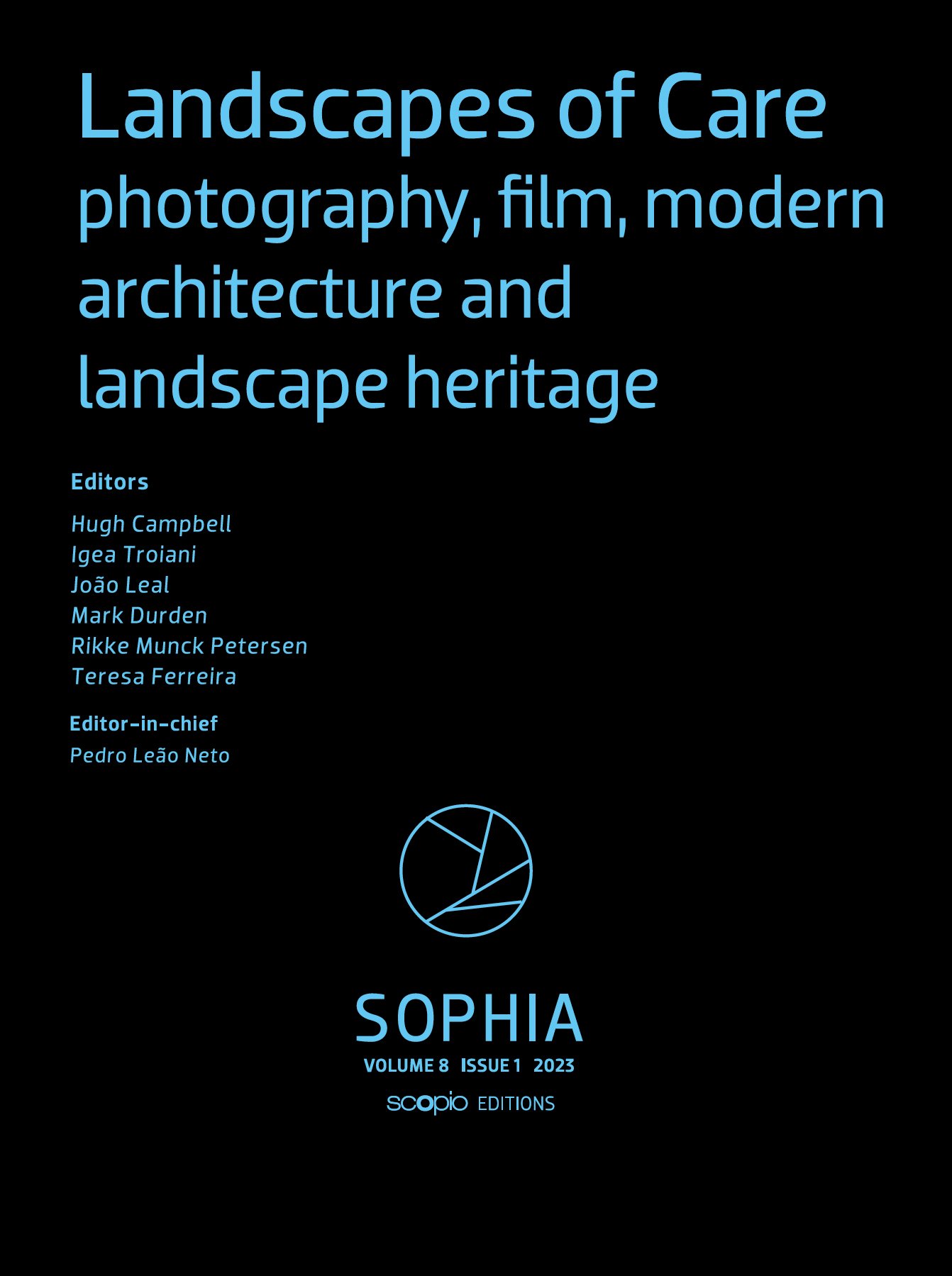
Sophia Journal Vol. 8 No. 1 (2023): Landscapes of care: photography, film, modern architecture and landscape heritage addresses contemporary photographic and visual practices that focus on how architecture understood in a wide sense can help to heal a broken planet. The concept of “Landscapes of Care” has increasingly been adopted by diverse areas of study, from health geography to the arts, architecture and heritage preservation. It is used here in order to understand and document modern architecture, building, city and territory as living and inclusive organisms, as well as heritage resources for global sustainability. Modern architecture is a ‘heritage at risk’ as it belongs to a recent past that has not yet been sufficiently recognised by the authorities, scholars and general public. Our aim is to explore the ways in which photography and film can be used as meaningful instruments of research into the socioeconomic, political, historical, technical and ecological dimensions of modern architecture, city and territory.

Editorial Team
Hugh Campbell (UCD)
Igea Troiani (LSBU)
João Leal (P.PORTO / ESMAD)
Mark Durden (USW/eCDR)
Rikke Munck Petersen (UCPH)
Teresa Ferreira (FAUP/CEAU) 

Editor-in-Chief
Pedro Leão Neto

About the Journal

Sophia Journal is an international academic, open access, peer-reviewed journal, published by the Centre for Studies in Architecture and Urbanism (CEAU) - Research group Architecture, Art and Image (AAI) at the Faculty of Architecture, University of Porto, Portugal (FAUP), in collaboration with the association Cityscopio and their publishing imprint scopio Editions.

+ more

https://www.agenda-porto.pt/evento/sophia-journal/
https://ordemdosarquitectos.org/sr_norte/agenda/lancamento-sophia-journal-vol8
https://sigarra.up.pt/faup/pt/noticias_geral.ver_noticia?p_nr=81383
https://ceau.arq.up.pt/en/highlights/events/lancamento-e-apresentacao-de-sophia-journal-vol-8-no-1


Lançamento e apresentação de Sophia Journal Vol. 8 No. 1


Lançamento e apresentação dE Sophia Journal Vol. 8 No. 1: Landscapes of care: photography, film, modern architecture and landscape heritage

20 de MARÇO de 2024 (QUARTA-feira), 18h00 | ORDEM DOS ARQUITECTOS SECçÃO REGIONAL NORTE (OASRN)

CONFERENCE LIVE STREAMING YOUTUBE FAUPlive
https://www.youtube.com/watch?v=USs_LRaMBpc

Sophia Journal Vol. 8 No. 1 | Landscapes of care: photography, film, modern architecture and landscape heritage

PT/ENG

O lançamento e apresentação da 8ª edição da publicação científica Sophia Journal Vol. 8 No. 1 | Landscapes of care: photography, film, modern architecture and landscape heritage, da responsabilidade do grupo de Arquitetura, Arte e Imagem (AAI) integrado no Centro de Estudos de Arquitetura e Urbanismo (CEAU) na FAUP, terá lugar no dia 20 de Março de 2024, às 18h00, na sede da (OASRN)

Após a abertura oficial da sessão pela OASRN, a apresentação da publicação Sophia Journal e do projeto editorial scopio Editions estará a cargo de Pedro Leão Neto (Editor-in-Chief), que após a sua intervenção dará a palavra a Hugh Campbell (UCD) que moderará a mesa redonda informal com todos os restantes Editores: Igea Troiani (LSBU), João Leal (P.PORTO / ESMAD), Mark Durden (USW/eCDR), Rikke Munck Petersen (UCPH) e Teresa Ferreira (FAUP/CEAU).

Hugh Campbell é Professor de Arquitetura na Escola de Arquitetura, Planeamento e Política Ambiental da University College Dublin. A sua investigação centra-se na produção arquitetónica moderna e contemporânea, na relação entre fotografia, arquitetura e espaço construído, e na cultura visual das cidades. Faz parte do grupo diretor da AHRA e da direção do Places Journal, para o qual colabora regularmente.

O lançamento do livro e a mesa redonda que se lhe seguirá serão realizados simultaneamente online e em pessoa, e pode participar neste lançamento em linha e na mesa redonda acedendo à seguinte ligação: https://youtu.be/....

O lançamento e as apresentações serão efectuados em inglês.

Sede da Secção Regional Norte da Ordem dos Arquitectos Rua Álvares Cabral, 144 – Porto


Issue description

Sophia’s third cycle main theme is “Landscapes of Care” with an overall interest around contemporary photography on how architecture can help a broken planet. It intends to understand how the photographic/imagery universe can be explored as a meaningful instrument of research about the multifaceted complex socioeconomic, political, historical, technical and ecological dimensions of architecture, city and territory that testify, question or emerge from relationships of care.
The concept “landscapes of care” has increasingly been adopted by diverse areas of study coming from health geography to the arts and architecture. Taking this notion to the universe of architecture we would like to understand architecture, city and territory as living and inclusive organisms, constituted by multifaceted landscapes with complex social and organisational spatialities which embody the difference and the other, the strange, the unfamiliar, the indigenous, the human and the non-human.

Sophia Journal Vol. 8 No. 1 (2023): Landscapes of care: photography, film, modern architecture and landscape heritage addresses contemporary photographic and visual practices that focus on how architecture understood in a wide sense can help to heal a broken planet. The concept of “Landscapes of Care” has increasingly been adopted by diverse areas of study, from health geography to the arts, architecture and heritage preservation. It is used here in order to understand and document modern architecture, building, city and territory as living and inclusive organisms, as well as heritage resources for global sustainability. Modern architecture is a ‘heritage at risk’ as it belongs to a recent past that has not yet been sufficiently recognised by the authorities, scholars and general public. Our aim is to explore the ways in which photography and film can be used as meaningful instruments of research into the socioeconomic, political, historical, technical and ecological dimensions of modern architecture, city and territory.

Editorial Team
Hugh Campbell (UCD)
Igea Troiani (LSBU)
João Leal (P.PORTO / ESMAD)
Mark Durden (USW/eCDR)
Rikke Munck Petersen (UCPH)
Teresa Ferreira (FAUP/CEAU) 

Editor-in-Chief
Pedro Leão Neto

About the Journal

Sophia Journal is an international academic, open access, peer-reviewed journal, published by the Centre for Studies in Architecture and Urbanism (CEAU) - Research group Architecture, Art and Image (AAI) at the Faculty of Architecture, University of Porto, Portugal (FAUP), in collaboration with the association Cityscopio and their publishing imprint scopio Editions.

+ inf.

https://www.agenda-porto.pt/evento/sophia-journal/
https://ordemdosarquitectos.org/sr_norte/agenda/lancamento-sophia-journal-vol8
https://sigarra.up.pt/faup/pt/noticias_geral.ver_noticia?p_nr=81383
https://ceau.arq.up.pt/en/highlights/events/lancamento-e-apresentacao-de-sophia-journal-vol-8-no-1


Acesso online à conferência


CALL FOR PAPERS: 1st International Architectural Studies Conference - Encounters with the 21st Century


CALL FOR PAPERS: 1st International Architectural Studies Conference

Encounters with
the 21st Century

May 19-21, 2023

The first Architectural Studies Conference takes encounters with the recent past of architecture focusing mainly on the first two decades of the 21st Century. While this time period witnessed a vast increase in the number of architectural research with a rich variety of approaches, such an increase concurrently rendered evaluating possible implications more difficult. The incentive to bring together and designate an agenda of architectural theories, arguably, has left its place to responding to urgent crises regarding ecology, violent conflicts, economic ambiguity, digital dependence, social injustice and discrimination through gender and postcolonial theories as well as many others, thereby making the task of a possible articulation of architectural research methods a rather delicate one.

ABOUT:

Architectural Studies is a biannual conference series held by the Department of Architecture at Yeditepe University. The conference intends to facilitate intellectual exchange on disciplinary and interdisciplinary scholarship and practices of architecture through the subcategories foundations, positions, and words. (1) Foundations denote dispositions that act as the limits and potentials of architectural knowledge; (2) Positions entail setting a critical perspective within architectural scholarship and practices; (3) Wordshighlight the practice of writing (on/in) architecture in manifolds forms including criticism, narration, and documentation. Through its framework and biannually varying thematic foci, the conference encourages contributions that critically engage with the existing frameworks and convictions that shape architectural discourse, practices, and constructs. 

 https://foundationspositionswords.com


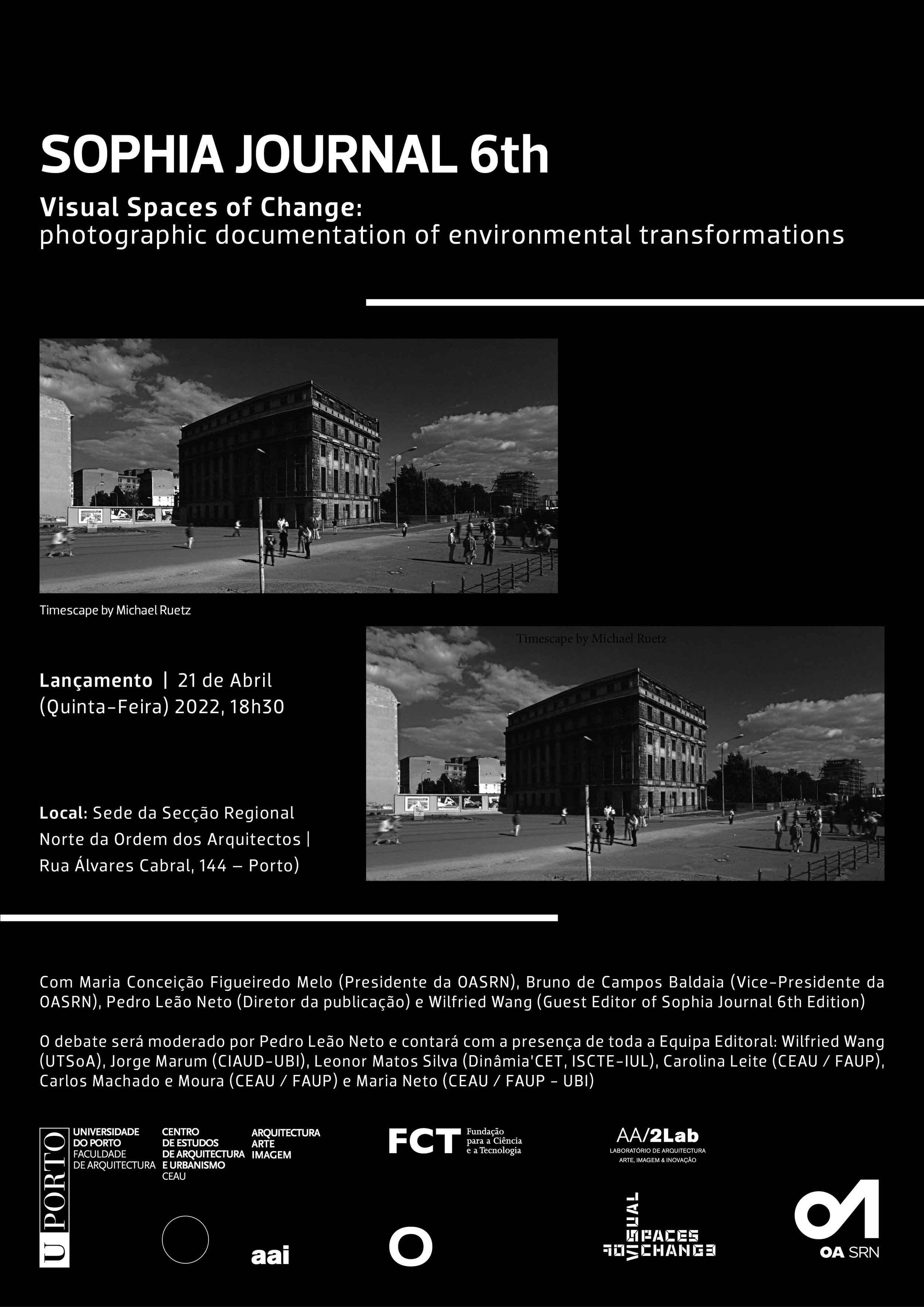
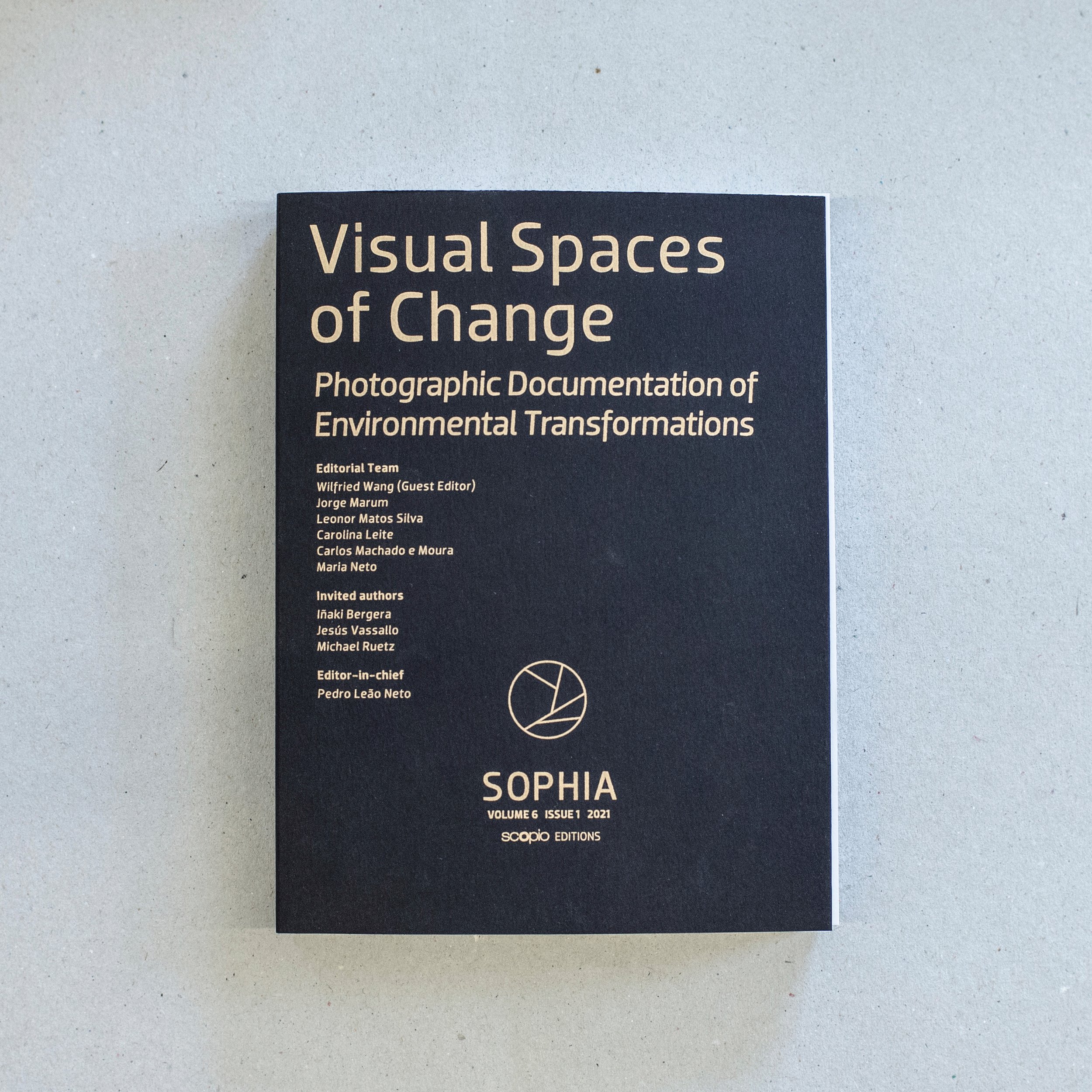
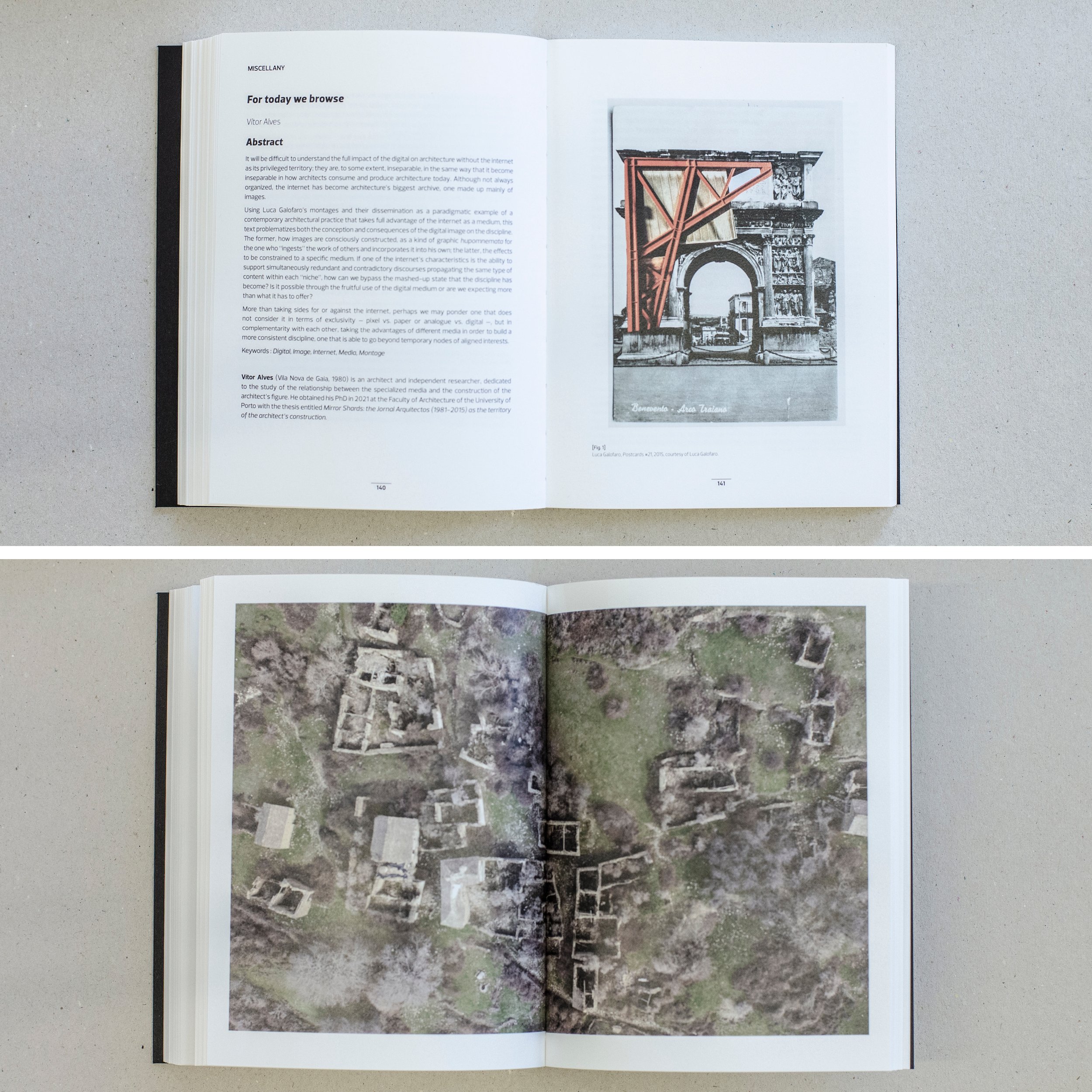
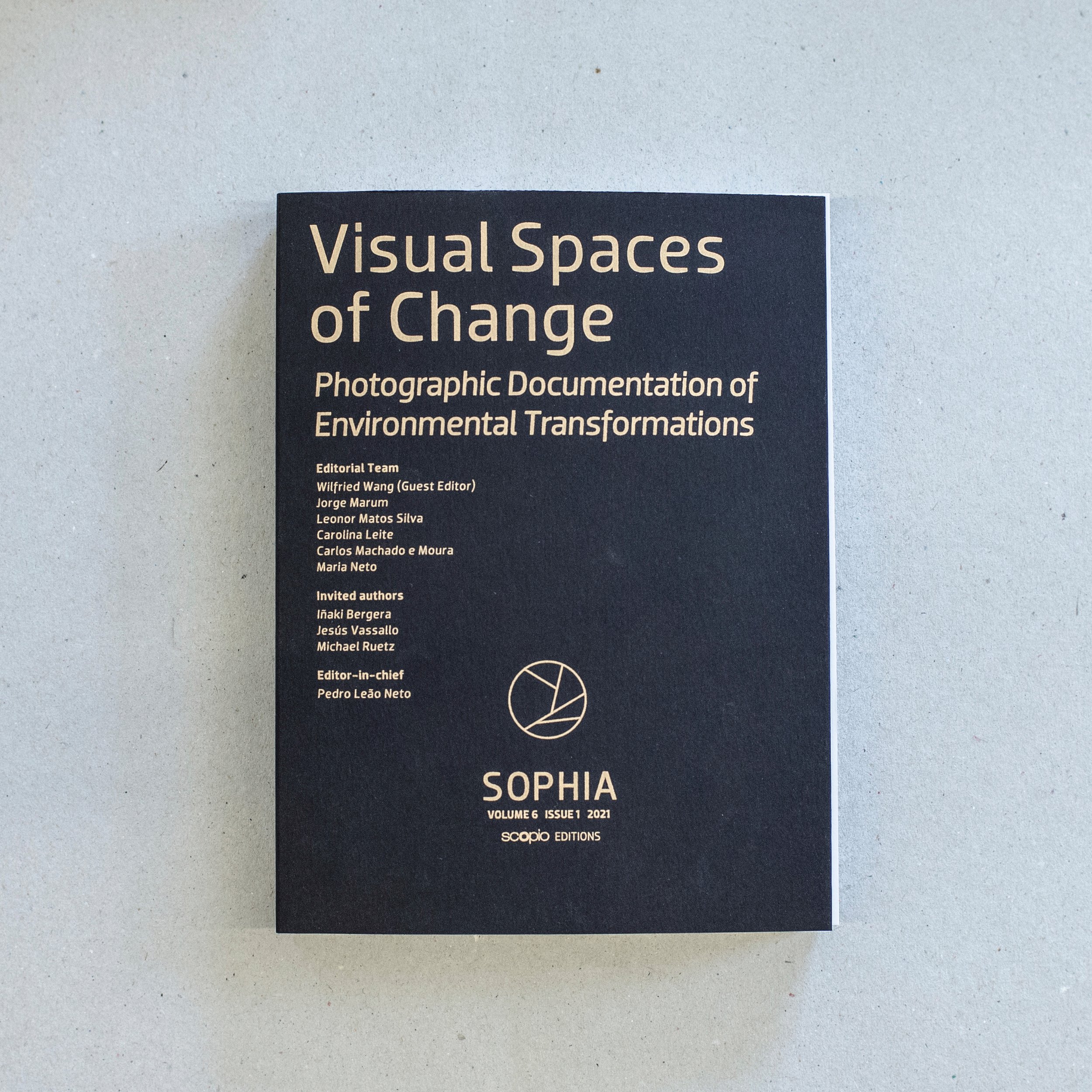
Launching and presentation of the 6th Edition of Sophia Journal - 'Visual Spaces of Change: photographic documentation of environmental transformations


Launching and presentation of the 6th Edition of Sophia Journal - 'Visual Spaces of Change: photographic documentation of environmental transformations

April 21st, 2022 (THURSDAY), 6:30pm | ORDEM DOS ARQUITECTOS SECÇÃO REGIONAL NORTE (OASRN)

PT/ENG

The launching and presentation of the 6th edition of the Sophia Journal - 'Visual Spaces of Change: photographic documentation of environmental transformations' will take place on April 21, 2022, 6:30pm, at the OASRN's headquarters. The event is part of the research project funded by the FCT - Visual Spaces of Change (VSC) - under the responsibility of the Architecture, Art and Image (AAI) group, integrated in the R&D Centre for the Study of Architecture and Urbanism (CEAU) at FAUP.

The event will be attended by Maria Conceição Figueiredo Melo (President of OASRN) who will open the table. The presentation of the publication will be the responsibility of Bruno de Campos Baldaia (Vice-President of OASRN), who will then give the floor to Pedro Leão Neto (Director of the publication) who will be moderating the following debate. Wilfred Wang (Guest Editor of the 6th edition of Sophia Journal) will be the first to intervene with the keynote address Image and Conscience after which all who have integrated the Editorial team of this 6th edition will take part.

The architect Wilfried Wang is a member of CICA and the author of diverse essays, monographs and topographs on the architecture of the twentieth century, being the Guest Editor of the 6th issue of Sophia Journal. The other members of the Editorial Team were Jorge Marum (CIAUD-UBI), Leonor Matos Silva (Dinâmia'CET, ISCTE-IUL), Carolina Leite (CEAU / FAUP), Carlos Machado e Moura (CEAU / FAUP) and Maria Neto (CEAU / FAUP - UBI), being Pedro Leão Neto the Editor-in-chief of the publication.

The book launch and following debate will be held in person, being the keynote address Image and Conscience by Wilfried Wang held online. You can join this online keynote address by accessing the following link: https://youtu.be/zyQl4jKF9TI

The launch and presentations will be conducted in Portuguese.

Sede da Secção Regional Norte da Ordem dos Arquitectos Rua Álvares Cabral, 144 – Porto

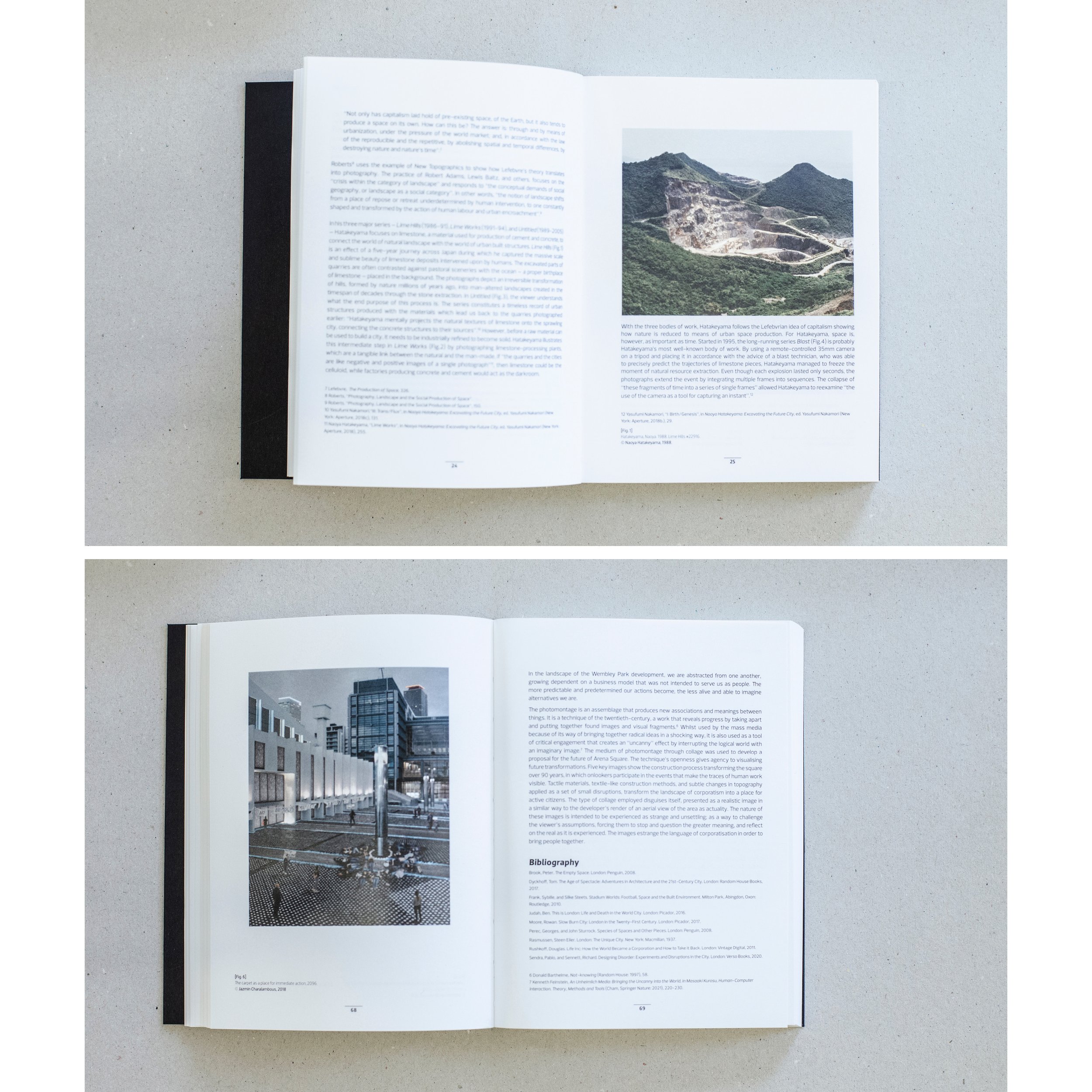
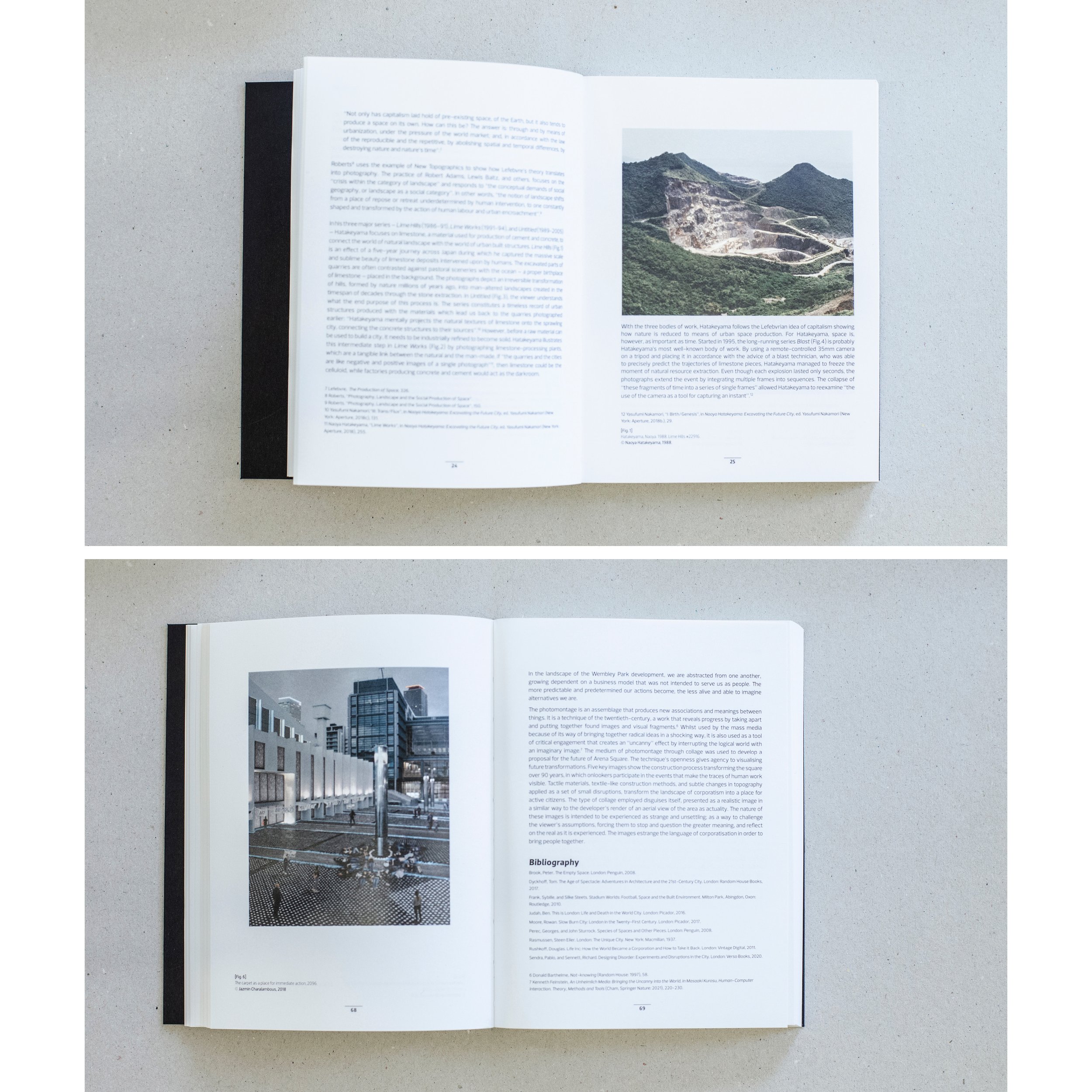
Vol. 6 of Sophia Journal Visual Spaces of Change: photographic documentation of environmental transformations published articles addressing the following global issues: How do we all become aware of the gradual, but inescapable changes in the environment? How does photography raise public awareness of the pressing environmental changes implicit in our anthropocentric epoch? How can photography contribute to these complex debates? These issues were addressed from several perspectives: from confronting our memories and understandings of a place to reactivating ‘what is no longer there’ or proposing ‘what could be there’.

This volume brings together photographers and researchers who make significant contributions to these discussions, including the material processes of creating, managing and interpreting sets of documents. We are publishing work where photography is explored as a significant research tool for critical and innovative views on architecture and urban transformation in their expanded fields and contextualized by larger systems: cultural, political, artistic, technical, and historical dimensions. In this context, the works which are presented in Sophia question how the different dimensions of architecture and urban transformation may be meaningfully understood or reframed through the different lenses and perspectives of visual processes.

Editorial Team
Wilfried Wang (UTSoA) Guest Editor
Jorge Marum (CIAUD-UBI)
Leonor Matos Silva (Dinâmia’CET, ISCTE-IUL) Carolina Leite (CEAU / FAUP)
Carlos Machado e Moura (CEAU / FAUP) Maria Neto (CEAU / FAUP - UBI)

Editor-in-chief
Pedro Leão Neto


Sophia Journal Vol. 6 International Conference

  • International Conference - 6th number of Sophia Journal - Visual Spaces of Change: photographic documentation of environmental transformations took place on the 21 and 22 of May - FAUP | 2021.

    Online access to Conference

    • MORNING SESSION – 21 MAY - OPENING SESSION | PANEL #1

    • AFTERNOON SESSION – 21 MAY - PANEL #2 | PANEL #3

    • MORNING SESSION | 22 MAY - PANEL #4

      EXHIBITION at FAUP

Abstract

The International Conference for SOPHIA #6 took place at the Faculty of Architecture of University of Porto (FAUP), continuing the annual cycle of international forums on a specific theme.
Sophia Journal ́s International Conference consisted of a live and video conference programme organized by CEAU / FAUP in partnership with other institutions and the event will be held online and access to the Conference Room will only be possible to the organising team.

Encompassing a rich and diverse programme around: (i) roundtables for each panel concerning a focused topic coming from Sophia ́s comprehensive call; (ii) presentation of articles submitted; (iii) the opening of Visual Spaces of Change: photographic documentation of environmental transformations exhibition using the VSC Mobile Projector.
The contents of the exhibition will also be online soon and the exhibition experience is registered purely for research purposes, being analysed in the context of the ongoing Visual Spaces of Change: photographic documentation of environmental transformations articles and research.
The global objective of these international forums is to promote the reflection and debate on the universes of architecture, art and image, addressing various issues transversal to the worlds of photography and architecture, exploring how the image can be a means to cross borders and shift boundaries between different disciplinary areas.


Lançamento e apresentação da 6ª Edição da publicação Sophia Journal - ‘Visual Spaces of Change: photographic documentation of environmental transformations’


Lançamento e apresentação da 6ª Edição da publicação Sophia Journal - ‘Visual Spaces of Change: photographic documentation of environmental transformations’

21 de Abril de 2022 (QUINTA-feira), 18h30 | ORDEM DOS ARQUITECTOS SECçÃO REGIONAL NORTE (OASRN)

PT/ENG

Enquadrado na programação do projeto de investigação financiado pela FCT - Visual Spaces of Change (VSC) - , da responsabilidade do grupo de Arquitetura, Arte e Imagem (AAI) integrado no Centro de Estudos de Arquitetura e Urbanismo (CEAU) na FAUP, terá lugar no dia 21 de Abril de 2022, às 18h30, o lançamento e apresentação na sede da OASRN da 6a edição da publicação científica Sophia Journal - ‘Visual Spaces of Change: photographic documentation of environmental transformations’.

O evento contará com a presença de Maria Conceição Figueiredo Melo (Presidente da OASRN) que irá abrir a mesa. A apresentação da publicação estará a cargo de Bruno de Campos Baldaia (Vice-Presidente da OASRN), seguindo-se o período do debate, moderado por Pedro Leão Neto (Diretor da publicação) e que conta com a participação de toda a Equipa Editorial desta 6a edição da publicação Sophia Journal. Wilfred Wang (Guest Editor) será o primeiro a intervir com o discurso de abertura intitulado Imagem e Consciência, após o qual todos os que integraram a equipa editorial desta 6a edição participarão.

O arquitecto Wilfried Wang é membro da CICA e autor de diversos ensaios, monografias e topografias sobre a arquitectura do século XX, sendo o Editor Convidado da 6a edição da Revista Sophia. Os outros membros da Equipa Editorial foram Jorge Marum (CIAUD-UBI), Leonor Matos Silva (Dinâmia'CET, ISCTE-IUL), Carolina Leite (CEAU / FAUP), Carlos Machado e Moura (CEAU / FAUP) e Maria Neto (CEAU / FAUP - UBI), sendo Pedro Leão Neto o Diretor da publicação.

O lançamento do livro e o debate que se segue serão presenciais, sendo a intervenção de Wilfried Wang intitulada Image and Conscience realizado online, podendo ser acedida através do seguinte link: https://youtu.be/zyQl4jKF9TI

O lançamento e as apresentações serão conduzidos em português.

Sede da Secção Regional Norte da Ordem dos Arquitectos
(Rua Álvares Cabral, 144 – Porto)

O 6.º número da publicação Sophia Journal ‘Visual Spaces of Change: photographic documentation of environmental transformations’ encontra-se disponível online com acesso livre em www.up.pt/revistas/index.php/sophia.

Criada em 2016 e editada pelo grupo de investigação Arquitectura, Arte e Imagem (AAI) do Centro de Estudos em Arquitectura e Urbanismo (CEAU) da FAUP, a Sophia Journal é uma publicação académica anual com revisão por pares dedicada à divulgação de artigos críticos e exploratórios sobre o universo da imagem e arquitectura. Todas as edições da Sophia Journal, bem como os artigos publicados, são de acesso livre.

O 6.o número da publicação Sophia Journal reúne diversos fotógrafos e investigadores cujos projectos e estudos contribuem de forma significativa para o debate destas temáticas.

Destacam-se na presente edição os trabalhos a partir dos quais a "fotografia é explorada como um instrumento de investigação significativo na criação de perspetivas críticas e inovadoras sobre a arquitetura e a transformação do espaço urbano nos seus campos expandidos e contextualizados por sistemas maiores: dimensões culturais, políticas, artísticas, técnicas e históricas".

Neste contexto, os trabalhos "questionam estas diferentes dimensões da arquitectura e da transformação urbana e permitem compreender ou reenquadrar essas mesmas dimensões através de estratégias visuais diversas e diferentes lentes e perspetivas".

Os artigos publicados centram-se nas seguintes temáticas globais: De que forma podemos obter uma maior consciência sobre as mudanças graduais, mas inescapáveis, que se estão a operar no meio ambiente? De que forma pode a fotografia sensibilizar diversos públicos para as urgentes mudanças ambientais implícitas na nossa época antropocêntrica? De que forma a fotografia pode contribuir para o debate destas temáticas complexas? Estas questões e outras foram debatidas a partir de várias perspectivas: desde o confronto com as nossas memórias e compreensão de um lugar até ao reactivar "do que já não existe" ou a visão "do que poderia existir".

Em 2021, no âmbito da 6.a edição de Sophia Journal . Visual Spaces of Change: 'Photographic documentation of environmental transformations' foi realizado uma conferência internacional | 21 e 22 Maio - FAUP | 2021.


Acesso online à conferência

  • MORNING SESSION – 21 MAY - OPENING SESSION | PANEL #1

  • AFTERNOON SESSION – 21 MAY - PANEL #2 | PANEL #3

  • MORNING SESSION | 22 MAY - PANEL #4

    EXHIBITION at FAUP