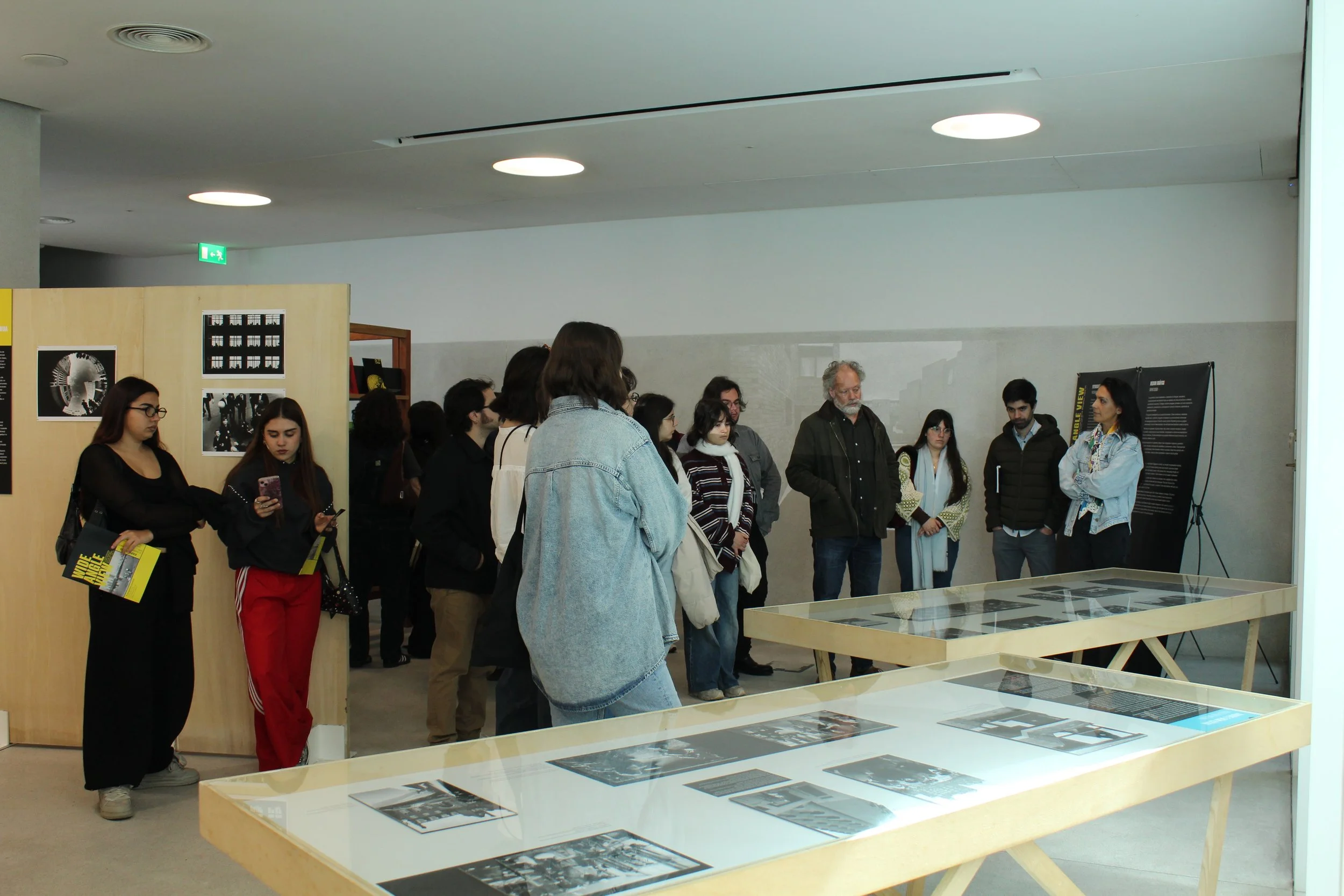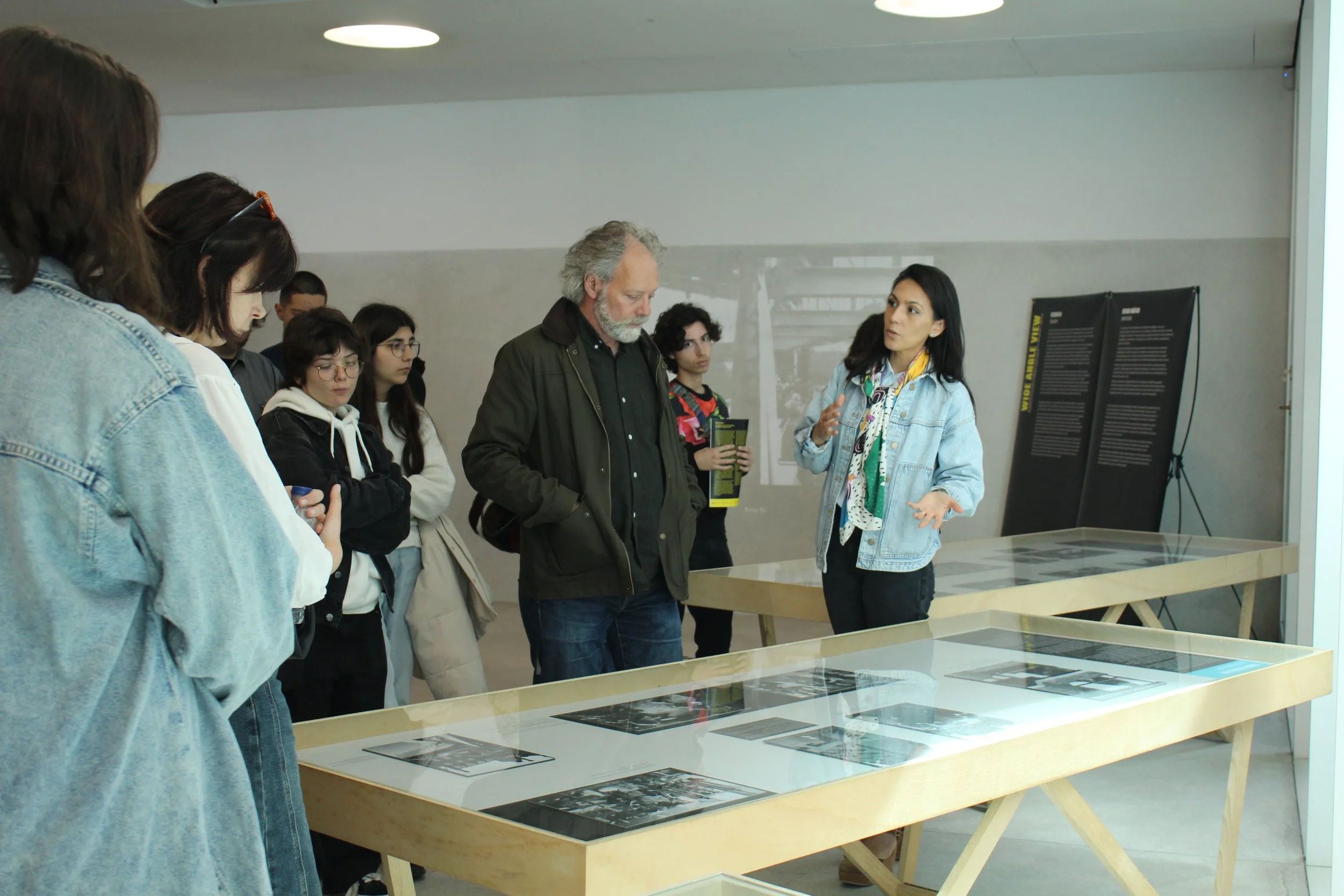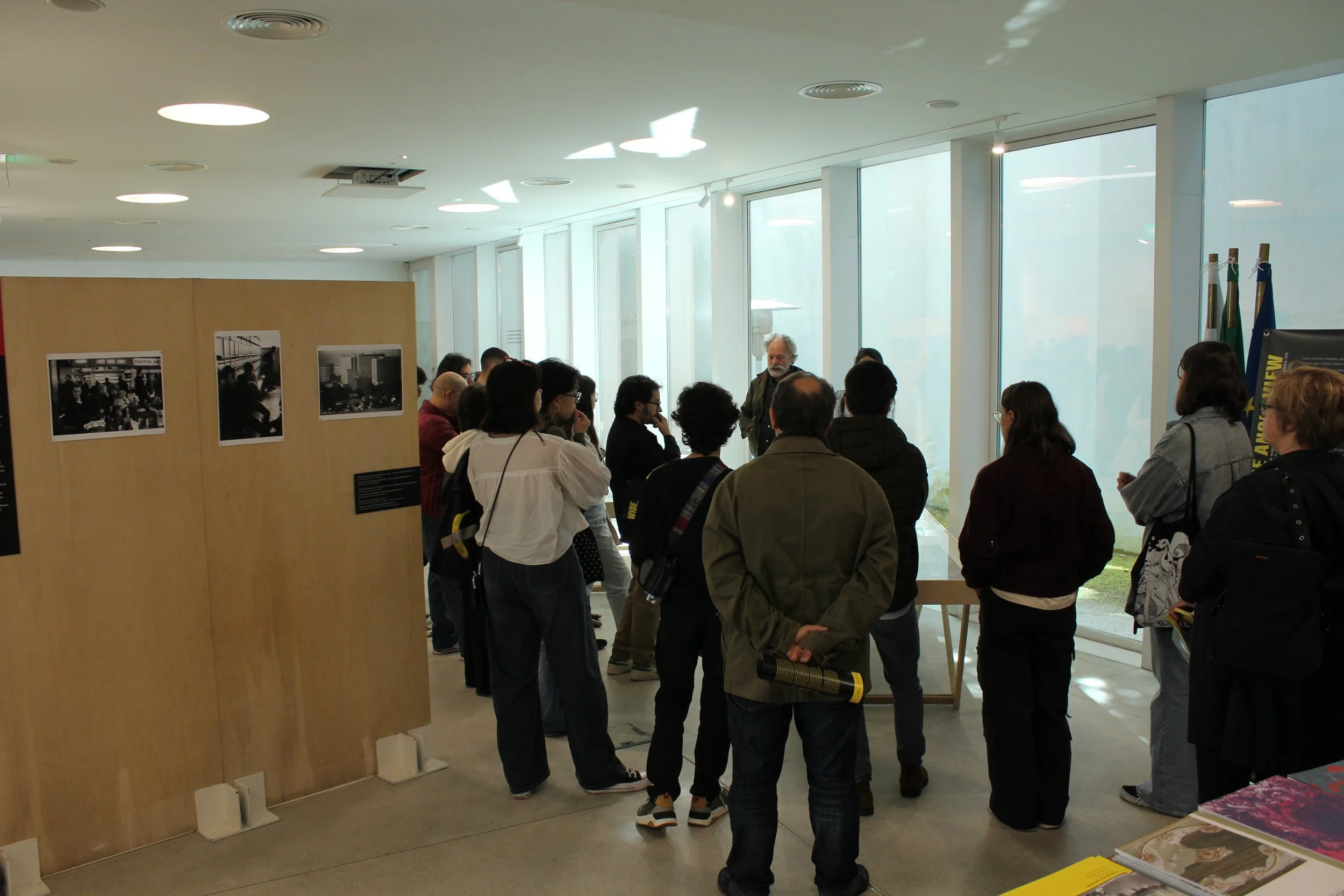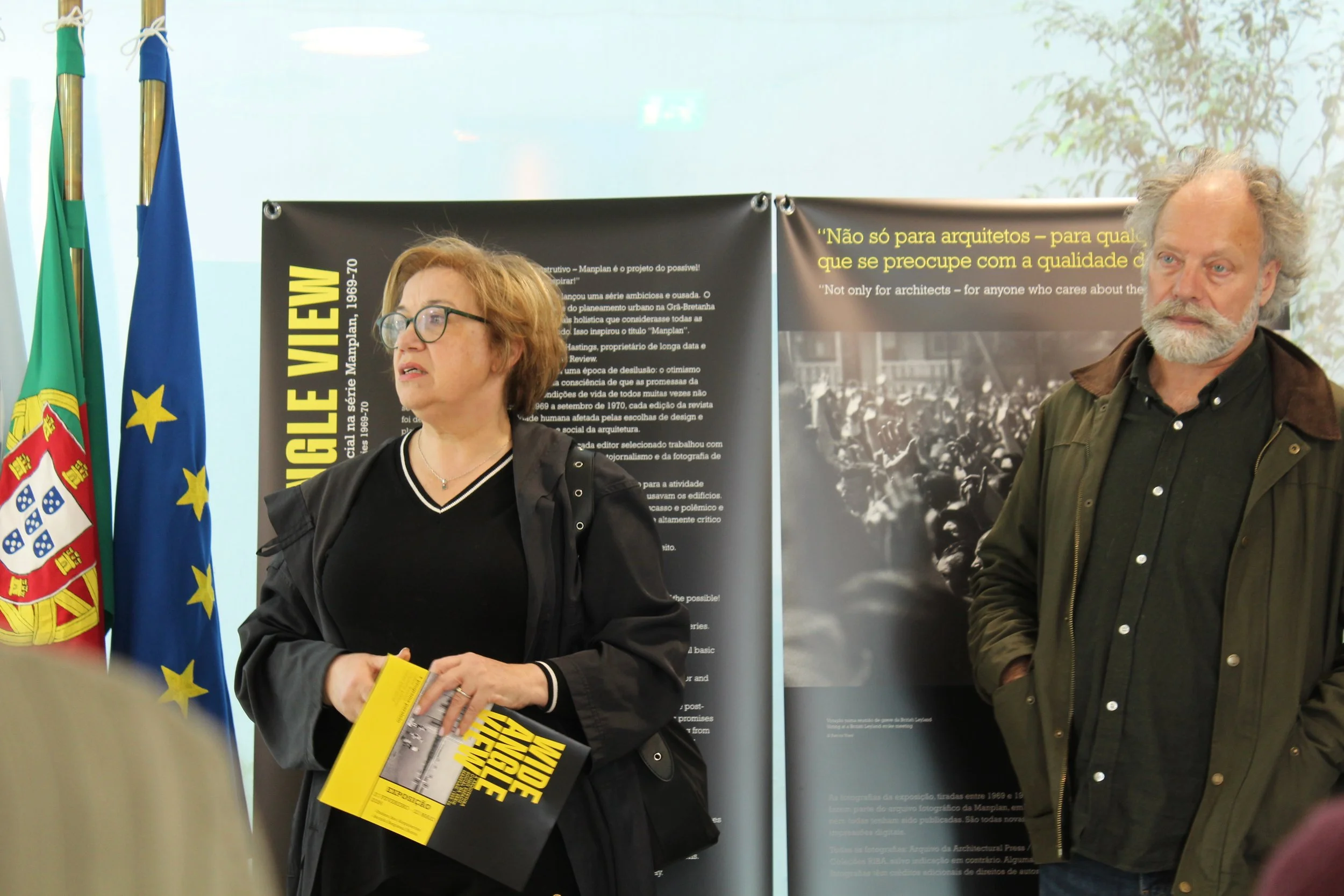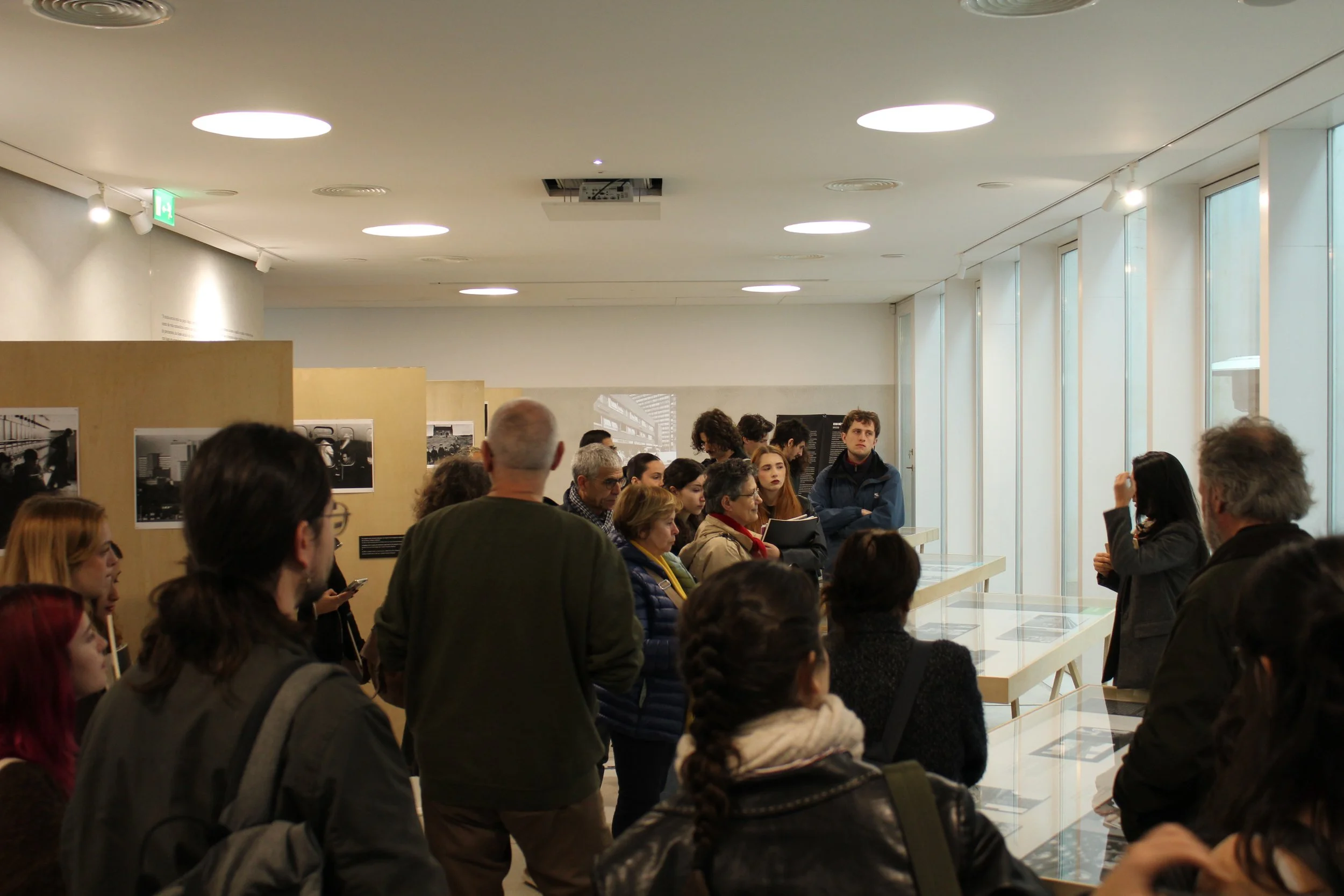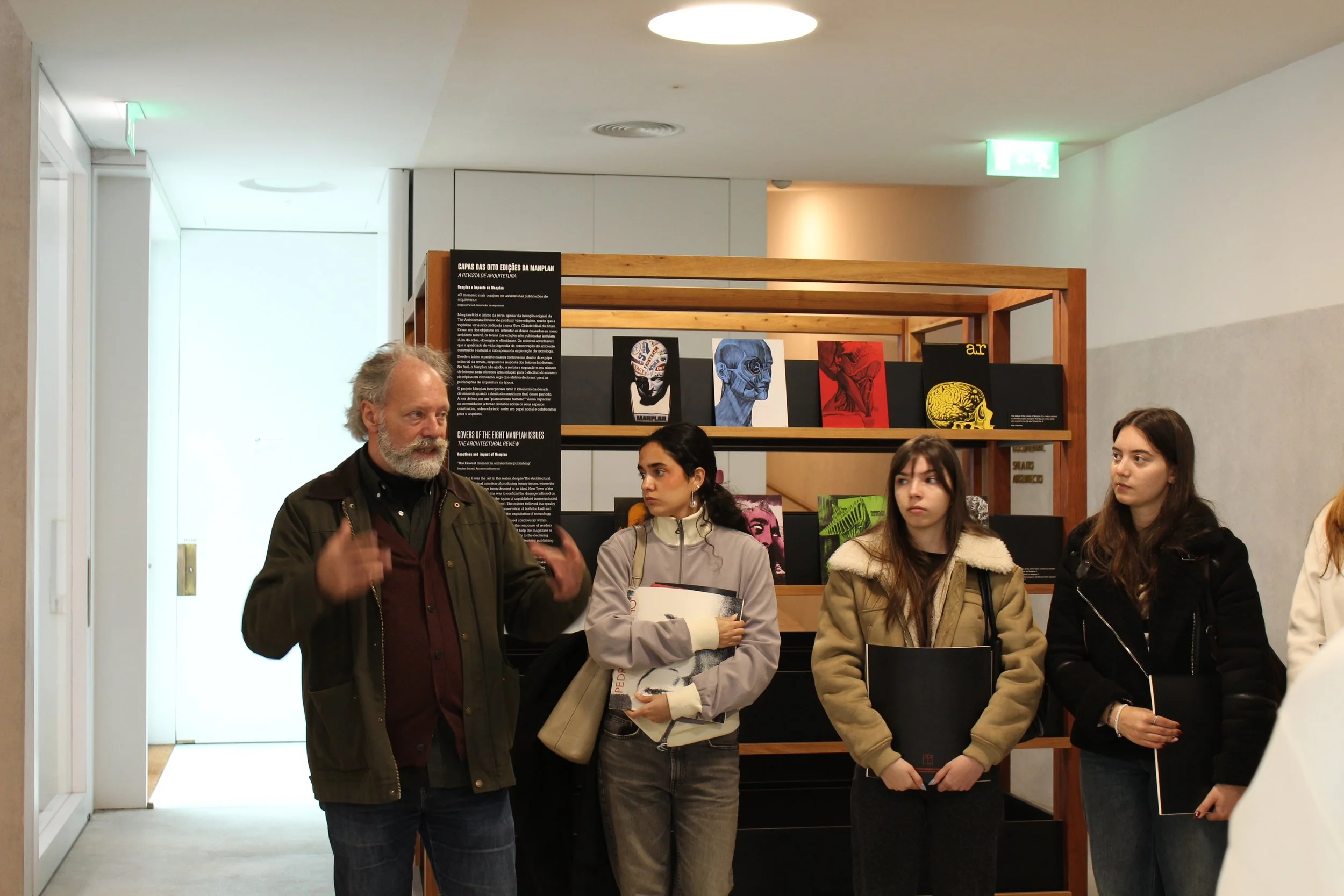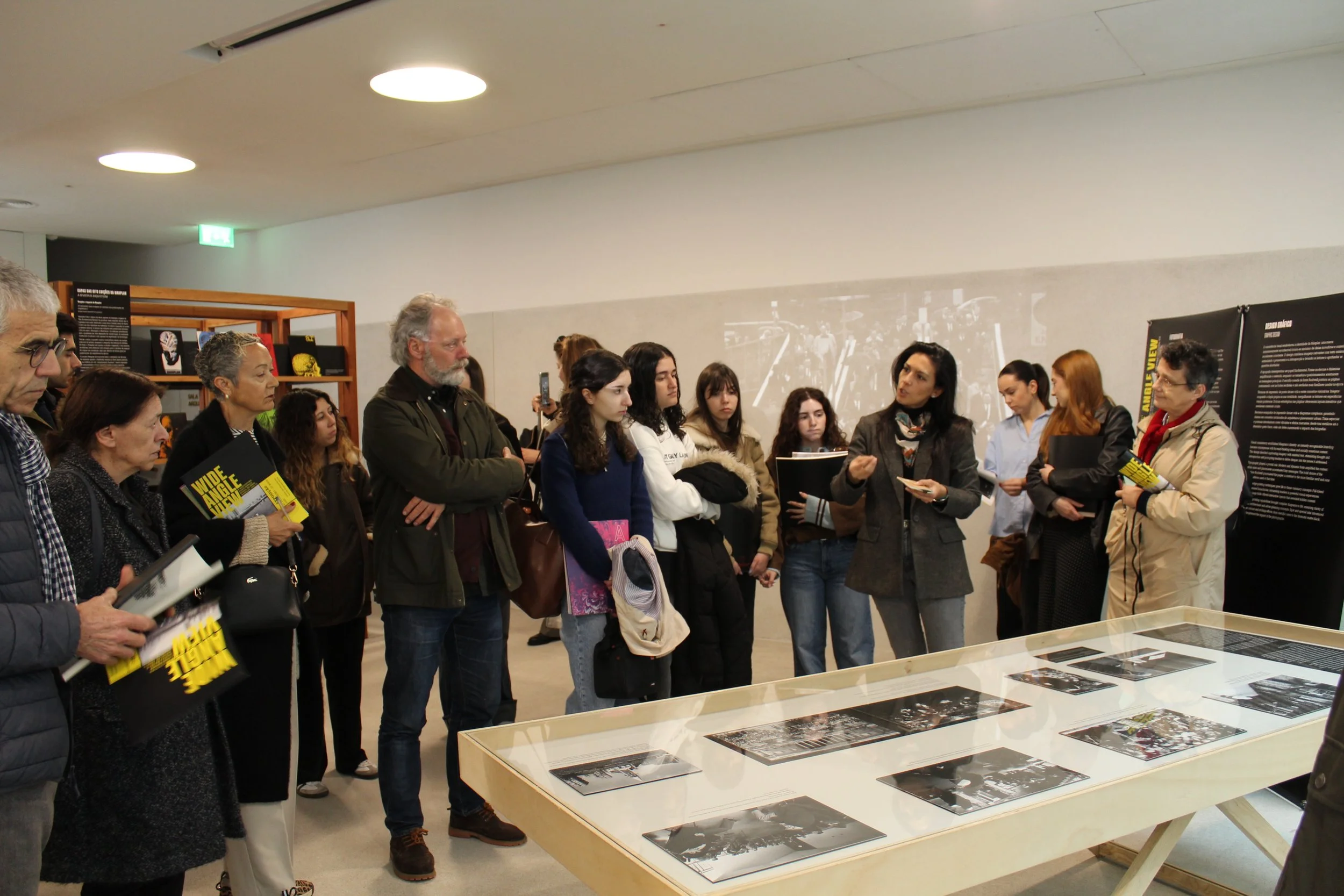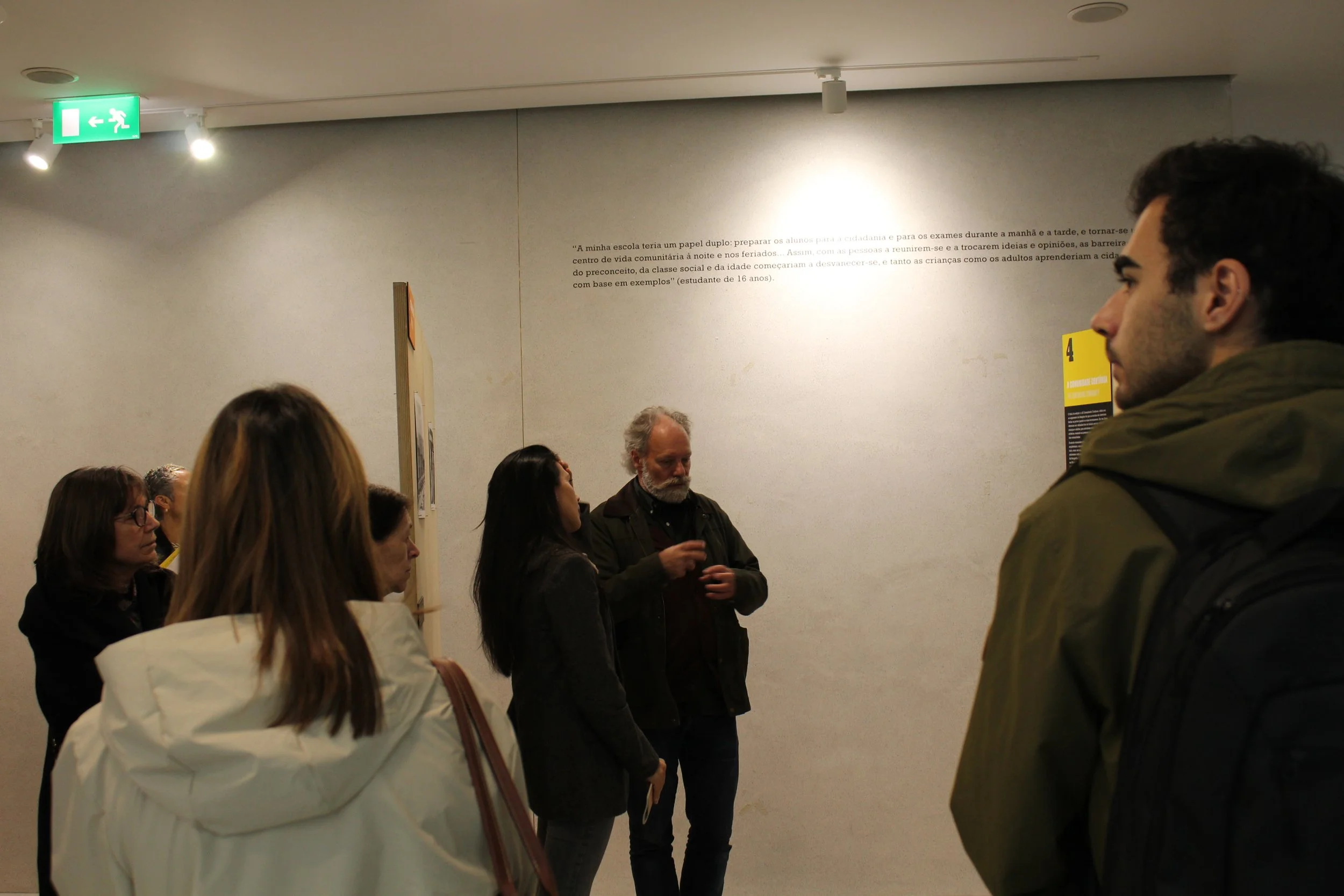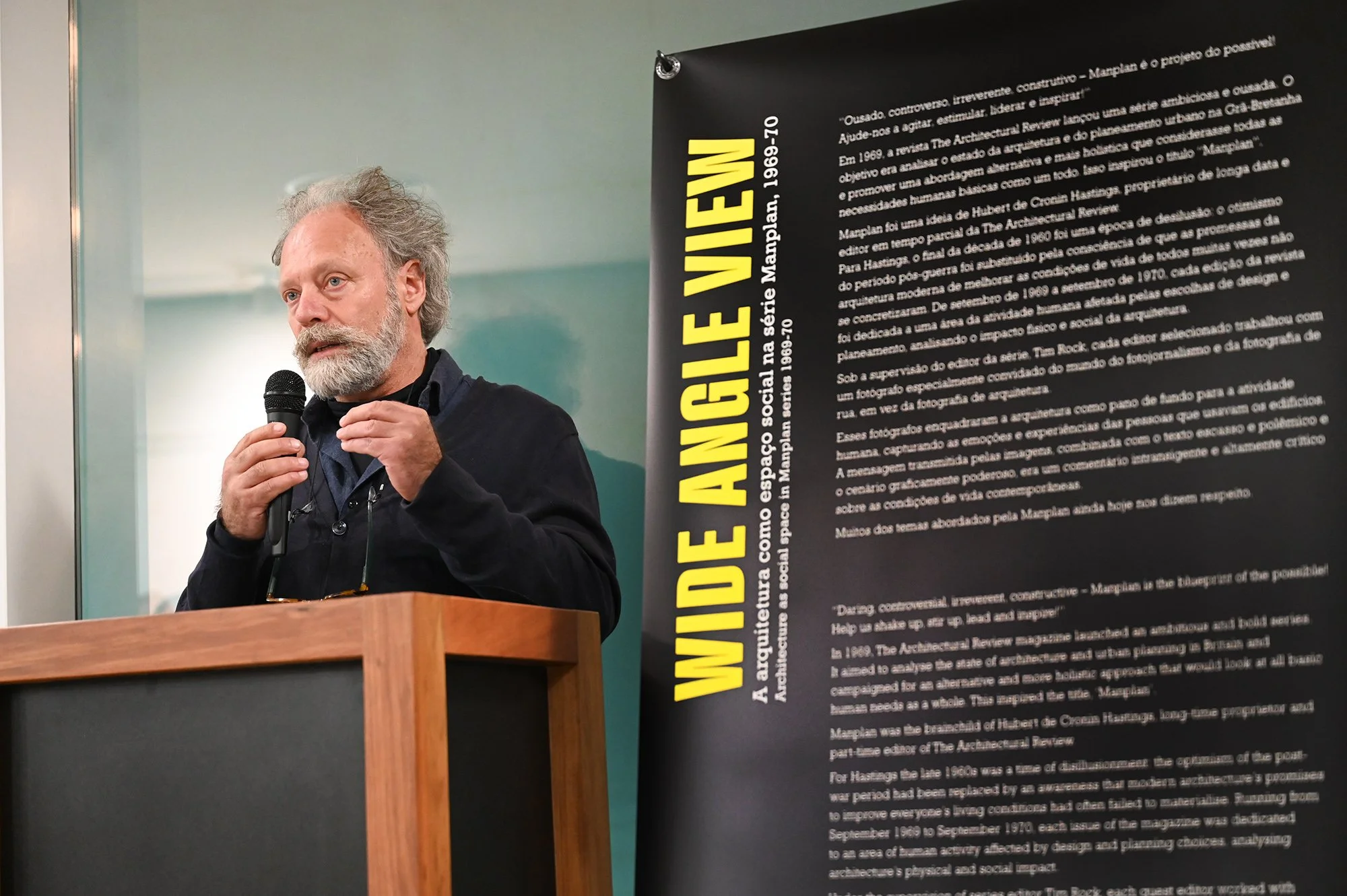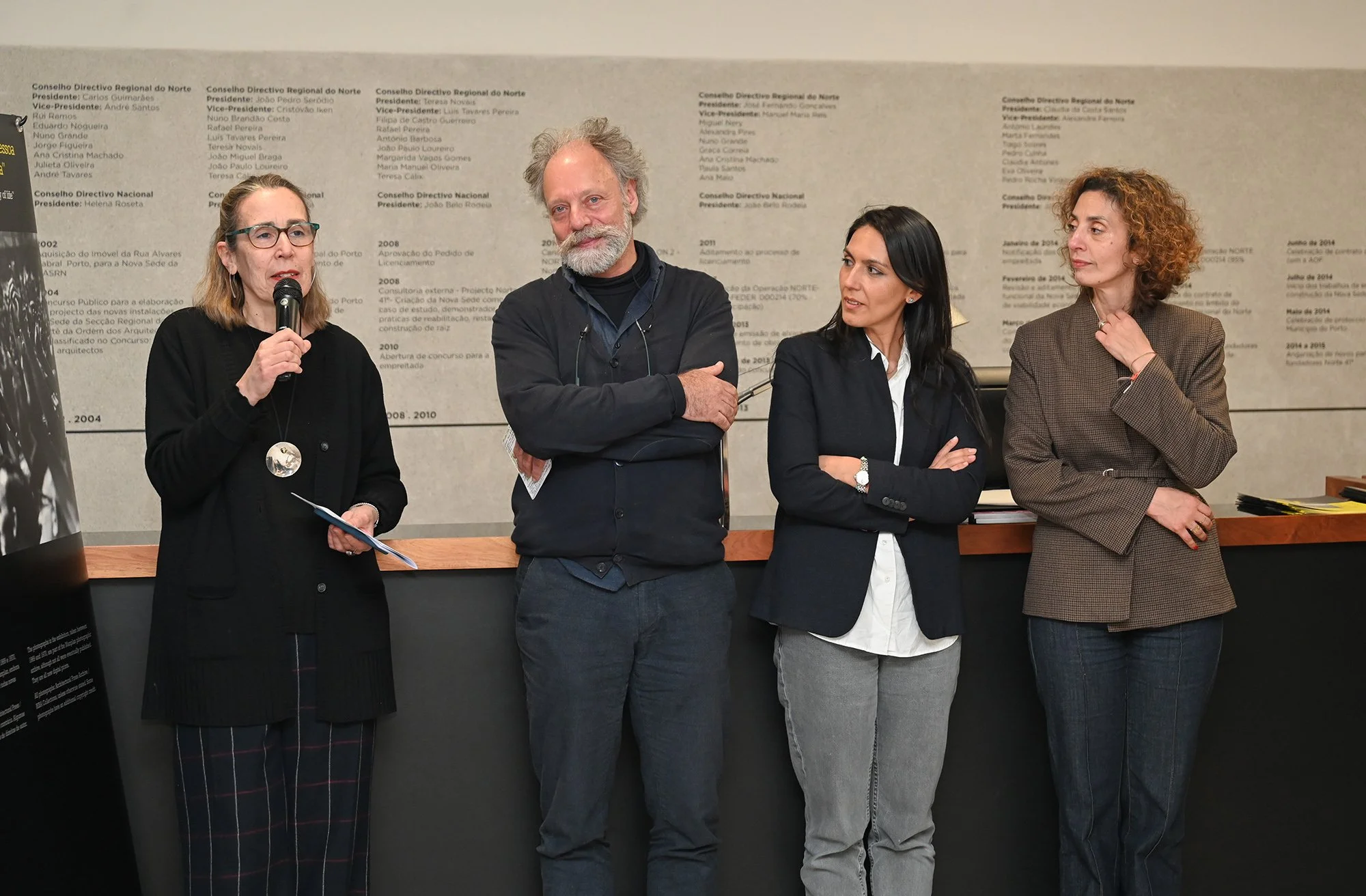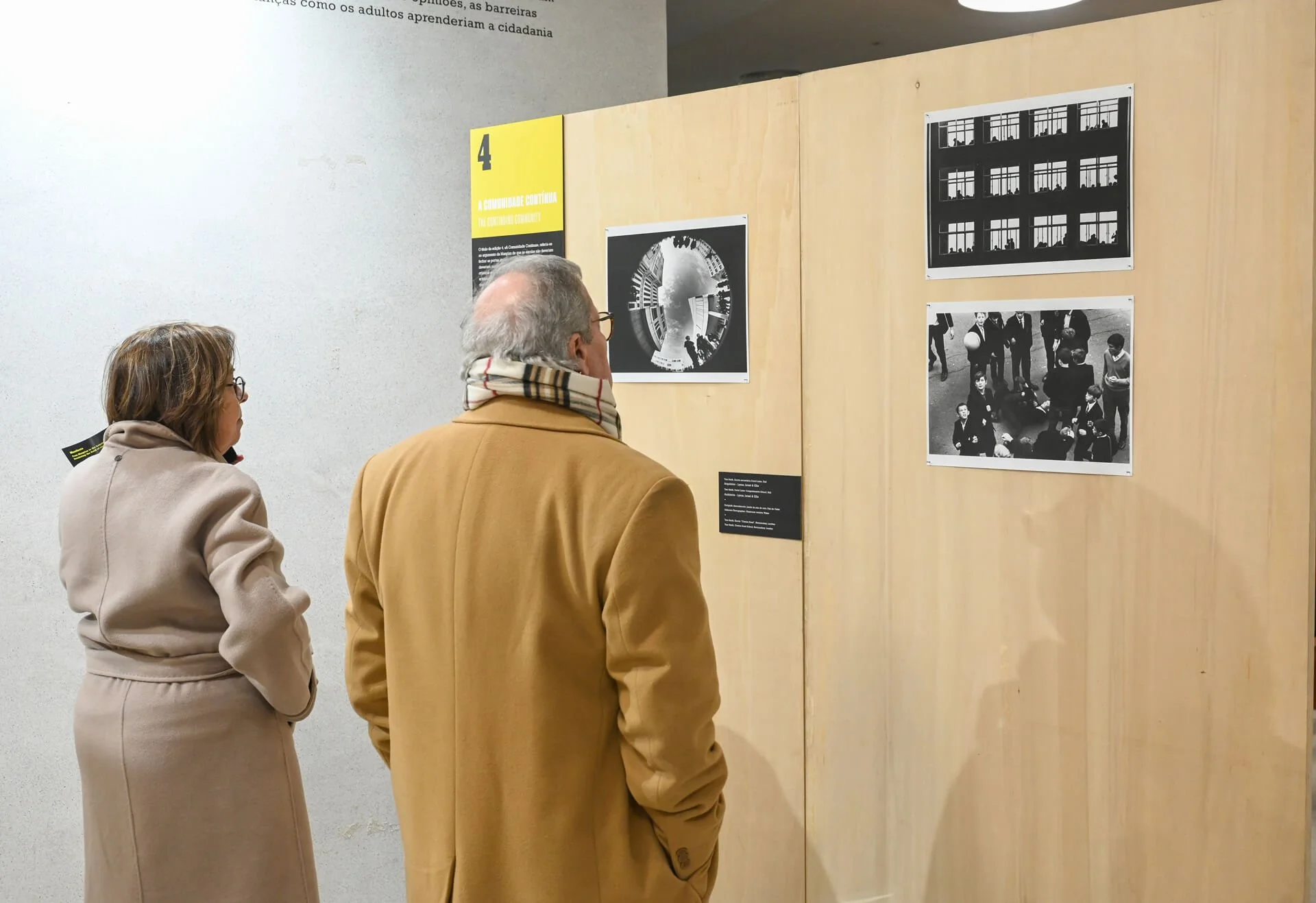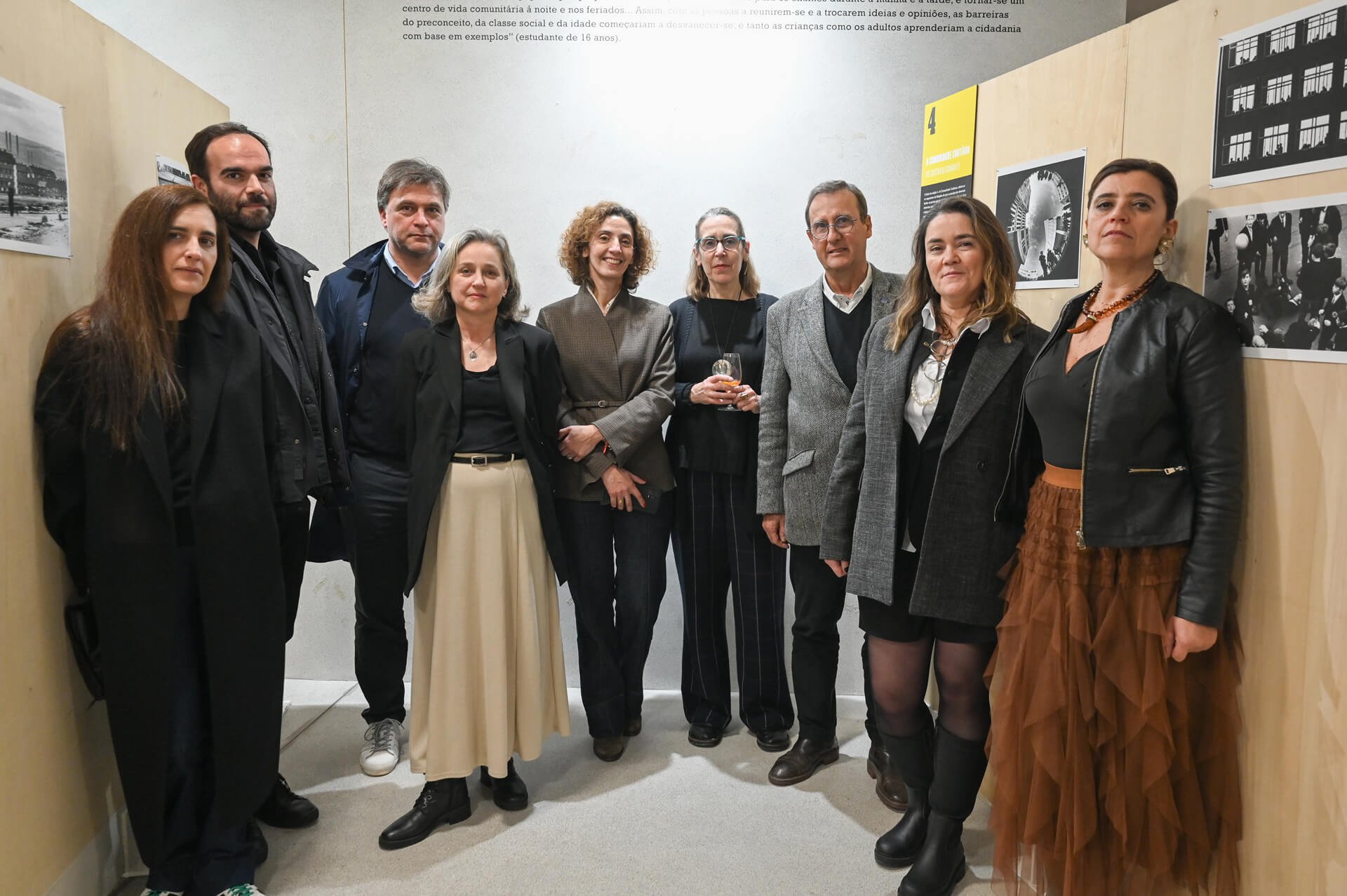
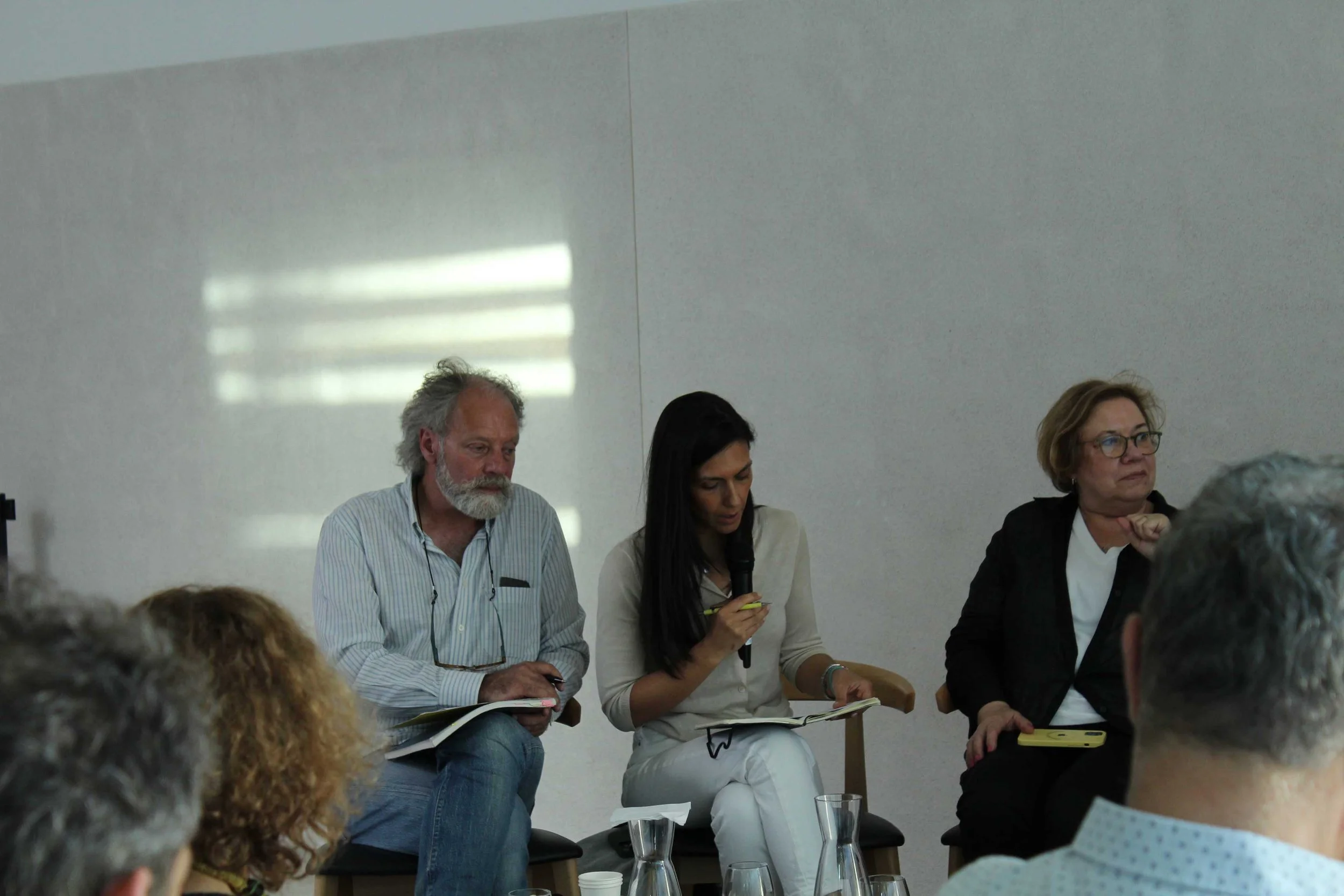
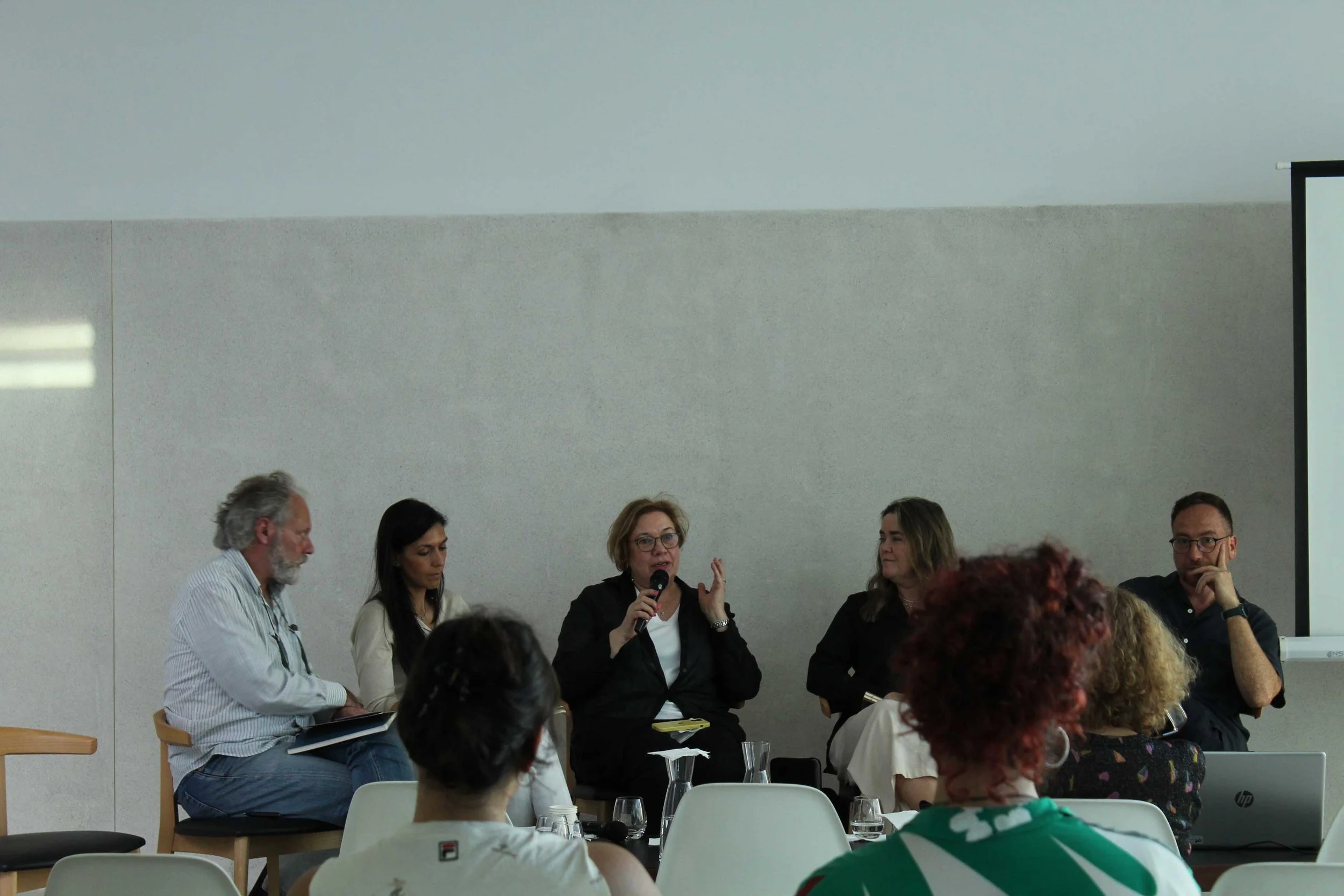
Exhibition “Wide-Angle View: Architecture as social space in the Manplan series 1969–70” opens at the Northern Regional Section of the Order of Architects


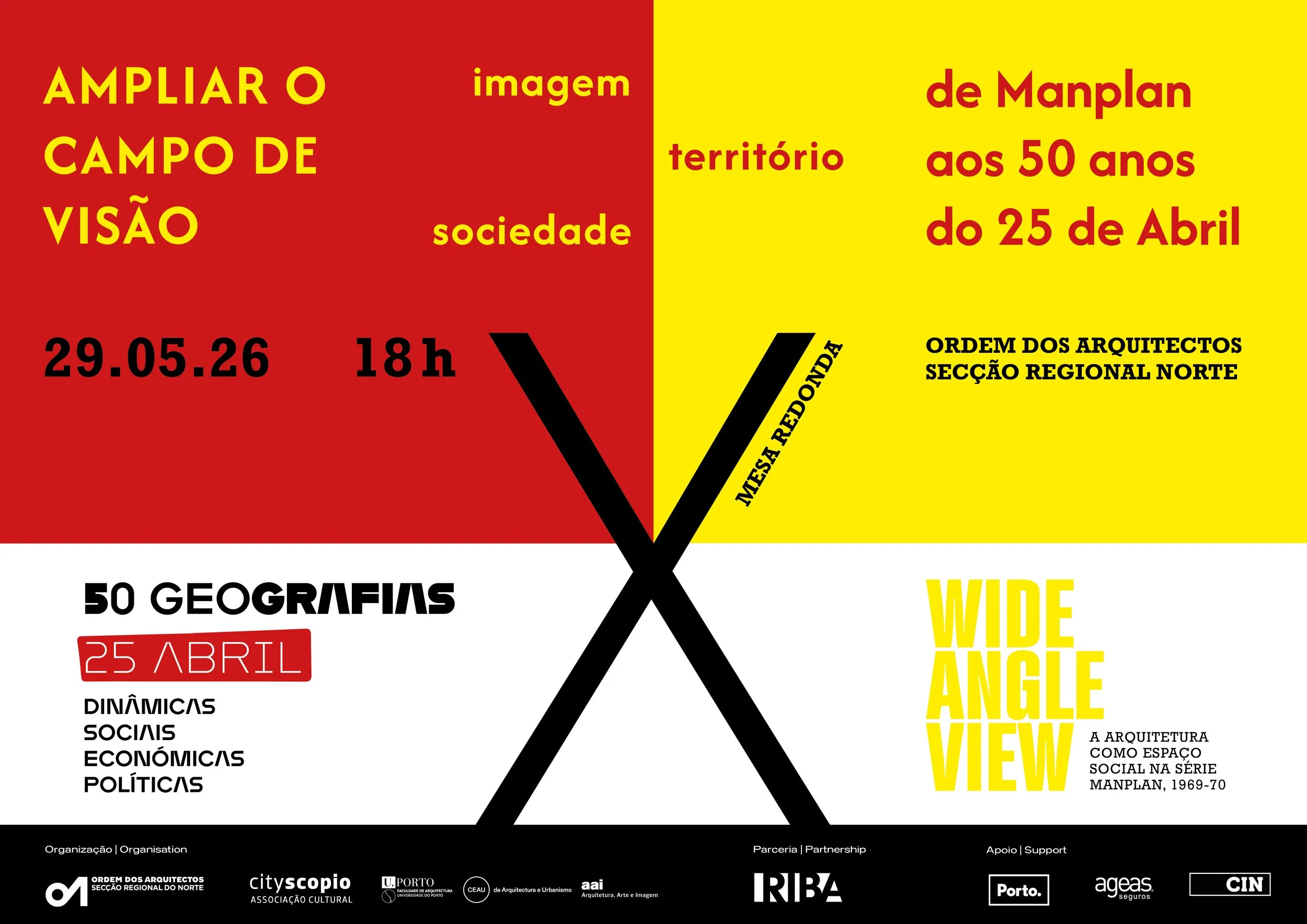
Wide-Angle View: ARCHITECTURE AS SOCIAL SPACE IN THE MANPLAN SERIES 1969–70

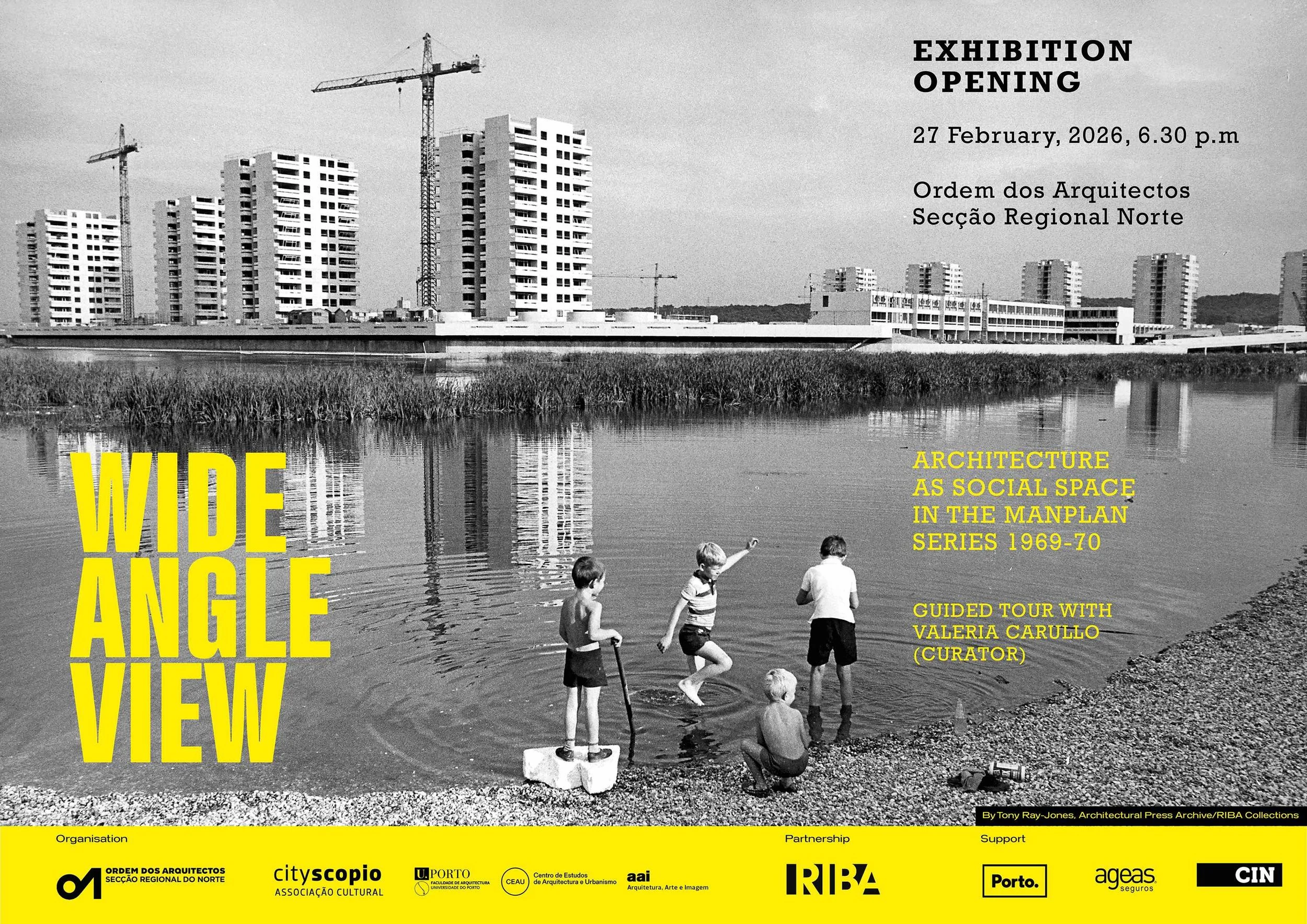
Opening of the Exhibition at the Association of Architects, Northern Regional Section, on February 27th at 6:30 PM

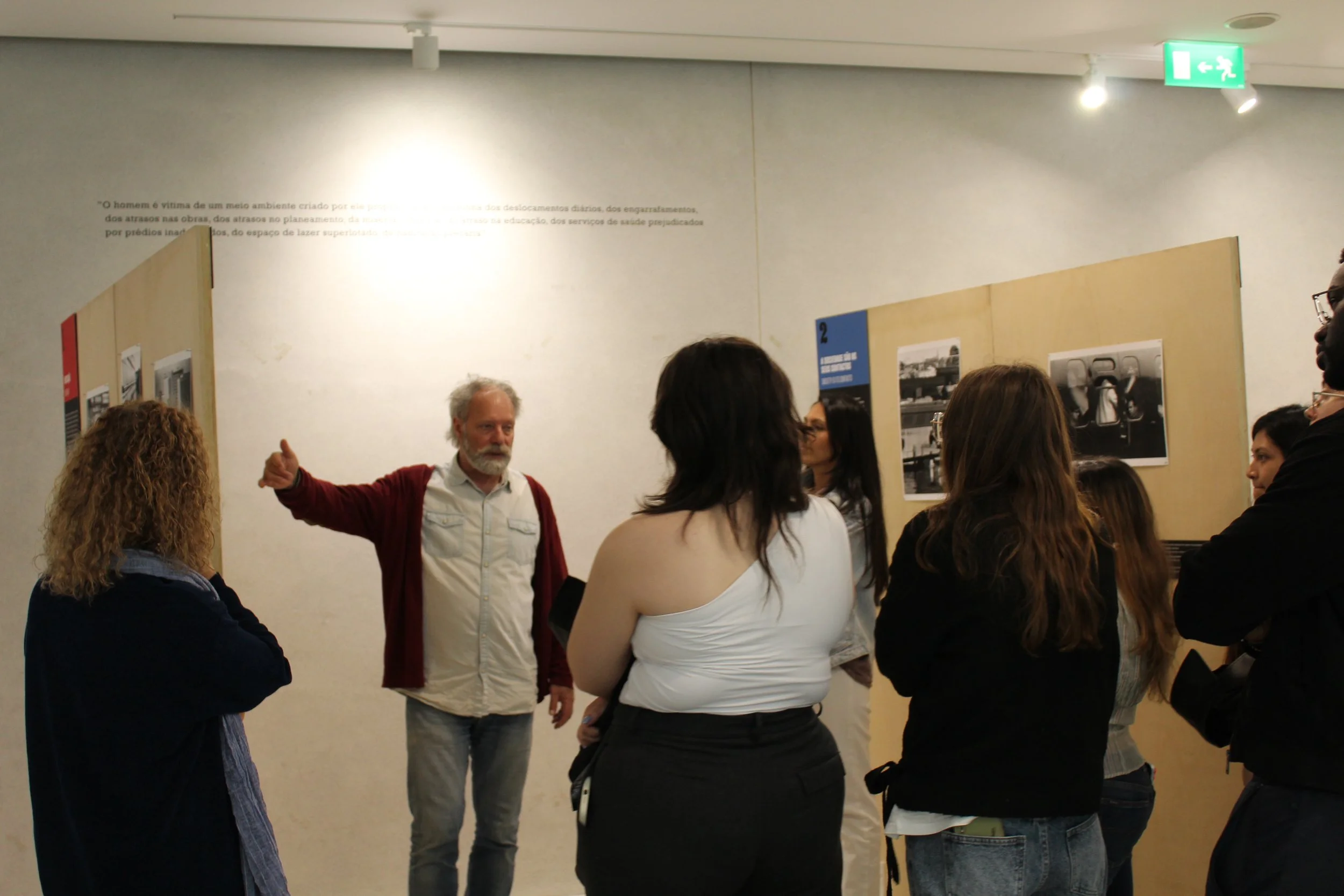
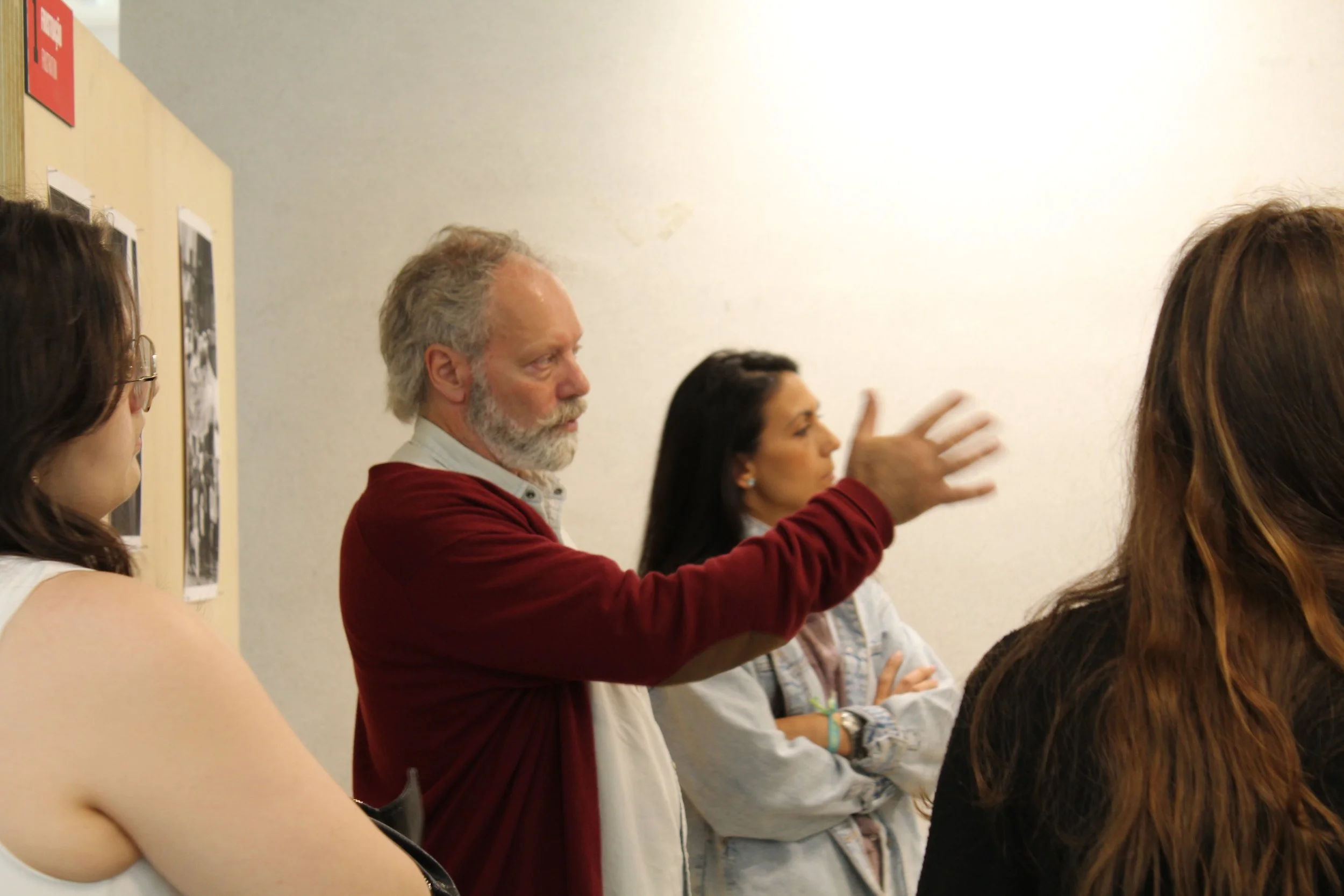
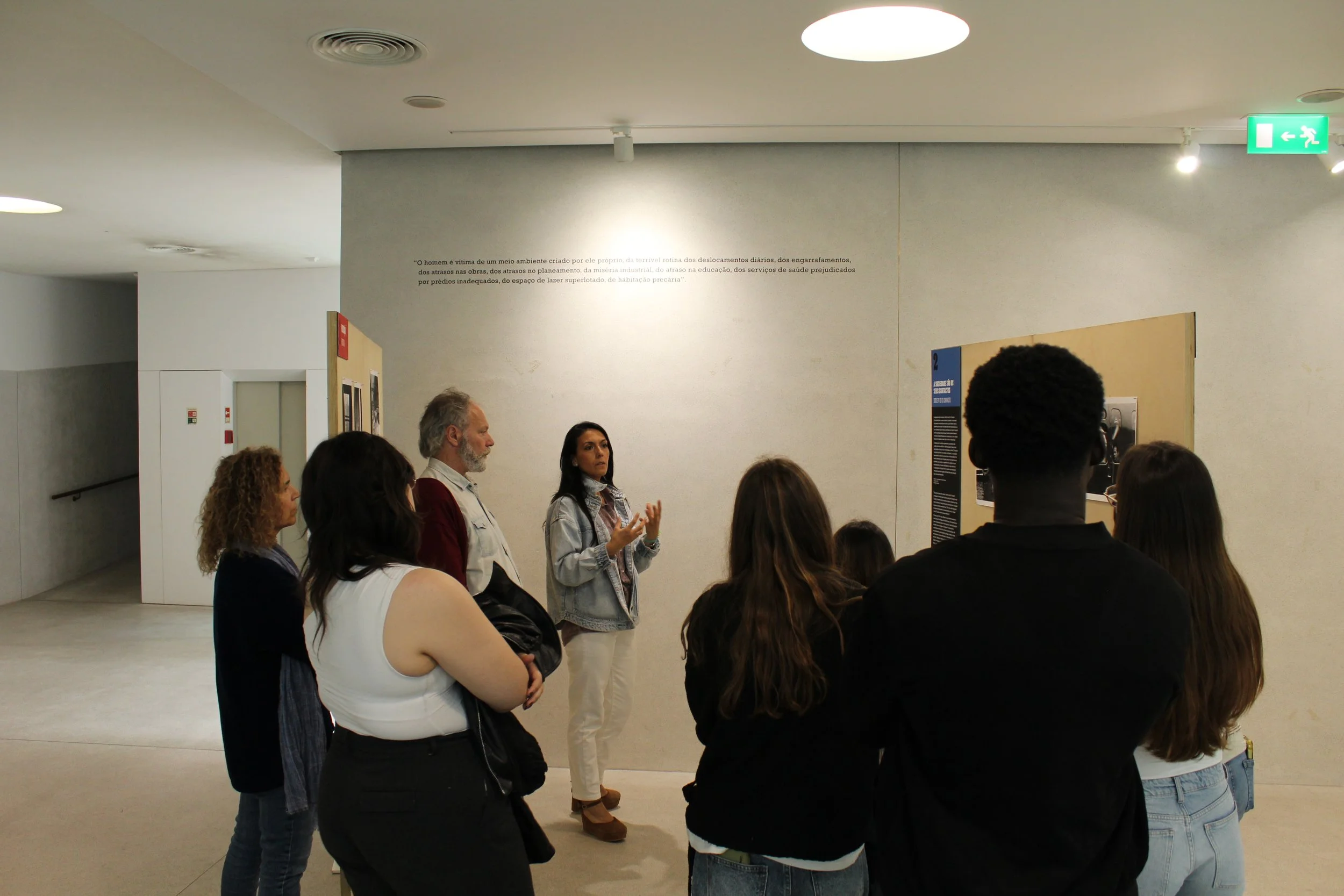
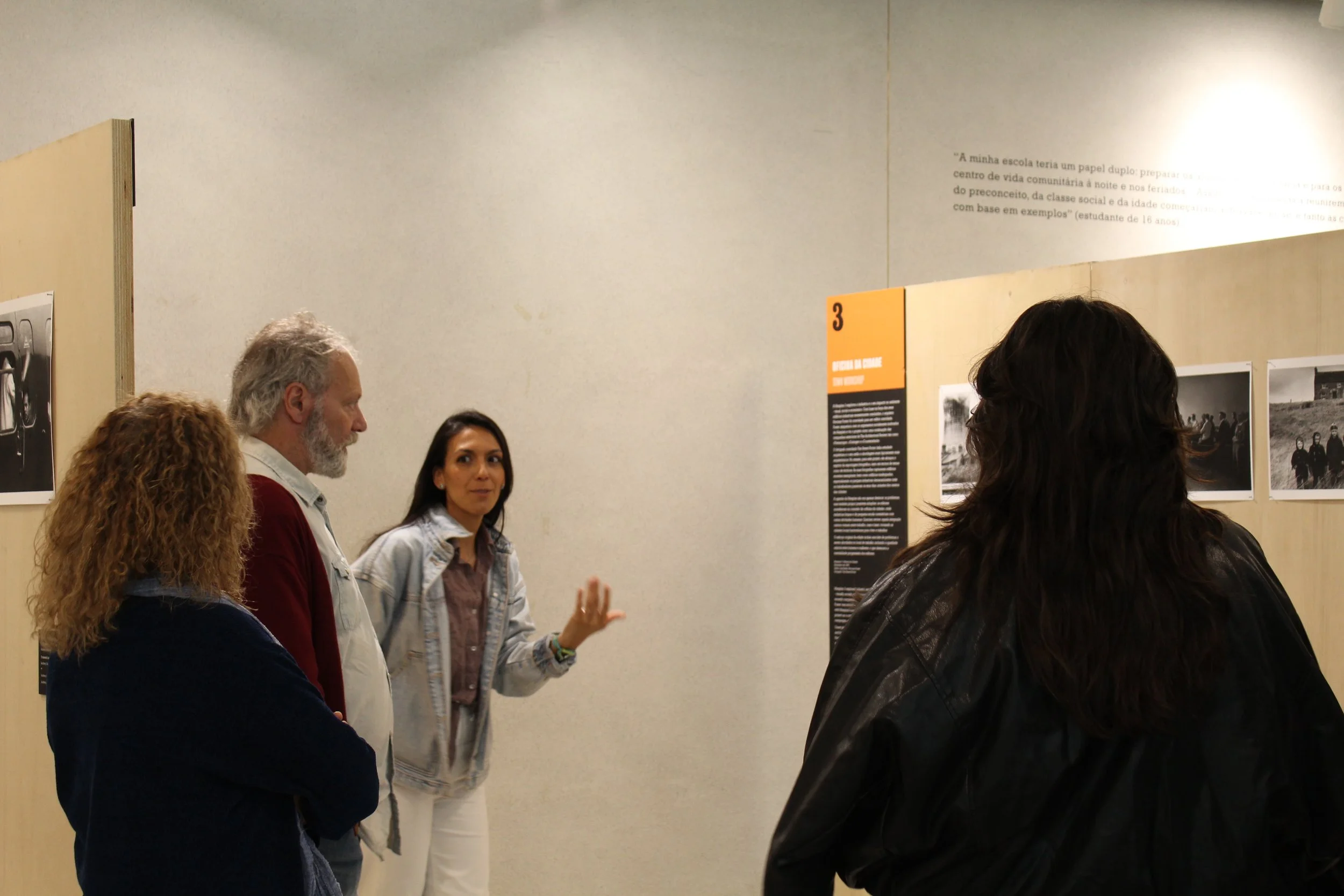
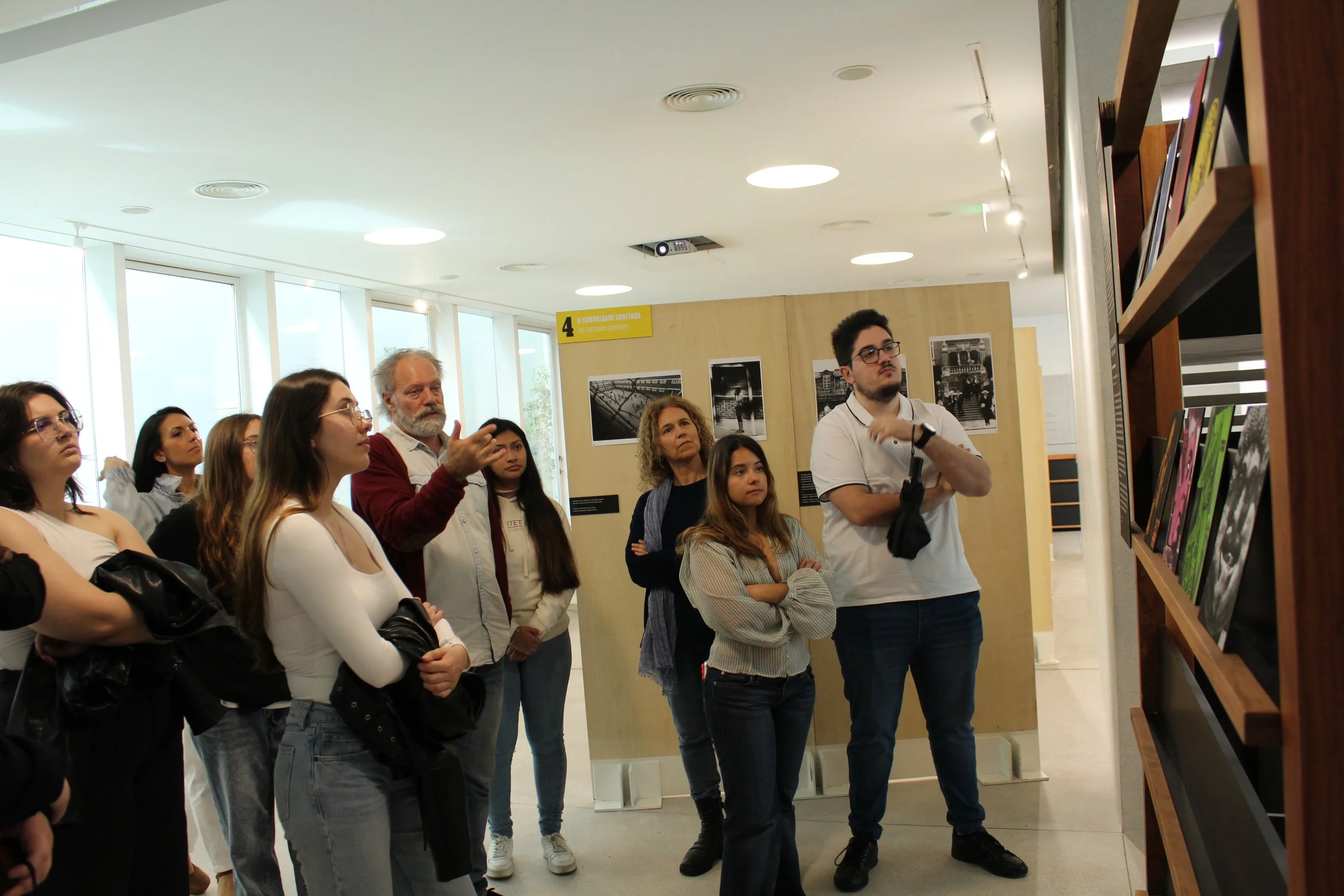
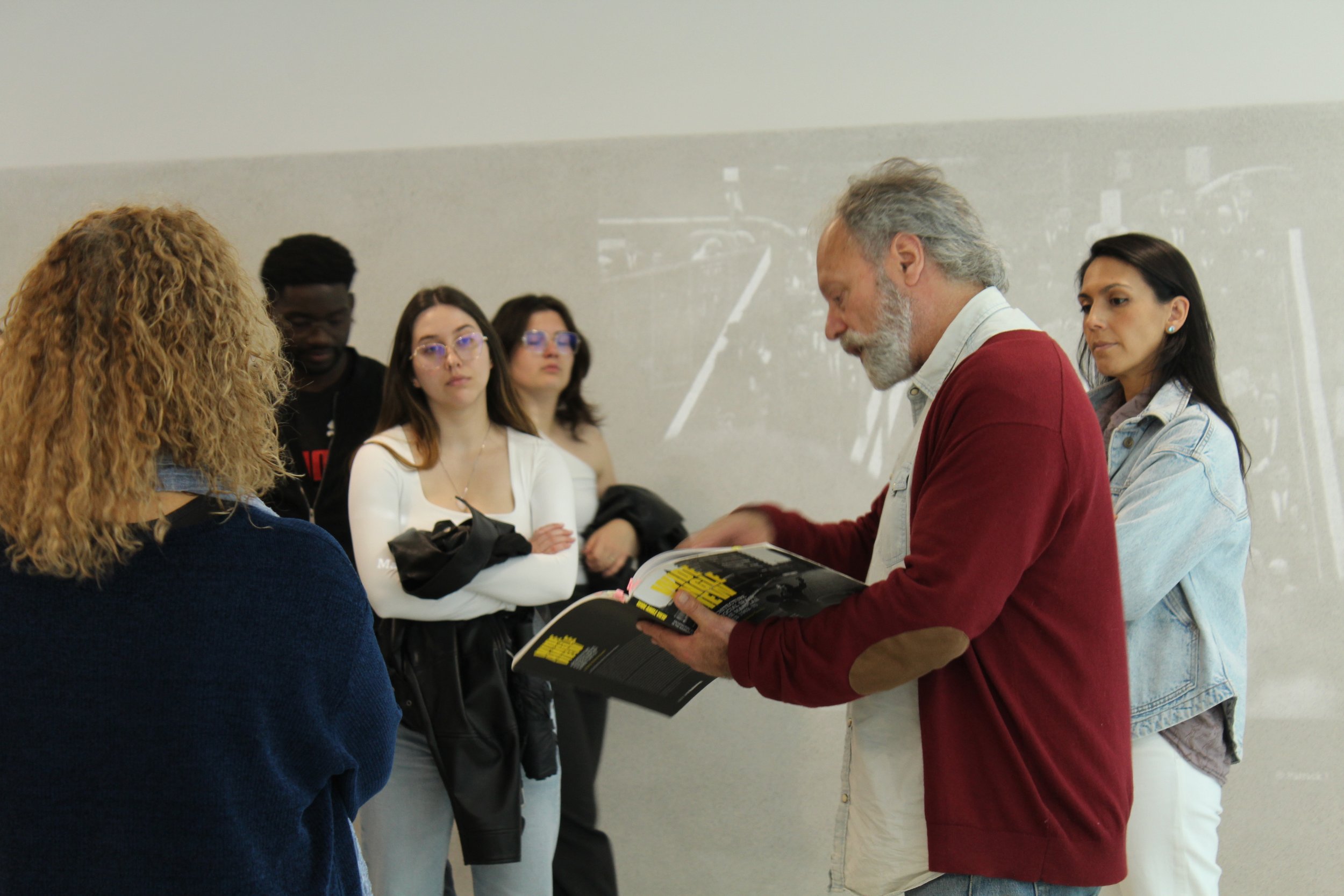
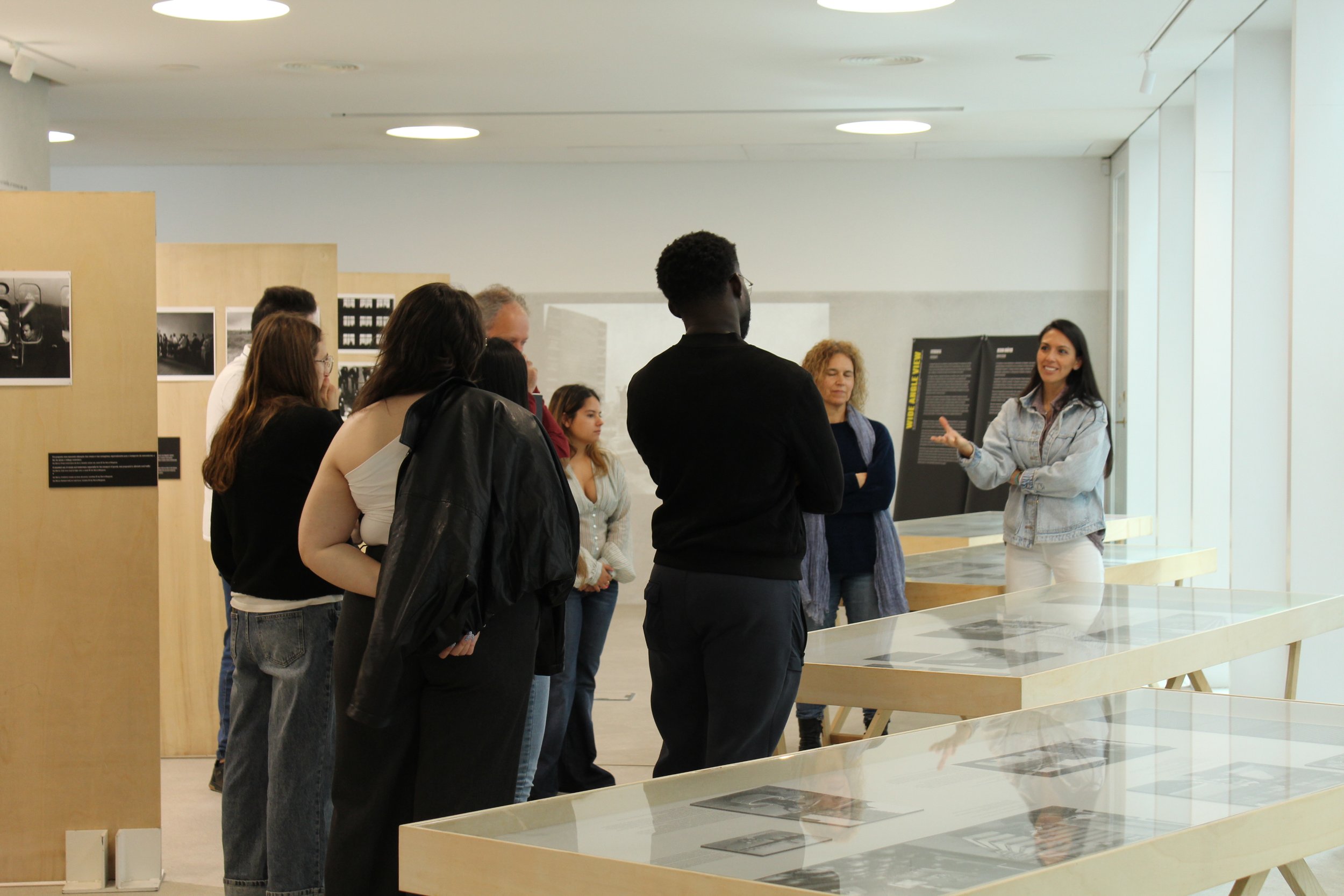
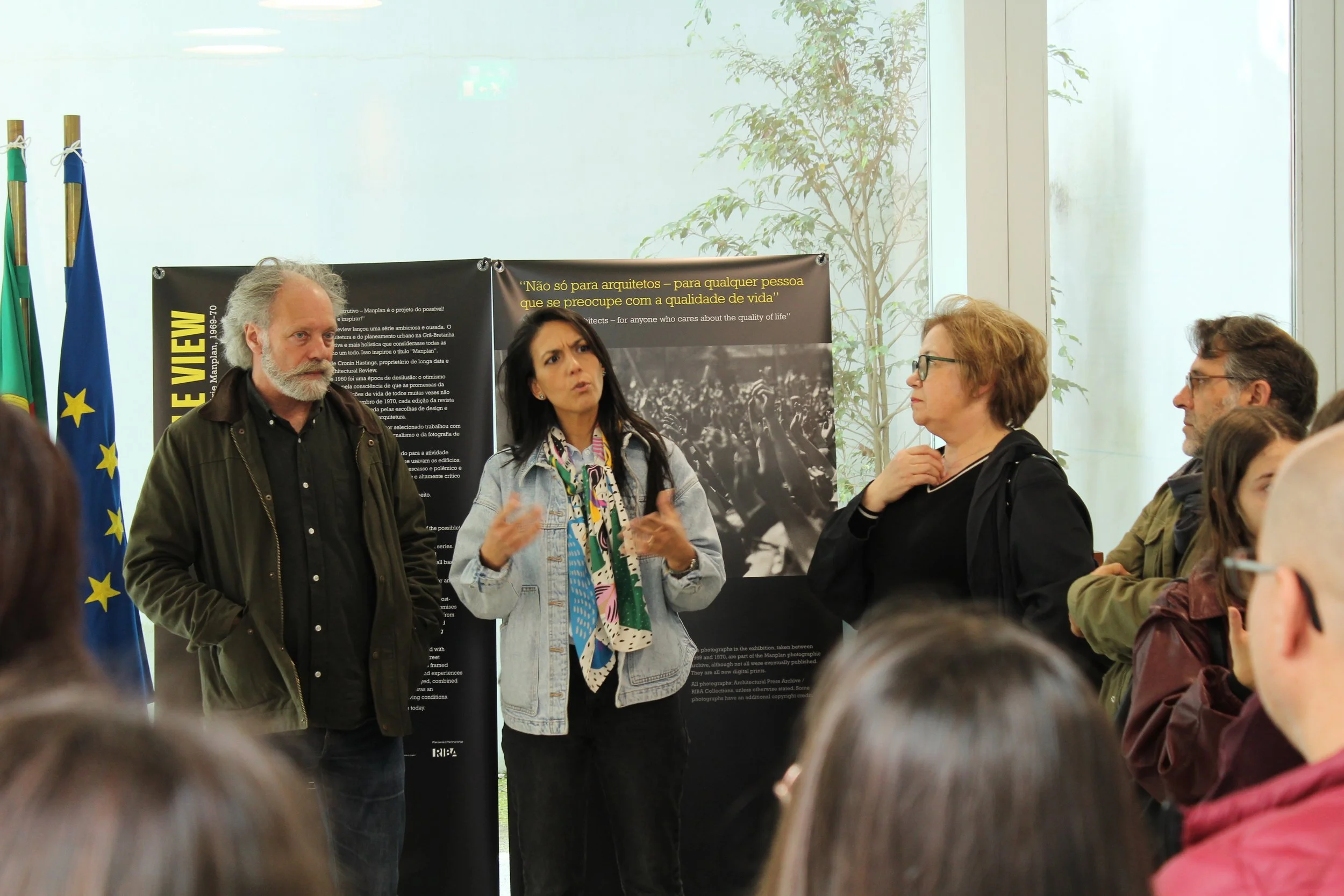
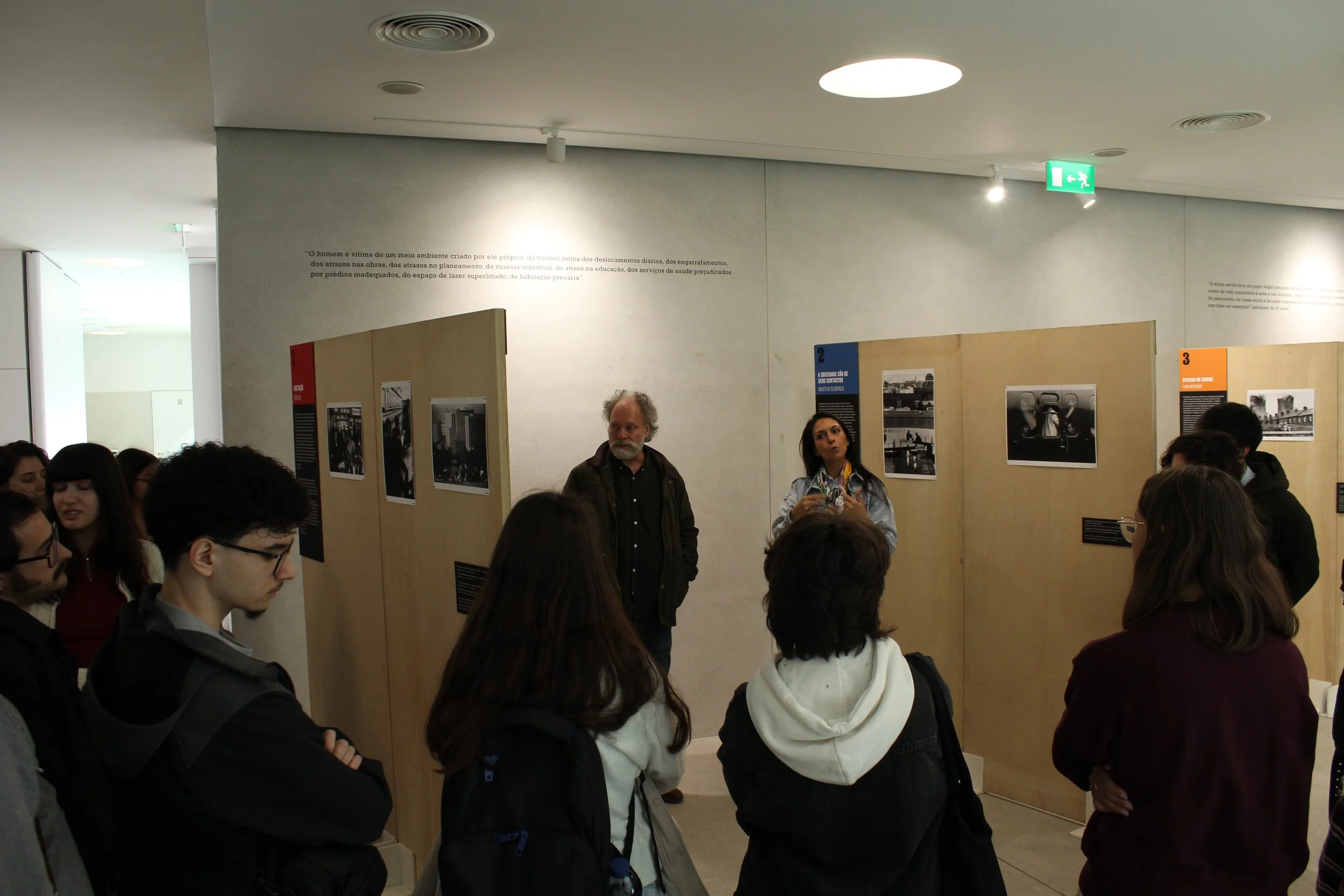
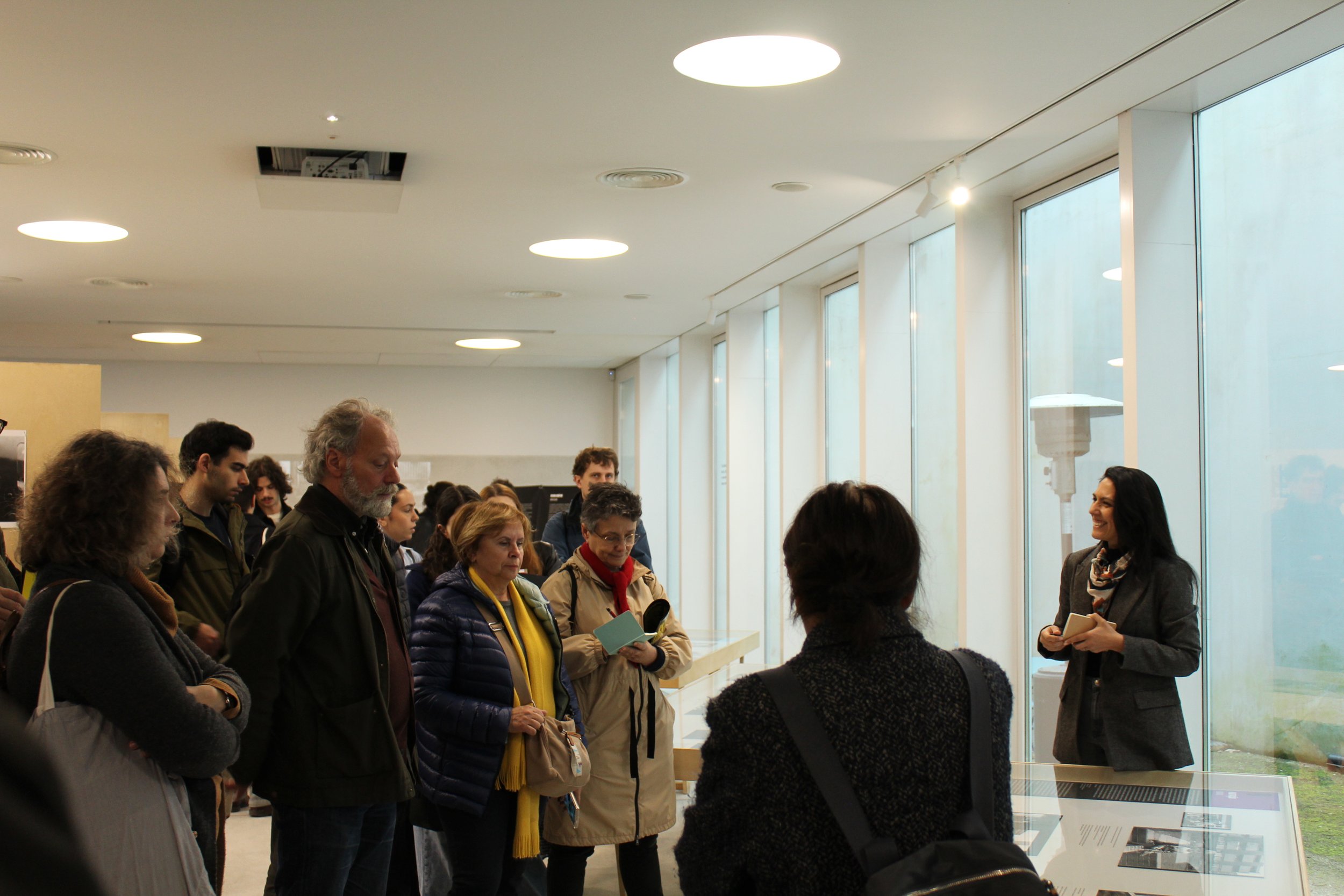
Guided tour by Valeria Carullo (photography curator at the Royal Institute of British Architects - RIBA)

PT/ENG

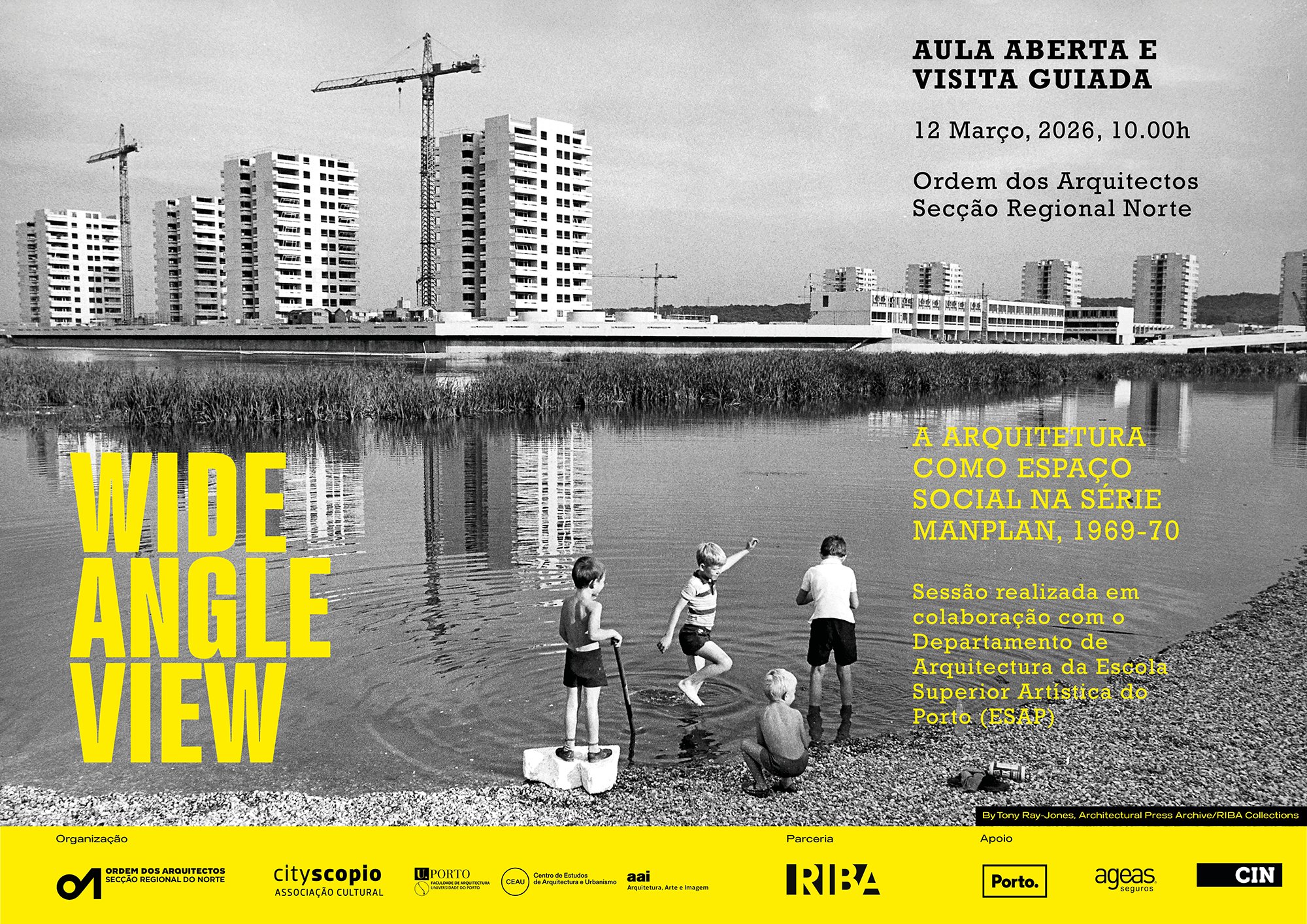
The Northern Regional Section of the Order of Architects will host, on February 27, 2025, at 6:30 PM, a groundbreaking exhibition in Portugal that revisits the Manplan series of photographs published by The Architectural Review in 1969–1970, which profoundly influenced how architecture, planning, and society came to be visually represented.

The result of an international partnership between the Royal Institute of British Architects (RIBA), the Northern Regional Section of the Order of Architects (SR-NRT), the Cityscopio Cultural Association (CCA), and CENP/FAUP – Nuno Portas Center for Studies, through the Architecture, Art and Image (AAI) research group and the Sophia Journal editorial and scientific project, the exhibition proposes a critical reading of how architecture, the city, and daily life were—and continue to be—represented and conceived.

Produced in a context of crisis surrounding post-war promises, the Manplan series marked a profound rupture in the editorial culture of architecture by shifting the focus from the building as an object to architecture as a lived social space. Through sequential visual narratives, inspired by photojournalism and street photography, Manplan addressed fundamental themes such as housing, health, work, education, and leisure, placing people and their contexts at the center of architectural reflection.

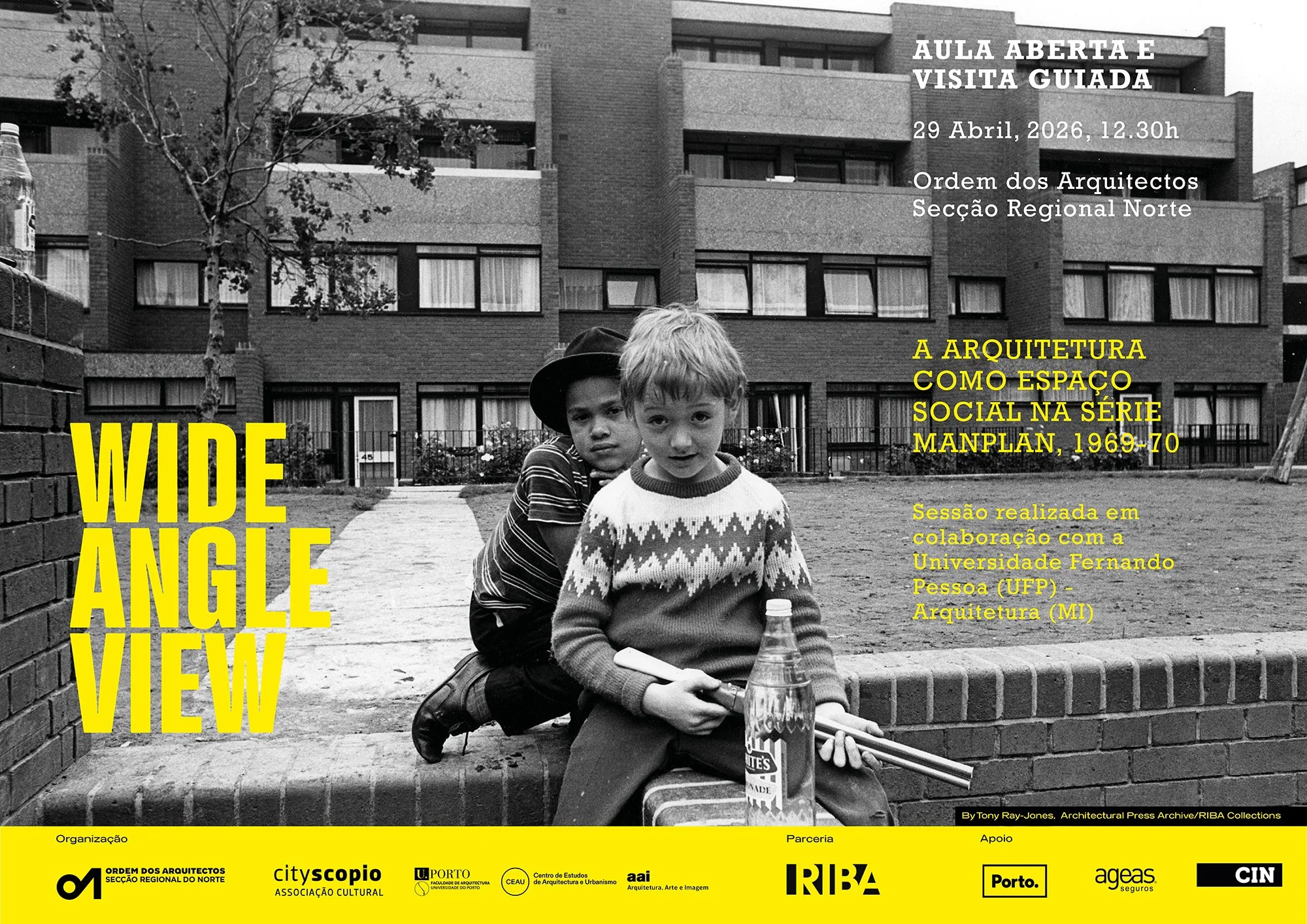
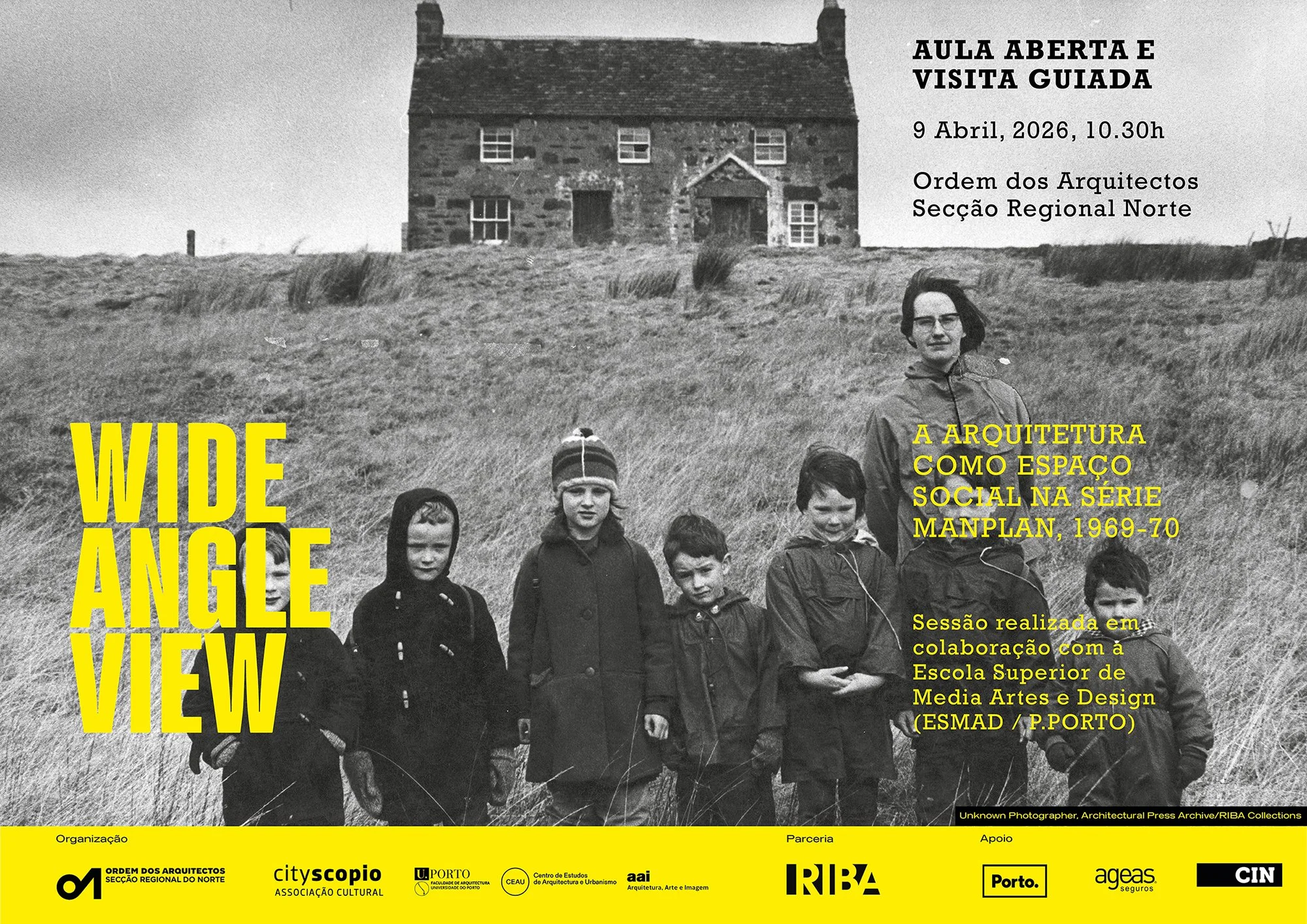
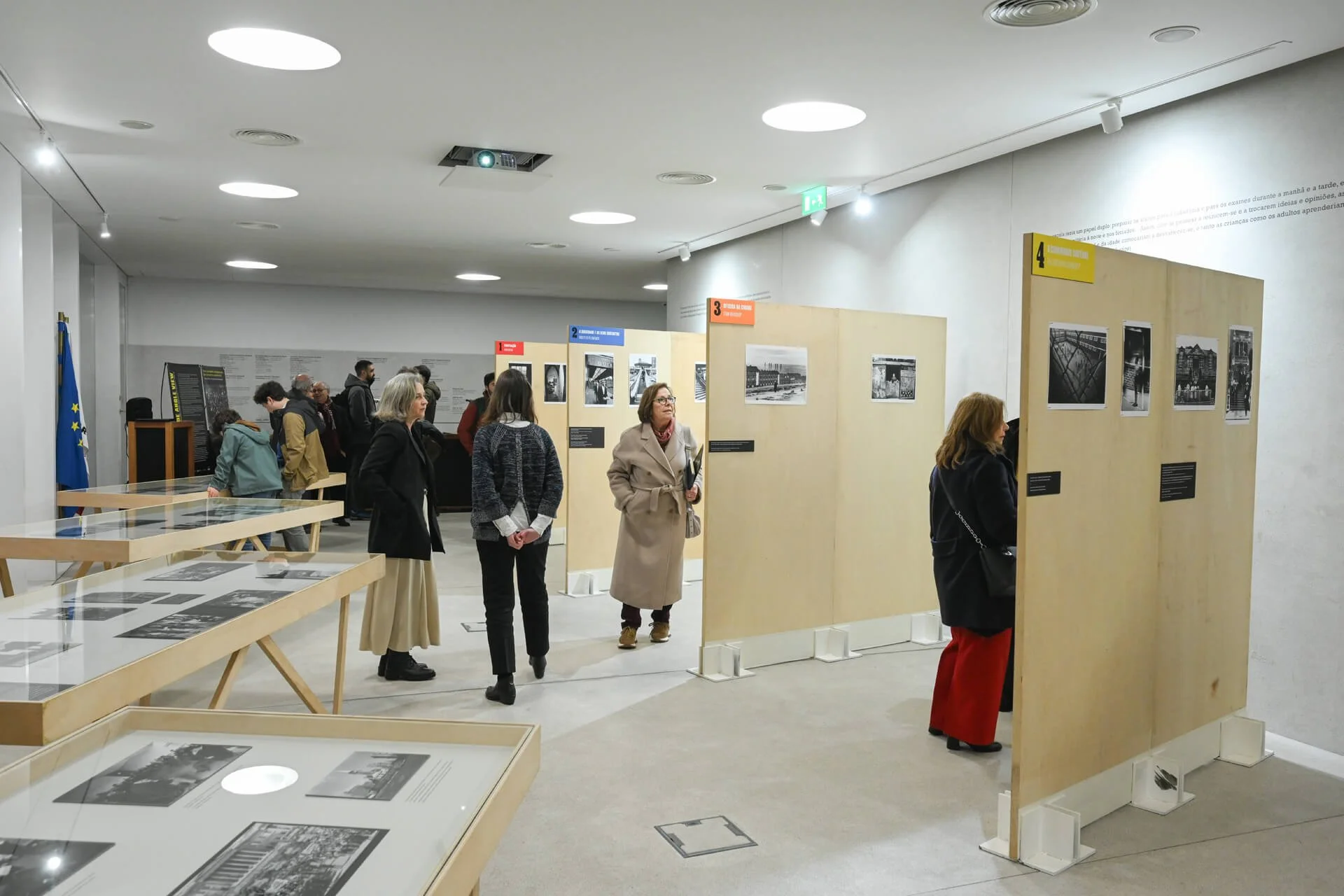
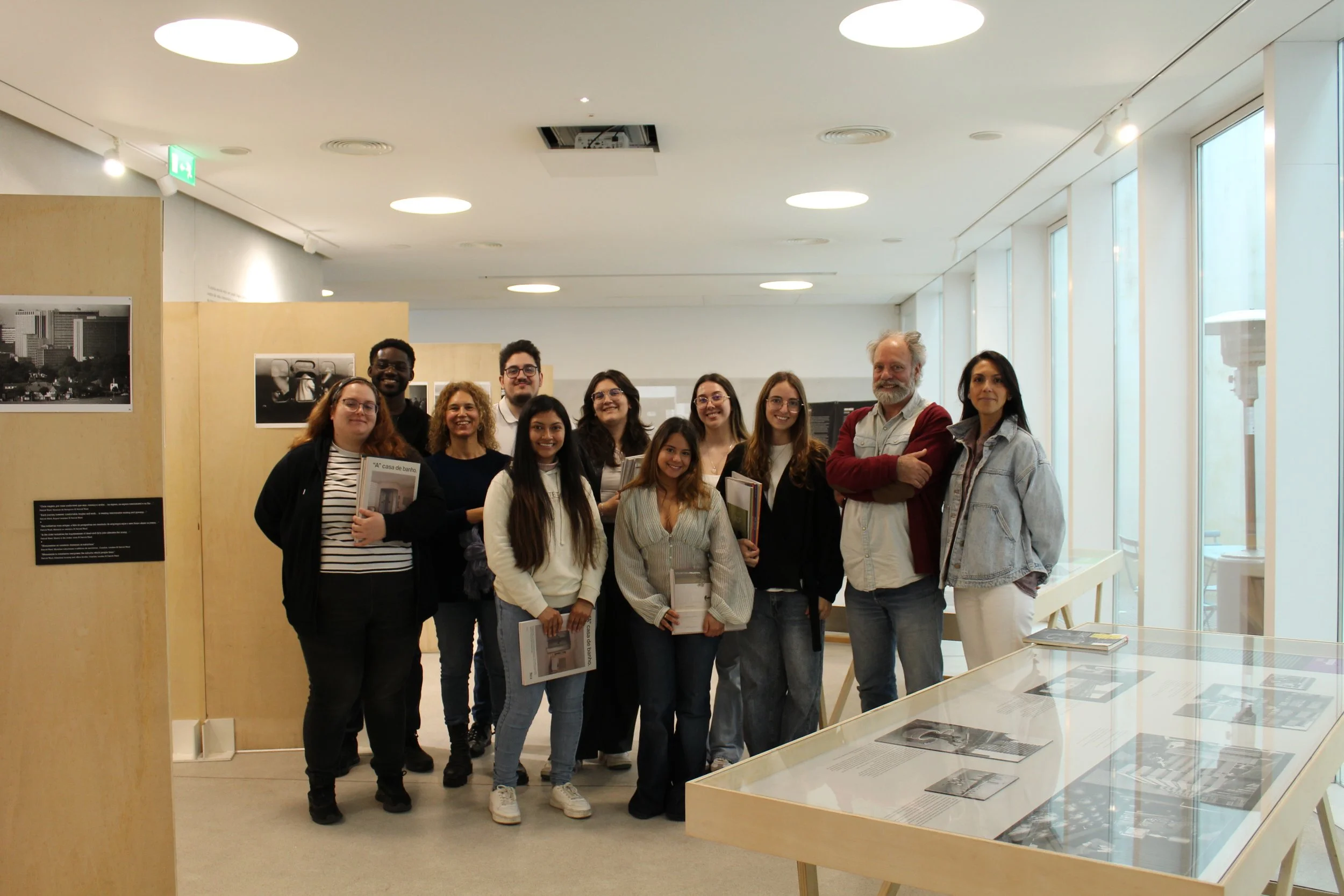
The exhibition Wide-Angle View presents a selection of photographs and original materials from the Architectural Press / RIBA Collections archive, digitally printed for this show, including images that have not all been published. The title refers to the use of the wide-angle lens as a technical and conceptual device, symbolizing a way of looking that broadens the field of vision and brings the observer closer to the social reality of the city.

More than a historical exhibition, Wide-Angle View asserts itself as a device for contemporary reflection, particularly relevant at a time marked by the housing crisis, the commodification of urban space, and social inequalities. By establishing bridges between Manplan's critical legacy and current research developed within FAUP and the Sophia Journal, the exhibition highlights the role of photography and image as instruments of critical thinking and disciplinary questioning.

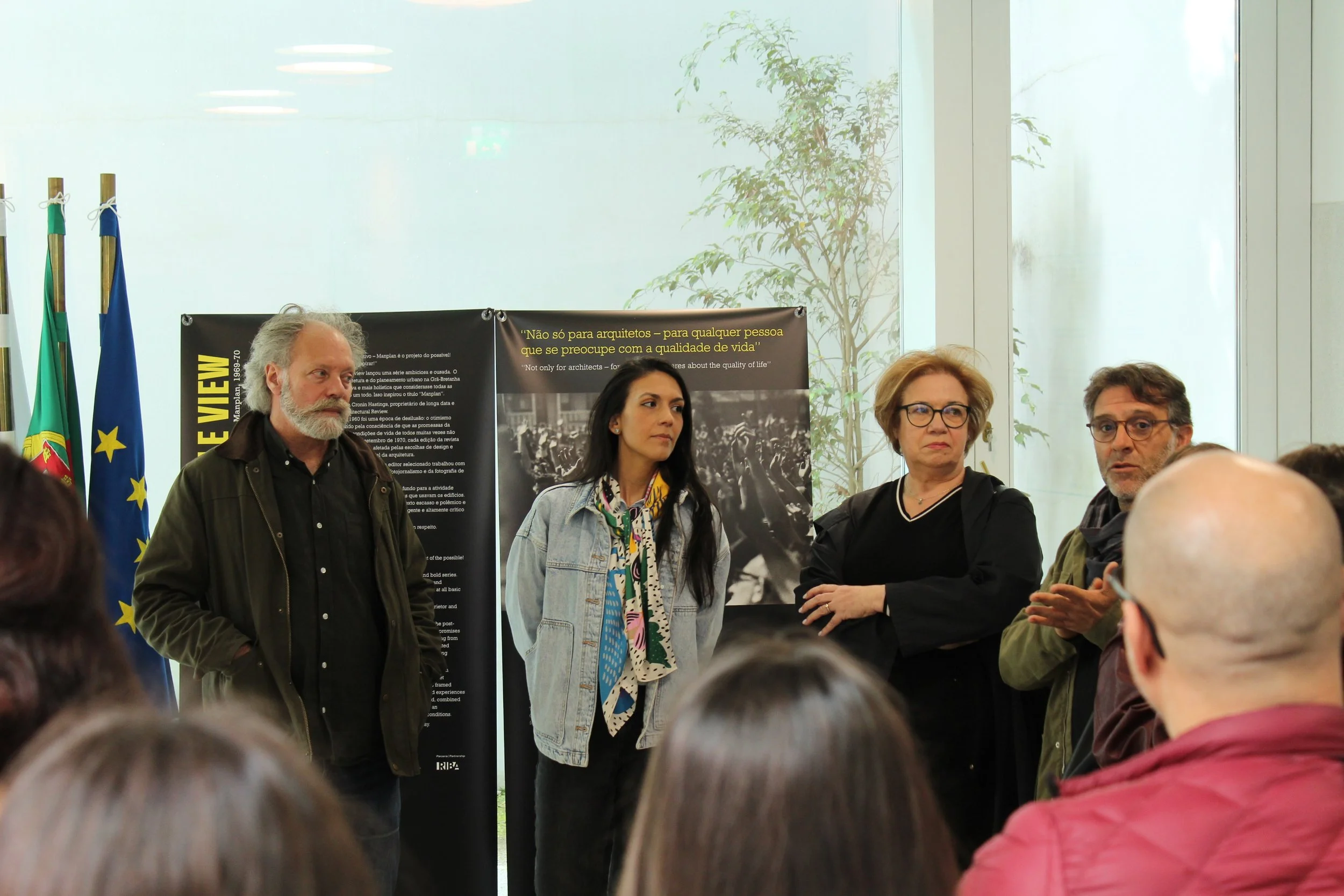
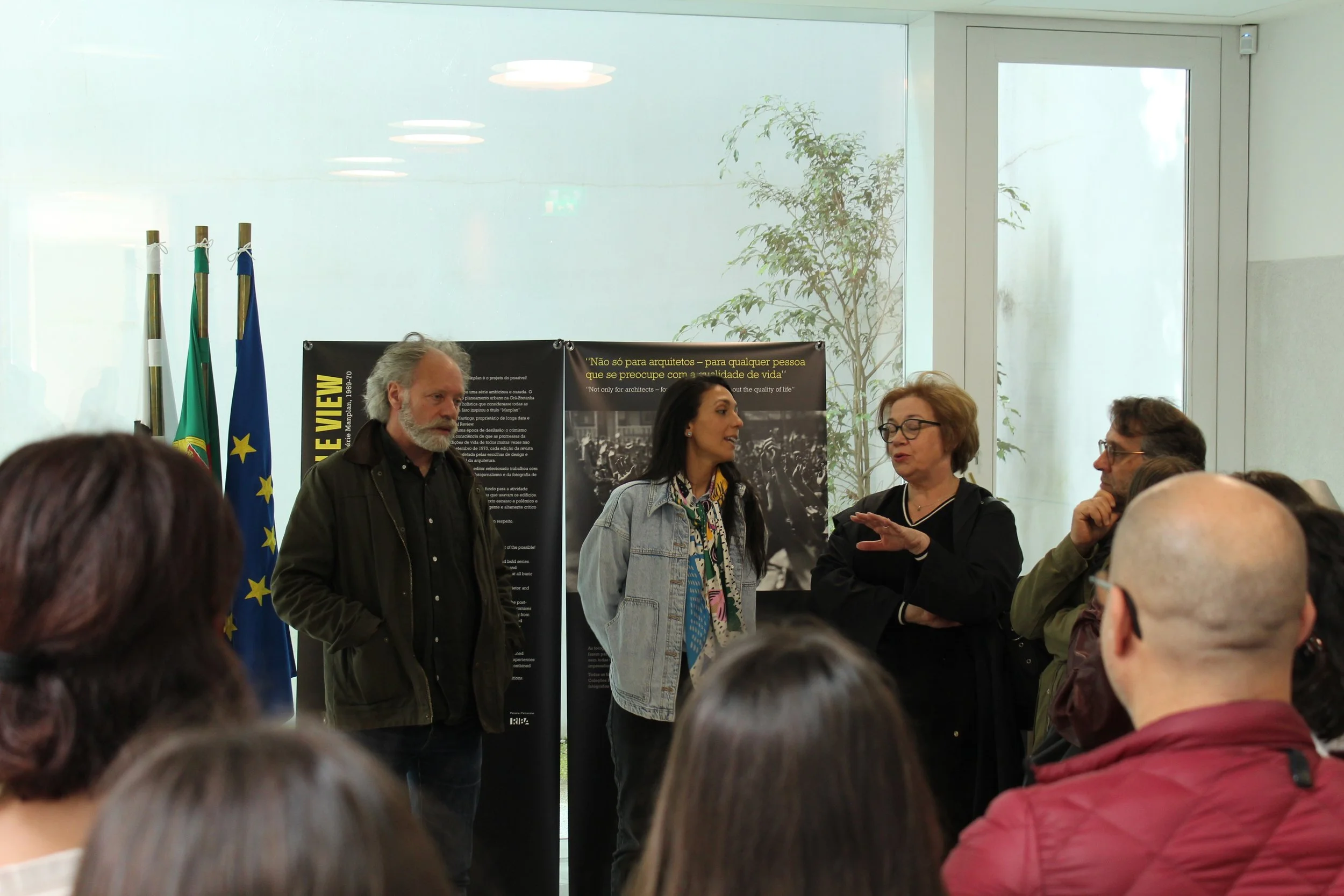
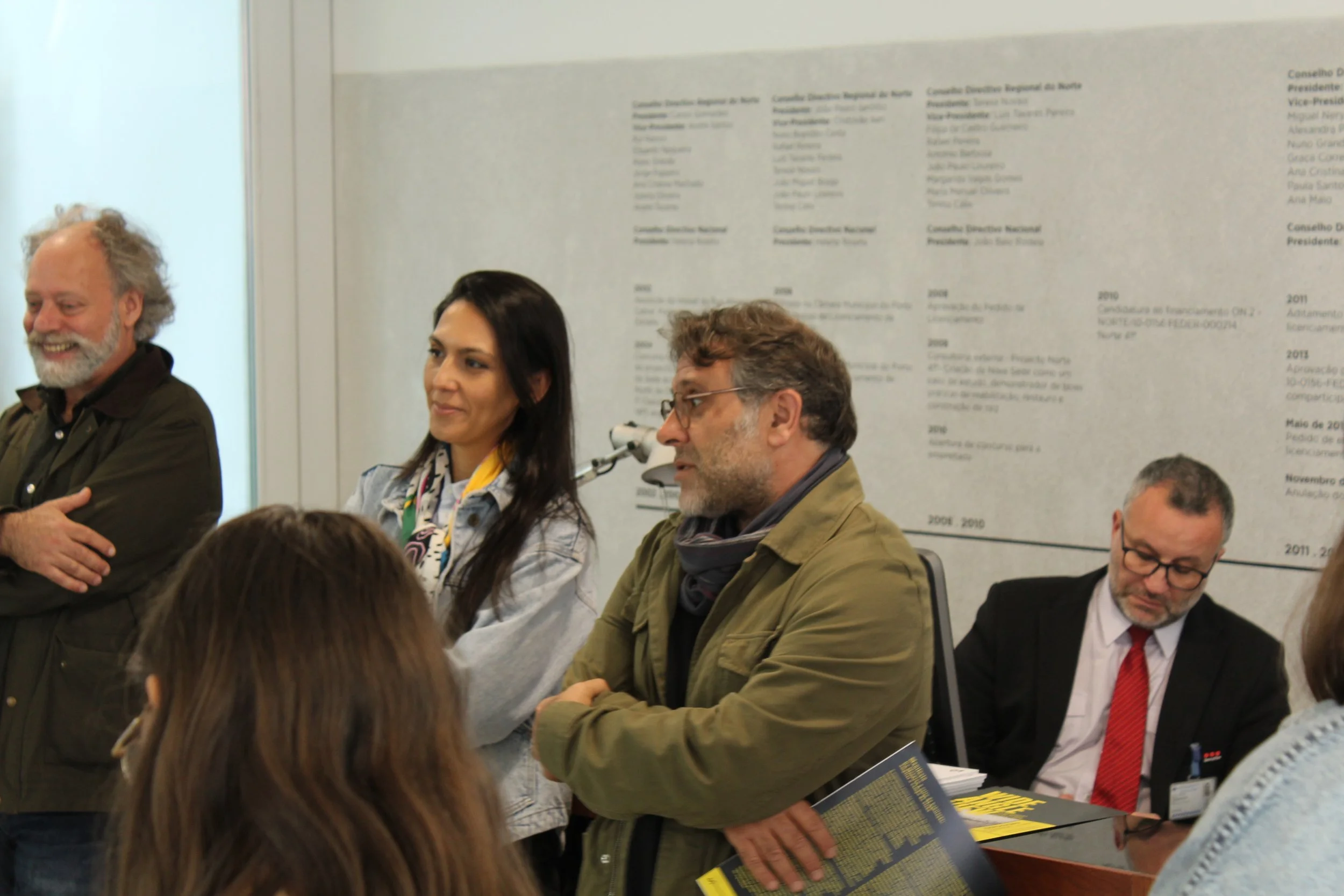
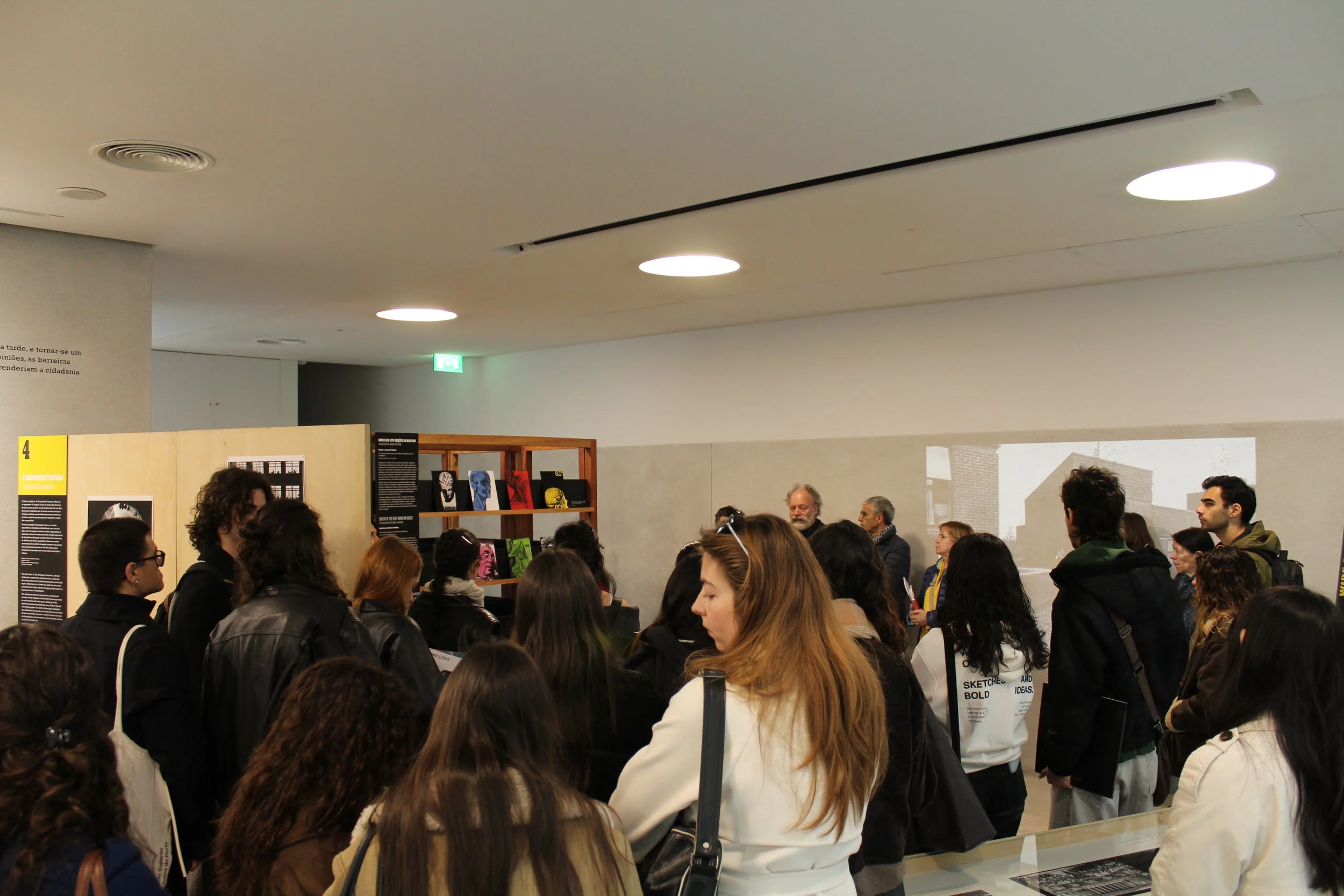
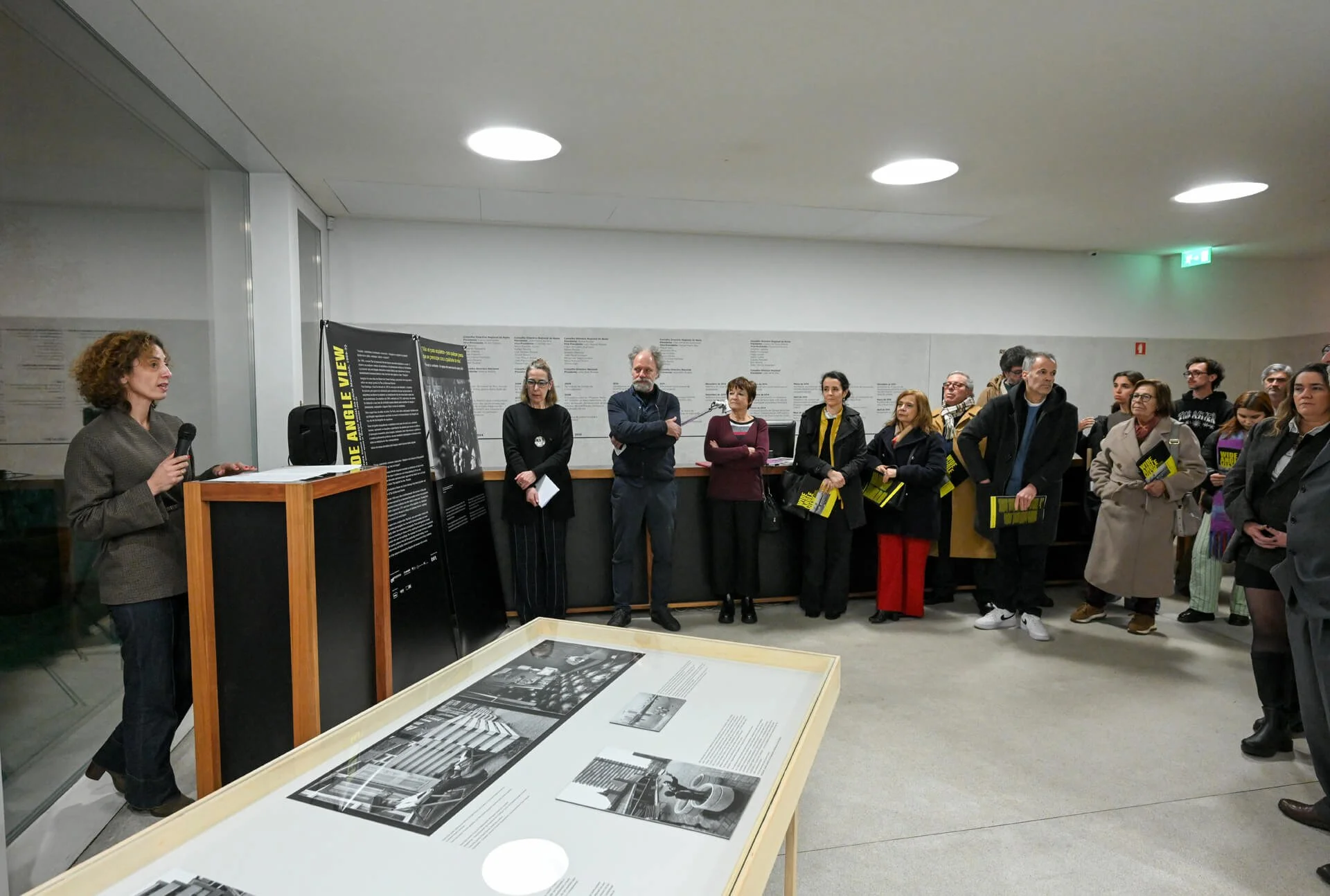
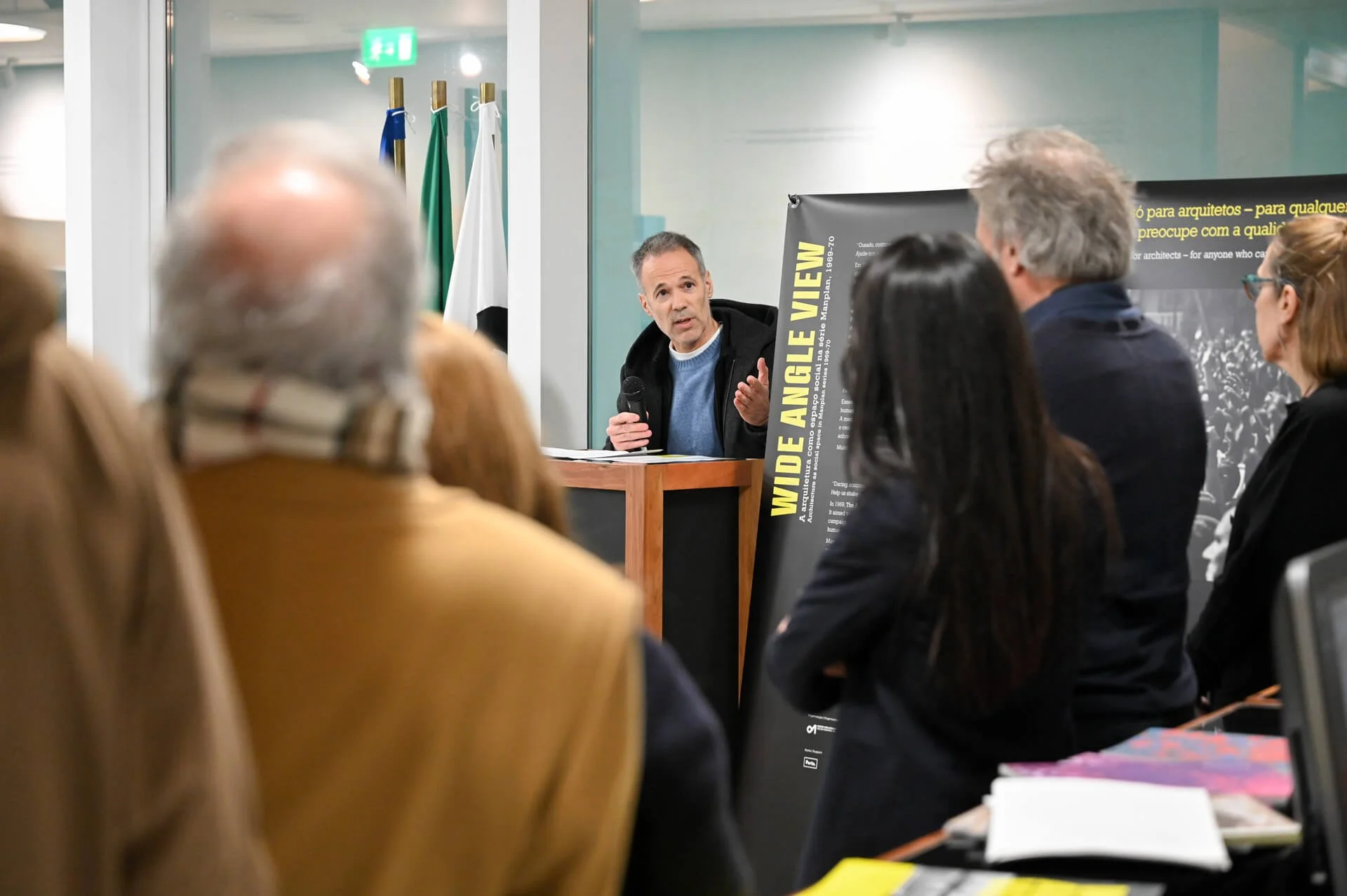
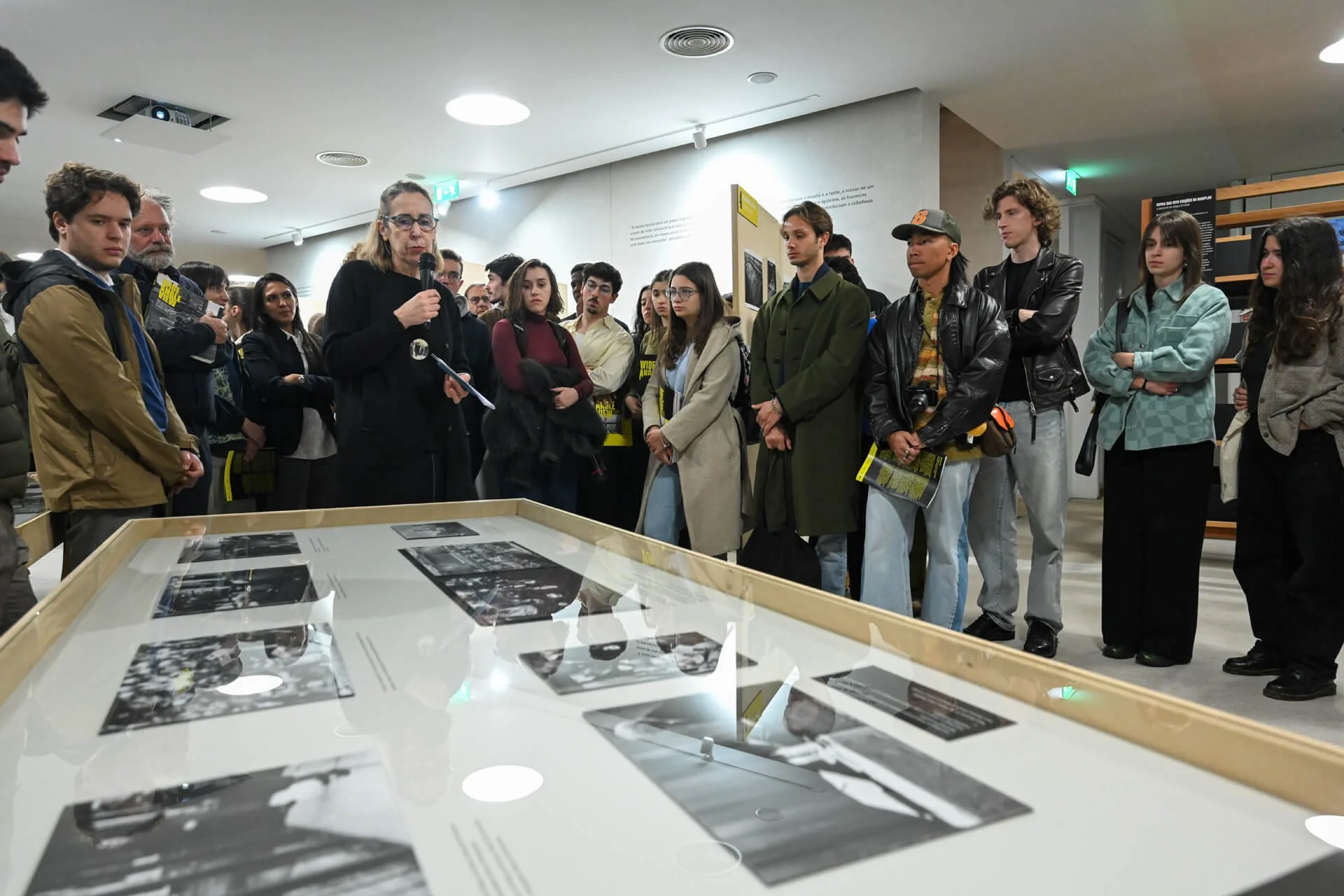
The opening will include institutional interventions, followed by a guided tour by curator Valeria Carullo, photography curator at the Royal Institute of British Architects (RIBA), and the presentation of a future international conference associated with the Sophia Journal project. The exhibition will be on display at the headquarters of the Association of Architects of the Northern Regional Section until May 2026, accompanied by a parallel program of guided tours, public talks, and educational activities aimed at architects, students, researchers, and the general public.

By hosting Wide-Angle View, the Association of Architects of the Northern Regional Section reaffirms its role as an active space for critical reflection and dialogue between architecture, image, and society, highlighting the relevance and urgency of the thinking inaugurated by Manplan.

Exhibition Program

Partners | Organization

  • SR-NRT – Order of Architects of the Northern Regional Section

  • RIBA – Royal Institute of British Architects

  • Cityscopio Cultural Association (CCA)

  • CENP–FAUP — Nuno Portas Studies Center, through the AAI research group, and Sophia Journal

Inauguration Program

February 27, 2025 — SR-NRT Headquarters

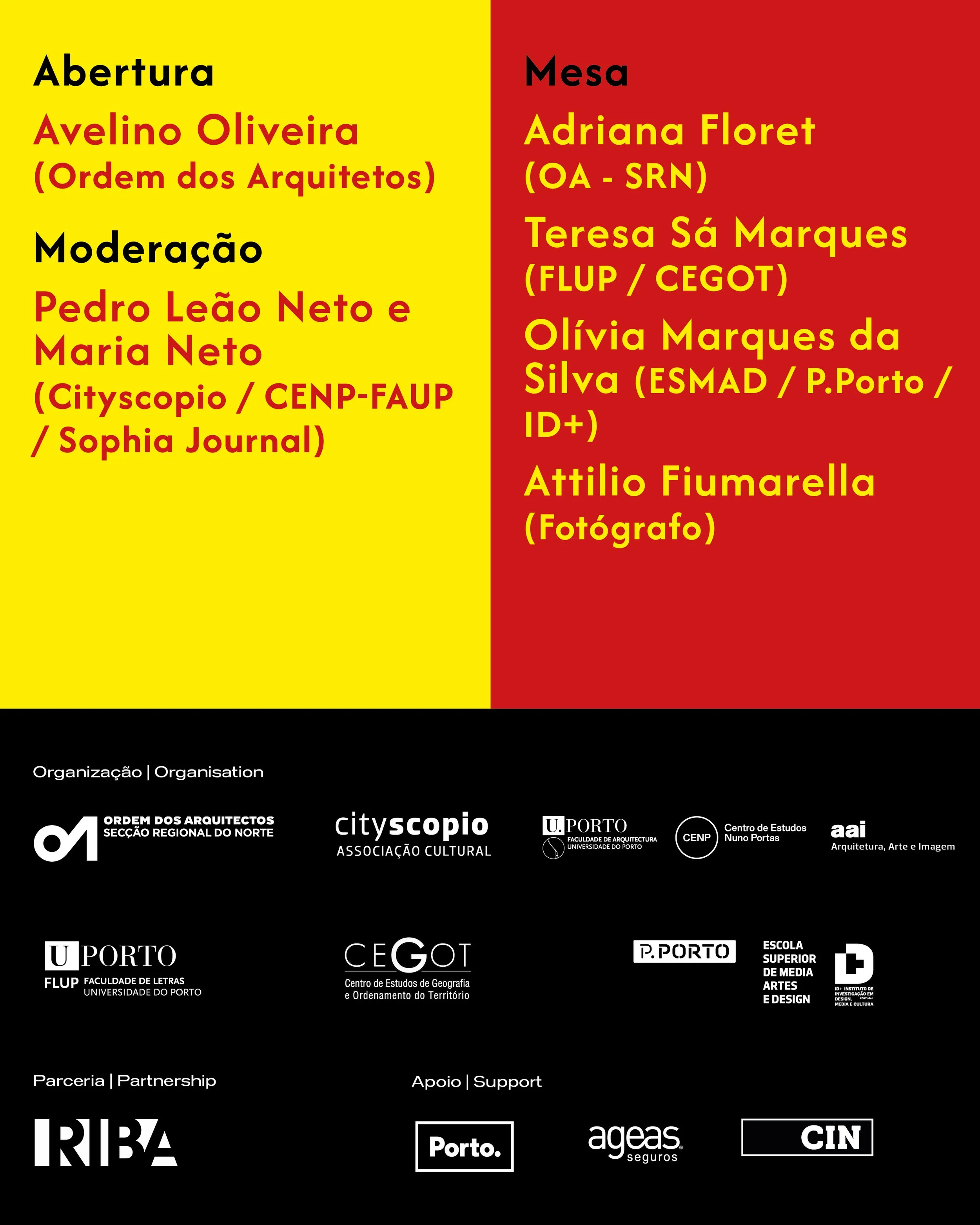
6:30 PM — Opening

Session Interventions:

- Andreia Oliveira, President of the Northern Regional Council of the Association of Architects

- Avelino Oliveira, President of the National Board of Directors of the Order of Architects

- José Pedro Sousa, Faculty of Architecture of the University of Porto

- Pedro Leão Neto, Cityscopio Cultural Association

7:00 PM — Guided Tour

By Valeria Carullo, photography curator of RIBA

Permanent and Parallel Activities

From March to May 2026, the SR-NRT will host:

  • guided tours Themes

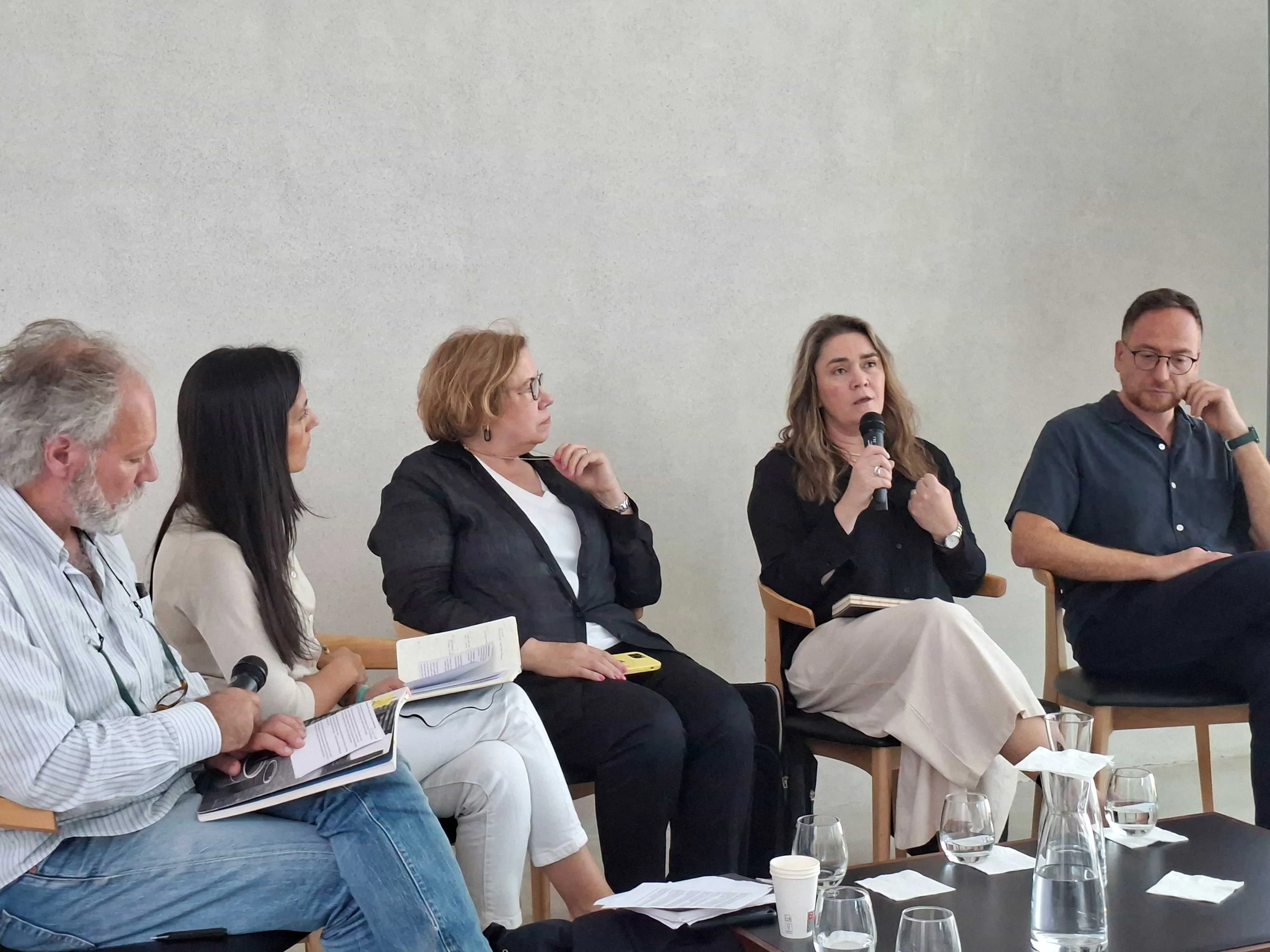
  • Conversations with researchers and curators

  • Educational activities

Target audience

Students, professionals, and the general public interested in: Architecture, photography, urbanism, visual arts, city history, cultural studies, and urban policies.

Free admission.

More information coming soon on the SR-NRT, CNEP - FAUP, and CCA channels.

MANIFESTO

From Manplan to the housing crisis: broadening the field of vision

Architecture has never been neutral. It has never been merely form, technique, or style. It is a field of forces where social conflicts, political choices, and worldviews are inscribed. The Manplan series (1969–1970) made this condition explicit at a time when the promises of modernism were in crisis and urban reality was inevitably exposing the flaws of an incomplete social project. Fifty years later, this critical lucidity has not lost its relevance—it has become urgent.

Today, faced with a global housing crisis, the financialization of territory, increasing exclusion, and the fragmentation of cities, it is important to recover and update Manplan's radical gesture: to look at architecture from the perspective of life, and not the other way around. To place people at the center of architectural representation and thought. To recognize that every spatial decision produces real effects on bodies, relationships, inequalities, and possibilities for the future. “Wide-Angle View: Architecture as social space in the Manplan series 1969–70” SR-NRT, a groundbreaking exhibition in Portugal that revisits the influential Manplan series, asserts itself within this territory of critical continuity.

Not as a nostalgic exhibition, but as a device for interpreting the present. The archive here is not a closed space, but an active field of investigation, capable of illuminating contemporary tensions. Manplan's images—raw, intimate, unsettling—continue to challenge us because they reveal a persistent truth: the city is lived before it is designed, and housing is a right before it is a product.

The wide-angle lens that gives the exhibition its title is more than a technical resource. It is an ethical and political stance. Expanding the field of vision means rejecting simplistic readings of urban reality, rejecting quick fixes for structural problems, and confronting the discipline with the social consequences of its own actions. It means accepting that architecture actively participates in the production of inequality, but also that it can—and should—be an instrument of reparation.

Between Manplan and the present lies a line of continuity: the understanding of architecture as an inevitably political practice. The housing crisis is not an accident, but the result of accumulated choices—economic models, legislation, planning, and disciplinary culture. Given this, it is not enough to design more buildings; it is necessary to rethink ways of living, property regimes, forms of cooperation, and the urban imaginaries that sustain the contemporary city.

Wide-Angle View calls upon architects, students, researchers, and citizens to take a stand. To look at the archive not as a formal repertoire, but as critical memory. To recognize in photography not only a means of representation, but a form of thought. To understand that every image is a stance—and that all architecture communicates, even when it intends to silence its effects.

This manifesto affirms that Manplan's relevance lies precisely in his refusal of indifference. In his ability to expose discomfort, to make visible the flaws of the system, and to insist that quality of life is a collective issue. Today, as then, architecture only makes sense if it is conceived from concrete life, its fragilities, and its urgencies.

Expanding one's field of vision is, therefore, a commitment to the present. An invitation to critical action. A demand for disciplinary responsibility. Between archive and present, between image and project, between architecture and society, “Wide-Angle View: Architecture as social space in the Manplan series 1969–70” | SR-NRT argues that there is no habitable future without an attentive, informed, and profoundly human look at the city we build.

Pedro Leão Neto

Maria Neto

More information coming soon on the SR-NRT, CNEP - FAUP and CCA channels.


Exposição “Wide-Angle View: Architecture as social space in the Manplan series 1969–70” inaugura na Secção Regional Norte da Ordem dos Arquitetos


Wide-Angle View: A ARQUITETURA COMO ESPAÇO SOCIAL NA SÉRIE MANPLAN 1969–70

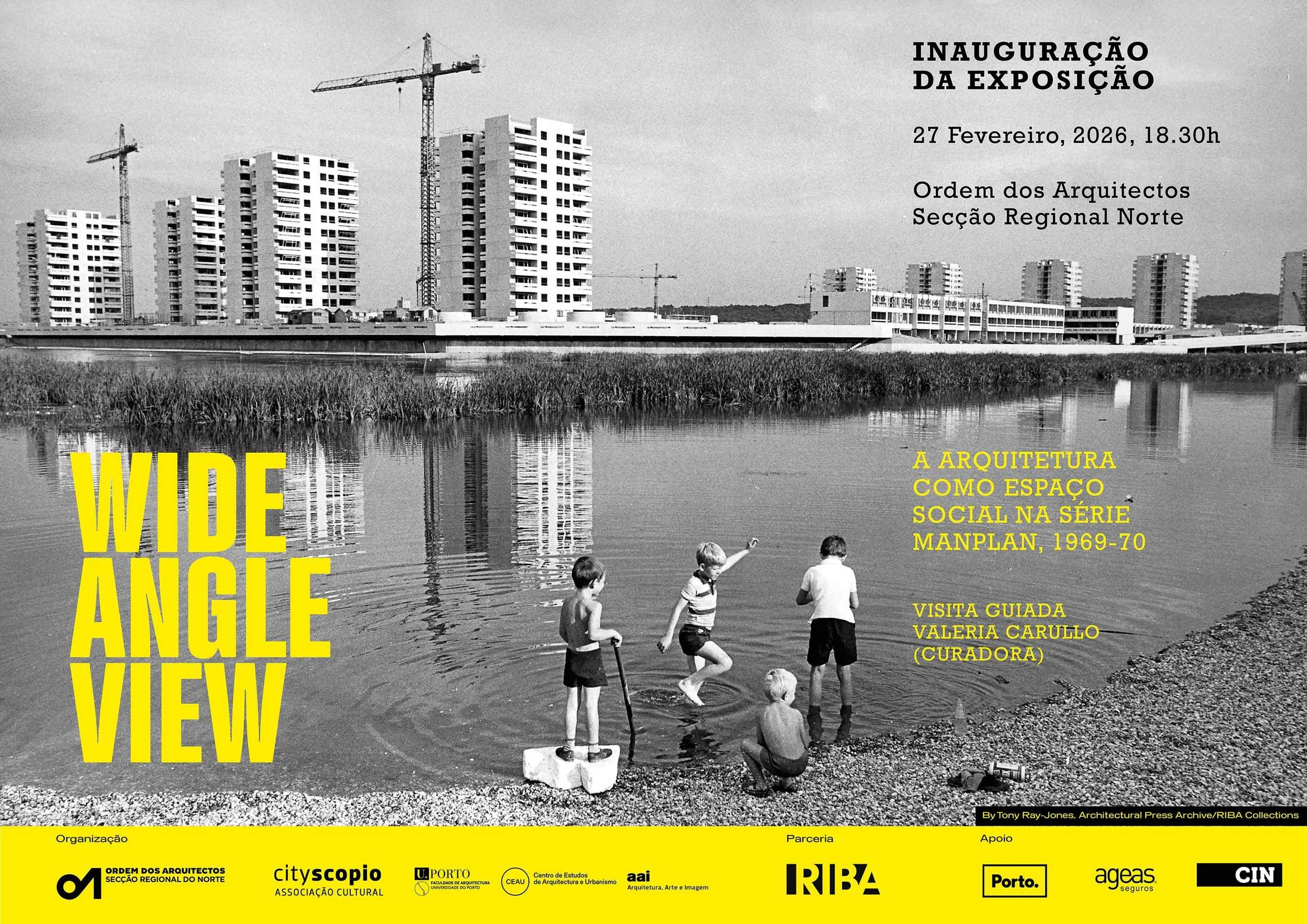
Inauguração DA EXPOSIÇÃO na Ordem dos Arquitetos Secção Regional Norte NO DIA 27 de fevereiro, pelas 18h30

VISITA GUIADA por Valeria Carullo (curadora de fotografia no Royal Institute of British Architects - RIBA)

PT/ENG

A Secção Regional do Norte da Ordem dos Arquitectos acolhe, no próximo dia 27 de fevereiro de 2025, pelas 18h30, uma mostra inédita em Portugal, que revisita a série de fotografias “Manplan” publicada pelo periódico The Architectural Review em 1969–1970, e que marcou profundamente a forma como arquitetura, planeamento e sociedade passaram a ser representados visualmente.

Resultado de uma parceria internacional entre o Royal Institute of British Architects (RIBA), a Secção Regional do Norte da Ordem dos Arquitetos (SR-NRT), a Associação Cultural Cityscopio (CCA) e o CENP/FAUP – Centro de Estudos Nuno Portas, através do grupo de investigação Arquitetura, Arte e Imagem (AAI) e do projeto editorial e científico Sophia Journal, a exposição propõe uma leitura crítica sobre a forma como a arquitetura, a cidade e a vida quotidiana foram — e continuam a ser — representadas e pensadas.

Produzida num contexto de crise das promessas do pós-guerra, a série Manplan marcou uma rutura profunda na cultura editorial da arquitetura ao deslocar o foco do edifício enquanto objeto para a arquitetura enquanto espaço social vivido. Através de narrativas visuais sequenciais, inspiradas no fotojornalismo e na fotografia de rua, Manplan abordou temas fundamentais como a habitação, a saúde, o trabalho, a educação ou o lazer, colocando as pessoas e os seus contextos no centro da reflexão arquitetónica.

A exposição Wide-Angle View apresenta uma seleção de fotografias e materiais originais provenientes do arquivo da Architectural Press / RIBA Collections, impressos digitalmente para esta mostra, incluindo imagens que nem todas chegaram a ser publicadas. O título remete para a utilização da lente grande-angular enquanto dispositivo técnico e conceptual, simbolizando uma forma de olhar que amplia o campo de visão e aproxima o observador da realidade social da cidade.

Mais do que uma exposição histórica, Wide-Angle View afirma-se como um dispositivo de reflexão contemporânea, particularmente relevante num momento marcado pela crise da habitação, pela mercantilização do espaço urbano e pelas desigualdades sociais. Ao estabelecer pontes entre o legado crítico da Manplan e as investigações atuais desenvolvidas no âmbito da FAUP e de Sophia Journal, a mostra sublinha o papel da fotografia e da imagem como instrumentos de pensamento crítico e de questionamento disciplinar.

A inauguração contará com intervenções institucionais, seguidas de uma visita guiada pela curadora Valeria Carullo, curadora de fotografia no Royal Institute of British Architects (RIBA), e da apresentação de uma futura conferência internacional associada ao projeto Sophia Journal. A exposição estará patente na sede da Ordem dos Arquitetos da Secção Regional Norte até maio de 2026, sendo acompanhada por um programa paralelo de visitas guiadas, conversas públicas e ações educativas, dirigido a arquitetos, estudantes, investigadores e ao público em geral.

Ao acolher Wide-Angle View, a Ordem dos Arquitetos da Secção Regional Norte reafirma o seu papel enquanto espaço ativo de reflexão crítica e de diálogo entre arquitetura, imagem e sociedade, sublinhando a atualidade e a urgência do pensamento inaugurado pela Manplan.

Programa da Exposição

Parceiros | Organização

  • SR-NRT – Ordem dos Arquitetos da Secção Regional Norte

  • RIBA – Royal Institute of British Architects

  • Cityscopio Associação Cultural (CCA)

  • CENP–FAUP — Centro de Estudos Nuno Portas, através do grupo de investigação AAI, e Sophia Journal

Programa da inauguração

27 de fevereiro de 2025 — Sede da SR-NRT

18h30 — Sessão de abertura
Intervenções:
- Andreia Oliveira, Presidente do Conselho Diretivo Regional Norte da Ordem dos Arquitectos

- Avelino Oliveira, Presidente do Conselho Diretivo Nacional da Ordem dos Arquitectos

– José Pedro Sousa, Faculdade de Arquitetura da Universidade do Porto
– Pedro Leão Neto, Associação Cultural Cityscopio

19h00 — Visita guiada
Por Valeria Carullo, curadora de fotografia no RIBA

Permanência e atividades paralelas

De março a maio de 2026, a SR-NRT acolherá:

  • visitas guiadas temáticas

  • conversas com investigadores e curadores

  • atividades educativas

Público-alvo

Estudantes, profissionais e público interessado em:
Arquitetura, fotografia, urbanismo, artes visuais, história da cidade, estudos culturais e políticas urbanas.

Entrada livre.
Mais informações em breve nos canais da SR-NRT, CNEP - FAUP e CCA.
MANIFESTO
Da Manplan à crise da habitação: ampliar o campo de visão

A arquitetura nunca foi neutra. Nunca foi apenas forma, técnica ou estilo. É um campo de forças onde se inscrevem conflitos sociais, escolhas políticas e visões do mundo. A série Manplan (1969–1970) tornou essa condição explícita num momento em que as promessas do modernismo entravam em crise e a realidade urbana expunha, de forma incontornável, as falhas de um projeto social incompleto. Cinquenta anos depois, essa lucidez crítica não perdeu atualidade — tornou-se urgente.
Hoje, perante uma crise global da habitação, a financeirização do território, a exclusão crescente e a fragmentação das cidades, importa recuperar e atualizar o gesto radical de Manplan: olhar a arquitetura a partir da vida, e não o inverso. Colocar as pessoas no centro da representação e do pensamento arquitetónico. Reconhecer que cada decisão espacial produz efeitos reais sobre corpos, relações, desigualdades e possibilidades de futuro. “Wide-Angle View: Architecture as social space in the Manplan series 1969–70” | SR-NRT uma mostra inédita em Portugal que revisita a influente série Manplan, afirma-se nesse território de continuidade crítica.

Não como uma exposição nostálgica, mas como um dispositivo de leitura do presente. O arquivo não é aqui um lugar fechado, mas um campo ativo de investigação, capaz de iluminar as tensões contemporâneas. As imagens de Manplan — cruas, próximas, incómodas — continuam a interpelar-nos porque revelam uma verdade persistente: a cidade é vivida antes de ser desenhada, e a habitação é um direito antes de ser um produto.

A lente grande-angular que dá título à exposição é mais do que um recurso técnico. É uma posição ética e política. Ampliar o campo de visão significa recusar leituras simplificadas da realidade urbana, rejeitar soluções rápidas para problemas estruturais e confrontar a disciplina com as consequências sociais do seu próprio fazer. Significa aceitar que a arquitetura participa ativamente na produção de desigualdade, mas também que pode — e deve — ser instrumento de reparação.

Entre a Manplan e o presente estende-se uma linha de continuidade: a compreensão da arquitetura como prática inevitavelmente política. A crise da habitação não é um acidente, mas o resultado de escolhas acumuladas — de modelos económicos, de legislação, de planeamento e de cultura disciplinar. Perante isso, não basta projetar mais edifícios; é necessário repensar os modos de habitar, os regimes de propriedade, as formas de cooperação e os imaginários urbanos que sustentam a cidade contemporânea.

Wide-Angle View convoca arquitetos, estudantes, investigadores e cidadãos a assumir uma posição. A olhar para o arquivo não como repertório formal, mas como memória crítica. A reconhecer na fotografia não apenas um meio de representação, mas uma forma de pensamento. A compreender que toda a imagem é uma tomada de posição — e que toda a arquitetura comunica, mesmo quando pretende silenciar os seus efeitos.

Este manifesto afirma que a relevância de Manplan reside precisamente na sua recusa da indiferença. Na sua capacidade de expor o desconforto, de tornar visíveis as falhas do sistema e de insistir que a qualidade de vida é uma questão coletiva. Hoje, como então, a arquitetura só faz sentido se for pensada a partir da vida concreta, das suas fragilidades e das suas urgências.

Ampliar o campo de visão é, por isso, um compromisso com o presente. Um convite à ação crítica. Uma exigência de responsabilidade disciplinar. Entre arquivo e atualidade, entre imagem e projeto, entre arquitetura e sociedade, “Wide-Angle View: Architecture as social space in the Manplan series 1969–70” | SR-NRT  afirma que não há futuro habitável sem um olhar atento, informado e profundamente humano sobre a cidade que construímos.

Pedro Leão Neto

Maria Neto

Mais informação em breve nos canais da SR-NRT, CNEP - FAUP e CCA.