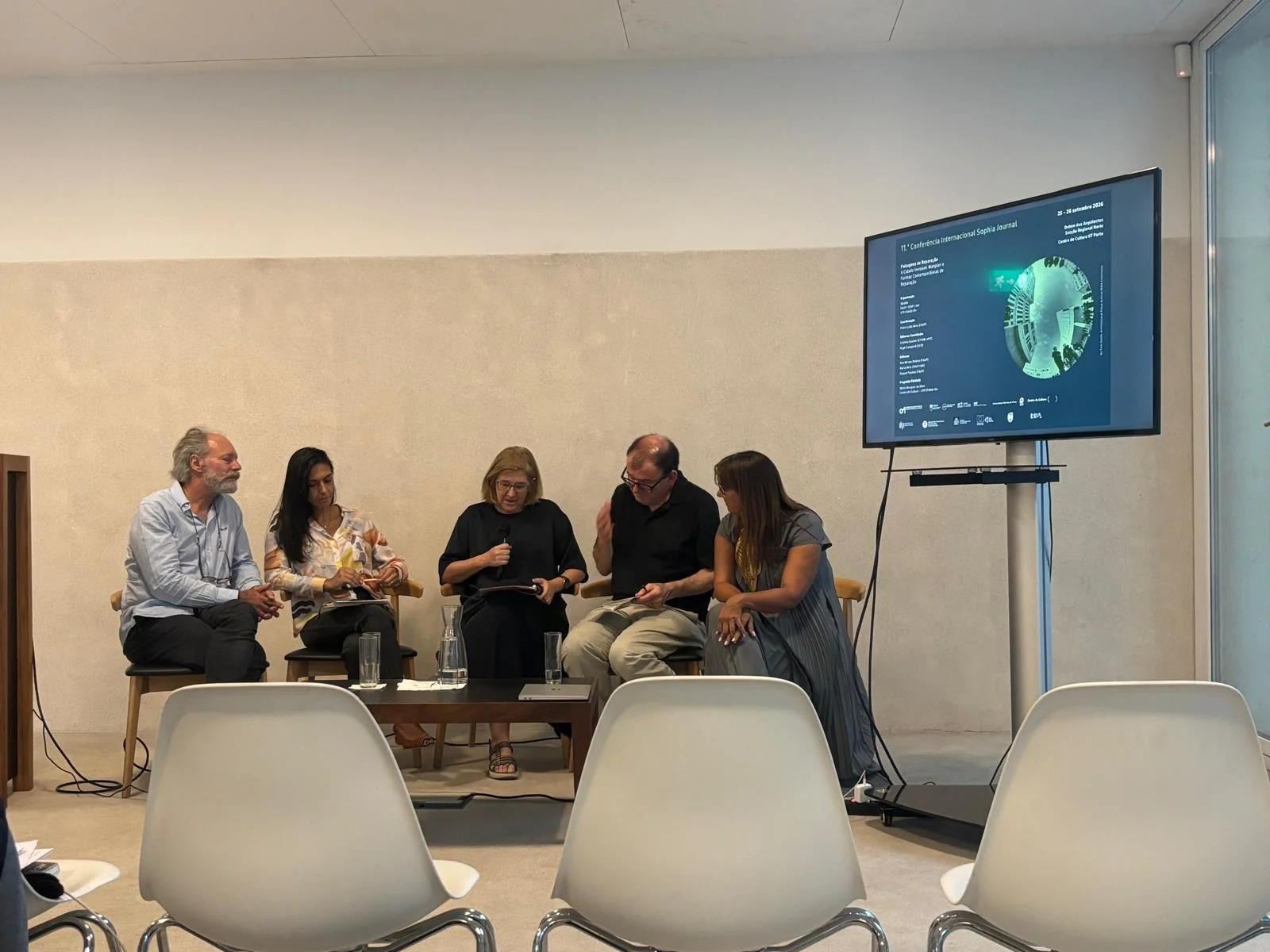
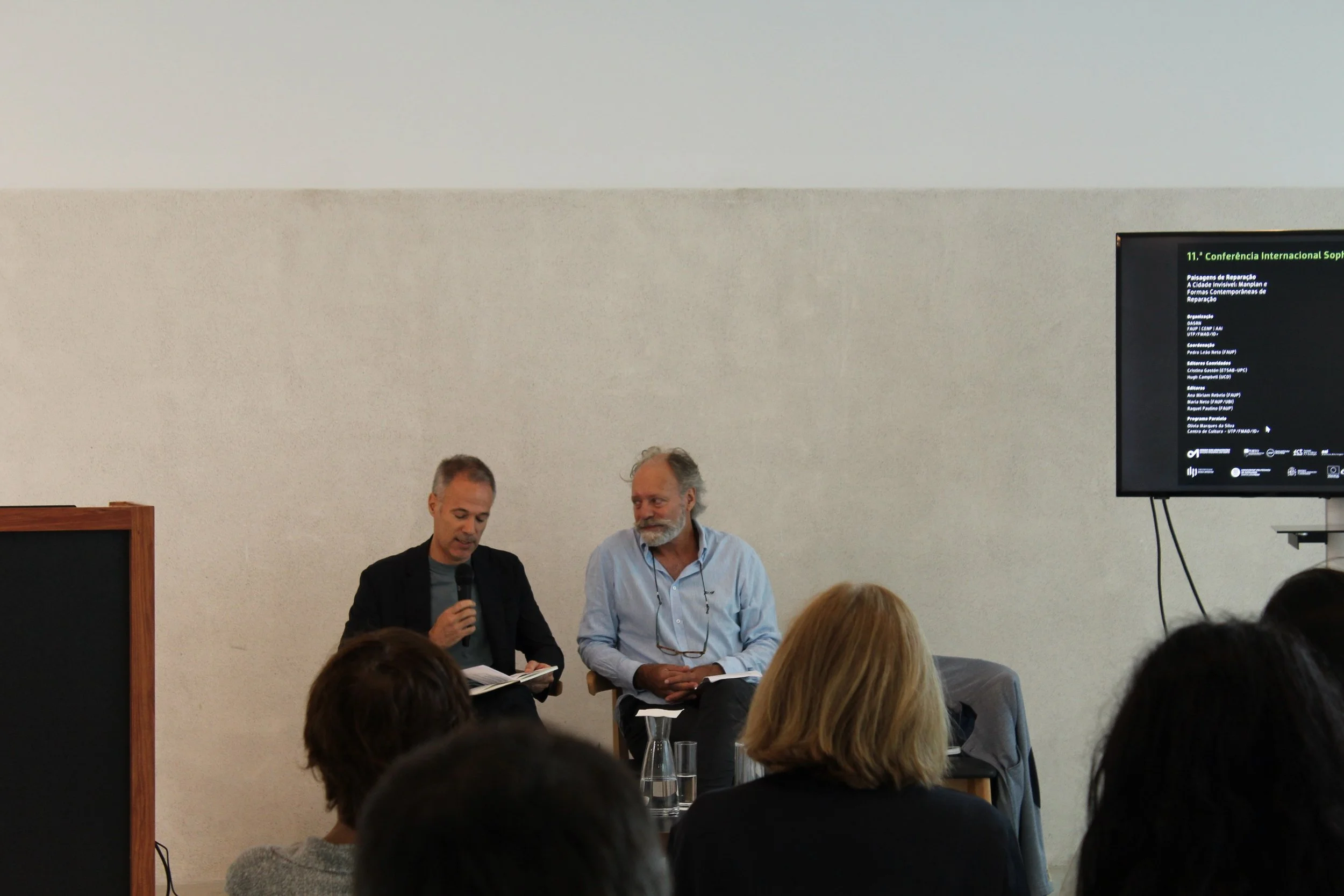
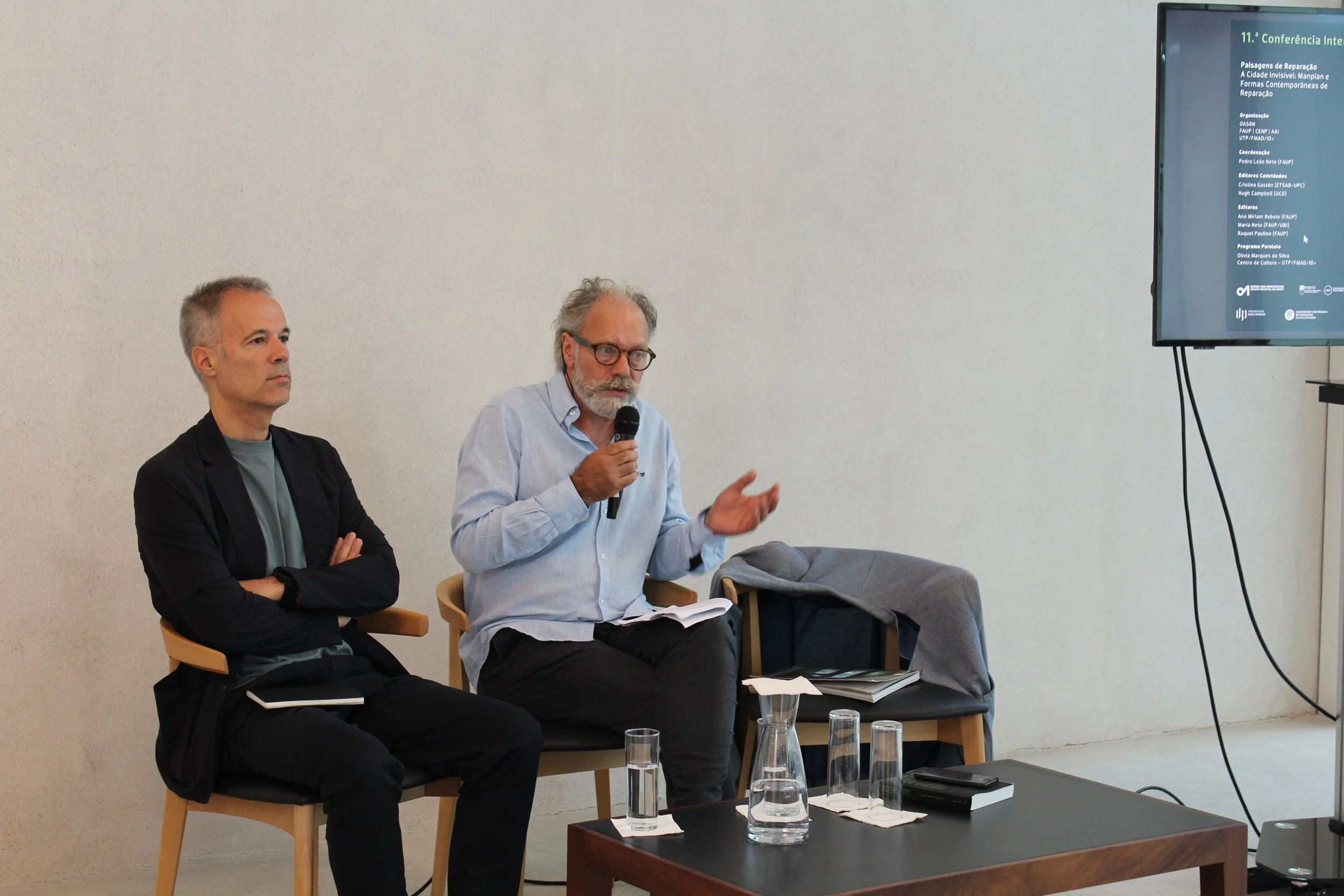
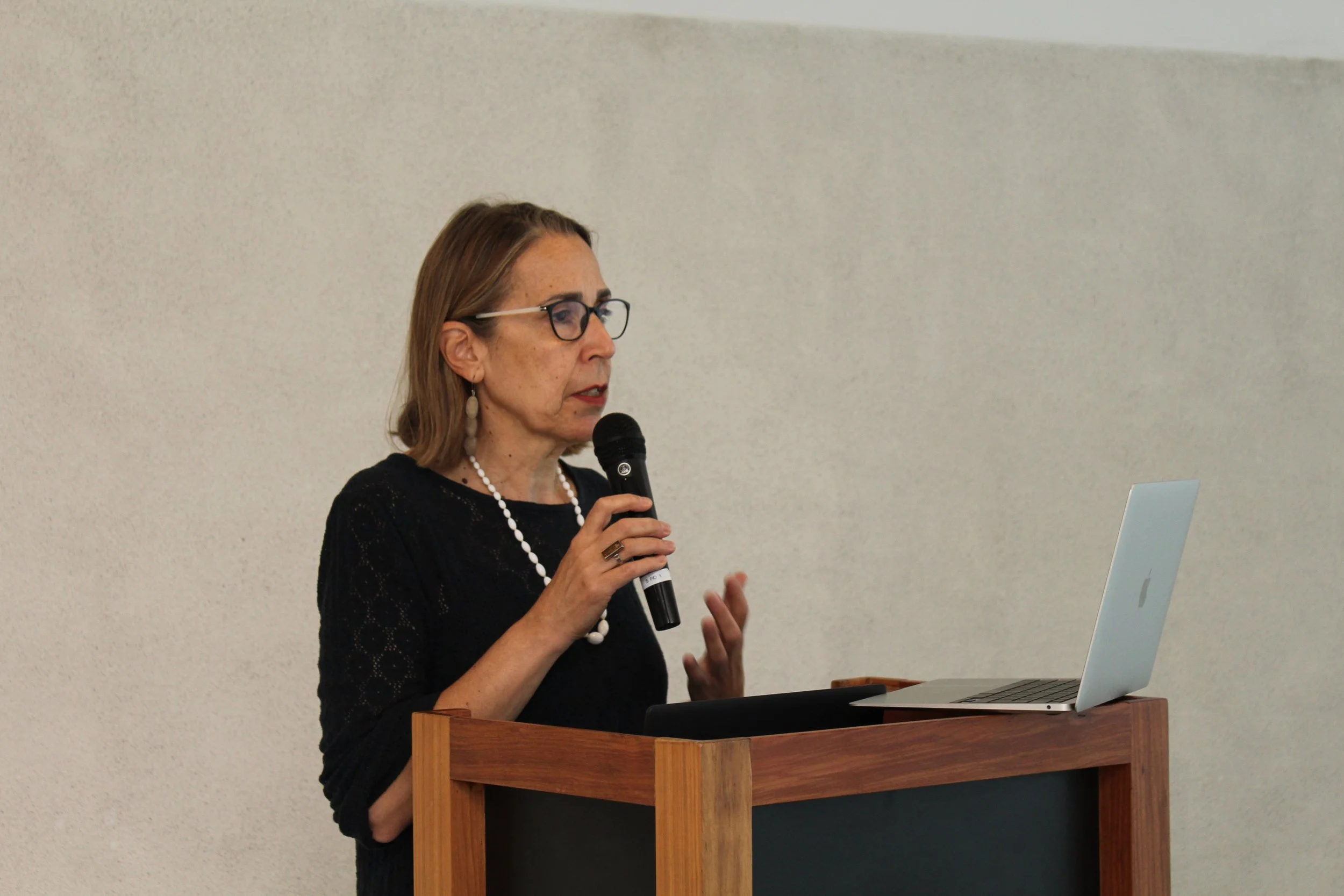
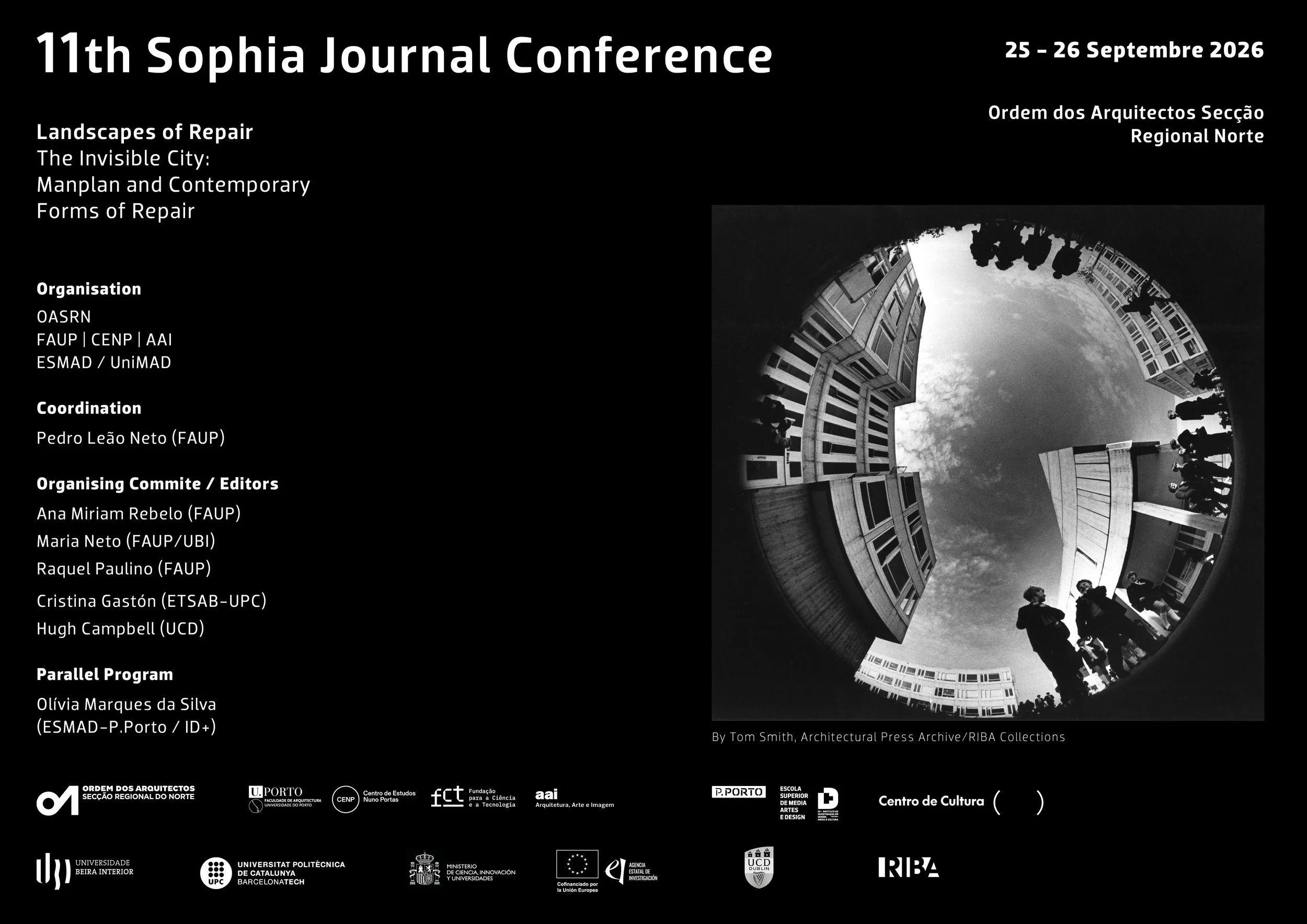
Chamada - Paisagens de Reparação - A Cidade Invisível: Manplan e Formas Contemporâneas de Reparação


CHAMADA PARA SUBMISSÕES SOPHIA Journal Vol. 11

Paisagens de Reparação - A Cidade Invisível: Manplan e Formas Contemporâneas de Reparação

Prazo limite: 31 JANEIRO de 2026 

Editores Convidados: Cristina Gastón (ETSAB-UPC), Hugh Campbell (UCD)

Editores: Ana Miriam Rebelo (FAUP), Maria Neto (FAUP), Raquel Paulino (FAUP)

PT/ENG

Prazo limite: 31 de janeiro de 2026
Os autores seleccionados serão notificados até 28 de fevereiro de 2026
Prazo de entrega dos manuscritos (Conferência): 1 de Maio de 2026 
Conferência Internacional (dtbc): 26 junho 2026

Prazo de entrega dos manuscritos (Revista): 1 de outubro de 2026 
Data de publicação (tbc): até dezembro de 2026

Quarto ciclo temático, Paisagens de Reparação

Sophia Journal está a receber submissões para o seu quarto ciclo temático, Paisagens de Reparação, que incentiva uma abordagem humanista à transformação urbana que transcenda considerações puramente económicas. Ao explorar os impactantes campos da fotografia, do cinema e de diversas práticas visuais, procuramos destacar os seus significativos contributos para o discurso em torno da produção arquitetónica e espacial. O nosso objetivo é chamar a atenção para a necessidade urgente de reparar o nosso planeta fragmentado. Ao fazê-lo, procuramos abordar e conectar a multiplicidade de desafios que as cidades e territórios contemporâneos de todo o mundo enfrentam. Estes meios visuais não só documentam, como também se envolvem criticamente com as diversas e complexas questões do nosso tempo, oferecendo perspetivas únicas sobre as crises urbanas e ambientais. Através desta lente, esperamos fomentar uma compreensão mais profunda e inspirar formas reparadoras de coexistência.

Estrutura da Cidade Invisível: Manplan e Formas Contemporâneas de Reparação

Mais de cinquenta anos após o lançamento da série Manplan pela Architectural Review (1969-70), muitas das questões que levantou continuam a ser extremamente relevantes. Criada num período de profunda desilusão com os fracassos da modernidade arquitetónica do pós-guerra, a Manplan tinha como objetivo expor o fosso entre as intenções do projeto e a realidade vivida. Ela desafiou os arquitetos, os planeadores e o público a confrontar as consequências sociais e políticas da tomada de decisões espaciais desta forma. O seu programa era ousado, controverso, construtivo e enraizado na crença de que a arquitetura deve ser responsável perante as necessidades humanas básicas. A fotografia e as práticas visuais podem atuar como ferramentas poderosas para revelar falhas sistémicas, desigualdades e possibilidades de mudança.

Na sua estratégia visual radicalmente centrada no ser humano, a Manplan abandonou as convenções da fotografia arquitetónica imaculada, substituindo-as por imagens granuladas e imersivas extraídas do fotojornalismo. Estas fotografias não se centraram apenas nos edifícios, mas nas pessoas e na forma como habitavam e viviam nos espaços urbanos, tornando-as os principais sujeitos das imagens.

A série fotográfica Manplan revelou um forte sentido de proximidade com a cidade. Uma necessidade de tornar visível o que antes parecia invisível, comunicando a desconexão entre os ideais de planeamento e as condições de vida, e destacando as consequências sociais da negligência urbana. Muitas destas preocupações ressoam fortemente hoje, numa época marcada pela crise climática, pela precariedade social, pela deterioração das infraestruturas e por uma tecnosfera acelerada que pesa sobre as cidades tanto a nível material como simbólico.

Manplan e as Paisagens da Reparação

Dentro do ciclo mais amplo das Paisagens da Reparação, a Sophia Journal Vol. 11 No. 1 baseia-se neste legado, perguntando:

Como podem as práticas visuais e espaciais confrontar mais uma vez as pressões invisíveis que moldam as cidades contemporâneas e como podem contribuir para actos de reparação — materiais, sociais, ecológicos — capazes de aliviar o seu peso?

Tal como a série de 1969-70 captou a Grã-Bretanha num momento de fragilidade social e de transição política, questionamos como é que as práticas visuais contemporâneas podem revelar as fracturas, os fardos e as possibilidades que definem a “cidade invisível” do Antropoceno.

Com a tecnosfera agora estimada em aproximadamente 30 biliões de toneladas — uma massa agregada que rivaliza com a biosfera — os ambientes urbanos estão sobrecarregados não só por betão, aço e emissões de carbono, mas também por intensidades menos visíveis: inércia administrativa, exaustão social, perda ecológica e formas afetivas de deslocação. A reparação, neste contexto, torna-se uma tarefa ética e imaginativa, que exige novas formas de testemunho, atenção e representação.

Call for Papers e Ensaios Visuais

Nesta chamada para artigos e ensaios visuais para o Sophia Journal Vol. 11 No. 1, convidamos submissões que revisitem, expandam ou desafiem o espírito crítico do Manplan, explorando como as práticas visuais e espaciais — particularmente através da lente da fotografia, do cinema e da arquitetura — podem atuar como instrumentos de cuidado, exposição e reparação. Os contributos podem examinar territórios instáveis, revisitar criticamente arquivos urbanos ou propor ações que procurem reparar as cicatrizes impercetíveis das cidades e paisagens contemporâneas.

Os tópicos incluem, mas não se limitam a:

• Revisitando Manplan: releituras contemporâneas da série e a sua relevância para os problemas urbanos atuais

• Visualizar a cidade invisível: estratégias fotográficas e fílmicas para tornar visíveis formas de negligência social, ecológica ou infraestrutural

• Paisagens do cuidado: práticas de manutenção, reparação, coabitação e supervisão socioecológica

• A política da representação: como a produção de imagens molda a compreensão pública das injustiças urbanas e as possibilidades de mudança

• Peso e leveza urbanos: respostas aos fardos materiais e imateriais da tecnosfera

• Coabitação humana e mais-que-humana: narrativas visuais de interdependência, vulnerabilidade e espaços e interações de resiliência

• Arquiteturas espectrais: captar as atmosferas, ausências e ruínas da vida urbana contemporânea

• Reparação especulativa: propostas criativas que confrontam as disfunções contemporâneas e perspetivam um futuro alternativo

• Narrativas visuais e espaciais: perspetivando a reparação ecológica e social em contextos urbanos e rurais

• Estruturas críticas: narrativas visuais críticas que abordam diversos problemas em diferentes culturas e disciplinas
 

Sobre Sophia Journal

Sophia Journal é uma revista académica de acesso aberto com arbitragem científica, publicada pelo Centro de Estudos em Arquitectura e Urbanismo (CEAU) - Grupo de investigação Arquitectura, Arte e Imagem (AAI) da Faculdade de Arquitectura da Universidade do Porto (FAUP), em colaboração com a associação Cityscopio e a sua chancela  editorial scopio Editions.
Criada em 2016, a Sophia Journal publica artigos teóricos e ensaios visuais que investigam e pensam criticamente as intersecções entre a imagem e a arquitectura. Entendemos ambos os termos em sentido lato: a imagem da fotografia, pintura, desenho, cinema, video, televisão, novos media; a arquitectura enquanto paisagem, território, cidade, espacialidade e ambiente construído.

Para qualquer dúvida:

Contactar os Editores através de info.sophiajournal@arq.up.pt
 

OPEN CALL - Landscapes of Repair - The Invisible City: Manplan and Contemporary Forms of Repair


OPEN CALL SOPHIA JOURNAL VOL. 11

Landscapes of Repair - The Invisible City: Manplan and Contemporary Forms of Repair

Abstract deadline: 31 JANUARY 2026

Guest Editors: Cristina Gastón (ETSAB-UPC), Hugh Campbell (UCD)

Editors: Ana Miriam Rebelo (FAUP), Maria Neto (FAUP), Raquel Paulino (FAUP)

PT/ENG

Abstract deadline: 31 January 2026

Selected authors will be notified by the 28 of February 2026
Manuscript deadline (Conference): 1 May 2026

Conference (dtbc): 26 June 2026

Manuscript deadline (Journal): 1 October 2026
Publication date (tbc): by December 2026

Fourth thematic cycle, Landscapes of Repair
Sophia Journal is currently accepting submissions for its fourth thematic cycle, Landscapes of Repair, encouraging a humanist approach to urban transformation that transcends purely economic considerations. By exploring the impactful realms of photography, film, and various visual practices, we aim to highlight their significant contributions to the discourse surrounding architectural and spatial production. Our goal is to draw urgent attention to the necessity of repairing our fractured planet. In doing so, we seek to address and connect the multitude of challenges that contemporary cities and territories across the world are facing. These visual mediums not only document but also critically engage with the diverse and complex issues of our time, offering unique perspectives on urban and environmental crises. Through this lens, we hope to foster deeper understanding and inspire reparative forms of coexistence.

Framework of The Invisible City: Manplan and Contemporary Forms of Repair

More than fifty years after The Architectural Review launched the Manplan series (1969–70), many of the questions it posed remain urgently relevant. Created during a time of profound disillusionment with the failures of post-war architectural modernity, Manplan aimed to expose the gap between design intentions and lived reality. It challenged architects, planners, and the public to confront the social and political consequences of spatial decision-making in this way. Its programme was daring, controversial, constructive and rooted in the belief that architecture must be accountable to basic human needs. Photography and visual practices can act as potent tools for revealing systemic failures, inequalities, and possibilities for change.

In its radically human-centred visual strategy, Manplan abandoned the conventions of pristine architectural photography, replacing them with grainy, immersive images drawn from photojournalism. These photographs did not just focus on the buildings, but on the people and how they inhabited and lived in city spaces, making them the main subjects of the pictures.

The Manplan photography series revealed a powerful sense of proximity to the city. A necessity to make visible what had seemed invisible before, communicating the disconnection between planning ideals and lived conditions, and highlighting the social consequences of urban neglect. Many of these worries echo powerfully today, in a moment marked by climate crisis, social precarity, infrastructural decay, and an accelerating technosphere that weighs upon cities both materially and symbolically.

Manplan and the Landscapes of Repair

Within the broader Landscapes of Repair cycle, Sophia Journal Vol. 11 No. 1 builds on this legacy by asking:
How can visual and spatial practices once again confront the invisible pressures shaping contemporary cities, and how might they contribute to acts of repair—material, social, ecological—capable of lightening their weight?

Just as the 1969–70 series captured Britain at a moment of social fragility and political transition, we ask how contemporary visual practices can reveal the fractures, burdens, and possibilities that define the “invisible city” of the Anthropocene.

With the technosphere now estimated at approximately 30 trillion tonnes—an aggregate mass that rivals the biosphere—urban environments are weighed down not only by concrete, steel, and carbon emissions but also by less visible intensities: administrative inertia, social exhaustion, ecological loss, and affective forms of displacement. Repair, in this context, becomes an ethical and imaginative task, one that calls for new forms of witnessing, attention, and representation.

Call for Papers and Visual Essays

In this call for papers and visual essays for Sophia Journal Vol. 11 No. 1, we invite submissions that revisit, expand, or challenge the critical spirit of Manplan by exploring how visual and spatial practices - particularly through the lenses of photography, film, and architecture - can act as instruments of care, exposure, and repair. Contributions may examine unstable territories, critically revisit urban archives, or propose actions that seek to repair the imperceptible scars of contemporary cities and landscapes.

Topics include, but are not limited to:

  • Revisiting Manplan: contemporary re-readings of the series and its relevance to contemporary city problems

  • Visualising the invisible city: photographic and filmic strategies for making visible social, ecological, or infrastructural forms of neglect

  • Landscapes of care: practices of maintenance, repair, cohabitation, and socio-ecological oversight

  • The politics of representation: how image-making shapes public understanding of urban unfairnesses and possibilities for change

  • Urban weight and urban lightness: responses to the material and immaterial burdens of the technosphere

  • Human and more-than-human cohabitation: visual narratives of interdependence, vulnerability, and resilience spaces and interactions

  • Spectral architectures: capturing the atmospheres, absences and ruins of contemporary urban life

  • Speculative repair: creative proposals that confront contemporary dysfunctions and envision an alternative future

  • Visual and spatial narratives: envisioning ecological and social repair in urban and rural contexts

  • Critical frameworks: critical visual narratives addressing diverse problems across cultures and disciplines

We welcome submissions from scholars, artists, architects, practitioners, activists, and transdisciplinary researchers who explore these questions through theoretical essays, visual essays, documentary projects, experimental formats, or hybrid research practices.

Towards a Reparative Visual Praxis

By revisiting Manplan's ethos—its attention to lived reality, its refusal of aesthetic sanitisation, and its commitment to social critique—this issue seeks to explore how contemporary visual practices can once again operate as catalysts for public reflection and collective responsibility. In an era when cities grow heavier—materially, symbolically, and ecologically—we ask how image-making can help lighten them: by exposing the unseen, attending to the overlooked, and participating in acts of repair.

We look forward to receiving contributions that illuminate, interrogate, or reimagine the landscapes of care shaping today's and tomorrow's cities.

About Sophia Journal

We are an academic, peer-reviewed journal, published by the Centre for Studies in Architecture and Urbanism (CEAU) / research group Architecture, Art and Image (AAI) at the Faculty of Architecture, University of Porto, Portugal. Created in 2016, Sophia Journal publishes theoretical articles and visual essays that investigate and think critically the intersections between the image and architecture. We understand both terms in a wide sense: the image of photography, painting, drawing, cinema, video, T.V., new media; and architecture as landscape, territory, city, spatiality, built environment.

For any queries:

Please contact our Editors at info.sophiajournal@arq.up.pt
 

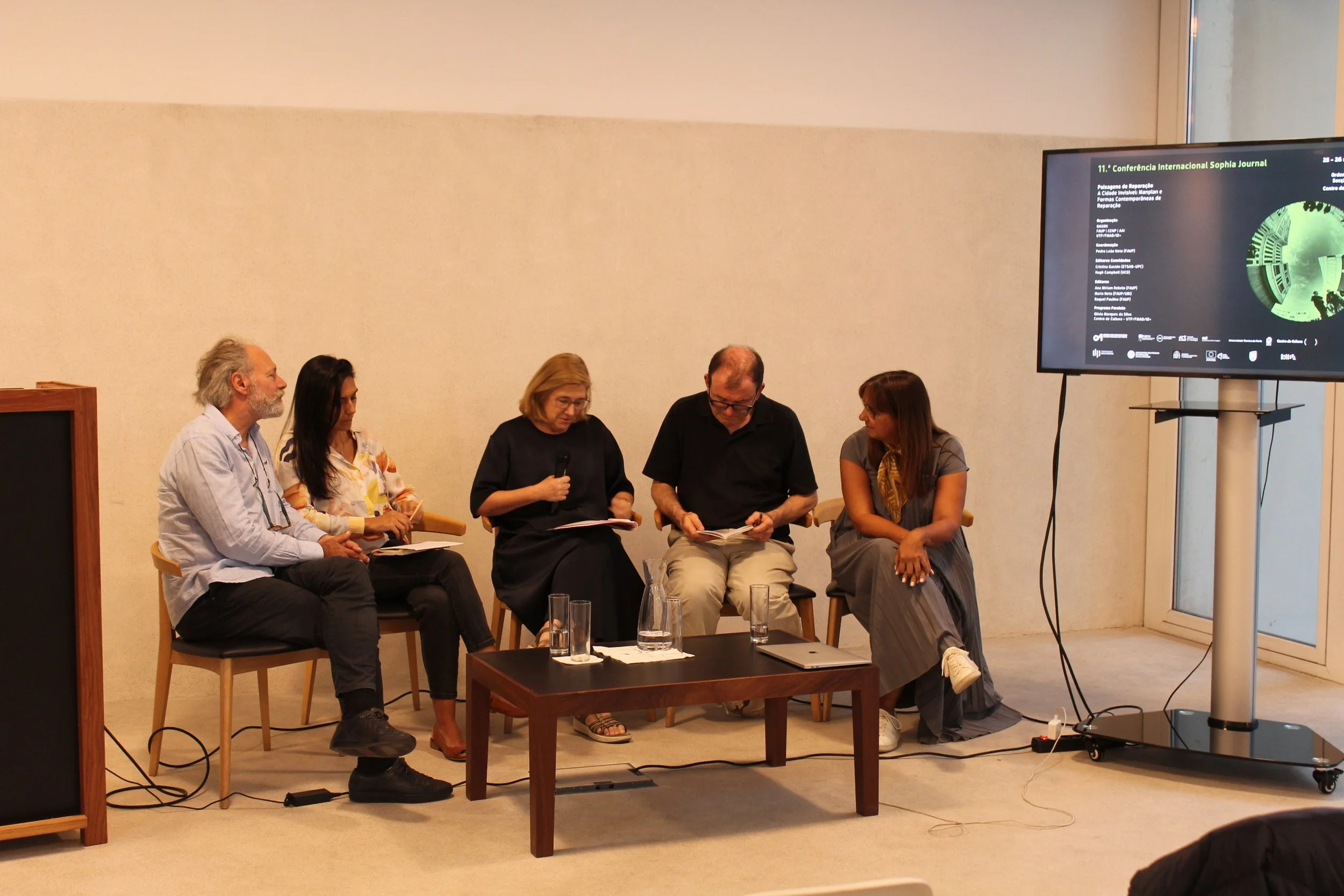
10.ª Conferência Internacional da Sophia Journal reúne investigadores na ETSAB e destaca o lançamento da Sophia Vol. 11 e do Prémio LFA


10.ª Conferência Internacional da Sophia Journal reúne investigadores na ETSAB e destaca o lançamento da Sophia Vol. 11 e do Prémio LFA

PT/ENG

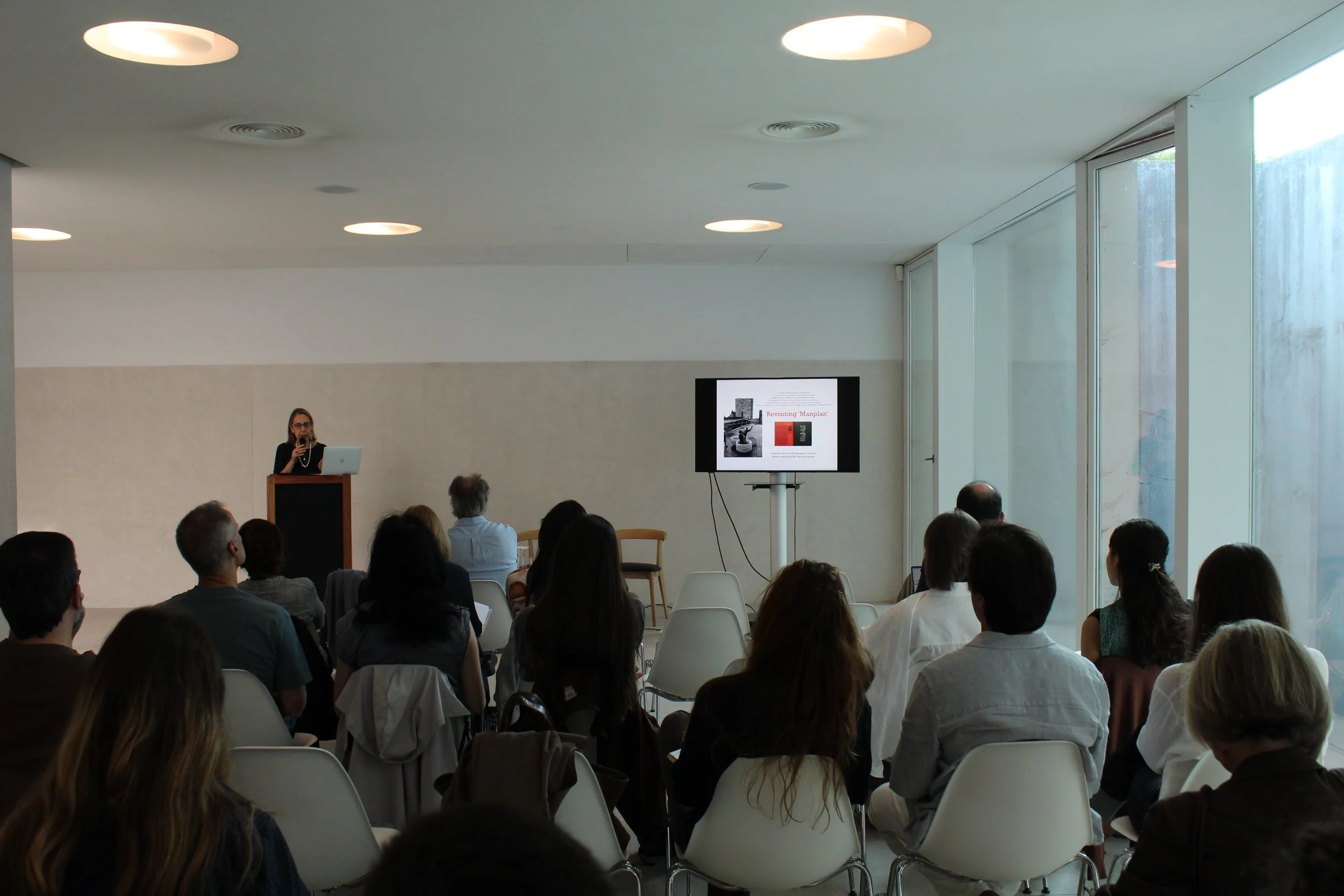
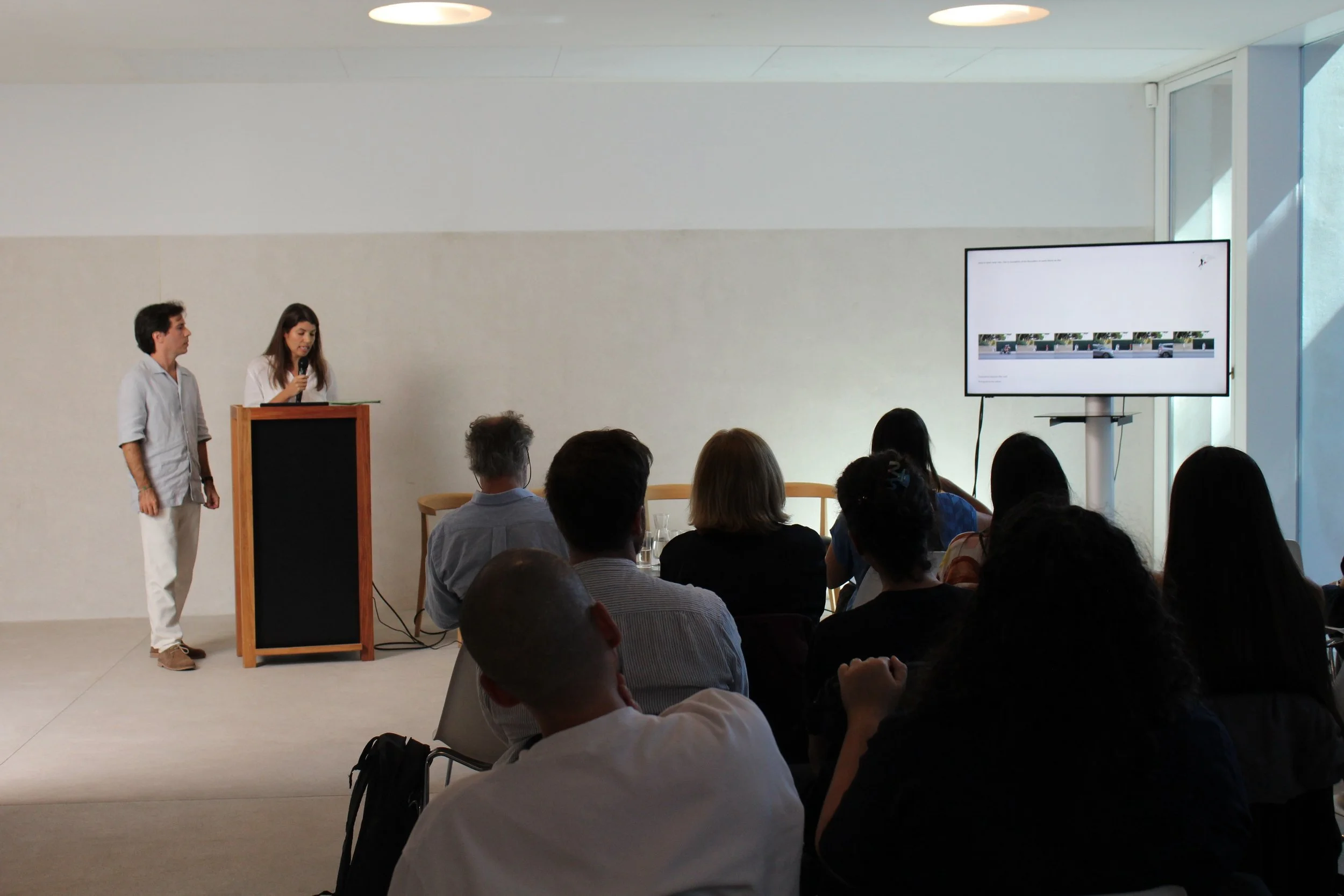
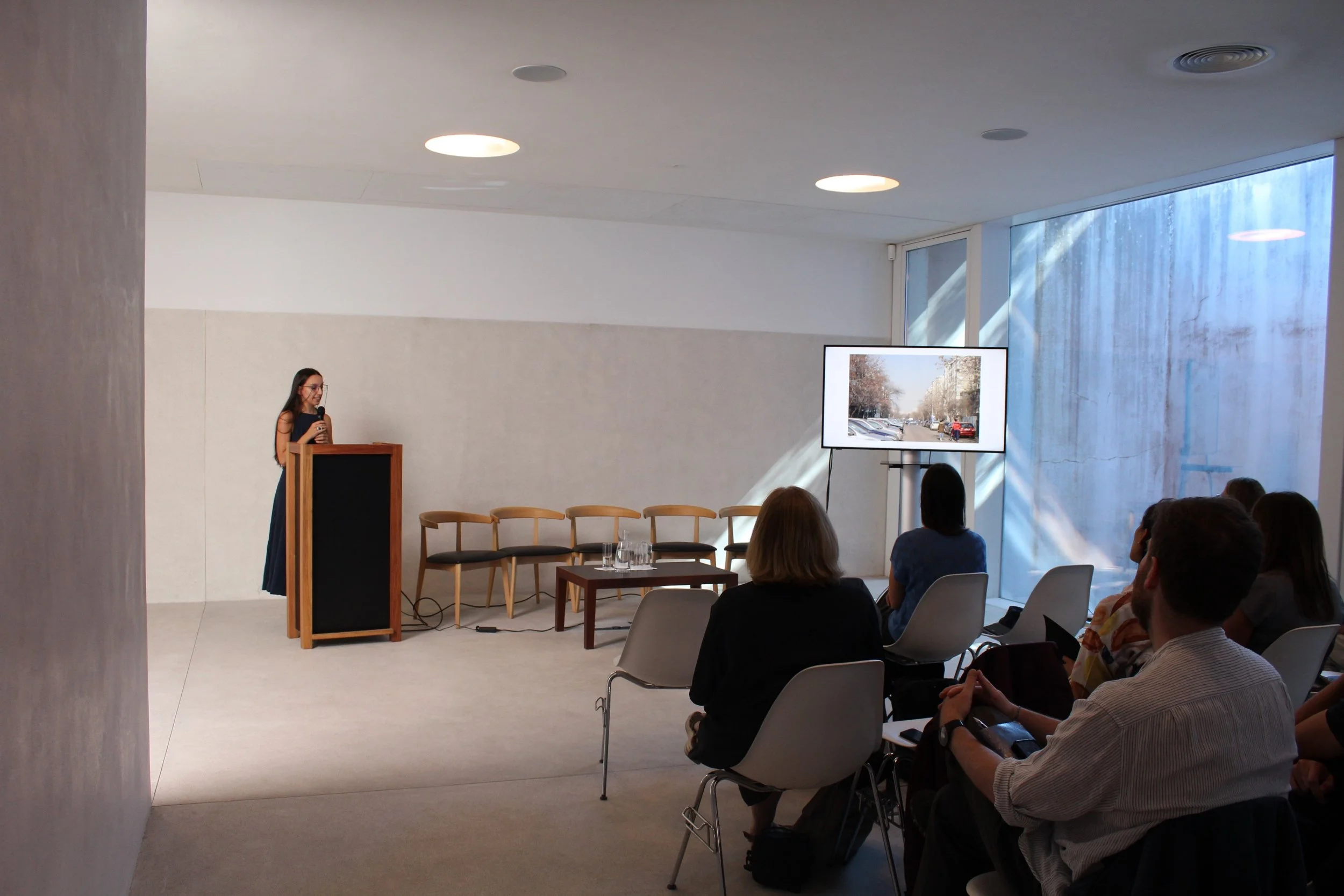
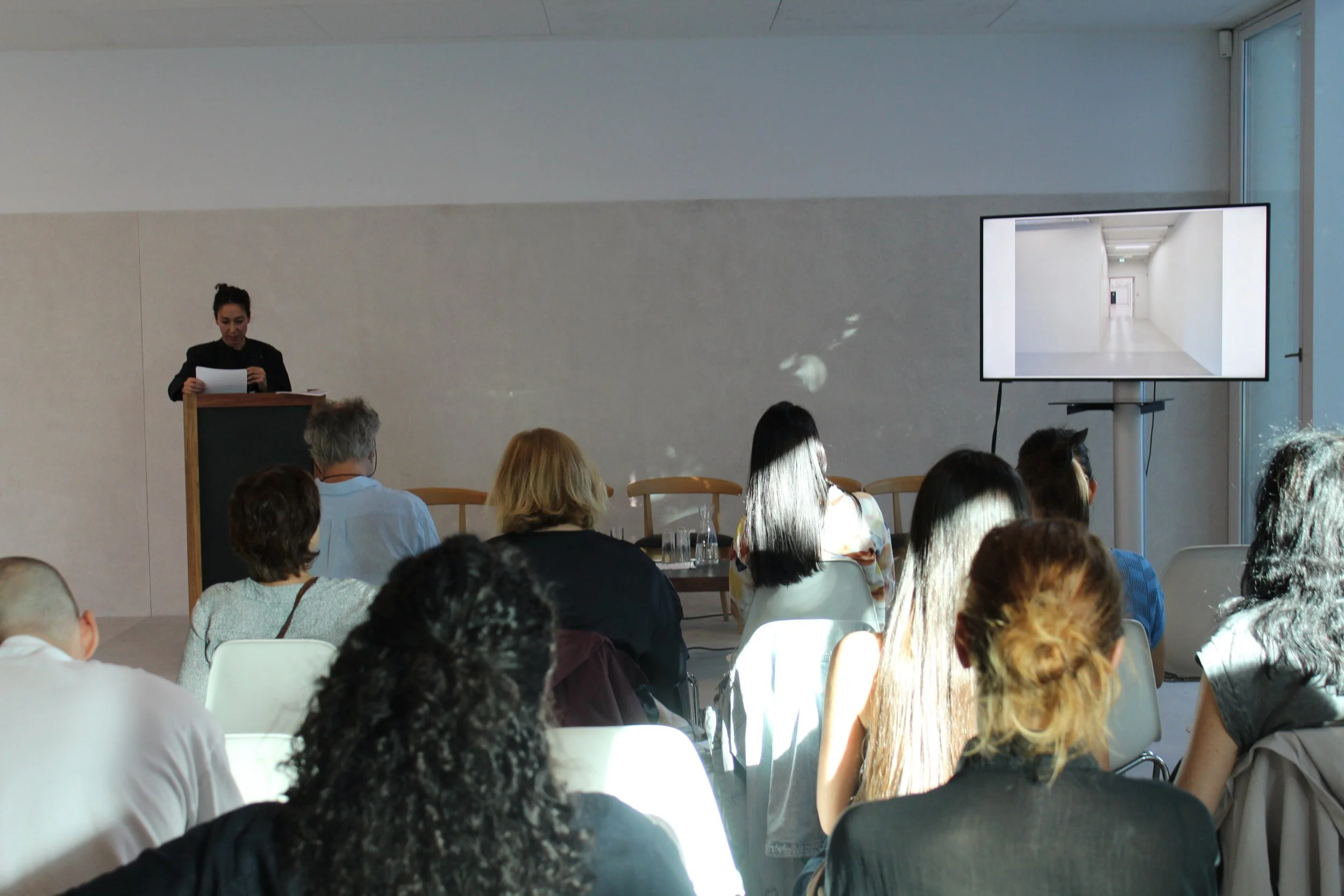
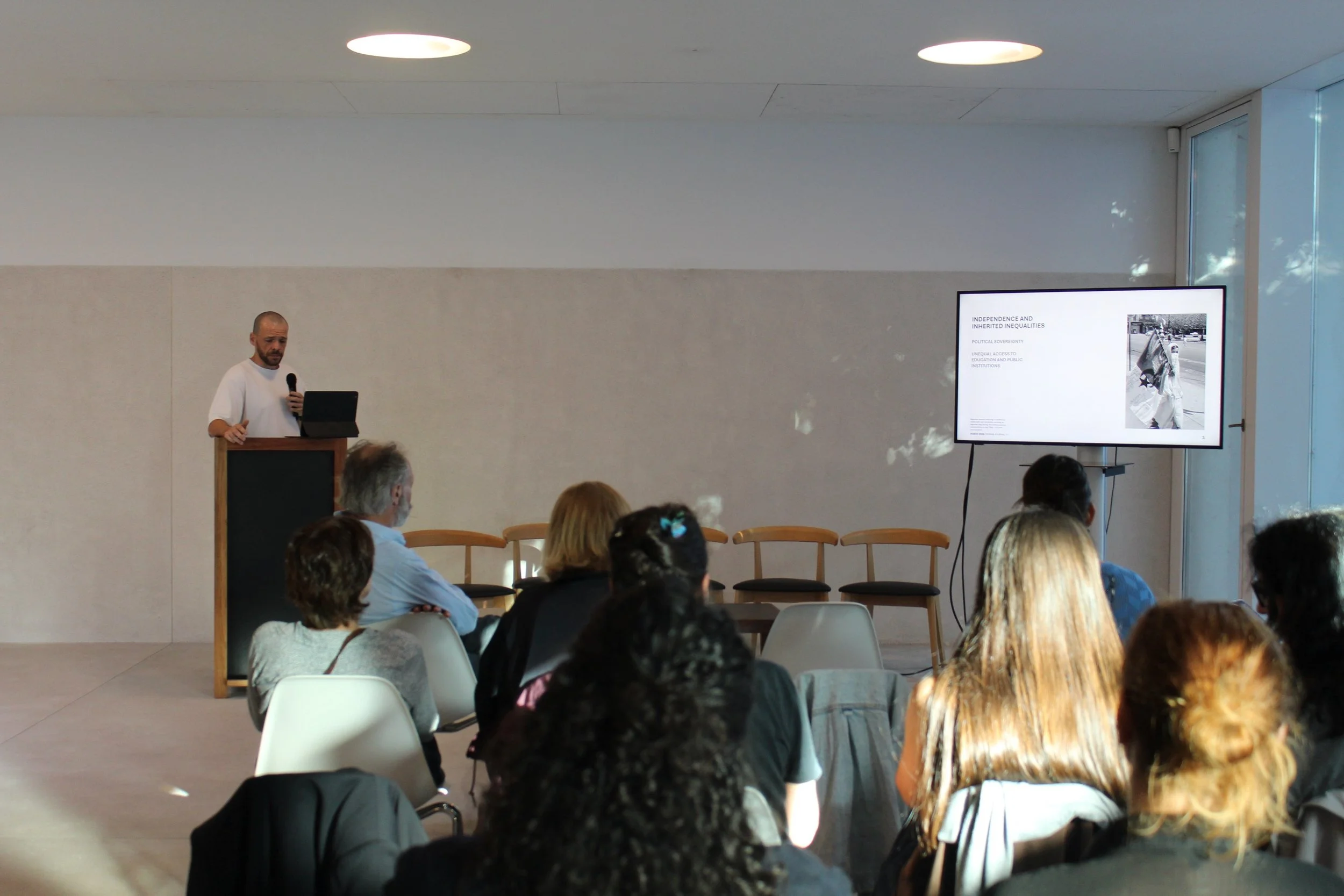
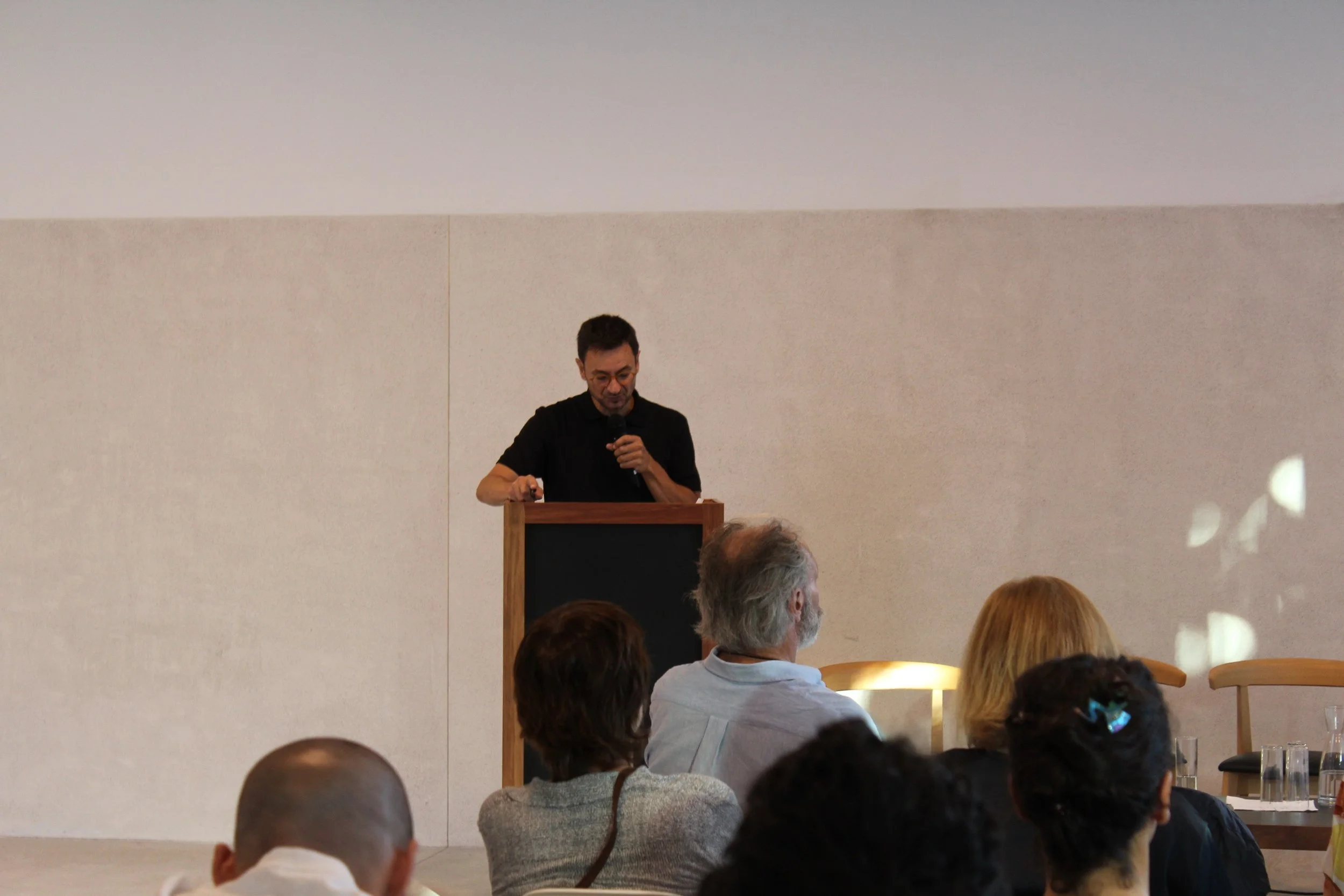
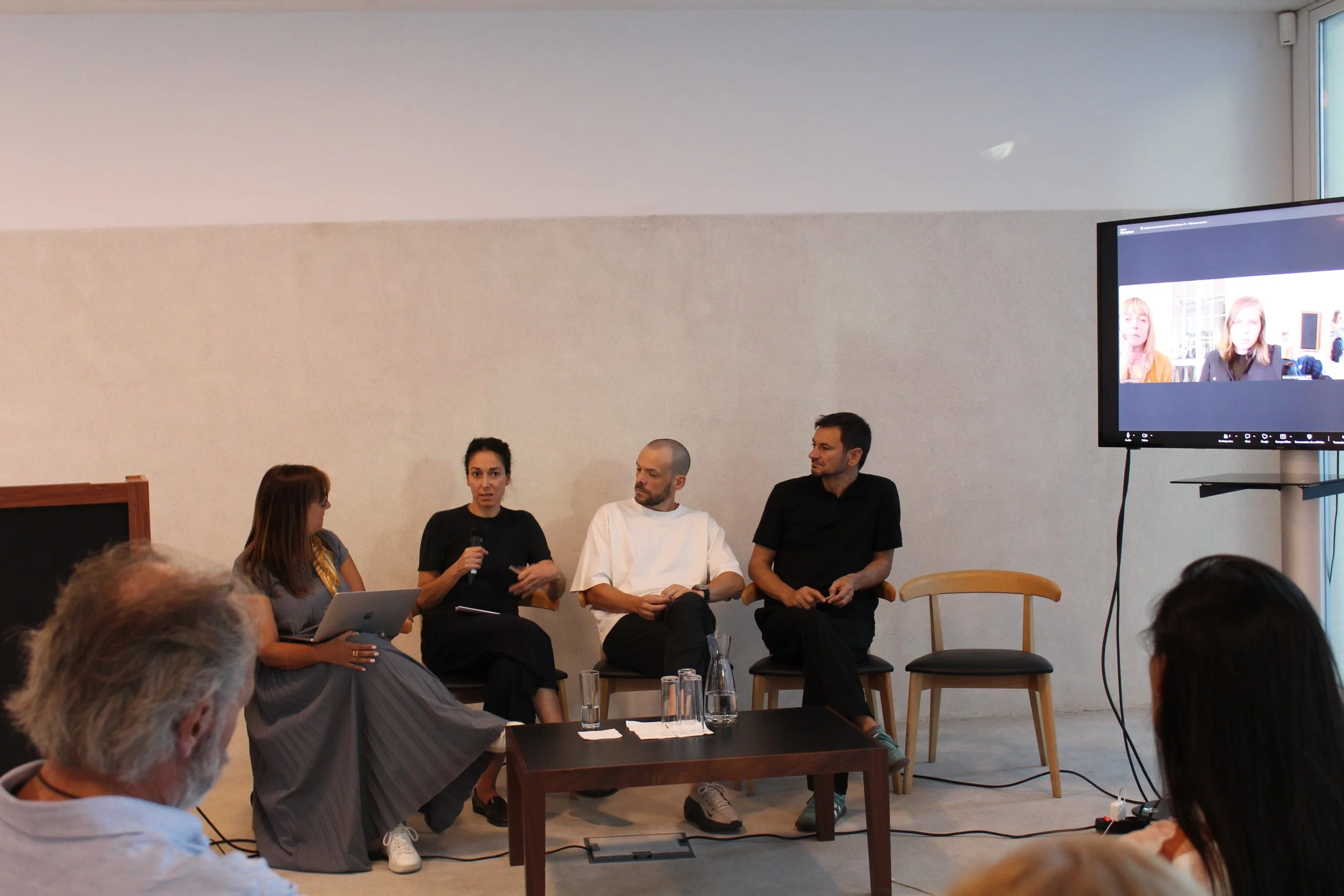
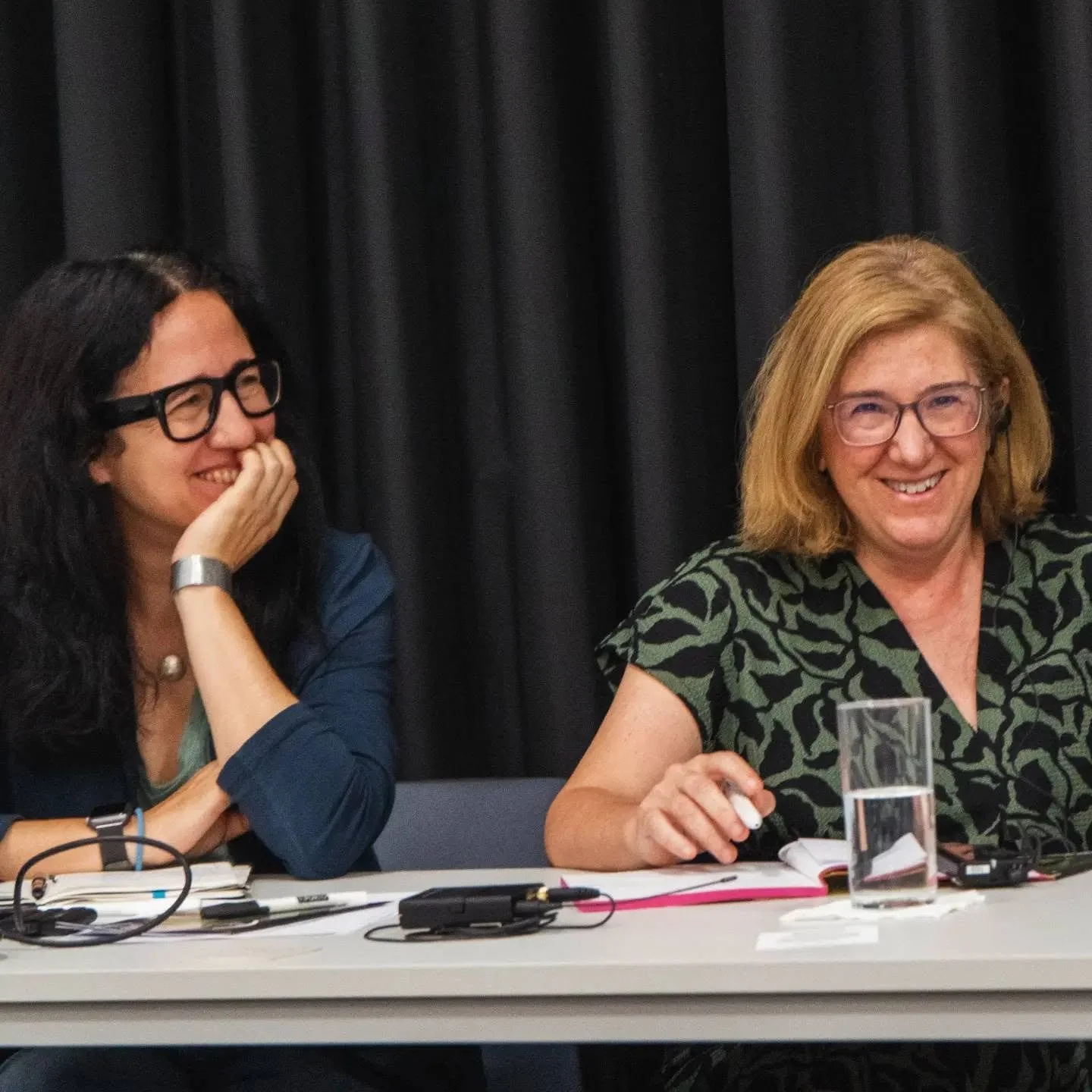
A Escola Técnica Superior de Arquitetura de Barcelona (ETSAB-UPC) acolheu, nos dias 21 e 22 de novembro de 2025, a 10.ª Conferência Internacional da Sophia Journal, integrada no ciclo temático Paisagens de Reparação. O encontro reuniu investigadores, fotógrafos, arquitetos e académicos de várias geografias para discutir o papel da fotografia, do cinema e das práticas visuais na documentação, interpretação e reparação das paisagens arquitetónicas e urbanas contemporâneas.

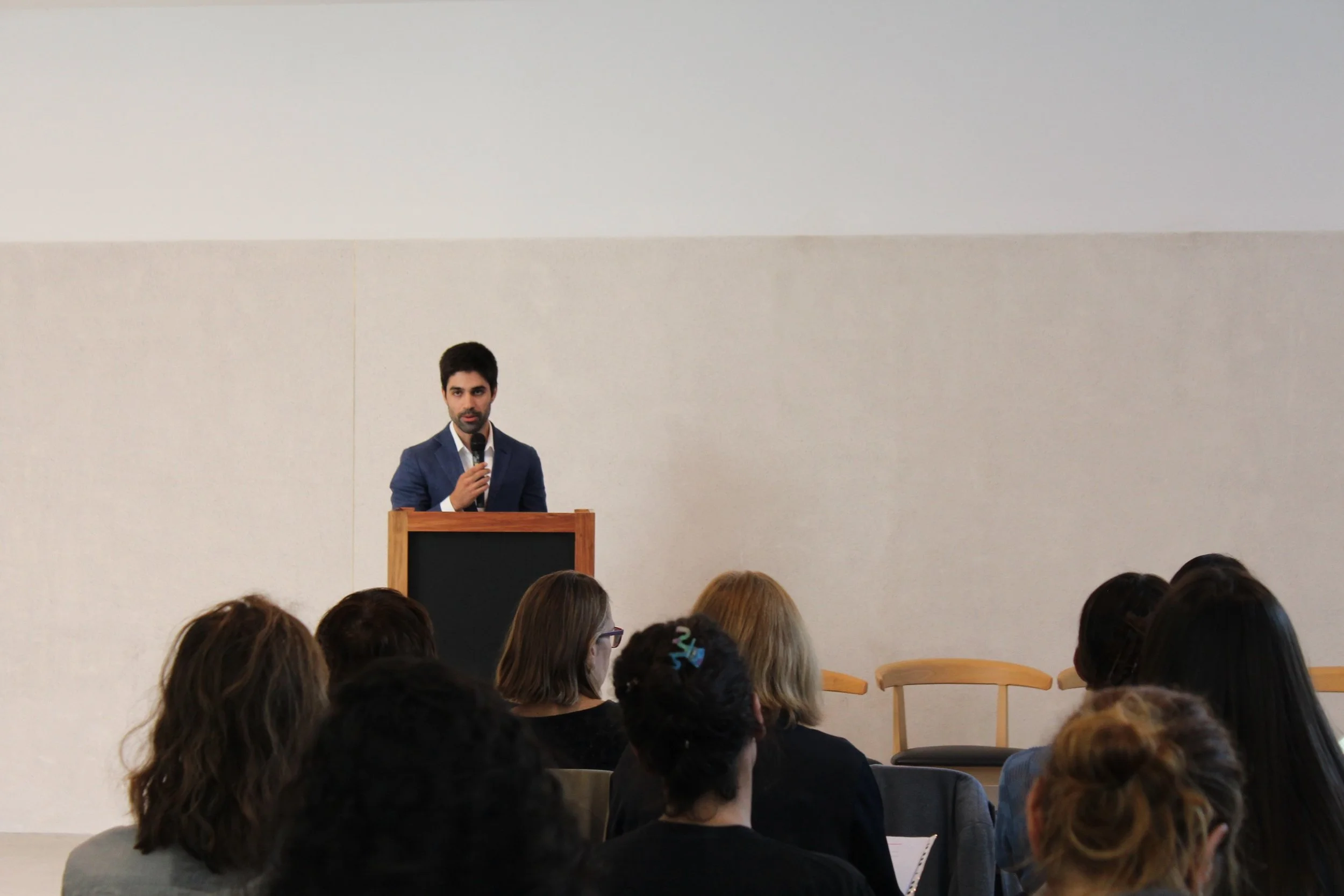
Abertura: intervenções de Félix Solaguren Beascoa, Cristina Gastón e Pedro Leão Neto

A sessão de abertura decorreu no auditório principal da ETSAB.
Félix Solaguren Beascoa, diretor da Escola, deu as boas-vindas aos participantes, sublinhando a importância de acolher esta conferência internacional num momento em que a reflexão visual sobre a cidade e o património arquitetónico assume relevância crescente no debate académico.

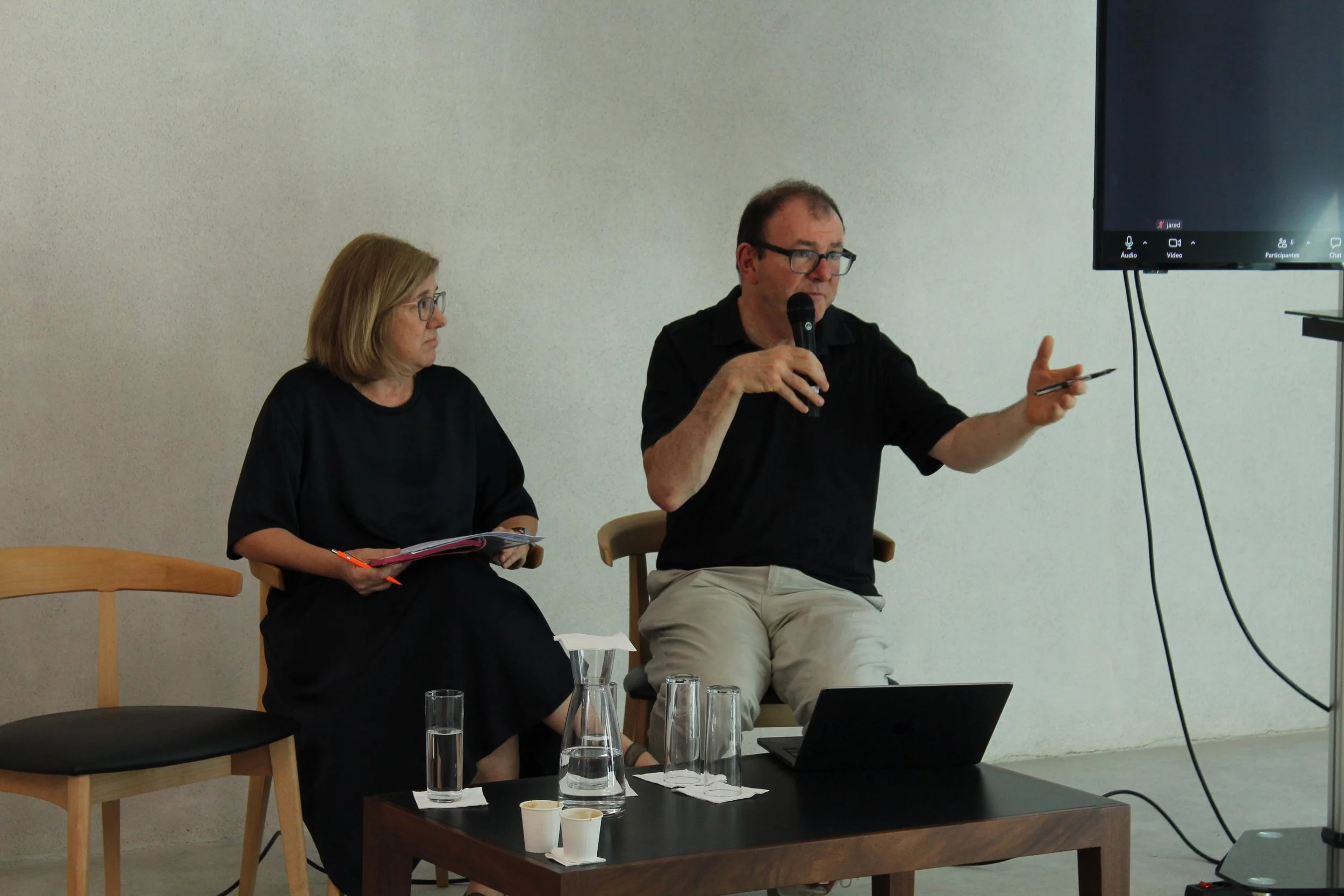
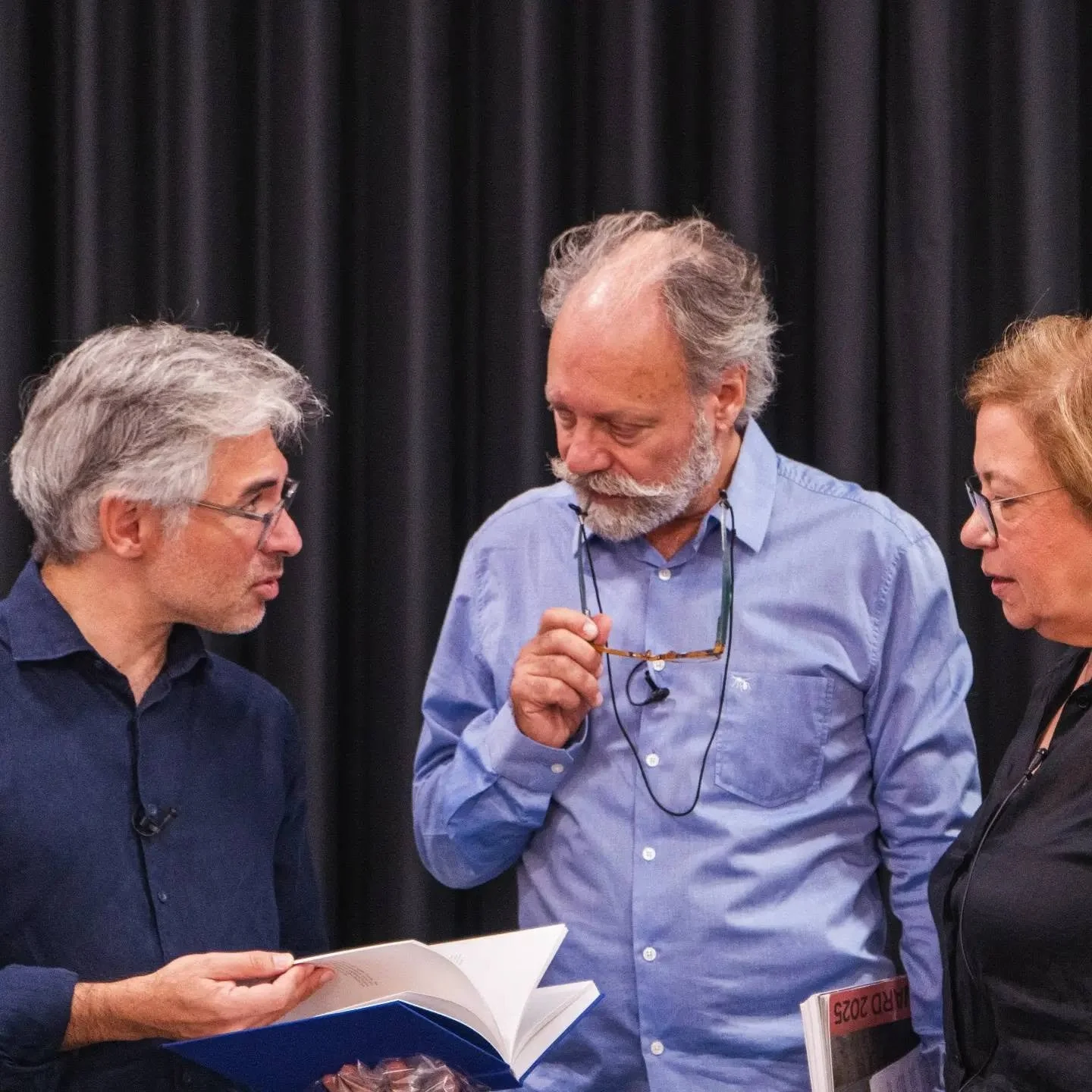
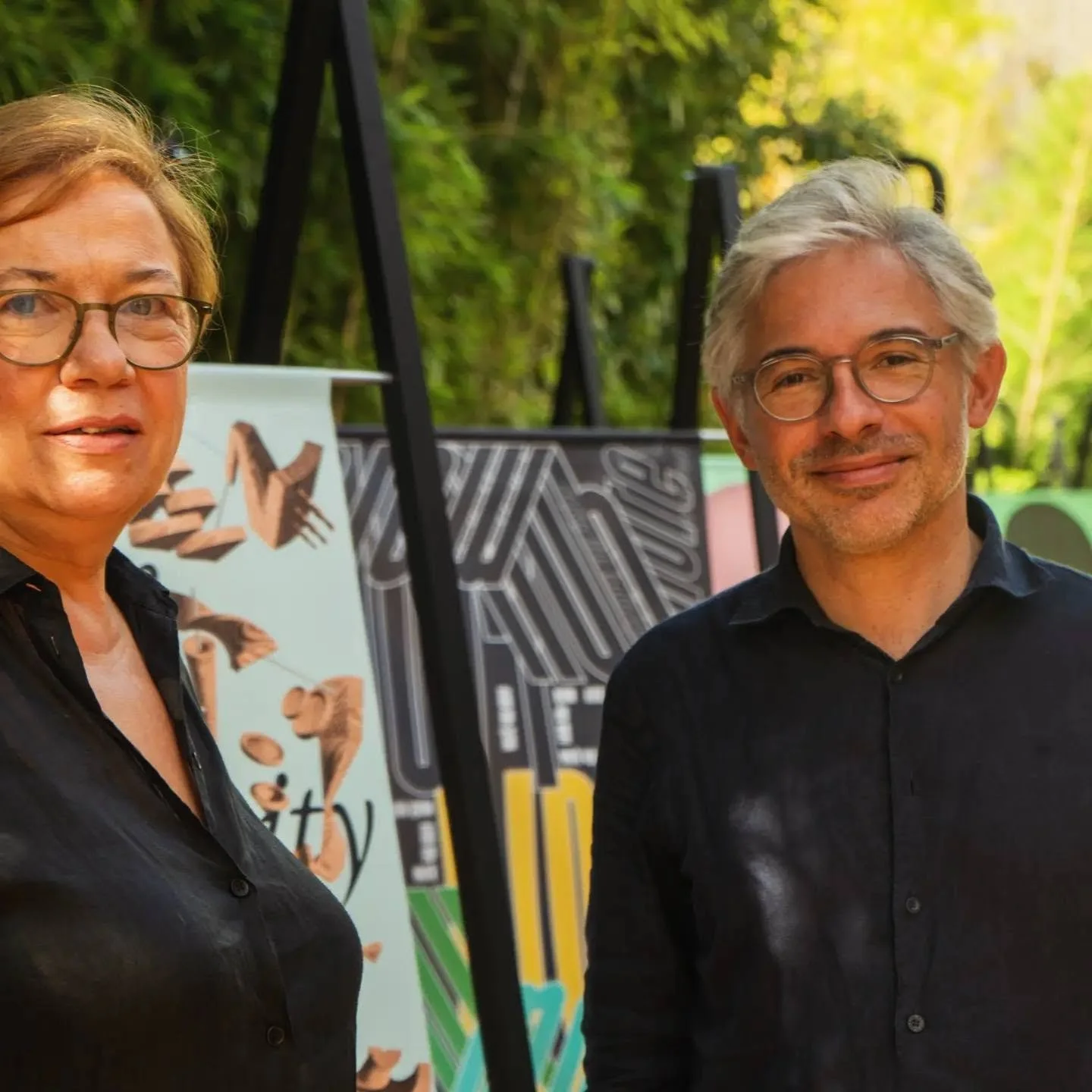
Seguiu-se a intervenção de Cristina Gastón, arquiteta e professora da ETSAB, que apresentou brevemente Pedro Leão Neto, contextualizando o trabalho e a trajetória do editor e coordenador da Sophia Journal. Gastón destacou a continuidade e ambição da revista — hoje uma plataforma internacional consolidada de investigação entre arquitetura, fotografia e imagem — e enquadrou a conferência no percurso crítico da Sophia ao longo da última década.

Na sua intervenção, Pedro Leão Neto apresentou o projeto editorial da Sophia Journal, anunciando oficialmente o lançamento do novo volume da revista, Sophia Journal Vol. 11, integrado no ciclo Paisagens de Reparação. Sublinhou o enfoque do volume na forma como fotografia e cinema revelam tensões, fragilidades e transformações invisíveis das cidades contemporâneas, aproximando a investigação visual dos debates urgentes sobre responsabilidade ecológica, espaço público e vida urbana.

Destaque do programa: apresentação do Prémio LFA (15h00–15h30)

Um dos momentos mais aguardados do primeiro dia ocorreu às 15h00, com a apresentação por Pedro Leão Neto da série fotográfica vencedora e da publicação do Prémio Luís Ferreira Alves (LFA).

Numa comunicação que aliou contexto histórico, análise visual e reflexão crítica, Pedro Leão Neto descreveu o processo de seleção, os critérios curatoriais e o papel do Prémio LFA enquanto plataforma de internacionalização da fotografia de arquitetura contemporânea. A apresentação despertou particular interesse entre os participantes, pela forma como articula investigação visual, prática artística e reflexão sobre património arquitetónico — dimensão reforçada pela parceria editorial entre a scopio Editions e a editora espanhola Turner.

Dois dias de debate, investigação e práticas visuais

O programa da conferência incluiu mesas-redondas temáticas, sessões de comunicações e um conjunto de iniciativas paralelas que ilustraram a vitalidade do encontro:

  • Painéis dedicados à modernidade dos anos 50–60, coordenados por Jaime Ferrer;

  • Sessões sobre estados intermédios da cidade e dos processos construtivos, presididas por Cristina Gastón;

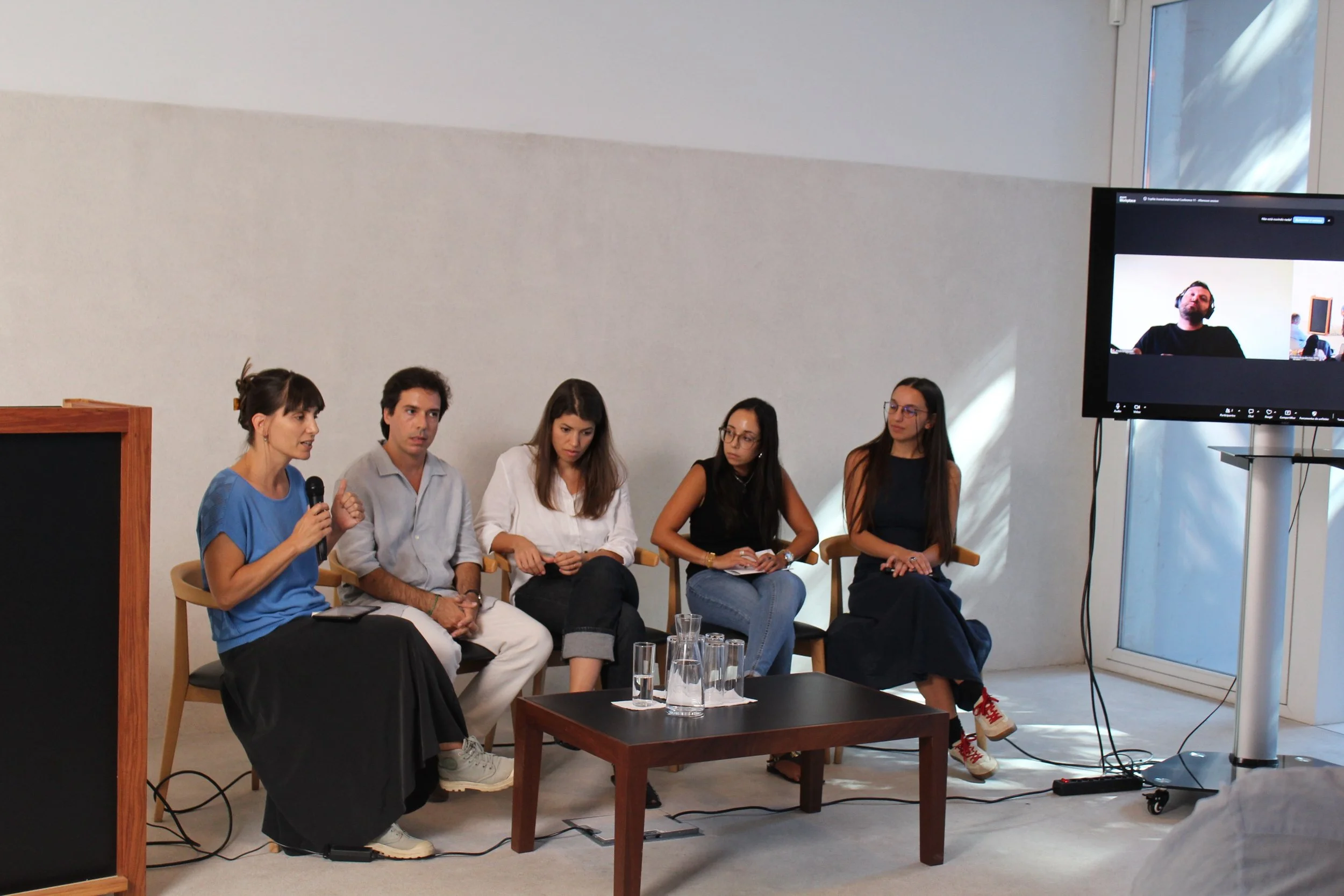
  • Painel “Other Realities”, moderado por Judit Taberna e Luis Ángel Domínguez, centrado em práticas documentais emergentes;
  • Conferência de Manolo Laguillo, figura incontornável da fotografia de arquitetura espanhola contemporânea;

  • Exposição “ARXIU ICARIÀ 1987–1992 / Coreografia d’un territori en transformació”, de Martí Llorens;

  • Visita à Biblioteca Oriol Bohigas com curadoria de Neus Vilaplana.

A diversidade de perspetivas e geografias representadas evidenciou o caráter internacional do encontro e o impacto crescente da Sophia Journal no debate académico global sobre cidade, imagem e arquitetura.

Uma conferência que reforça redes e amplia horizontes

Ao longo de dois dias, investigadores e criadores refletiram sobre como a fotografia, o cinema e outras práticas visuais podem documentar, revelar ou transformar a compreensão do ambiente construído — sublinhando a urgência ética e ecológica do tema das Paisagens de Reparação.

A colaboração estreita entre a ETSAB-UPC e a Sophia Journal consolidou esta 10.ª edição como uma plataforma privilegiada para o diálogo interdisciplinar, reforçando redes internacionais de investigação que integram universidades e centros culturais de referência.

A conferência afirmou, mais uma vez, a missão da Sophia Journal: pensar criticamente o papel da imagem na construção do conhecimento sobre arquitetura, cidade e território, e abrir espaço a práticas visuais que contribuam para novas formas de reparar, imaginar e habitar o mundo contemporâneo.


10th International Sophia Journal Conference brings together researchers at ETSAB and highlights the launch of Sophia Vol. 11 and the LFA Prize


10th International Sophia Journal Conference brings together researchers at ETSAB and highlights the launch of Sophia Vol. 11 and the LFA Prize

PT/ENG

The Higher Technical School of Architecture of Barcelona (ETSAB-UPC) hosted, on November 21st and 22nd, 2025, the 10th International Sophia Journal Conference, part of the thematic cycle Landscapes of Repair. The meeting brought together researchers, photographers, architects, and academics from diverse geographical locations to discuss the role of photography, film, and visual practices in the documentation, interpretation, and repair of contemporary architectural and urban landscapes.

Opening: talks by Félix Solaguren Beascoa, Cristina Gastón, and Pedro Leão Neto

The opening session took place in the main auditorium of ETSAB.

Félix Solaguren Beascoa, the School's director, welcomed the participants, highlighting the importance of hosting this international conference at a time when visual reflection on the city and architectural heritage is assuming increasing relevance in academic debate.

This was followed by a speech from Cristina Gastón, architect and professor at ETSAB, who briefly introduced Pedro Leão Neto, contextualizing the work and trajectory of the editor and coordinator of the Sophia Journal. Gastón emphasized the continuity and ambition of the journal—today a consolidated international platform for research on architecture, photography, and image—and framed the conference within Sophia's critical trajectory over the last decade.

In his speech, Pedro Leão Neto presented the editorial project of the Sophia Journal, officially announcing the launch of the journal's new volume, Sophia Journal Vol. 11, integrated into the Landscapes of Repair cycle. He emphasized the volume's focus on how photography and film reveal the invisible tensions, fragilities, and transformations of contemporary cities, bringing visual research closer to urgent debates about ecological responsibility, public space, and urban life.

Program Highlight: LFA Prize Presentation (3:00 PM–3:30 PM)

One of the most anticipated moments of the first day occurred at 3:00 PM, with Pedro Leão Neto presenting the winning photographic series and announcing the Luís Ferreira Alves Prize (LFA).

In a presentation that combined historical context, visual analysis, and critical reflection, Pedro Leão Neto described the selection process, the curatorial criteria, and the role of the LFA Prize as a platform for the internationalization of contemporary architectural photography. The presentation sparked particular interest among participants, due to the way it articulates visual research, artistic practice, and reflection on architectural heritage—a dimension reinforced by the editorial partnership between scopio Editions and the Spanish publisher Turner.

Two days of debate, research, and visual practices

The conference program included thematic roundtables, communication sessions, and a series of parallel initiatives that illustrated the vitality of the meeting:

Panels dedicated to the modernity of the 1950s–60s, coordinated by Jaime Ferrer;

Sessions on intermediate states of the city and construction processes, chaired by Cristina Gastón;

Panel “Other Realities”, moderated by Judit Taberna and Luis Ángel Domínguez, focused on emerging documentary practices;

Lecture by Manolo Laguillo, an unavoidable figure in contemporary Spanish architectural photography;

Exhibition “ARXIU ICARIÀ 1987–1992 / Coreografia d’un territori en transformació”, by Martí Llorens;

Visit to the Oriol Bohigas Library curated by Neus Vilaplana.

The diversity of perspectives and geographies represented highlighted the international character of the meeting and the growing impact of Sophia Journal on the global academic debate on city, image, and architecture.

A conference that strengthens networks and broadens horizons

Over two days, researchers and creators reflected on how photography, film, and other visual practices can document, reveal, or transform the understanding of the built environment—emphasizing the ethical and ecological urgency of the theme Landscapes of Repair.

The close collaboration between ETSAB-UPC and Sophia Journal consolidated this 10th edition as a privileged platform for interdisciplinary dialogue, strengthening international research networks that integrate leading universities and cultural centers.

The conference reaffirmed, once again, Sophia Journal's mission: to critically consider the role of the image in the construction of knowledge about architecture, city, and territory, and to open space for visual practices that contribute to new ways of repairing, imagining, and inhabiting the contemporary world.


O Mundo em Pose de Paolo Rosselli: A Fotografia Depois da Imagem


© Paolo Rosselli


EN / PT

O Mundo EM POSE de Paolo Rosselli: A Fotografia Depois da Imagem

por Pedro Leão Neto

A exposição Mondi in Posa de Paolo Rosselli na Trienal de Milão, acompanhada pelo seu incisivo ensaio Posing World, chega numa altura em que a fotografia se encontra suspensa entre a exaustão e a reinvenção.

As suas imagens de grande formato, captadas em cidades de todo o mundo desde o início dos anos 2000 até ao presente, não registam apenas a arquitetura, mas também as atmosferas mutáveis ​​da vida metropolitana numa era em que, como Rosselli nos recorda, a perceção ultrapassou a representação, e a própria cidade se torna um campo vibrante e fundido de signos.

O texto de Rosselli oferece uma rara combinação de humor, crítica e inquietação filosófica. Muitas das suas reflexões abordam diretamente os desafios que os fotógrafos contemporâneos — e, na verdade, todos os criadores de imagens — enfrentam num mundo saturado de acumulação digital.

De facto, não podemos deixar de comentar algumas passagens notáveis ​​e provocatórias do seu ensaio, como quando escreve: “Será que o regresso da fotografia ao âmbito da arte socialmente responsável será indolor?” Esta questão, aparentemente simples, perpassa todo o texto. Para Rosselli, a dificuldade reside no facto de a fotografia estar cada vez mais distante da experiência corporal e do encontro ético. Ao discutir a prática de Doug Rickard — a seleção de imagens do Google Street View captadas por câmaras automáticas — Rosselli situa o trabalho dentro da linhagem documental americana de Evans e Hopper, mas também observa uma mudança crucial:

“O artista-fotógrafo não tira as fotografias; em vez disso, trabalha com imagens geradas por câmaras automáticas num momento indefinido e sem critérios conhecidos.”

No caso de Rickard, o trabalho migra do campo para o ecrã; a autoria torna-se um ato de curadoria em vez de captura. Rosselli não condena isso; Em vez disso, reconhece-a como uma resposta precoce — e honesta — ao que Baudrillard previu como a “hegemonia do digital”, o momento em que as imagens proliferam para além da intenção, para além do testemunho, para além do olhar humano.

Rosselli escreve com melancolia, mas também com lucidez, sobre a metrópole contemporânea quando afirma que “As pessoas nas ruas são a cidade… sujeitos e entidades distintos que se fundem com outdoors publicitários, cores, reflexos no vidro, automóveis”.

Aqui, Rosselli confronta a ansiedade da fotografia: o seu “terror” perante um mundo onde a profundidade histórica e o “primitivo” se retiram da vista. As metrópoles, transformadas pela estética globalizada e por experiências homogeneizadas, resistem ao papel tradicional da fotografia como testemunha da identidade local ou de narrativas enraizadas. Nesta fusão, a representação perde a sua autoridade:

“A representação… foi desvalorizada: já não garante nada, porque já não controla nada no mundo.”

No final de Posing World, Rosselli comenta a surpreendente afinidade entre a escrita e a fotografia:

“Duas artes tão diferentes em natureza e estatuto comunicam tão bem, mantendo-se fiéis a si mesmas.”

Esta “relação produtiva”, sugere, surge das suas diferenças. A escrita evoca imagens através da linguagem; a fotografia consome e faz circular imagens a um ritmo acelerado. Nesta reflexão, Rosselli alinha com o curador português Delfim Sardo¹, que insiste em muitos dos seus escritos que a fotografia ganha profundidade quando aliada ao pensamento conceptual: quando as imagens não são meramente consumidas, mas interpretadas criticamente. É ainda de referir, em relação à ligação entre a escrita e a fotografia, a forma como certos escritores descrevem o seu processo criativo e a importância que atribuem às imagens no seu interior. Para ilustrar, Orhan Pamuk, numa recente entrevista dada a Isabel Lucas e publicada na revista cultural Ípsilon-PÚBLICO 2, escreveu: "Acredito que, no fundo, a arte do romance é visual. Primeiro, o escritor tem uma imagem na cabeça e depois transforma-a em palavras, fazendo o seu melhor. Isto é um talento. Depois, há os editores que editam, os editores que publicam e, finalmente, o leitor lê aquela página e tenta formar a imagem que o escritor tinha inicialmente em mente. Portanto, é comunicação.

Com Mondi in Posa, Paolo Rosselli oferece algo urgentemente necessário hoje: não simplesmente fotografias de cidades, mas uma estrutura conceptual para as ver. As suas imagens revisitam ícones modernistas, mas com um olhar irónico, atento às contradições da cultura urbana globalizada. Acreditamos que o trabalho de Rosselli afirma a contínua relevância da fotografia como uma prática crítica, reflexiva e profundamente humana num mundo cada vez mais algorítmico, o que está alinhado com muitos dos debates mais amplos dos estudos visuais contemporâneos.

É também um privilégio reconhecer a longa presença de Paolo Rosselli na comunidade da Sophia Journal e da scopio Editions, bem como no grupo de investigação Arquitetura, Arte e Imagem (AAI), sediado no Centro de Estudos em Arquitetura e Urbanismo (CEAU) da Faculdade de Arquitetura da Universidade.

1. Sardo, Delfim , trans. 2025. “The Melancholy of Images: Reassessing the Value of Photography”. SCOPIO MAGAZINE ARCHITECTURE, ART AND IMAGE 2 (1): 1-5. https://doi.org/10.24840/1647-8274_2024_0002_0001_07

2. Orhan Pamuk: “Turkey and oppression made me a political man” by Isabel Lucas in https://www.publico.pt/2025/11/21/culturaipsilon/entrevista/orhan-pamuk-turquia-opressao-fizeram-mim-homem-politico-2155045

Triennale milano 2026
Exhibition Paolo Rosselli Mondi in posa

Curated by: Studio Paolo Rosselli In collaboration with: Francesco Paleari, Cecilia Da Pozzo, Giacomo Quinland Exhibition design: studio GISTO


Paolo Rosselli’s Posing World: Photography After the Image


© Paolo Rosselli


EN / PT

PAOLO Rosselli’s Posing World: Photography After the Image

by Pedro Leão Neto


Paolo Rosselli’s exhibition Mondi in Posa at Triennale Milano, accompanied by his incisive essay Posing World, arrives at a moment when photography finds itself suspended between exhaustion and reinvention.

His large-format images, taken across global cities from the early 2000s to the present, capture not simply architecture, but the shifting atmospheres of metropolitan life in an age when, as Rosselli reminds us, perception has overtaken representation, and the city itself becomes a fused, vibrating field of signs.

Rosselli’s writing offers a rare interlacing of humour, critique, and philosophical unease. Many of his reflections speak directly to the challenges that contemporary photographers—and indeed all image-makers—face in a world saturated with digital accumulation.

Indeed, we cannot resist commenting on some noticeable and provocative passages in his essay, as when he writes, “Will photography’s re-entry into the realm of socially responsible art be a painless one?” This deceptively simple question underpins the entire text. For Rosselli, the difficulty lies in the fact that photography is increasingly detached from bodily experience and ethical encounter. When he discusses Doug Rickard’s practice—selecting Google Street View images taken by automated cameras—Rosselli situates the work within the American documentary lineage of Evans and Hopper, but also notes a crucial shift:

“The artist-photographer does not actually take the photos; instead, he works with images generated by automatic cameras at no specified time and according to no known criteria.”

In Rickard’s case, labour migrates from the field to the screen; authorship becomes an act of curation rather than capture. Rosselli does not condemn this; instead, he recognises it as an early—and honest—response to what Baudrillard foresaw as the “hegemony of the digital,” the moment when images proliferate beyond intention, beyond witnessing, beyond the human eye.

Rosselli writes with melancholy but also lucidity about the contemporary metropolis when he says that “People on the streets are the city… distinct subjects and entities that merge with advertising hoardings, colours, reflections in glass, automobiles.”

Here, Rosselli confronts photography’s anxiety: its “terror” before a world where historical depth and the “primeval” retreat from view. Metropolises, transformed by globalised aesthetics and homogenised experiences, resist the traditional role of photography as witness to local identity or rooted narratives. In this fusion, representation loses its authority:

“Representation… has been devalued: it no longer guarantees anything, because it no longer controls anything in the world.”

Towards the end of Posing World, Rosselli remarks on the surprising affinity between writing and photography:

“Two arts so different in nature and status communicate so well while remaining what they are.”

This "productive relationship" comes, he suggests, from their differences. Writing conjures images through language; photography consumes and circulates images at a rapid pace. In this reflection, Rosselli aligns himself with the Portuguese curator Delfim Sardo 1, who insists in many of his writings that photography gains depth when paired with conceptual thought: when images are not merely consumed but critically interpreted. It is also worth mentioning, in relation to the relationship between writing and photography, how certain writers describe their creative process and the importance they attribute to images within it. To make a case in point, Orhan Pamuk, in a recent interview by Isabel Lucas published in cultural magazine Ípsilon- PÚBLICO 2, wrote, "I think, in essence, the art of the novel is visual. First, the writer has an image in his head and then transforms that image into words, doing his best. That is a talent. Then there are text editors who edit, publishers who publish, and finally, the reader is reading that page and trying to form the image that the writer initially had in his mind. So it is communication. It is visual communication."

With Mondi in Posa, Paolo Rosselli offers something urgently needed today: not simply photographs of cities, but a conceptual framework for seeing them. His images revisit modernist icons, but with an ironic eye attuned to the contradictions of globalised urban culture. We believe that Rosselli’s work affirms photography’s continued relevance as a critical, reflective, and profoundly human practice within an increasingly algorithmic world, which aligns with many of the broader debates in contemporary visual studies.

It is also a privilege to acknowledge Paolo Rosselli’s longstanding presence within the Sophia Journal and scopio Editions community, as well as with research group Architecture, Art and Image (AAI) based at the Center for Studies in Architecture and Urbanism (CEAU) of Faculty of Architecture, University of Porto (FAUP). Over the years, we have had the honour of welcoming him as a guest in several Sophia Journal International Conferences and of publishing both his photographic work and his writings. Notably, A Talk on Architecture in Photography: Photographs by Paolo Rosselli—presented at the Venice Architecture Biennale—and his essay “Photography on Architecture: Visual Spaces of Change – Unveiling the Transformation of Publicness” (Sophia Journal, 2019) stand as important contributions that continue to resonate deeply within our ongoing reflections on architecture, image, and the contemporary city.

1. Sardo, Delfim , trans. 2025. “The Melancholy of Images: Reassessing the Value of Photography”. SCOPIO MAGAZINE ARCHITECTURE, ART AND IMAGE 2 (1): 1-5. https://doi.org/10.24840/1647-8274_2024_0002_0001_07

2. Orhan Pamuk: “Turkey and oppression made me a political man” by Isabel Lucas in https://www.publico.pt/2025/11/21/culturaipsilon/entrevista/orhan-pamuk-turquia-opressao-fizeram-mim-homem-politico-2155045

Triennale milano 2026
Exhibition Paolo Rosselli Mondi in posa

Curated by: Studio Paolo Rosselli In collaboration with: Francesco Paleari, Cecilia Da Pozzo, Giacomo Quinland Exhibition design: studio GISTO


Conversation led by Cristina Gastón brings life to the presentation of the Luis Ferreira Alves Prize in Barcelona


© Julio Mesa

Conversation led by Cristina Gastón brings life to the presentation of the Luis Ferreira Alves Prize in Barcelona

PT/ENG

The Nollegiu del Poblenou Bookstore in Barcelona hosted the presentation of the publication Luis Ferreira Alves Prize | 2025 Edition on November 20th, in a meeting marked by a conversation led by Cristina Gastón, architect and professor at the Higher Technical School of Architecture of Barcelona (ETSAB). In dialogue with Pedro Leão Neto, architect, editor and coordinator of the prize, Gastón gave the session a unique dynamism, making the presentation not only informative, but a true space for critical reflection on photography and architecture.

The audience—composed mostly of photographers, architects, researchers, and speakers—included figures such as Félix Solaguren Beascoa, director of ETSAB, speakers Judit Taberna (moderator of Panel 3 — Other Realities) and María Fernanda Jaua, author of the article "Public Housing Caracas," as well as photographer Julio Mesa. The atmosphere was welcoming, with an attentive and interested community clearly identifying with the spirit of the award.

At the end, the audience actively participated, interacting directly with Cristina Gastón and Pedro Leão Neto. The exchange of ideas was brief but intense, focusing on the importance of the award as a gesture of resistance to the visual superficiality that characterizes contemporary times. There was also space to evoke the unique perspective of Luis Ferreira Alves, always attentive to the rigor, poetry, and humanity present in the dialogue between architecture and photography.

The session in Barcelona preceded the official presentation of the publication *Luis Ferreira Alves Award | 2025 Edition* at the 10th Sophia Journal International Conference, which took place on November 21st and 22nd at ETSAB.

The publication is a bilingual work (Portuguese–English) with international distribution, the result of a partnership between scopio Editions and the Spanish publisher Turner. With a curatorial approach, the book brings together the photographic series distinguished in the first edition of the award, accompanied by critical essays and reflections on architecture and contemporary image. This editorial collaboration reinforces the ambition to project the award to new audiences and geographies, expanding the dialogue between visual and architectural cultures.

AAI - CEAU / FAUP

SIGARRA / FAUP

LFA AWARD Publication


Conversa conduzida por Cristina Gastón dá vida à apresentação do Prémio Luis Ferreira Alves em Barcelona


© Julio Mesa

Conversa conduzida por Cristina Gastón dá vida à apresentação do Prémio Luis Ferreira Alves em Barcelona

PT/ENG

A Livraria Nollegiu del Poblenou, em Barcelona, recebeu no dia 20 de novembro a apresentação da publicação Prémio Luis Ferreira Alves | Edição 2025, num encontro marcado por uma conversa conduzida por Cristina Gastón, arquiteta e professora da Escola Técnica Superior de Arquitetura de Barcelona (ETSAB). Ao dialogar com Pedro Leão Neto, arquiteto, editor e coordenador do prémio, Gastón conferiu à sessão um dinamismo singular, tornando a apresentação não apenas informativa, mas um verdadeiro espaço de reflexão crítica sobre fotografia e arquitetura.

A assistência — composta maioritariamente por fotógrafos, arquitetos, investigadores e conferencistas — incluiu a presença de figuras como Félix Solaguren Beascoa, diretor da ETSAB, as conferencistas Judit Taberna (moderadora do Painel 3 — Other Realities) e María Fernanda Jaua, autora do artigo Public Housing Caracas, bem como o fotógrafo Julio Mesa. O ambiente acolheu uma comunidade atenta, interessada e claramente identificada com o espírito do prémio.

No final, o público participou ativamente, interagindo diretamente com Cristina Gastón e com Pedro Leão Neto. A troca de ideias foi breve, mas intensa, centrando-se na importância do prémio enquanto gesto de resistência à superficialidade visual que caracteriza a contemporaneidade. Houve ainda espaço para evocar a singularidade do olhar de Luis Ferreira Alves, sempre atento ao rigor, à poesia e à humanidade presentes no diálogo entre arquitetura e fotografia.

A sessão em Barcelona antecedeu a apresentação oficial da publicação Prémio Luis Ferreira Alves | Edição 2025 na 10.ª Conferência Internacional da Sophia Journal, que decorreu nos dias 21 e 22 de novembro na ETSAB.

A publicação é uma obra bilingue (português–inglês) com distribuição internacional, resultado de uma parceria entre a scopio Editions e a editora espanhola Turner. Com caráter curatorial, o livro reúne as séries fotográficas distinguidas na primeira edição do prémio, acompanhadas por ensaios críticos e reflexões sobre arquitetura e imagem contemporânea. Esta colaboração editorial reforça a ambição de projetar o prémio para novos públicos e geografias, ampliando o diálogo entre culturas visuais e arquitetónicas.

AAI - CEAU / FAUP

SIGARRA / FAUP

LFA AWARD Publication


Imagem e futuro: Olhares sobre o nosso tempo


Pedro Leão Neto apresenta o projeto CONTRAST III no Encontro “Imagem & Futuro: Olhares sobre o Nosso Tempo”, na Guarda

Imagem e futuro: Olhares sobre o nosso tempo [Debate – Mostra de livros] - Centro de Estudos Ibéricos (CEI) 24 a 26 de outubro, na Guarda

O arquiteto, professor e investigador Pedro Leão Neto participou no passado dia 25 de outubro, na Guarda, no debate “Imagem e Futuro: Olhares sobre o Nosso Tempo”, integrado nos VIII Encontros Imagem & Território promovidos pelo Centro de Estudos Ibéricos (CEI). O evento reuniu investigadores e artistas para refletir sobre o papel da imagem na compreensão do mundo contemporâneo, num encontro que integrou debates, exposições, mostras editoriais e apresentações de projetos.

Moderado por José Maçãs de Carvalho, o debate contou com as intervenções de Beatriz Banha, David Infante, Nuno Miguel Borges e Pedro Leão Neto, este último convidado a apresentar o projeto CONTRAST III – A Fotografia no Ensino Superior: o potencial da imagem fotográfica como instrumento interpretativo e expressivo de múltiplas realidades.

CONTRAST III: Fotografia como instrumento crítico e pedagógico

Na sua intervenção, Pedro Leão Neto destacou o papel da fotografia como ferramenta essencial para a leitura, interpretação e reinvenção das múltiplas configurações da realidade contemporânea.
O projeto CONTRAST III, desenvolvido no âmbito da FAUP e em colaboração com outras instituições de ensino superior, explora a imagem fotográfica numa perspetiva interdisciplinar, cruzando Arquitetura, Arte e Design, e valorizando a fotografia não apenas enquanto registo documental, mas como linguagem crítica e criativa.

A abordagem pedagógica promovida no projeto incentiva os estudantes a desenvolverem uma literacia visual informada e autónoma, explorando narrativas que oscilam entre o realismo e a abstração. Trabalhos como Parque Residencial da Boavista, Identidade – Bairro de Rebordões, Decoupage ou Transições ilustram esta diversidade conceptual e formal, revelando a capacidade da imagem para interrogar a arquitetura, o espaço urbano e o quotidiano.

Um dos eixos centrais da apresentação incidiu sobre a intertextualidade, entendida como diálogo entre autores, obras e tempos distintos, e sobre o potencial da fotografia para problematizar patrimónios, arquiteturas banais ou invisíveis — aproximando-se de correntes como os New Topographics e sublinhando a imagem como campo de reflexão crítica sobre o território contemporâneo.

O projeto evidencia ainda uma forte componente de internacionalização, com colaborações com a Society for Artistic Research e com a plataforma Research Catalogue, abrindo novas possibilidades de publicação, difusão e experimentação no cruzamento entre arte, pedagogia e investigação.

Sobre Pedro Leão Neto

Pedro Leão Neto é arquiteto pela FAUP (1992), mestre em Planeamento e Projeto do Ambiente Urbano (FAUP–FEUP), doutor em Planning and Landscape pela Universidade de Manchester (2002) e pós-doutorado pela FAUP (2018).
Professor e Investigador na FAUP, é responsável pelas unidades curriculares FCPA I & II e FACT, coordenador do grupo de investigação Arquitetura, Arte e Imagem (AAI) e diretor das scopio Editions, sendo Editor-in-chief da revista científica internacional Sophia Journal.
A sua investigação centra-se na relação entre Arquitetura, Arte e Imagem, com particular foco na interseção entre fotografia documental artística e espaço arquitetónico.


Presentation and Discussion about the Publication of the Luis Ferreira Alves Prize | 2025 Edition in Barcelona - November 20th


Presentation and Discussion about the Publication LuIs Ferreira Alves Prize | 2025 Edition in Barcelona - November 20th

PT/ENG

On November 20th, at 6:30 PM, the Nollegiu del Poblenou Bookstore in Barcelona will host a presentation and discussion about the publication of the Luís Ferreira Alves Prize | 2025 Edition, with the participation of Pedro Leão Neto, architect, editor and coordinator of the prize, and Cristina Gastón, architect and professor of Architectural Projects and Theory and Criticism of Architecture at the Higher Technical School of Architecture of Barcelona (ETSAB).

The meeting proposes a reflection on the relationship between photography and architecture, around a publication that seeks to perpetuate the legacy of Luís Ferreira Alves, a photographer who knew how to dignify architecture through a simultaneously critical, poetic and human gaze.

The publication Luís Ferreira Alves Prize | The 2025 edition is a bilingual (Portuguese-English) work with international distribution, resulting from a partnership between scopio Editions and the Spanish publisher Turner. With a curatorial character, the book brings together the photographic series distinguished in the first edition of the prize, accompanied by critical essays and reflections on contemporary architecture and image. This editorial collaboration reinforces the ambition to project the prize to new audiences and geographies, expanding the dialogue between visual and architectural cultures.

The initiative in Barcelona precedes the official presentation of the publication at the 10th International Conference of the Sophia Journal, which will take place at the UPC – Higher School of Architecture of Barcelona (ETSAB), on November 21st and 22nd.

On November 21st, at 3 pm, Pedro Leão Neto will present the winning photographic series and the publication of the Luís Ferreira Alves Prize. Edition 2025, immediately before Panel 3 — “Other Realities” (3:30 PM–5:00 PM), moderated by Judit Taberna and Luis Ángel Domínguez.

More information about the conference is available here.


presentação e Conversa em torno da Publicação Prémio Luis Ferreira Alves | Edição 2025 em Barcelona - 20 de novembro


Apresentação e Conversa em torno da Publicação Prémio Luis Ferreira Alves | Edição 2025 em Barcelona - 20 de novembro

PT/ENG

No próximo dia 20 de novembro, às 18h30, a Livraria Nollegiu del Poblenou, em Barcelona, acolhe a apresentação e conversa em torno da publicação Prémio Luis Ferreira Alves | Edição 2025, com a participação de Pedro Leão Neto, arquiteto, editor e coordenador do prémio, e de Cristina Gastón, arquiteta e professora de Projetos Arquitetónicos e de Teoria e Crítica da Arquitetura na Escola Técnica Superior de Arquitetura de Barcelona (ETSAB).

O encontro propõe uma reflexão sobre a relação entre fotografia e arquitetura, em torno de uma publicação que procura perpetuar o legado de Luis Ferreira Alves, fotógrafo que soube dignificar a arquitetura através de um olhar simultaneamente crítico, poético e humano.

A publicação Prémio Luís Ferreira Alves | Edição 2025 é uma obra bilingue (português–inglês) com distribuição internacional, resultado de uma parceria entre a scopio Editions e a editora espanhola Turner. Com caráter curatorial, o livro reúne as séries fotográficas distinguidas na primeira edição do prémio, acompanhadas por ensaios críticos e reflexões sobre arquitetura e imagem contemporânea. Esta colaboração editorial reforça a ambição de projetar o prémio para novos públicos e geografias, ampliando o diálogo entre culturas visuais e arquitetónicas.

A iniciativa em Barcelona antecede a apresentação oficial da publicação na 10.ª Conferência Internacional da Sophia Journal, que terá lugar na UPC – Escola Superior de Arquitetura de Barcelona (ETSAB), nos dias 21 e 22 de novembro.

No dia 21 de novembro, pelas 15h00, Pedro Leão Neto fará a apresentação da série fotográfica vencedora e da publicação Prémio Luis Ferreira Alves | Edição 2025, imediatamente antes do Painel 3 — “Other Realities” (15h30–17h00), moderado por Judit Taberna e Luis Ángel Domínguez.
Mais informações sobre a conferência disponíveis aqui.


10th SOPHIA JOURNAL INTERNATIONAL CONFERENCE | 21 / 22 November | UPC - Barcelona School of Architecture - E.T.S.A.B - NEWS


UPC – Barcelona hosts the 10th Sophia Journal International Conference | 21 / 22 November

PT/ENG

Landscapes of Repair: the Role of Photography and Film in Documenting the Legacy of Modern and Contemporary Architecture and Public Spaces

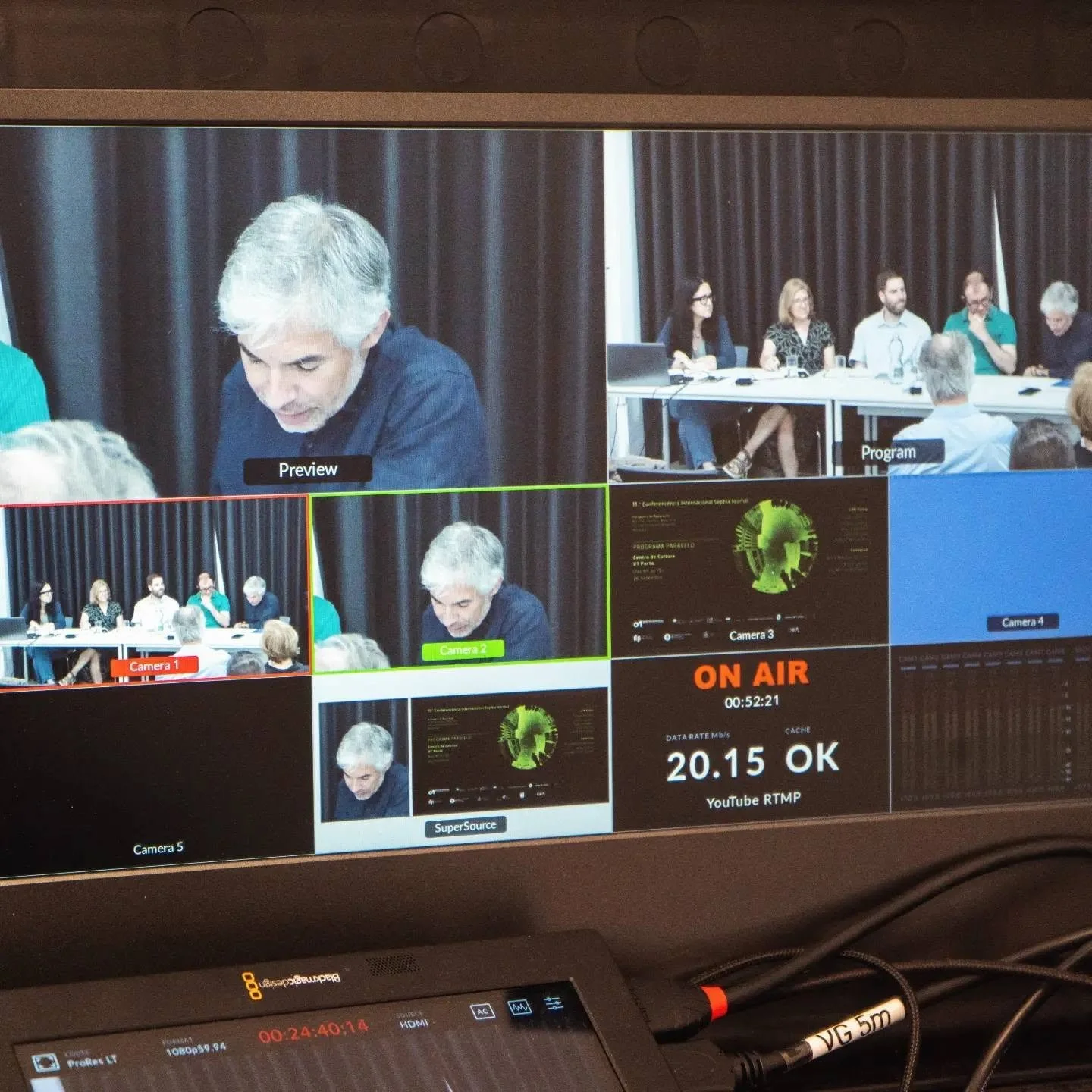
CONFERENCE LIVE STREAMING YOUTUBE
https://www.youtube.com/@etsabescolatecnicasuperior7980

Free prior registration: becaria.dpa@upc.edu

The 10th Sophia Journal International Conference will take place on November 21 and 22, 2025, at the UPC – Escola Técnica Superior de Arquitetura de Barcelona (E.T.S.A.B), marking a new stage in the cycle of international meetings dedicated to exploration critique of the intersections between image and architecture. 

Under the theme Landscapes of Repair: The Role of Photography and Film in Documenting the Legacy of Modern and Contemporary Architecture and Public Spaces, the conference invites reflection on the way photography, cinema and other visual practices document, interpret and reimagine modern and contemporary architecture, as cities and public spaces. 

Giving continuity to Sophia's fourth thematic cycle, “Landscapes of Repair”, the conference proposes a humanist approach to urban transformation, focused on the urgent need to repair the planet and its fragmented territories.

Through photography and cinema, the aim is to discuss the role of images in understanding and regenerating urban landscapes and contemporary environments. Organized by the UPC – Escola de Arquitetura de Barcelona (ET.S.A.B), this edition reinforces the international vocation of Sophia Journal and its link to Scientific publication of the same name, a peer-reviewed magazine that, for more than a decade, has promoted interdisciplinary debate between art, image and architecture.

The program includes:

  • Thematic roundtables dedicated to communications selected from Sophia's work class;

  • Presentation of articles and visual essays submitted to conference;Launch of the new volume of Sophia magazine (Vol. 11);

  • Presentation of the winning photographic series and publication of the LFA Prize;Exhibition “ARXIU ICARIÀ 1987–1992 / Choreography of a territory in transformation”, by Martí Llorens;

  • Visit to the Oriol Bohigas Library, with a curated by Neus Vilaplana.

The conference will bring together international researchers, artists and academics to discuss projects that use visuals in research, preservation and interpretation of modern and contemporary architectural heritage, and in the analysis of the dynamics of transformation of urban spaces.

Sophia Journal and a E.T.S.A.B – UPC invites the entire academic community and interested public to participate in this meeting that celebrates ten editions of reflection and interdisciplinary creation around image and architecture.

More information, registration and access to the book of abstracts found are available on the official site of the conference


10.ª CONFERÊNCIA INTERNACIONAL DA SOPHIA JOURNAL | 21 / 22 de novembro | UPC - Escola Superior de Arquitetura de Barcelona - E.T.S.A.B - Notícia


Escola Superior de Arquitetura de Barcelona - E.T.S.A.B – acolhe a 10.ª Conferência Internacional da Sophia Journal | 21 / 22 de novembro

PT/ENG

Landscapes of Repair: the Role of Photography and Film in Documenting the Legacy of Modern and Contemporary Architecture and Public Spaces

CONFERENCE LIVE STREAMING YOUTUBE
https://www.youtube.com/@etsabescolatecnicasuperior7980

Free prior registration: becaria.dpa@upc.edu

A 10.ª Conferência Internacional da Sophia Journal terá lugar nos dias 21 e 22 de novembro de 2025, na UPC – Escola Técnica Superior de Arquitetura de Barcelona (E.T.S.A.B), marcando uma nova etapa no ciclo de encontros internacionais dedicados à exploração crítica das interseções entre imagem e arquitetura.

Sob o tema Landscapes of Repair: The Role of Photography and Film in Documenting the Legacy of Modern and Contemporary Architecture and Public Spaces, a conferência convida à reflexão sobre o modo como a fotografia, o cinema e outras práticas visuais documentam, interpretam e reimaginam a arquitetura moderna e contemporânea, as cidades e os espaços públicos.

Dando continuidade ao quarto ciclo temático da Sophia, “Paisagens de Reparação”, o encontro propõe uma abordagem humanista à transformação urbana, centrada na necessidade urgente de reparar o planeta e os seus territórios fragmentados. Através da fotografia e do cinema, pretende-se discutir o papel das imagens na compreensão e na regeneração das paisagens urbanas e ambientais contemporâneas.

Organizada pela UPC – Escola de Arquitetura de Barcelona (E.T.S.A.B), esta edição reforça a vocação internacional da Sophia Journal e a sua ligação à publicação científica homónima, revista com revisão por pares que, há mais de uma década, promove o debate interdisciplinar entre arte, imagem e arquitetura.

O programa inclui:

  • Mesas-redondas temáticas dedicadas às comunicações selecionadas da chamada de trabalhos da Sophia;

  • Apresentação de artigos e ensaios visuais submetidos à conferência;

  • Lançamento do novo volume da revista Sophia (Vol. 11);

  • Apresentação da série fotográfica vencedora e publicação do Prémio LFA;

  • Exposição “ARXIU ICARIÀ 1987–1992 / Coreografia d’un territori en transformació”, de Martí Llorens;

  • Visita à Biblioteca Oriol Bohigas, com a curadoria de Neus Vilaplana.

A conferência reunirá investigadores, artistas e académicos internacionais para discutir projetos que utilizam meios visuais na investigação, preservação e interpretação do património arquitetónico moderno e contemporâneo, e na análise das dinâmicas de transformação dos espaços urbanos.

Sophia Journal e a E.T.S.A.B – UPC convidam toda a comunidade académica e o público interessado a participar neste encontro que celebra dez edições de partilha, reflexão e criação interdisciplinar em torno da imagem e da arquitetura.

Mais informações, inscrições e acesso ao livro de resumos encontram-se disponíveis no site oficial da conferência


Between Memory and Ideation: Camilo Rebelo Celebrates His Trajectory at the House of Architecture


Between Memory and Ideation: Camilo Rebelo Celebrates His Trajectory at the House of Architecture

PT / ENG

Camilo Rebelo donates his collection to the House of Architecture and presents the book AKIK

The House of Architecture – Portuguese Center for Architecture hosted, on November 4th, the donation ceremony of the collection of architect Camilo Rebelo, in a moment of special significance for the institution and for the appreciation of contemporary Portuguese architecture.

The session, which took place in the Álvaro Siza Space, was attended by a large audience composed of students, colleagues, family and friends of the architect, as well as a broad public interested in the themes of architectural creation.

At the ceremony, Nuno Sampaio, Executive Director of the House of Architecture, and architect Teresa Fonseca made high-quality and sensitive interventions, highlighting the relevance of this incorporation to the institution's contemporary heritage and the symbolic value of the donation. In their speeches, both highlighted the uniqueness, coherence, and poetic dimension of Camilo Rebelo's practice and work, which, through its creativity and conceptual rigor, occupies an unavoidable place in contemporary Portuguese architecture. This was followed by the formal signing of the protocol, marked by a particularly emotional moment for Camilo Rebelo, who expressed the personal and professional significance of this gesture, describing it as an act of sharing and continuity.

The now-integrated collection brings together 18 projects developed between 2000 and 2020, encompassing emblematic works such as the Côa Museum, the Promise in Grândola, and several international projects carried out in Switzerland, Greece, Poland, and the United States. It is a living and expanding donation that will accompany the future development of Camilo Rebelo's studio.

After the ceremony, there was a presentation of the book AKIK, authored by Camilo Rebelo and published by scopio Editions. The session—conducted with sensitivity and clarity by architect Isa Clara Neves—brought together the author, editor Pedro Leão Neto, and Nuno Sampaio in an engaging and enlightening dialogue about ideation, design practice, and the poetics of architecture.

The conversation stood out for its conceptual density and its closeness to the audience, reflecting on the role of the book as a unique medium for architectural communication, extending the thought and gesture of the project. Pedro Leão Neto emphasized the importance of AKIK in the editorial and critical context of architecture, explaining that more than a book about works, AKIK proposes a dive into the creative process, exploring the tensions between intuition, memory, and construction, and the search for the poetic meaning of space. AKIK continues the reflection begun with OLIM, expanding it into a more essayistic and intimate register, where text and image dialogue to reveal the mental and poetic dimension of architectural creation.

The event concluded with an atmosphere of sharing and celebration, reaffirming the deep connection between Camilo Rebelo and the Casa da Arquitectura and their shared commitment to preserving, studying, and disseminating contemporary architectural heritage.


A Dialogue on Ideation and the Practice of Design

AKIK continues the line of reflection begun with OLIM, but expands it into a more essayistic and intimate register, exploring how ideas emerge, organize themselves, and transform into architectural matter.

More than a book about works, AKIK proposes a dive into the ideation process, into the tensions between intuition, memory, and construction, and into the search for the poetic meaning of space.

In the conversation accompanying this presentation, the author will share reflections on architectural practice with the audience, crossing thought, experience, and image. The dialogue between Camilo Rebelo and Pedro Leão Neto – moderated by Isa Clara Neves – will seek to reveal how architecture can also be a form of writing, and the book a sensitive extension of the project.

A book born from the intersection of art, mind, and architecture

Published by scopio Editions, an independent imprint coordinated by the Architecture, Art and Image (AAI) research group of the Center for Architecture and Urbanism Studies (CEAU-FAUP), AKIK is part of a collection that explores the relationship between architecture, photography, and visual thought. Each copy is conceived as a unique object, where text and image dialogue to reveal the mental and poetic dimension of architecture.

This presentation at the Casa da Arquitectura follows the donation ceremony of Camilo Rebelo's collection, reinforcing the connection between the author and the institution, and highlighting the shared commitment to the preservation, study, and dissemination of contemporary architectural heritage.

AKIK, by Camilo Rebelo
SCOPIO EDITIONS AUTHOR’S BOOK COLLECTION 
Porto, 2025 
ISBN 978-989-36273-0-3
152 pages

About the AKIK book
AKIK bookis focused on communicating Camilo Rebelo's ideas and built work, allowing to hint at the relationships between the images representing the built or proposed architecture and the author's logic, intuition and poetics for its spaces. Thus, the book's spreads combine the text on each project with a visual representation and the type and diversity of those representations that envisage Camilo's rich design process and architectural project. At the same time, you can perceive from those visuals how the making of Camilo's architecture is very much based on intuition and a rich exploration of diverse design tools where the force is in the mind, as can be seen with other many great architects

Previsualize the book

Pré-encomenda
 

Entre a memória e a ideação: Camilo Rebelo celebra o seu percurso na Casa da Arquitectura


Entre a memória e a ideação: Camilo Rebelo celebra o seu percurso na Casa da Arquitectura

PT / ENG

Camilo Rebelo doa o seu acervo à Casa da Arquitectura e apresenta o livro AKIK

A Casa da Arquitectura – Centro Português de Arquitectura recebeu, no passado dia 4 de novembro, a cerimónia de doação do acervo do arquiteto Camilo Rebelo, num momento de especial significado para a instituição e para a valorização da arquitetura contemporânea portuguesa.

A sessão, que teve lugar no Espaço Álvaro Siza, contou com uma plateia numerosa composta por alunos, colegas, familiares e amigos do arquiteto, bem como por um público vasto e interessado nas temáticas da criação arquitetónica.

Na cerimónia, Nuno Sampaio, Diretor Executivo da Casa da Arquitectura, e a arquiteta Teresa Fonseca proferiram intervenções de elevada qualidade e sensibilidade, sublinhando a relevância desta incorporação para o património contemporâneo da instituição e o valor simbólico da doação. Nas suas palavras, ambos destacaram a singularidade, a coerência e a dimensão poética da prática e obra de Camilo Rebelo, que, pela sua criatividade e rigor conceptual, ocupa um lugar incontornável na arquitetura portuguesa contemporânea. Seguiu-se a assinatura formal do protocolo, marcada por um momento particularmente emocionado de Camilo Rebelo, que expressou o significado pessoal e profissional deste gesto, descrevendo-o como um ato de partilha e de continuidade.

O acervo agora integrado reúne 18 projetos desenvolvidos entre 2000 e 2020, abrangendo obras emblemáticas como o Museu do Côa, o Promise em Grândola, e diversos projetos internacionais realizados na Suíça, Grécia, Polónia e Estados Unidos. Trata-se de uma doação viva e em expansão, que acompanhará o desenvolvimento futuro do atelier de Camilo Rebelo.

Após a cerimónia, teve lugar a apresentação do livro AKIK, da autoria de Camilo Rebelo, publicado pela scopio Editions. A sessão — conduzida com sensibilidade e clareza pela arquiteta Isa Clara Neves — reuniu o autor, o editor Pedro Leão Neto e Nuno Sampaio num diálogo envolvente e esclarecedor sobre ideação, prática projetual e poética da arquitetura.

A conversa destacou-se pela densidade conceptual e pela proximidade com o público, refletindo sobre o papel do livro enquanto suporte singular de comunicação arquitetónica, prolongando o pensamento e o gesto do projeto.
Pedro Leão Neto sublinhou a importância de AKIK no contexto editorial e crítico da arquitetura, explicando que mais do que um livro sobre obras, AKIK propõe um mergulho no processo criativo, explorando as tensões entre intuição, memória e construção, e a procura do sentido poético do espaço.
AKIK dá continuidade à reflexão iniciada com OLIM, expandindo-a num registo mais ensaístico e íntimo, onde texto e imagem dialogam para revelar a dimensão mental e poética da criação arquitetónica.

O evento encerrou com um ambiente de partilha e celebração, reafirmando a ligação profunda entre Camilo Rebelo e a Casa da Arquitectura e o compromisso comum de preservar, estudar e divulgar o património arquitetónico contemporâneo.

Um diálogo sobre a ideação e a prática do projeto

AKIK dá continuidade à linha de reflexão iniciada com OLIM, mas expande-a num registo mais ensaístico e íntimo, explorando o modo como as ideias emergem, se organizam e se transformam em matéria arquitetónica.
Mais do que um livro sobre obras, AKIK propõe um mergulho no processo de ideação, nas tensões entre intuição, memória e construção, e na procura do sentido poético do espaço.

Na conversa que acompanha esta apresentação, o autor partilhará com o público reflexões sobre o fazer arquitetónico, cruzando pensamento, experiência e imagem. O diálogo entre Camilo Rebelo e Pedro Leão Neto – sob a moderação de Isa Clara Neves – procurará revelar o modo como a arquitetura pode ser também uma forma de escrita, e o livro um prolongamento sensível do projeto.


Um livro que nasce do cruzamento entre arte, mente e arquitetura

Editado pela scopio Editions, chancela independente coordenada pelo grupo de investigação Arquitectura, Arte e Imagem (AAI) do Centro de Estudos de Arquitectura e Urbanismo (CEAU-FAUP), AKIK insere-se numa coleção que explora a relação entre arquitetura, fotografia e pensamento visual.
Cada exemplar é concebido como um objeto singular, onde texto e imagem dialogam para revelar a dimensão mental e poética da arquitetura.

Esta apresentação na Casa da Arquitectura sucede à cerimónia de doação do acervo de Camilo Rebelo, reforçando a ligação entre o autor e a instituição, e sublinhando o compromisso partilhado na preservação, estudo e divulgação do património arquitetónico contemporâneo.

AKIK, by Camilo Rebelo
SCOPIO EDITIONS AUTHOR’S BOOK COLLECTION 
Porto, 2025 
ISBN 978-989-36273-0-3
152 pages

About the AKIK book
AKIK bookis focused on communicating Camilo Rebelo's ideas and built work, allowing to hint at the relationships between the images representing the built or proposed architecture and the author's logic, intuition and poetics for its spaces. Thus, the book's spreads combine the text on each project with a visual representation and the type and diversity of those representations that envisage Camilo's rich design process and architectural project. At the same time, you can perceive from those visuals how the making of Camilo's architecture is very much based on intuition and a rich exploration of diverse design tools where the force is in the mind, as can be seen with other many great architects

Pre-visualizar o livro

Pré-encomenda
 

Presentation of the book AKIK, by Camilo Rebelo, at the Casa da Arquitetura


Presentation of the book AKIK, by Camilo Rebelo, at the Casa da Arquitetura

November 4th, 5:30 PM, Casa da Arquitetura


PT / ENG

A conversation about architecture, ideation, and the poetics of design, following the donation of the architect's archive to the Casa da Arquitetura

On November 4th, at 5:30 PM, the Casa da Arquitectura – Centro Português de Arquitectura will host the Donation Ceremony of the archive of architect Camilo Rebelo, a significant moment for the institution and for the appreciation of the memory of contemporary Portuguese architecture.

Immediately after the ceremony, the book AKIK, authored by Camilo Rebelo and published by scopio Editions, will be presented in a conversation with the author and editor Pedro Leão Neto, moderated by Isa Clara Neves, and with the presence of the executive director of the Casa da Arquitetura, Nuno Sampaio.

A Dialogue on Ideation and the Practice of Design

AKIK continues the line of reflection begun with OLIM, but expands it into a more essayistic and intimate register, exploring how ideas emerge, organize themselves, and transform into architectural matter.

More than a book about works, AKIK proposes a dive into the ideation process, into the tensions between intuition, memory, and construction, and into the search for the poetic meaning of space.

In the conversation accompanying this presentation, the author will share reflections on architectural practice with the audience, crossing thought, experience, and image. The dialogue between Camilo Rebelo and Pedro Leão Neto – moderated by Isa Clara Neves – will seek to reveal how architecture can also be a form of writing, and the book a sensitive extension of the project.

A book born from the intersection of art, mind, and architecture

Published by scopio Editions, an independent imprint coordinated by the Architecture, Art and Image (AAI) research group of the Center for Architecture and Urbanism Studies (CEAU-FAUP), AKIK is part of a collection that explores the relationship between architecture, photography, and visual thought. Each copy is conceived as a unique object, where text and image dialogue to reveal the mental and poetic dimension of architecture.

This presentation at the Casa da Arquitectura follows the donation ceremony of Camilo Rebelo's collection, reinforcing the connection between the author and the institution, and highlighting the shared commitment to the preservation, study, and dissemination of contemporary architectural heritage.

The book AKIK will be available for sale during the session and at the Casa da Arquitectura shop.

Event Details

  • Date: November 4, 2025

  • Time: 5:30 PM

  • Location: Casa da Arquitectura – Centro Português de Arquitectura, Matosinhos

  • Event: Donation Ceremony of the Camilo Rebelo Archive, followed by the presentation of the book AKIK

  • Participants:

    • Camilo Rebelo (author)

    • Nuno Sampaio (executive director of Casa da Arquitetura)

    • Pedro Leão Neto (editor, scopio Editions / CEAU-FAUP)

    • Moderation: Isa Clara Neves

  • Organization: Casa da Arquitectura / scopio Editions / CEAU-FAUP

  • Book available for sale during the session and at the CA store.

AKIK, by Camilo Rebelo
SCOPIO EDITIONS AUTHOR’S BOOK COLLECTION 
Porto, 2025 
ISBN 978-989-36273-0-3
152 pages

About the AKIK book
AKIK bookis focused on communicating Camilo Rebelo's ideas and built work, allowing to hint at the relationships between the images representing the built or proposed architecture and the author's logic, intuition and poetics for its spaces. Thus, the book's spreads combine the text on each project with a visual representation and the type and diversity of those representations that envisage Camilo's rich design process and architectural project. At the same time, you can perceive from those visuals how the making of Camilo's architecture is very much based on intuition and a rich exploration of diverse design tools where the force is in the mind, as can be seen with other many great architects

Preview the book

Pré-encomenda
 

Apresentação do livro AKIK, de Camilo Rebelo, na Casa da Arquitectura


Apresentação do livro AKIK, de Camilo Rebelo, na Casa da Arquitectura

4 de novembro, pelas 17h30, Casa da Arquitectura


PT / ENG

Uma conversa sobre arquitetura, ideação e poética do projeto, após a doação do acervo do arquiteto à Casa da Arquitectura

No próximo dia 4 de novembro, pelas 17h30, a Casa da Arquitectura – Centro Português de Arquitectura acolhe a Cerimónia de Doação do acervo do arquiteto Camilo Rebelo, um momento marcante para a instituição e para a valorização da memória da arquitetura contemporânea portuguesa.

Logo após a cerimónia, será apresentado o livro AKIK, da autoria de Camilo Rebelo, publicado pela scopio Editions, num momento de conversa com o autor e o editor Pedro Leão Neto, moderado por Isa Clara Neves, e com a presença do diretor executivo da Casa da Arquitectura, Nuno Sampaio.

Um diálogo sobre a ideação e a prática do projeto

AKIK dá continuidade à linha de reflexão iniciada com OLIM, mas expande-a num registo mais ensaístico e íntimo, explorando o modo como as ideias emergem, se organizam e se transformam em matéria arquitetónica.
Mais do que um livro sobre obras, AKIK propõe um mergulho no processo de ideação, nas tensões entre intuição, memória e construção, e na procura do sentido poético do espaço.

Na conversa que acompanha esta apresentação, o autor partilhará com o público reflexões sobre o fazer arquitetónico, cruzando pensamento, experiência e imagem. O diálogo entre Camilo Rebelo e Pedro Leão Neto – sob a moderação de Isa Clara Neves – procurará revelar o modo como a arquitetura pode ser também uma forma de escrita, e o livro um prolongamento sensível do projeto.


Um livro que nasce do cruzamento entre arte, mente e arquitetura

Editado pela scopio Editions, chancela independente coordenada pelo grupo de investigação Arquitectura, Arte e Imagem (AAI) do Centro de Estudos de Arquitectura e Urbanismo (CEAU-FAUP), AKIK insere-se numa coleção que explora a relação entre arquitetura, fotografia e pensamento visual.
Cada exemplar é concebido como um objeto singular, onde texto e imagem dialogam para revelar a dimensão mental e poética da arquitetura.

Esta apresentação na Casa da Arquitectura sucede à cerimónia de doação do acervo de Camilo Rebelo, reforçando a ligação entre o autor e a instituição, e sublinhando o compromisso partilhado na preservação, estudo e divulgação do património arquitetónico contemporâneo.


O livro AKIK estará disponível para venda durante a sessão e na loja da Casa da Arquitectura.

Ficha do evento

  • Data: 4 de novembro de 2025

  • Hora: 17h30

  • Local: Casa da Arquitectura – Centro Português de Arquitectura, Matosinhos

  • Evento: Cerimónia de Doação do acervo do arquiteto Camilo Rebelo, seguida da Apresentação do livro AKIK

  • Participantes:

    • Camilo Rebelo (autor)

    • Nuno Sampaio (diretor executivo da Casa da Arquitectura)

    • Pedro Leão Neto (editor, scopio Editions / CEAU-FAUP)

    • Moderação: Isa Clara Neves

  • Organização: Casa da Arquitectura / scopio Editions / CEAU-FAUP

  • Livro disponível para venda durante a sessão e na loja da CA.

AKIK, by Camilo Rebelo
SCOPIO EDITIONS AUTHOR’S BOOK COLLECTION 
Porto, 2025 
ISBN 978-989-36273-0-3
152 pages

About the AKIK book
AKIK bookis focused on communicating Camilo Rebelo's ideas and built work, allowing to hint at the relationships between the images representing the built or proposed architecture and the author's logic, intuition and poetics for its spaces. Thus, the book's spreads combine the text on each project with a visual representation and the type and diversity of those representations that envisage Camilo's rich design process and architectural project. At the same time, you can perceive from those visuals how the making of Camilo's architecture is very much based on intuition and a rich exploration of diverse design tools where the force is in the mind, as can be seen with other many great architects

Pre-visualizar o livro

Pré-encomenda
 

Last Guided Tour of the LFA Award Exhibition “A Contemporary Look at Architecture


Last Guided Tour of the LFA Award Exhibition “A Contemporary Look at Architecture”

The session is open to the general public - 8th NOVEMBER, SATURDAY, at 11:30 a.m. - ANTIGA CASA DA CÂMARA - next to SÉ DO PORTO

EN / PT

Following the success of the open class on 3 October, which brought together the academic community of the University of Porto around the Luis Ferreira Alves Award exhibition at the Old Town Hall, a new guided tour open to the public will take place next Saturday, 8 November.

The session will be covered by Canal 180, reinforcing the visibility of this initiative that brings the city, professionals and the general public closer to the contemporary languages of photography and architecture.

Lasting approximately one hour, the tour offers an opportunity for discovery and dialogue around the Luis Ferreira Alves Award exhibition – International Photography Competition “A Contemporary Look at Architecture”. The main guide will be Pedro Leão Neto, coordinator of the Award and lecturer at the Faculty of Architecture of the University of Porto (FAUP), where he is a researcher and teaches several courses dedicated to photography and architectural project communication.

The tour includes a brief introduction to the context and objectives of the Award, a presentation of the winning series and honourable mentions, and a guided tour of the exhibition with five thematic stops. The proposed readings address different ways of representing built space — from a poetic and sensitive perspective to photography as an instrument of research and memory. Researchers Maria Neto and Ana Miriam Rebelo (AAI) will also participate, contributing complementary perspectives on image, territory, and architecture.

These actions to promote the Luis Ferreira Alves Award count on the active collaboration of all partners, with special emphasis on the main promoter, the Porto City Council (CMP), and FAUP, the organising entity and research headquarters of Pedro Leão Neto. The aim is to bring the city and the community closer together, stimulate public interest in architectural photography and create a meeting place for authors, students and citizens curious about how images help to understand heritage and urban life.

The visit is free and open to everyone, being aimed at students, photographers, architects, teachers, researchers, municipal technicians and anyone interested in the relationship between image, architecture and the city.

Through this and future initiatives, the Luis Ferreira Alves Award reinforces its role as a platform for dialogue between art, architecture and society, promoting contemporary visual culture and broad access to knowledge and reflection on the space we inhabit.

Technical Details

Date: Saturday, 8 November

Location: Antiga Casa da Câmara, Porto

Duration: 11:30 a.m. – 12:35 p.m.

Coordination: Pedro Leão Neto (FAUP / LFA Award)

Guests: Architect Maria Neto (AAI) and Researcher Ana Miriam Rebelo (AAI)

Organisation: Luís Ferreira Alves Award / FAUP

With the support of: Porto City Council

Coverage: Canal 180

Admission is free, and the organisers recommend registering in advance

ABOUT THE Exhibition and Publication Launched in the Heart of Porto

On 12 September 2025, the Old Town Hall hosted the official award ceremony, the opening of the exhibition and the launch of the publication of the 1st edition of the Luis Ferreira Alves International Photography Award.

The event brought together architects, photographers, students, institutional representatives and the public, with the presence of the honouree's family and friends, his widow and founder of the award, Catarina Providência, as well as the winners: Cyril Weiner (2nd Prize), Sergio Belinchón (3rd Prize), Amelia Lancaster (Special Mention) and the representative of Iranian photographer Maho (1st Prize).

The members of the international jury — architect Eduardo Souto de Moura and photographer Hélène Binet — were also present, reinforcing the prestige of the initiative.


Video of event

Bilingual publication with international distribution

One of the highlights of the session was the presentation of the publication Prémio Luis Ferreira Alves | Edição 2025 (Luis Ferreira Alves Award | 2025 Edition) by the award coordinator and editor, architect Pedro Leão Neto. This is a bilingual (Portuguese-English) curatorial work that brings together the distinguished photographic series, accompanied by critical essays and reflections on architecture.

Bookstore

The result of a partnership between scopio Editions and the Spanish publisher Turner, the book guarantees wide international distribution, reinforcing the ambition to project the award to new audiences and geographies.

Award ceremony and jury's voice

This was followed by the presentation of the awards to the winners, attended by representatives of the sponsors: Filipa Varela, representing CIN (1st Prize); Ana Feijó Cunha, representing BPI/Fundação “la Caixa” (2nd Prize); and Maria Barreiro, representing Canon Portugal (3rd Prize).

Before the exhibition opened to the public, photographer Hélène Binet, representing the jury, shared a critical review of the winning works and the relevance of the award, emphasising the importance of photographic series that, in addition to their aesthetic quality, reveal narrative strength, consistency and critical reflection on architecture. 

Exhibition open until 3 November

The exhibition, now open at the Antiga Casa da Câmara, in Terreiro da Sé, will run until 30 November 2025. It brings together the award-winning and distinguished series, contextualised with critical texts, offering the public an immersion in architectural photography as an instrument of cultural and social reflection.

The choice of venue reinforces the symbolic dimension of the event, bringing Luis Ferreira Alves' legacy closer to the architectural tradition of the city and the work of Fernando Távora, a master with whom he worked continuously, alongside Álvaro Siza and Eduardo Souto de Moura. 

A network of institutional partnerships

The Luis Ferreira Alves Award is promoted under an agreement between the photographer's heirs and the competition organisers — Porto City Council (CMP) and Cityscopio – Cultural Association (CCA).

It also has the institutional support of the Faculty of Architecture of the University of Porto (FAUP), the Northern Regional Coordination and Development Commission (CCDR-N), the Marques da Silva Foundation Institute (FIMS), the Order of Architects (OA) and the House of Architecture – Portuguese Centre for Architecture (strategic partner of the competition).

The project is also sponsored by CIN, BPI/Fundação “la Caixa” and Canon, and has Metro do Porto, Panoramah! and AMAG as communication partners.

A platform for memory and the future

With 1,495 entries from 99 countries, the first edition of the Luis Ferreira Alves Award established itself as an international platform for critical reflection on architecture through photography.

More than a gesture of homage, this cultural initiative extends the legacy of Luis Ferreira Alves, a photographer and humanist who projected Portuguese architecture beyond borders, while inaugurating a space for thought and debate with its own identity and ambition.


Visita Guiada “Um Olhar Contemporâneo sobre a Arquitetura” leva o público à exposição do Prémio Luís Ferreira Alves na Antiga Casa da Câmara


ÚLTIMA Visita Guiada à exposição do Prémio LFA “Um Olhar Contemporâneo sobre a Arquitetura”

A sessão é aberta ao público geral - dia 8 de NOVEMBRO, SÁBADO, pelas 11:30h - ANTIGA CASA DA CÂMARA - ao lado da SÉ DO PORTO

EN / PT

Depois do sucesso da aula aberta de 3 de outubro, que reuniu a comunidade académica da Universidade do Porto em torno da exposição do Prémio Luis Ferreira Alves na Antiga Casa da Câmara, realiza-se no próximo sábado, 8 de novembro, uma nova visita guiada aberta ao público.

A sessão será coberta pelo Canal 180, reforçando a visibilidade desta iniciativa que aproxima a cidade, os profissionais e o público em geral das linguagens contemporâneas da fotografia e da arquitetura.

Com duração aproximada de uma hora, a visita oferece uma oportunidade de descoberta e diálogo em torno da exposição do Prémio Luis Ferreira Alves – Concurso Internacional de Fotografia “Um Olhar Contemporâneo sobre a Arquitetura”. O guia principal será Pedro Leão Neto, coordenador do Prémio e docente da Faculdade de Arquitetura da Universidade do Porto (FAUP), onde é investigador e regente de várias unidades curriculares dedicadas à fotografia e à comunicação de projeto de arquitetura.

O percurso inclui uma breve introdução ao contexto e objetivos do Prémio, a apresentação das séries premiadas e das menções honrosas, e uma visita comentada à exposição com cinco paragens temáticas. As leituras propostas abordam diferentes formas de representar o espaço construído — desde o olhar poético e sensível até à fotografia enquanto instrumento de investigação e memória. Participam ainda as investigadoras Maria Neto e Ana Miriam Rebelo (AAI), que contribuirão com perspetivas complementares sobre imagem, território e arquitetura.

Estas ações de divulgação do Prémio Luis Ferreira Alves contam com a colaboração ativa de todos os parceiros, com especial destaque para o promotor principal, a Câmara Municipal do Porto (CMP), e para a FAUP, entidade organizadora e sede de investigação de Pedro Leão Neto. O objetivo é aproximar a cidade e a comunidade, estimular o interesse do público pela fotografia de arquitetura e criar um espaço de encontro entre autores, estudantes e cidadãos curiosos sobre o modo como a imagem ajuda a compreender o património e a vida urbana.

A visita é gratuita e aberta a todos e dirige-se a estudantes, fotógrafos, arquitetos, docentes, investigadores, técnicos municipais e a todas as pessoas interessadas na relação entre imagem, arquitetura e cidade.

Através desta e de futuras iniciativas, o Prémio Luís Ferreira Alves reforça o seu papel como plataforma de diálogo entre arte, arquitetura e sociedade, promovendo a cultura visual contemporânea e o acesso alargado ao conhecimento e à reflexão sobre o espaço que habitamos.

Ficha Técnica

  • Data: Sábado, 8 de novembro

  • Local: Antiga Casa da Câmara, Porto

  • Duração: 11h30 – 12h35

  • Coordenação: Pedro Leão Neto (FAUP / Prémio LFA)

  • Convidadas: Arq.ª Maria Neto (AAI) e Inv.ª Ana Miriam Rebelo (AAI)

  • Organização: Prémio Luis Ferreira Alves / FAUP

  • Com o apoio: Câmara Municipal do Porto

  • Cobertura: Canal 180

  • Entrada livre e a organização aconselha a efetuar uma inscrição prévia.

SOBRE A Exposição e Publicação Lançadas no Coração do Porto

A Antiga Casa da Câmara acolheu, no passado dia 12 de setembro de 2025, a cerimónia oficial de entrega de prémios, a abertura da exposição e o lançamento da publicação da 1.ª edição do Prémio Internacional de Fotografia Luis Ferreira Alves.

O evento reuniu arquitetos, fotógrafos, estudantes, representantes institucionais e público, contando com a presença da família e amigos do homenageado, a viúva e fundadora do prémio, Catarina Providência, bem como dos premiados: Cyril Weiner (2.º Prémio), Sergio Belinchón (3.º Prémio), Amelia Lancaster (Menção Especial) e o representante do fotógrafo iraniano Maho (1.º Prémio).

Também marcaram presença os membros do júri internacional — o arquiteto Eduardo Souto de Moura e a fotógrafa Hélène Binet —, reforçando o prestígio da iniciativa.

Vídeo de evento inaugural

PUBLICAÇÃO BILINGUE COM DISTRIBUIÇÃO INTERNACIONAL

Um dos momentos altos da sessão foi a apresentação da publicação Prémio Luis Ferreira Alves | Edição 2025, pelo coordenador do prémio e editor, Arq. Pedro Leão Neto. Trata-se de uma obra bilingue (português–inglês) com caráter curatorial, que reúne as séries fotográficas distinguidas, acompanhadas de ensaios críticos e reflexões sobre arquitetura.

Bookstore

Resultado de uma parceria entre a scopio Editions e a editora espanhola Turner, o livro garante ampla distribuição internacional, reforçando a ambição de projetar o prémio para novos públicos e geografias.

ENTREGA DE PRÉMIOS E VOZ DO JÚRI

Seguiu-se a entrega dos prémios aos vencedores, realizada com a presença dos representantes dos patrocinadores: Filipa Varela, em representação da CIN (1.º Prémio); Ana Feijó Cunha, em representação do BPI/Fundação “la Caixa” (2.º Prémio); e Maria Barreiro, em representação da Canon Portugal (3.º Prémio).

Antes da abertura da exposição ao público, a fotógrafa Hélène Binet, em representação do júri, partilhou uma leitura crítica sobre os trabalhos distinguidos e sobre a relevância do prémio, sublinhando a importância de séries fotográficas que, além da qualidade estética, revelam força narrativa, consistência e reflexão crítica sobre a arquitetura.

EXPOSIÇÃO PATENTE ATÉ 30 DE NOVEMBRO

A exposição agora inaugurada na Antiga Casa da Câmara, no Terreiro da Sé, estará patente até 30 de novembro de 2025. Reúne as séries premiadas e distinguidas, contextualizadas com textos críticos, oferecendo ao público um mergulho na fotografia de arquitetura como instrumento de reflexão cultural e social.

A escolha do espaço reforça a dimensão simbólica do evento, aproximando o legado de Luis Ferreira Alves da tradição arquitetónica da cidade e da obra de Fernando Távora, mestre com quem trabalhou de forma continuada, a par de Álvaro Siza e Eduardo Souto de Moura.

UMA REDE DE PARCERIAS INSTITUCIONAIS

O Prémio Luis Ferreira Alves é promovido no âmbito de um protocolo estabelecido entre os herdeiros do fotógrafo e os promotores do concurso — a Câmara Municipal do Porto (CMP) e a Cityscopio – Associação Cultural (CCA).

Conta ainda com o apoio institucional da Faculdade de Arquitetura da Universidade do Porto (FAUP), da Comissão de Coordenação e Desenvolvimento Regional do Norte (CCDR-N), do Instituto Fundação Marques da Silva (FIMS), da Ordem dos Arquitetos (OA) e da Casa da Arquitectura – Centro Português de Arquitectura (parceira estratégica do concurso).

O projeto tem ainda como patrocinadores a CIN, o BPI/Fundação “la Caixa” e a Canon, e como parceiros de comunicação o Metro do Porto, a Panoramah! e a AMAG.

UMA PLATAFORMA DE MEMÓRIA E FUTURO

Com 1.495 candidaturas de 99 países, a primeira edição do Prémio Luis Ferreira Alves afirmou-se como uma plataforma internacional de reflexão crítica sobre a arquitetura através da fotografia.

Mais do que um gesto de homenagem, esta iniciativa cultural prolonga o legado de Luis Ferreira Alves, fotógrafo e humanista que projetou a arquitetura portuguesa além-fronteiras, inaugurando ao mesmo tempo um espaço de pensamento e debate com identidade e ambição próprias.


Visita dos estudantes da ESMAD à exposição do Prémio Luis Ferreira Alves foi um sucesso


Visita dos estudantes da ESMAD à exposição do Prémio Luis Ferreira Alves

EN / PT

Na passada sexta-feira, 17 de outubro, um grupo de estudantes da Escola Superior de Media, Artes e Design (ESMAD) visitou a exposição de fotografia do Prémio Luis Ferreira Alves, patente na Antiga Casa da Câmara, junto à Sé do Porto.

Acompanhados pelos seus docentes de fotografia, os estudantes tiveram oportunidade de conhecer mais de perto a obra e o legado de Luís Ferreira Alves, compreendendo o papel fundamental que desempenhou na divulgação da arquitetura portuguesa através da fotografia.

A visita constituiu também um momento de reflexão sobre as diferentes formas como autores contemporâneos internacionais interpretam a arquitetura através das suas imagens, promovendo um diálogo enriquecedor entre a prática pedagógica e a investigação artística.

A exposição, que reúne as obras premiadas e as menções honrosas do Prémio Luis Ferreira Alves, reafirma a importância da fotografia como meio de diálogo entre arte, memória e espaço arquitetónico.

SOBRE A Exposição e Publicação Lançadas no Coração do Porto

A Antiga Casa da Câmara acolheu, no passado dia 12 de setembro de 2025, a cerimónia oficial de entrega de prémios, a abertura da exposição e o lançamento da publicação da 1.ª edição do Prémio Internacional de Fotografia Luis Ferreira Alves.

O evento reuniu arquitetos, fotógrafos, estudantes, representantes institucionais e público, contando com a presença da família e amigos do homenageado, a viúva e fundadora do prémio, Catarina Providência, bem como dos premiados: Cyril Weiner (2.º Prémio), Sergio Belinchón (3.º Prémio), Amelia Lancaster (Menção Especial) e o representante do fotógrafo iraniano Maho (1.º Prémio).

Também marcaram presença os membros do júri internacional — o arquiteto Eduardo Souto de Moura e a fotógrafa Hélène Binet —, reforçando o prestígio da iniciativa.

Vídeo do Evento

INTERVENÇÃO DE RUI MOREIRA E SIMBOLISMO DO LUGAR

A sessão foi aberta pelo Presidente da Câmara Municipal do Porto, Dr. Rui Moreira, cuja intervenção reconheceu o mérito e a qualidade da iniciativa. Sublinhou a importância da obra de Luis Ferreira Alves na disseminação da arquitetura portuguesa e na projeção internacional de grandes mestres como Fernando Távora, Álvaro Siza e Eduardo Souto de Moura.

Recordou ainda o vínculo profundo do fotógrafo à cidade do Porto, que retratou como poucos, e destacou o caráter simbólico da escolha da Antiga Casa da Câmara para acolher a exposição — edifício projetado por Fernando Távora, arquiteto com quem Luis Ferreira Alves trabalhou de forma próxima ao longo da sua carreira, além de Álvaro Siza e Eduardo Souto de Moura.

PUBLICAÇÃO BILINGUE COM DISTRIBUIÇÃO INTERNACIONAL

Um dos momentos altos da sessão foi a apresentação da publicação Prémio Luis Ferreira Alves | Edição 2025, pelo coordenador do prémio e editor, Arq. Pedro Leão Neto. Trata-se de uma obra bilingue (português–inglês) com caráter curatorial, que reúne as séries fotográficas distinguidas, acompanhadas de ensaios críticos e reflexões sobre arquitetura.

Resultado de uma parceria entre a scopio Editions e a editora espanhola Turner, o livro garante ampla distribuição internacional, reforçando a ambição de projetar o prémio para novos públicos e geografias.

ENTREGA DE PRÉMIOS E VOZ DO JÚRI

Seguiu-se a entrega dos prémios aos vencedores, realizada com a presença dos representantes dos patrocinadores: Filipa Varela, em representação da CIN (1.º Prémio); Ana Feijó Cunha, em representação do BPI/Fundação “la Caixa” (2.º Prémio); e Maria Barreiro, em representação da Canon Portugal (3.º Prémio).

Antes da abertura da exposição ao público, a fotógrafa Hélène Binet, em representação do júri, partilhou uma leitura crítica sobre os trabalhos distinguidos e sobre a relevância do prémio, sublinhando a importância de séries fotográficas que, além da qualidade estética, revelam força narrativa, consistência e reflexão crítica sobre a arquitetura.

EXPOSIÇÃO PATENTE ATÉ 31 DE OUTUBRO

A exposição agora inaugurada na Antiga Casa da Câmara, no Terreiro da Sé, estará patente até 31 de outubro de 2025. Reúne as séries premiadas e distinguidas, contextualizadas com textos críticos, oferecendo ao público um mergulho na fotografia de arquitetura como instrumento de reflexão cultural e social.

A escolha do espaço reforça a dimensão simbólica do evento, aproximando o legado de Luis Ferreira Alves da tradição arquitetónica da cidade e da obra de Fernando Távora, mestre com quem trabalhou de forma continuada, a par de Álvaro Siza e Eduardo Souto de Moura.

UMA REDE DE PARCERIAS INSTITUCIONAIS

O Prémio Luis Ferreira Alves é promovido no âmbito de um protocolo estabelecido entre os herdeiros do fotógrafo e os promotores do concurso — a Câmara Municipal do Porto (CMP) e a Cityscopio – Associação Cultural (CCA).

Conta ainda com o apoio institucional da Faculdade de Arquitetura da Universidade do Porto (FAUP), da Comissão de Coordenação e Desenvolvimento Regional do Norte (CCDR-N), do Instituto Fundação Marques da Silva (FIMS), da Ordem dos Arquitetos (OA) e da Casa da Arquitectura – Centro Português de Arquitectura (parceira estratégica do concurso).

O projeto tem ainda como patrocinadores a CIN, o BPI/Fundação “la Caixa” e a Canon, e como parceiros de comunicação o Metro do Porto, a Panoramah! e a AMAG.

UMA PLATAFORMA DE MEMÓRIA E FUTURO

Com 1.495 candidaturas de 99 países, a primeira edição do Prémio Luis Ferreira Alves afirmou-se como uma plataforma internacional de reflexão crítica sobre a arquitetura através da fotografia.

Mais do que um gesto de homenagem, esta iniciativa cultural prolonga o legado de Luis Ferreira Alves, fotógrafo e humanista que projetou a arquitetura portuguesa além-fronteiras, inaugurando ao mesmo tempo um espaço de pensamento e debate com identidade e ambição próprias.

LFA WEBSITE

ESMAD NOTÍCIA