
By Joana Graça | OASRN
Landscapes of Repair — A Day of Research, Images and Shared Discussion in Porto
The scientific programme of the 11th Sophia Journal International Conference brought together different approaches to photography, architecture and repair, creating a lively space for exchange, debate and new encounters.
Book of abstracts
On 25 September 2026, the Portuguese Architects’ Association — Northern Regional Section (OASRN), in Porto, hosted the scientific programme of the 11th Sophia Journal International Conference — Landscapes of Repair: The Invisible City — Manplan and Contemporary Forms of Repair.
Bringing together researchers, architects, photographers and visual practitioners from different geographical and disciplinary contexts, the conference explored how architecture and visual practices can help us recognise conditions that frequently remain outside conventional forms of representation — from overlooked everyday spaces and threatened memories to processes of transformation, deterioration, adaptation, maintenance and care.
Taking the critical legacy of Manplan, published by The Architectural Review between 1969 and 1970, as a point of departure, the day returned repeatedly to a question that remains remarkably current: what becomes visible when architectural representation turns its attention away from the isolated building and towards human experience, everyday life and the wider social, political and cultural realities through which places are inhabited?
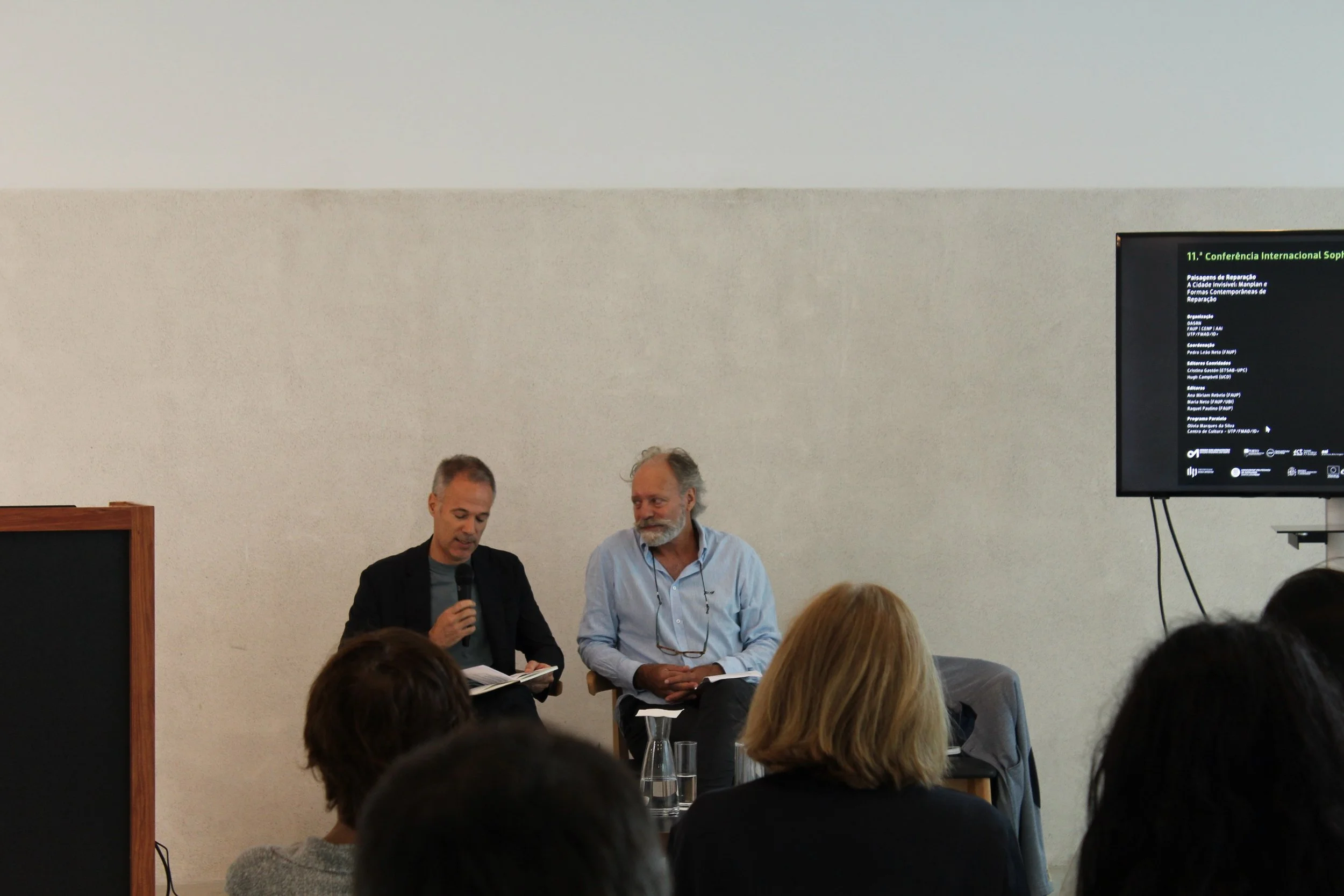
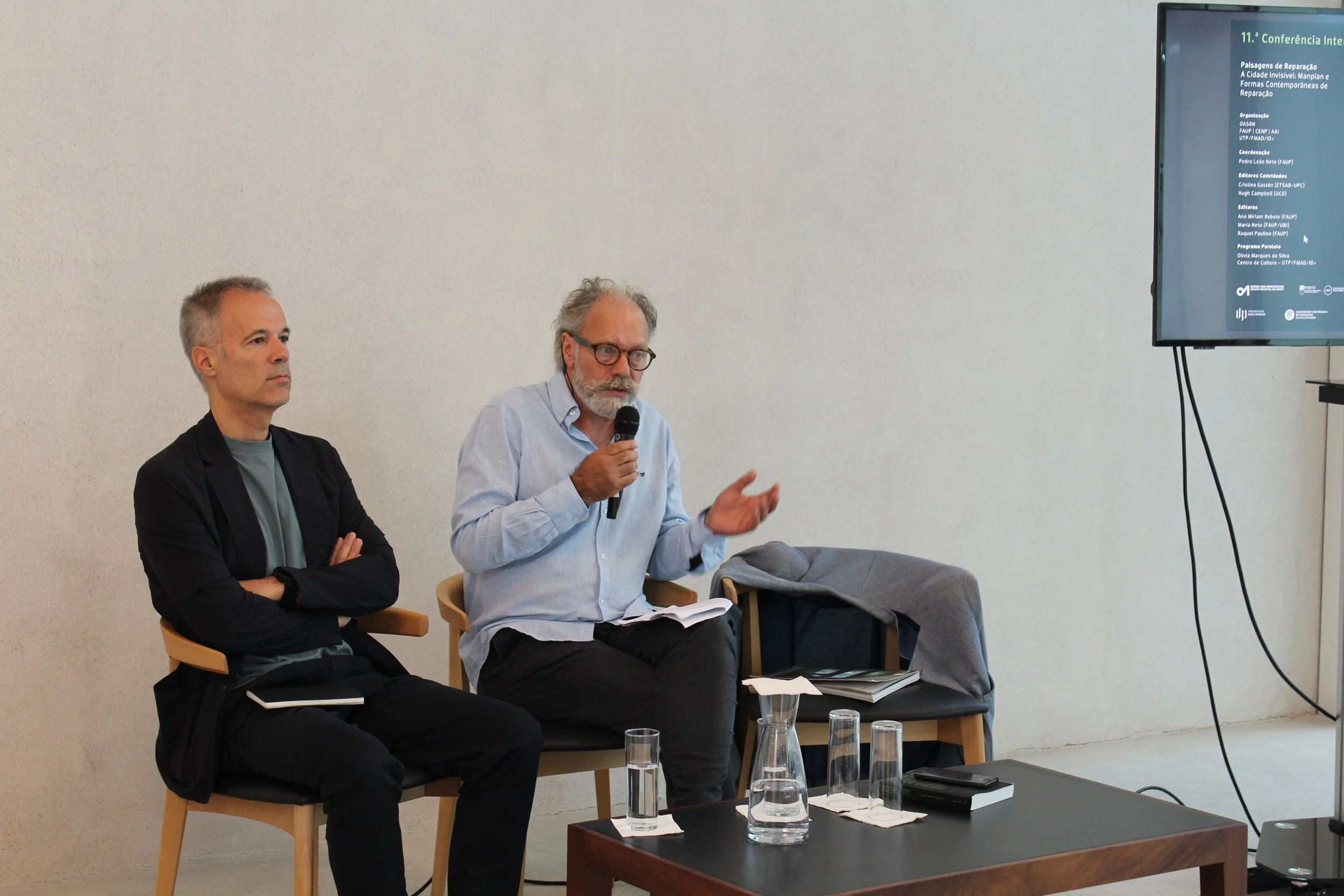
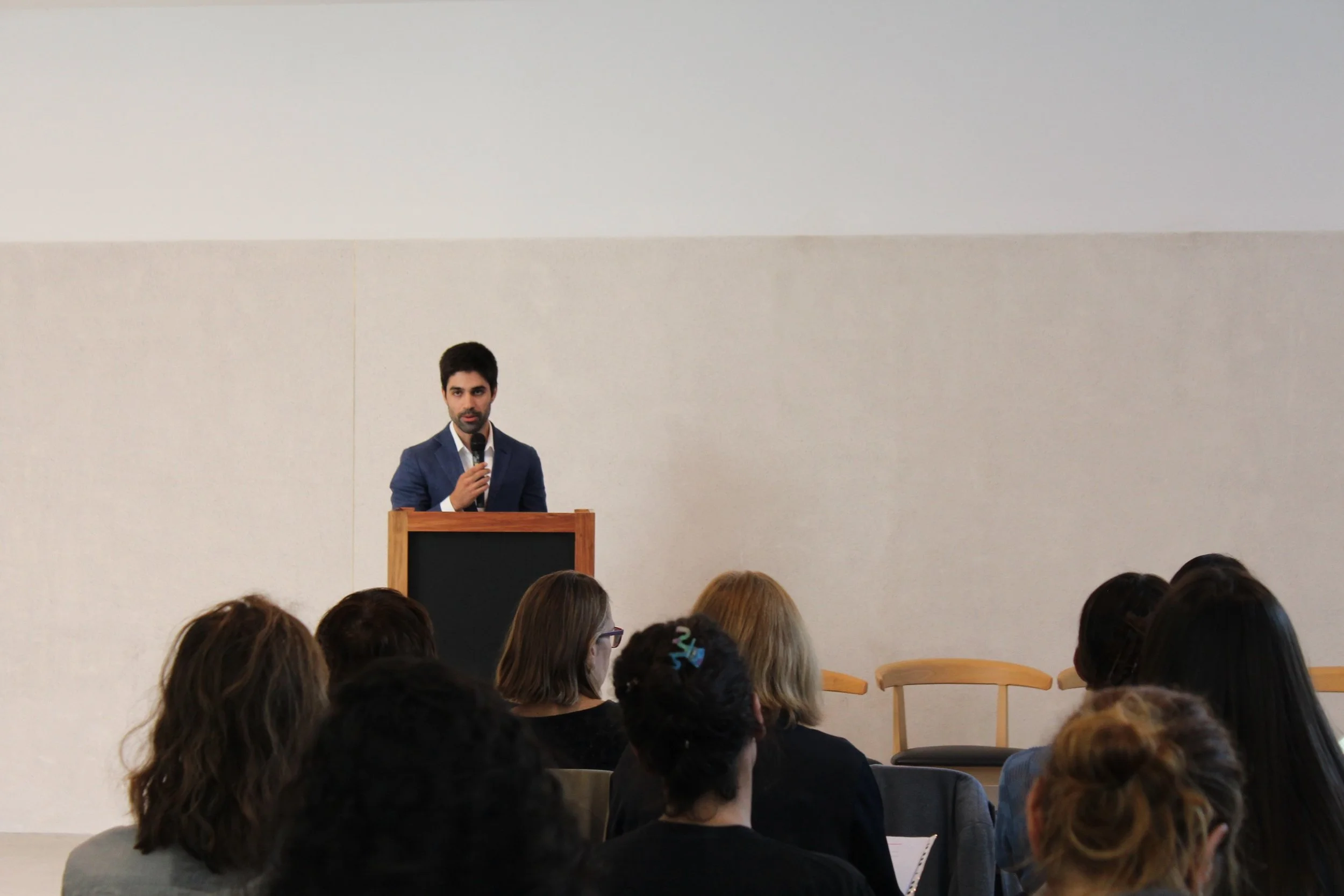
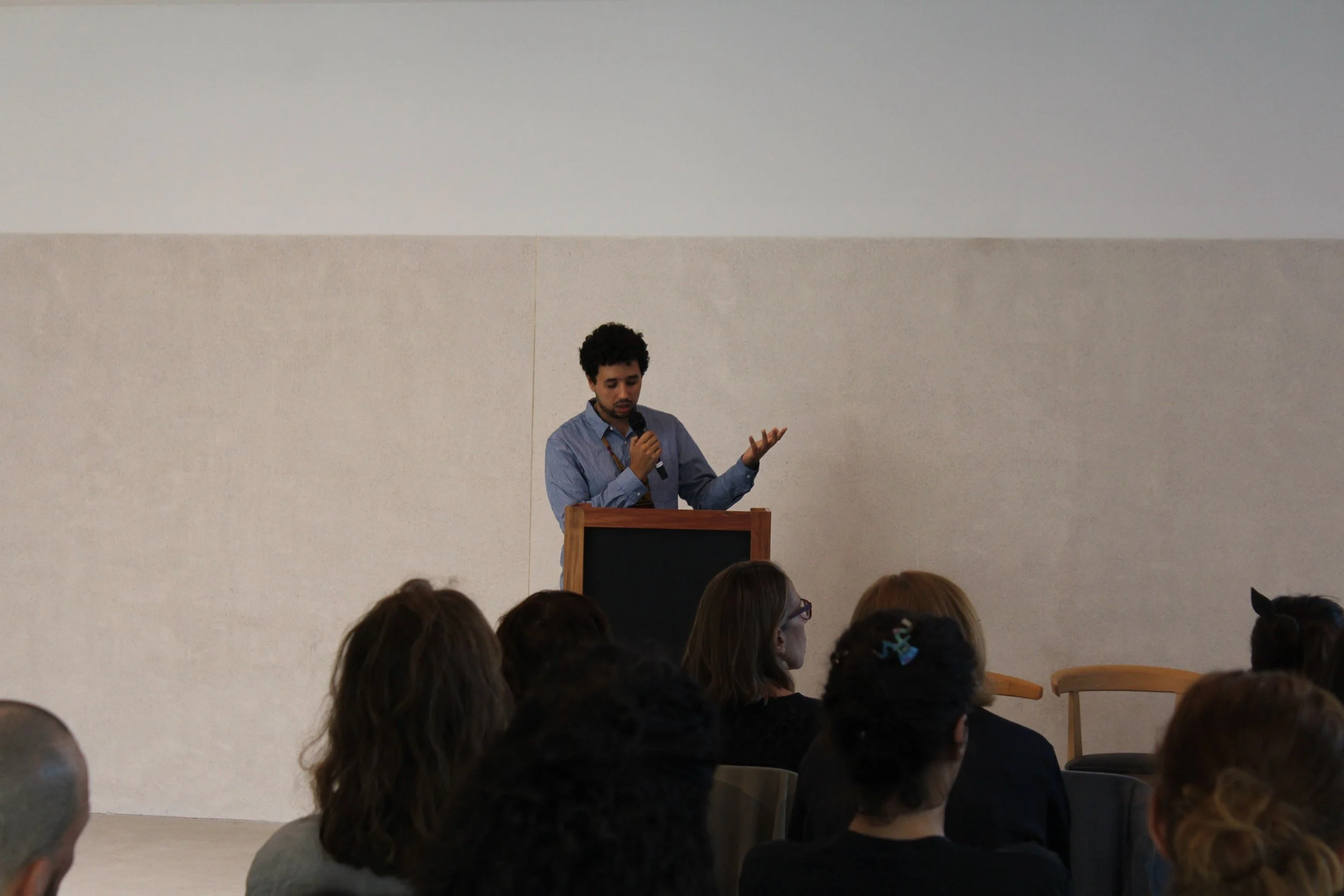
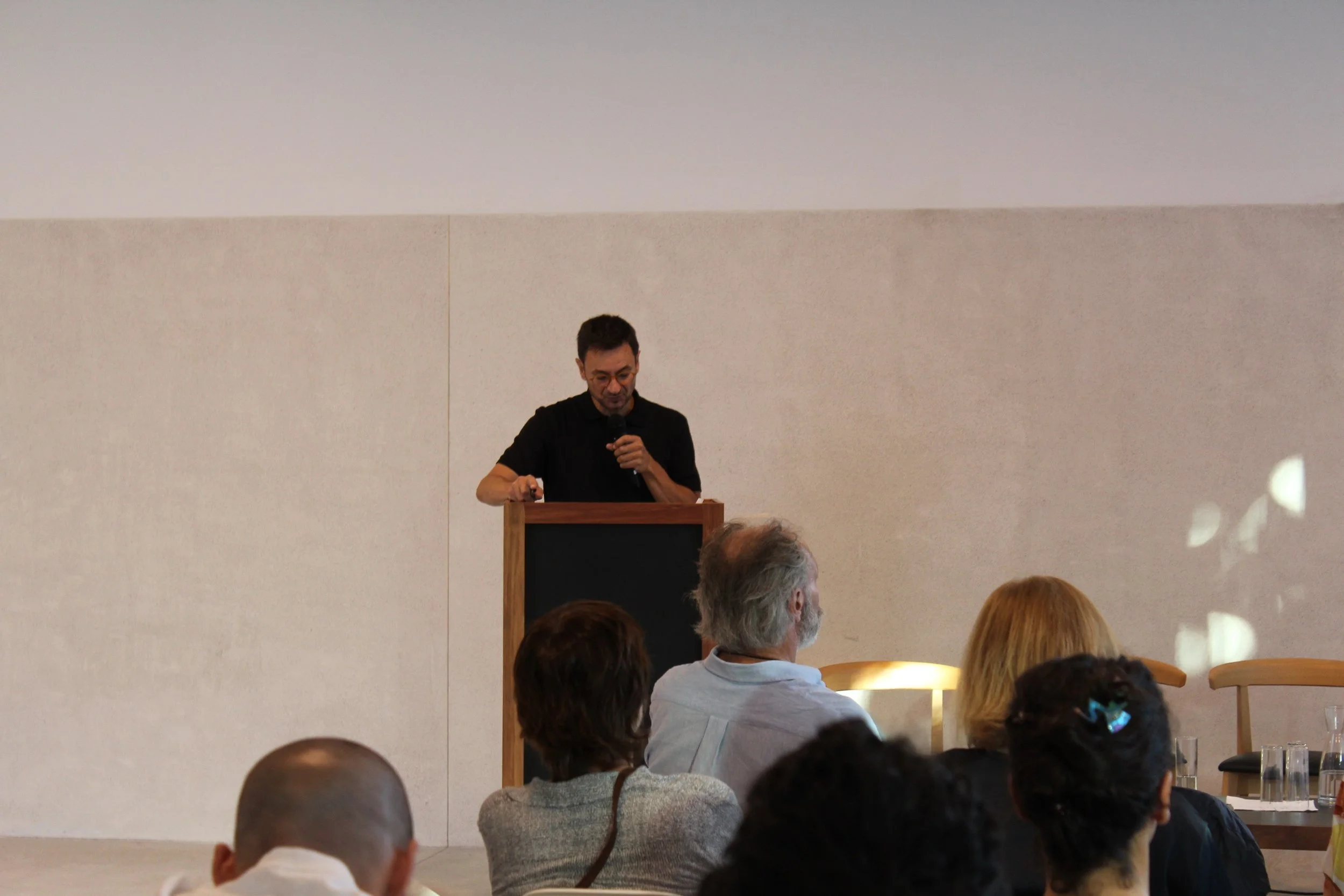
The morning was opened by Pedro Leão Neto, coordinator of the conference, who welcomed those present and those following online before giving the floor to José Pedro Sousa, representing the Faculty of Architecture of the University of Porto (FAUP). José Pedro Sousa reflected on the significance and continuity of the Sophia Journal cycle of international conferences, a journey that has now developed over more than a decade. DISCURSO_A5_V04_24_09_2026
Pedro Leão Neto then returned to the stage to introduce and expand on the official launch of the call for Sophia Journal Vol. 12 — Learning Repair: Situated Pedagogies, Civic Landscapes and Visual Practices. Conceived as a continuation of the work developed through Landscapes of Repair, the new volume proposes a gradual shift from critical visibility towards situated research: from asking how we see, represent and bring overlooked realities into view, towards considering places of repair themselves as places of learning. DISCURSO_A5_V04_24_09_2026
As the morning progressed, Bruno Marques, President of the Northern Regional Board of the Portuguese Architects’ Association, who had been unexpectedly delayed and was unable to join the opening, arrived at the conference and, following the first break, offered a brief welcome and words of recognition to the participants and organising institutions.
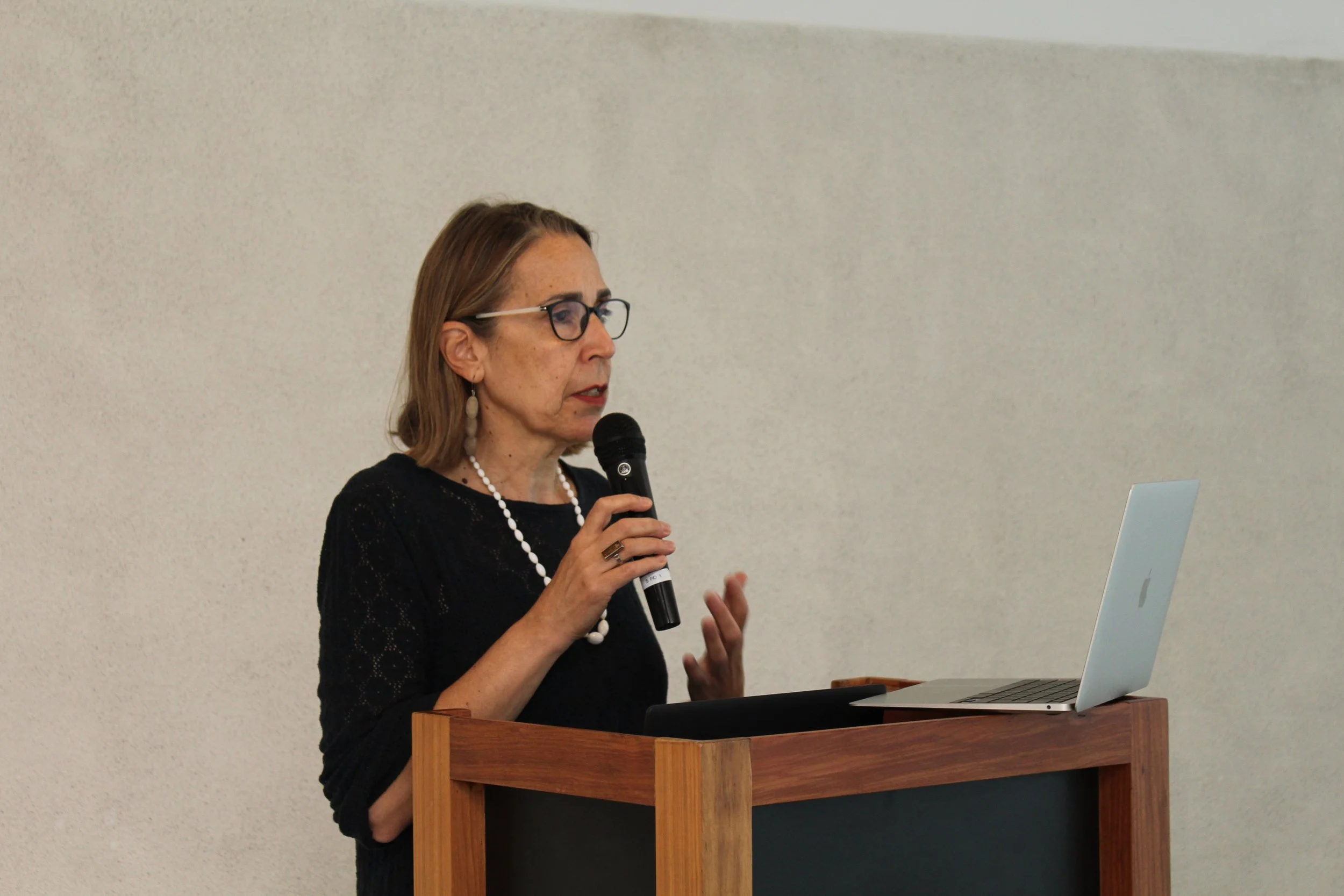
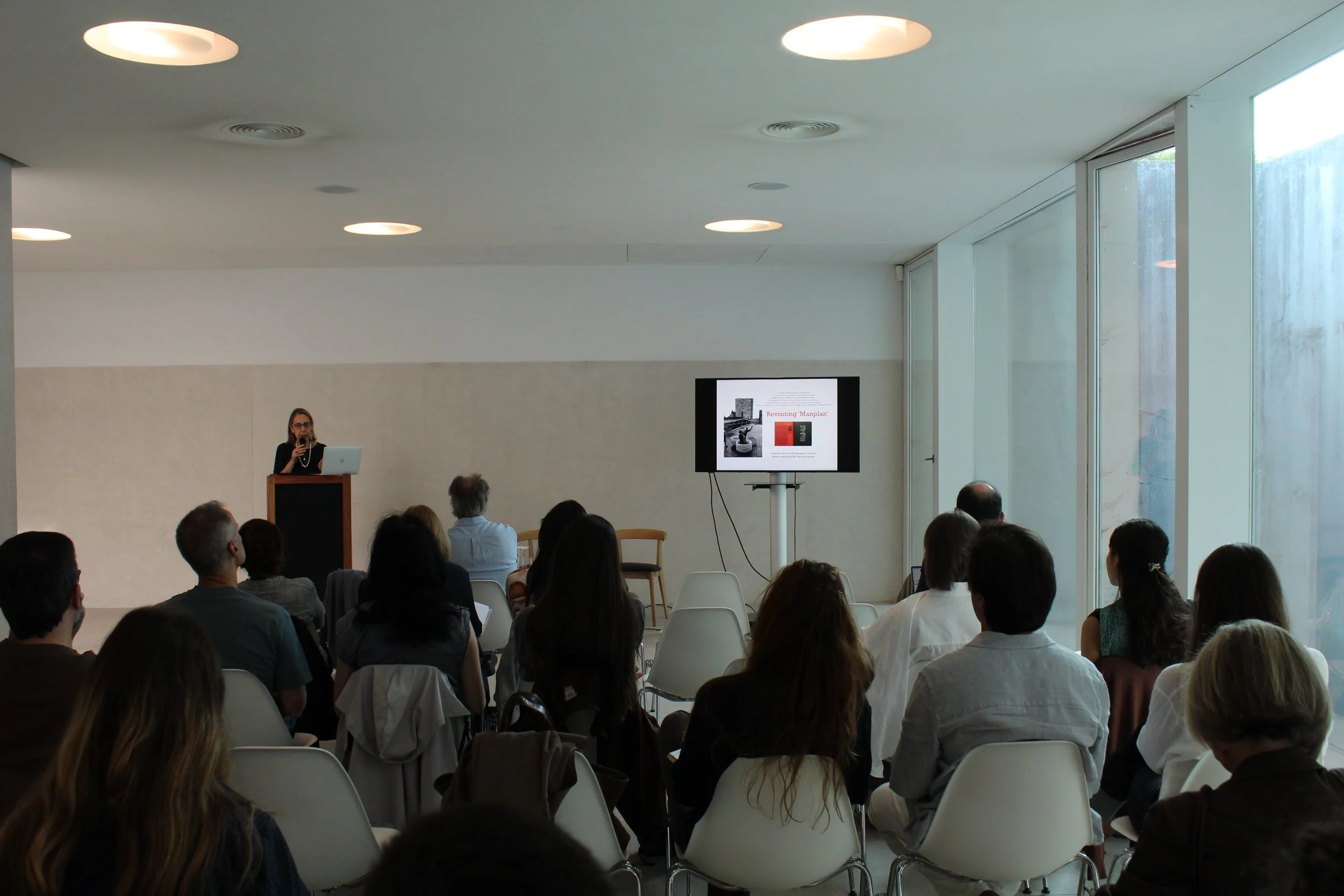
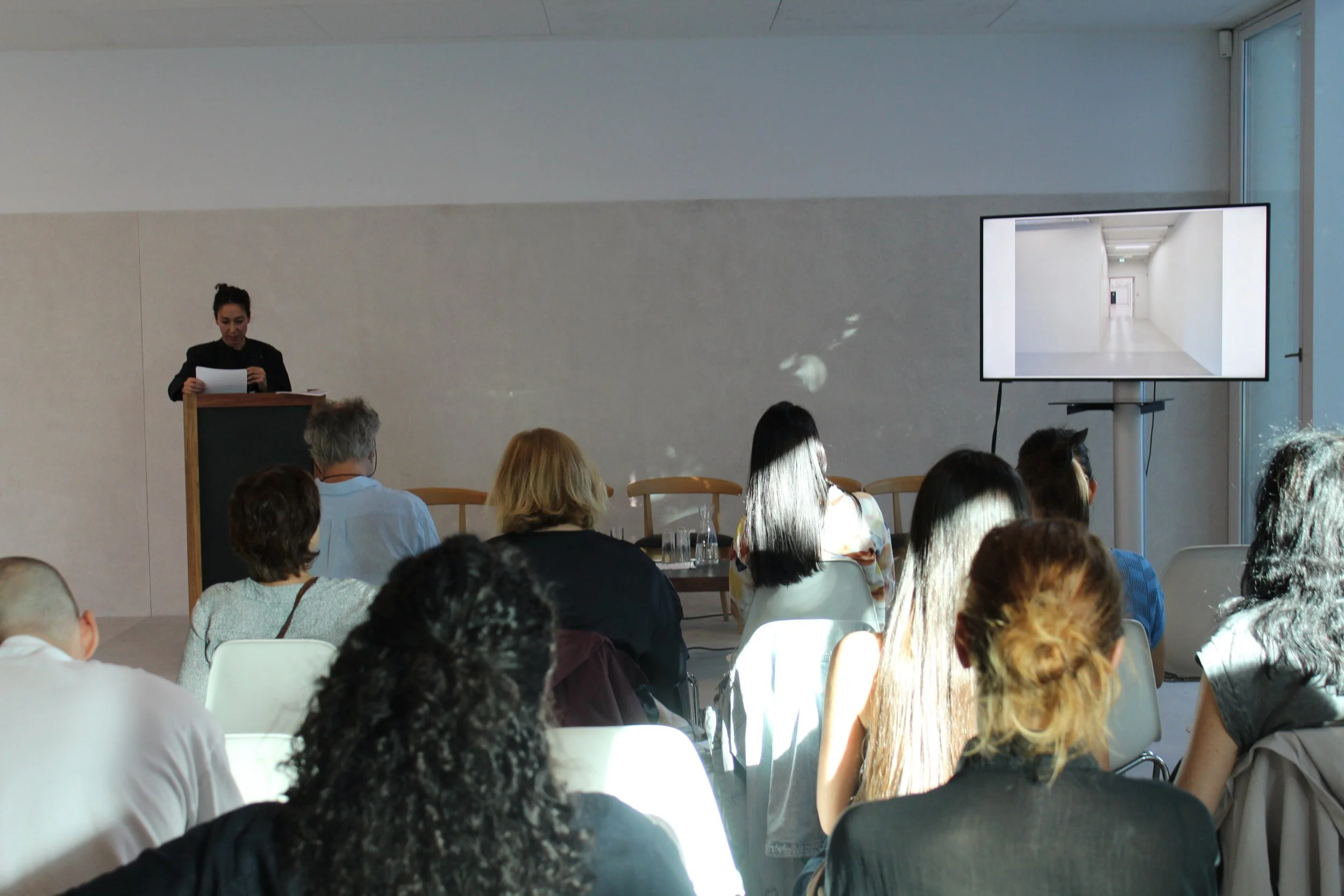
The scientific programme continued with Valeria Carullo, Photographs Curator at the Royal Institute of British Architects (RIBA), and her keynote, Revisiting Manplan: Archive, Visibility and Public Responsibility. Her contribution revisited Manplan through the relationship between photographic archives, questions of visibility and the public responsibility involved in architectural representation. It also continued a dialogue developed through previous collaborations between RIBA and AAI — Architecture, Art and Image / CENP, including the exhibition Wide-Angle View: Architecture as Social Space in the Manplan Series 1969–70, presented at OASRN earlier in 2026. DISCURSO_A5_V04_24_09_2026
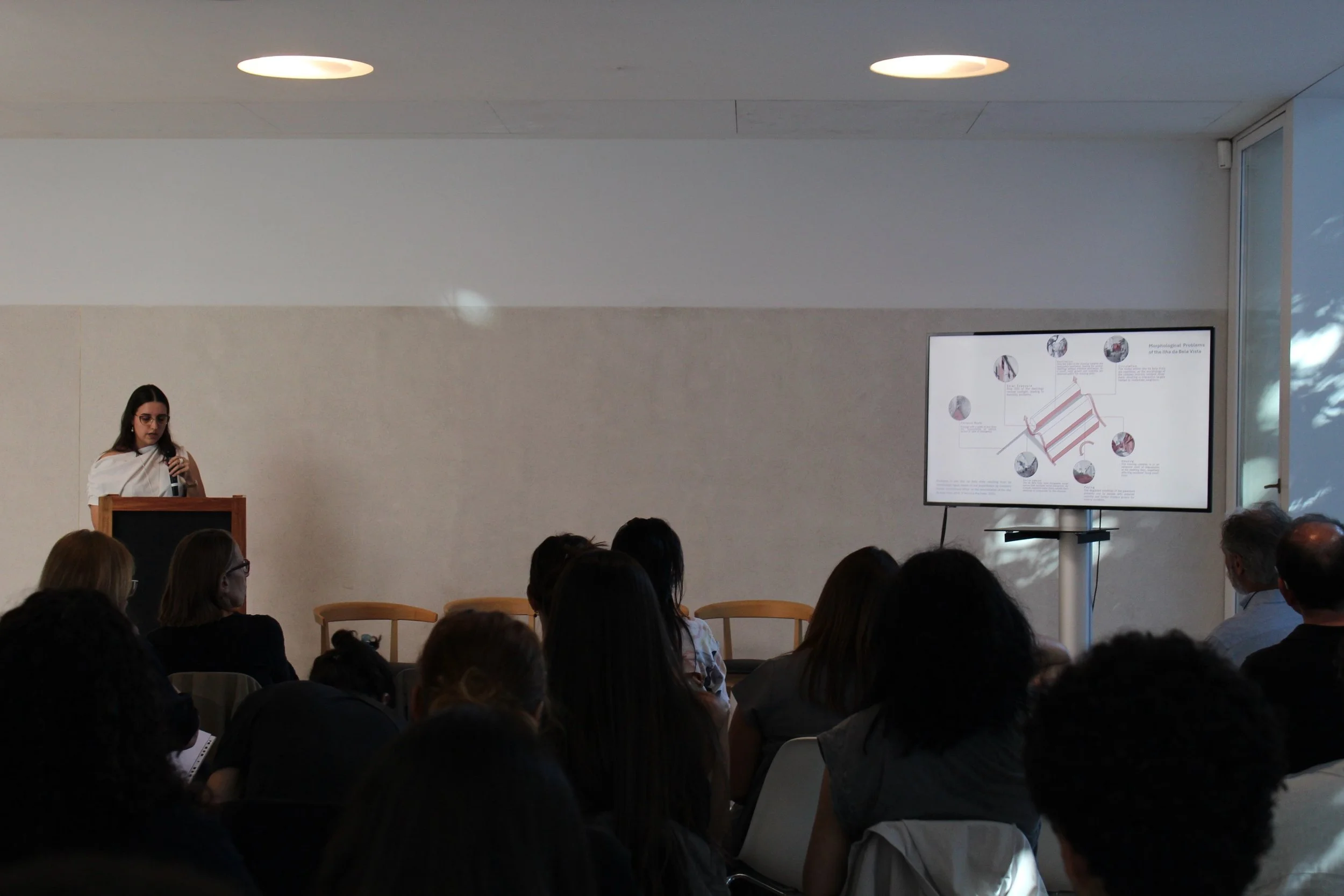
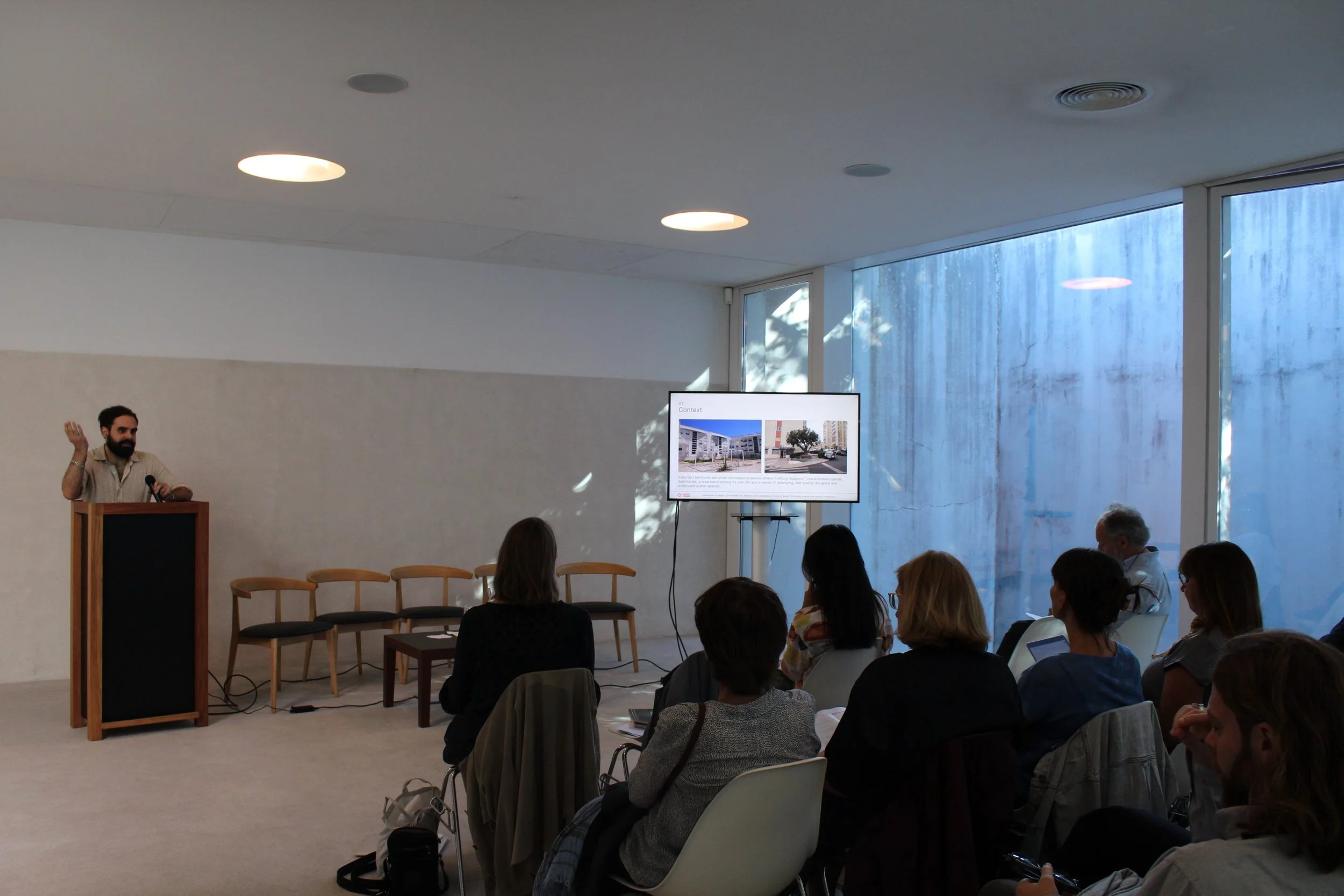
From there, the conference unfolded through four panels: Making the Invisible City Visible: Memory, Image and the Politics of Representation; Repairing the Built: Heritage, Memory and Practices of Re-inscription; Critical Cartographies: Peripheries, Ordinary Spaces and Hybrid Territories; and Reparative Practices: Care, Cohabitation and Possible Futures.
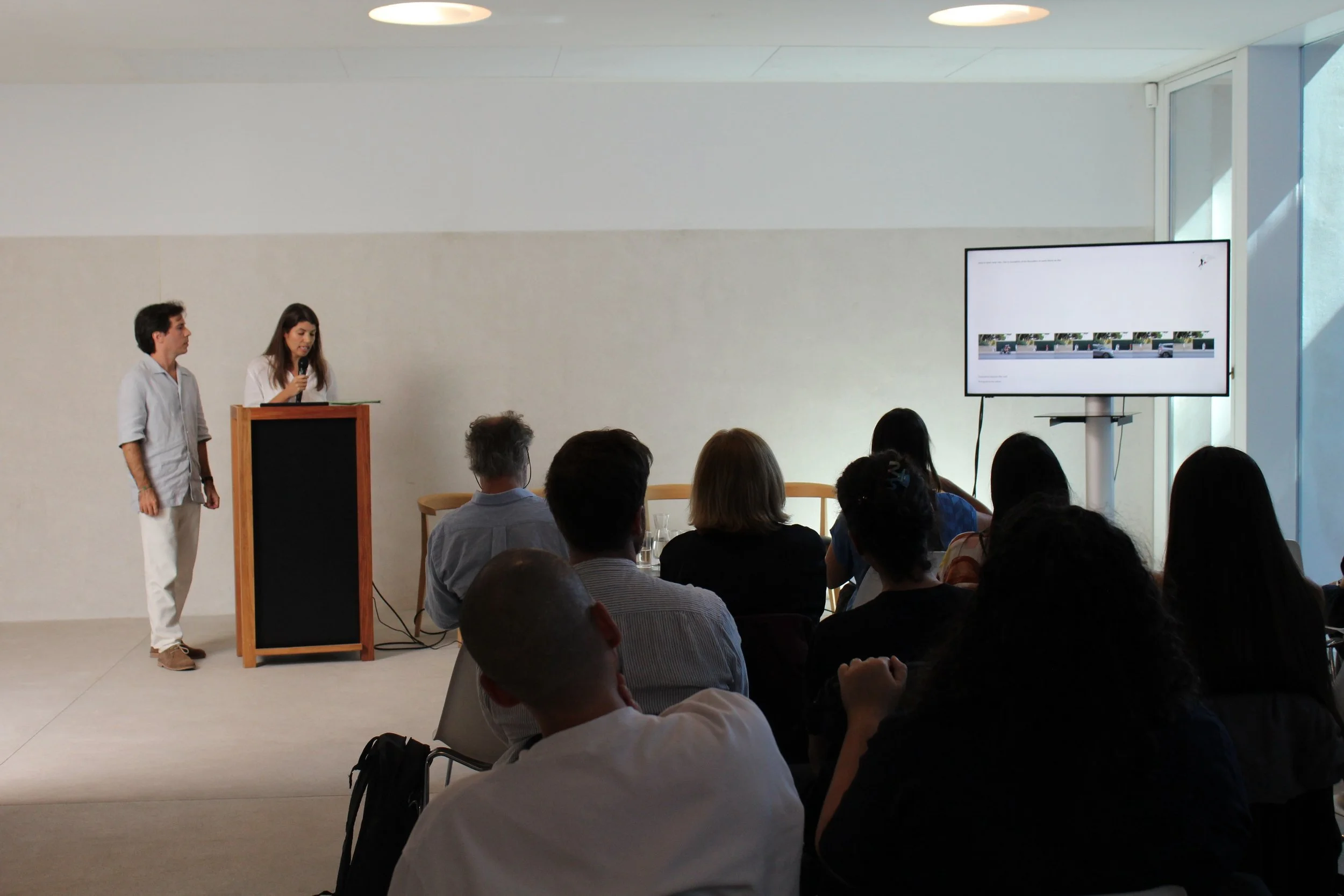
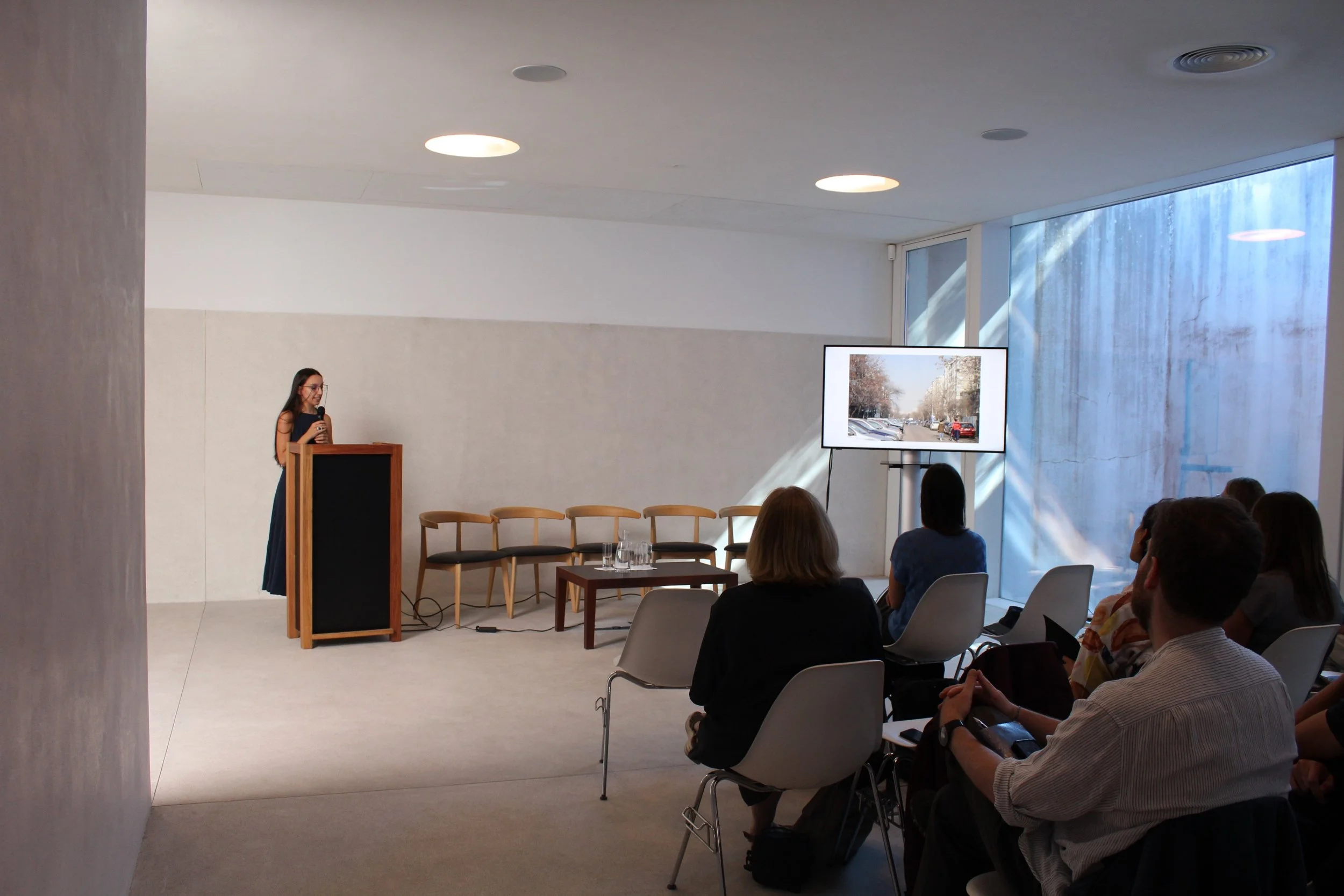
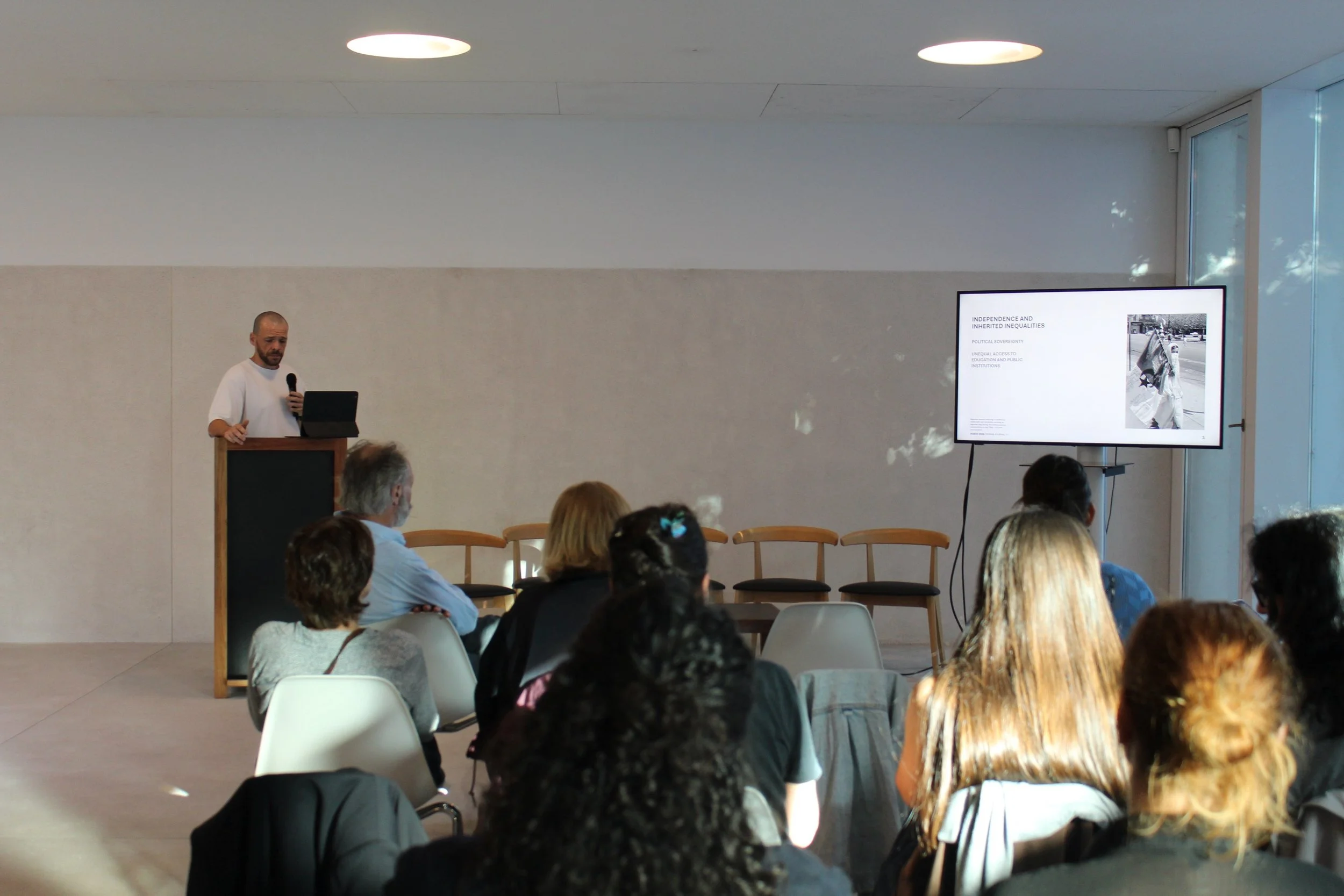
Across the day, the diversity of authors, places, research methods and forms of visual practice made the conference a particularly lively space of encounter and debate. Scientific papers entered into dialogue with visual essays and practice-based research; photographic archives met contemporary image-making; and questions of heritage and memory intersected with peripheral and ordinary territories, processes of re-inscription, and practices of care, cohabitation and adaptation.
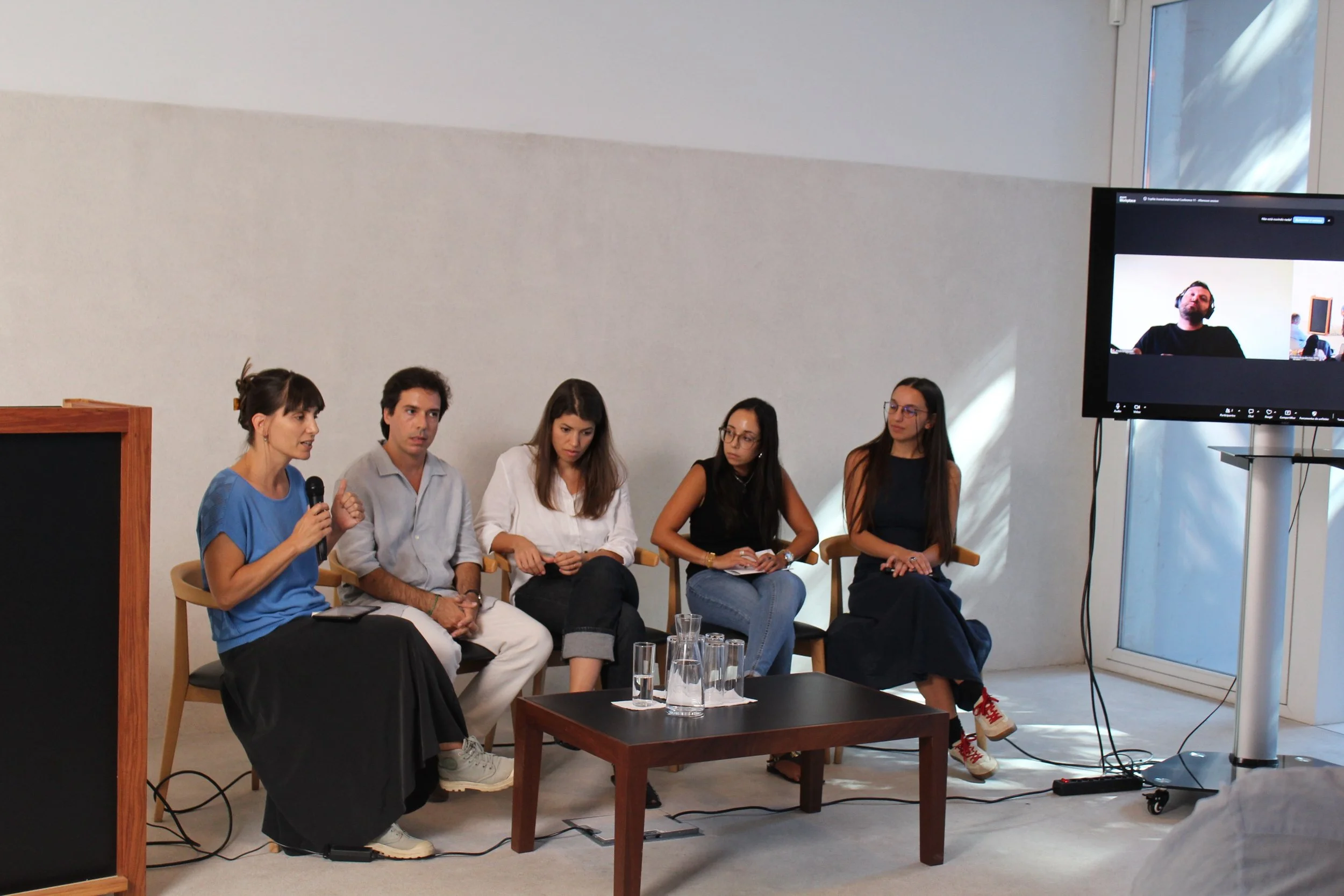
The discussions that followed each group of presentations were an important part of this exchange. Rather than leaving individual contributions as separate case studies, they allowed connections and differences to emerge between researchers working in distinct contexts but often confronting related questions. Photography, film, mapping and the visual essay appeared throughout the day not simply as means of documenting or illustrating research, but as ways of investigating architecture, cities and territories in their own right.
In this sense, the scientific programme gave concrete form to one of the ambitions expressed at its opening: to create a space for encounter between architecture and photography, research and visual culture, and between different ways of producing, communicating and sharing knowledge. DISCURSO_A5_V04_24_09_2026 The four actions proposed at the beginning of the day — seeing, interpreting, repairing and communicating — gradually became threads connecting otherwise very different contributions. DISCURSO_A5_V04_24_09_2026
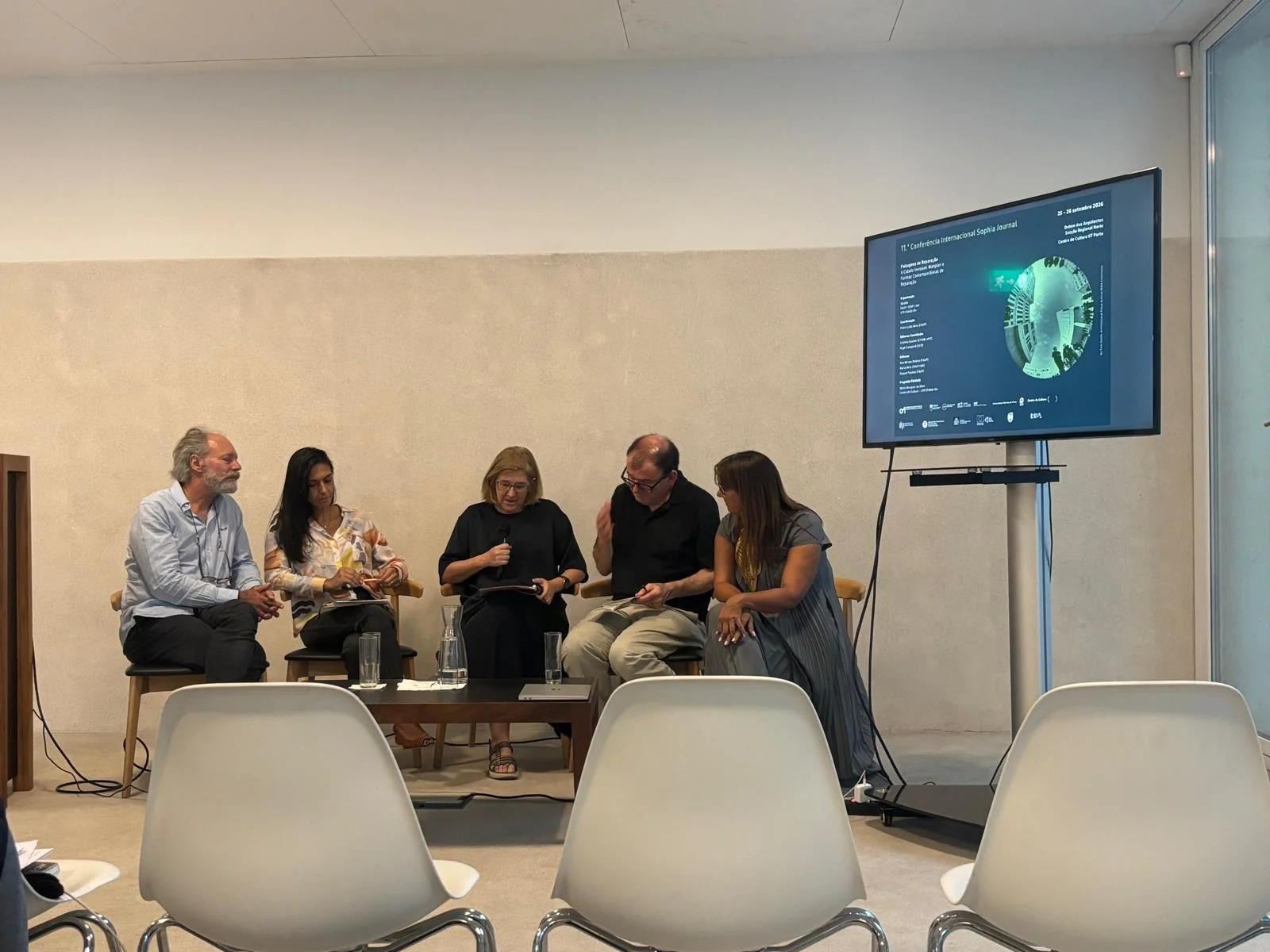
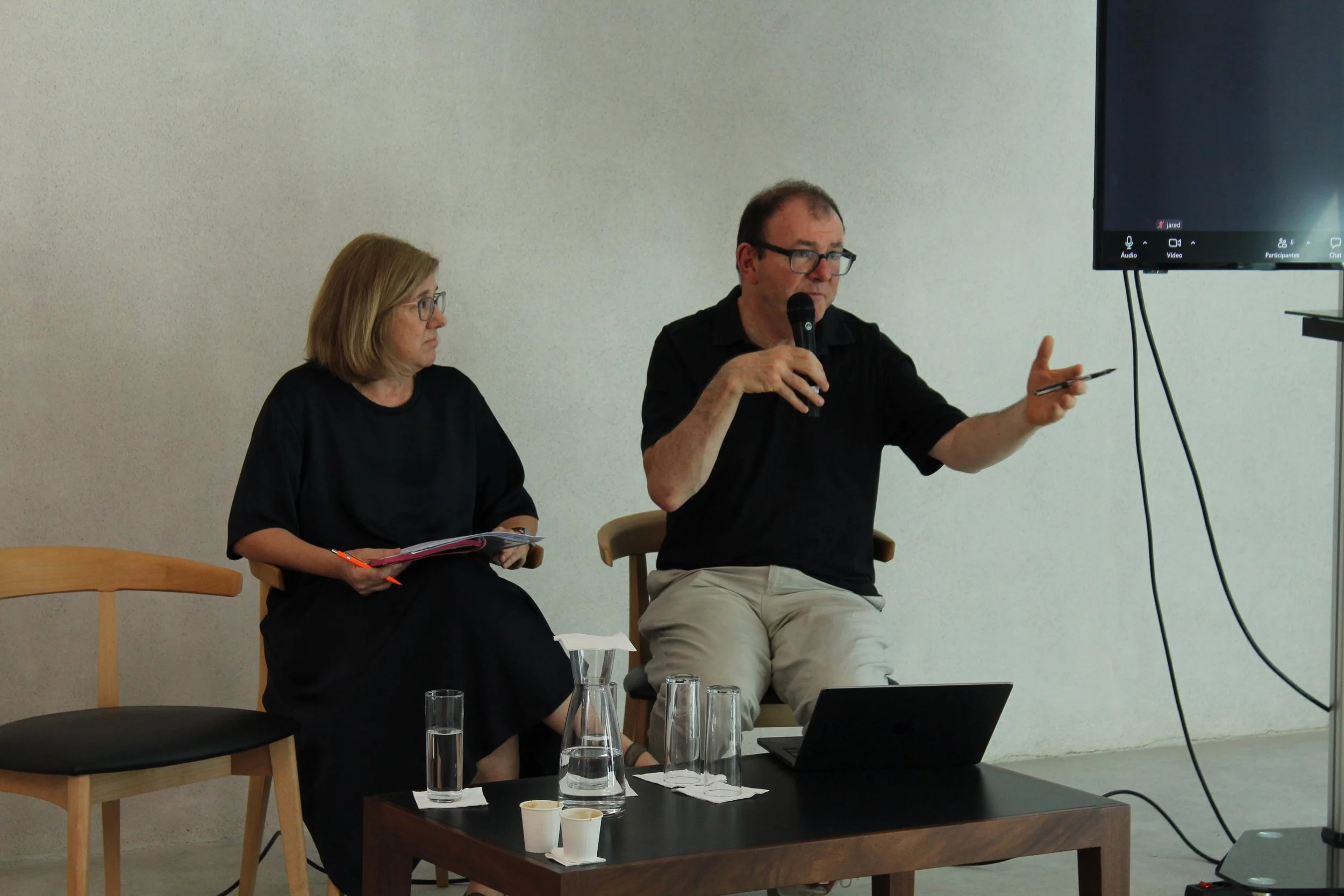
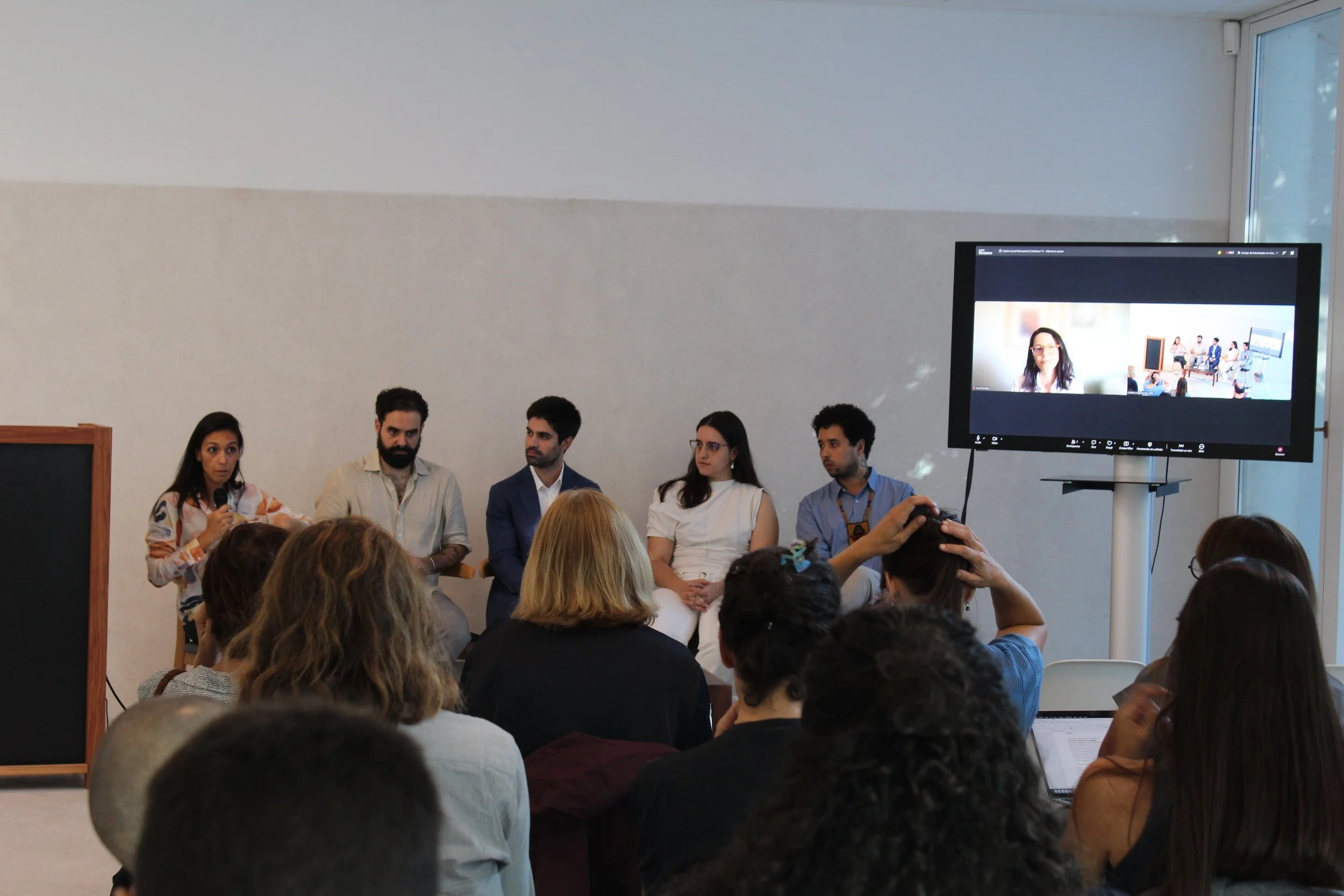
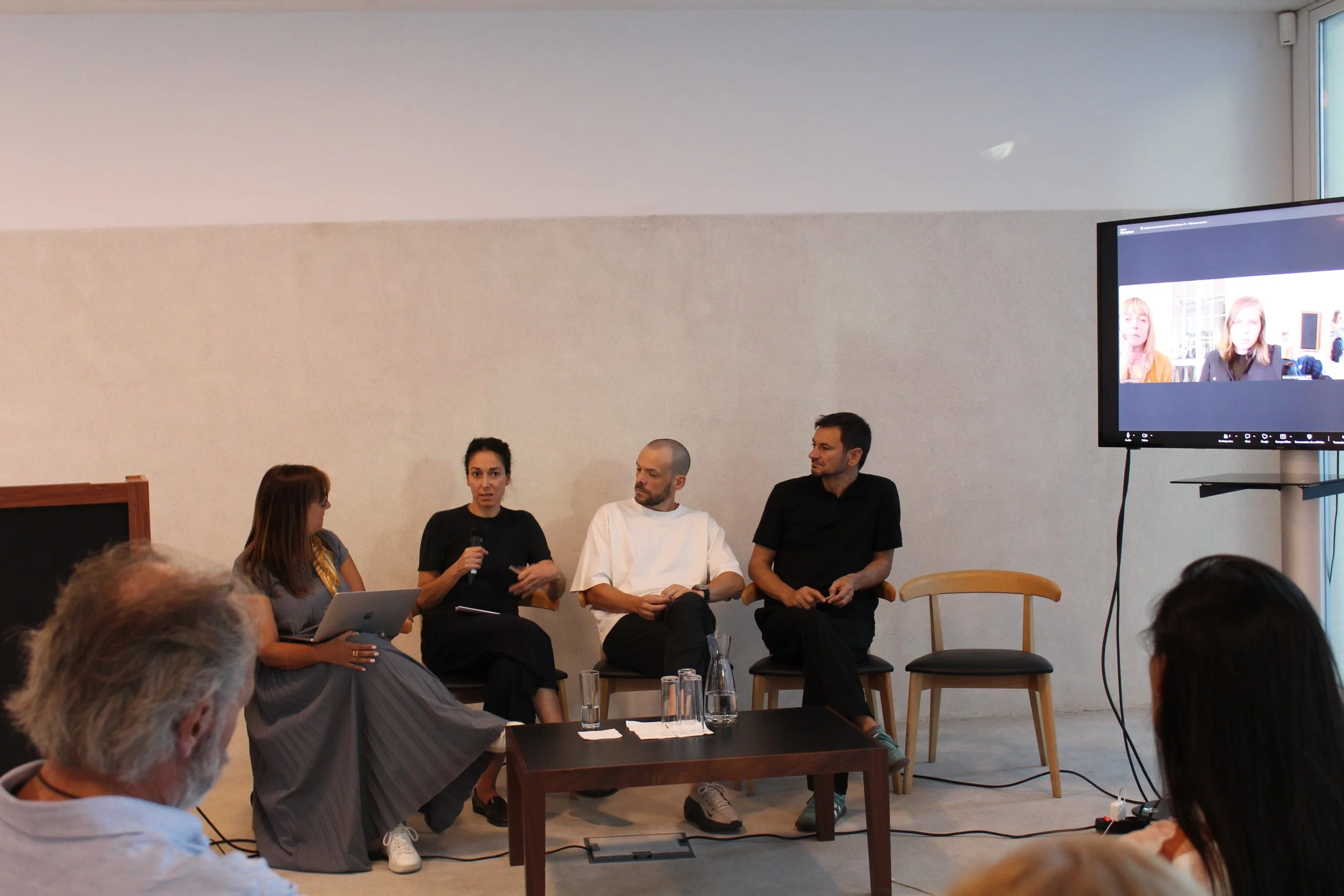
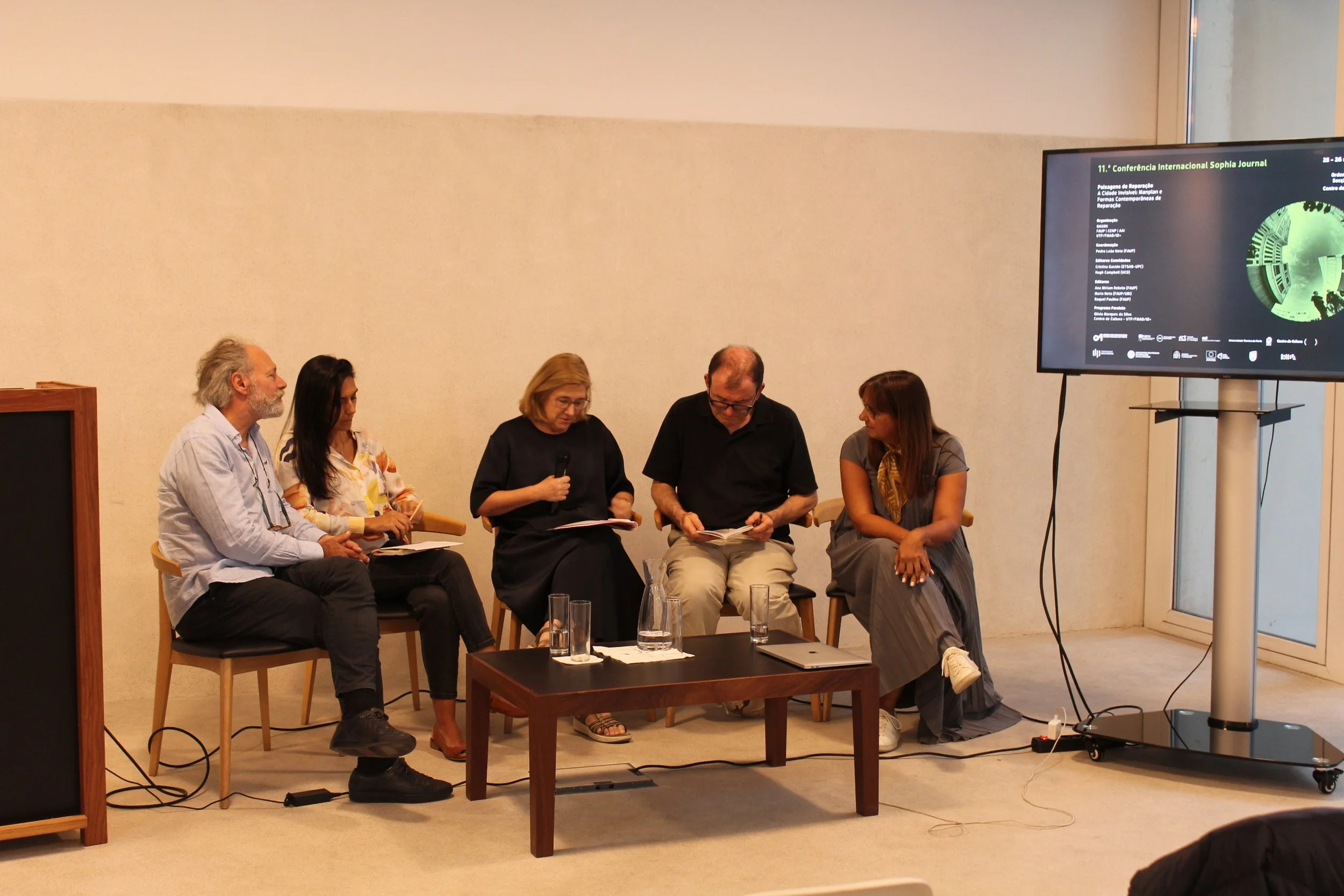
The programme concluded with a collective synthesis involving guest editors Cristina Gastón and Hugh Campbell, editors Ana Miriam Rebelo, Maria Neto and Raquel Paulino, and conference coordinator Pedro Leão Neto. Rather than attempting to close the questions raised during the four panels, the final discussion reflected on the connections that had emerged and on how these might continue through the next stages of the Sophia Journal cycle.
In his closing remarks, Pedro Leão Neto also returned to something more fundamental about the value of meeting in person. Scientific gatherings such as this are not only occasions for presenting completed research. They offer the possibility of encountering at first hand researchers who share related interests, discussing work and ideas directly, discovering unexpected affinities, and meeting colleagues with whom future conversations and collaborations may develop. They also create something that is harder to reproduce at a distance: time for informal conversation, conviviality and social exchange.
This dimension seemed particularly relevant to a conference concerned with repair, visibility and care. Research is strengthened by critical discussion, but also by the relationships through which knowledge is shared and questioned. Creating spaces in which people can meet, listen to one another and engage with different experiences can contribute, in its own modest way, to a more attentive and humanised understanding of the realities we inhabit.
The first day therefore ended not with a definitive conclusion, but with conversations still open — continuing informally beyond the auditorium and preparing the transition to the public and editorial programme of 26 September.