
From the Conference to the Archives and Territory
Visiting the Luis Ferreira Alves Photography Archive and Quinta da Conceição
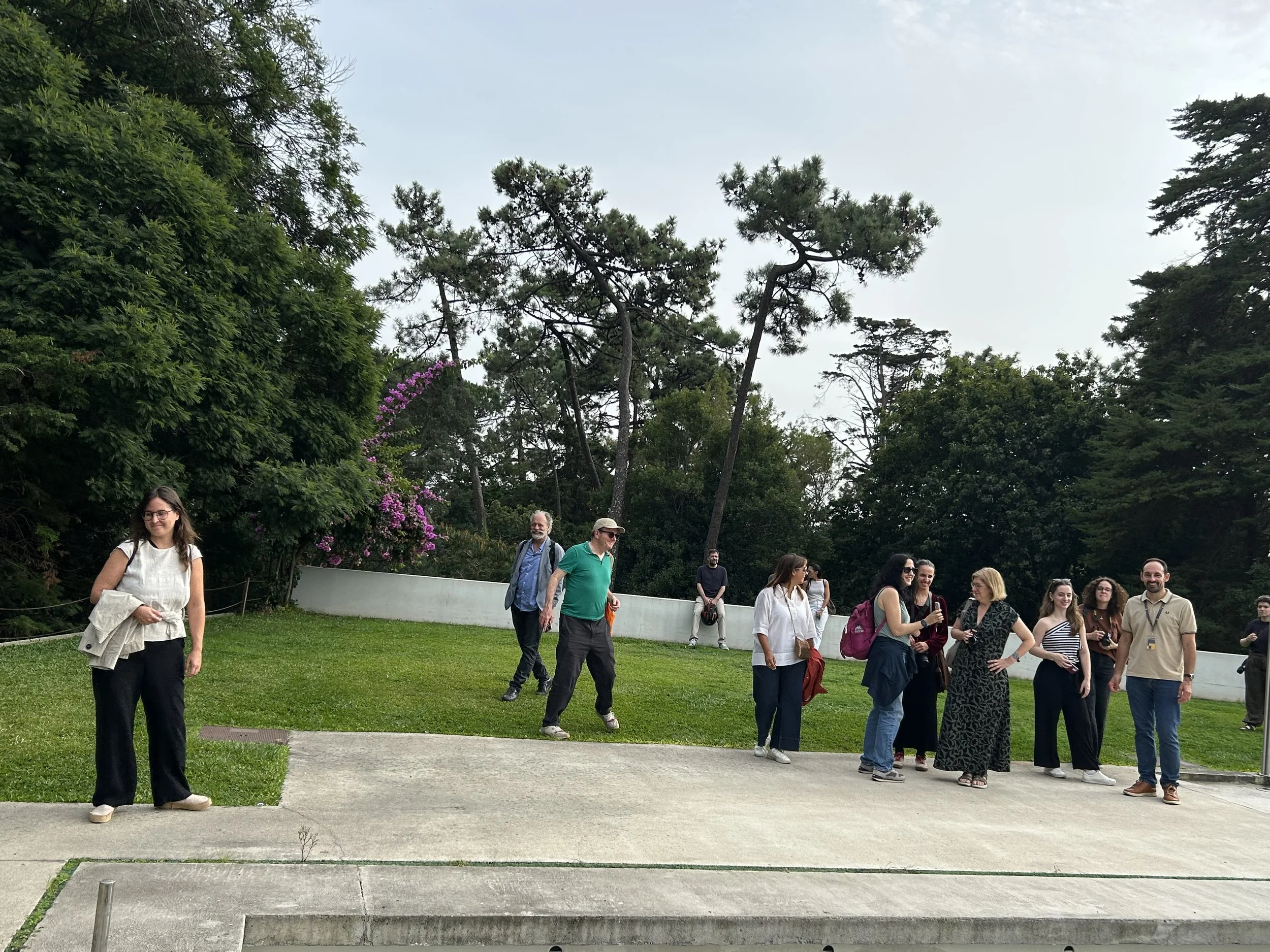
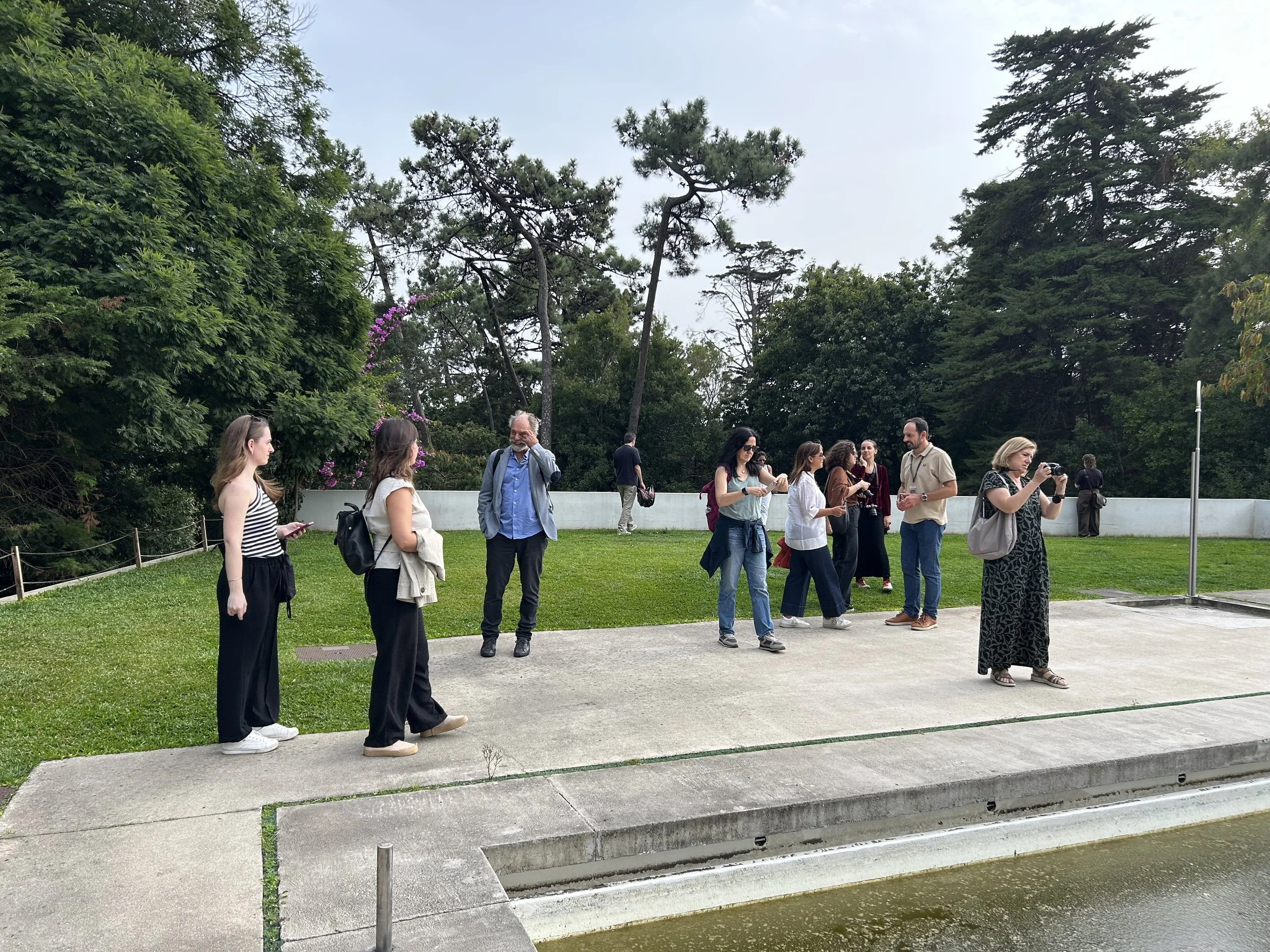
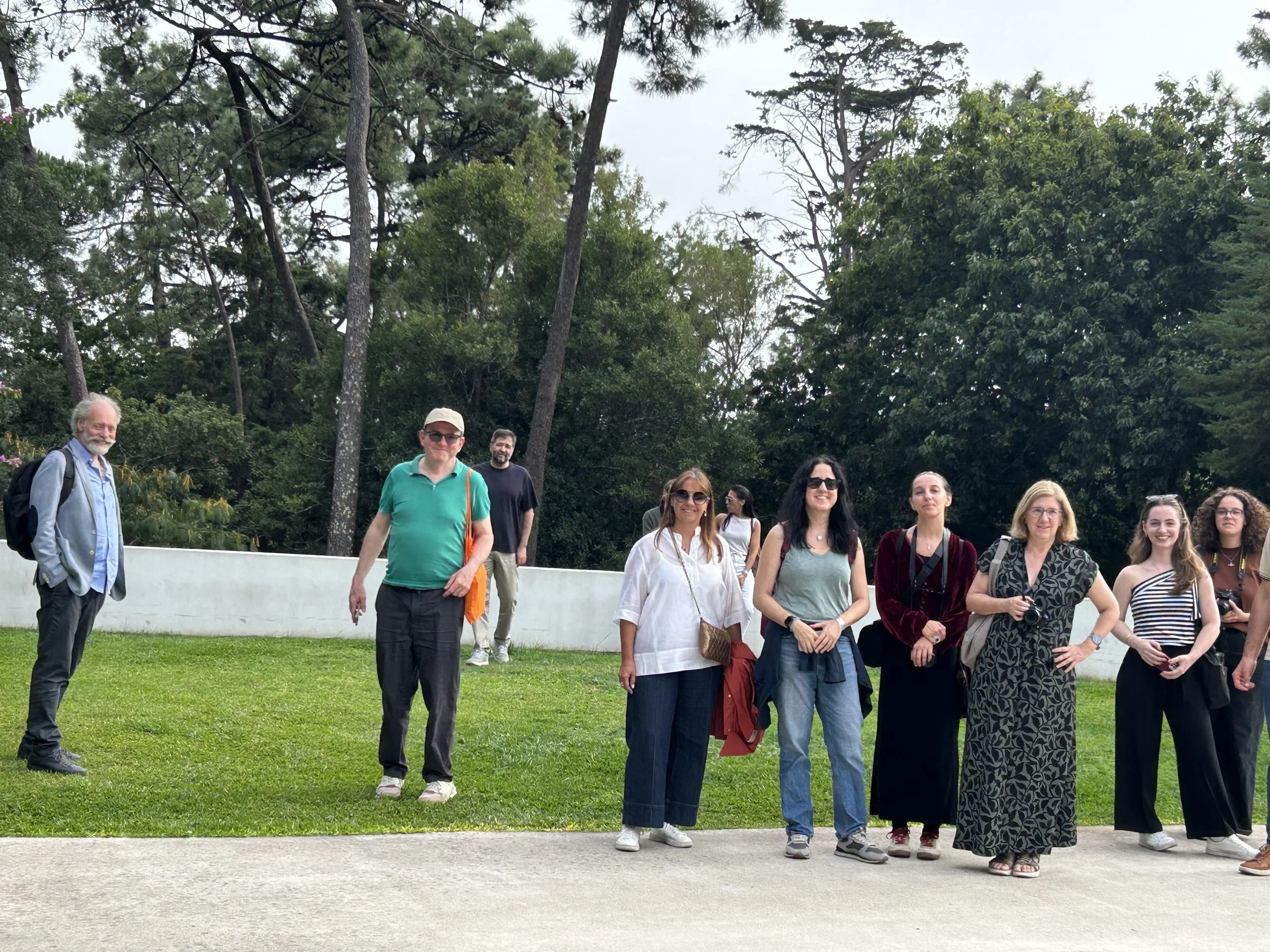
During the afternoon of 26 September, the 11th Sophia Journal International Conference left the auditorium and moved into two very different but closely related contexts: first, the Luis Ferreira Alves Photography Archive at Casa da Arquitectura, and then Quinta da Conceição, in Matosinhos.
The transition was conceived as more than a change of venue. It extended the questions raised over the two days of the conference from theoretical and visual reflection towards direct encounters with two complementary fields of investigation: the photographic archive and the inhabited territory.
Entering the archive
The visit to the Luis Ferreira Alves Photography Archive brought participants into direct contact with the material legacy of a photographer whose work has played a significant role in constructing the visual memory of modern and contemporary architecture in Portugal.
After a conference in which questions of archives, visibility, representation and cultural memory had been repeatedly addressed — beginning with Valeria Carullo's reconsideration of Manplan — entering the archive offered a different form of encounter with photography.
Negatives, contact sheets, prints, sequences and other archival materials remind us that an architectural photograph does not exist only as a final autonomous image. It belongs to a larger process of looking, selecting, ordering and interpreting. The archive makes that process visible, while also preserving relationships between photographs, buildings, commissions, historical moments and the transformation of places over time.
Seen in this context, the archive is not simply a repository of the past. It can become an active research space, allowing existing images to be questioned again, connected to new forms of knowledge and returned to contemporary circulation.
This dimension is particularly meaningful within a conference concerned with repair. To preserve an archive is also to care for the conditions through which cultural memory can remain accessible; to activate it is to allow that memory to enter new conversations.
From the archive to the territory
From Casa da Arquitectura, the conference continued to Quinta da Conceição, shifting from photographic memory to the direct observation of a landscape in use.
Here, the proposal was to understand Quinta da Conceição not simply as a heritage ensemble composed of significant historical and modern elements, but as a living civic landscape — one in which architecture, public space, vegetation, water, everyday practices, maintenance and changing patterns of use continuously interact. This approach formed part of the conference's wider transition from critical visibility towards situated observation.
The visit therefore brought another meaning of repair into view. Buildings and landscapes endure not only through major acts of restoration, but through continuous processes of adaptation, maintenance, appropriation and care. What deserves attention is not only the architectural object but also the relationships that allow a place to remain inhabited, shared and meaningful.
Moving from image to archive, and from archive to territory, also made it possible to reconsider photography itself. After two days of discussing how images construct visibility, participants were invited to look again from within the landscape: to observe distances, traces, transformations, uses and relationships that cannot necessarily be understood through images alone.
The conference concluded on site at Quinta da Conceição. Rather than functioning simply as an ending, this final encounter opened towards the next thematic cycle of Sophia Journal — Learning Repair: Situated Pedagogies, Civic Landscapes and Visual Practices — and towards a question that had gradually emerged across the two days: how might we learn to repair by learning to look more attentively at the places, images, memories and relationships through which our shared environments are continually made and remade?