REDE EUROPEIA DE FOTOGRAFIA CONTEMPORÂNEA PARA ESPAÇOS PÚBLICOS (ECPN)


Vivid Stockholm Metro Station Interior from Efren Efre

EN / PT

Rede Europeia de Fotografia Contemporânea para Espaços Públicos (ECPN)

CHAMADA INTERNA ABERTA À comunidade académica (investigadores, docentes, etc.) PARA INTEGRAR A EQUIPA DE CANDIDATURA  ECPN - Projeto inovador de cooperação cultural transnacional - Europa Criativa - CREA-CULT-2026-COOP

O Centro de Estudos Nuno Portas (CENP), sediado na Faculdade de Arquitetura da Universidade do Porto (FAUP), convida os colegas interessados ​​a manifestarem interesse em integrar a equipa de candidatura à Rede Europeia de Fotografia Contemporânea para Espaços Públicos (ECPN) — um projeto inovador de cooperação cultural transnacional de média dimensão a submeter no âmbito do programa Europa Criativa – Cultura (CREA-CULT-2026-COOP).

O programa CREA-CULT-2025-COOP-2 (Projetos de Média Escala) apoia projetos de cooperação transfronteiriça nos setores cultural e criativo, no âmbito da vertente Cultura do Programa Europa Criativa. Aberto a organizações de todas as dimensões, o programa promove a colaboração europeia, a inovação e o valor cultural partilhado, em consonância com as prioridades da UE, como a sustentabilidade, a inclusão, a transição digital e a cooperação internacional. Os projetos de média escala requerem um consórcio de, pelo menos, cinco parceiros de cinco países elegíveis e podem receber até 1 milhão de euros de financiamento da UE (cofinanciamento máximo de 70%). A título de comparação, os projetos de pequena escala recebem financiamento até 250.000 euros, enquanto os projetos de grande escala podem receber até 3 milhões de euros. Os projetos focados exclusivamente no setor audiovisual não são elegíveis.

Este convite interno é dirigido à comunidade académica (investigadores, docentes, etc.), nomeadamente todos os colegas da UP/ESMAD/ESAP e UBI interessados ​​em contribuir para o desenvolvimento de um ambicioso projeto europeu que reúne a prática artística, a investigação académica e o envolvimento do público, posicionando a fotografia contemporânea como uma ferramenta crítica para refletir sobre os desafios urbanos, sociais, ambientais e políticos em toda a Europa.

Sobre o Projeto

A Rede Europeia de Fotografia Contemporânea para Espaços Públicos (eCPN) é uma iniciativa transnacional inovadora que transforma estações de metro, terminais de transportes e espaços públicos adjacentes em espaços culturais com grande dinâmica onde a fotografia contemporânea, a participação cívica e a reflexão urbana estão presentes de forma significativa. Concebida como um Museu Aberto e uma rede de Laboratórios Vivos, a eCPN ativa o espaço público como uma plataforma partilhada para a experimentação artística, a investigação interdisciplinar e o diálogo democrático.

O projeto opera em Portugal, Espanha, Irlanda, Finlândia e Croácia, estabelecendo fortes laços com a Ucrânia e envolvendo universidades, instituições culturais, artistas, investigadores e gestores de espaços públicos. Enraizada na cultura de investigação da FAUP e do CENP, particularmente através do grupo de investigação Arquitectura, Arte e Imagem (AAI), a eCPN baseia-se em importantes iniciativas anteriores, como o CONTRAST (DGARTES) e o Espaços Visuais de Mudança (FCT), alargando as suas metodologias e visão a um contexto europeu mais vasto.

Plataformas Culturais Europeias e Visibilidade

Uma dimensão fundamental da eCPN é a sua forte integração no ecossistema cultural e artístico europeu. O projeto irá interagir com as principais plataformas e redes internacionais de fotografia e arte mediática, para além de participar em importantes fóruns internacionais nestas áreas culturais e artísticas, que acreditamos que contribuem para a visibilidade, circulação e acessibilidade da fotografia contemporânea europeia. Em vez de duplicar as iniciativas existentes, o eCPN atua como uma plataforma complementar e geradora de novas ideias, contribuindo com novos formatos curatoriais, geografias inexploradas e vozes emergentes, ao mesmo tempo que reforça a presença cultural da Europa nos espaços públicos físicos e digitais.

Cooperação e Impacto Transfronteiriços

Na sua essência, o eCPN é um projeto de cooperação transfronteiriça, que fomenta uma rede transnacional construída sobre confiança, metodologias partilhadas e colaboração a longo prazo. Através de exposições, residências artísticas, workshops, conferências e open calls, o projeto liga instituições culturais, investigadores, artistas e cidadãos em diversos contextos europeus.

Ao ativar os espaços públicos em cidades como o Porto, Vila do Conde, Fundão, Barcelona, ​​​​Dublin, Helsínquia, Zagreb e Kiev, o eCPN promove o diálogo intercultural, a troca de conhecimentos e abordagens inovadoras ao espaço público, à participação cultural e à transformação urbana. Os seus resultados (narrativas visuais, publicações de investigação, dados cartográficos e recursos digitais) são concebidos para serem replicáveis e adaptáveis, ampliando o impacto do projeto para além dos principais países parceiros e contribuindo para uma Europa mais conectada e culturalmente engajada.

Porquê aderir à Equipa de Candidaturas do eCPN?

Esta é uma oportunidade única e extremamente estimulante para:

Trabalhar numa equipa jovem, motivada e colaborativa;

Contribuir para um projeto europeu de grande escala com forte visibilidade e impacto internacional; 

Interagir com práticas artísticas e de investigação de vanguarda na intersecção da fotografia, arquitetura, estudos urbanos e ciências sociais;

Obter experiência prática na conceptualização e redação de uma candidatura ao programa Europa Criativa, incluindo pacotes de trabalho, estratégias de divulgação e quadros de impacto;

Participar num projeto intimamente alinhado com o legado pedagógico da FAUP e com a missão de investigação interdisciplinar do CENP.

Estrutura de Equipa da Candidatura

A candidatura eCPN é atualmente coordenada por:

Pedro Leão Neto – Coordenador Geral

Sérgio Miguel Magalhães – Coordenador Adjunto

Maria Neto – Coordenadora Associada

Ana Miriam Rebelo – Apoio Científico e Administrativo

A equipa opera através de uma estrutura partilhada, flexível e colaborativa, permitindo a substituição mútua e a responsabilidade coletiva, garantindo a continuidade, o ritmo e a estabilidade ao longo do processo de candidatura.

Organizações / Funções e Contributos do eCPN

Organização Coordenadora

Universidade do Porto (FAUP, Portugal)

  • Proporciona liderança académica, coordenação de investigação, desenvolvimento metodológico e acolhe exposições públicas e workshops locais;

  • Promove a circulação e a co-criação entre os artistas europeus. ;

  • Desenvolve projetos fotográficos que refletem sobre a inadequação habitacional e a vulnerabilidade social;

  • Através do projeto de investigação CONTRAST:

○ Interage com os espaços públicos e com as redes de transportes.

○ As atividades incluem exposições, debates e workshops que promovem o pensamento crítico e a inclusão.

○ Utiliza o Metro do Porto para exposições itinerantes.

Organizações Colaboradoras

BSA (Belfast, Reino Unido)

  • Desenvolve Laboratórios Vivos em Belfast em torno de temas como a gentrificação e as crises habitacionais;

  • Enfatiza as colaborações comunitárias e a curadoria de exposições. Finlândia

ESAP (Porto)

  • Foca-se no papel da fotografia na geopolítica e no território;

  • Interage com espaços urbanos abandonados no Porto;

  • Promove práticas colaborativas e interdisciplinares

ESMAD (Vila do Conde)

  • Reflexão artística multidisciplinar sobre o espaço público.

  • Aborda desafios sociais, políticos e ambientais.

  • Cada ano foca-se numa cidade diferente.

FLUP (Porto)

  • Fomenta a fertilização cruzada de conhecimentos entre as artes, as humanidades e as ciências sociais;

  • Explora o papel do artista na transição verde, no direito à habitação e na mudança das políticas urbanas.

UBI (Covilhã/Fundão) ○ Projecto ligado às "Paisagens do Cuidado e da Domesticidade".

  • Explora a migração e o acolhimento em territórios de baixa densidade através da fotografia e dos meios audiovisuais.

  • Forte ligação à governação local e às instituições culturais. Espanha

Instituições Parceiras

ETSAB (Barcelona, ​​​​Espanha): Especialização em estudos urbanos, programação curatorial e organização de eventos.

  • Documenta a transformação urbana em La Sagrera (Barcelona).

  • Envolve estudantes e profissionais em missões fotográficas.

  • Os resultados incluem exposições, publicações e ferramentas de envolvimento dos cidadãos. Irlanda

UCD (Dublin, Irlanda): Humanidades urbanas, investigação interdisciplinar, publicações editoriais.

  • Coordena eventos em Dublin relacionados com os Living Labs.

  • Promove palestras públicas, exposições e open calls para artistas.

  • Foca-se nas instalações site-specific e na interação com o público.

AALTO (Helsínquia, Finlândia): Cultura visual e fotografia contemporânea, coordenação dos Living Labs.

  • Realiza workshops sobre “Fotografia Infraestrutural”.

  • Os temas incluem o envolvimento sensorial, o turismo infraestrutural e a publicação experimental.

  • As atividades decorrem em estações de metro e incluem o desenvolvimento de kits de ferramentas e visitas interativas. Croácia

KUĆĆA (Zagreb, Croácia): programação curatorial, direção de residência artística, publicações editoriais

  • Investigação sobre cidades subterrâneas e percursos esquecidos.

  • Organiza residências, intervenções públicas e exposições em túneis da época da guerra.

  • Foco na revitalização de infraestruturas desativadas. Ucrânia

Parceiros Associados

Associação Europeia para a Educação em Arquitectura (EAAE)

  • Disseminação estratégica e envolvimento académico europeu.

Associação Cultural Cityscopio (CCA)

  • Consultoria em identidade visual, direção curatorial e atividades de engagement público.

  • Consultoria para subcontratação de empresa - Identidade Visual - Plataforma digital eCPN e a sua arquitetura de informação.

NAFFA (Kiev, Ucrânia):

  • Residências em rede de espaços públicos - Conferência de projeto final

Empresa especializada em subcontratação

  • Identidade gráfica Plataforma digital eCPN e a sua arquitetura de informação.

Perfil Desejado

Procuramos um(a) Investigador ou Docente com:

· Forte interesse pela fotografia contemporânea, artes visuais e comunicação.

• Motivação para trabalhar num ambiente interdisciplinar e internacional;

• Capacidade para a investigação colaborativa, pensamento crítico e escrita académica;

• Disponibilidade e empenho para participar ativamente na fase de preparação da proposta para o programa Europa Criativa.

Candidaturas / Contactos
Os interessados devem formalizar a sua candidatura, enviando o seu CV e a Carta de Motivação (até 3000 caracteres com espaços), para o seguinte correio elctrónico: info.aai@arq.up.pt

Prazo de candidatura: 1 Fevereiro 2026

Seleção

A seleção do candidato será feita pele equipa de candidatura eCPN, segundo os seguintes critérios:
CV – 50% | Motivação – 50%
Uma entrevista poderá ser requerida, para clarificação da informação transmitida pelos candidatos ou desempate.

Datas de apresentação pública do projeto eCPN

Informação sobre apresentação pública do projeto eCPN será disponibilizada em breve durante o mês de Janeiro  2026

Contexto Institucional

A FAUP e o Centro de Estudos Nuno Portas (CENP) proporcionam um ambiente de investigação estimulante, com um forte reconhecimento internacional, uma abertura interdisciplinar e um compromisso de longa data com a produção de conhecimento crítico e baseado em projetos. Integrar esta equipa de candidatura significa contribuir para um projeto que reforça o papel da FAUP como referência europeia na investigação inovadora e na cooperação cultural. 

Os(As) colegas interessados(as) em integrar a equipa de candidatura do eCPN são cordialmente encorajados(as) a manifestar o seu interesse e a fazer parte deste esforço coletivo.

Junte-se a nós na construção de uma rede cultural europeia onde o espaço público se torna um laboratório vivo para a arte, a investigação e a participação democrática.


Pedro Leão Neto

(em nome da equipa de candidatura eCPN)

Faculdade de Arquitectura – Universidade do Porto (FAUP)

Centro de Estudos Nuno Portas (CENP)


European Contemporary Photography Network for Public Spaces (eCPN)


Vivid Stockholm Metro Station Interior from Efren Efre

EN / PT

European Contemporary Photography Network for Public Spaces (ECPN)

INTERNAL CALL ADDRESSED TO THE ACADEMIC COMMUNITY (RESEARCHERS, PROFESSORS, ETC.) TO JOIN THE ECPN APPLICATION TEAM OF Innovative transnational cultural cooperation project - Creative Europe - CREA-CULT-2026-COOP

The Centre for Studies Nuno Portas (CENP), based at the Faculty of Architecture of the University of Porto (FAUP), invites expressions of interest from colleagues to join the application team of the European Contemporary Photography Network for Public Spaces (eCPN) — an innovative medium transnational cultural cooperation project to be submitted under the Creative Europe – Culture (CREA-CULT-2026-COOP) call.

CREA-CULT-2025-COOP-2 (Medium Scale Projects) supports cross-border cooperation projects in the cultural and creative sectors under the Culture strand of the Creative Europe Programme. Open to organisations of all sizes, the action promotes European collaboration, innovation and shared cultural value, in line with EU priorities such as sustainability, inclusion, digital transition and international cooperation. Medium-scale projects require a consortium of at least five partners from five eligible countries and can receive up to EUR 1 million in EU funding (max. 70% co-financing). For reference, small-scale projects are funded up to EUR 250,000, while large-scale projects may receive up to EUR 3 million. Projects exclusively focused on the audiovisual sector are not eligible.

This Internal Call is addressed to the academic community (researchers, lecturers, etc.), namely colleagues from UP/ESMAD/ESAP and UBI interested in contributing to the development of a highly ambitious European project that brings together artistic practice, academic research, and public engagement, positioning contemporary photography as a critical tool to reflect on urban, social, environmental, and political challenges across Europe.

About the Project

The European Contemporary Photography Network for Public Spaces (eCPN) is an innovative transnational initiative that transforms metro stations, transport hubs, and surrounding public spaces into dynamic cultural stages for contemporary photography, civic participation, and urban reflection. Conceived as an Open Museum and a network of Living Labs, eCPN activates public space as a shared platform for artistic experimentation, interdisciplinary research, and democratic dialogue.

The project operates across Portugal, Spain, Ireland, Finland, and Croatia, while establishing strong links with Ukraine, engaging universities, cultural institutions, artists, researchers, and public space operators. Rooted in the research culture of FAUP and CENP, particularly through the Architecture, Art and Image (AAI) research group, eCPN builds upon significant previous initiatives such as CONTRAST (DGARTES) and Visual Spaces of Change (FCT), scaling their methodologies and vision to a broader European context.

European Cultural Platforms and Visibility

A key dimension of eCPN is its strong integration within the European cultural and artistic ecosystem. The project will be engaging with international leading photography and media art platforms and networks, as well as participating in major international forums around these cultural and artistic fields that we believe enhance the visibility, circulation, and accessibility of European contemporary photography. Rather than duplicating existing initiatives, eCPN acts as a complementary and generative platform, contributing new curatorial formats, unexplored geographies, and emerging voices, while reinforcing Europe’s cultural presence in both physical and digital public spaces.

Cross-Border Cooperation and Impact

At its core, eCPN is a project of cross-border cooperation, fostering a transnational network built on trust, shared methodologies, and long-term collaboration. Through exhibitions, residencies, workshops, conferences, and open calls, the project connects cultural institutions, researchers, artists, and citizens across diverse European contexts. 

By activating public spaces in cities such as Porto, Vila do Conde, Fundão, Barcelona, Dublin, Helsinki, Zagreb, and Kyiv, eCPN promotes intercultural dialogue, knowledge exchange, and innovative approaches to public space, cultural participation, and urban transformation. Its outcomes (visual narratives, research publications, cartographic data, and digital resources) are designed to be replicable and adaptable, extending the project’s impact beyond the core partner countries and contributing to a more connected and culturally engaged Europe.

Why Join the eCPN Application Team?

This is a unique and highly stimulating opportunity to:

  • Work within a young, motivated, and collaborative team;

  • Contribute to a large-scale European project with strong international visibility and impact;

  • Engage with cutting-edge artistic and research practices at the intersection of photography, architecture, urban studies, and social sciences;

  • Gain hands-on experience in the conceptualization and writing of a Creative Europe application, including work packages, dissemination strategies, and impact frameworks;

  • Participate in a project closely aligned with FAUP’s pedagogical legacy and CENP’s interdisciplinary research mission.

Application Team Structure

The eCPN application is currently coordinated by:

  • Pedro Leão Neto – General Coordinator

  • Sérgio Miguel Magalhães – Deputy Coordinator

  • Maria Neto – Associate Coordinator

  • Ana Miriam Rebelo – Scientific and Administrative Support

The team operates through a shared, flexible, and collaborative structure, allowing mutual substitution and collective responsibility, ensuring continuity, rhythm, and stability throughout the application process.

eCPN Organisations / Roles and Contributions

Coordinating Organisation 

University of Porto (FAUP, Portugal) 

  • Provides academic leadership, research coordination, methodological development, and hosts public exhibitions and local workshops.

  • Promotes circulation and co-creation among European artists.

  • Develops photography projects reflecting on inadequate housing and social vulnerability.

  • Through research project CONTRAST
    ○ Engages with public spaces and transport networks.
    ○ Activities include exhibitions, debates, and workshops promoting critical thinking and inclusion.
    ○ Uses Porto Metro for mobile exhibitions.

Colaboratoring Organisations

BSA (Belfast, UK)

  • Develops Living Labs in Belfast around issues like gentrification and housing crises;

  • Emphasizes community collaborations and exhibition curation. Finland

ESAP (Porto)

  • Focus on photography’s role in geopolitics and territory;

  • Engages with disused urban spaces in Porto;

  • Promotes collaborative and interdisciplinary practices

ESMAD (Vila do Conde)+

  • Multidisciplinary artistic reflection on public space;

  • Addresses social, political, and environmental challenges;

  • Each year focuses on a different city;

FLUP (Porto)

  • Encourages cross-fertilisation of knowledge across arts, humanities, and social sciences;

  • Explores the artist’s role in the green transition, the right to housing, and urban policy change.

UBI (Covilhã/Fundão)

  • Project tied to "Landscapes of Care and Domesticity";

  • Explores migration and reception in low-density territories through photography and audiovisual media;

  • Strong link with local governance and cultural institutions. Spain

Partner Institutions 

ETSAB (Barcelona, Spain): Urban studies expertise, curatorial programming, and hosting of events. 

  • Documents urban change in La Sagrera (Barcelona);

  • Engages students and professionals in photographic missions;

  • Outputs include exhibitions, publications, and citizen engagement tools. Ireland

UCD (Dublin, Ireland): Urban humanities, interdisciplinary research, editorial outputs. 


Coordinates events in Dublin linked to the Living Labs;

  • Hosts public talks, exhibitions, and open calls for artists;

  • Focus on site-specific installations and audience interaction.

AALTO (Helsinki, Finland): Visual culture and contemporary photography, coordination of Living Labs. 

  • Conducts workshops on “Infrastructural Photography”;

  • Topics include sensory engagement, infrastructural tourism, and experimental publishing;

  • Activities occur at metro stations and include toolkit development and interactive tours. Croatia

KUĆĆA (Zagreb, Croatia): curatorial programming, direction of artistic residence, editorial outputs

  • Research underground cities and forgotten routes;

  • Organizes residencies, public interventions, and exhibitions in war-era tunnels;

  • Focus on revitalization of disused infrastructure. Ukraine

Associated Partners 

European Association for Architectural Education (EAAE)

  • Strategic dissemination and European academic engagement. 

Cityscopio Cultural Association (CCA)

  • Consultancy on graphic identity, curatorial direction, and public engagement activities. 

NAFFA (Kyiv, Ukraine):

  • Public spaces network residencies

  • Final project Conference

Subcontracting expert company

Graphic Identity  

eCPN digital platform and its information architecture.

Profile Sought

We are looking for a Researcher or Lecturer with:

  • A strong interest in contemporary photography, visual culture, architecture, urban studies, or related fields;

  • Motivation to work in an interdisciplinary and international environment;

  • Capacity for collaborative research, critical thinking, and academic writing;

  • Availability and commitment to actively engage in the preparation phase of the Creative Europe proposal.

Applications / Contacts

Interested candidates should submit their application by sending their CV and cover letter (up to 3000 characters including spaces) to the following email address: info.aai@arq.up.pt

Application deadline: February 1, 2026

Selection Candidate

Selection will be made by the eCPN application team according to the following criteria:

CV – 50% | Cover Letter – 50%

An interview may be required to clarify the information provided by the candidates or to break a tie.

Dates for the eCPN project public presentation

Information regarding the eCPN project public presentation will be available soon during January 2026.

Institutional Context

FAUP and the Centre for Studies Nuno Portas (CENP) provide a stimulating research environment with strong international recognition, interdisciplinary openness, and a long-standing commitment to critical, project-based knowledge production. Joining this application team means contributing to a project that reinforces FAUP’s role as a European reference point for innovative research and cultural cooperation.
Colleagues interested in joining the eCPN application team are warmly encouraged to express their interest and become part of this collective endeavour.

Join us in shaping a European cultural network where public space becomes a living laboratory for art, research, and democratic participation.


Pedro Leão Neto

(on behalf of the eCPN Application Team)
Faculty of Architecture – University of Porto (FAUP)
Centre for Studies Nuno Portas (CENP)
 

CI.CLO 2019


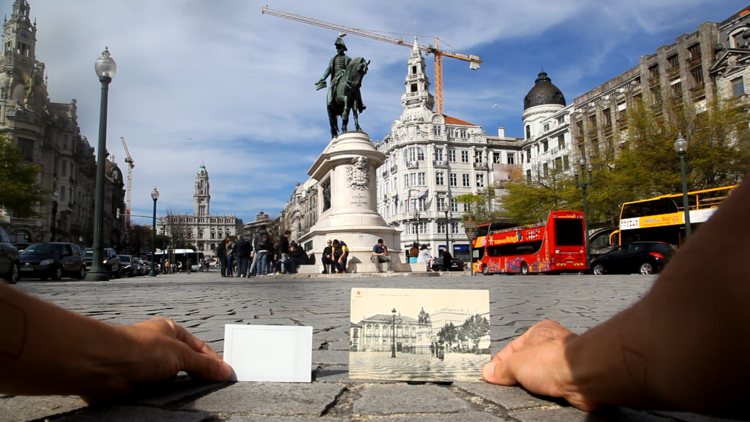
Visual Spaces of Change (VSC), a transdisciplinary research project with a significant component of Contemporary Photography, combined with complementary research in Space Syntax and Information Technologies, will be present at the Porto Ciclo'19 Photography Biennial, from May 16 to July 2.

This collaboration materializes through the operationalization of a curatorial project associated with a set of activities that cross the universes of photography and editorial in two complementary strands: (i) Display of Contemporary Photography projects (CPP) communicated through video projection and photography in several public spaces and collective use located in the Metropolitan Area of Porto (AMP), and (ii) Exhibition of alternative publications for the dissemination of authors and works with particular focus on Architecture, City and Territory Photography.
This program will be implemented in various public spaces and collective use, seeking to generate a dynamic of interaction with exhibitions in cultural organizations, professional associations, universities and other alternative spaces of artistic production. During the official biennial period in 2019, the highlights are the exhibitions at S. Bento and Aliados Metro Stations, and the exhibition at the Order of Architects and Municipal Library Almeida Garrett. The material that is intended to be brought to the public through the contemporary photography projects exhibited in these spaces constitute 'visual narratives' that intentionally interfere with the territory, provoking real and virtual encounters between contrasting landscapes of the AMP, offering angles and perspectives on this territory that raise a new look at its cultural, environmental and architectural heritage.

The activities proposed under this partnership are oriented towards an understanding of the processes of interrelations between Architecture, Art and Image, identifying the points of articulation of the ethical and aesthetic dimensions of these universes. The photographic projects that it is proposed to install in several public and collective spaces for temporary exhibitions are the copyright objects through which the aim is to broaden the debate around the cross-cutting themes of the VSC and Cycle'19 themes . This project aims at exploring how photography is a medium that can align artistic practice and academic research, while at the same time positioning itself critically before these universes. The strategy proposed to promote this approach intends to explore the potential of the photographic image as a critical and inquisitive instrument used to reinforce and expand communication and interaction capacities among agents involved in creative, cultural and artistic processes.

More info:
ciclo-bienal.org


1st Workshop “Alternative Paths: Architecture, Photography and Dance” | March 30th


EN / PT

1st Workshop “Alternative Paths: Architecture, Photography and Dance” 

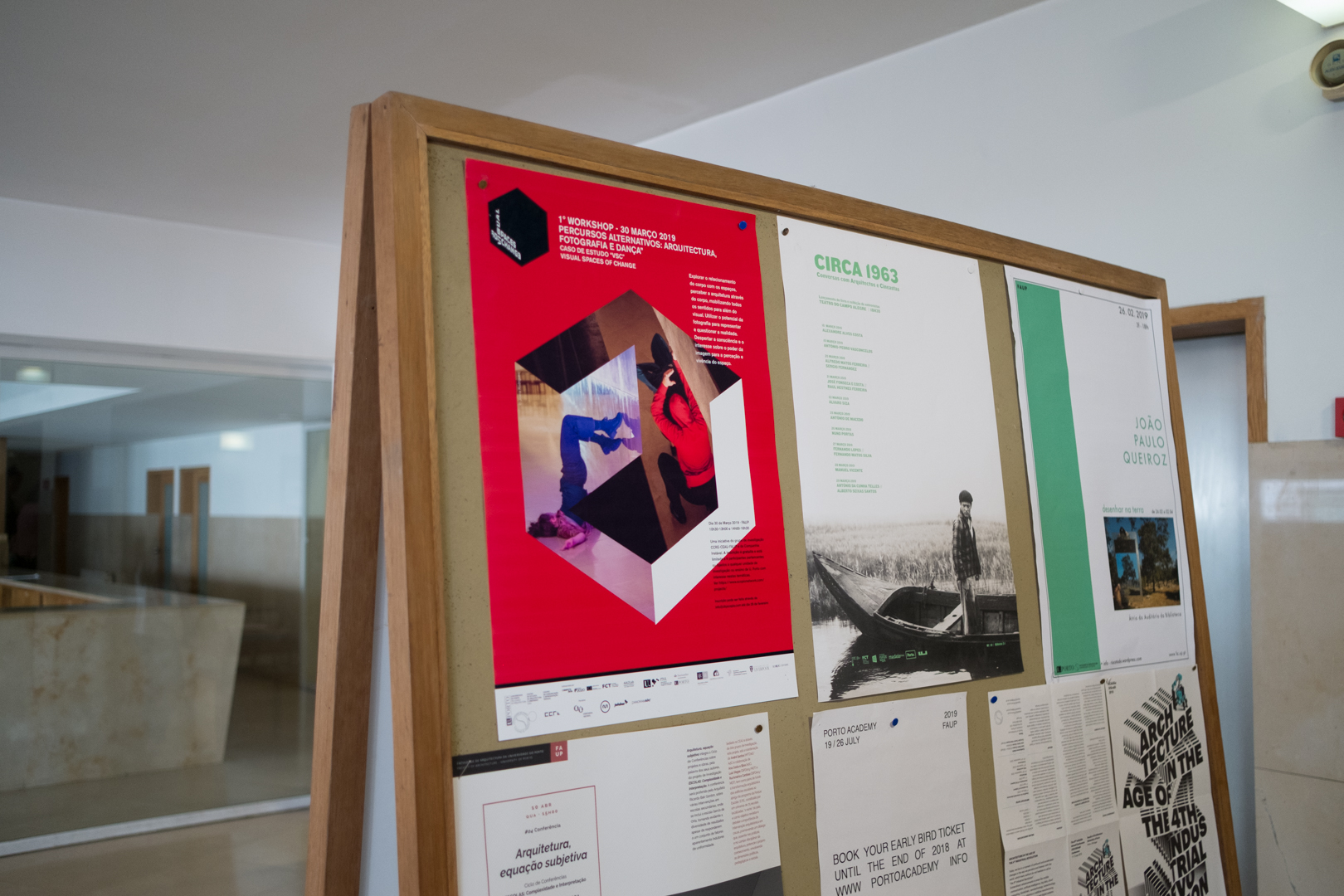
30 march | Case study Visual Spaces of Change (VSC) | Collaboration between the research group CCRE - CEAU - FAUP and Companhia Instável.


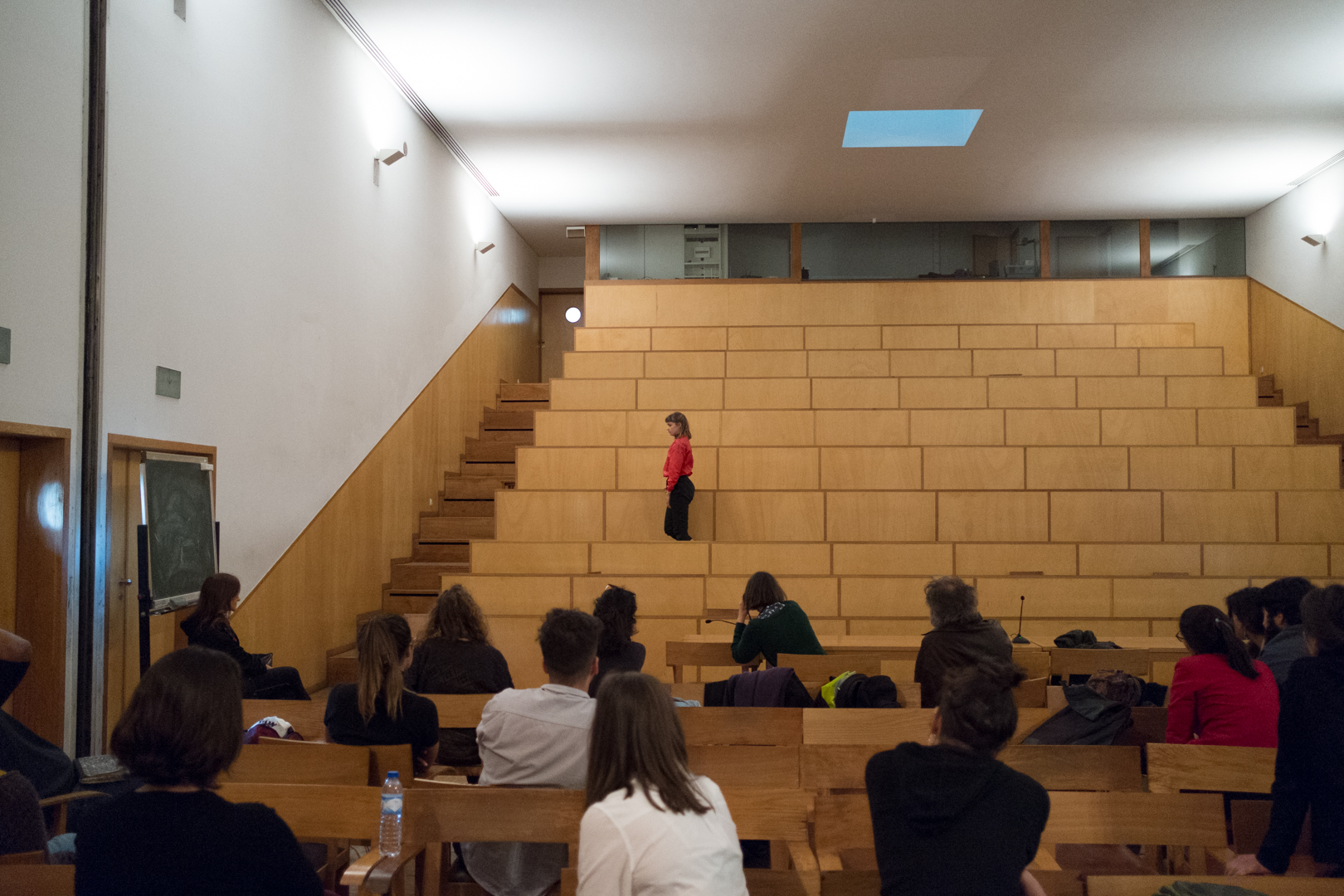
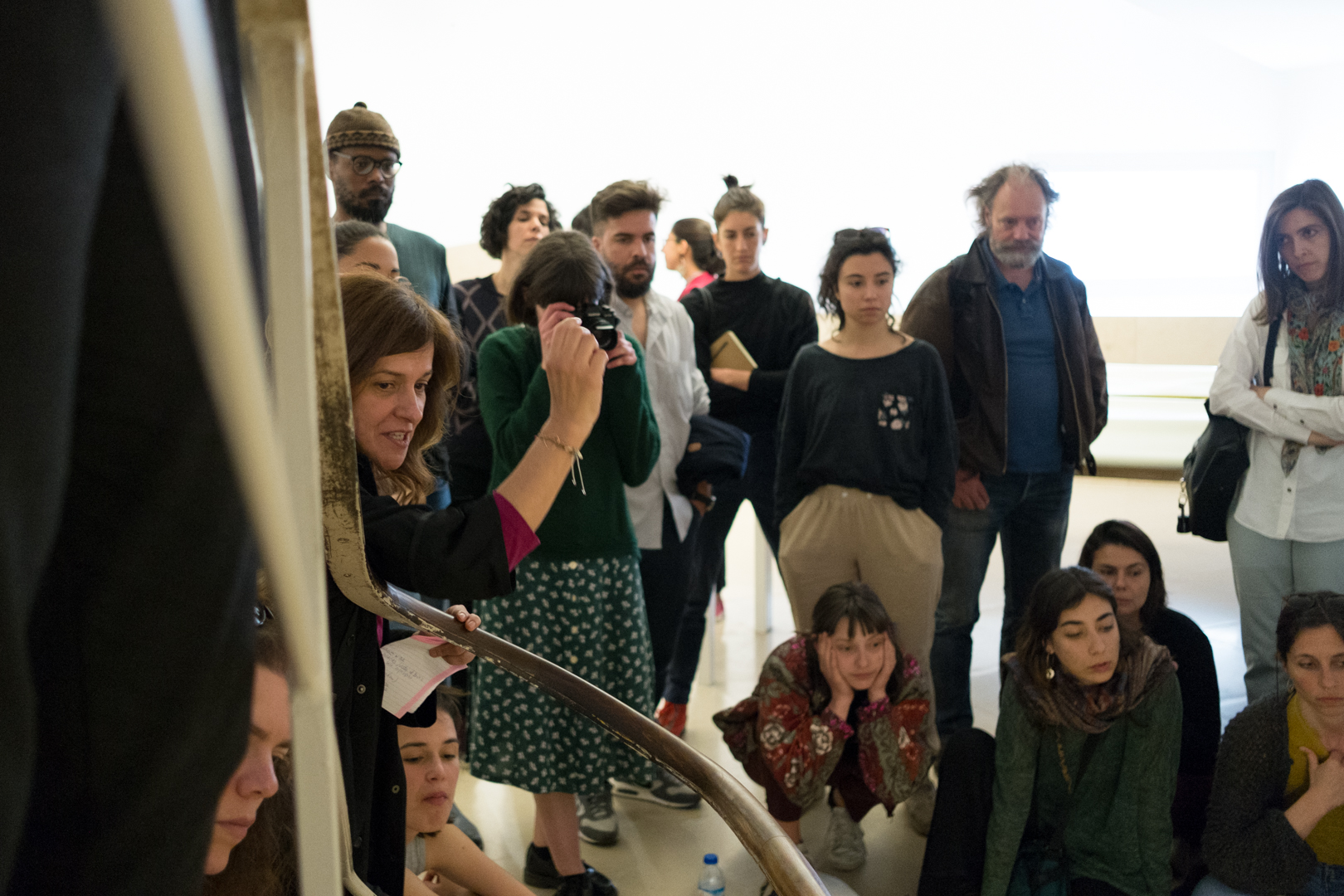
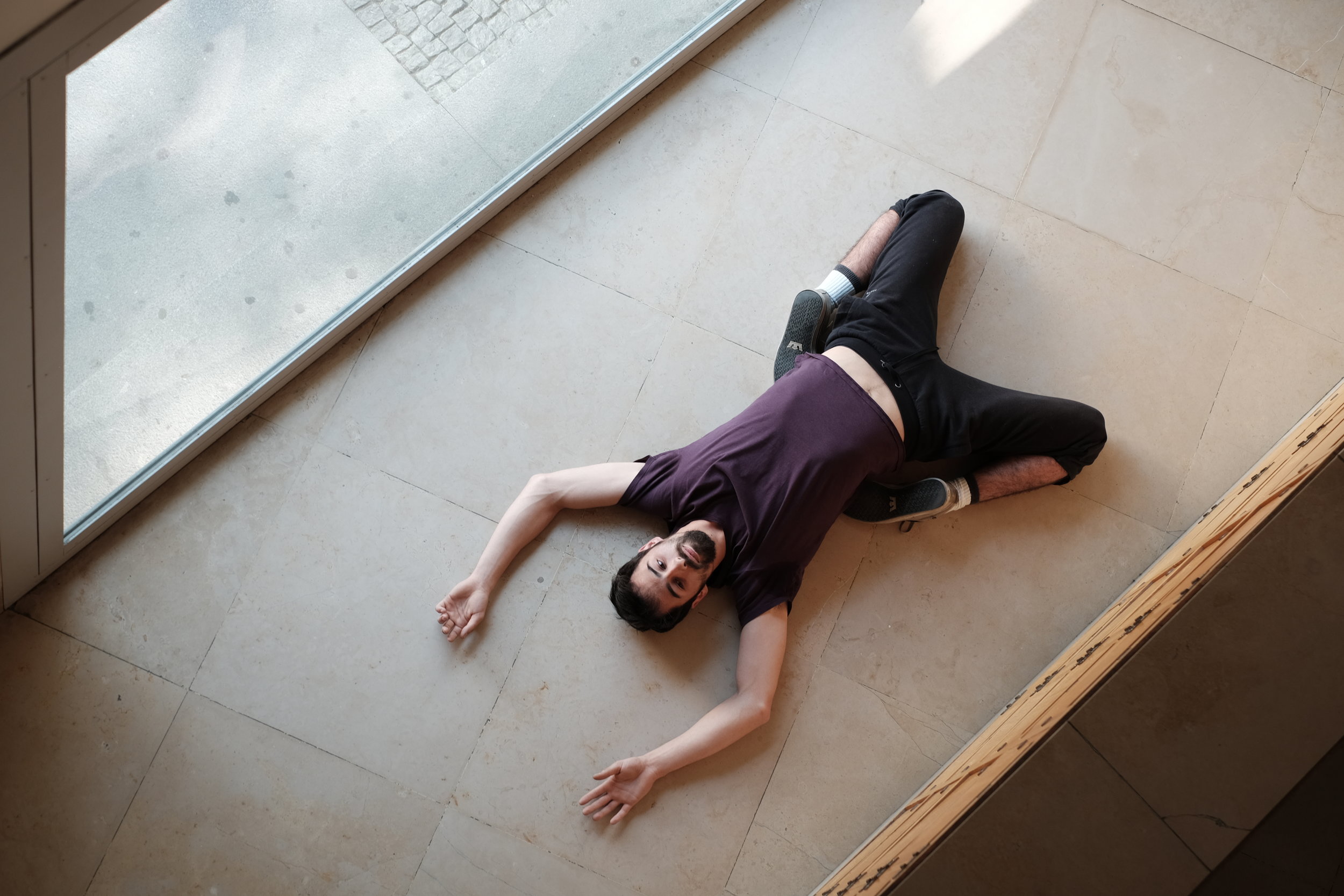
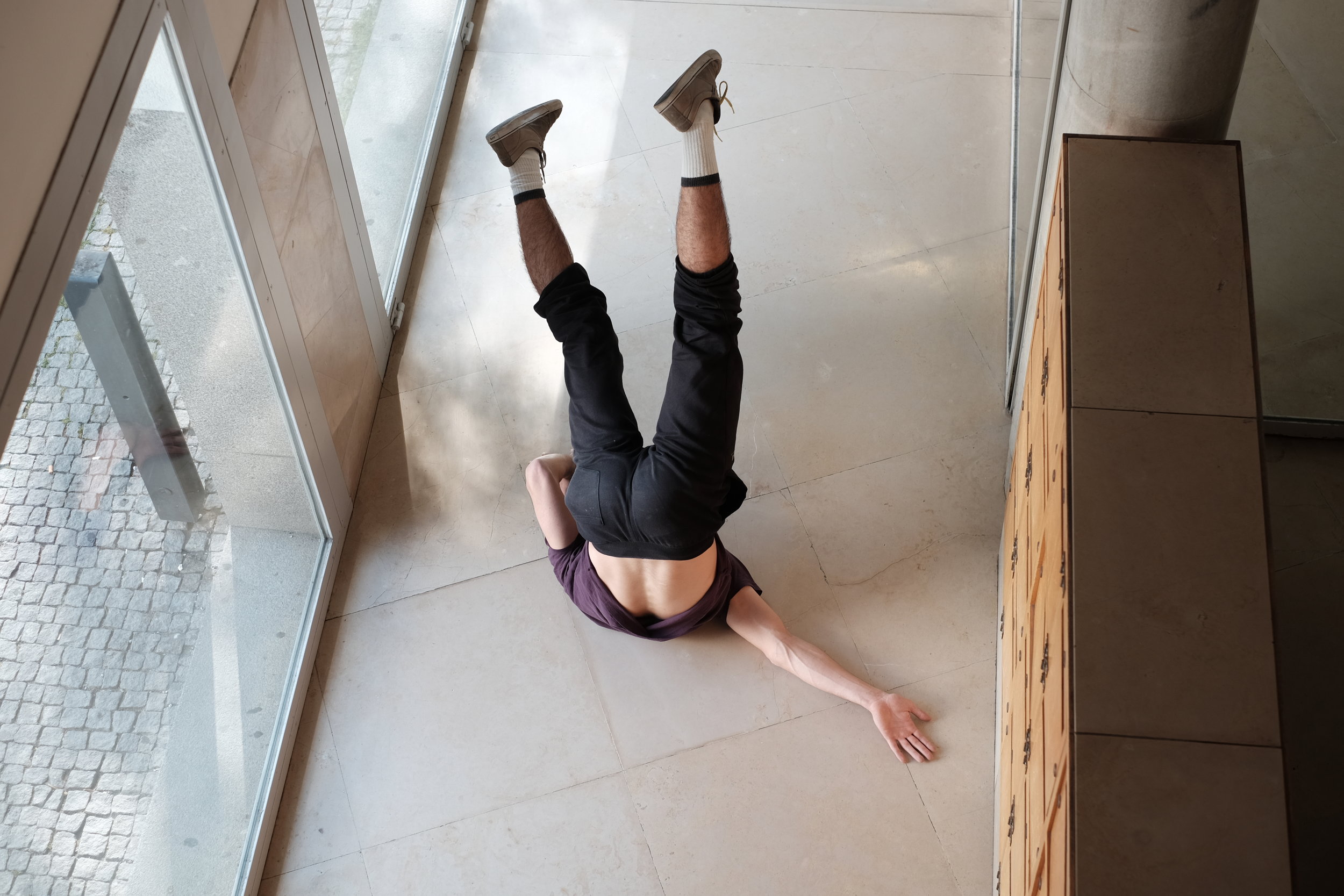
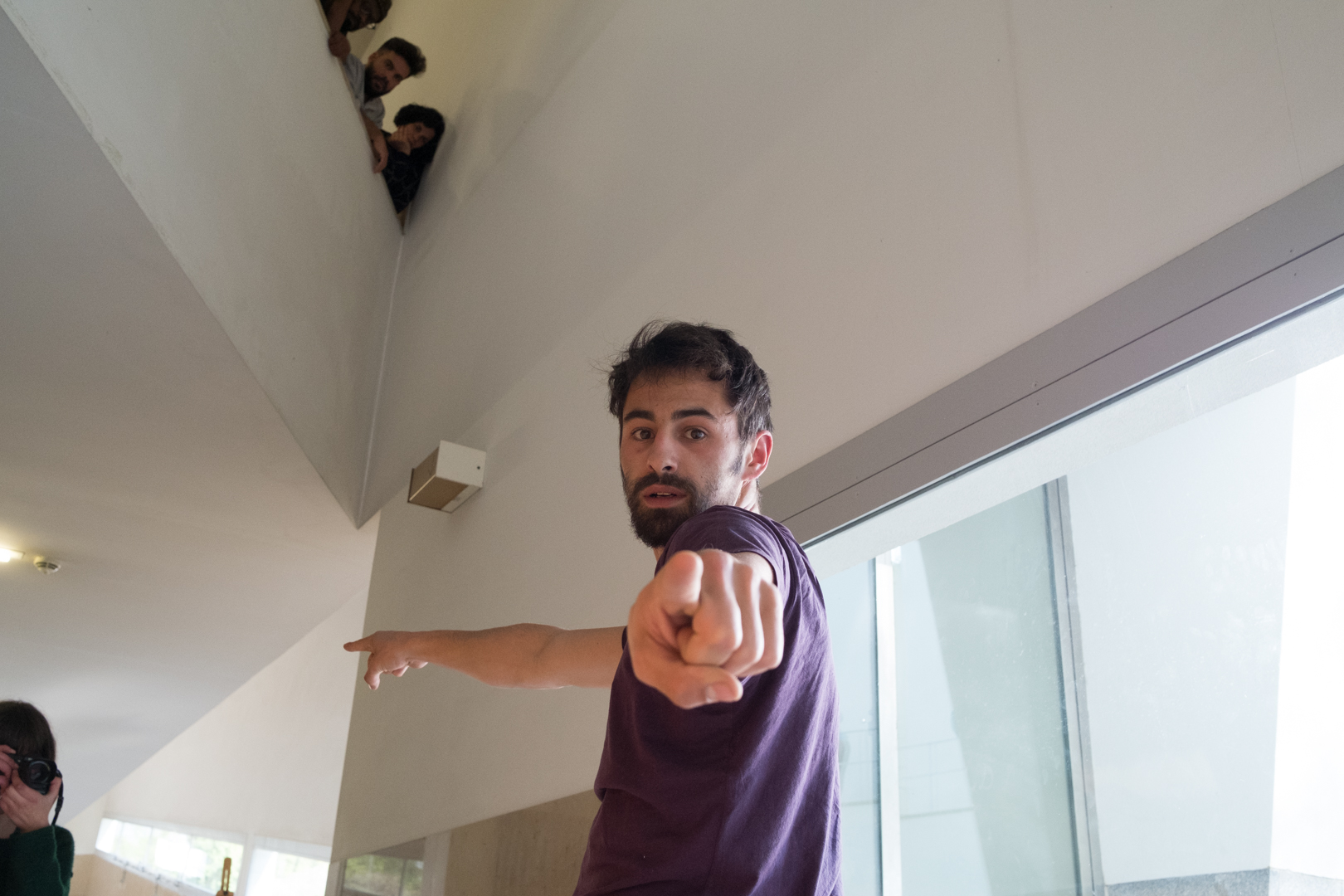
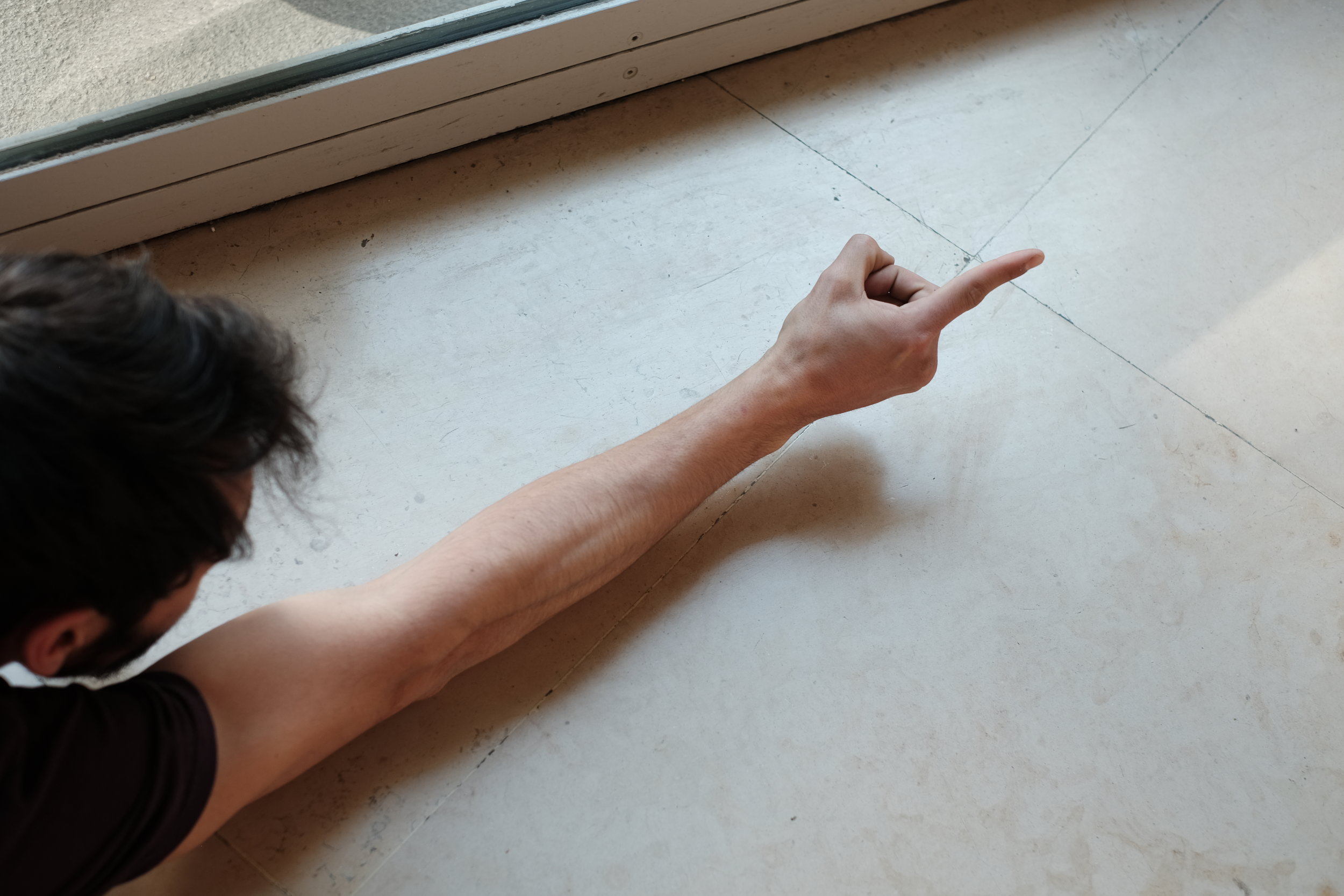
The first phase of the 1st Workshop "Alternative Paths: Architecture, Photography and Dance”, part of Visual Spaces of Change (VSC) case study was held on March 30th.

The Alternative Paths: Architecture, Photography and Dance project is an initiative of the research group CCRE-CEAU-FAUP and Companhia Instável (CI), and integrates AAI 2 Lab and scopio Editions into its organization. Alternative Paths (Percursos Alternativos) is born from the collaboration and integration of two projects that, through different forms, relate, question and interpret the urban public space and its transformations: the Visual Spaces in Change (VSC), developed by CCRE-CEAU-FAUP, and Paths through Architecture, developed by CI.'

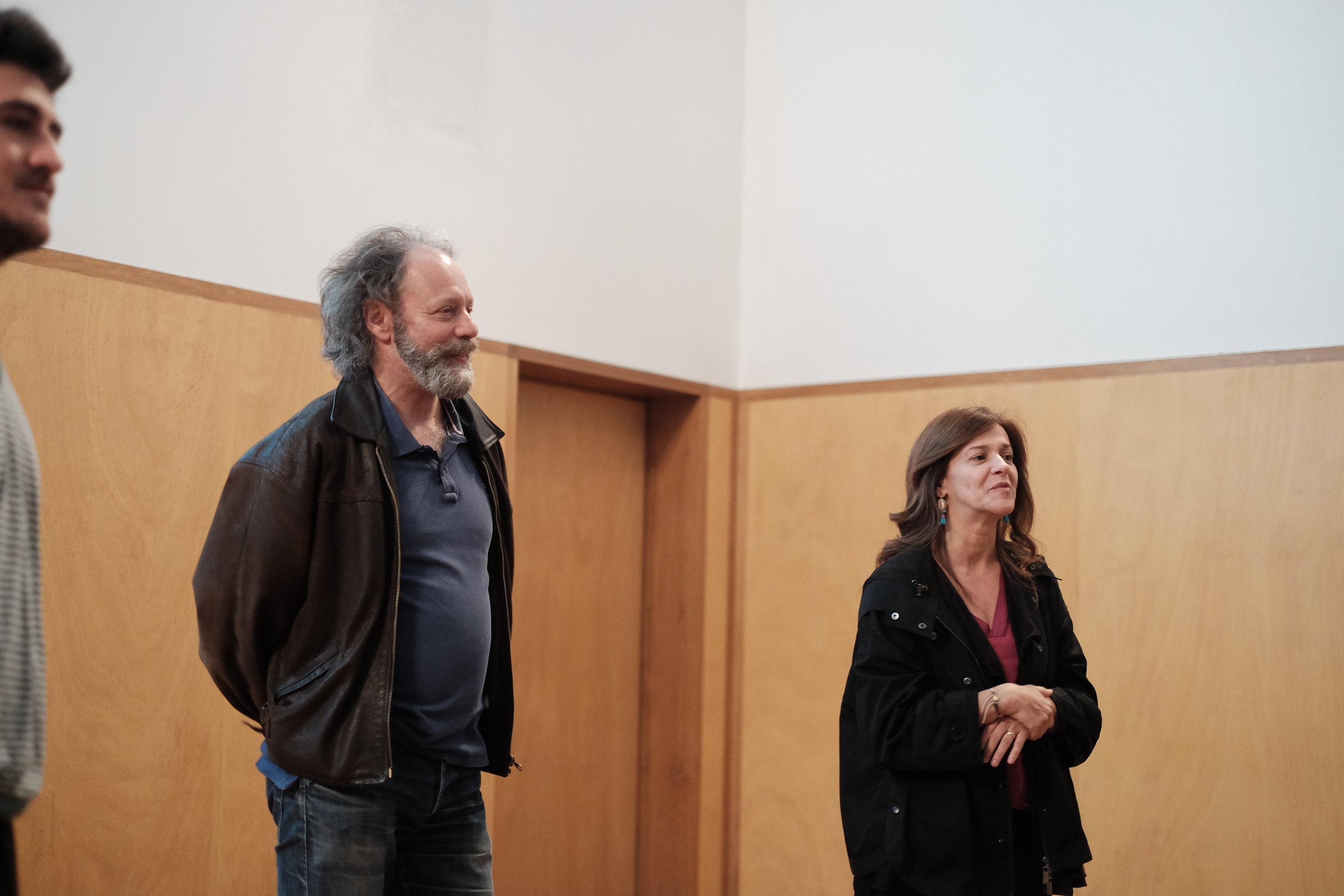
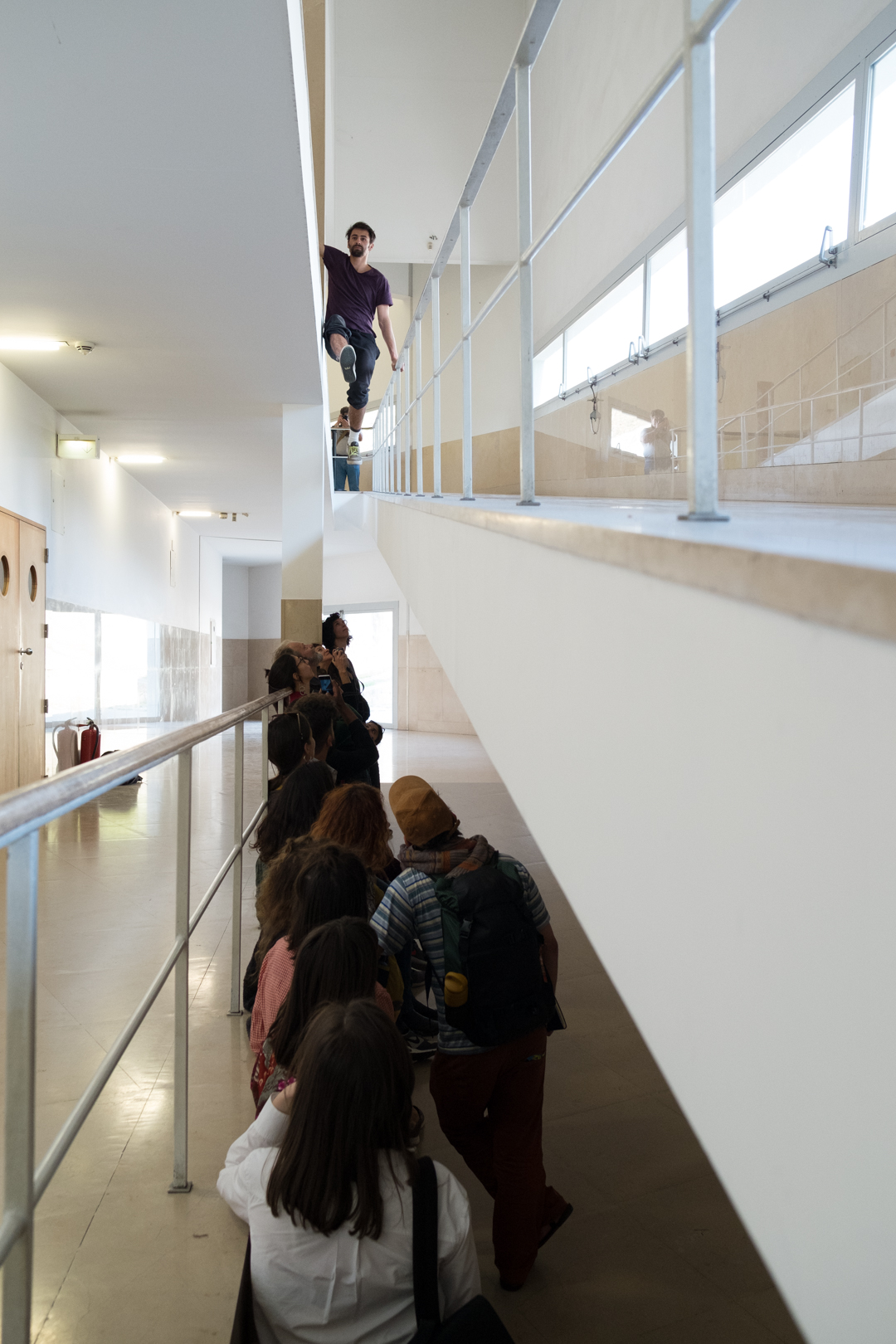
The first phase of the workshop included (i) two Master Classes, (ii) a guided visit to FAUP and (iii) two exercises / exploratory photography and contemporary dance projects. The guided tour by the Portuguese architect Álvaro Siza Vieira (FAUP) was led by Lucas Certo, a student of FAUP's 5th year.

After the guided tour, Pedro Leão Neto, architect and professor of Photography curricular units at FAUP and coordinator of the research group Center for Communication and Space Representation (CEMR), carried out the first Master Class, presenting a set of themes related to architecture in photography. Thus, themes such as The Architectural Promenade (Le Corbusier) - how the spectator experiences the space in architecture through a path - and how to translate this experience through a visual photographic narrative; Walkscapes approaching Francesco Careri's idea of ​​walking as an aesthetic practice and the importance of narrative in photography, paying special attention to the visual narratives that are possible to achieve with the development of a photobook.

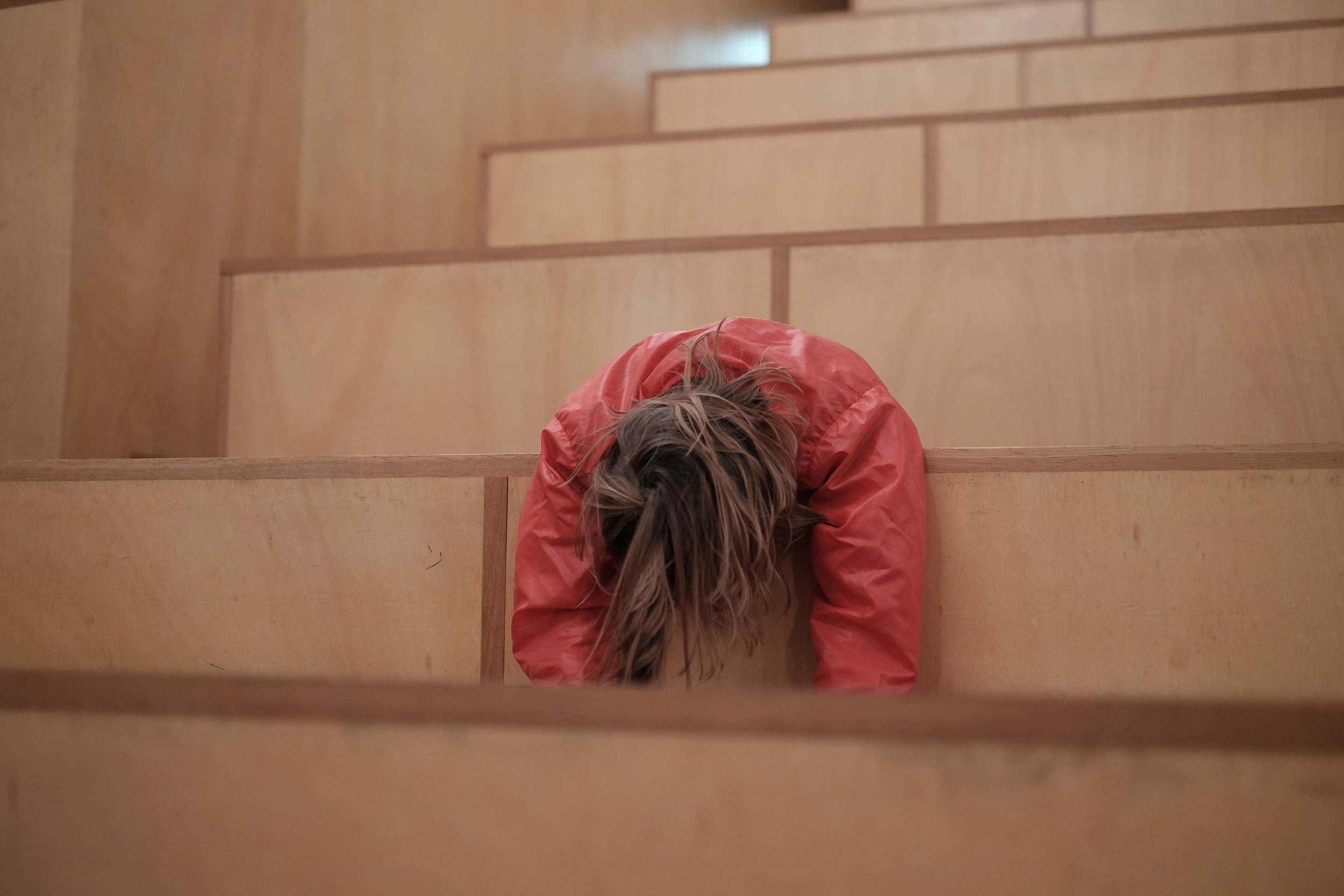
After lunchtime, Ana Figueira, artistic director of the Companhia Instável, proceeded to the second Master Class and then developed the part of the workshop that was intended to explore the relationship between space, movement, contemporary dance and architecture.

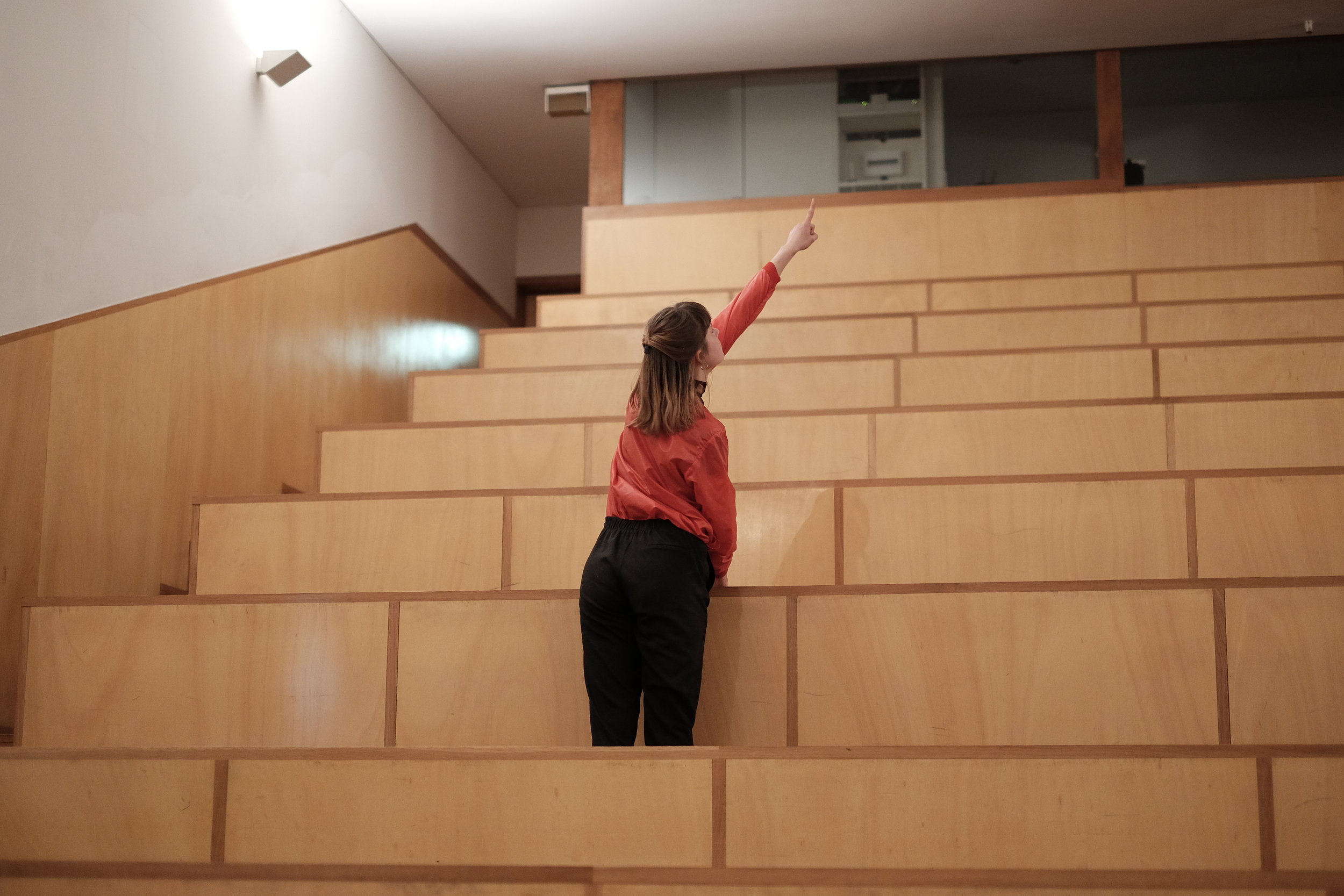
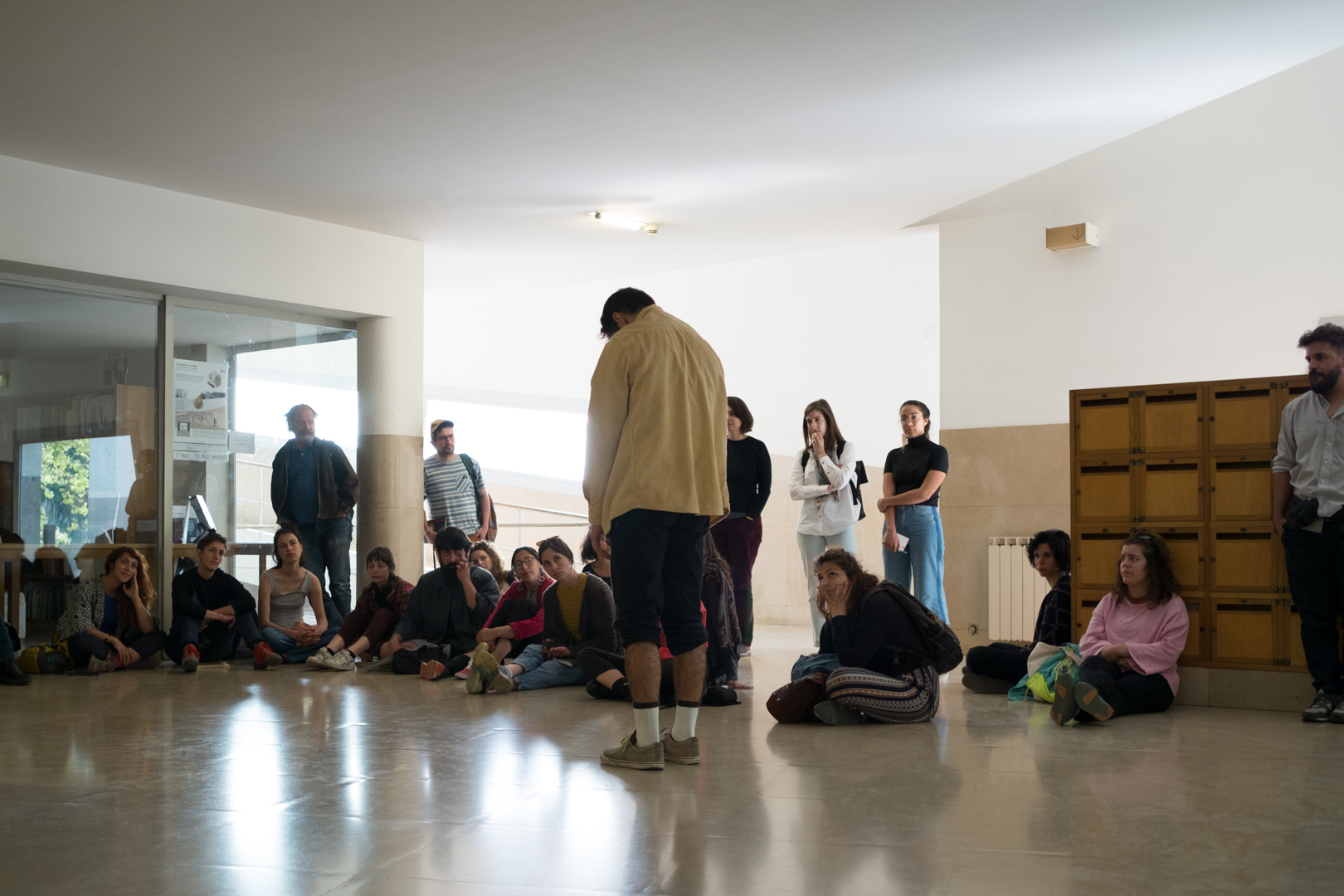
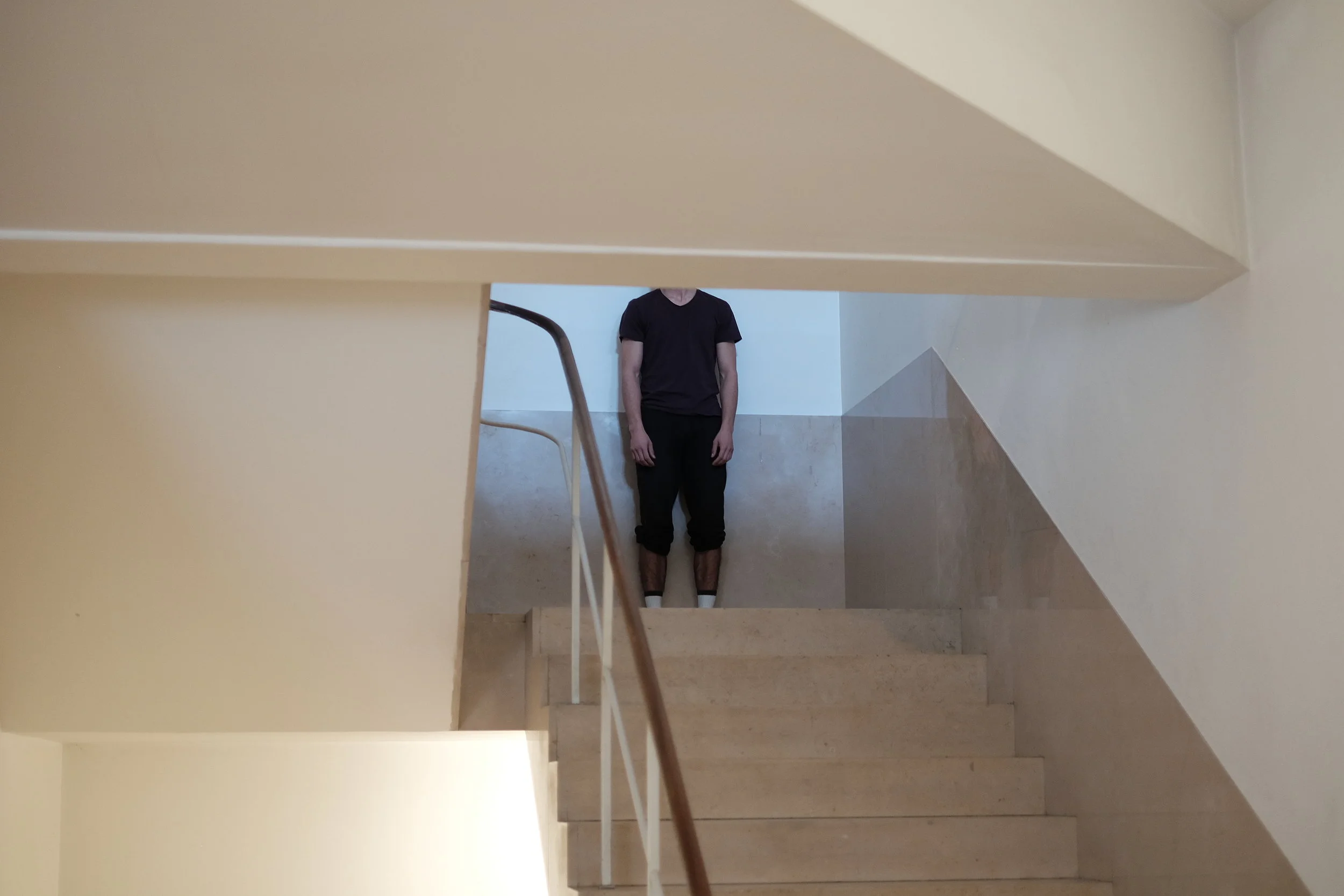
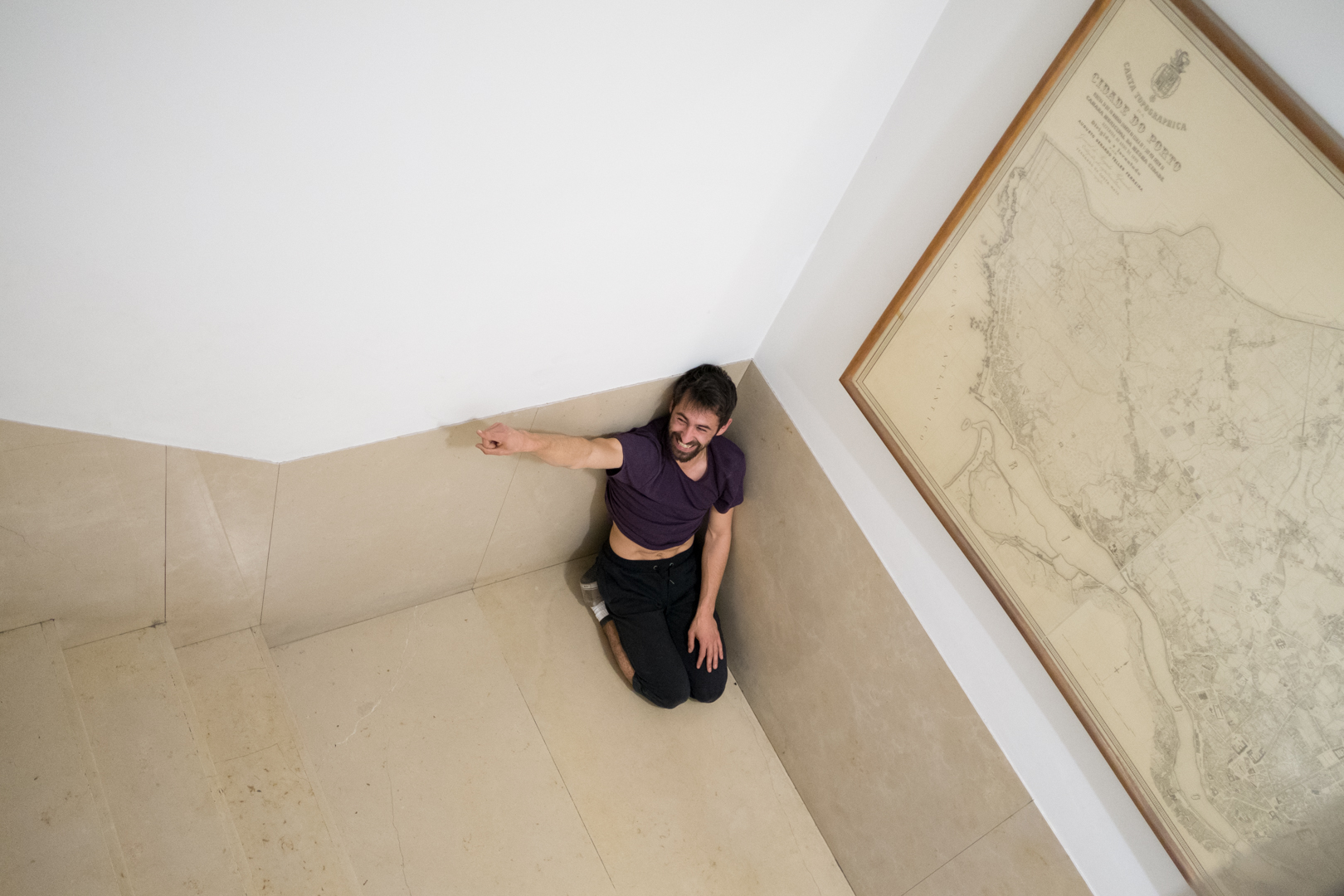
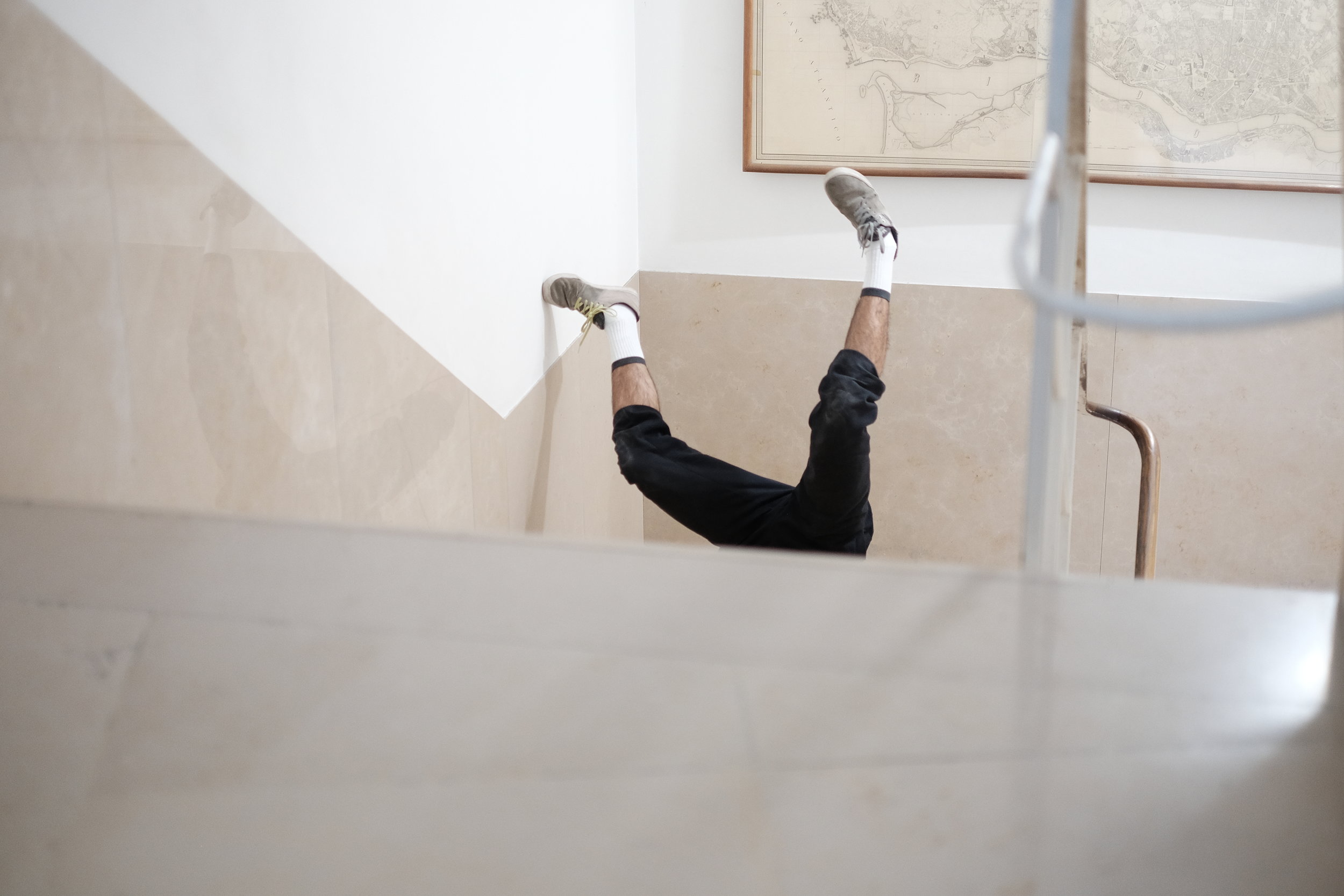
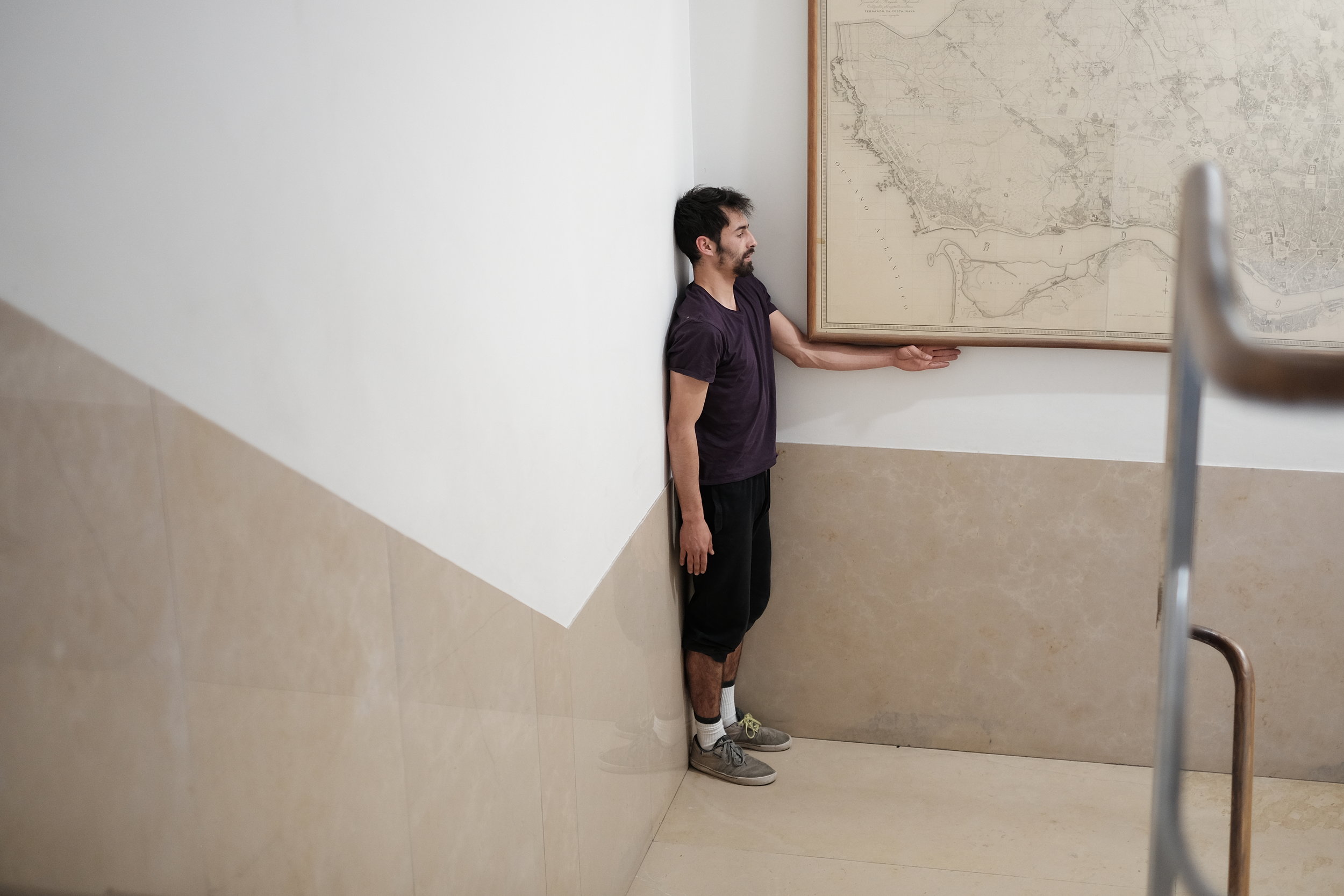
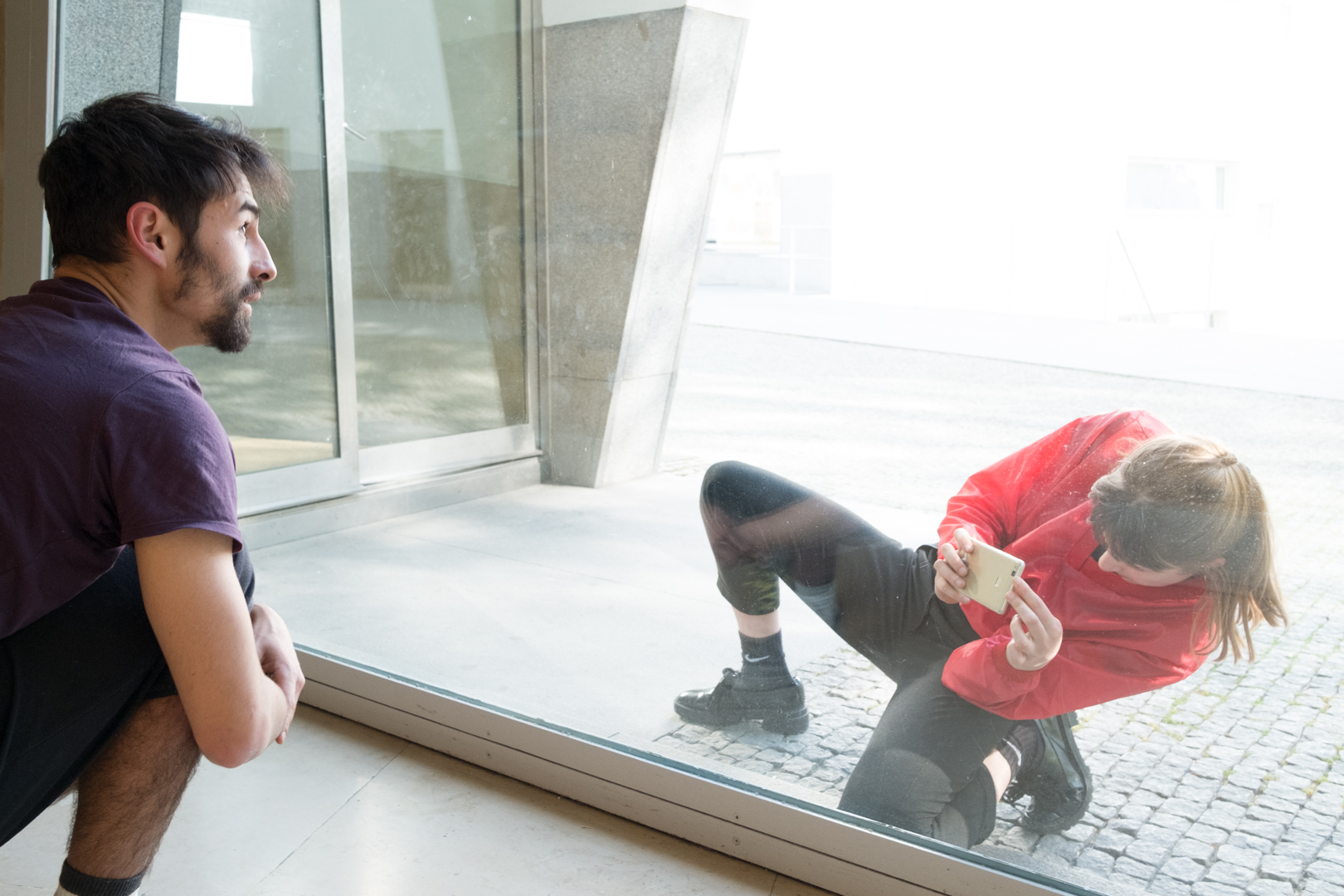
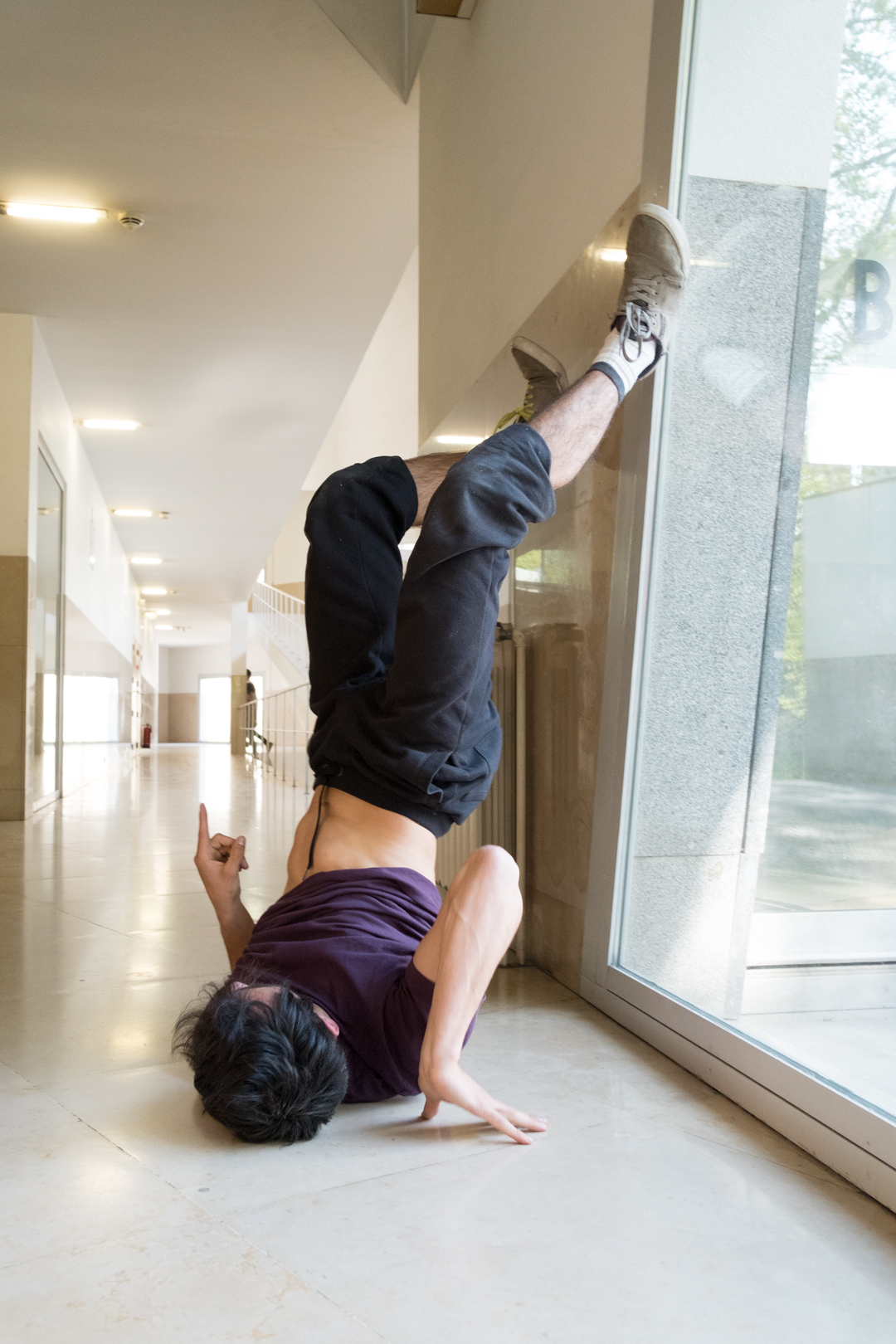
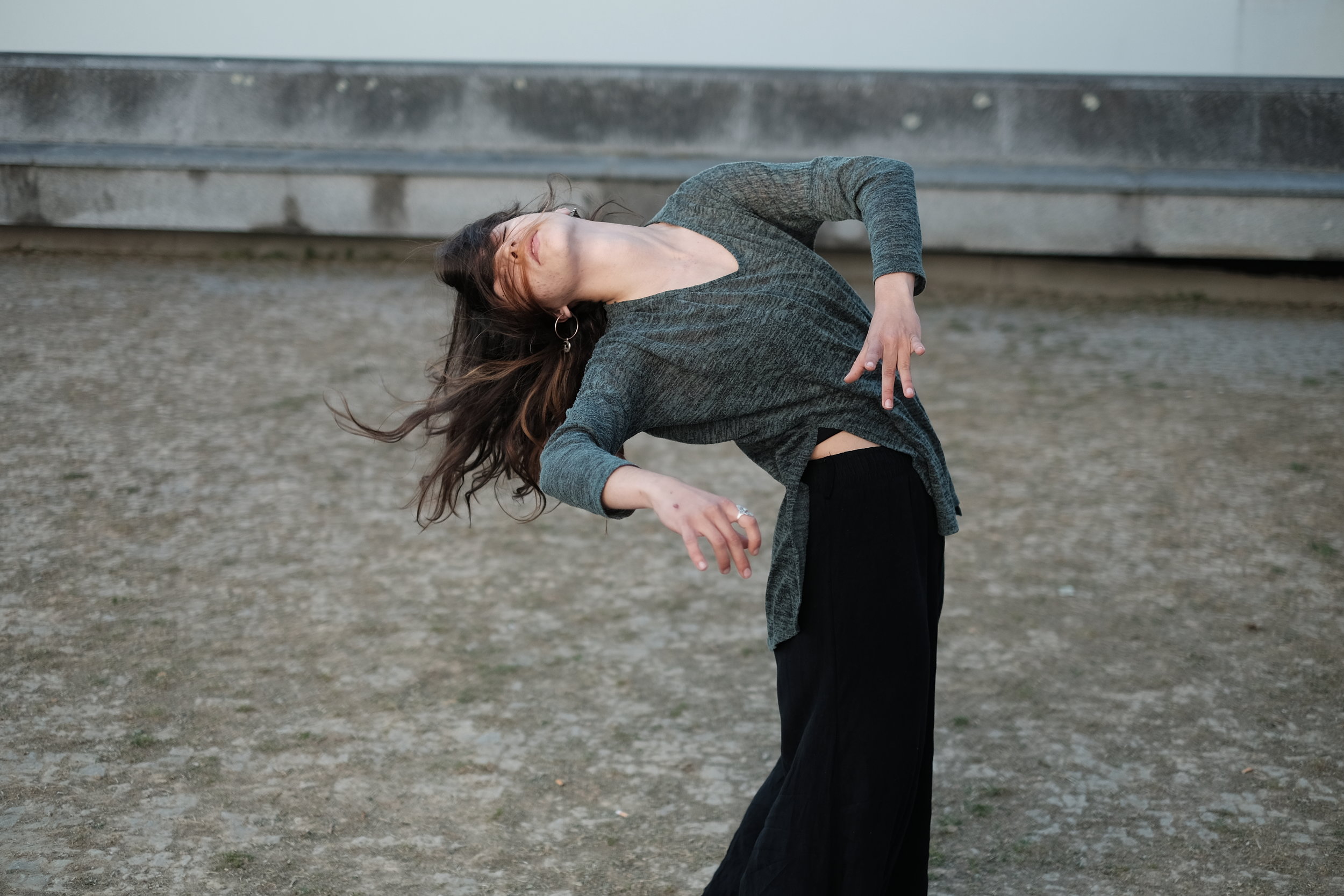
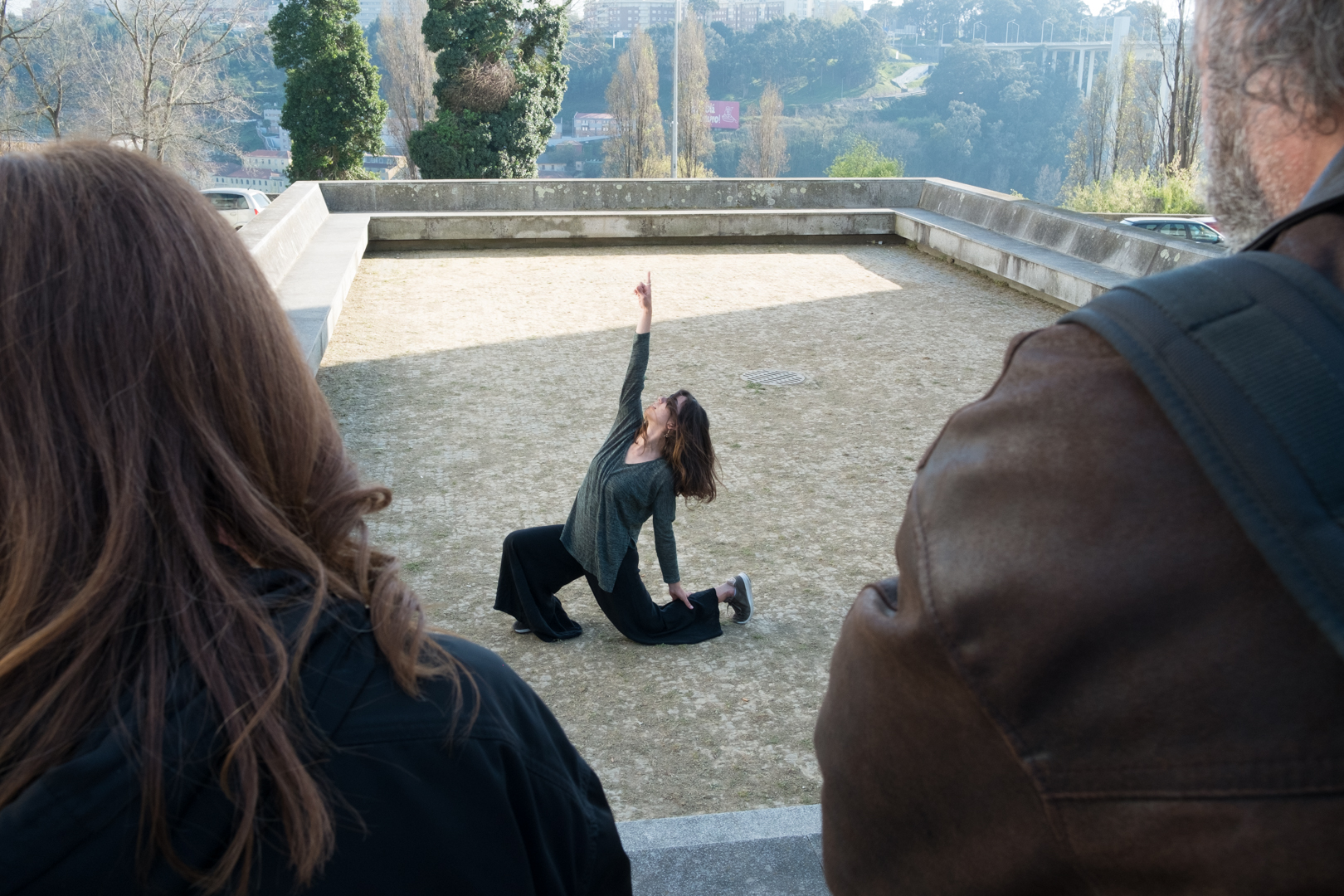
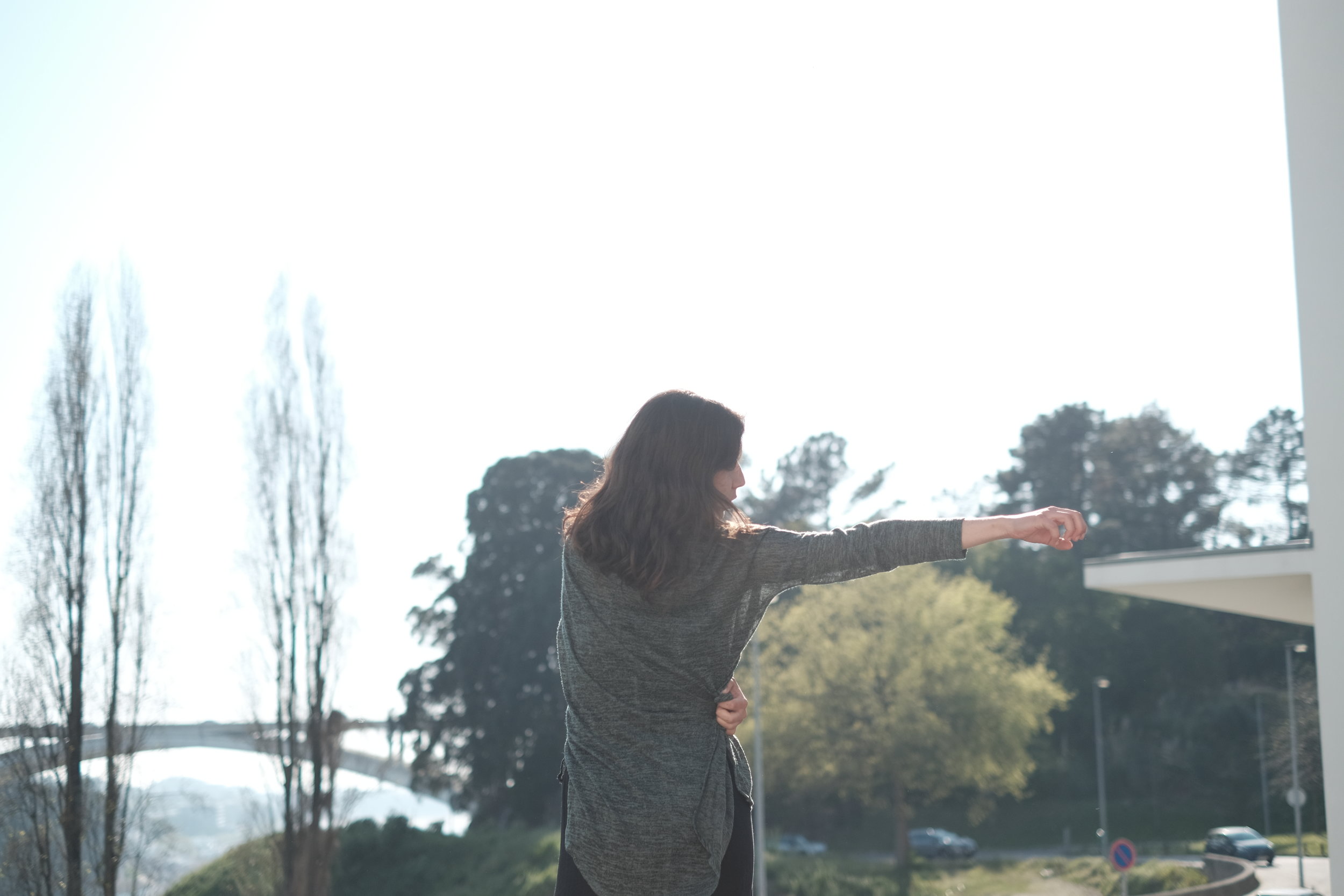
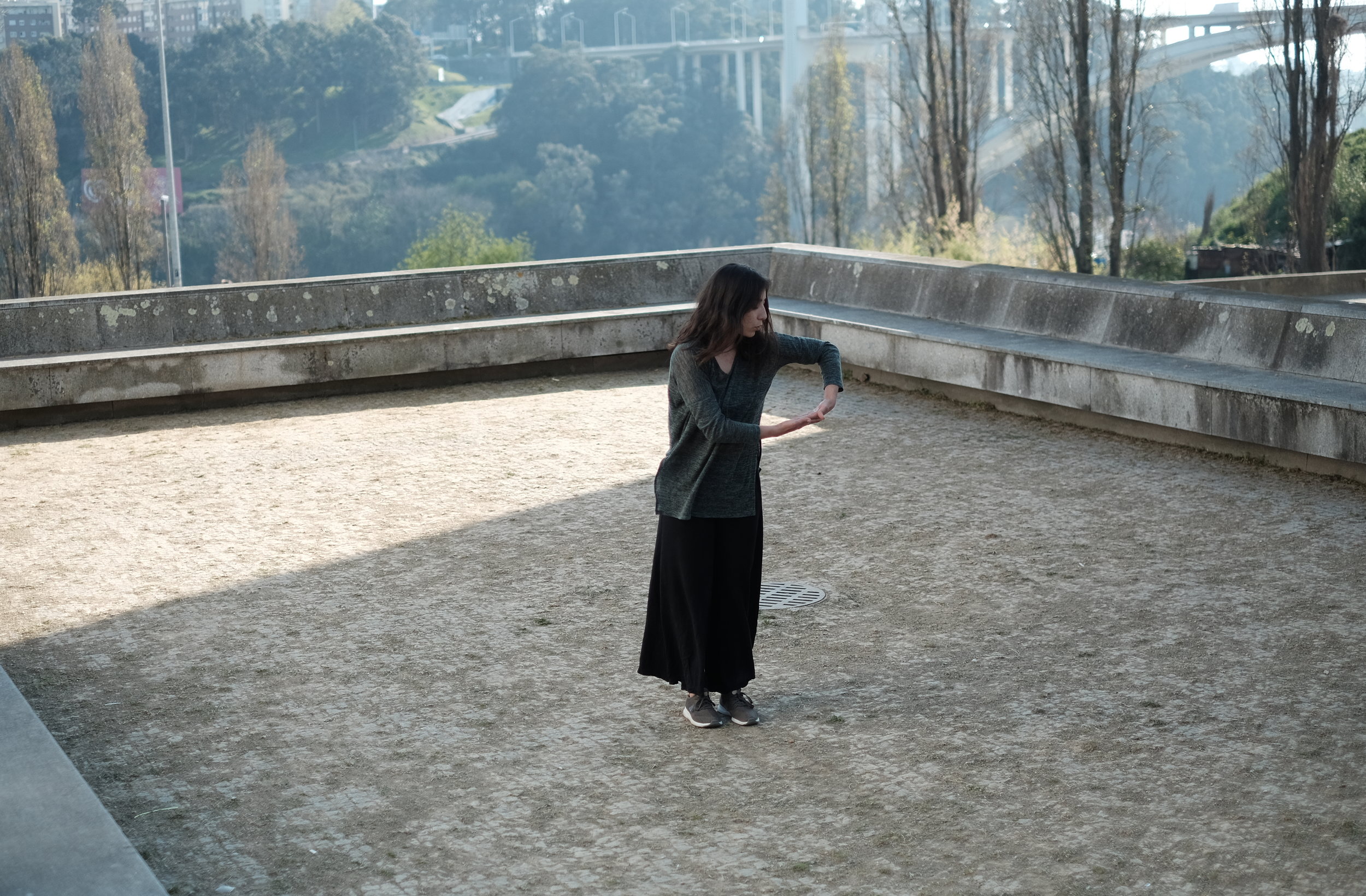
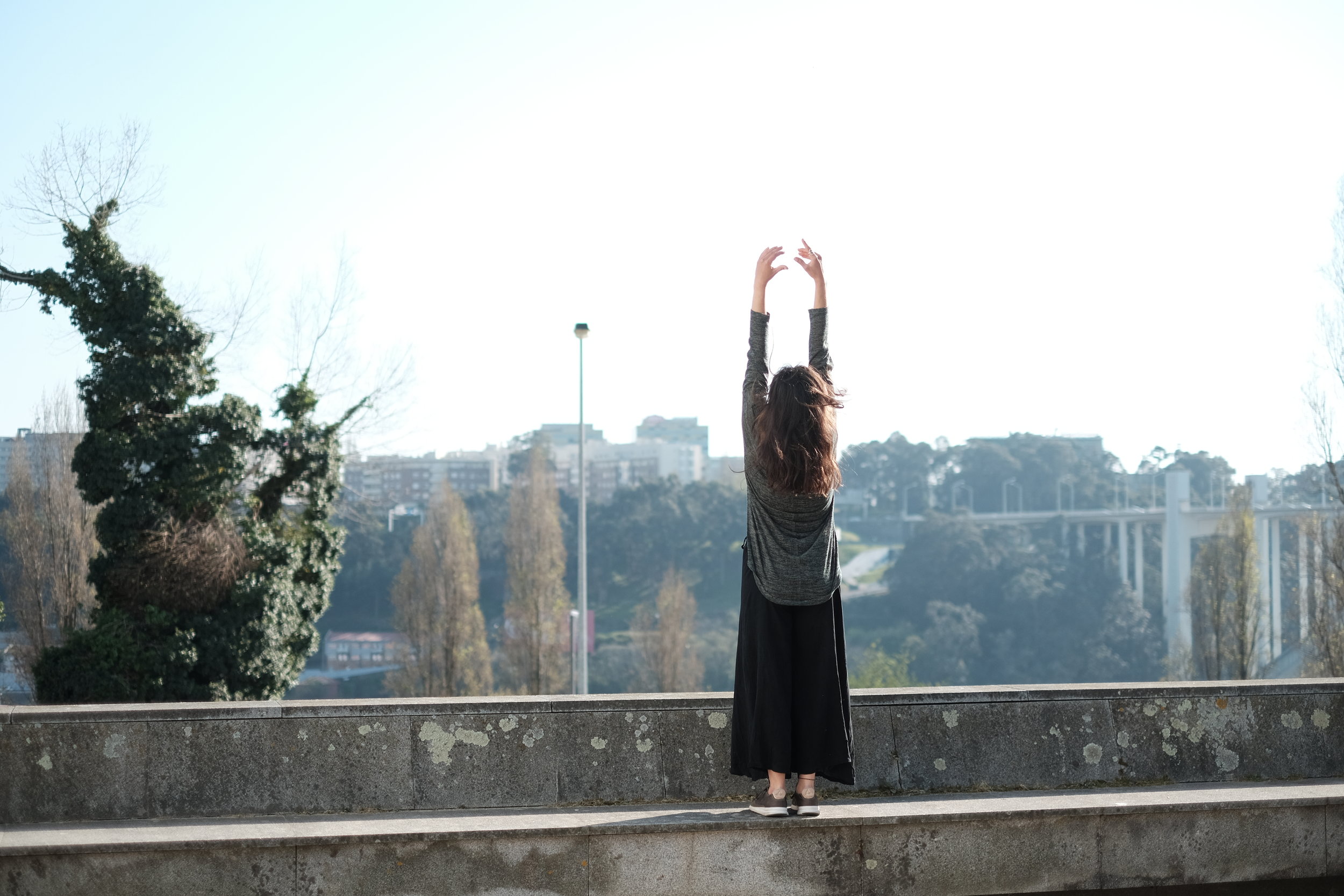
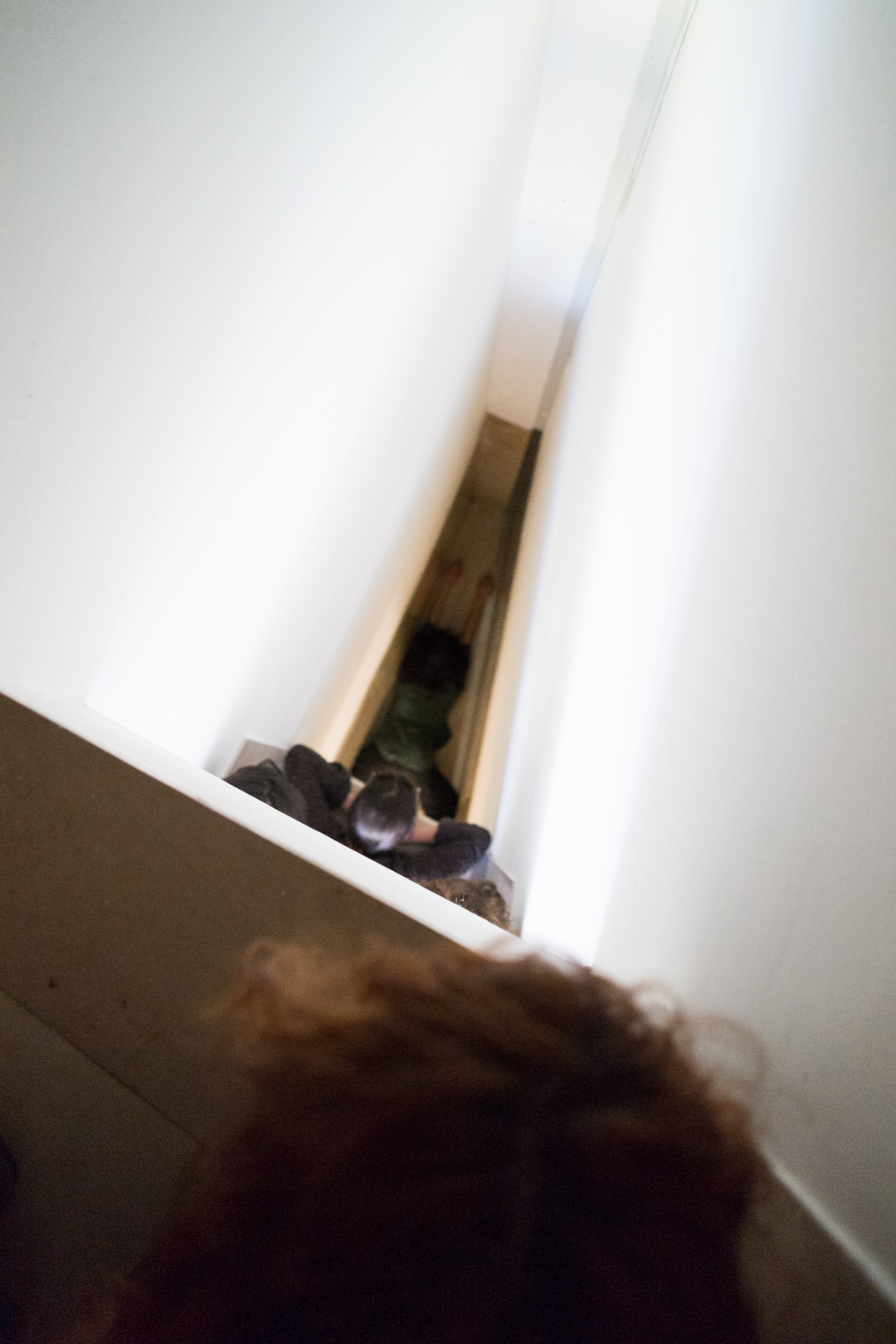
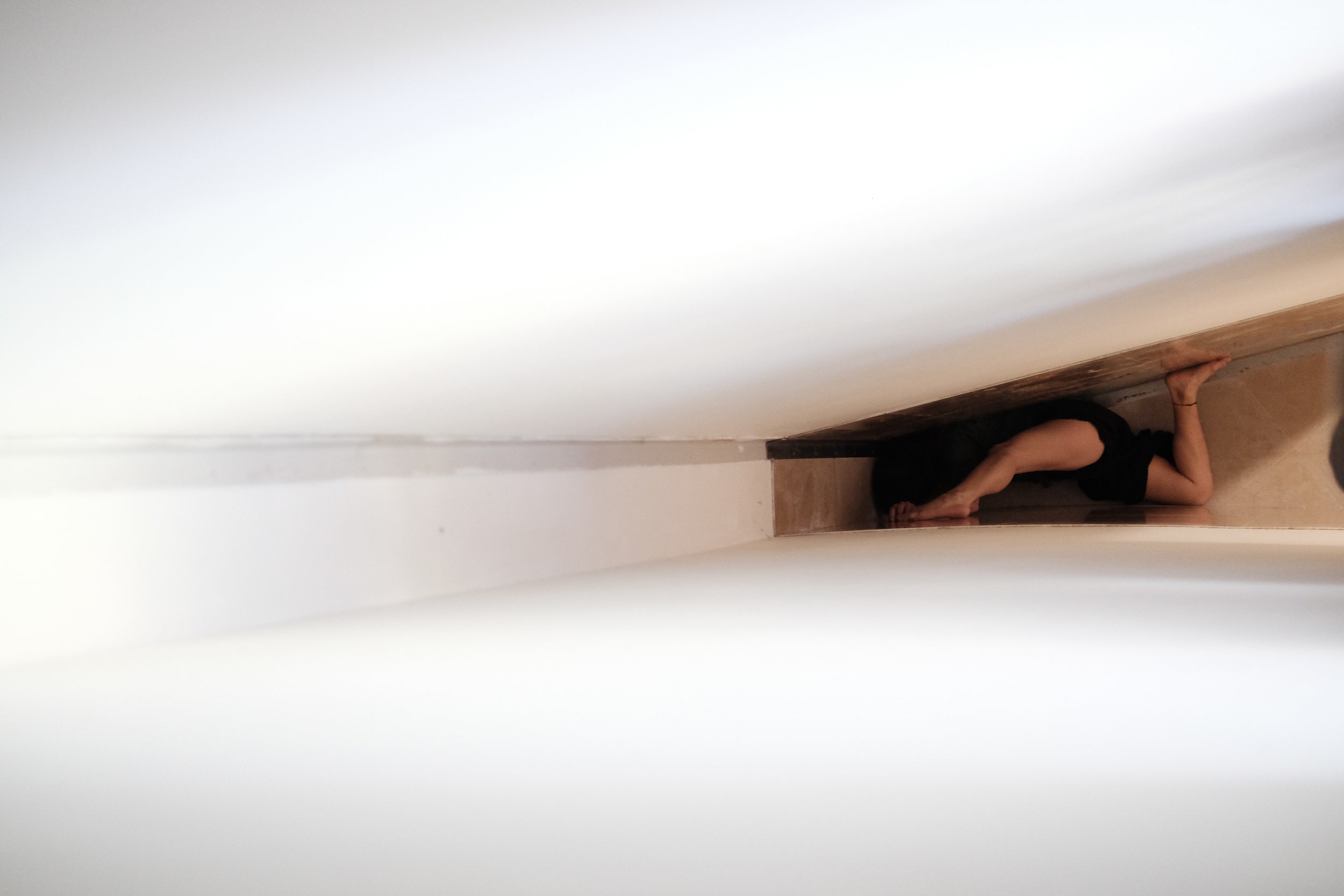
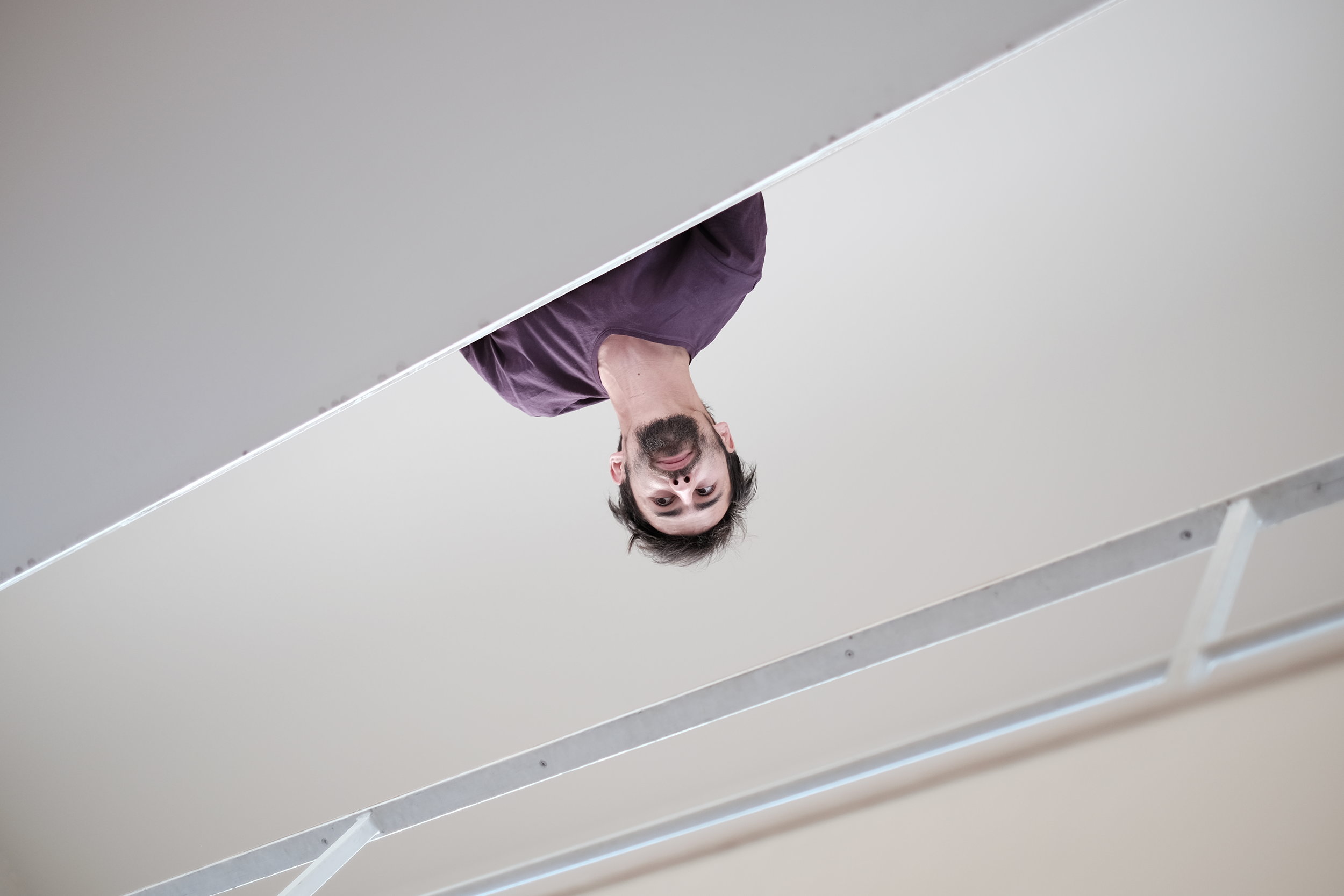
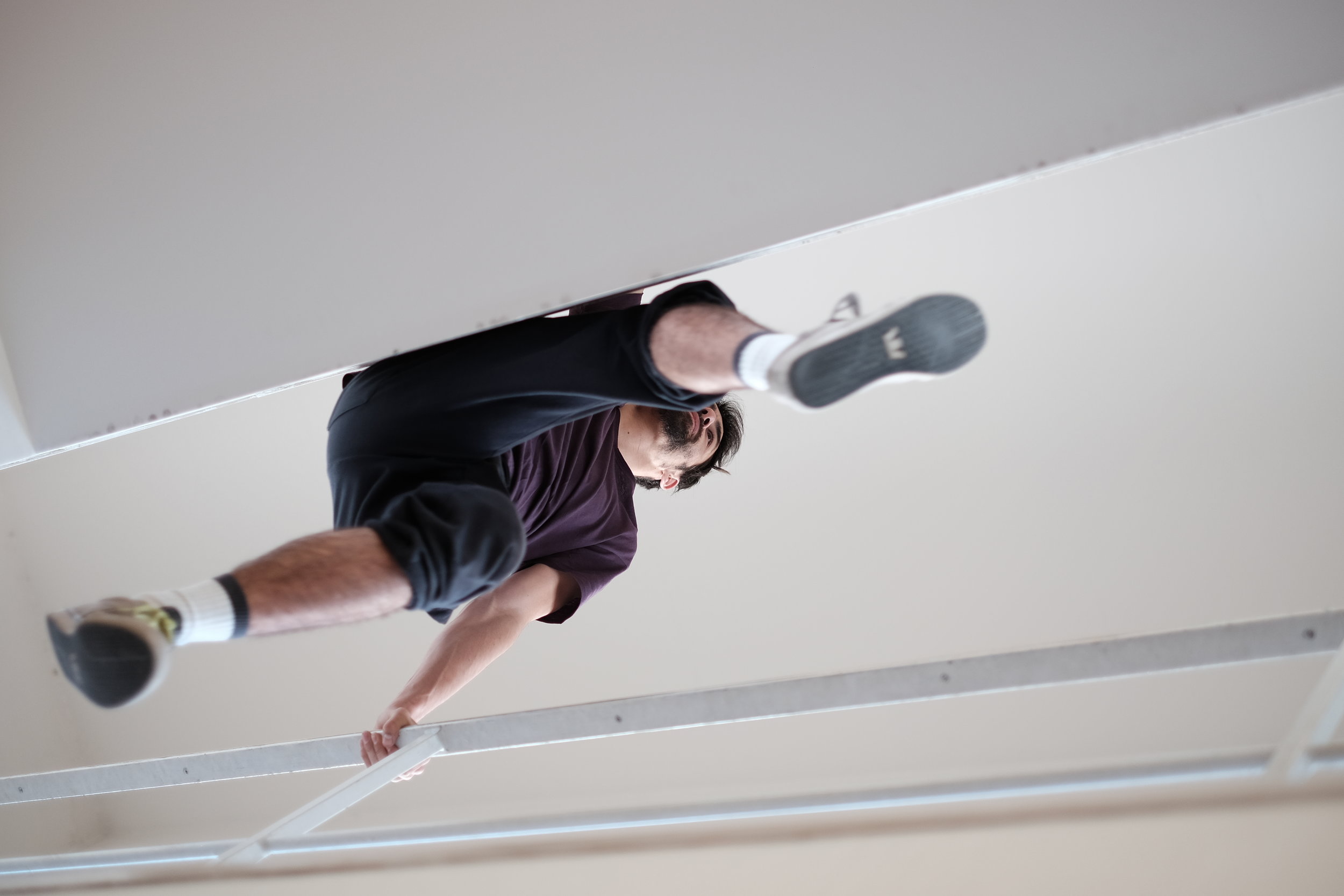
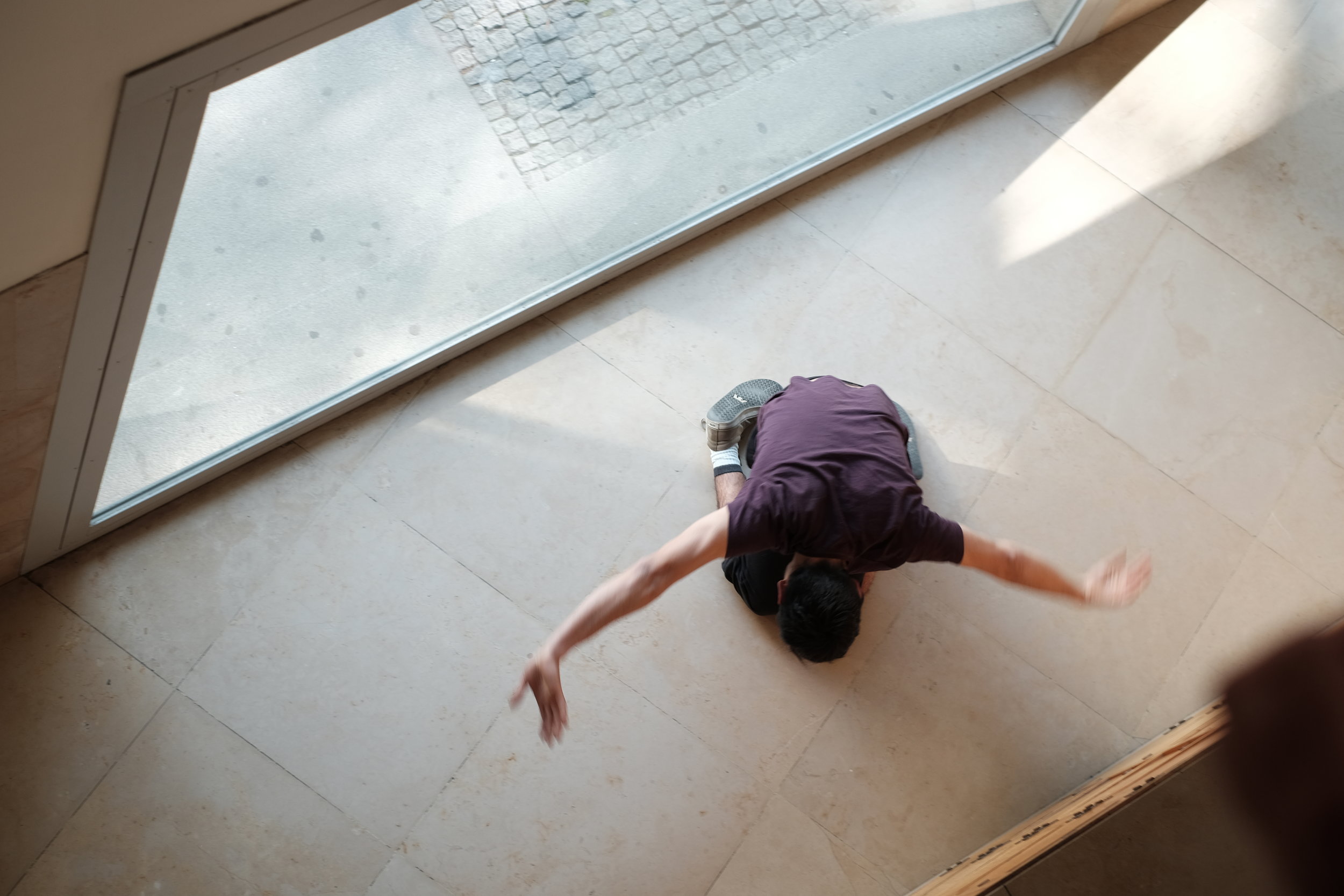
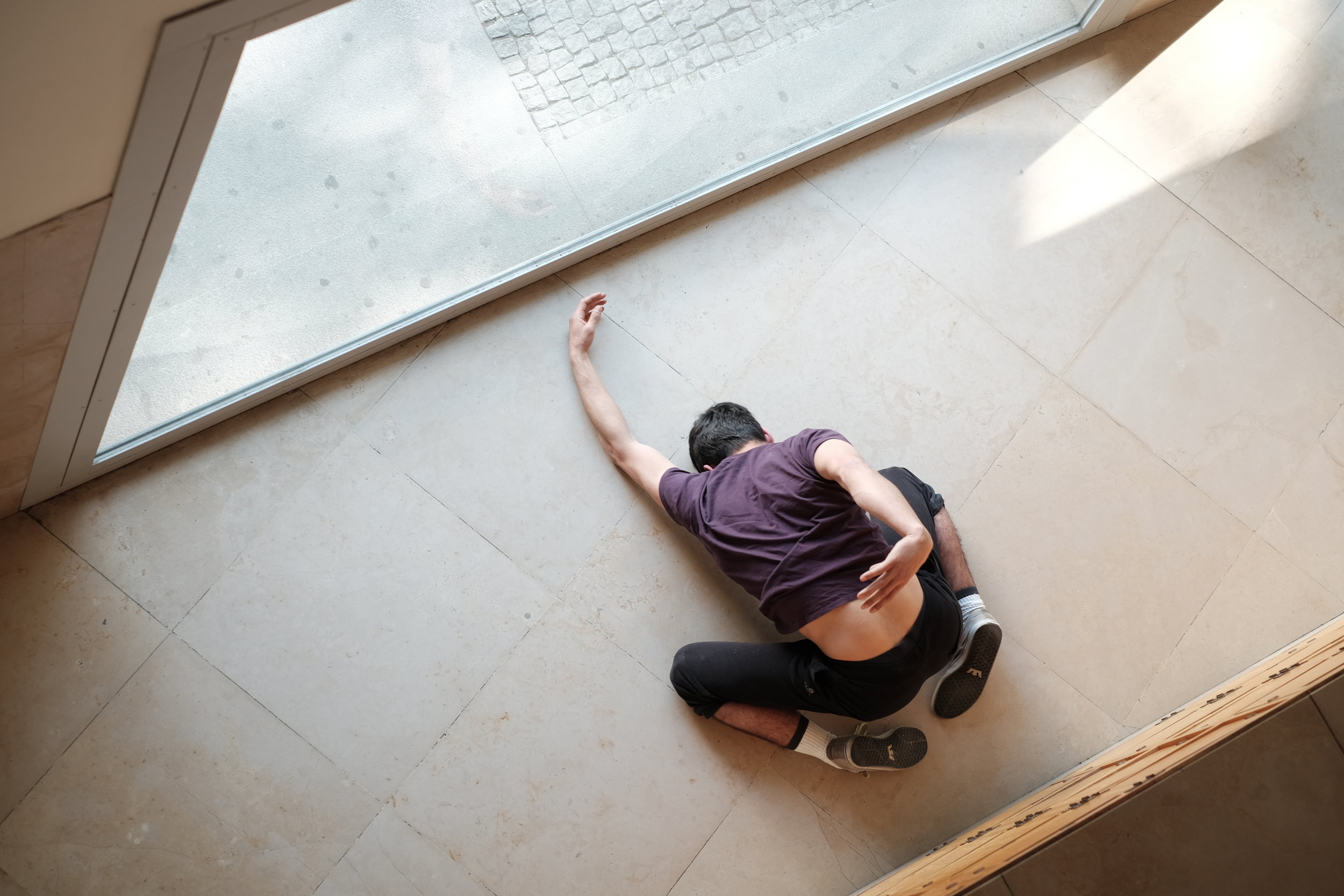
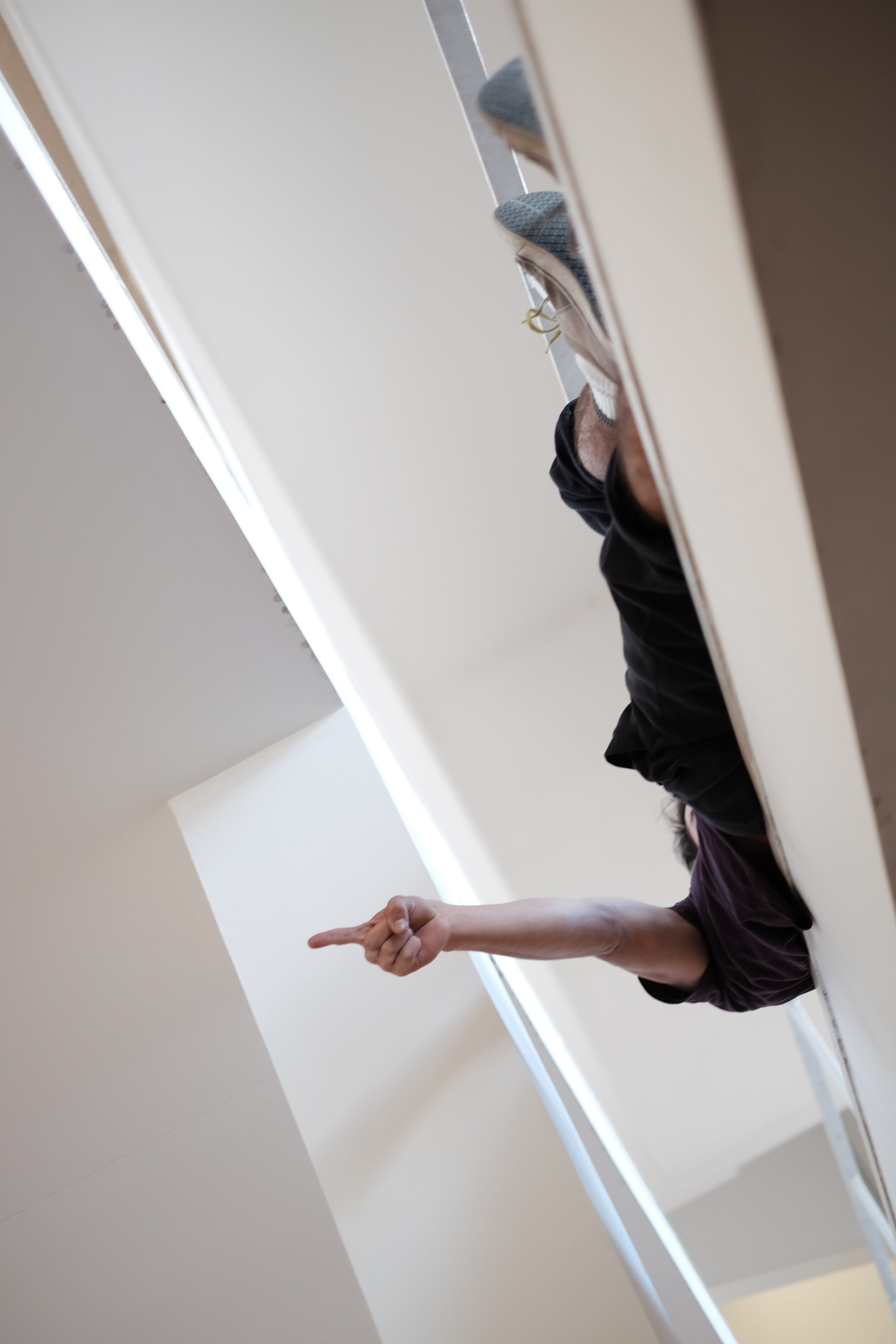
Participants were invited to explore unlikely spaces for the creation and presentation of small contemporary dance exercises and, through them, to better understand the relationship between space and body, as well as to develop a greater critical thinking about these themes.

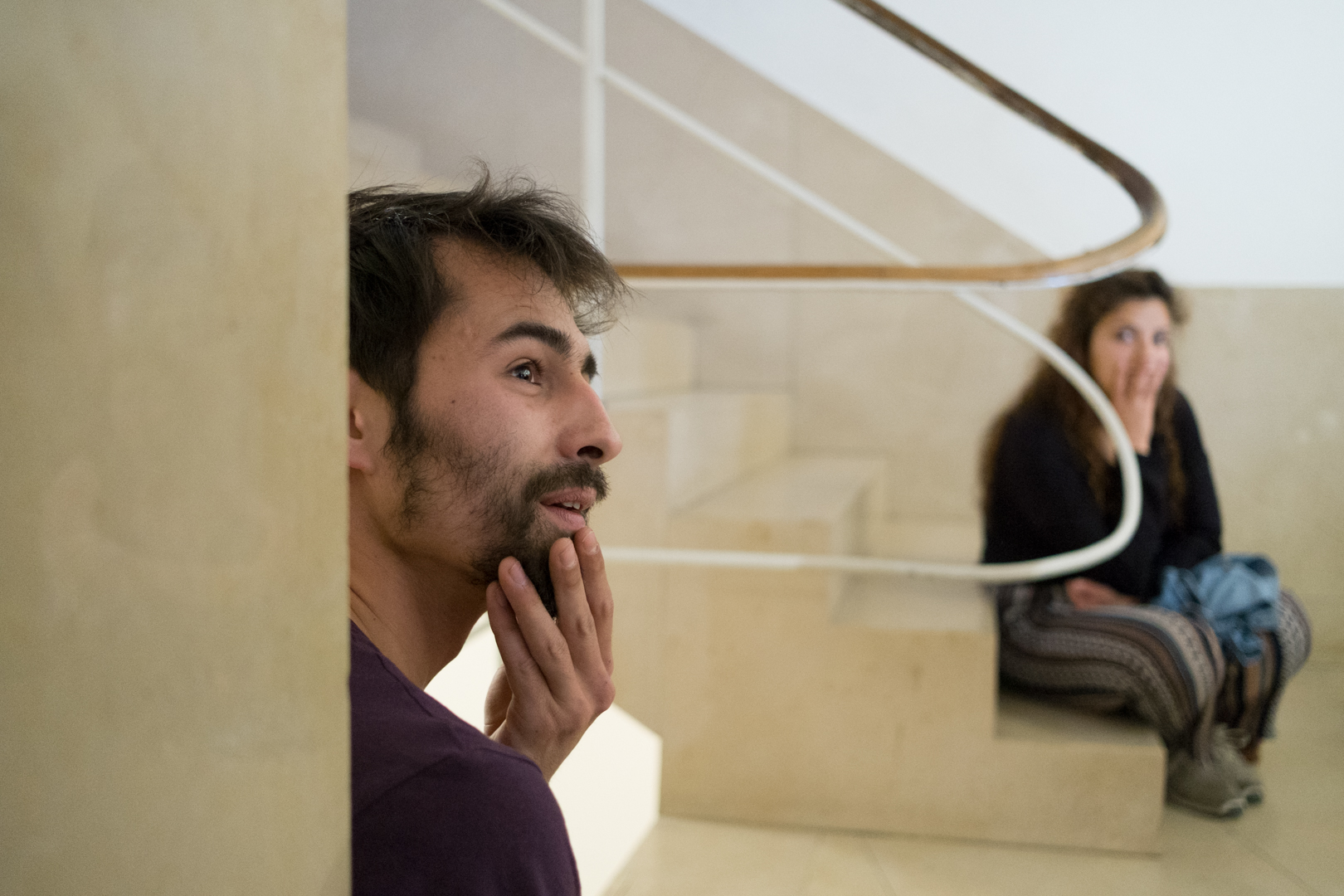
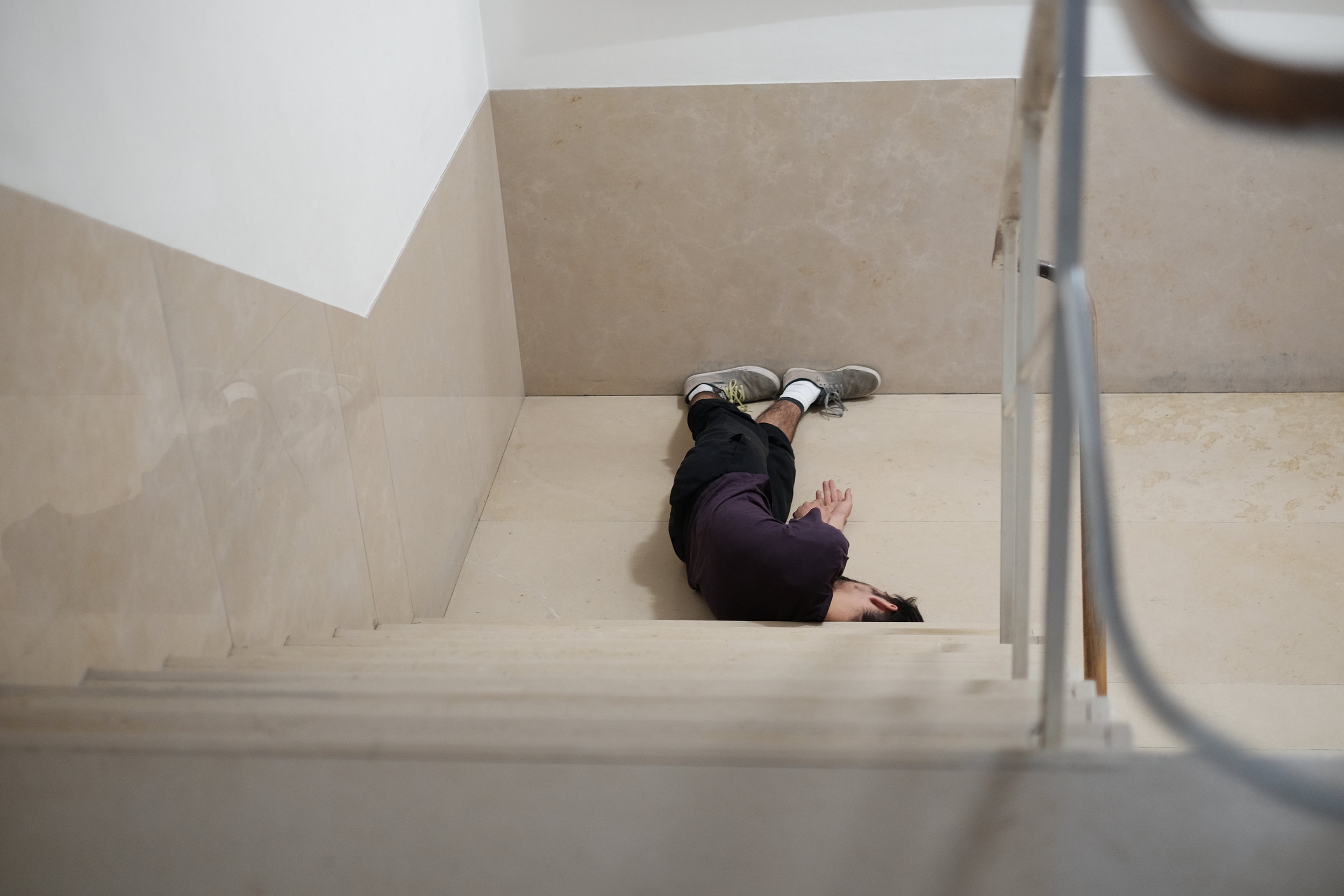
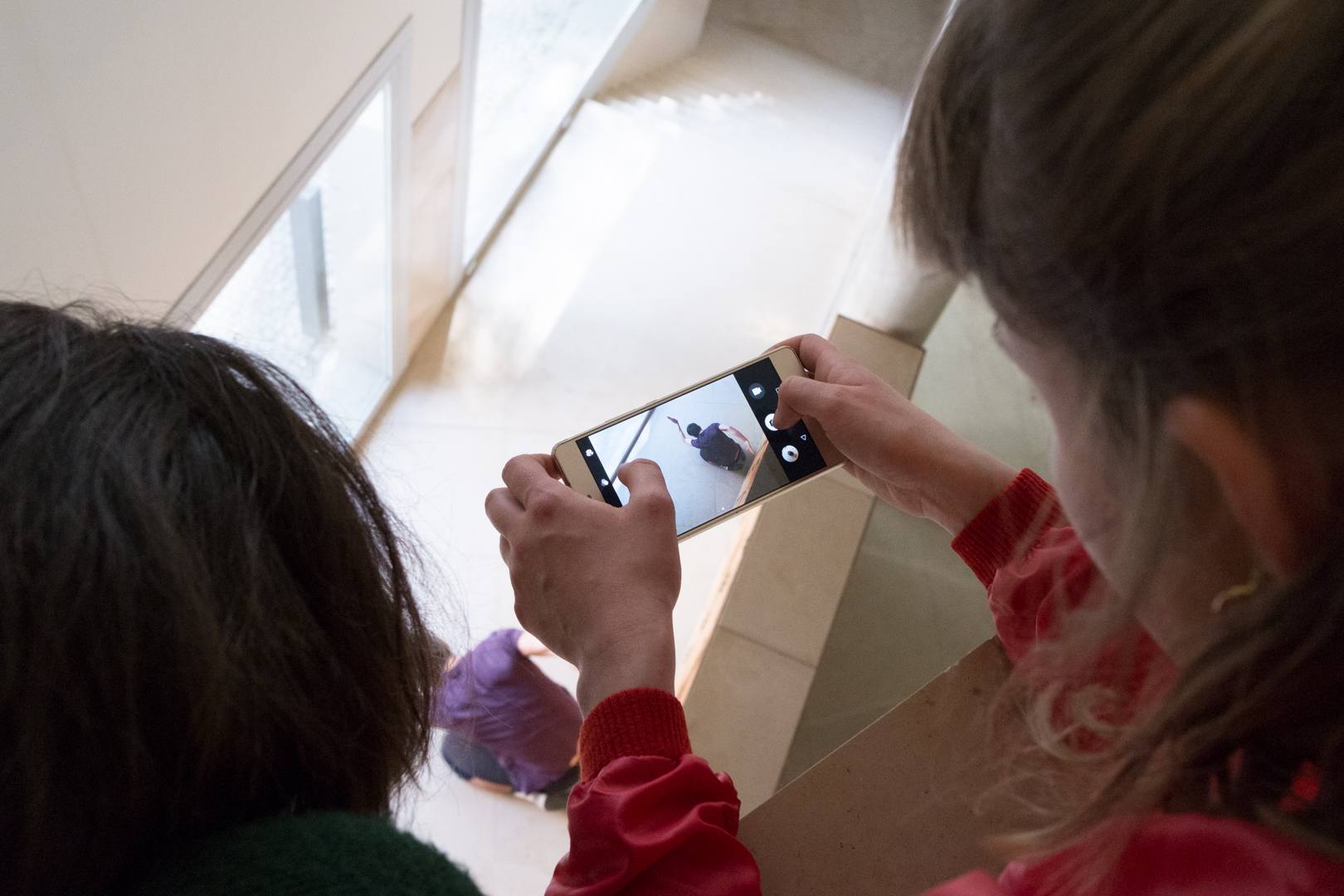
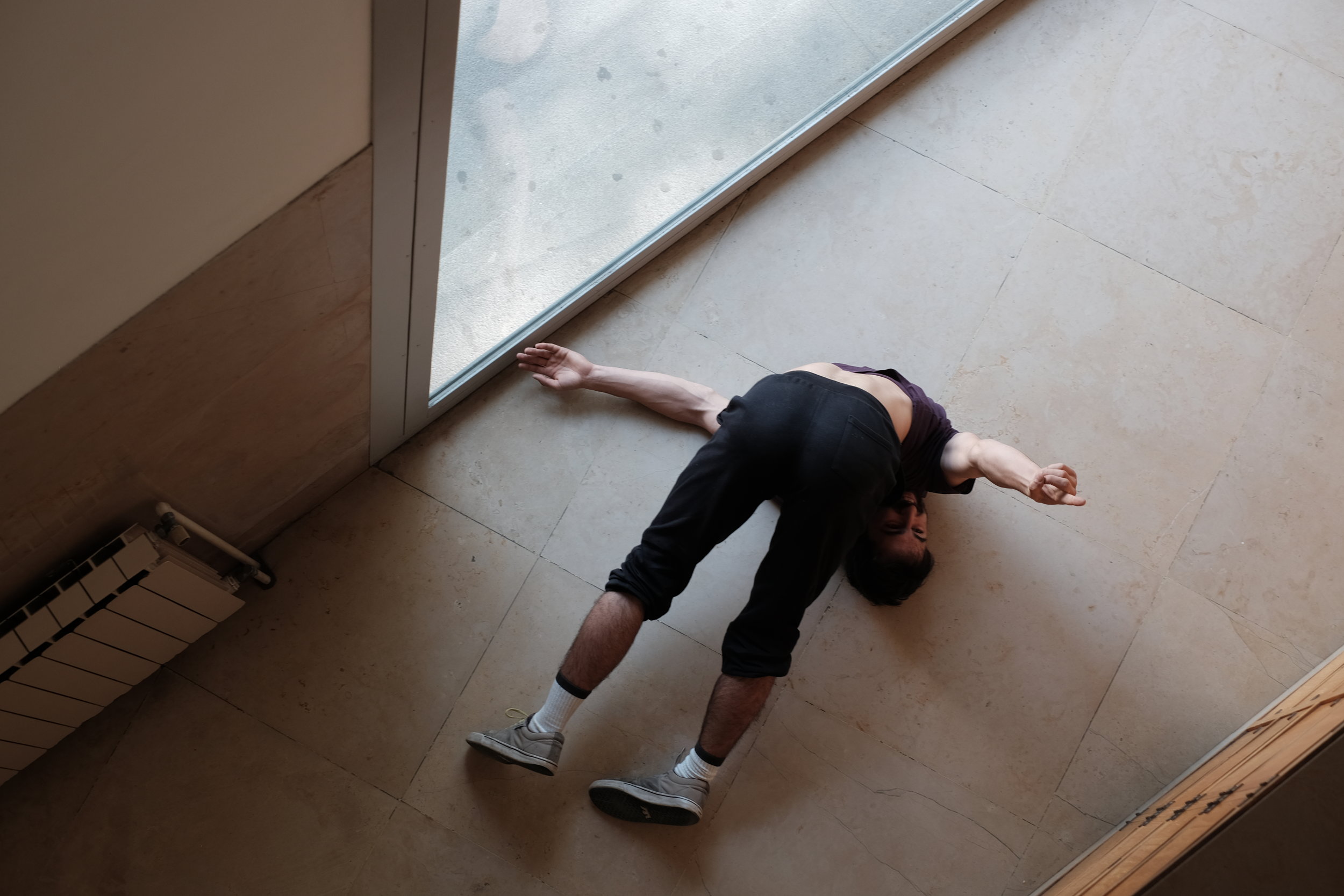
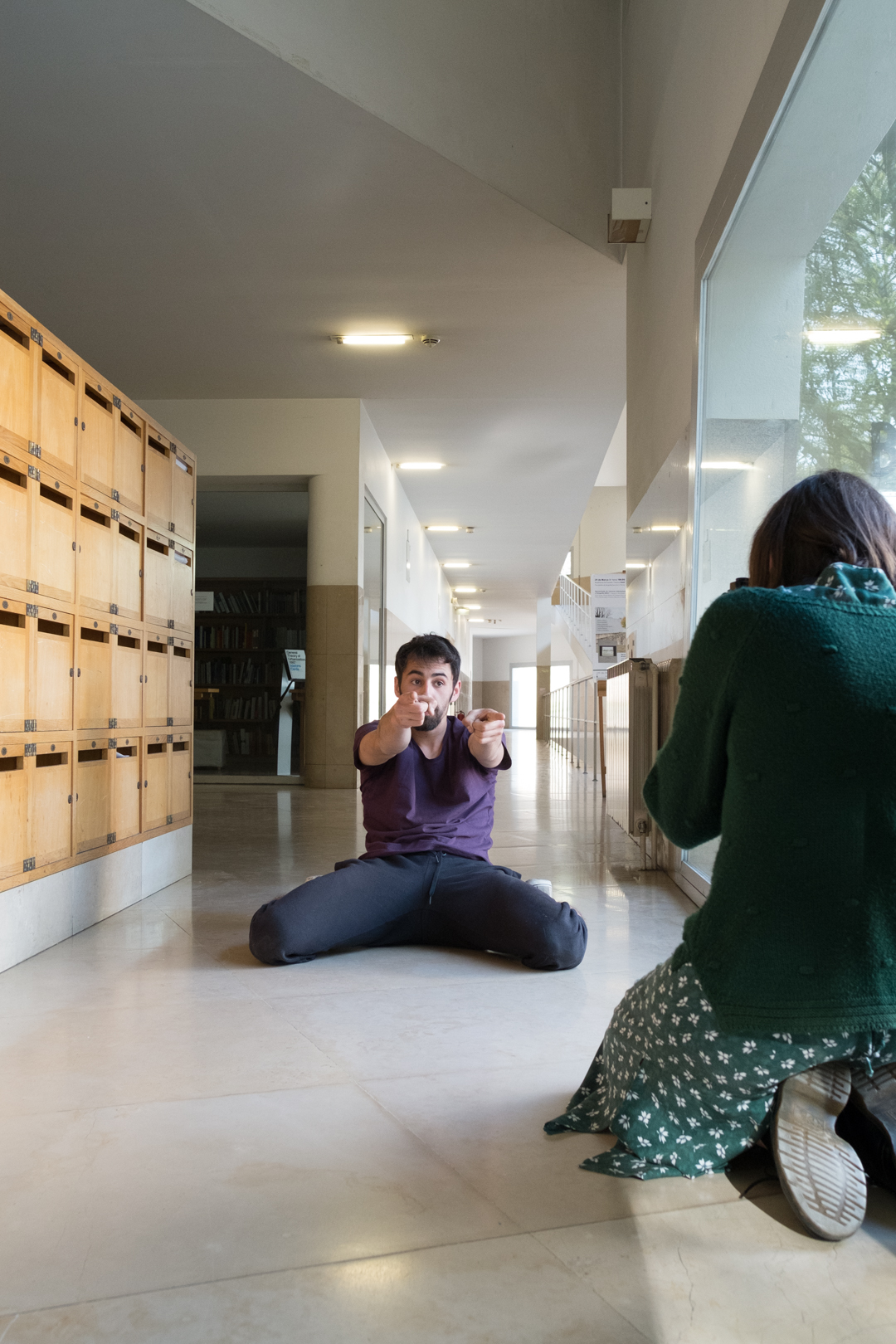
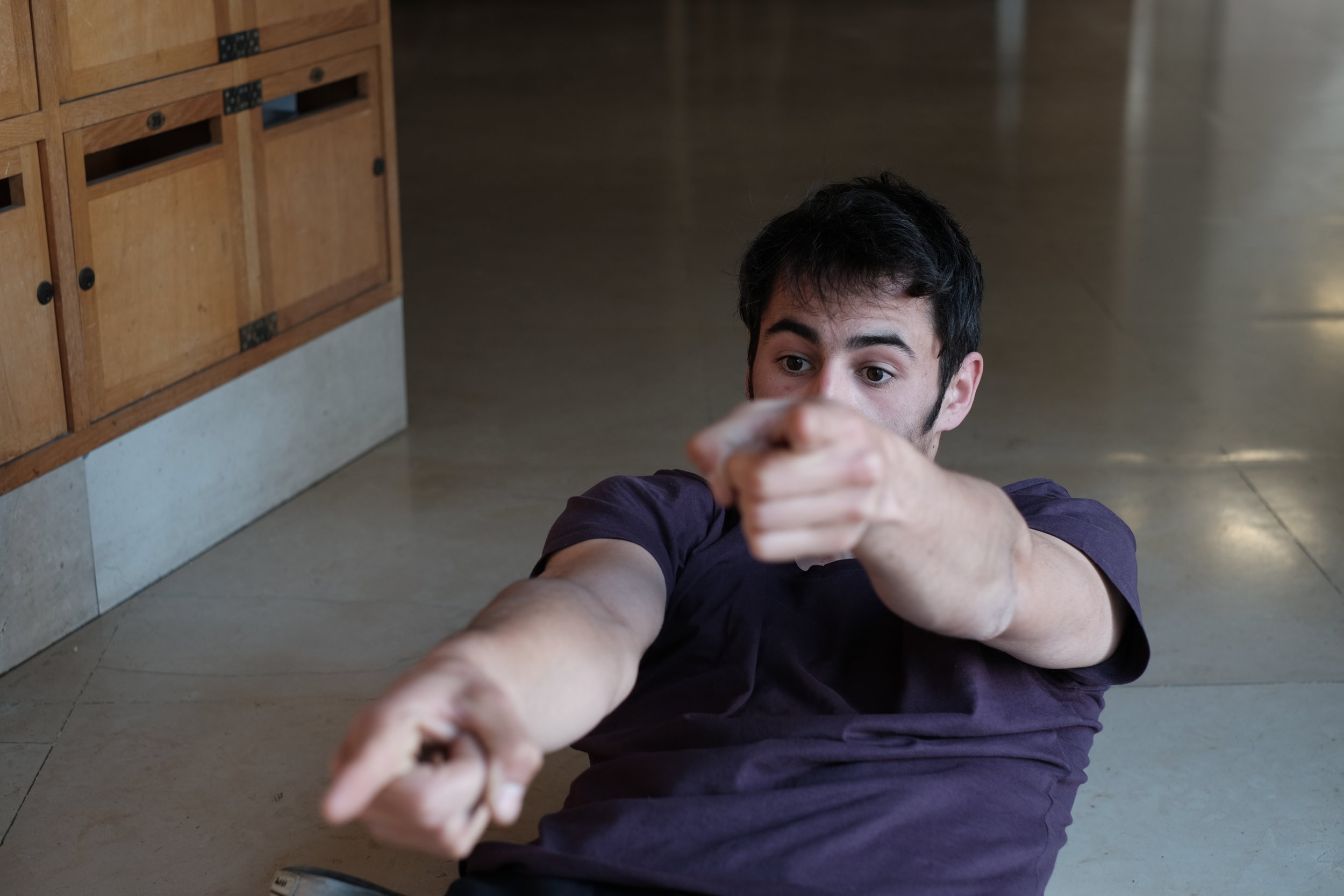
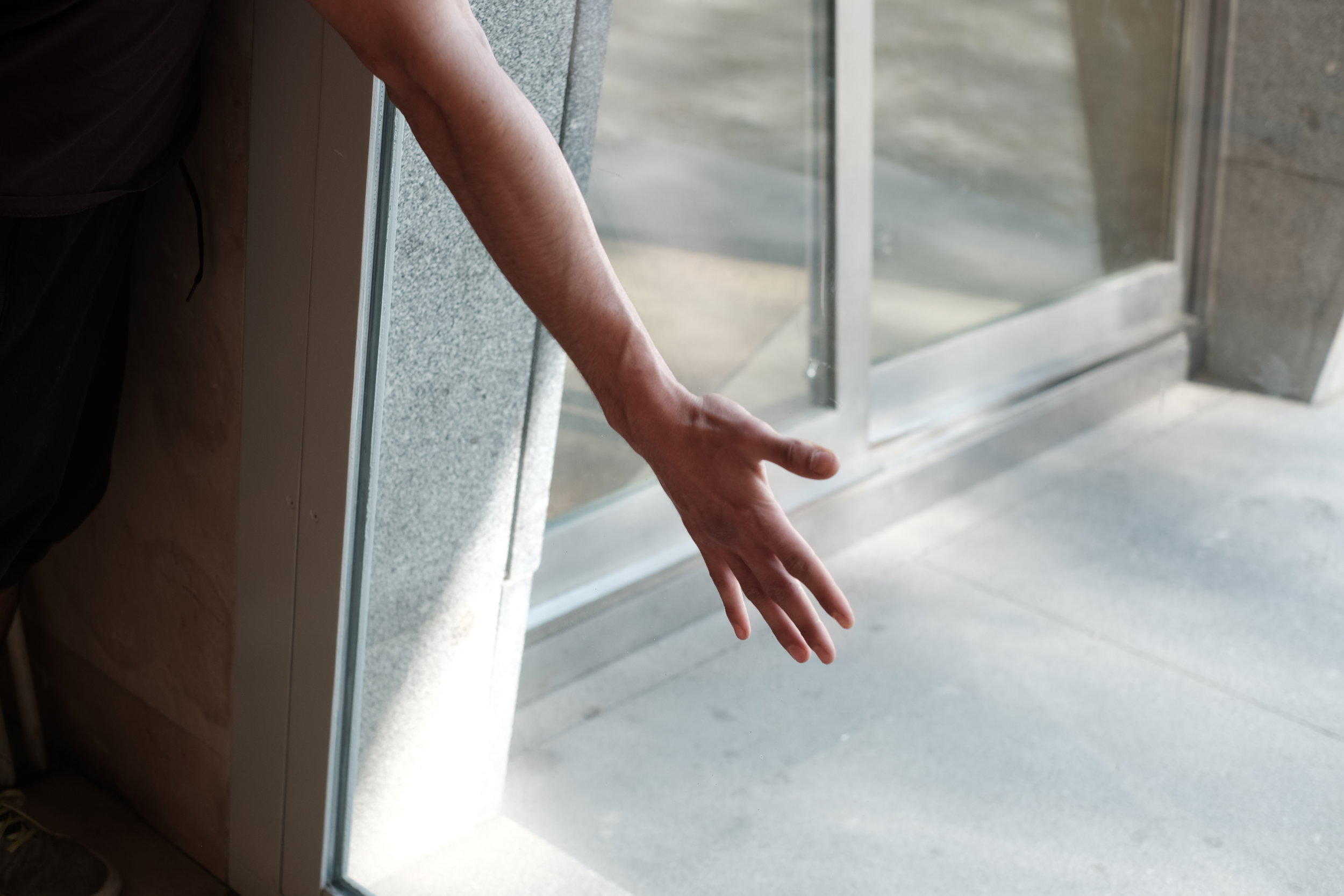
Guided tour and dance exercises were accompanied by photographers / researchers from the CCRE and AAi 2 Lab group - Ana Miriam, Eduardo Silva and Rita Silva - who developed a first exploratory exercise using a strategy of synchronised cameras to construct some examples of different sequences points of view and expansion of the same situation, interaction and space throughout the workshop.

The first phase of the workshop thus served as an approximation to the themes and exercise that are intended to develop, constituting a brainstorm and a basis for developing a more complete project formed by a set of visual narratives to be created by the participants, of a system of tutoring, being our objective to create the necessary conditions so that later these works can be published either online or in physical support by scopio Editions.

Fotografias de Eduardo Silva e Rita Silva

companhiainstavel.pt
read more