TERRAIN VAGUE


TERRAIN VAGUE

BY ANA BORGES

Ana Borges nasceu em 1987 no Porto, Portugal, onde vive e trabalha.
Em 2010 terminou a licenciatura em Pintura - Artes-Plásticas pela Faculdade de Belas Artes da Universidade do Porto.
Atualmente encontra-se a concluir o Curso Profissional de Fotografia no Instituto Português de Fotografia do Porto.

synopsis

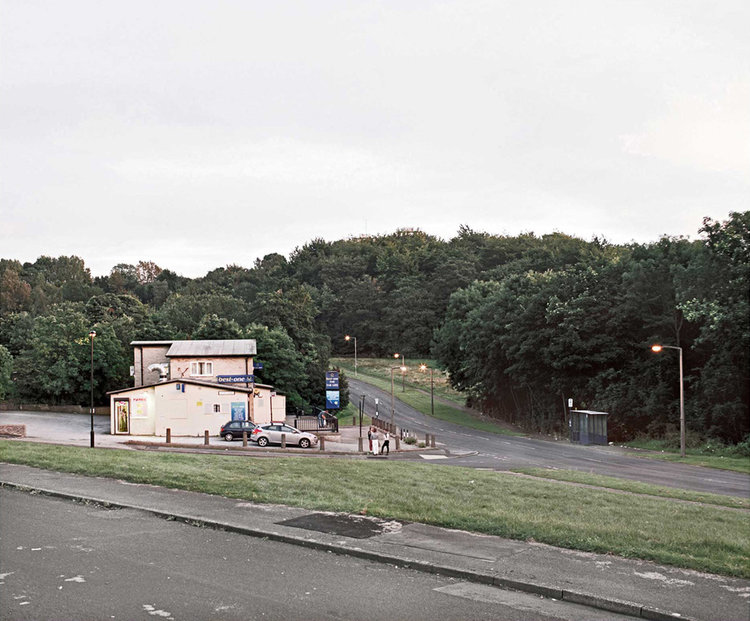
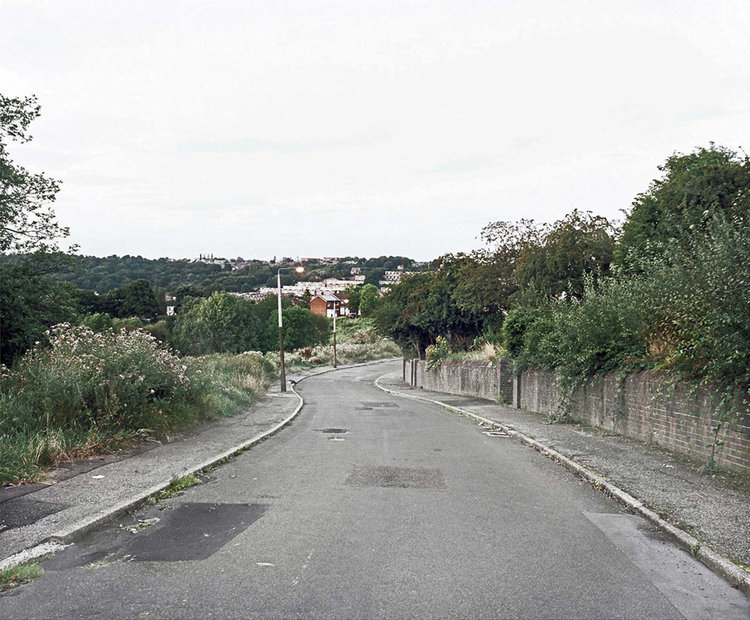
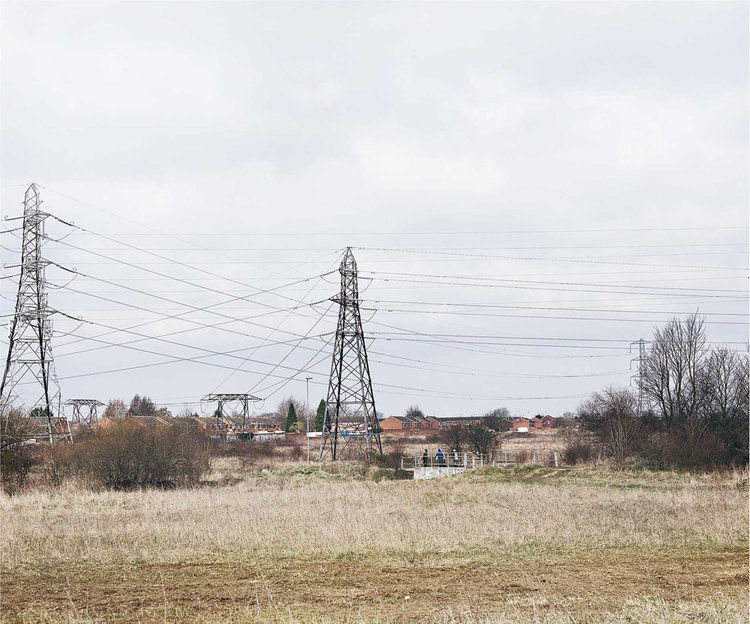
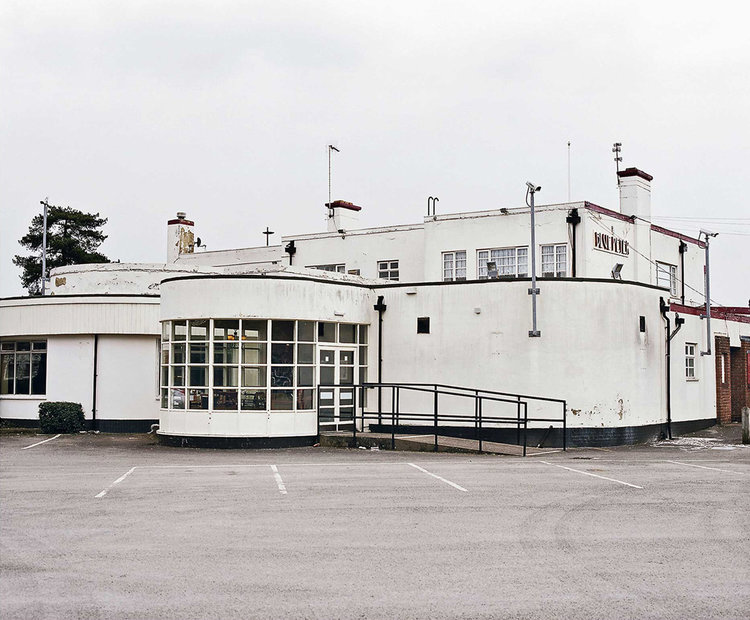
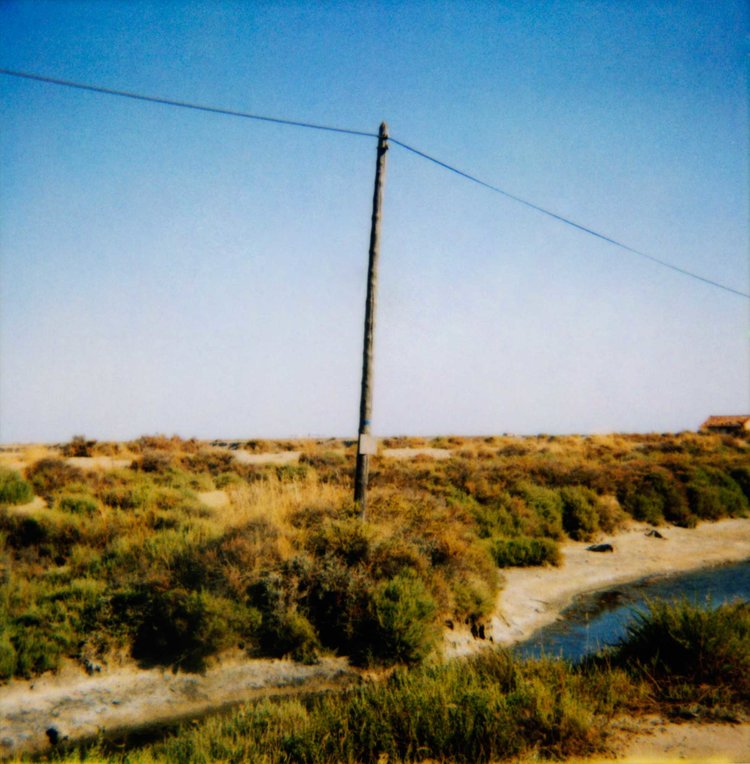
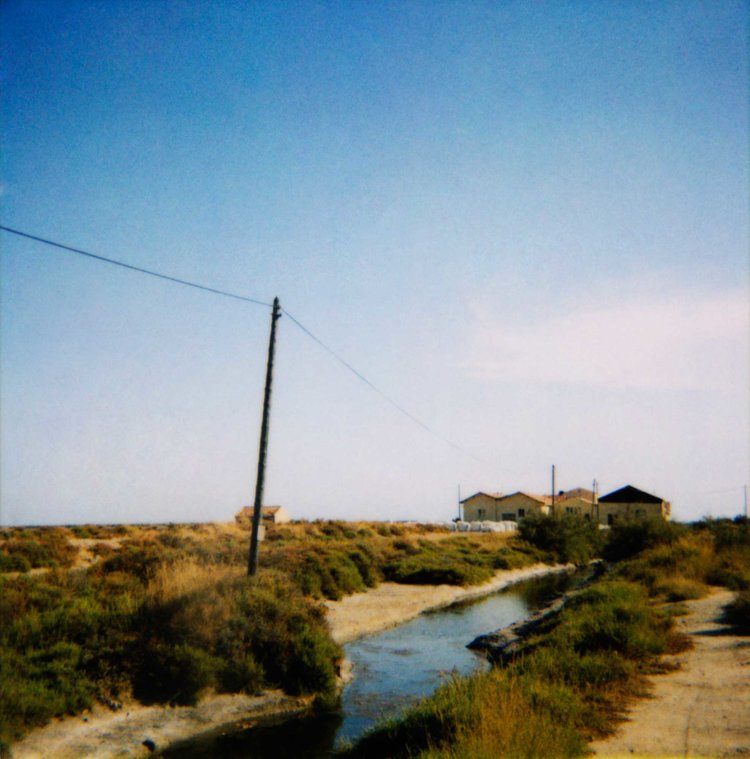
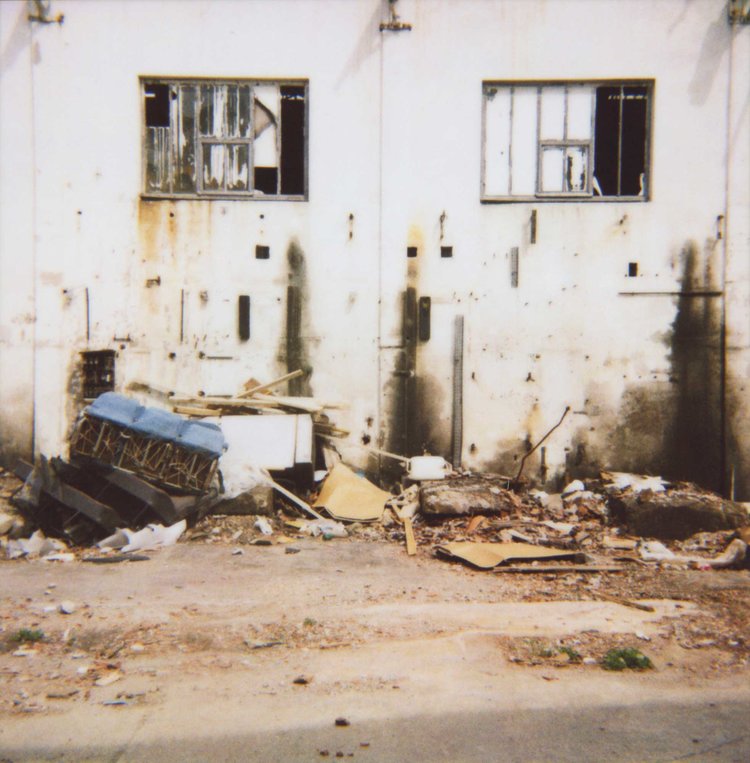
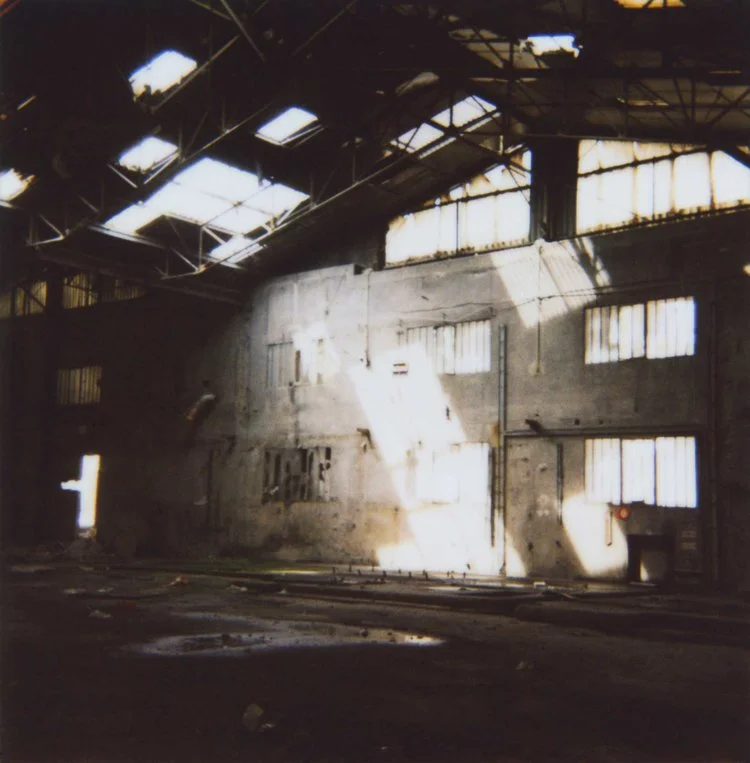
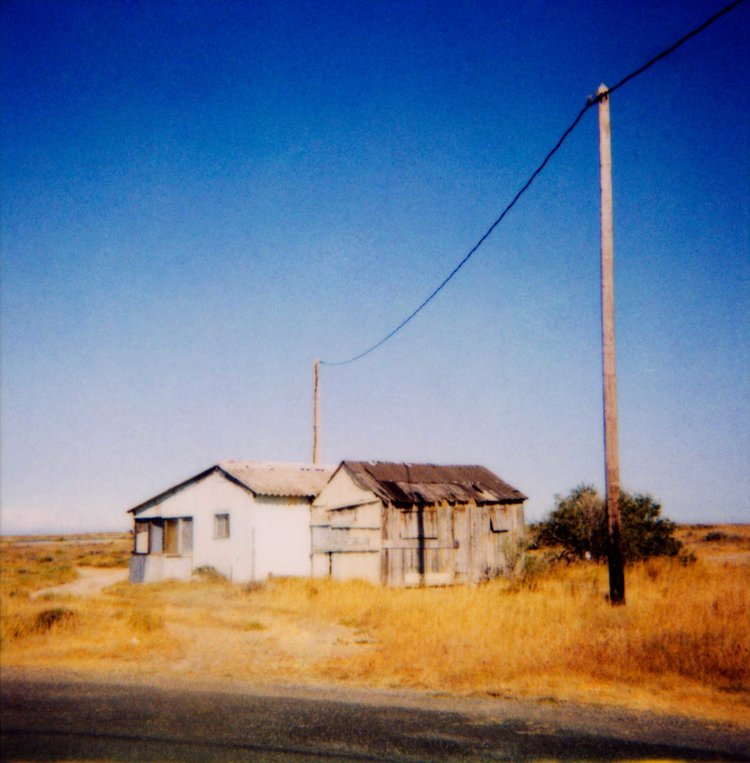
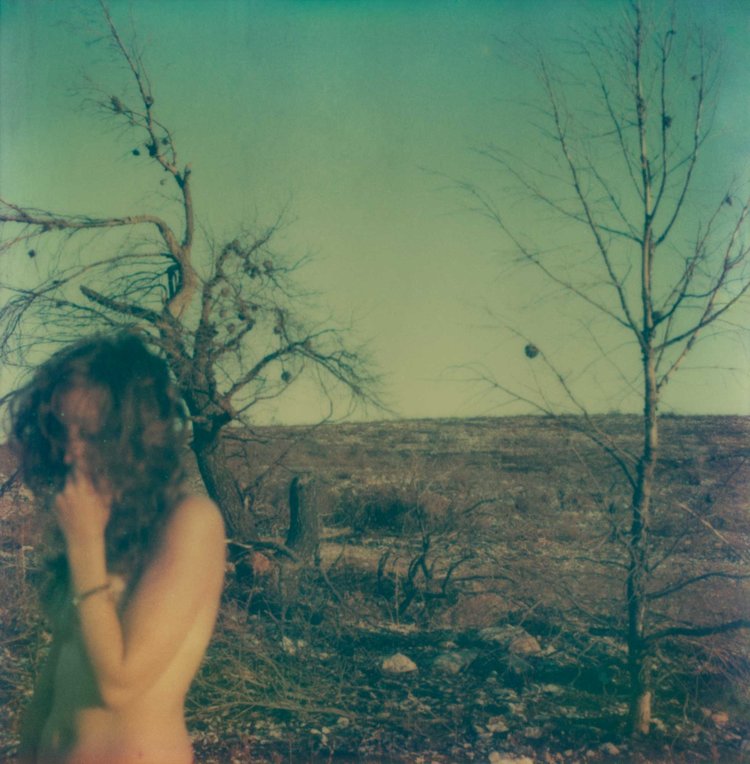
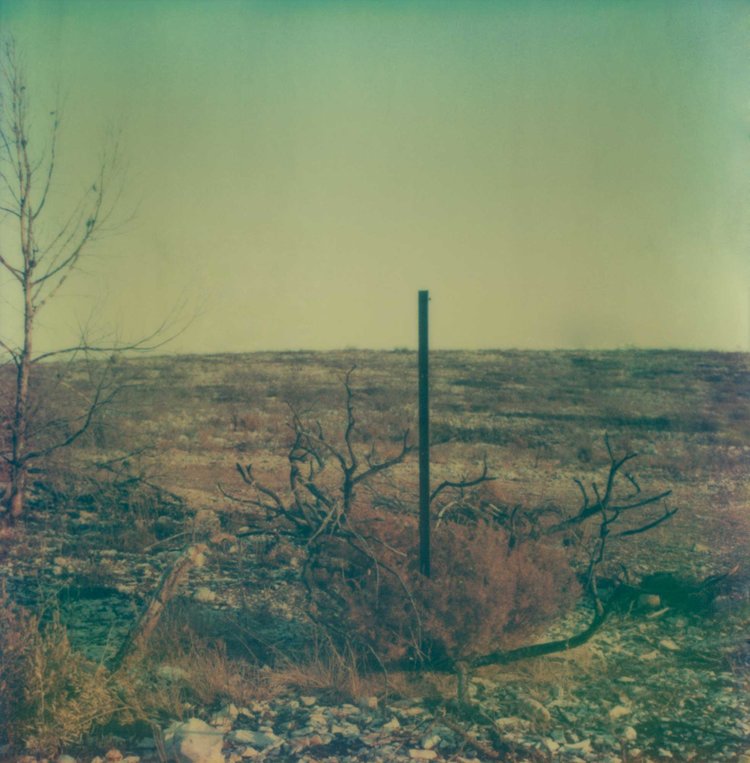
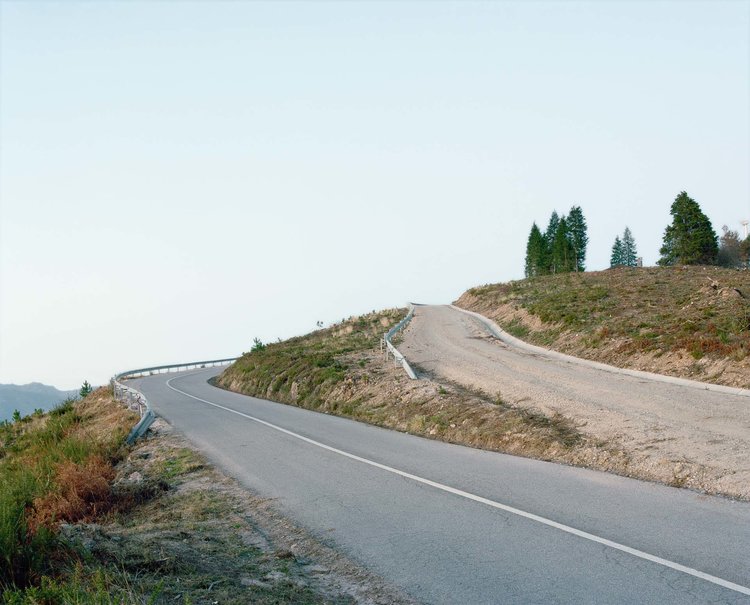
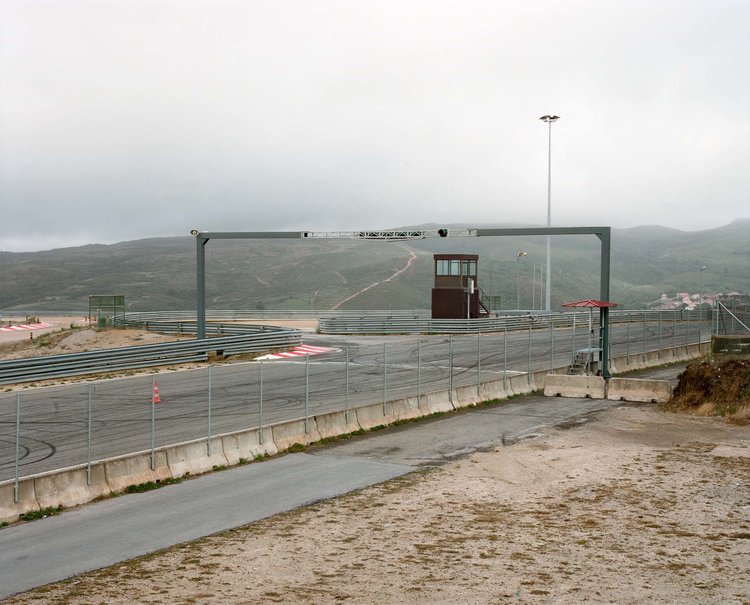
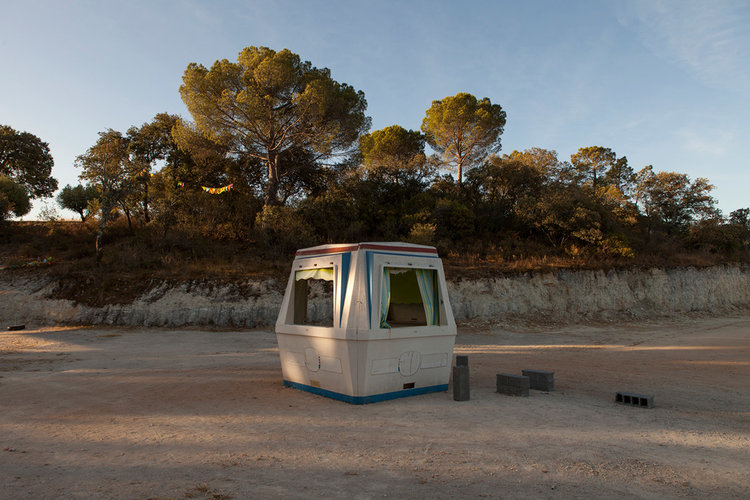
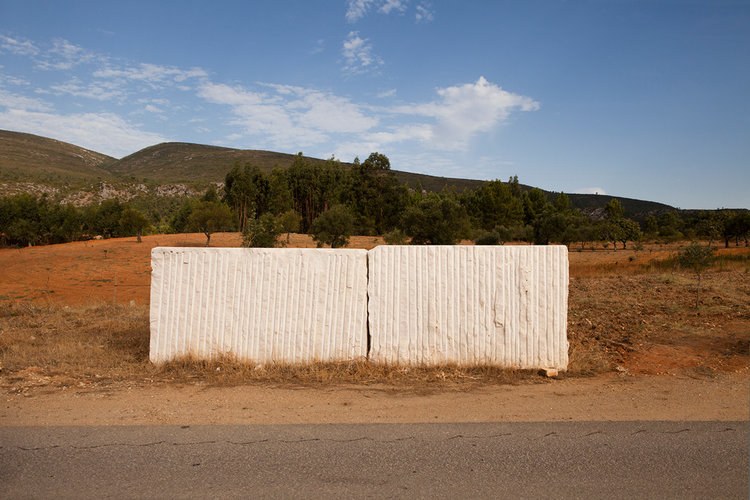
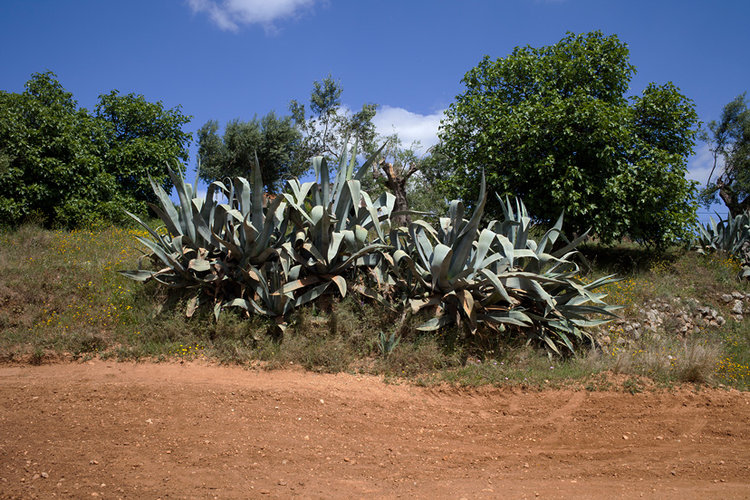
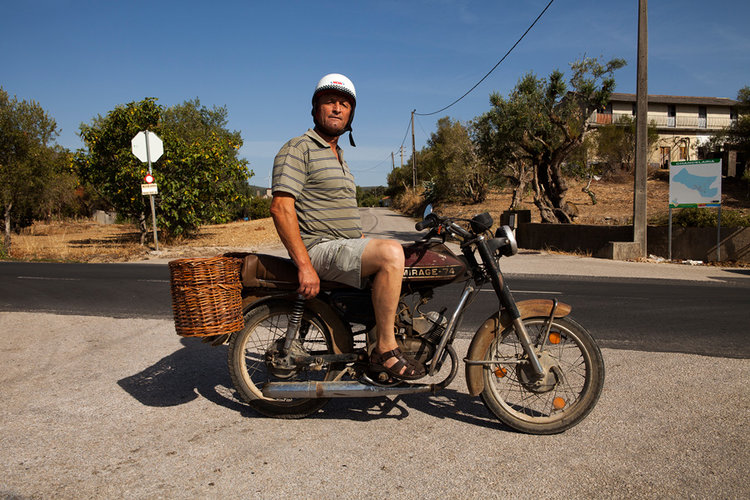
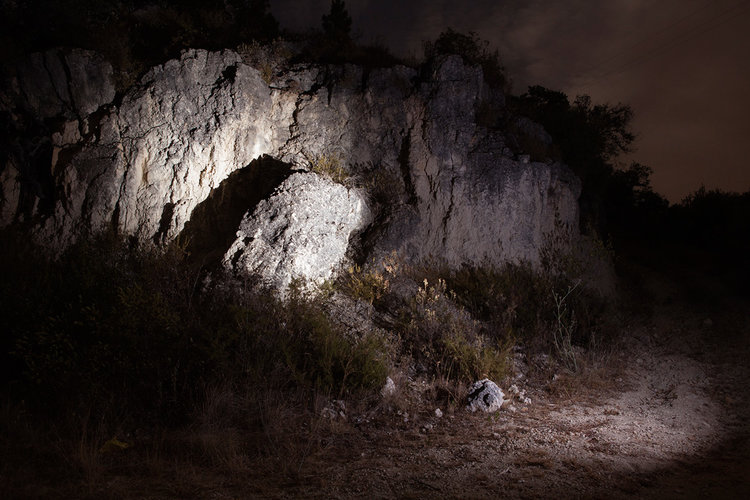
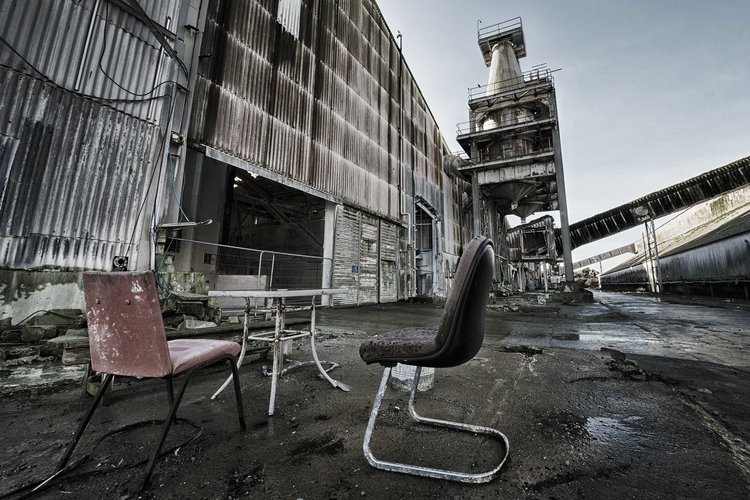
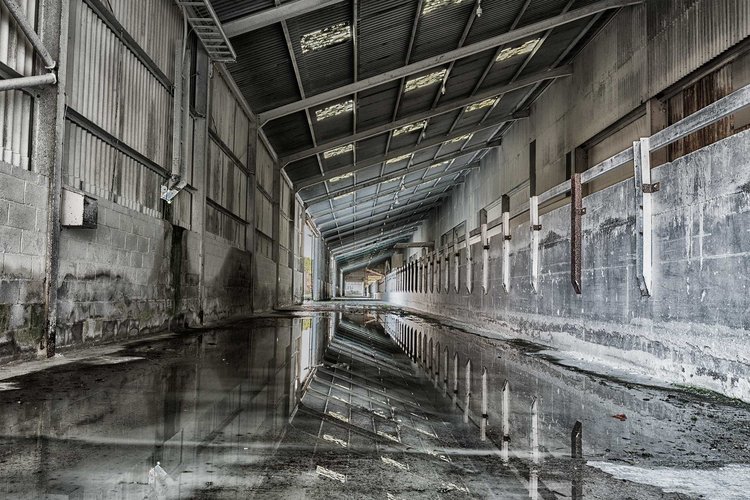
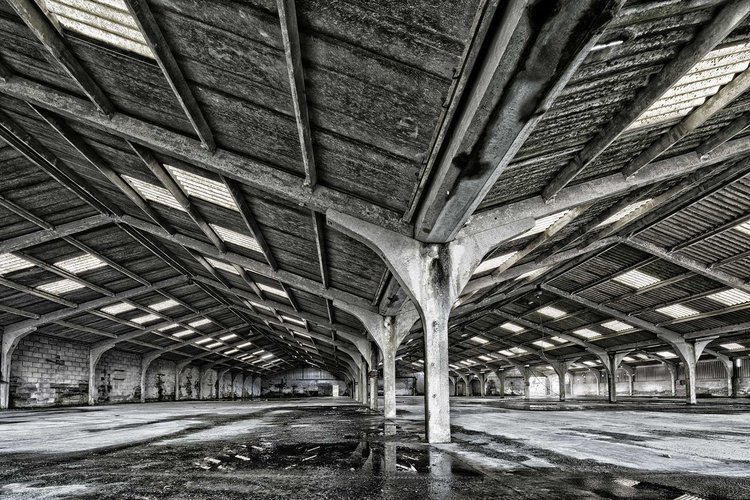
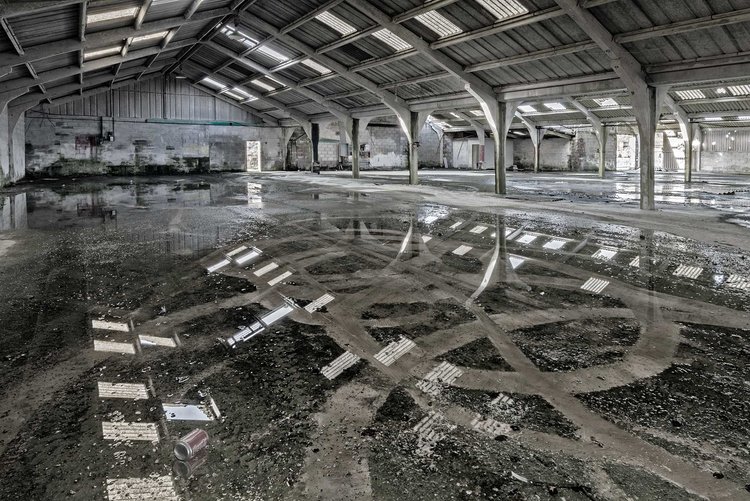
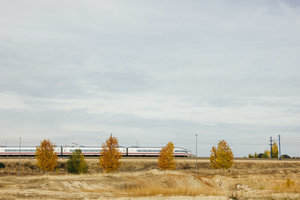
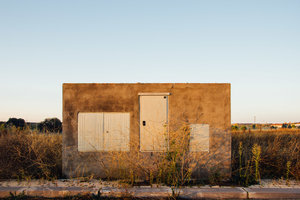
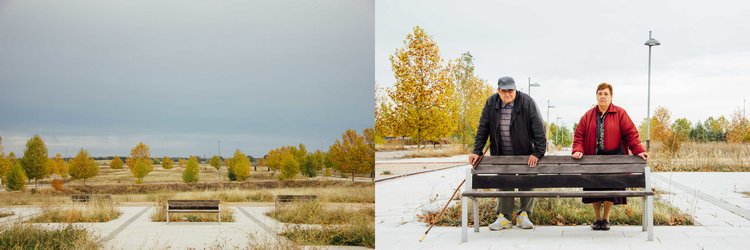
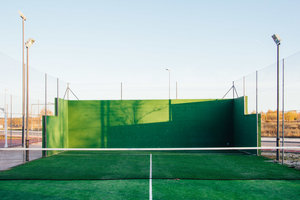
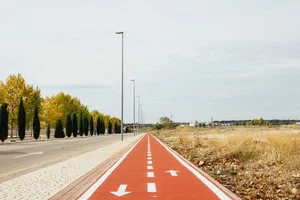
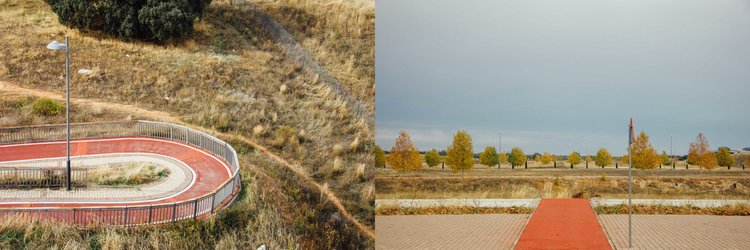
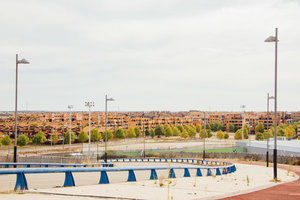
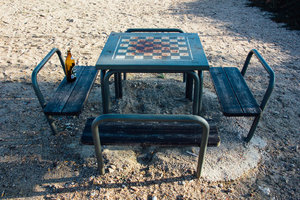
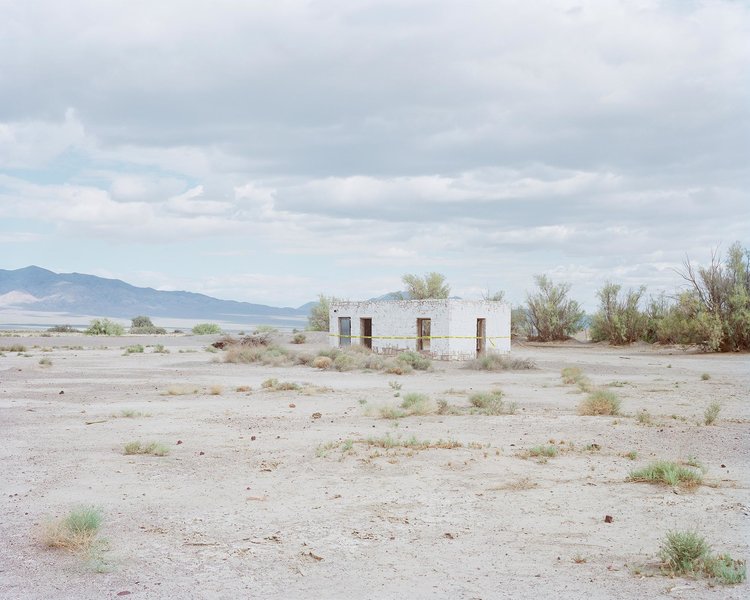
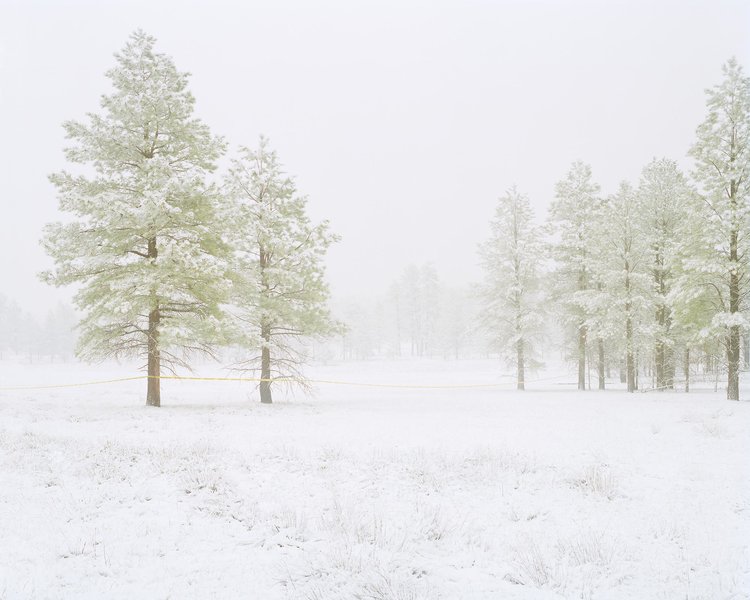
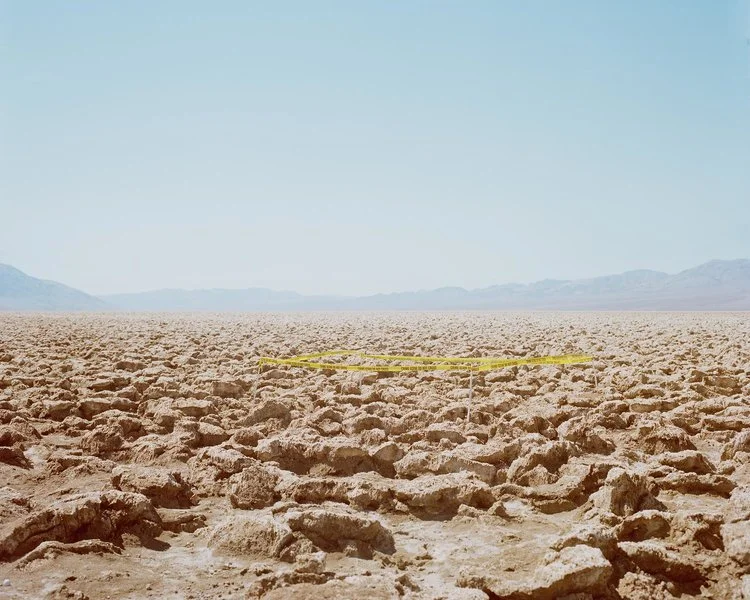
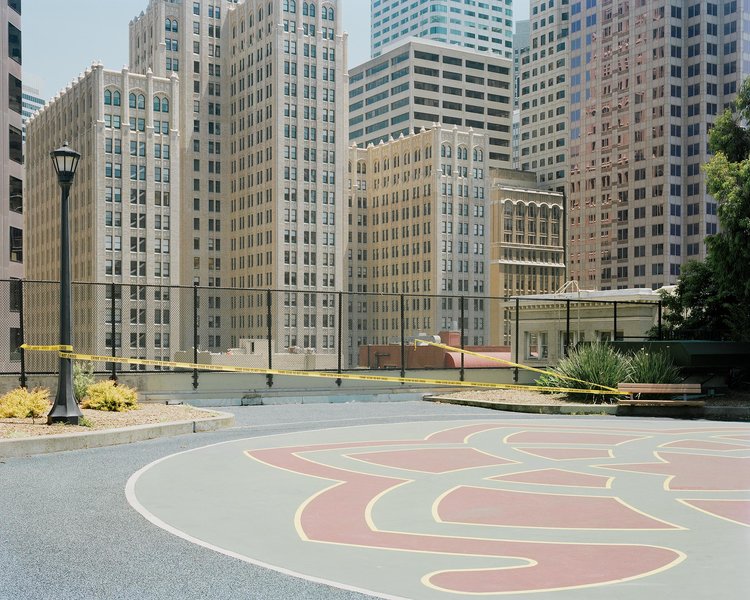
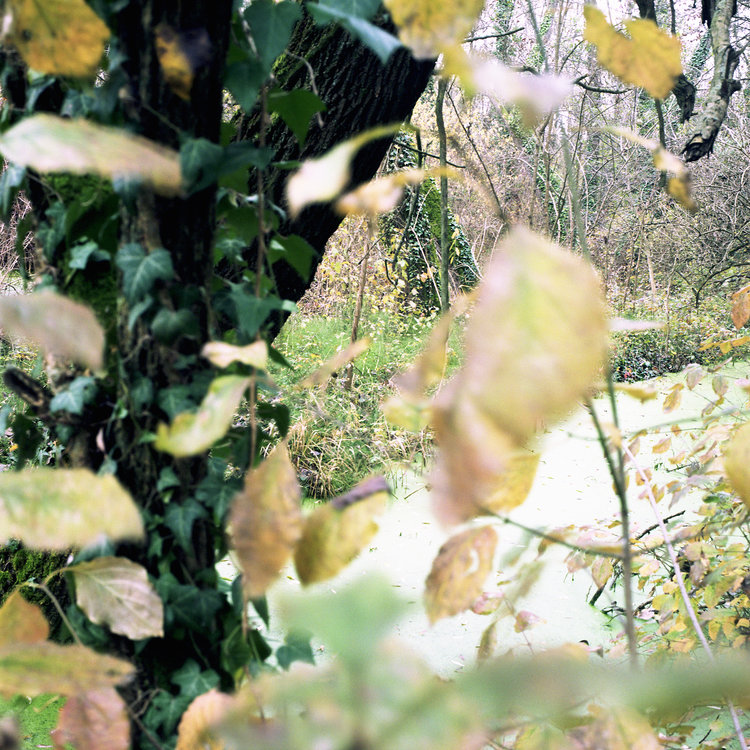
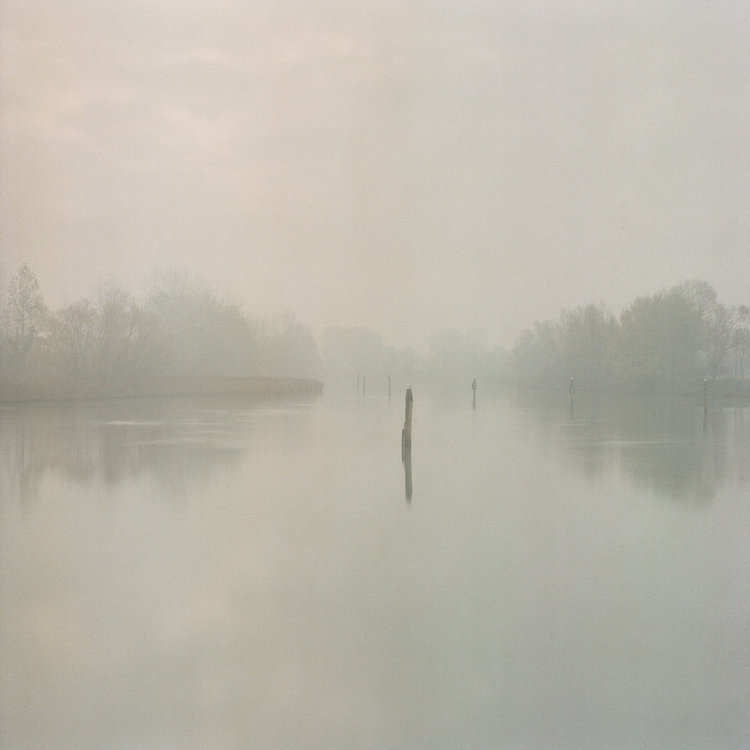
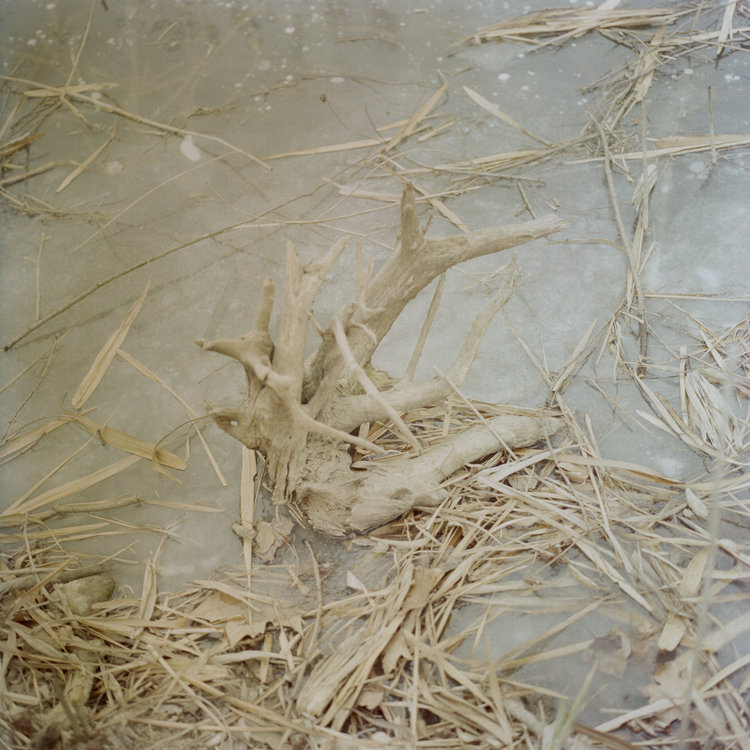
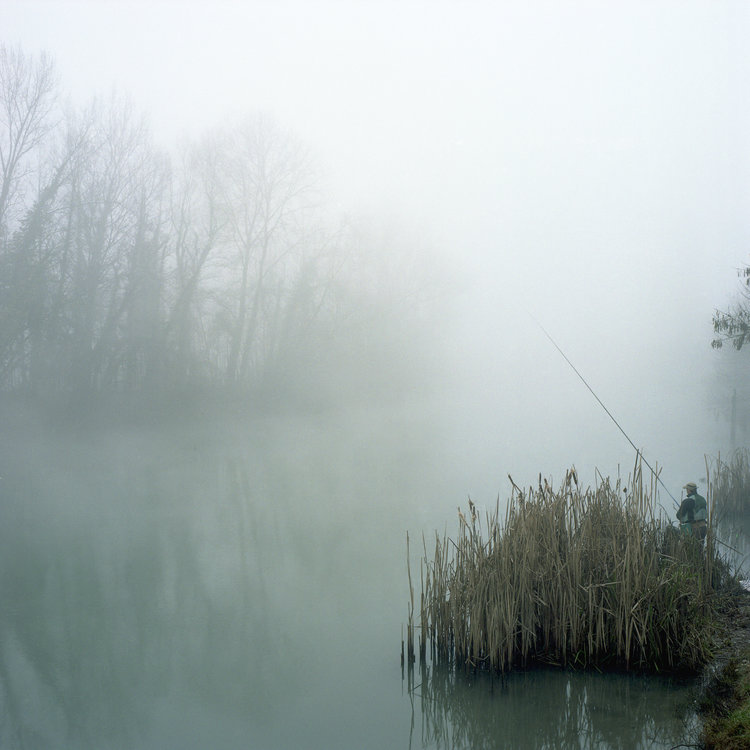
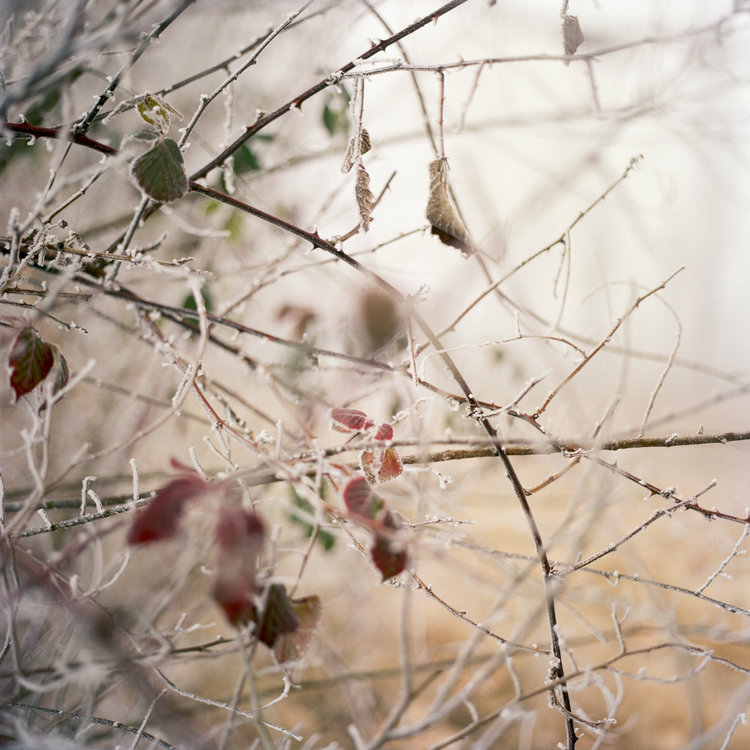
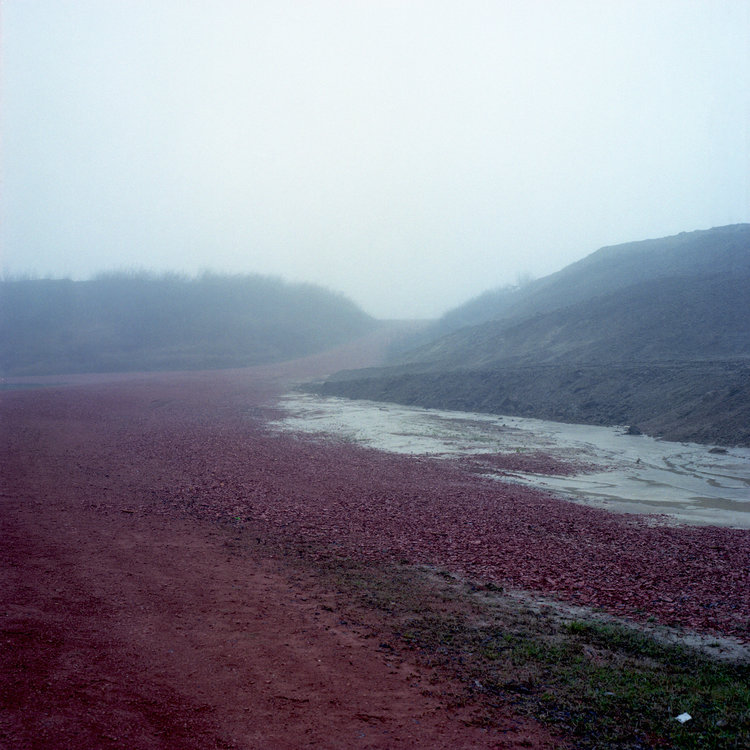
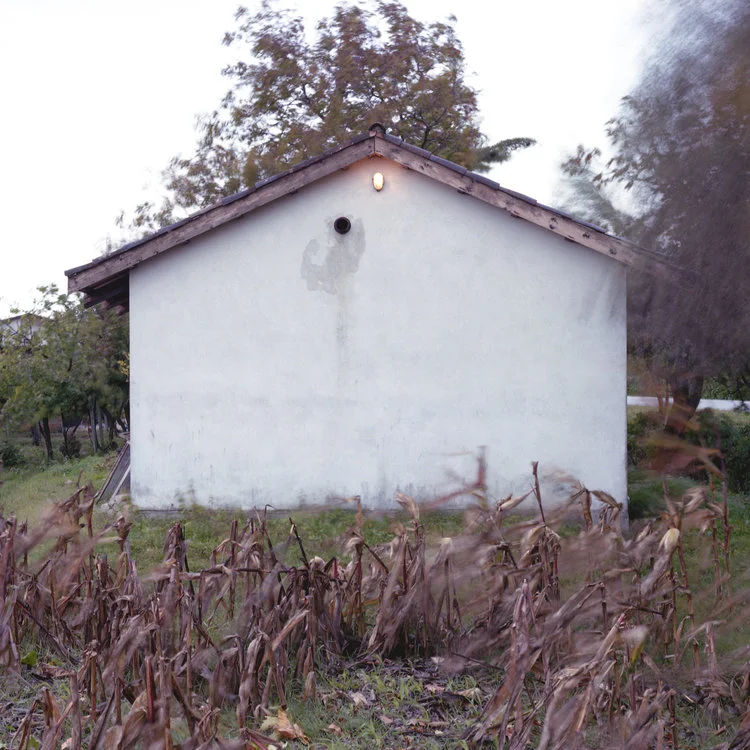
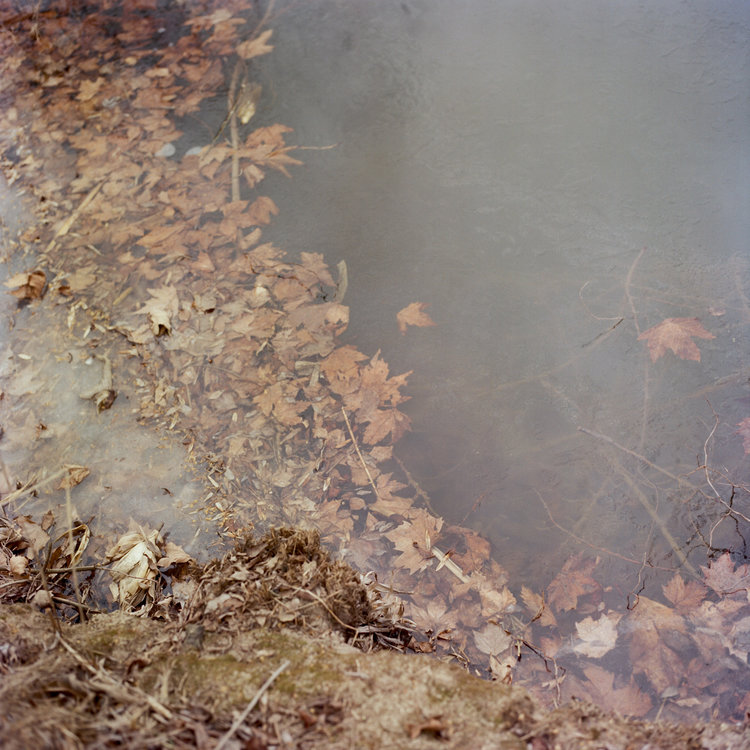
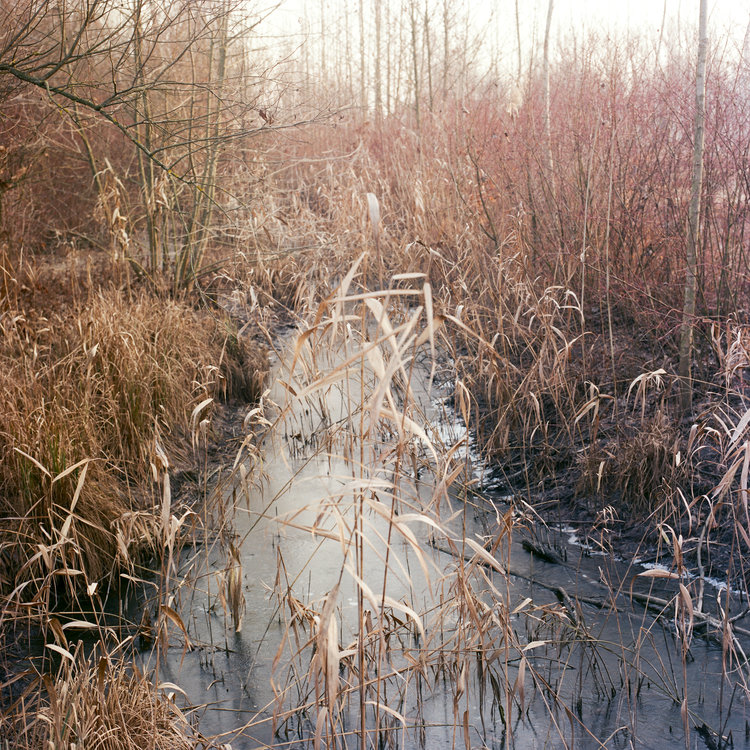
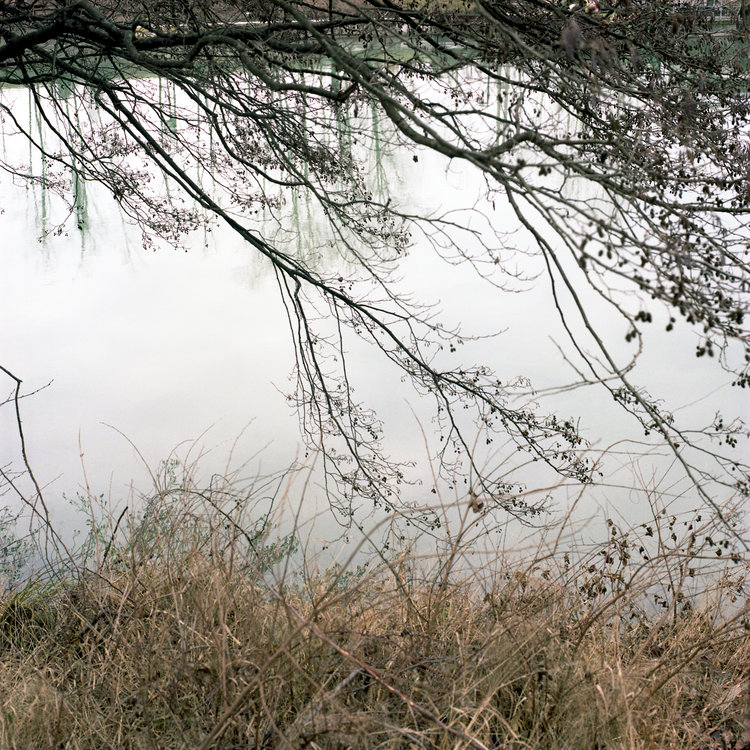
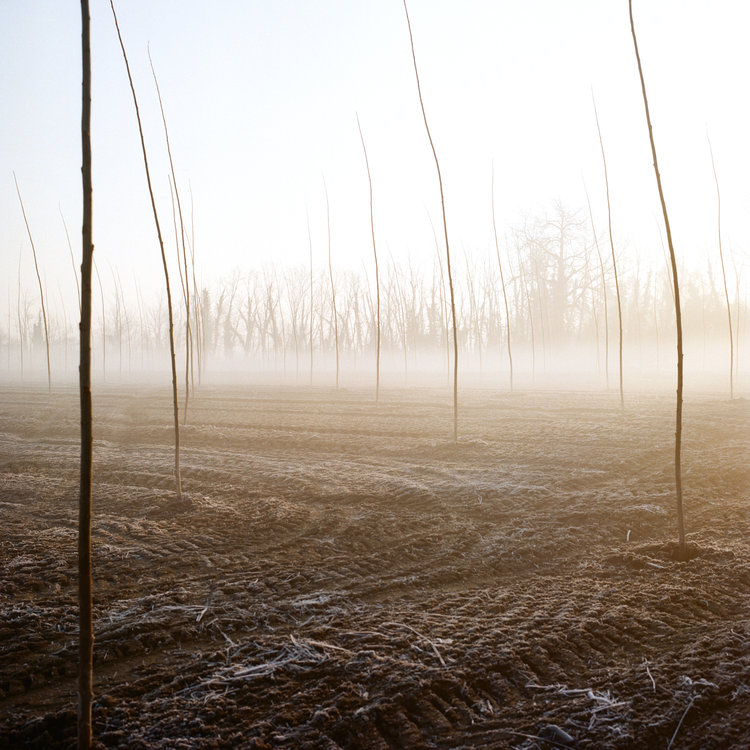
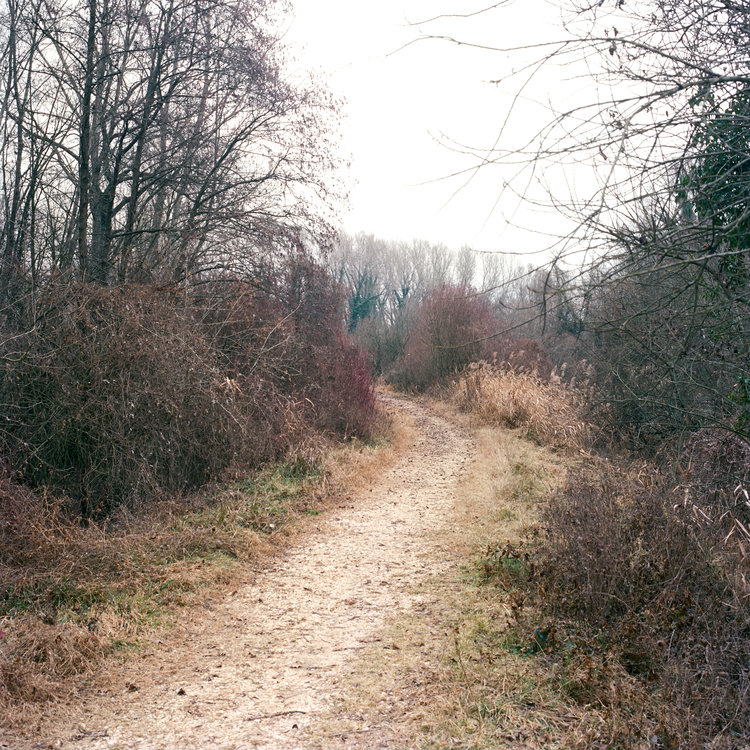
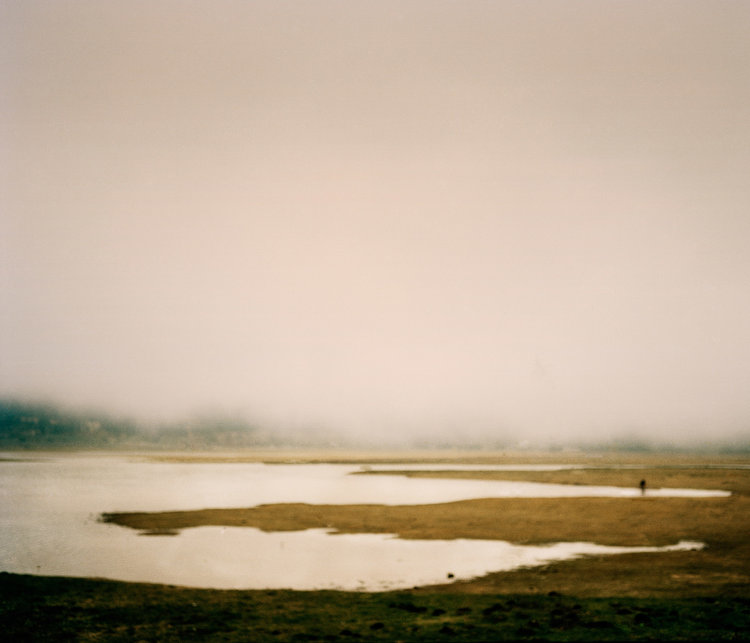
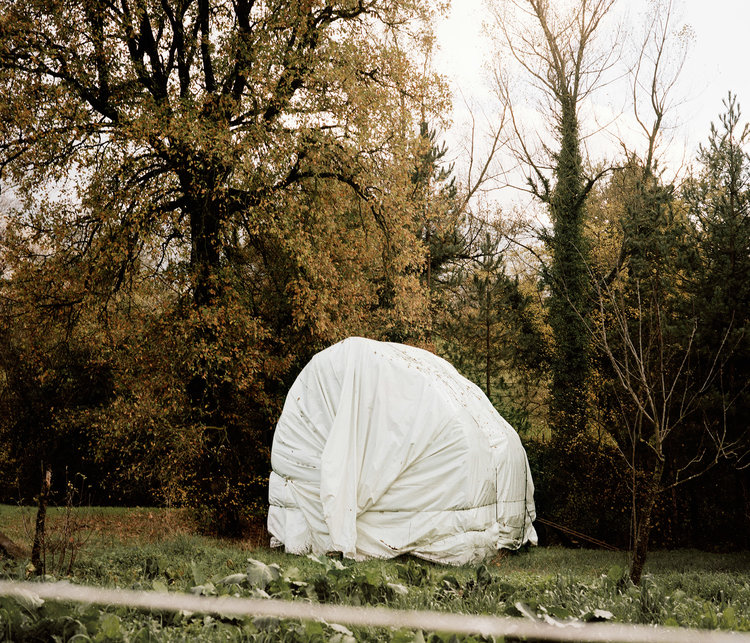
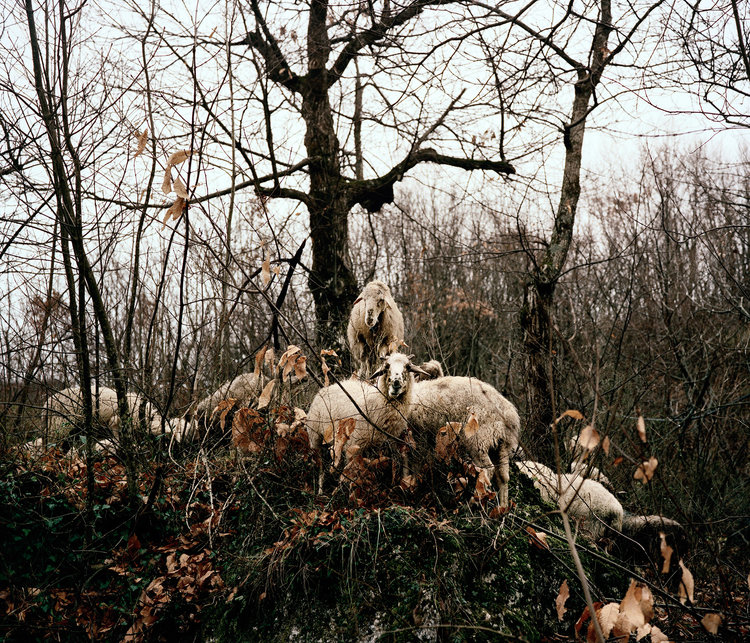
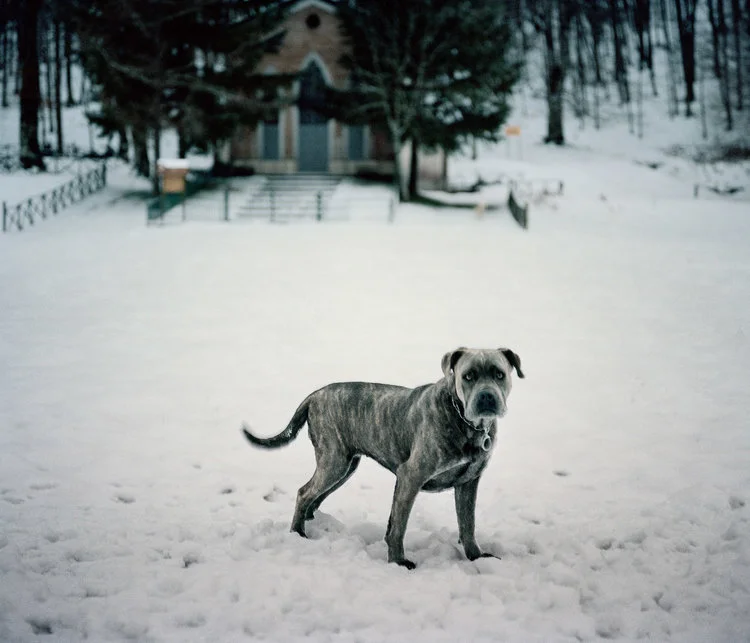
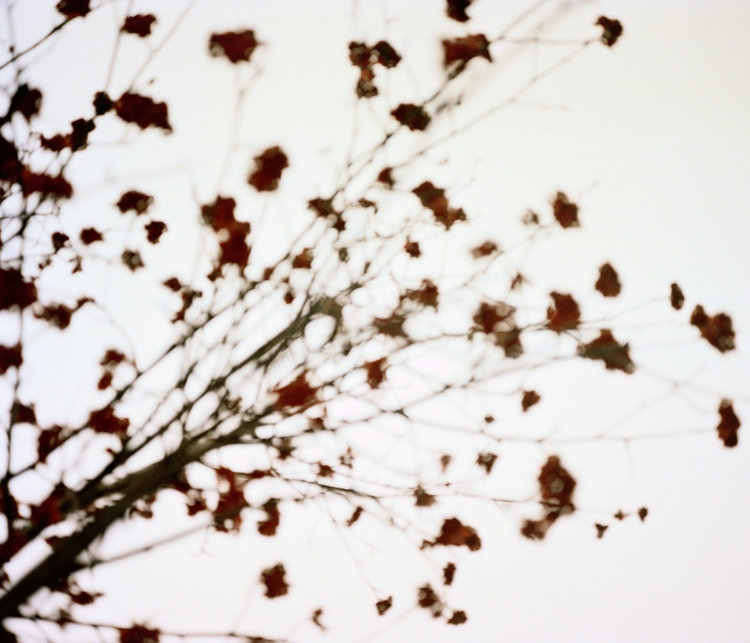
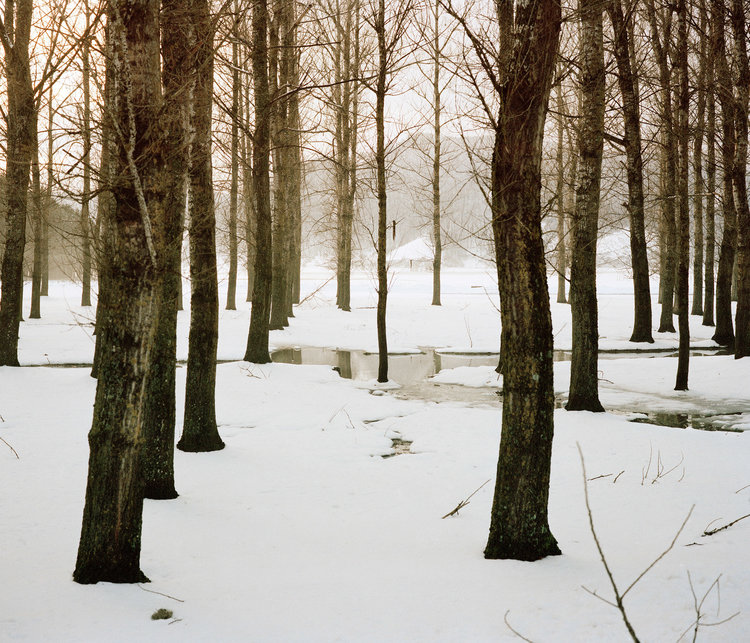
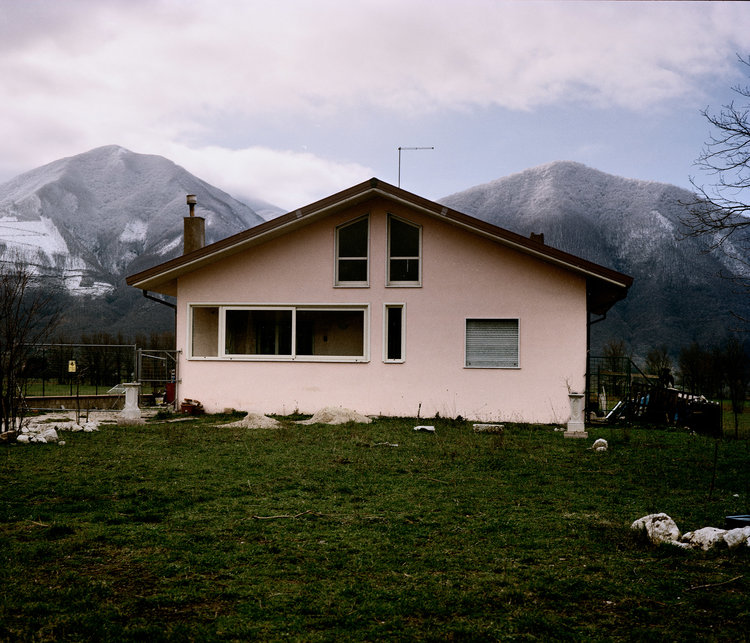
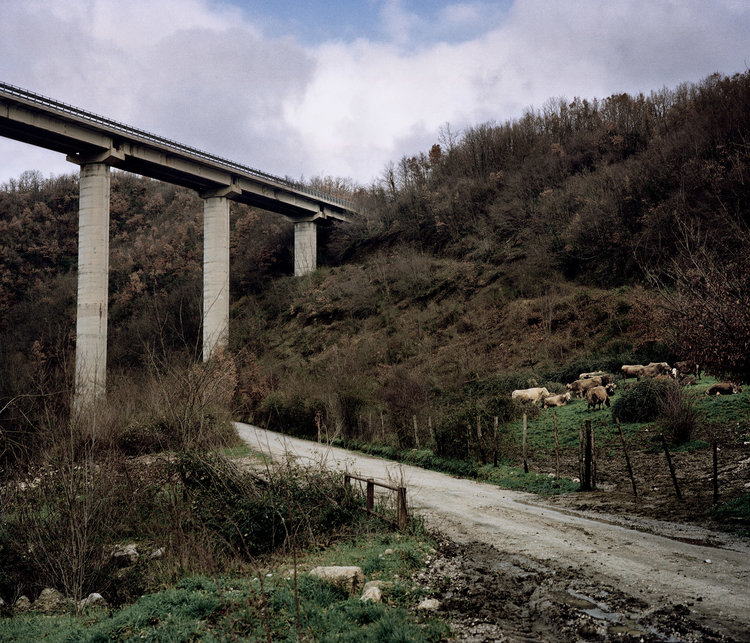
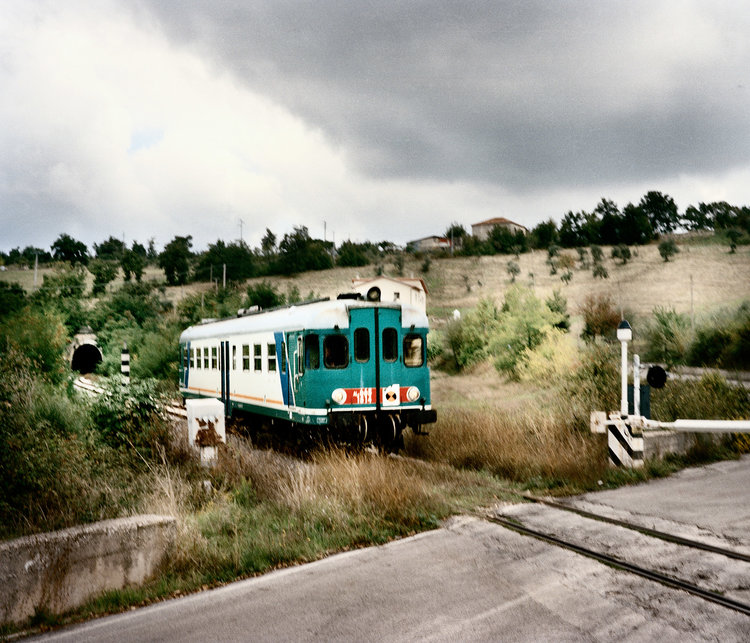
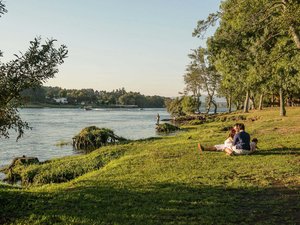
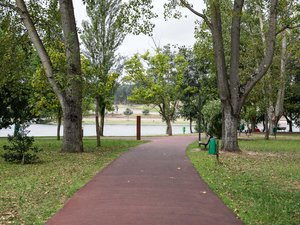
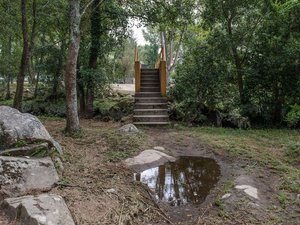
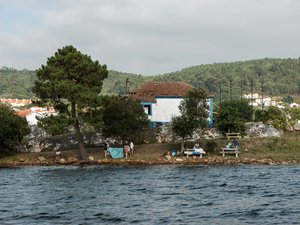
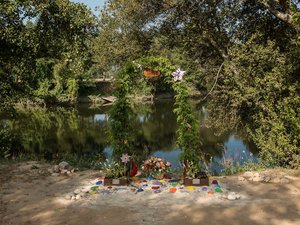
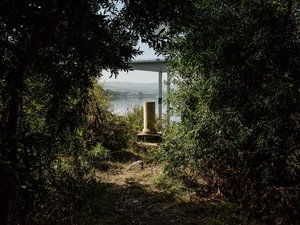
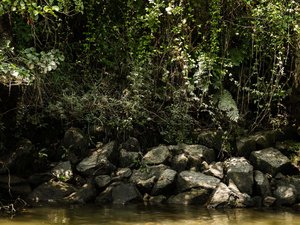
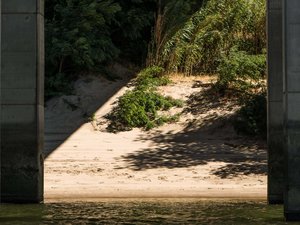
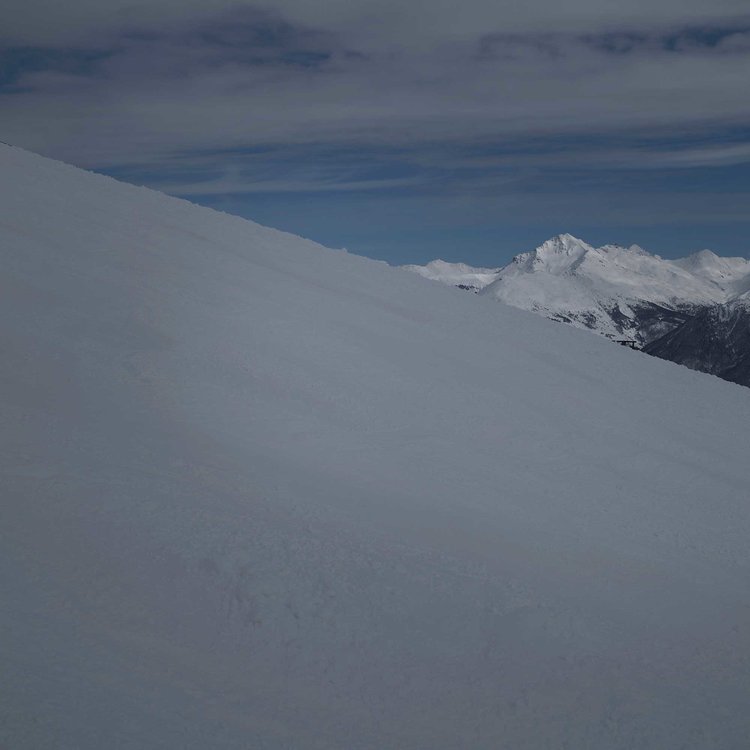
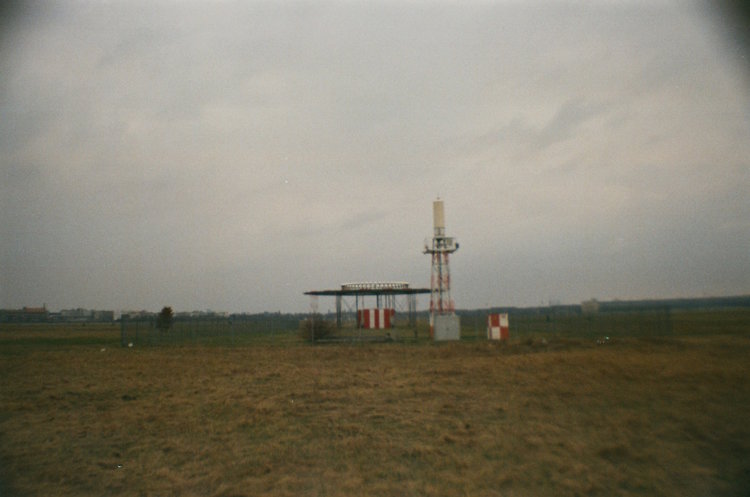
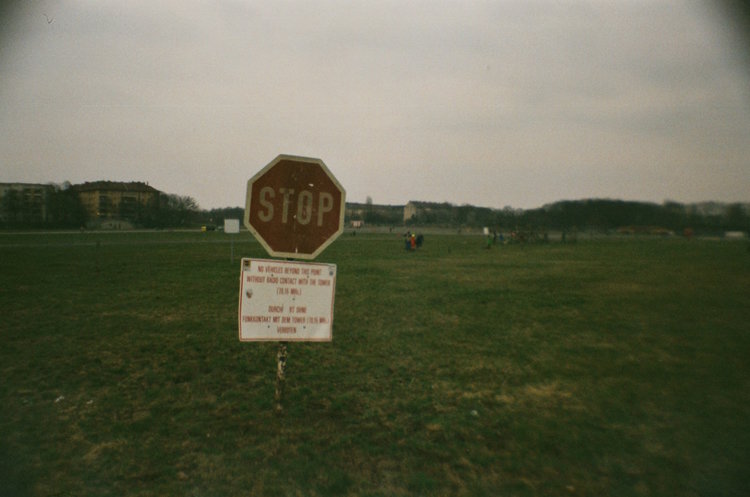
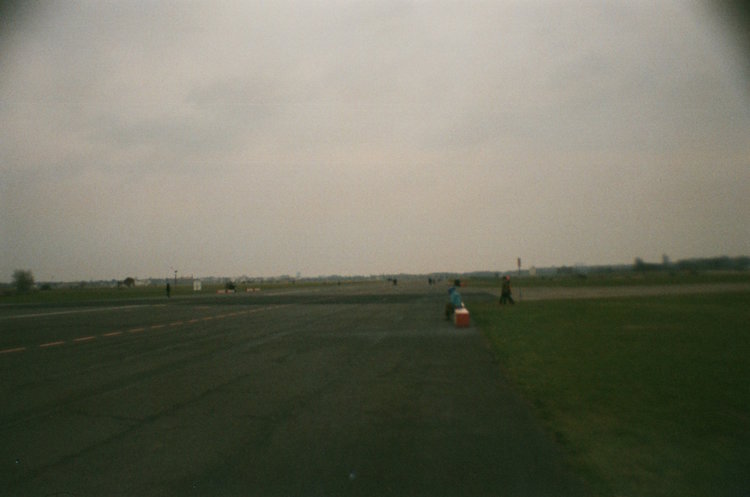
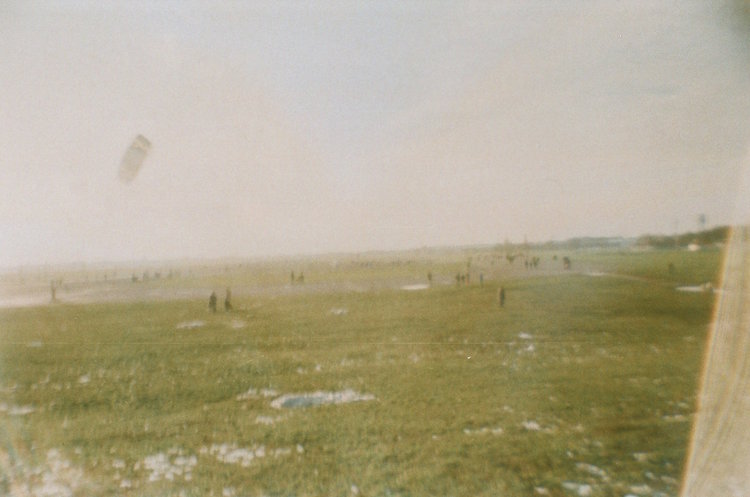
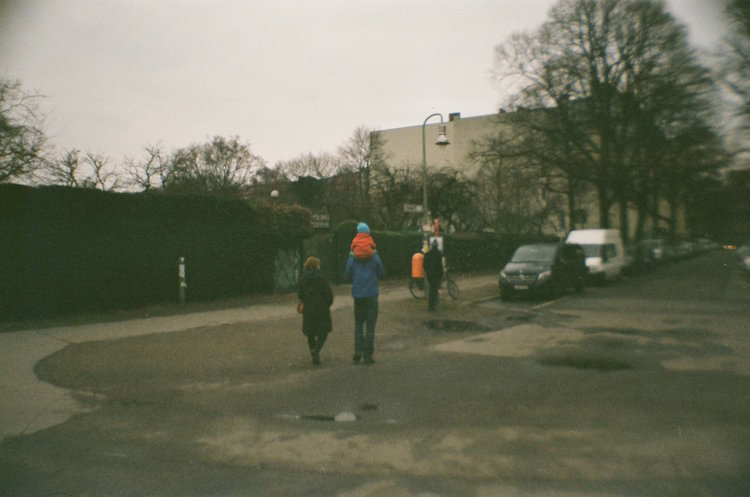
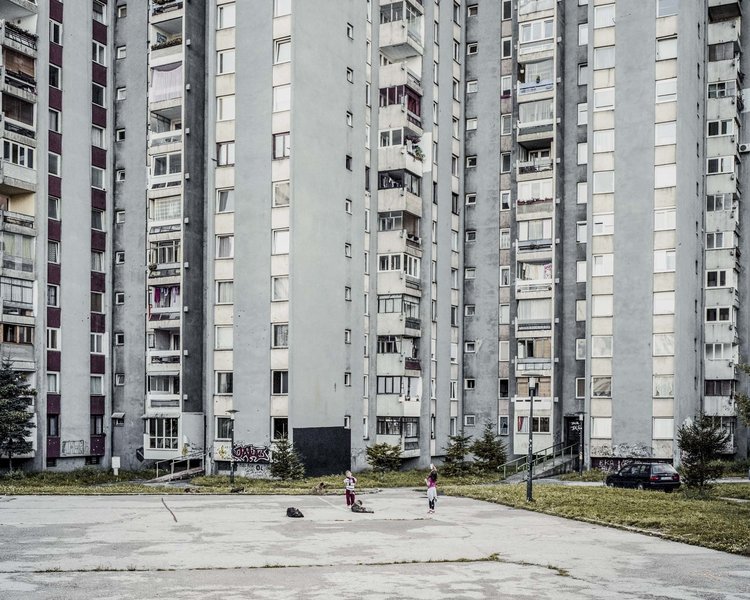
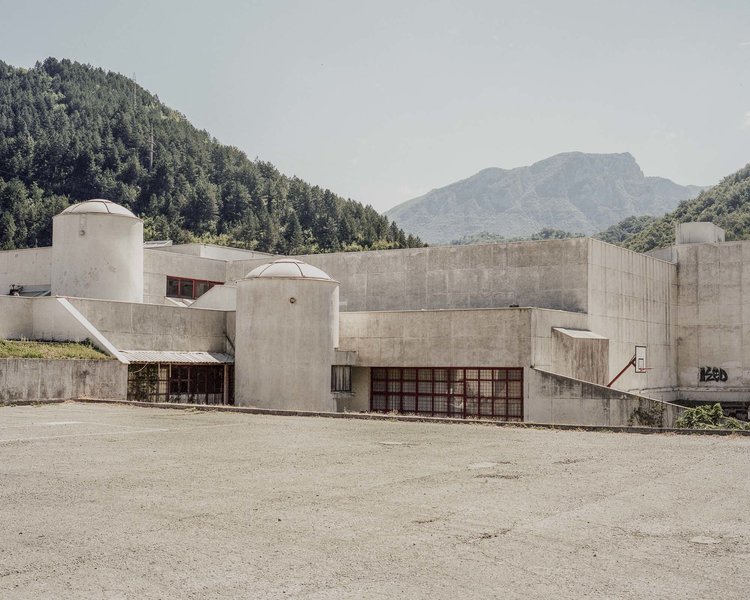
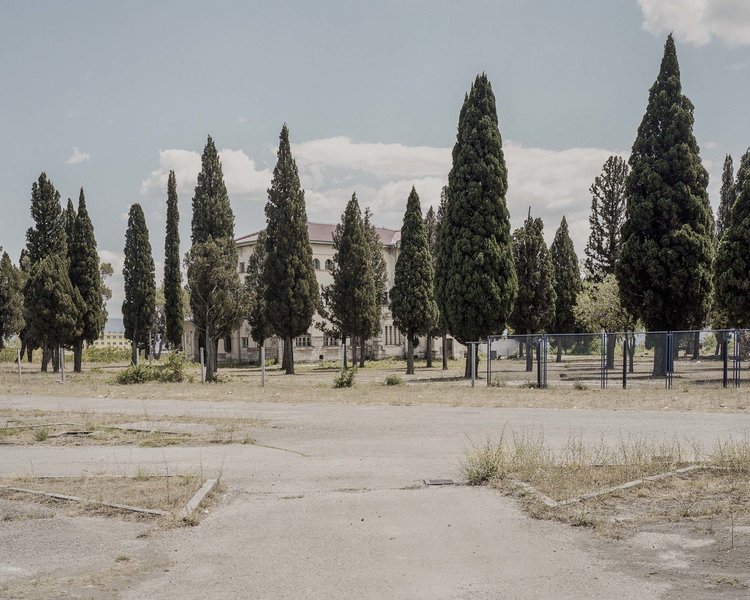
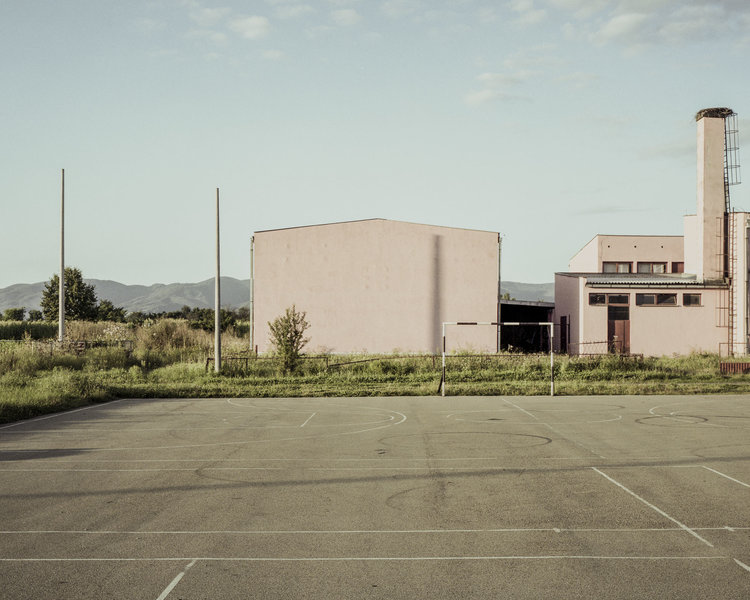
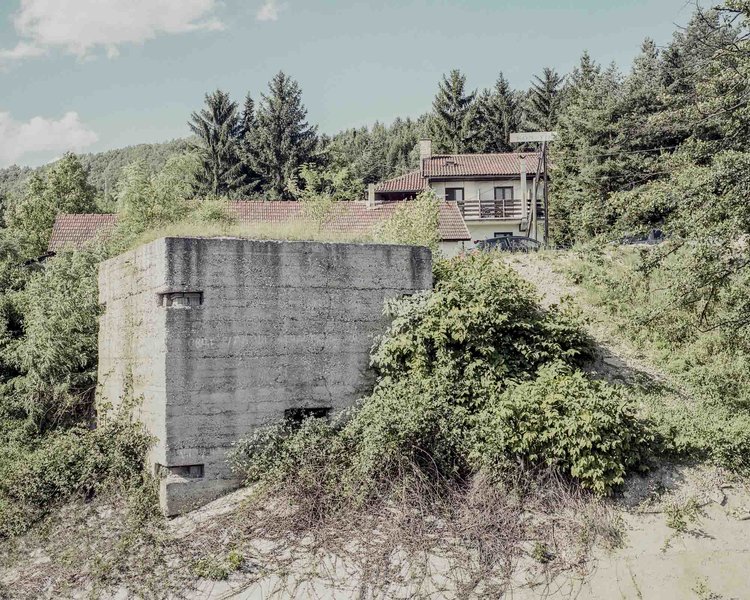
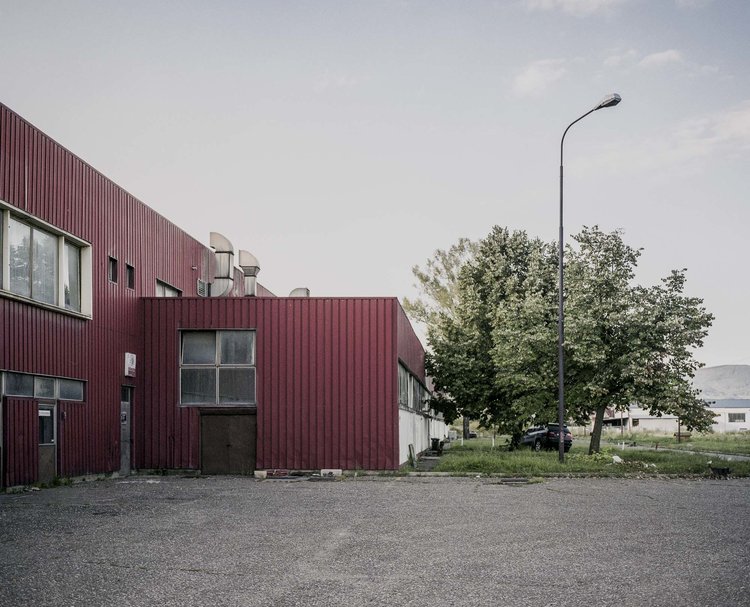
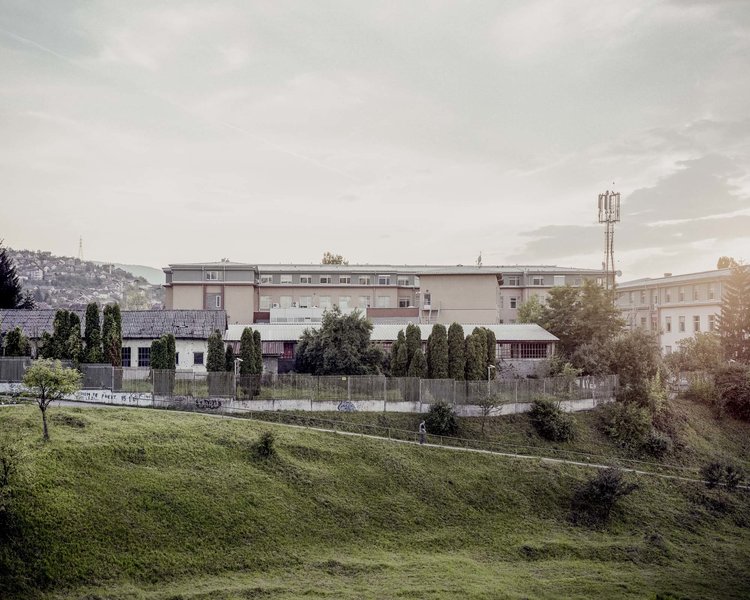
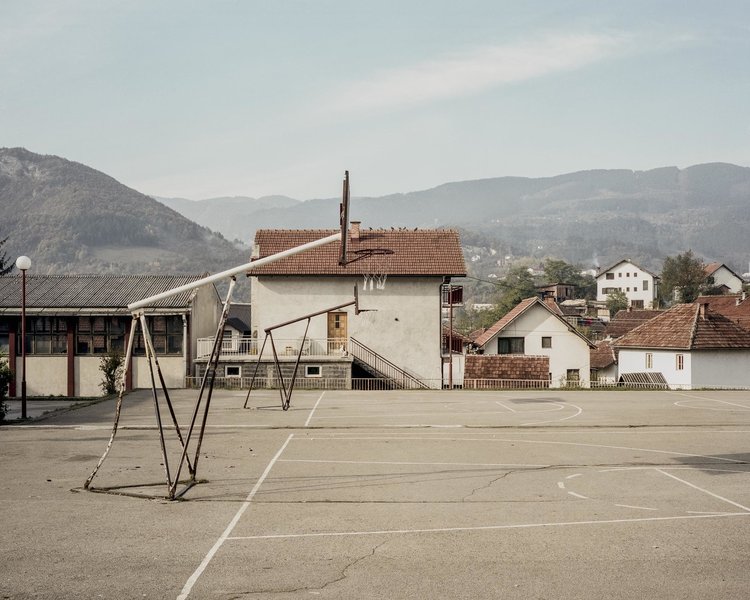
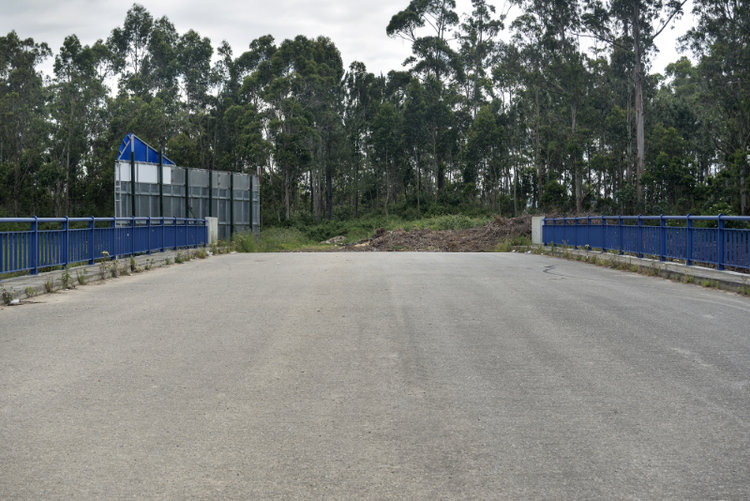
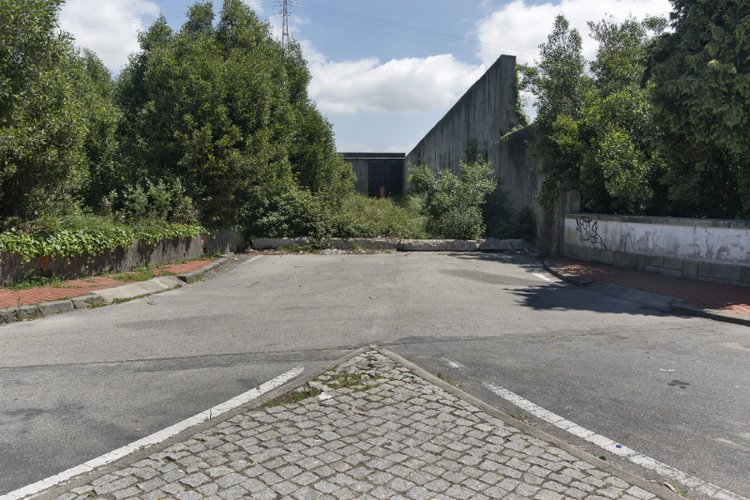
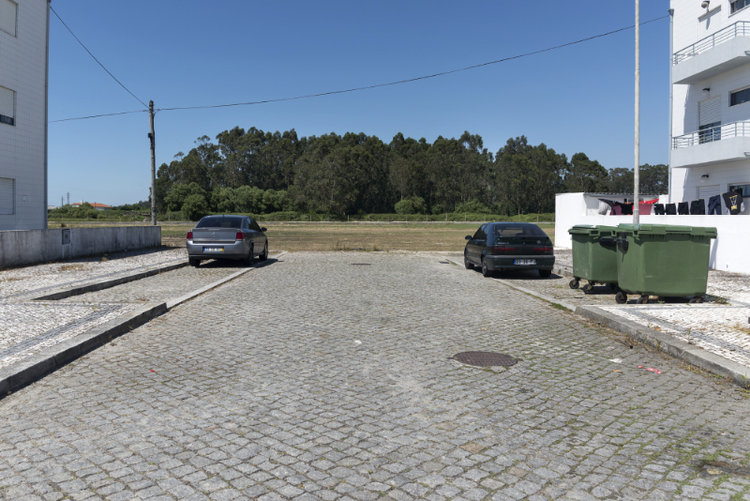
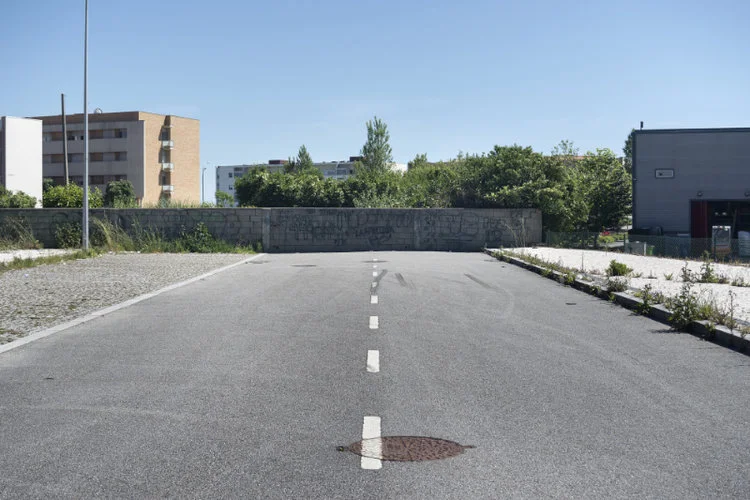
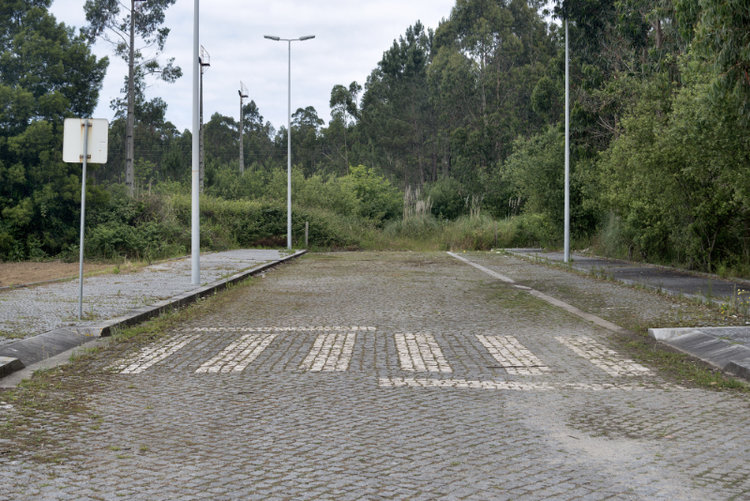
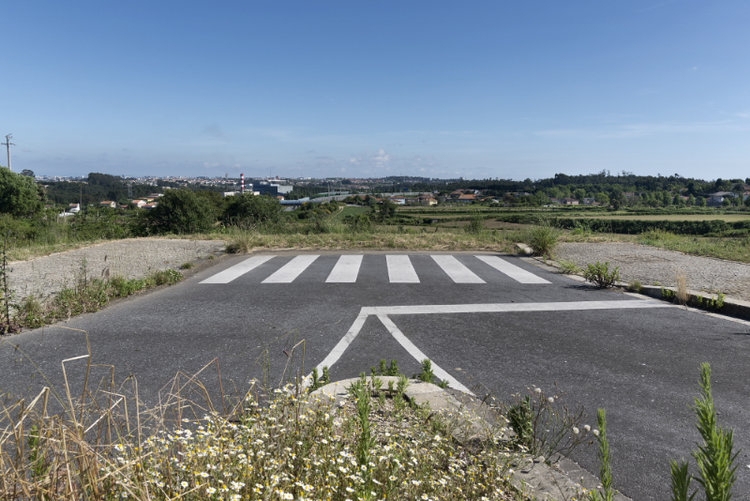
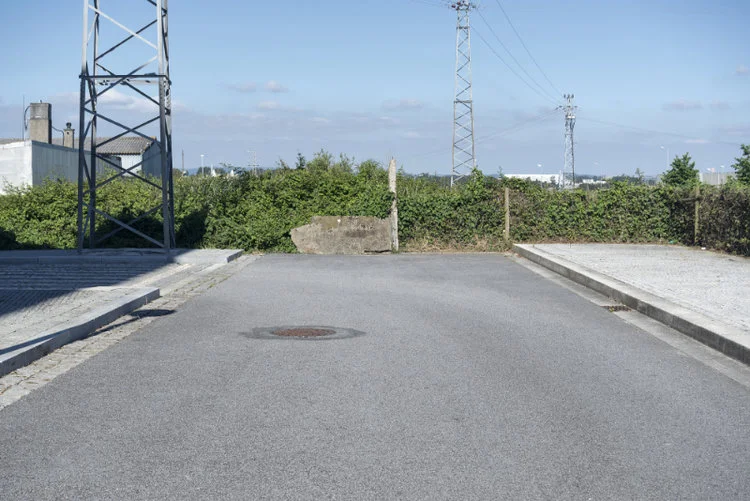
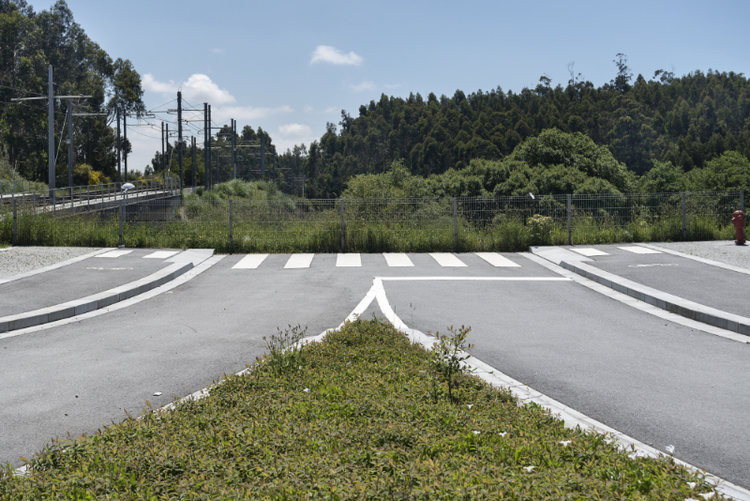
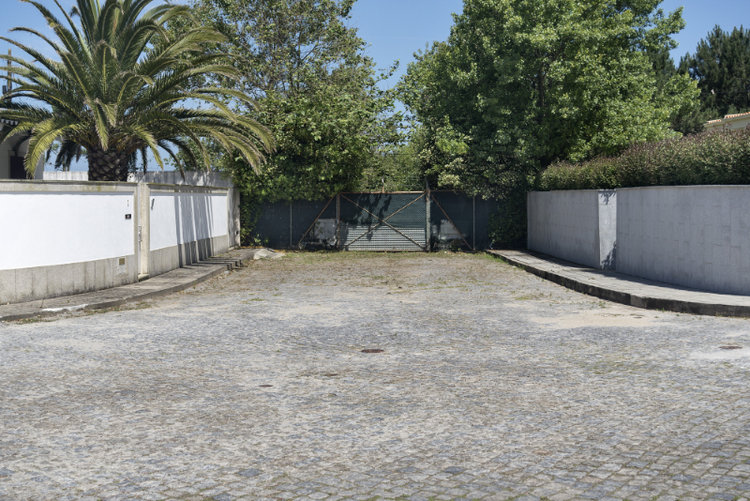
Terrain Vague, conceito que nomeia este trabalho, define, pelas palavras de Ignasi de Solà-Morales, espaços expectantes, (...) mais ou menos indefinidos nas periferias difusas. São manchas de “não-cidade”, espaços ausentes, ignorados ou caídos em desuso, alheios ou sobreviventes a quaisquer sistemas estruturantes do território.(1)
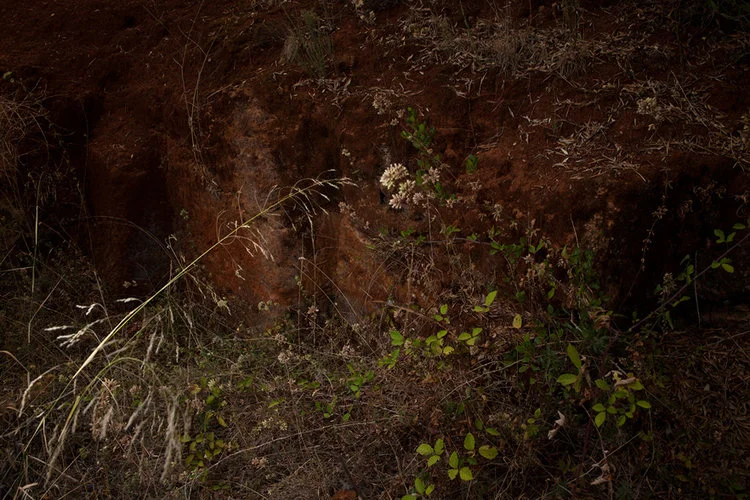
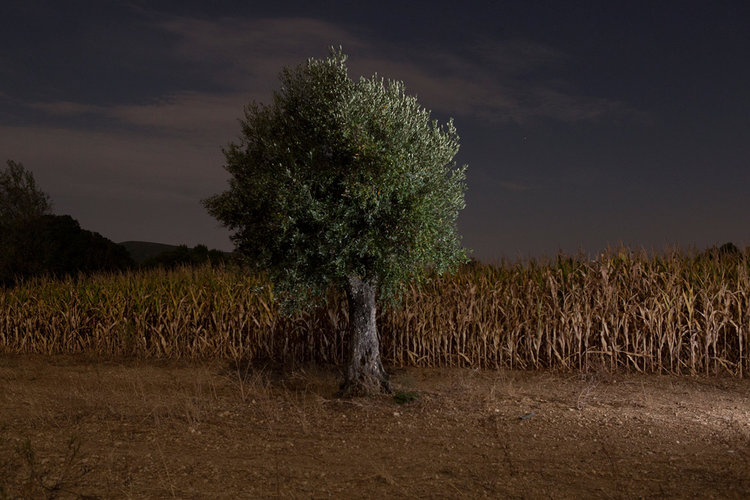
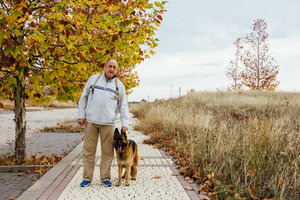
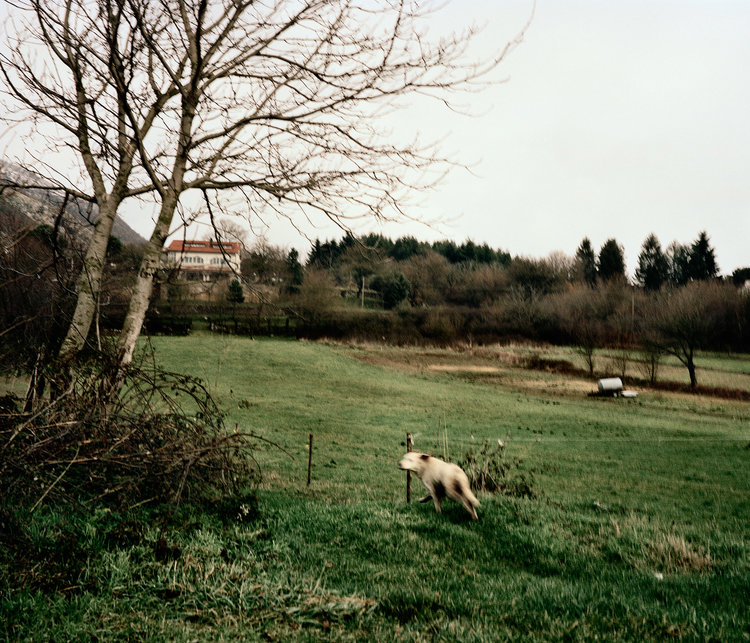
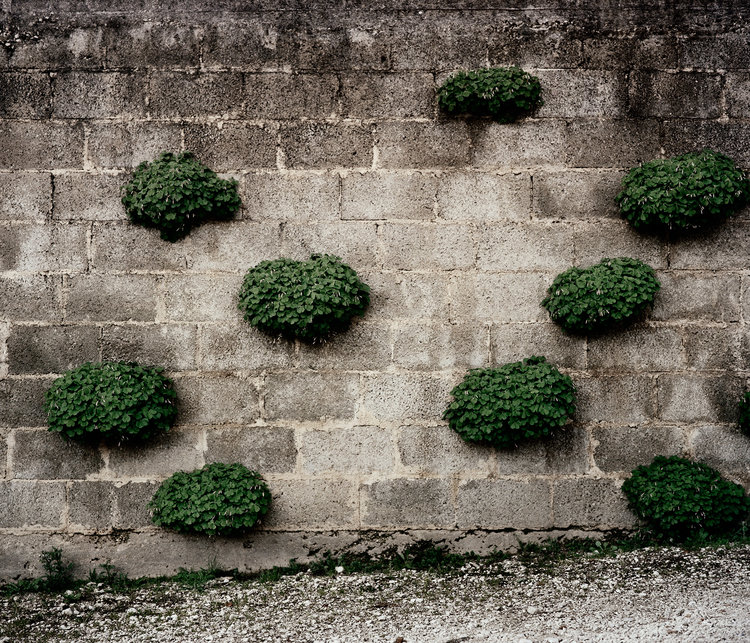
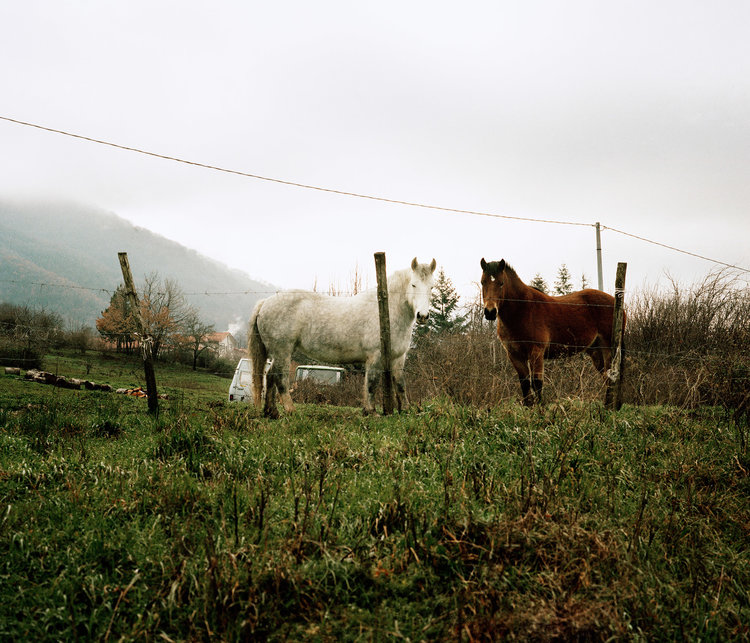
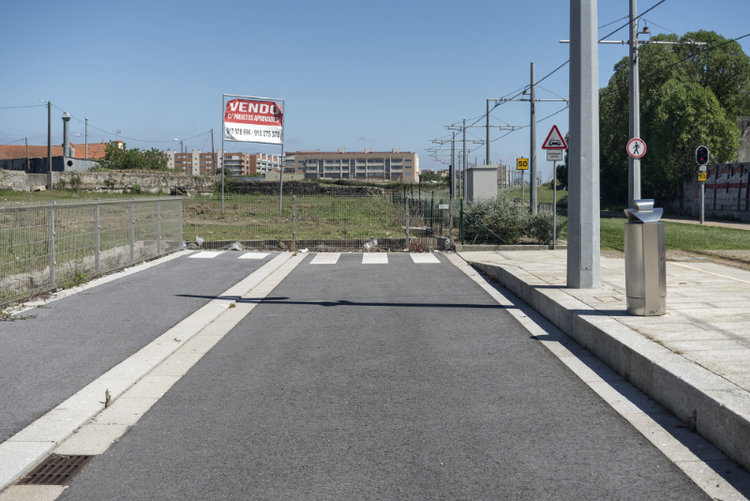
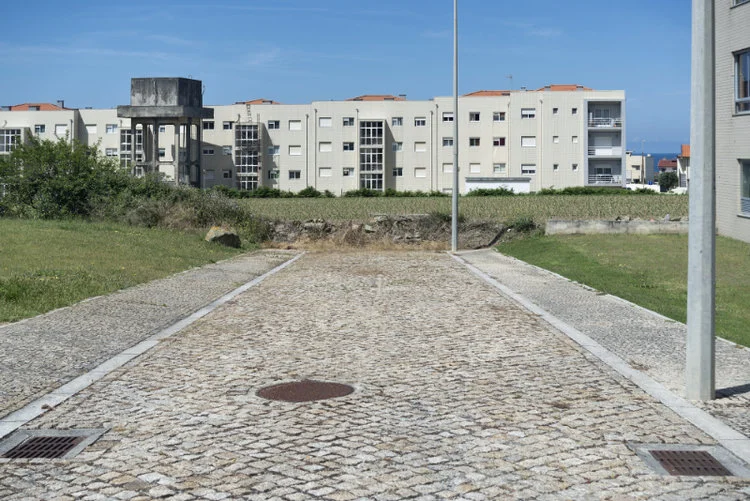
As ruas e estradas fotografadas são o arranque de novas infraestruturas, espaços de expectativa, são também, lugares de ambiguidade e de indeterminação, de instabilidade e de incerteza que apenas garantem a metamorfose, em infinitas possibilidades, da malha urbana.
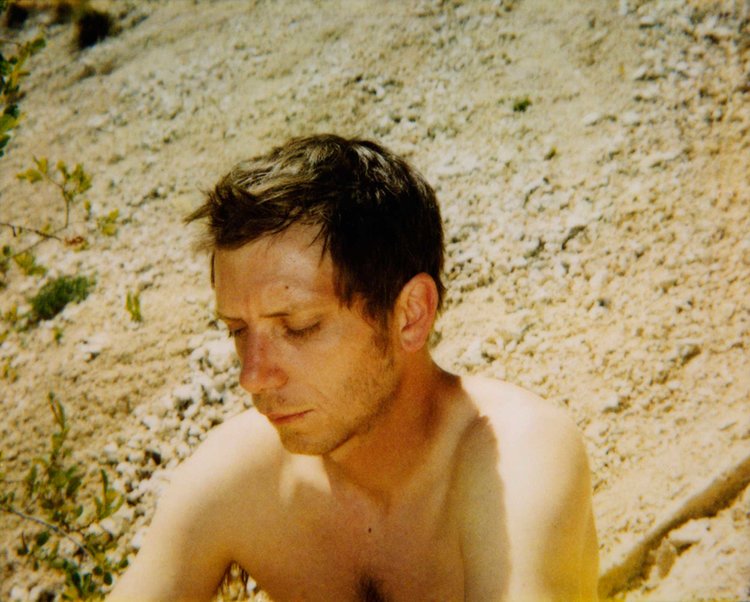
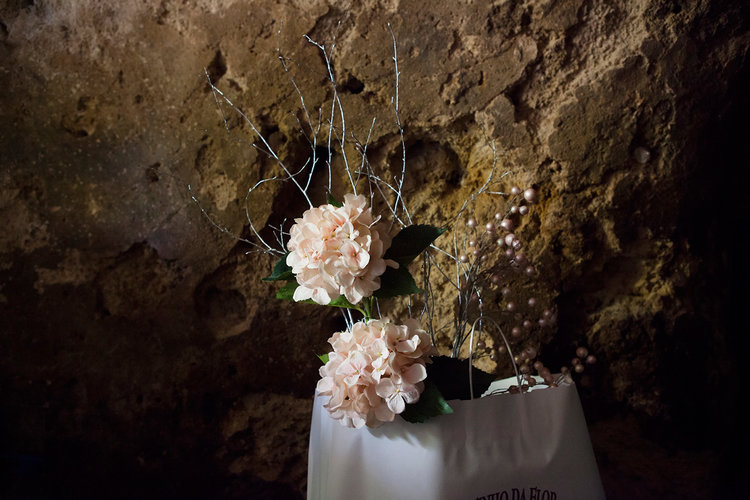
Este trabalho pretende representar uma espécie de “Outro" da cidade onde se questiona, através do distanciamento, um processo de apropriação acrítico. Estas imagens procuram colocar o indivíduo/espectador num espaço, físico e mental, cujo modo de percepção vai passar além dos limites desse mesmo espaço, criando uma oportunidade de alternância, de utopia, de distância para a contemplação, que não deixa de ser parte integrante da cidade. Procura uma compreensão do espaço urbano como um território vivo, em metamorfose, que responde e respira a diferentes estímulos. Estas ruas e estradas são como o repertório do potencial, do hipotético, do que não é nem foi nem talvez seja alguma vez, mas que poderia (ou pode ainda) ser.(2)


---------------------------------------------------------------------------
(1) Ignasi de Solà-Morales in "Terrain Vague" in "Anyplaces", 1995
(2) Italo Calvino in "Visibilidade" in "Seis Propostas para o Novo Milénio", 1988 (a expressão entre parêntesis - ou pode ainda? - não pertence ao texto original)
 

TEEDOFF


TEEDOFF

BY ARTUR LEÃO


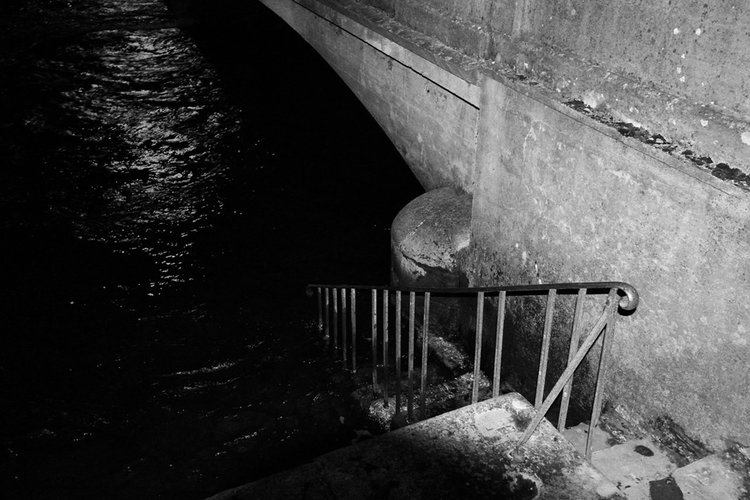
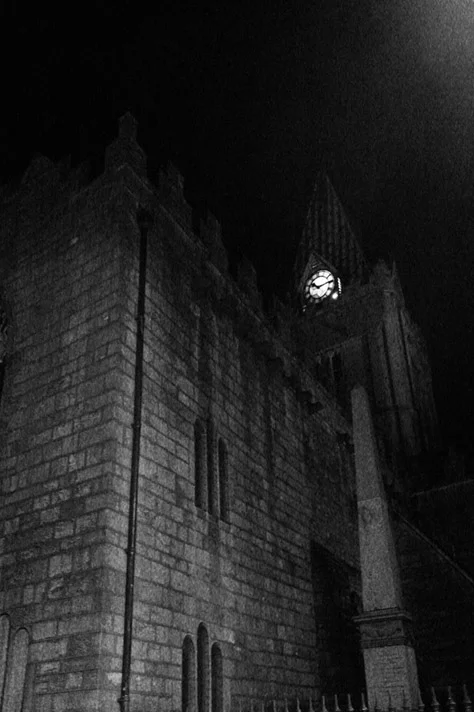
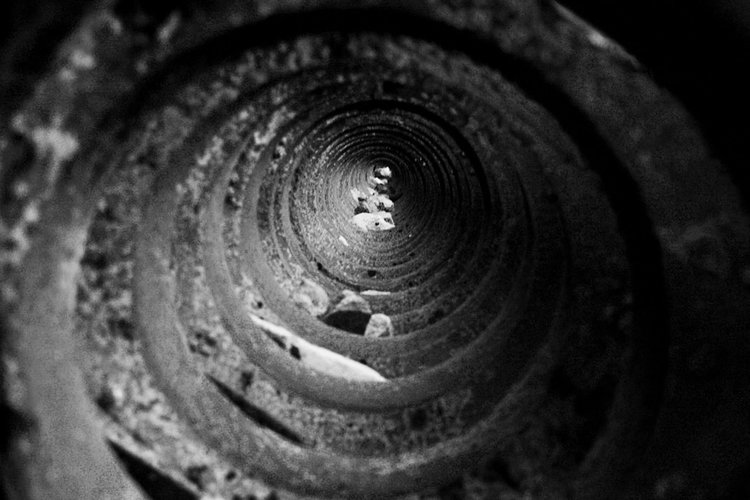
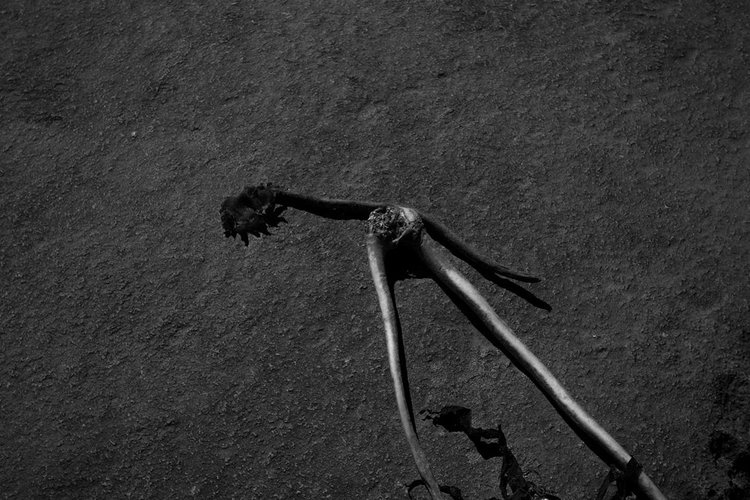
Teedoff is a photography series communicating the intimate relationship I was able to establish with Ireland in a recent trip. As I explored the country, I could feel the pulse and rhythm of the whole landscape in a much significant way and with an enormous intensity. The train journey enabled me to be immersed and enthralled by the immensity of Ireland´s East and West territory, something that helped me to capture its essence. The spontaneous and surprising nature of the photographs in this project mirrors the passion to know these spaces and of how they became vital inside me in an urgent way. Thus, the spectator is invited to travel in a deep and enigmatic way through the rivers, cliffs and architecture in a space covered by mysteries and ancient traditions where all the elements suggest a necessity to create a story.


About the author
Artur Leão was born in Porto 1997,graduating at Esap on the  course of Artes Visuais Fotografia. First collective, exhibition July 2017 in Esap. Three Photobooks accomplished. Video Clip created for Benthik Zone.

website

email


ROSE COQUILLAGE


ROSE COQUILLAGE

BY ELISE BOULARAN


Elise Boularan is a photographer born 1984, Narbonne, France who has a Master’s degree in Creation and Artistic Research from the University of Toulouse, having studied photography at the Toulouse School of Photography.

Pursuing a career as a photographic artist, her work is extraordinarily powerful for its calm and enigmatic aesthetics. Time seems to stop with her images and there is a powerful rhythm on her series that draws our attention for its profound interiority and quietness. The work of Elise tries to respond in an enchanting way to life´s secrets, creating photographs that allow for truth to appear as a process of emotion and thought.

She has been published extensively and has exhibited in Europe and the USA, notably in Madrid, Denmark, and New York, as well as the French Institute of Ukraine, The Museum of New Art (Mona) and The Russell Industrial Center (Mona Detroit) in Detroit; the Instituto Cultural de México, San Antonio, Texas Hill Country, Usa. Her work is in several private collections.
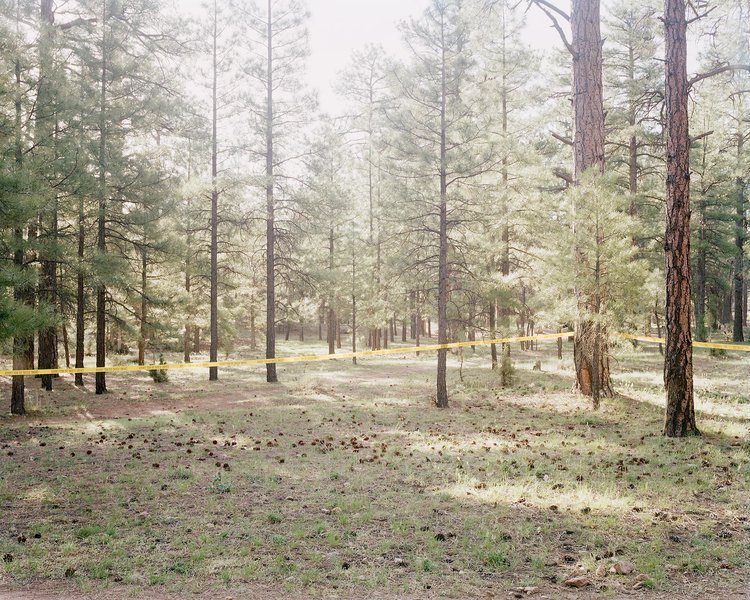
Her preoccupations concern the human reality of our time, trying to reveal what can be secret at the individual’s as in the works Rose Coquillage, Vapors or Ça reste. With Boulard´s photographic series the viewer is constantly trying to find the meaning of the juxtaposed images, as well as the poetical relation between the series and the titles.

Around My Legs and Désœuvre(ment) seem series more related with space, architecture and territory. The non-spaces of Auge (Désœuvre(ment) and then the way the territory is punctuated by man´s constructions and infrastructure that have an economic and cultural logic that confronts nature (Around My Legs) are also powerfull aesthetic visual narratives of contemporanity and its contradictions.


Pedro Leão Neto


PLANTALTO BARROSÃO


PLANTALTO BARROSÃO

BY SÉRGIO ROLANDO

Sérgio Rolando studied in IPF, holds a degree in Audiovisual Communication and a Master degree in Documental Photography and Cinema by Polytechnic Institute of Porto, ESMAE in Portugal. He is currently working as a freelance photographer and Documentary Photography lecturer in Polytechnic Institute of Porto, ESMAE.

He exhibits on a regular basis and has a great deal of published work. Is much focused on our territories and how they are transformed and appropriated. Between document and fiction, the work of this author gives us a mapping of contemporary life governed by technology, political and economic forces, and how territories are transformed and appropriated by man.

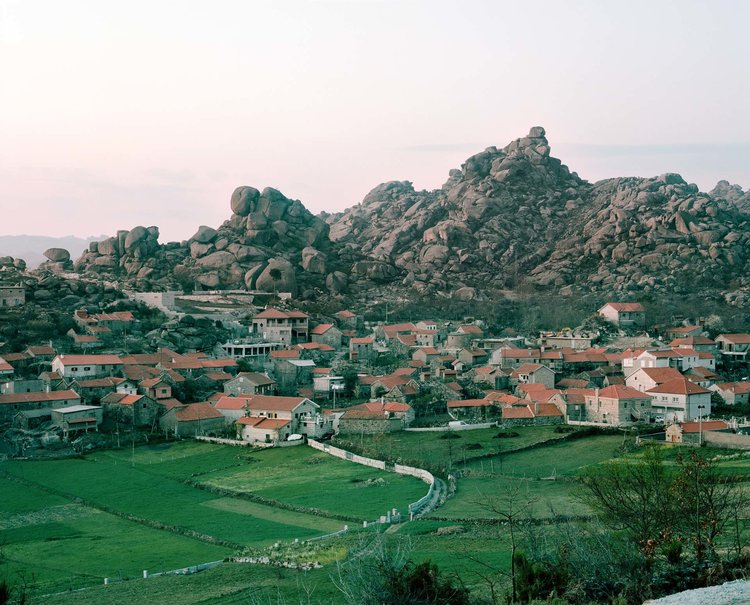
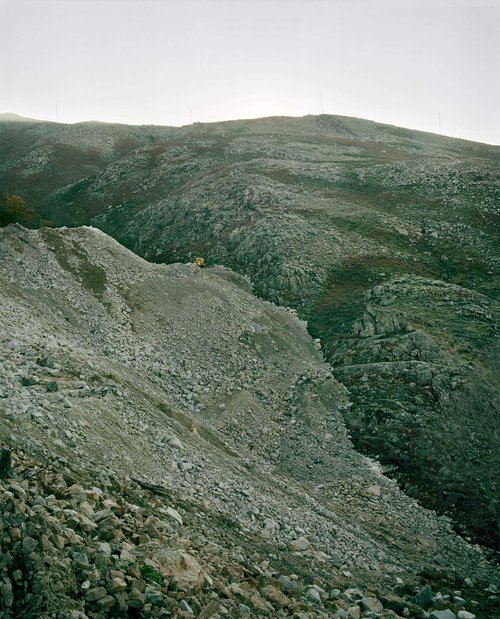
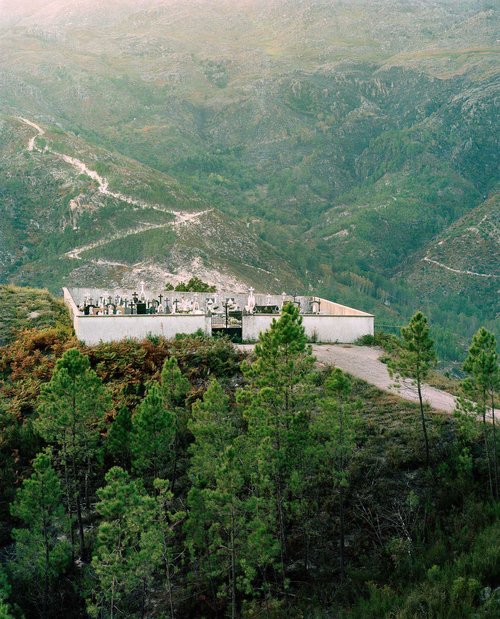
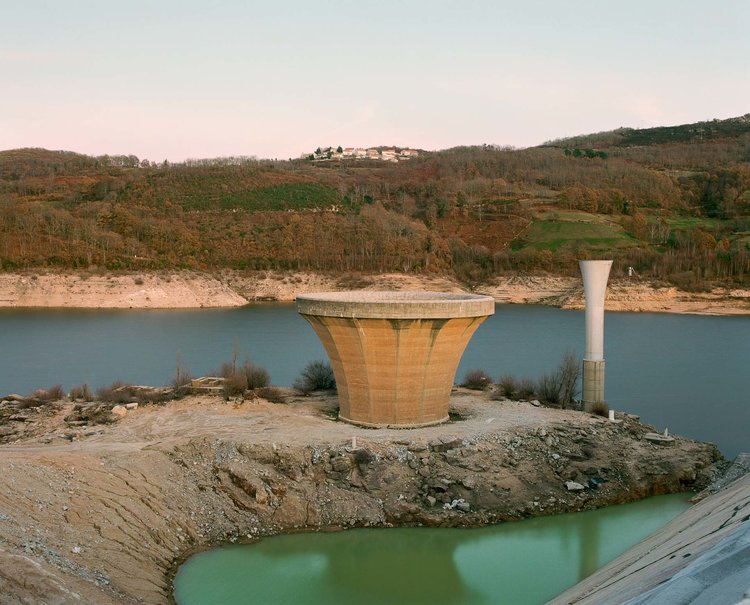
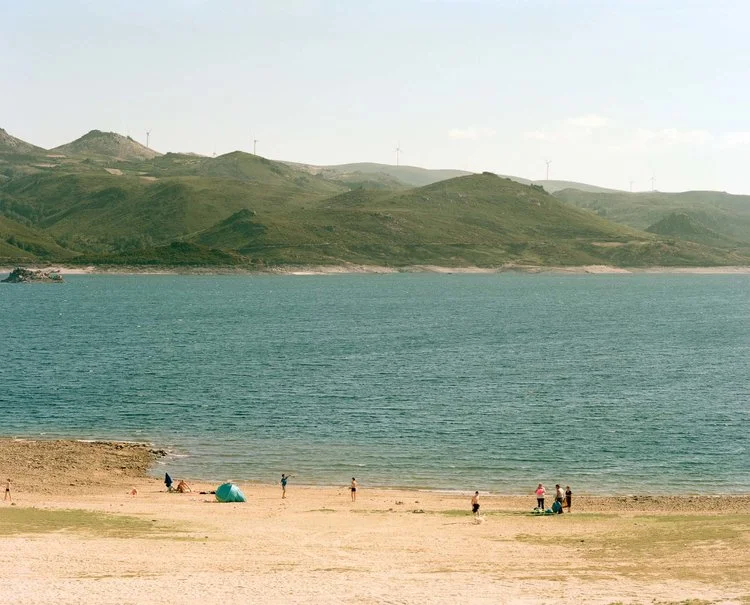
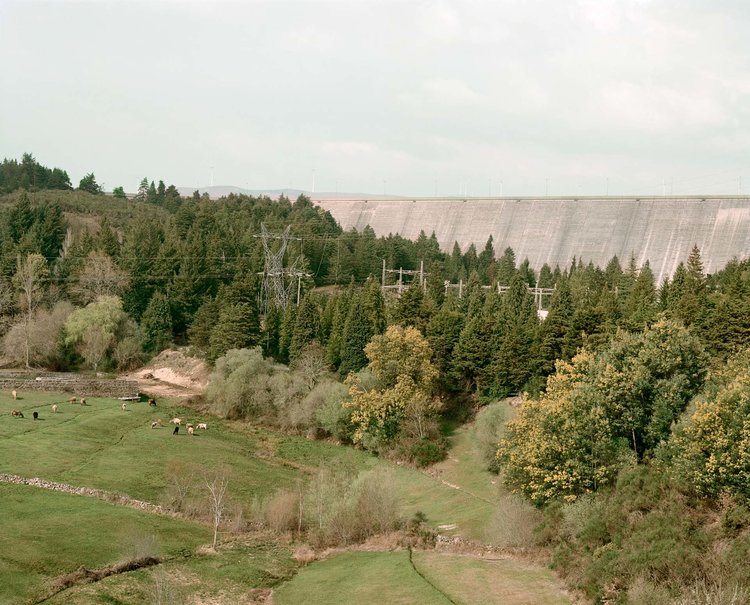
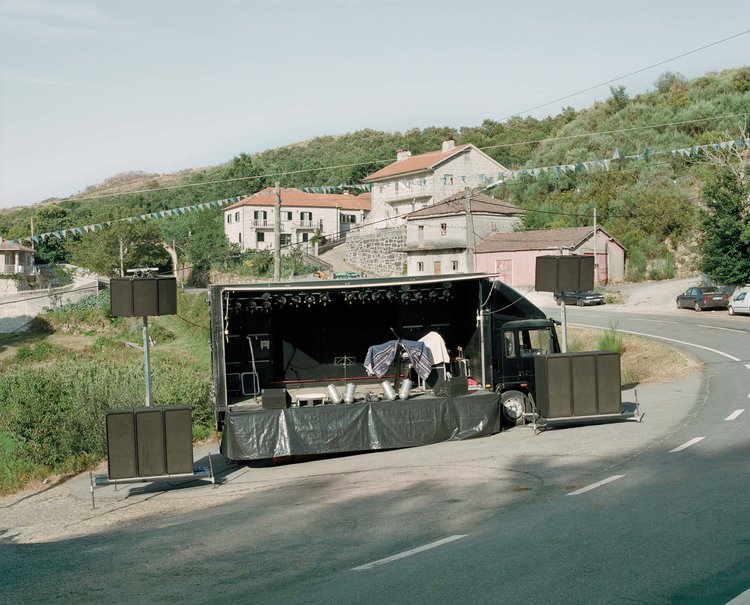
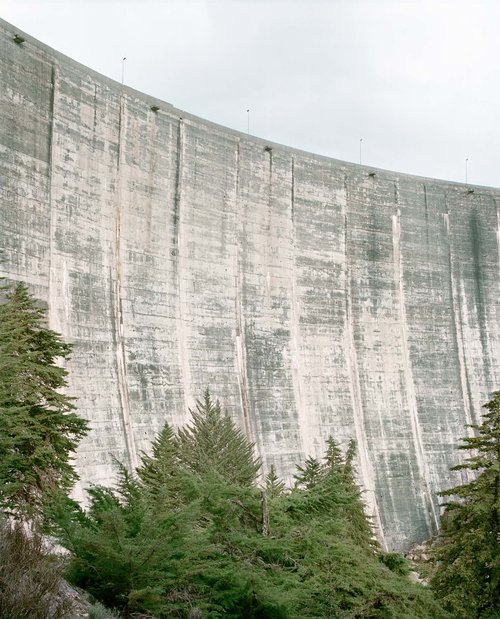
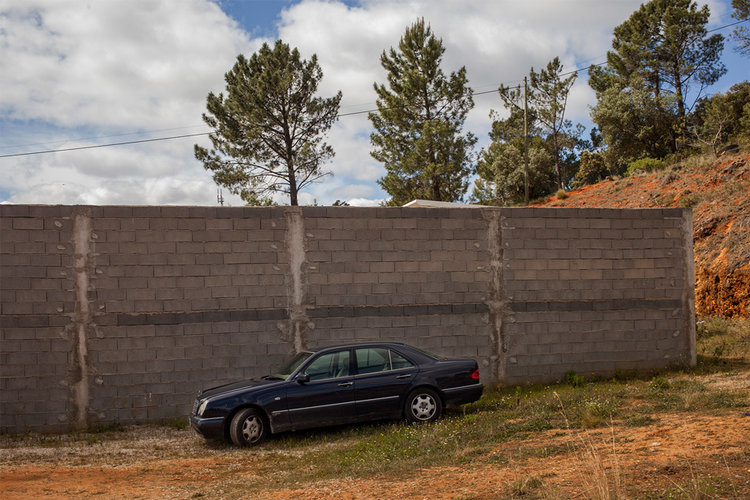
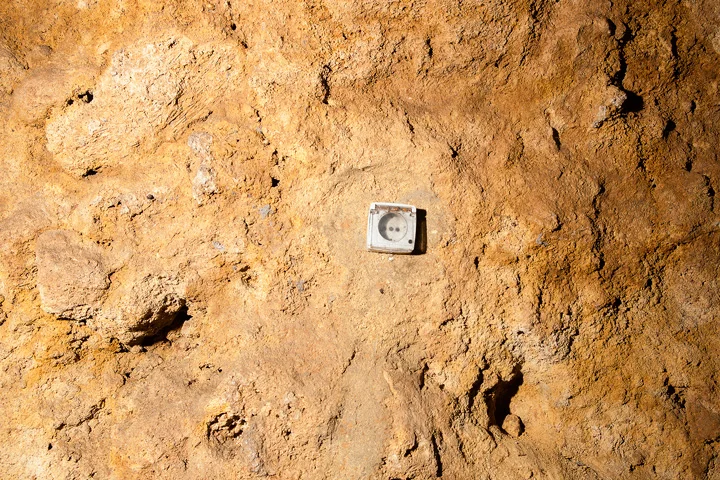
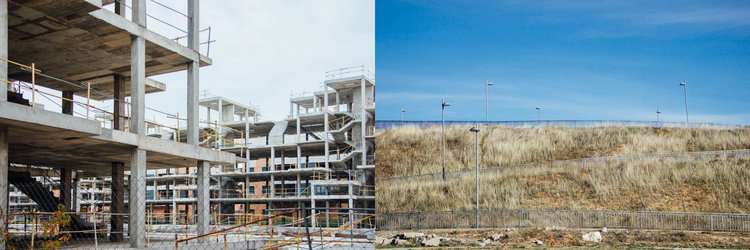
Sérgio Rolando’s “Planalto Barrosão” puts into question the traditional idea of the protected rural landscape of the Barrosão Plateau, while this territory emerges as a cultural (un)built space, permeated by a set of conflicting transformations. The conflict between identity, heritage and protected rural landscape is a challenge that Sérgio presents through images that reveal various infrastructures that tear the landscape apart, and many built elements – unfinished buildings and other architectures – representative of our concrete-made economy and our culture of blindly importing models. Sérgio also adopts an artistic strategy that draws attention to the conflicts of nature and the destruction/transformation of the environment by man, choosing viewpoints and patterns that reinforce the visual and abstract qualities of these landscapes.

Pedro Leão

Maria Neto


OCCIDENTE NUEVO


OCCIDENTE NUEVO

BY ANTHONY MARCHETTI


Anthony Marchetti is a Minnesota photographer and photography instructor whose work focuses on how people interact with their urban spaces. Marchetti completed a BA at Gustavus Adolphus College and an MFA at the University of Minnesota. Currently, he is an Art Institutes International Minnesota full-time faculty member and also serves as adjunct photography instructor at both the University of Minnesota and Anoka-Ramsey Community College.


synopsis

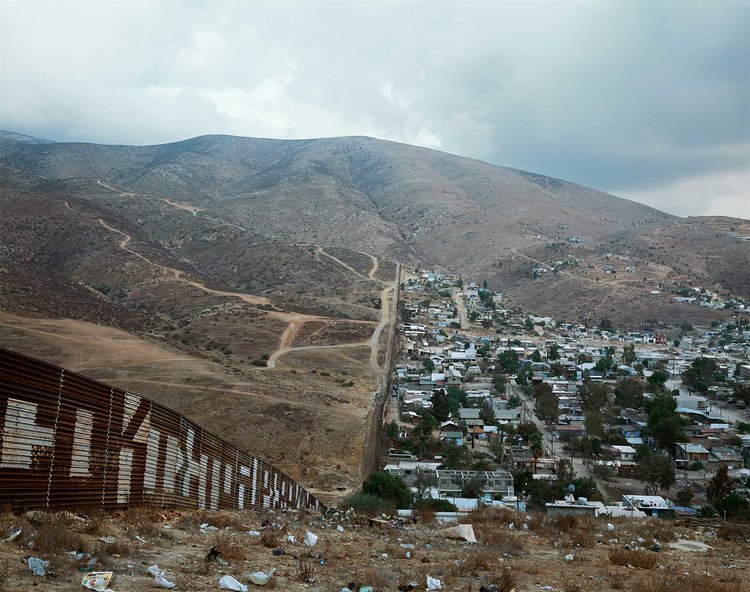
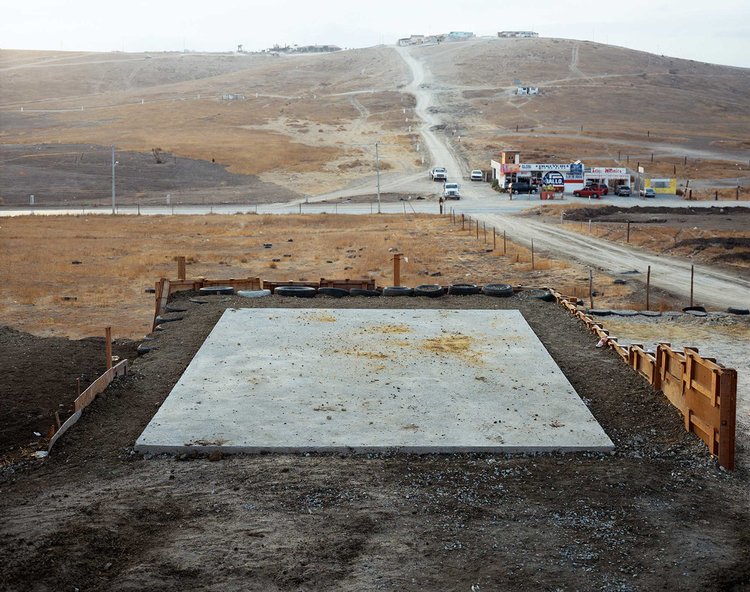
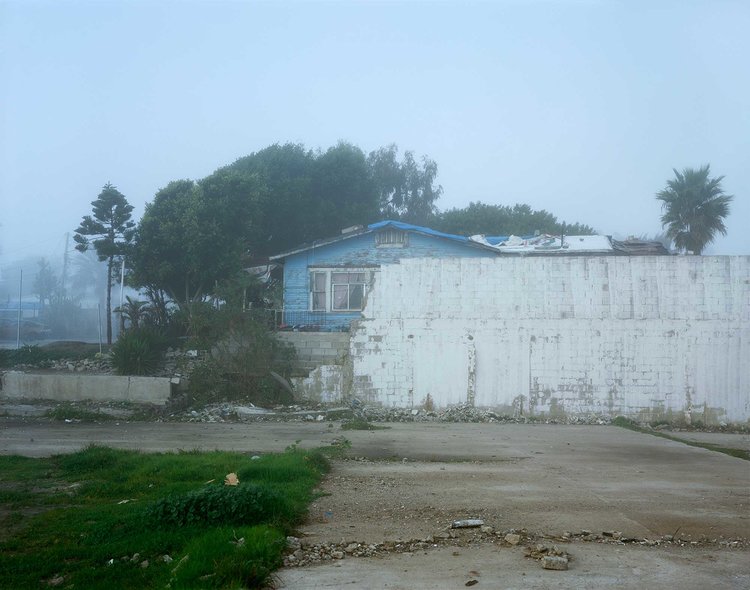
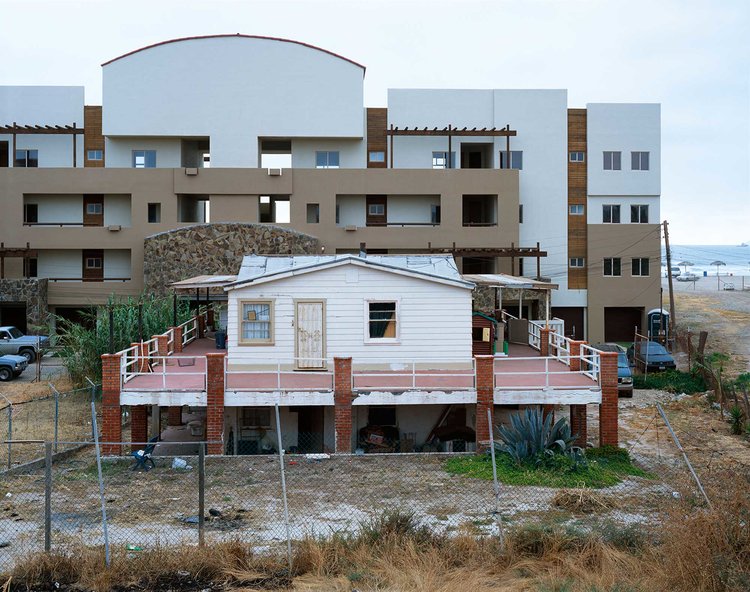
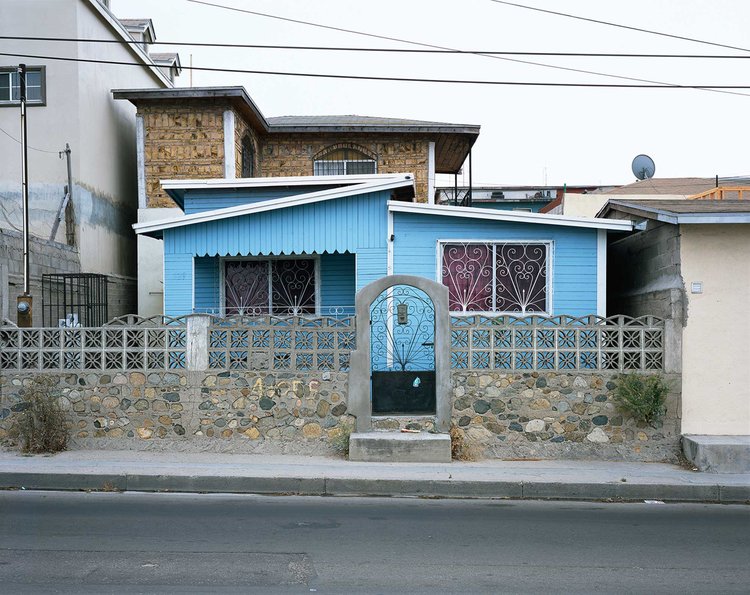
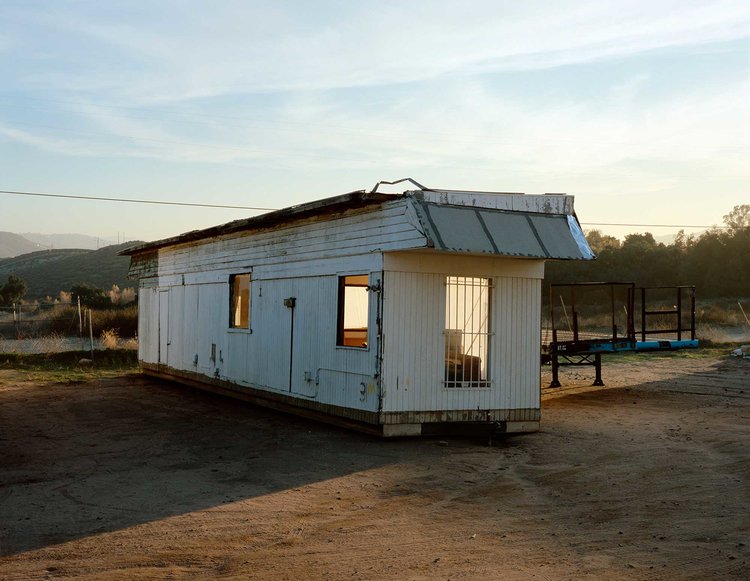
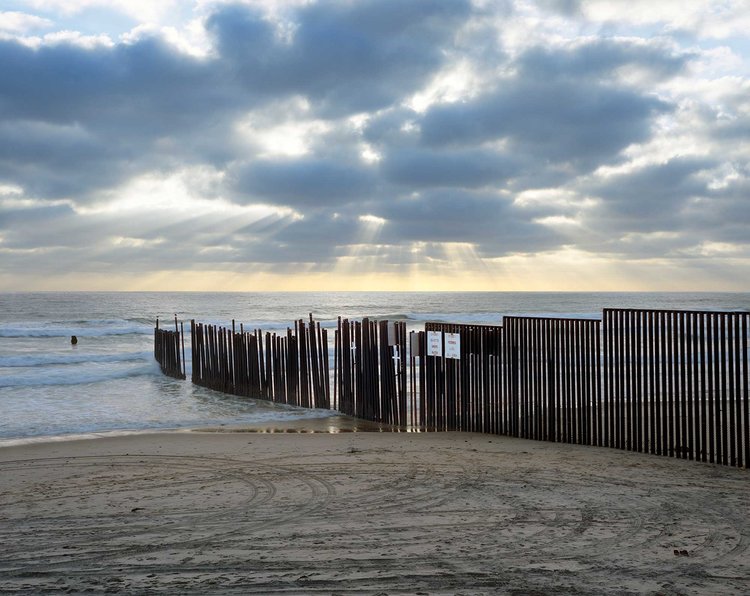
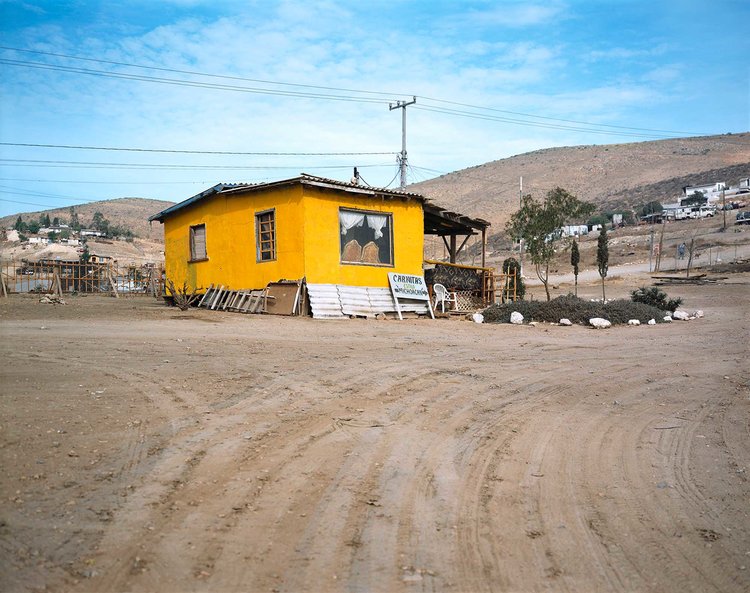
San Ysidro, southern-most city in San Diego County on the U.S./Mexican border, hosts the world’s busiest land border crossing. At this site, Tijuana receives and recycles San Diego’s discarded architectural waste, re-using and reconstructing materials into unique structures that offer new opportunities for living and working. This photographic project focuses on this cross-border transmigration of building materials and small suburban homes from San Diego to Tijuana. Although located only 20 miles apart, few cities could be more different. San Diego calls itself “America’s finest city,” boasting some of the country’s wealthiest subdivisions, while Tijuana is viewed as decadent, transient and poor (as UCSD architecture professor Teddy Cruz describes it, “a contemporary Sodom and Gomorrah”). As building materials and small homes find their place amidst existing Tijuana neighborhoods, other transported homes are springing up in undeveloped outskirts surrounded by open desert or ringed by sparsely populated squatter communities. While these Tijuana images share affinities with Robert Adams’s mid-1970s work The New West, presenting newly developed tract homes against a barren western landscape, they also offer important differences. Adams documented the human imprint on the American landscape – a stark, expansive natural world, flattened and manicured to make room for tidy boxes providing practical living space, yet seemingly devoid of aesthetic.

This project departs significantly from Adams in both intent and result. Adams’s images reveal the driving force of American commerce and expansion as residential developers cleared huge swaths of land to make room for entire neighborhoods. Growth at Tijuana’s edge is slower, seemingly more haphazard or at least devoid of a master plan. Instead, these images of small homes reveal individual desires to carve out personal space from a crowded urban center. They exemplify serendipity and intention, cultural originality and assimilation. As Tijuana grows and pushes at its less populated perimeter, development will fill the open spaces surrounding these transported homes.

San Diego’s architectural refuse and discarded small homes represent new opportunities for low-income Mexican residents, and the project documents the cultural influences and ingenuity of grass-roots construction through re-use. By examining this process of transmigration, assimilation, and transition, I hope to reveal more about how people build, deconstruct, and reconstruct spaces in which they live and work, and how culture, expediency, and financial resources influence what is considered trash or treasure, waste or opportunity.


Editor´s note

The presented project was selected from a spontaneous submission made by Anthony Marchetti. Our aim is to disseminate and bring to light telling work of emergent or young photographers.


NAMIKAKE


NAMIKAKE

BY ARITO NISHIKI


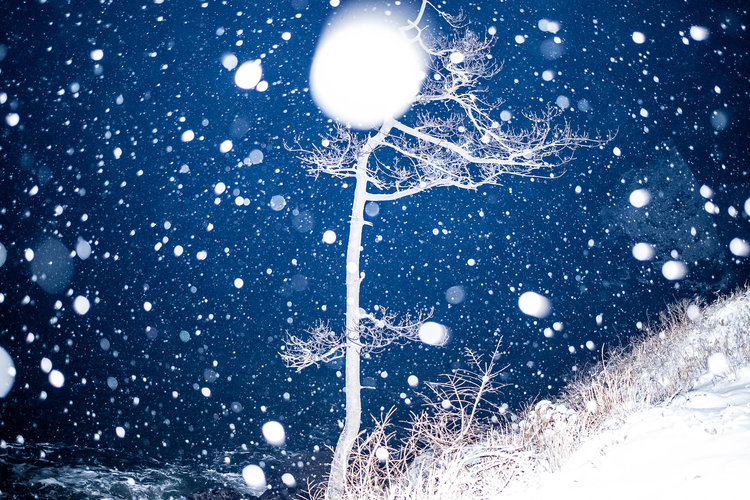
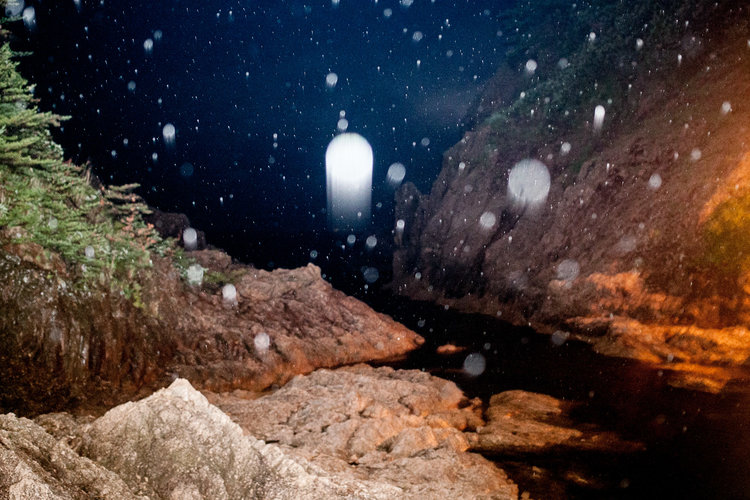
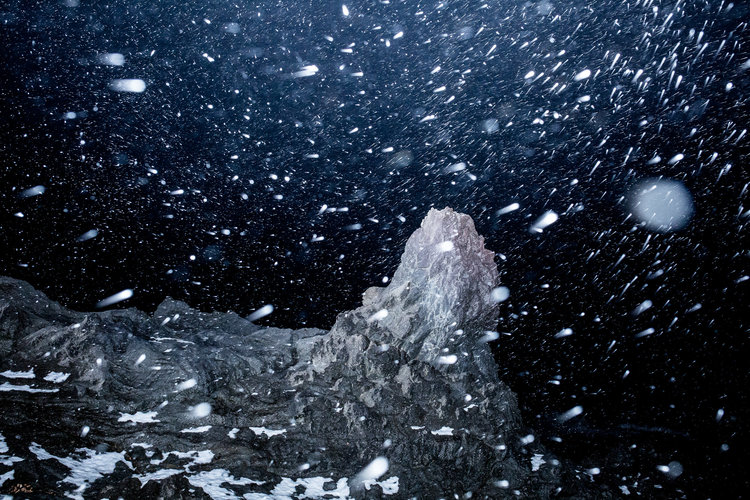
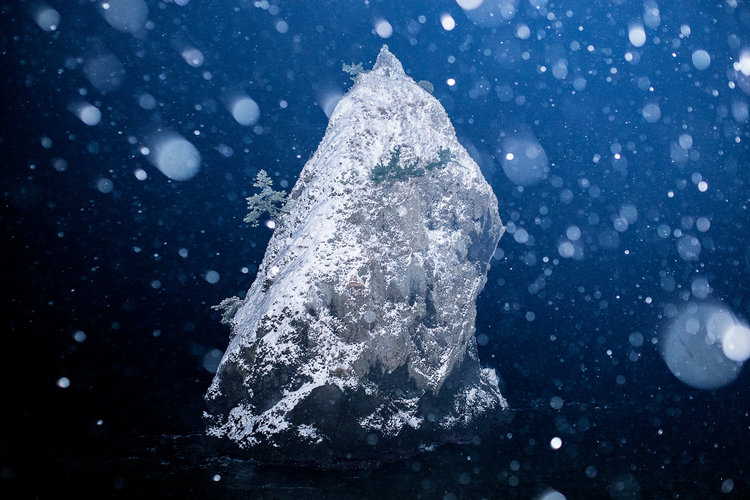
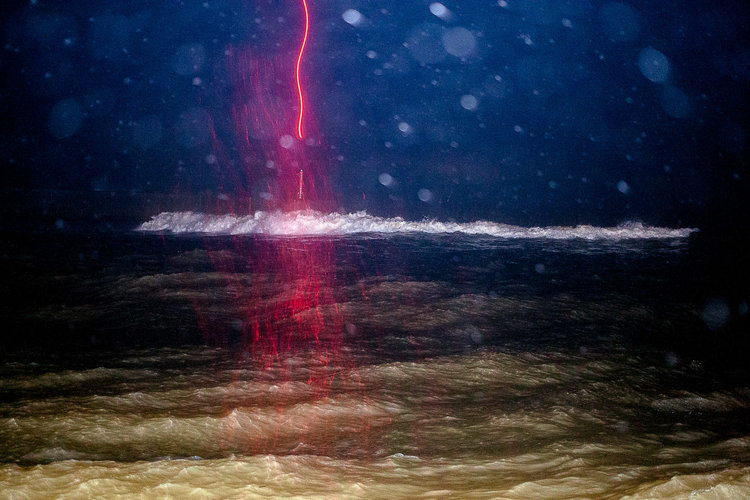
"By southern coastline of Niigata City is located in northern part of the Sea of Japan. A village sank into the sea by a coastal erosion called "Namikake" in their region. In the darkness of night on this coast, it takes a long time to adjust my vision. Once my eyes get used to it, images of a big rock, trees, a lighthouse, snow and the sea jump into my vision. The images have been there in the darkness, but they suddenly appeared to me. The landscape seems that it hasn't been there before and appeared in that moment I shoot. The coastal erosion that occurs in this region repeatedly changes their landscape each time.It is not the demise that one disappears by erosion, but it is the origin that the other is newly born.Every flash I make in the darkness, new form is born.
While I am at this place, I was feeling ambiguity between existence and creation, and reality and fantasy. It symbolizes that this coast is unstable forever by erosion. "Namikake" series are based on my these feelings in the coast of the snowy winter."

More images of the project  click


About the author

Arito Nishiki

Born in Akita, Japan in 1981.

Graduated from Tokyo College of Photography.

Lives and works in Tokyo.


Solo Exhibitions

2014. Meguro Museum of Art “NamiKake(Makuridashi)”(Tokyo)

2014. Gallery The White, “ NamiKake and Makuridashi”(Tokyo)  


Group Exhibitions

2017. LensCulture Exposure Awards 2017 exhibition at Voies Off Festival (Arles, France)

2016. Gallery The White,「The Ordinary 」(Tokyo)

2015. Echigo-Tsumari Art Triennale(Niigata)

2015. The 12th 「1_WALL」Photography Exhibition (Tokyo)   【Award】

2018.The Independent Photographer Competition Landscape finalist

2017.LensCulture Exposure Awards 2017, Finalist

2015.The 12th 「1_WALL」Photography Exhibition finalist

2012.Japan Professional Photographers Society Exhibition JPS Yang Eye Award
 

website : https://www.aritonishiki.com


MY RIVER


MY RIVER

BY GIANPAOLO ARENA


Gianpaolo Arena, architect and photographer, develops research projects on social and documentary themes and environmental issues. The interest in architectural representation has oriented his attention towards architectural photography, urban landscape, the use of photography as a survey of the anthropized territory and towards relations of multiple identities that belongs and characterizes places and people. An important part of his photographic research is developed on modified landscapes in different companies, industrial sites and in the business world. Since 2010, he is editor of a magazine on international contemporary photography called:  “Landscape Stories” with which he coordinates photographic campaigns in the territory, workshops (Massimo Siragusa, Bruno Ceschel-SP, BH, Raimond Wouda, Valerio Spada, Francesco Jodice, Simon Roberts, Vincenzo Castella, Tre Terzi), editorial (Adolescence book, Gianluca Perrone “Balere”, Joël Tettamanti “Works 2001-2019” for BENTELI Verlag!) and exhibition projects (Photissima Festival Torino, 2012, Sifest 2014, 21er Haus, Vienna, 2014). Since 2013 he is the curator of the project “CALAMITA / À”, a platform of investigations and researches on the territories in Vajont. His project “My Vietnam” was presented at the photographic festival “ F4_an idea of photography” in Villa Brandolini, Pieve di Soligo TV in 2013 and during 2014 at the” Photography Festival” in Padova, at Galleria Anteprima d’Arte Contemporanea, Rome and at Fotografia Festival di Roma. In 2013 he participated at the “The 10th Sao Paulo Architecture Biennale”, Brazil with “Latitude Platform” organization. In 2015 he take part of the jury of Melbourne ‘Photobook Award’ and of ‘On Landscape Project’, Matèria in Rome. Teacher of Bitume residency.

synopsis

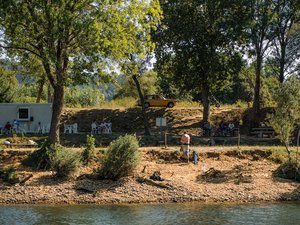
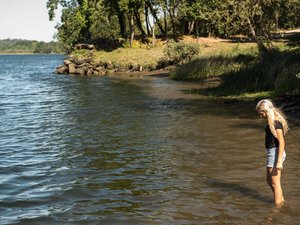
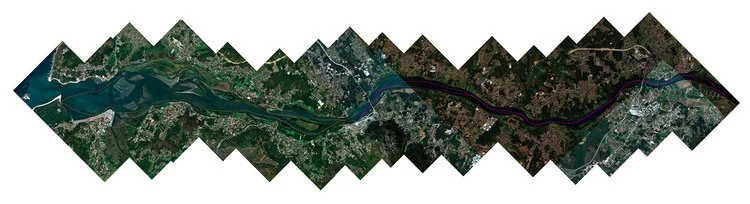
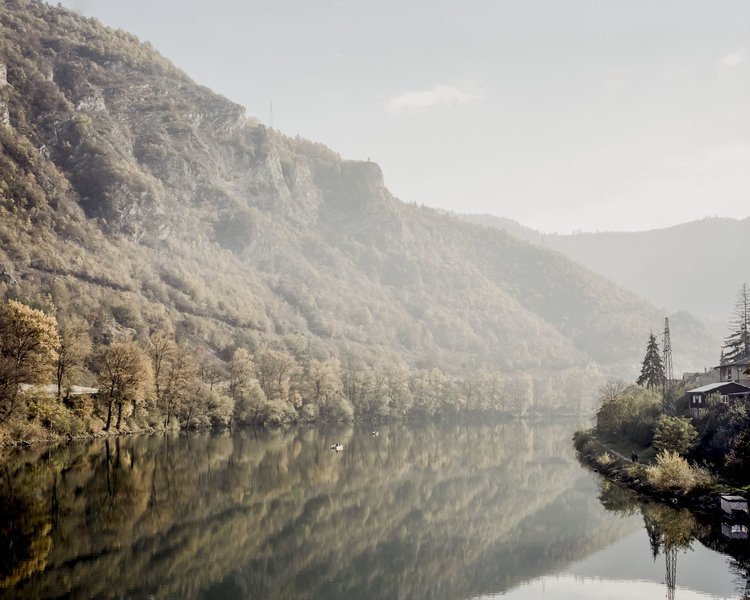
A resurgent river that winds for about 100 kilometres, shaping springs, little lakes, marshy areas, peat-bogs. The main features of this river and lagoon territory often remain indistinct. The space is not only the background of an action but it often becomes the main character. The perception of it seems confused, indistinct and the limits of the visible become more noticeable. The river is repeatedly the object of other eyes, often the object turns into subject. The observer becomes landscape and vice versa. The eyes and the points of view multiply: landscapes only apparently deserted, landscapes not visible, but insistently visible, landscapes immersed in the fog where there is not a living soul to be seen but thousands of presences are heard. What we don’t see is always more important than what we see. No place looks like that place, every place is that place.

editor's note

Our aim is to disseminate and bring to light telling work of emergent or young photographers.


MIGHTY MOUNTAINS


MIGHTY MOUNTAINS

BY CHARLES ROUX 

Charles Roux has a European Bachelor of Photography. He attended the Paris school Icart Photo, and was graduated as “head of the year” as well as “best end-of-studies portfolio”. 

This emerging photographer is deeply inspired by literature, by his own experiences, emotions and yearning for creation. Whatever the subject or the purpose may be, he is striving to create above all atmospheres and underlying stories. As he says: “I might be a daydreamer, led by the mingling of my emotions and the spaces or people all around“. 

synopsis

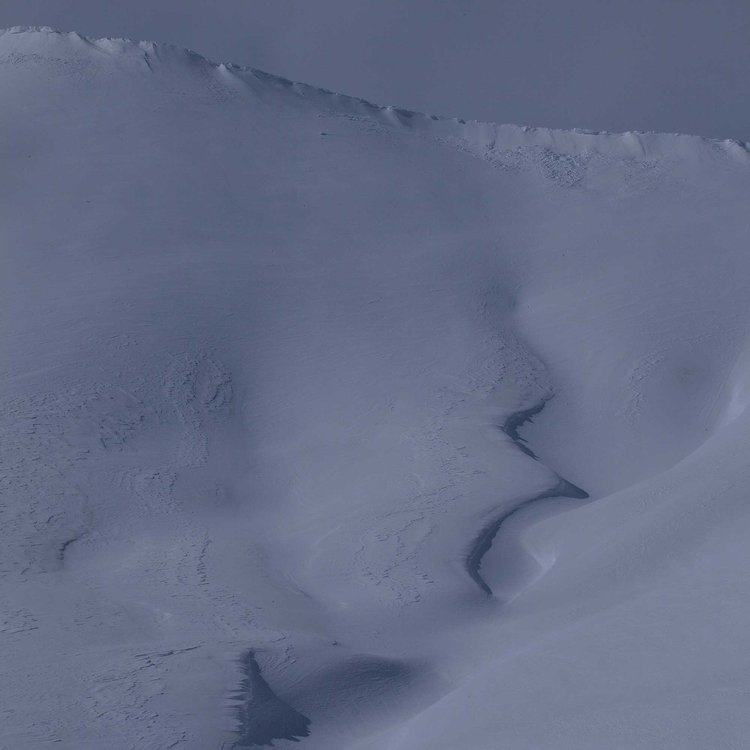
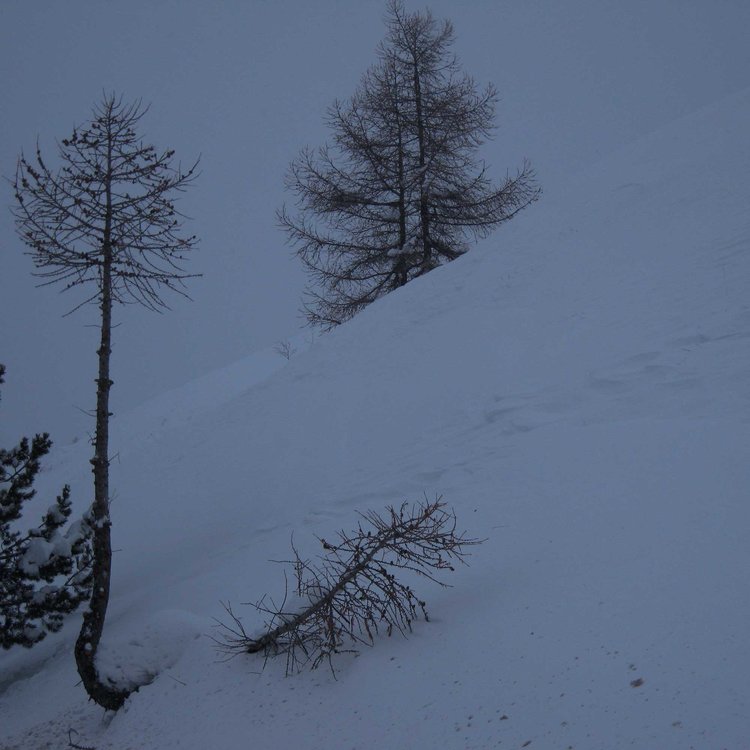
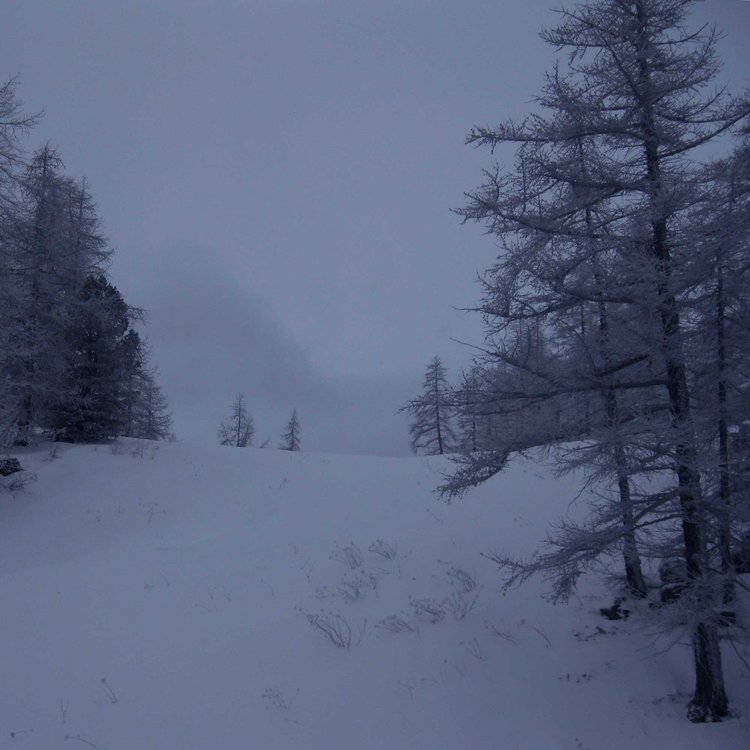
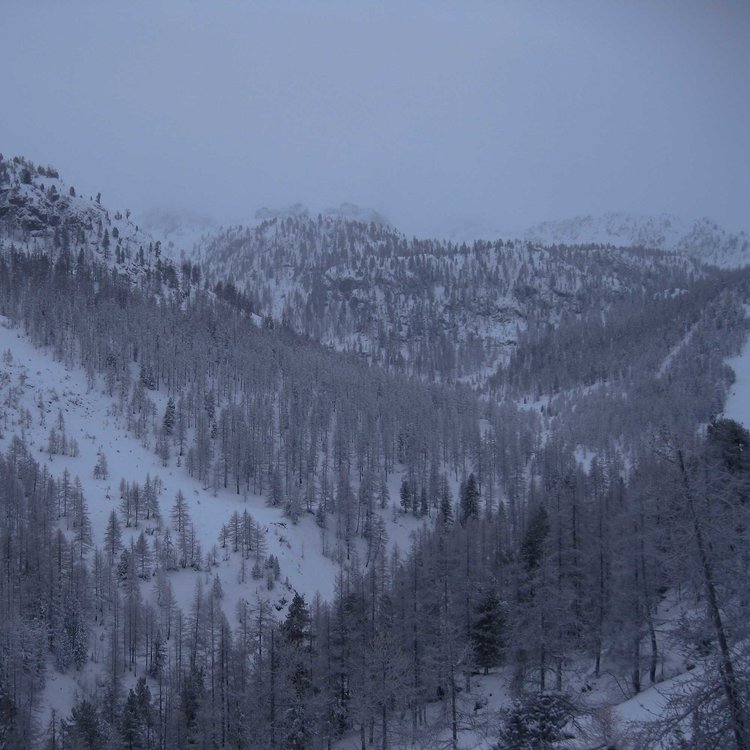
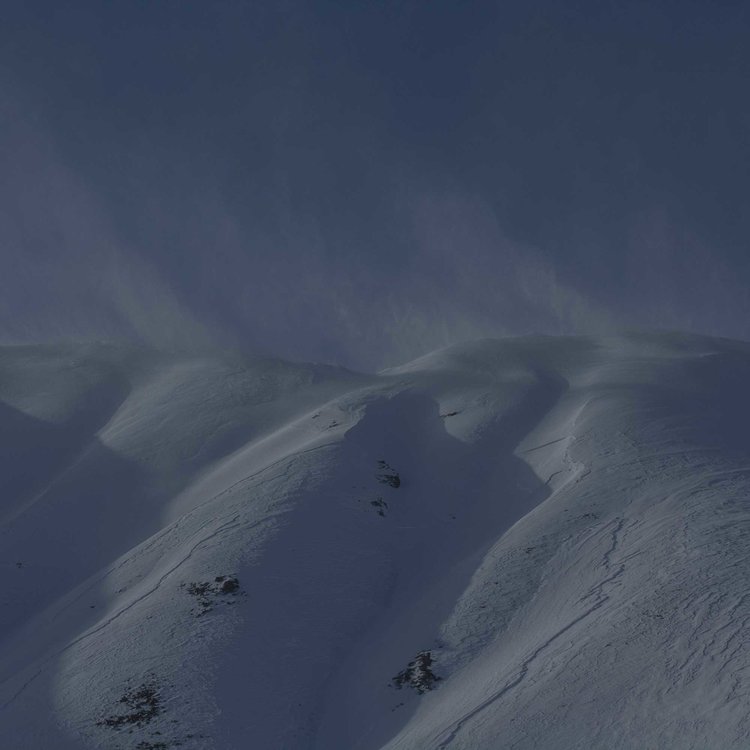
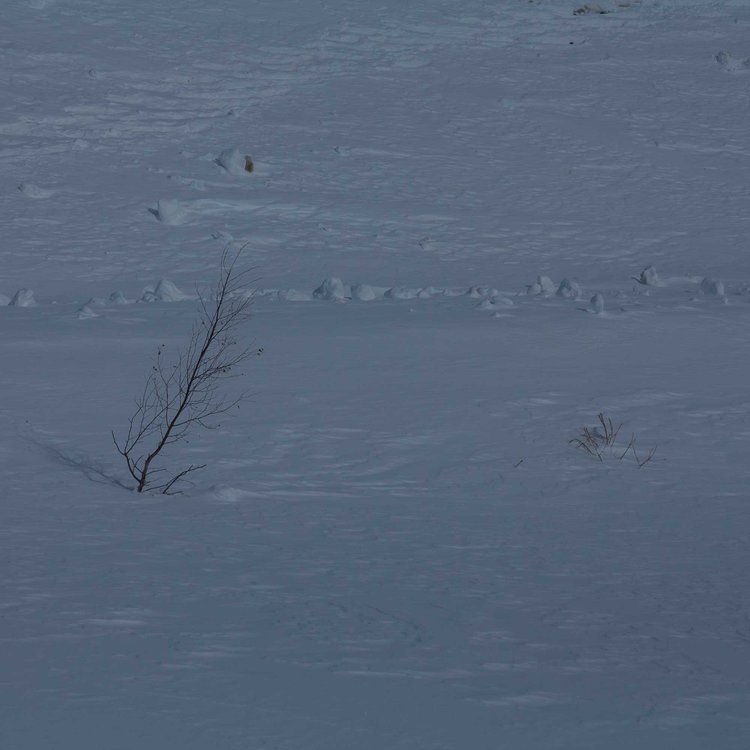
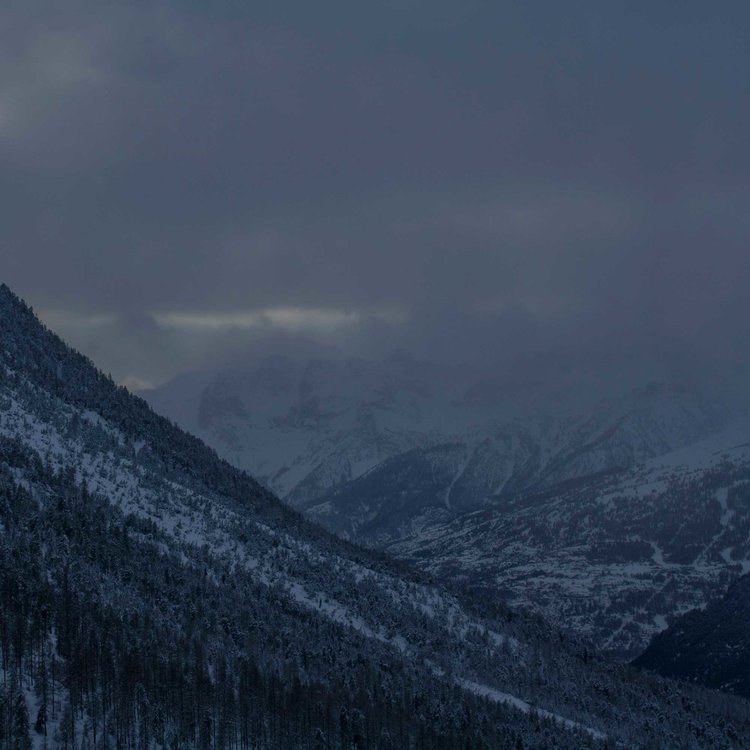
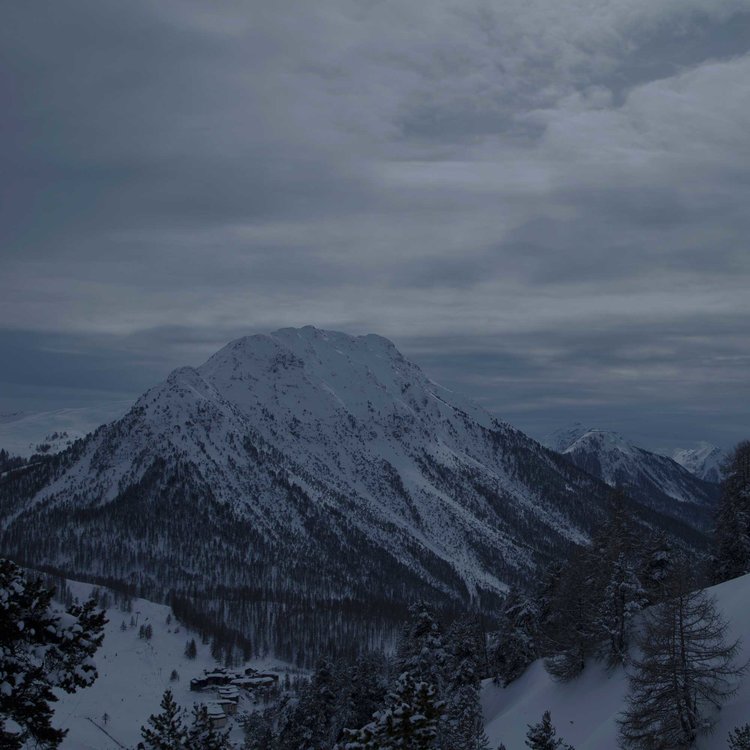
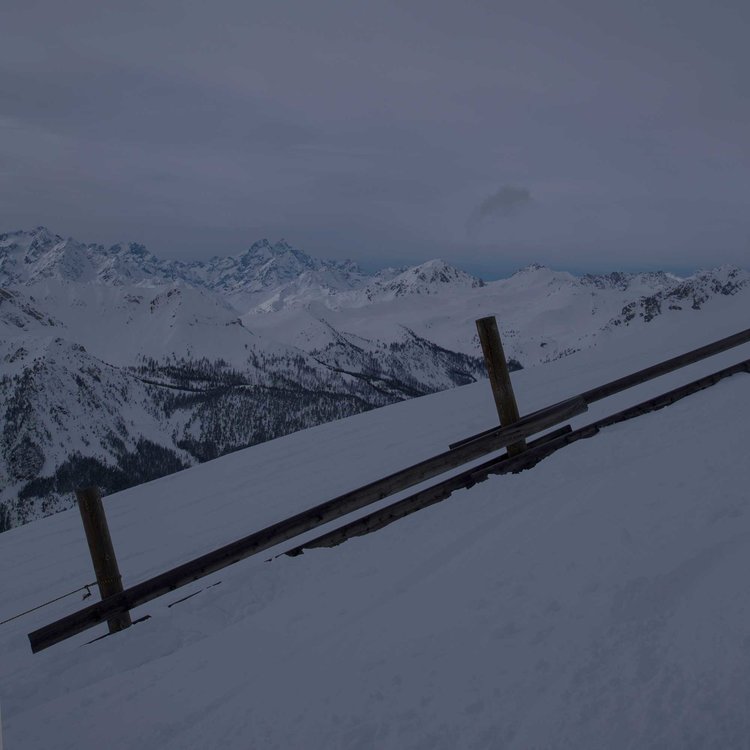
The blue hour is the time of the awkard encouter of the rising moon and the setting sun, the time when the patterns and the loftiness of the mountains are enhanced by the blue light of dusk. A short-lived overlapping of lights and timelessness reduces the observer to a mere witness of sheer serenity. All the air fills with cold and silence.

Everything is covered in bluish snow, making the vastness all the more uniform and effective.

My gaze has been as somber as soothing across immensity, and frozen, we feel like there is no other way than just contemplation, as feelings are temporarily trapped, scowling at their own uselessness, the emotion was muffling around itslef, as if to imitate the lack of time and the perfect steadiness of ice.


Editor´s note

The presented project was selected from a spontaneous submission made by Charles Roux. Our aim is to disseminate and bring to light telling work of emergent or young photographers.


MALPAÍS


MALPAÍS

BY INÊS MARINHO


Inês Marinho é uma fotógrafa de Vila do Conde, Portugal. Estudou design de comunicação na Faculdade de Belas Artes do Porto e fotografia profissional no IED de Madrid.
Desde pequena que as histórias a fascinam, tanto nos livros como em filmes. Actualmente usa a fotografia como base para as suas narrativas. Através da fotografia, tenta descobrir, explorar e expressar a realidade que a envolve. Foca o seu trabalho na fotografia editorial e documental e tem sido publicada nas revistas Fotoroom, i-D, Ignant, entre outros.

sinopsys
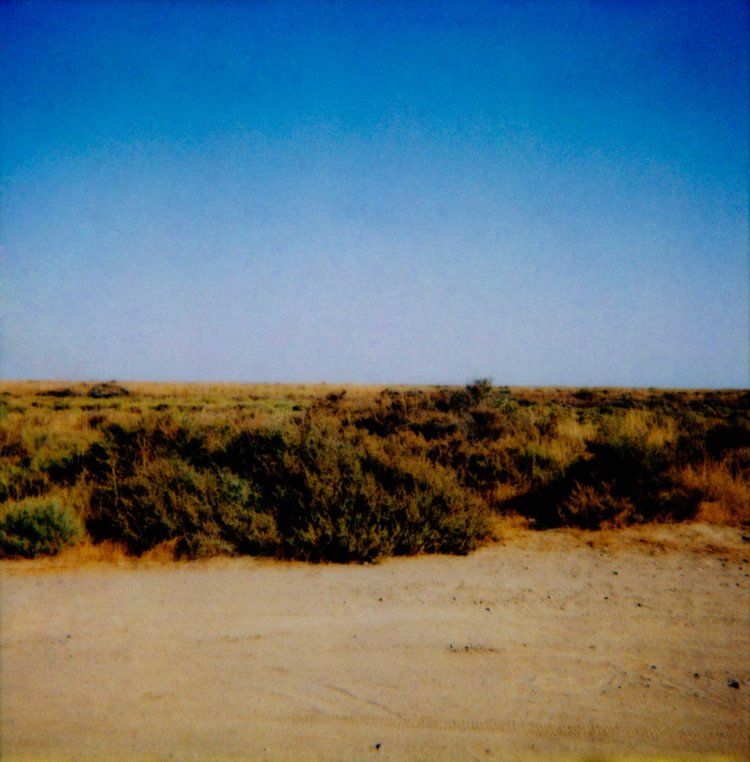
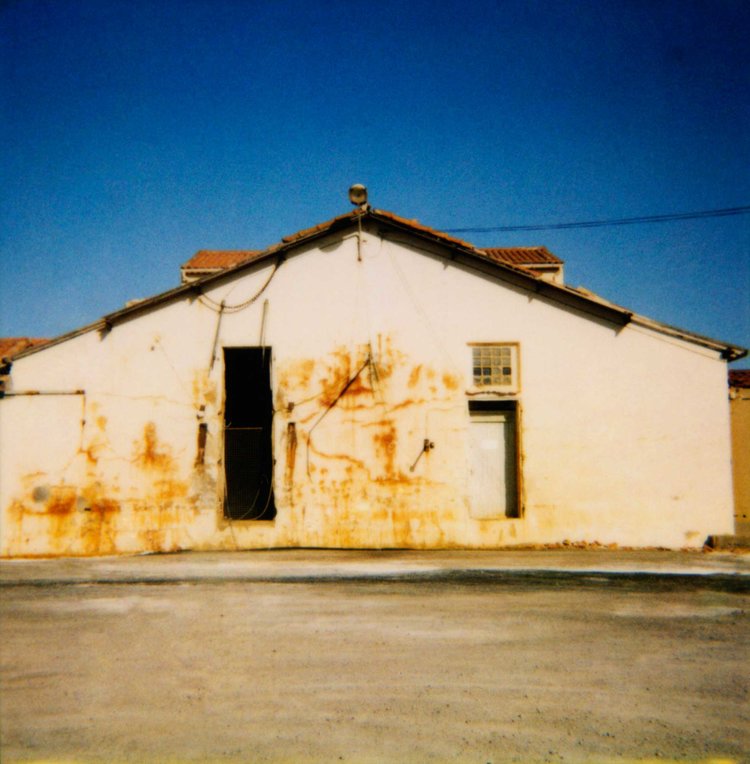
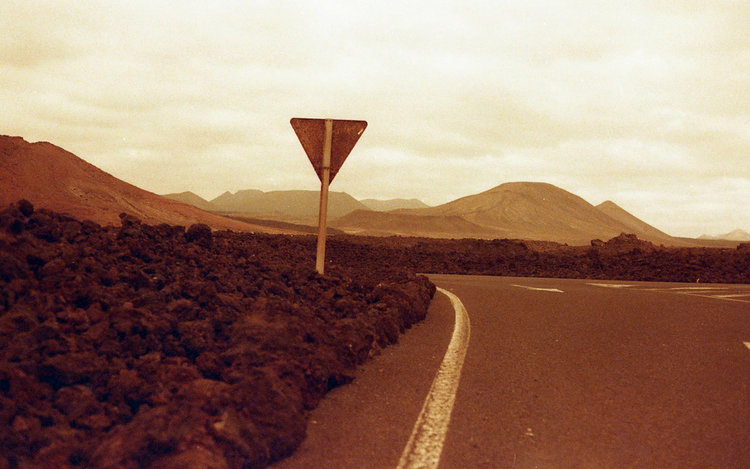
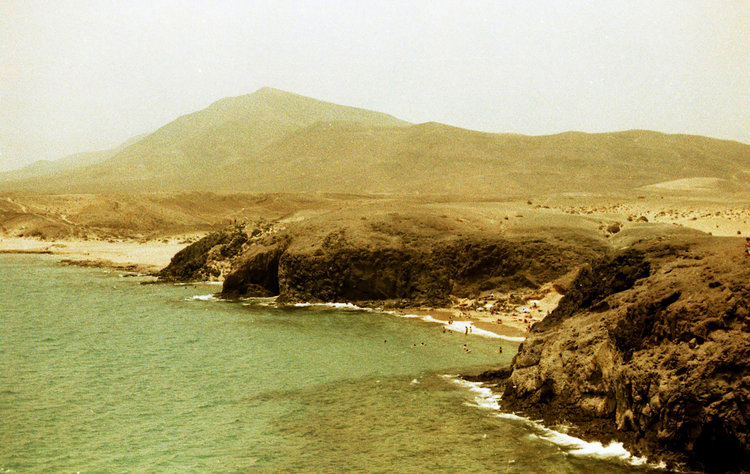
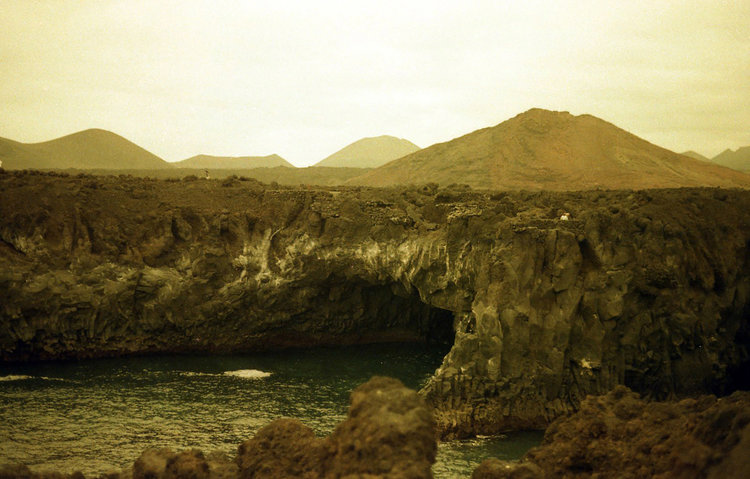
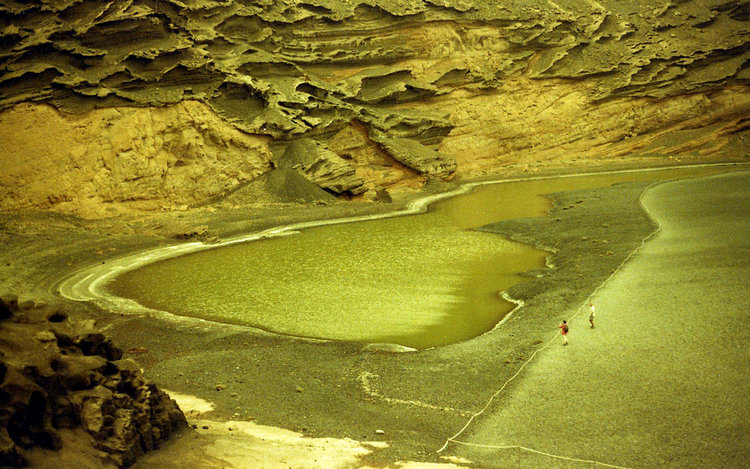
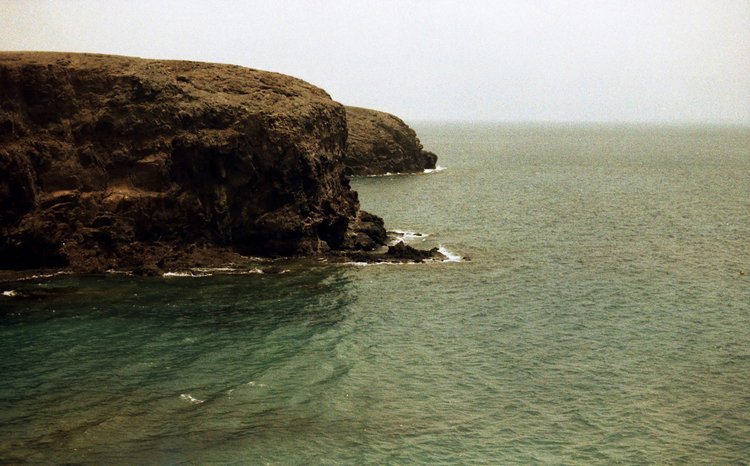
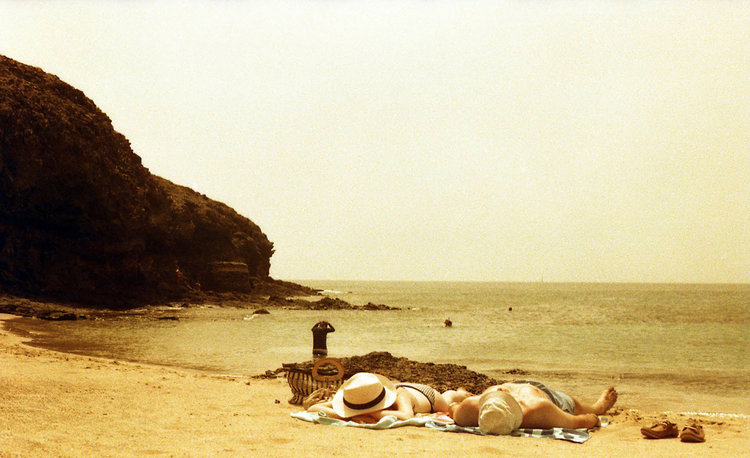
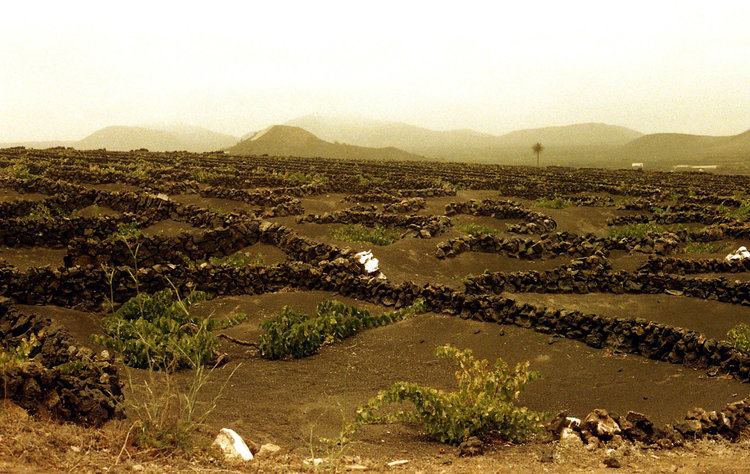
A palavra “Malpaís” significa terra pobre, má e caracteriza uma superfície extremamente áspera, difícil de atravessar e imprópria para a agricultura.
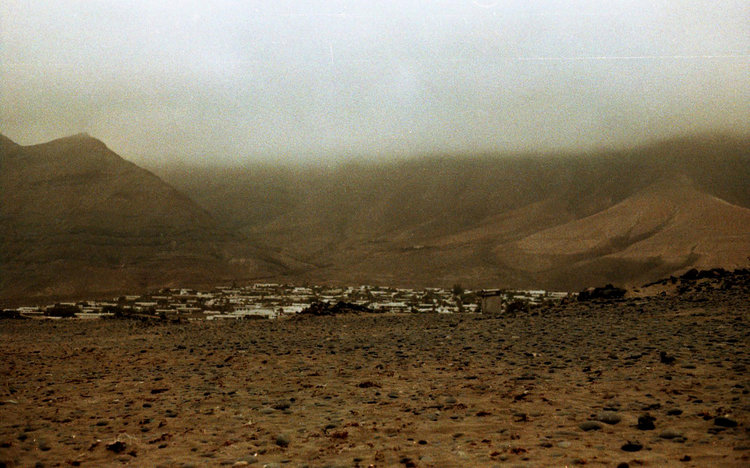
Malpaís é o termo usado nas regiões de língua espanhola, para uma paisagem estéril e irregular com campos de lava visíveis, cones e outras formações vulcânicas.
Este cenário é característico de um ambiente árido visto que os campos de lava são rapidamente destruídos pelo efeito climatérico e erosivo em regiões sujeitas a climas mais húmidos.
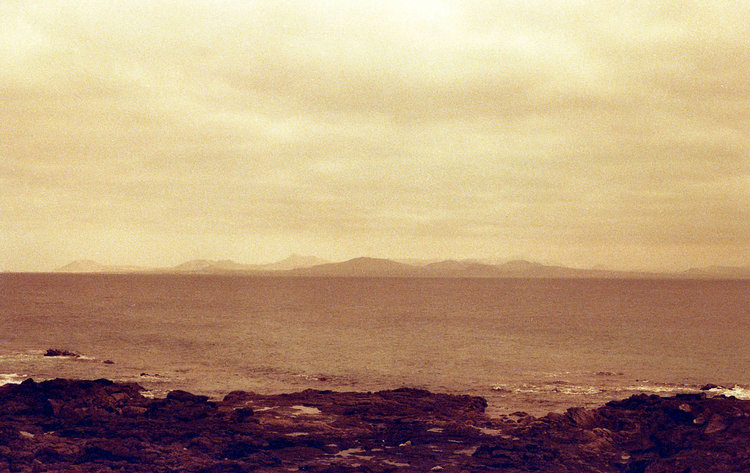
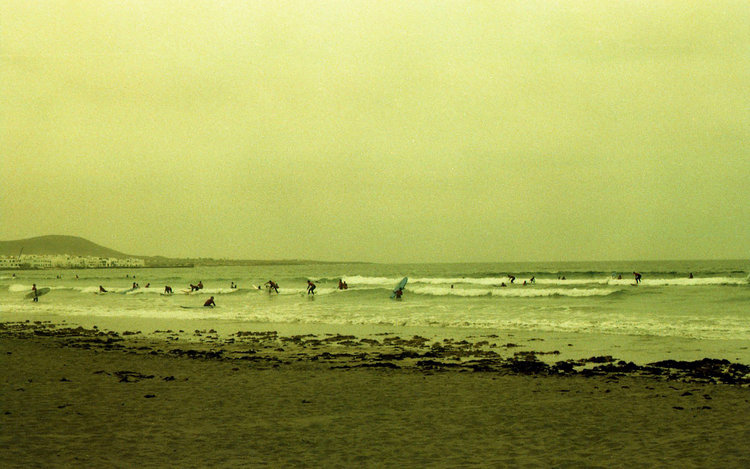
Lanzarote atrai pelos tons predominantemente quentes, paisagens de rocha e areia, áreas montanhosas áridas e jardins onde imperam os cactos. É um lugar onde é possível sentir-se a solidão do espaço, a natureza vulcânica desoladora e nua.

A ilha de Lanzarote nas Canárias é um exemplo deste tipo de terra de paisagens solitárias de cores quentes, contrastando com os turistas, as praias e o mar envolvente.


LIVE ABOARD


LIVE ABOARD

BY INGVILD MELBERG EIKELAND


Ingvild Melberg Eikeland lives and works in Stavanger, Norway. 

synopsis

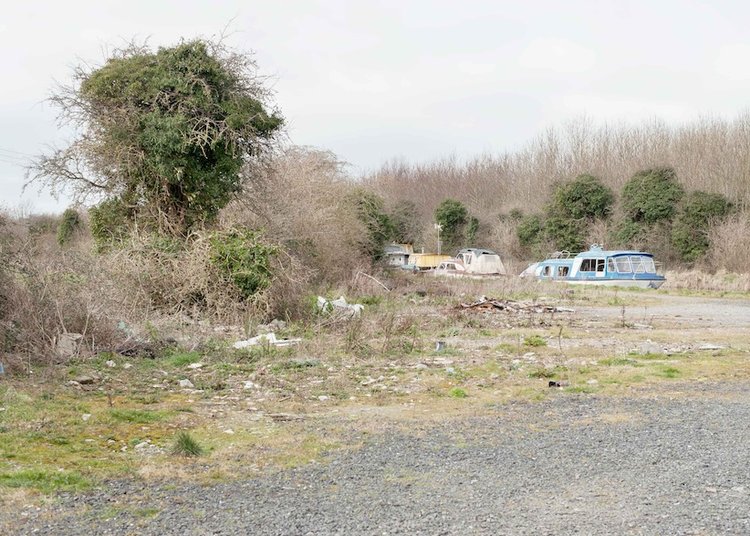
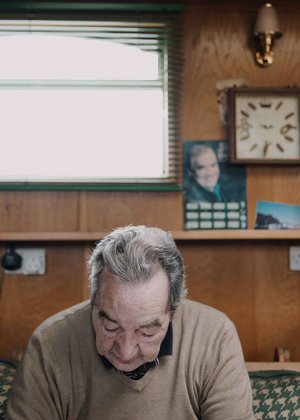
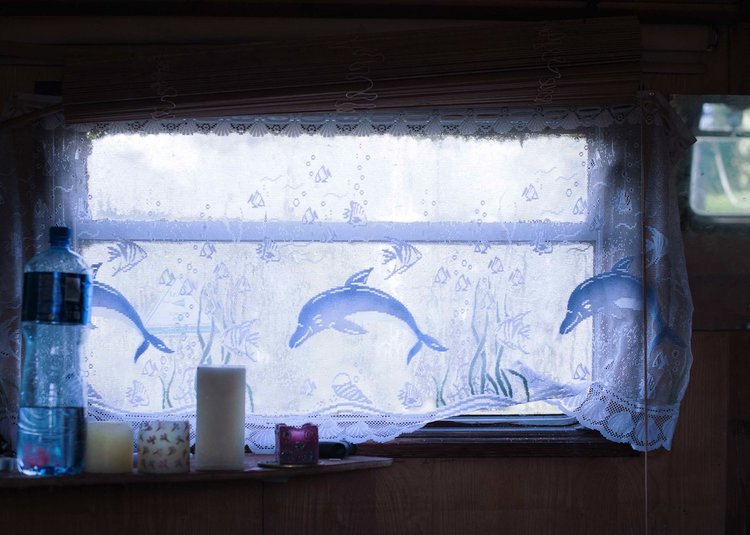
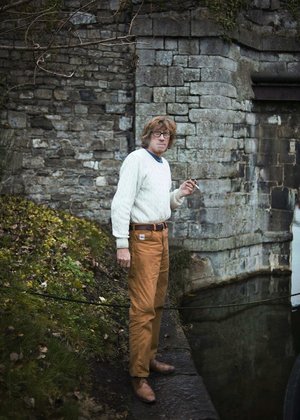
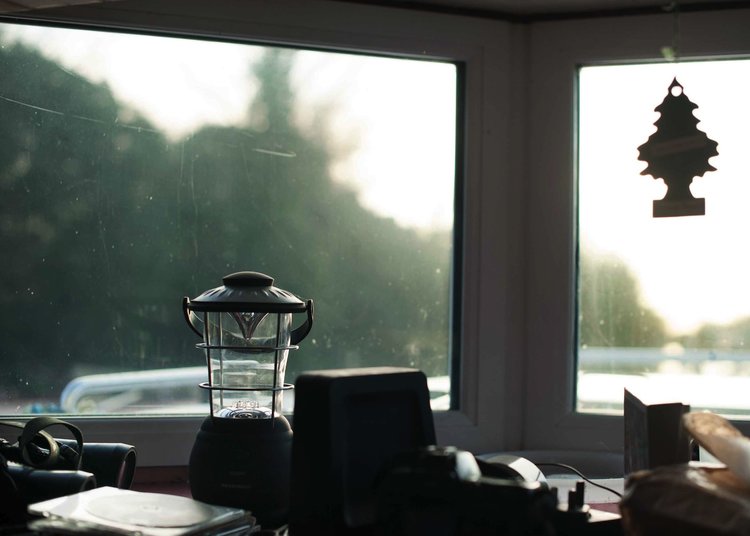
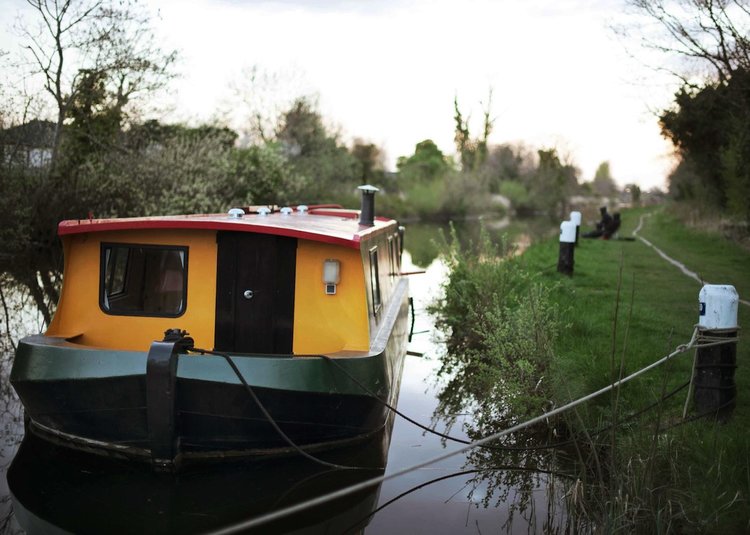
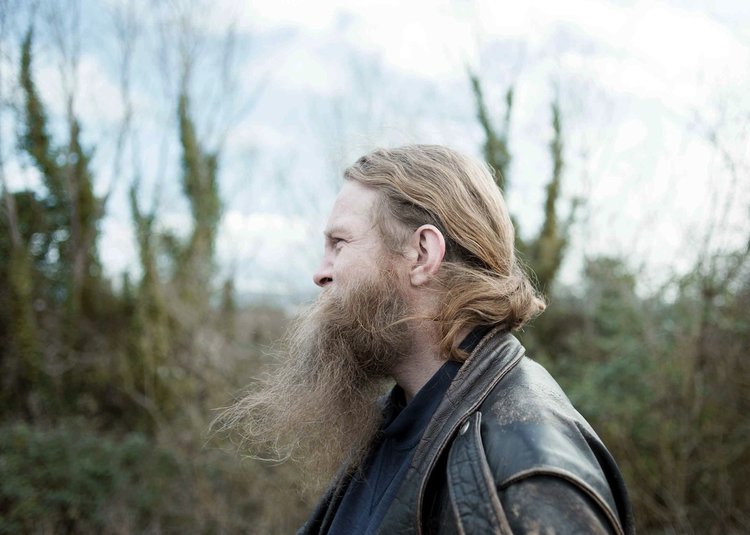
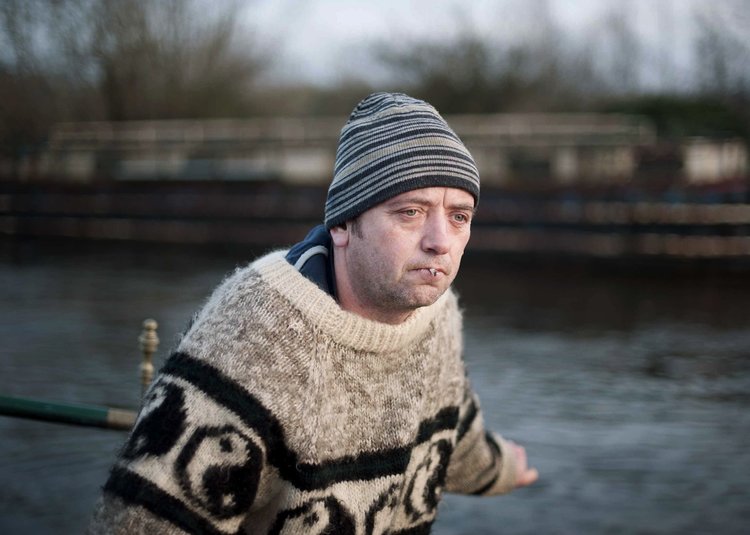
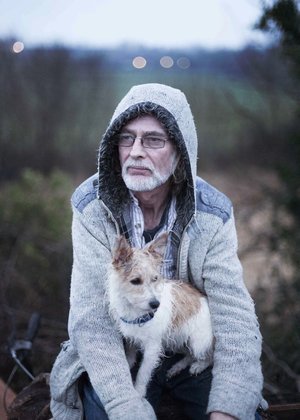
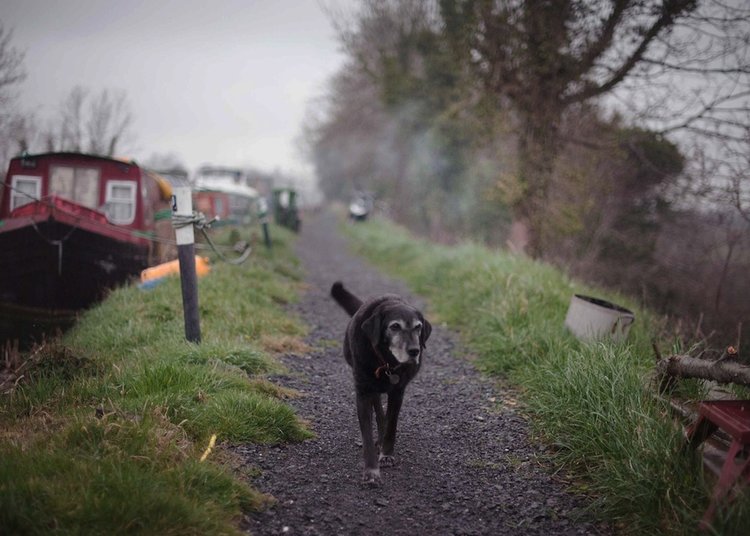
Established in the 1800’s The Grand Canal and the Royal Canal served Dublin with freight and passenger transport up until the 1960’s. As the last commercial barge passed through the waterways, settlements of people living in houseboats slowly started to emerge along the canals creating small communities and bringing life back to the abandoned canals. Up until recent years these communities have existed along the waterways in Ireland with little intervention from the government except essential mooring contracts and fees. Currently a new set of legislation proposed by Waterways Ireland, threatens to yet again change the life on the canals and challenge the living situation of its residents. These new by-laws may force the residents to relocate their homes by several kilometers every 5 days, even though the residents all have postal addresses to their homes.If the legislation falls through it might also cause an increase of the mooring fees to almost 30 times the current cost. This project is a documentation of the canals residents in a time of uncertainty and prospect of transition, but also made to create a window into a little known community and way of life that is now at risk of dying out.

Editor´s note

The presented project was selected from a spontaneous submission made by Ingvild Melberg Eikeland. Our aim is to disseminate and bring to light telling work of emergent or young photographers.