
bloco duque de saldanHa
life and death in the block
FACT 2025 / 2026
Aldo Gasca | Maria Thereza Macedo | Andre Villalpando | Francisco Arezes
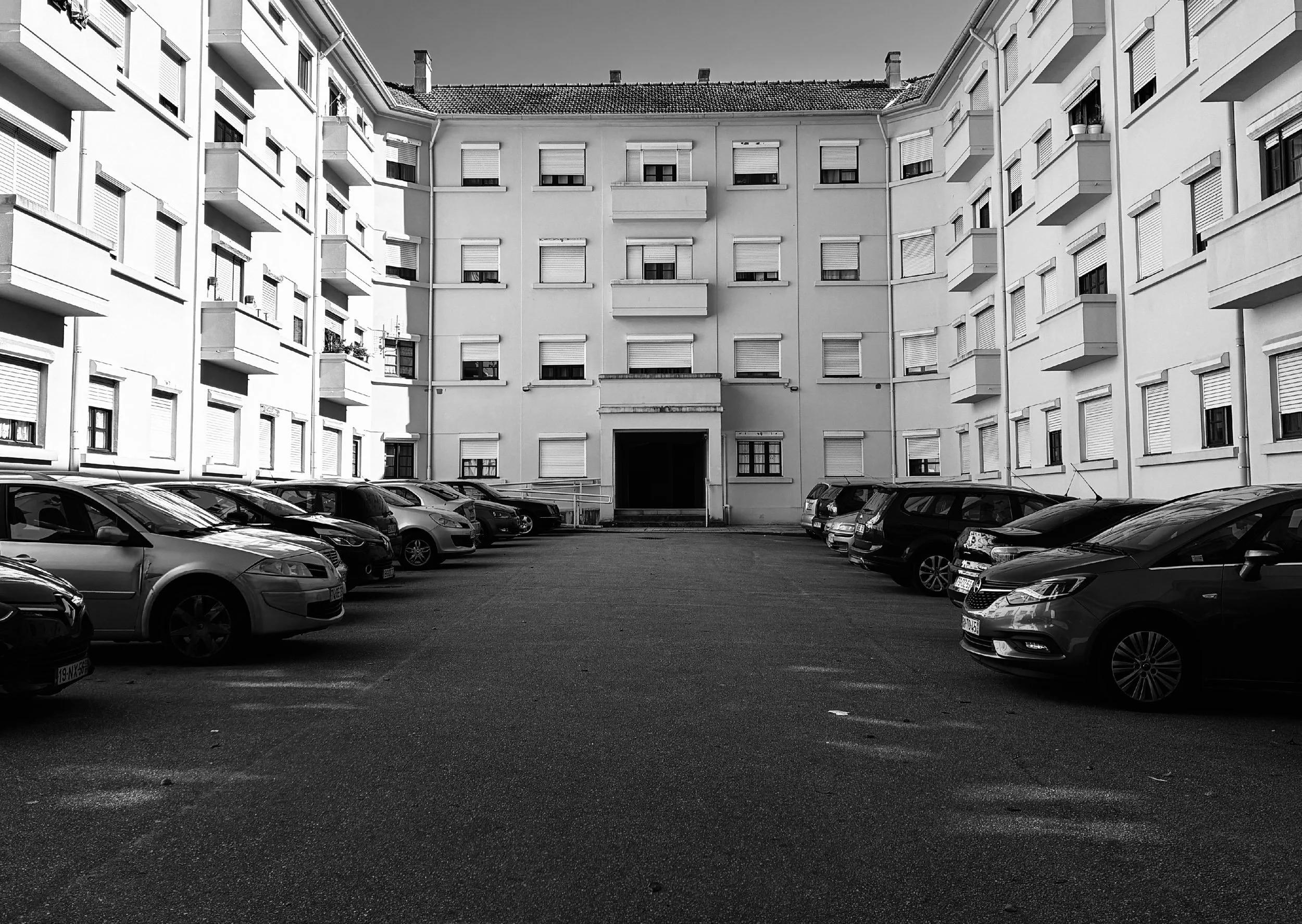
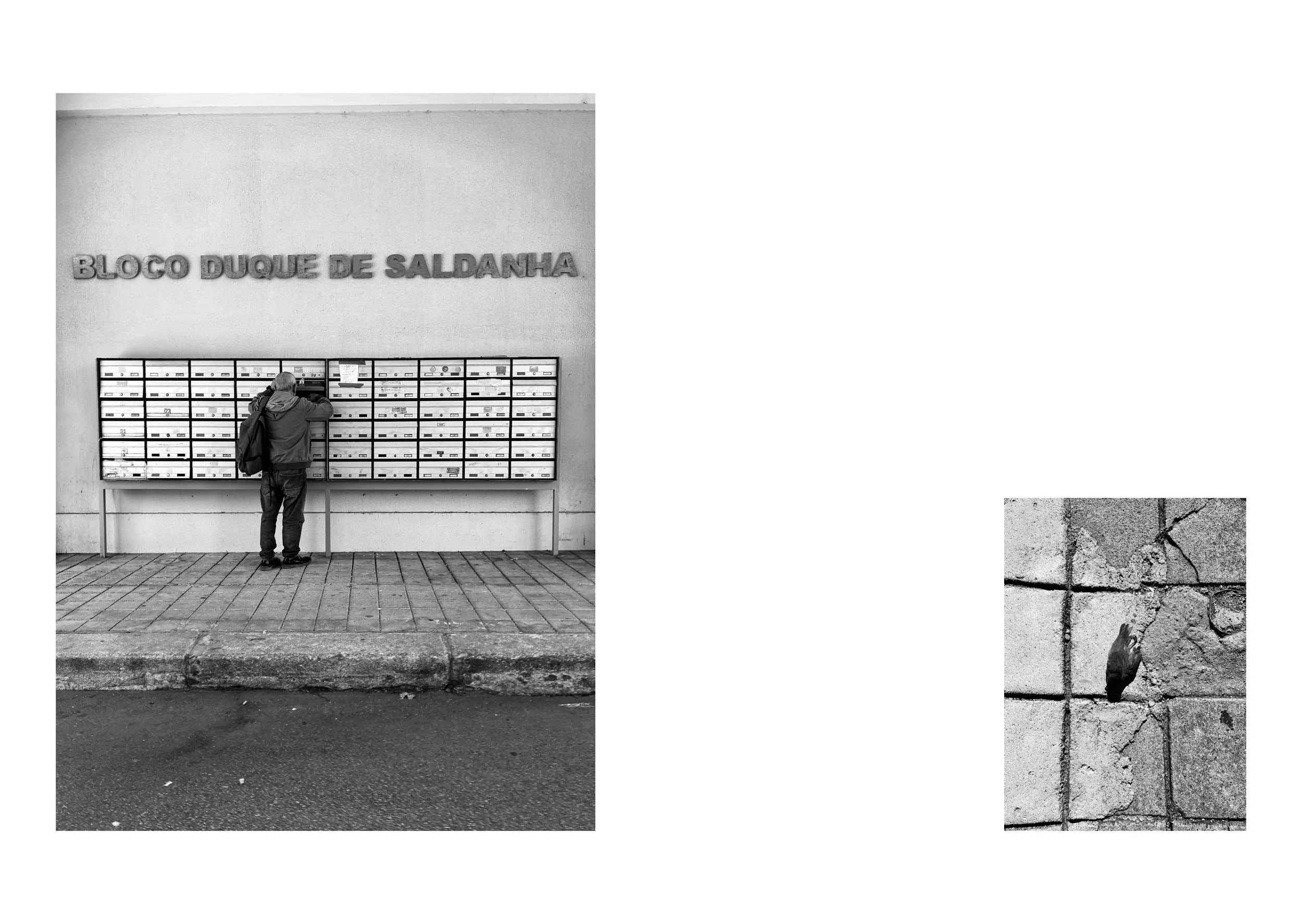
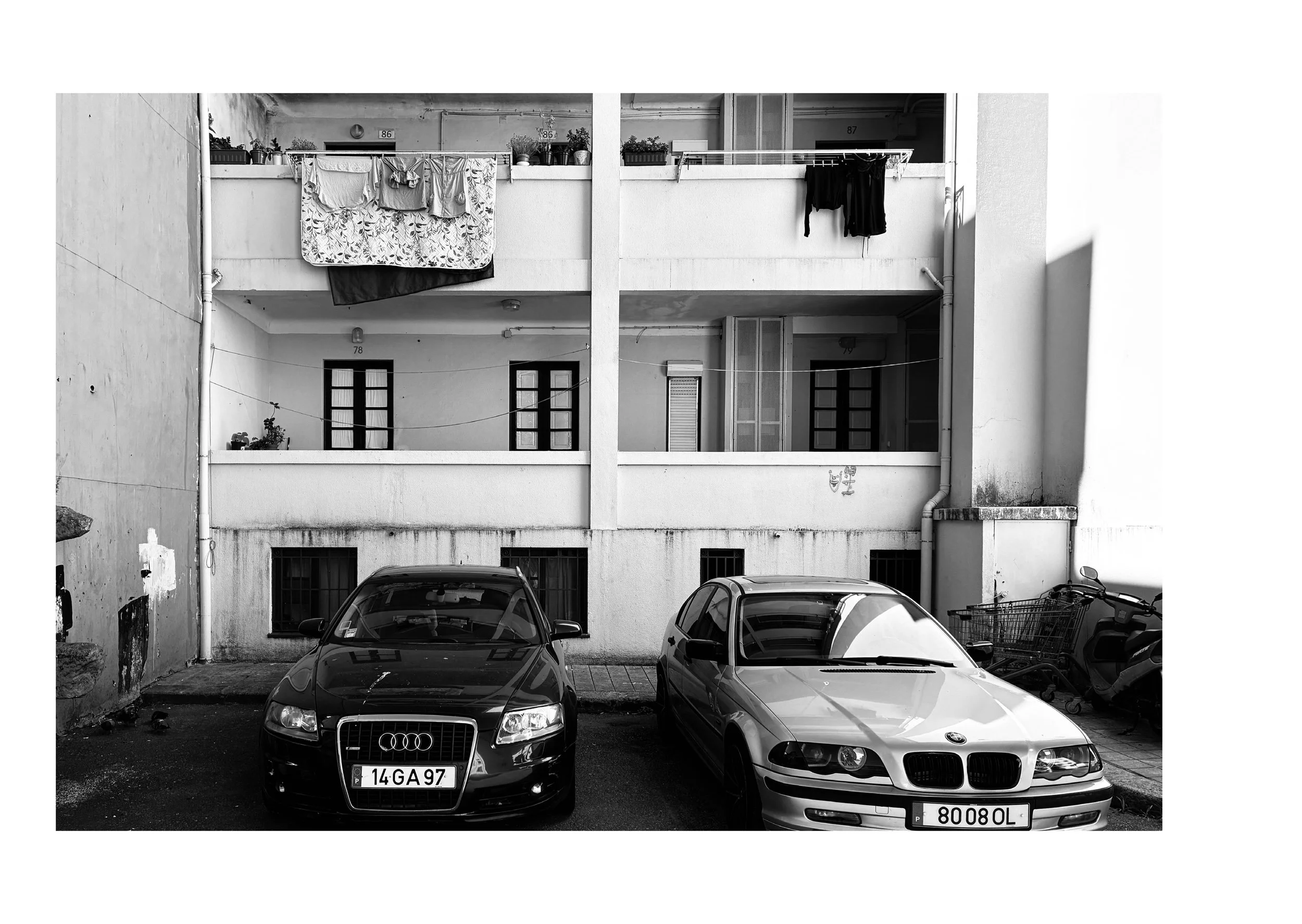
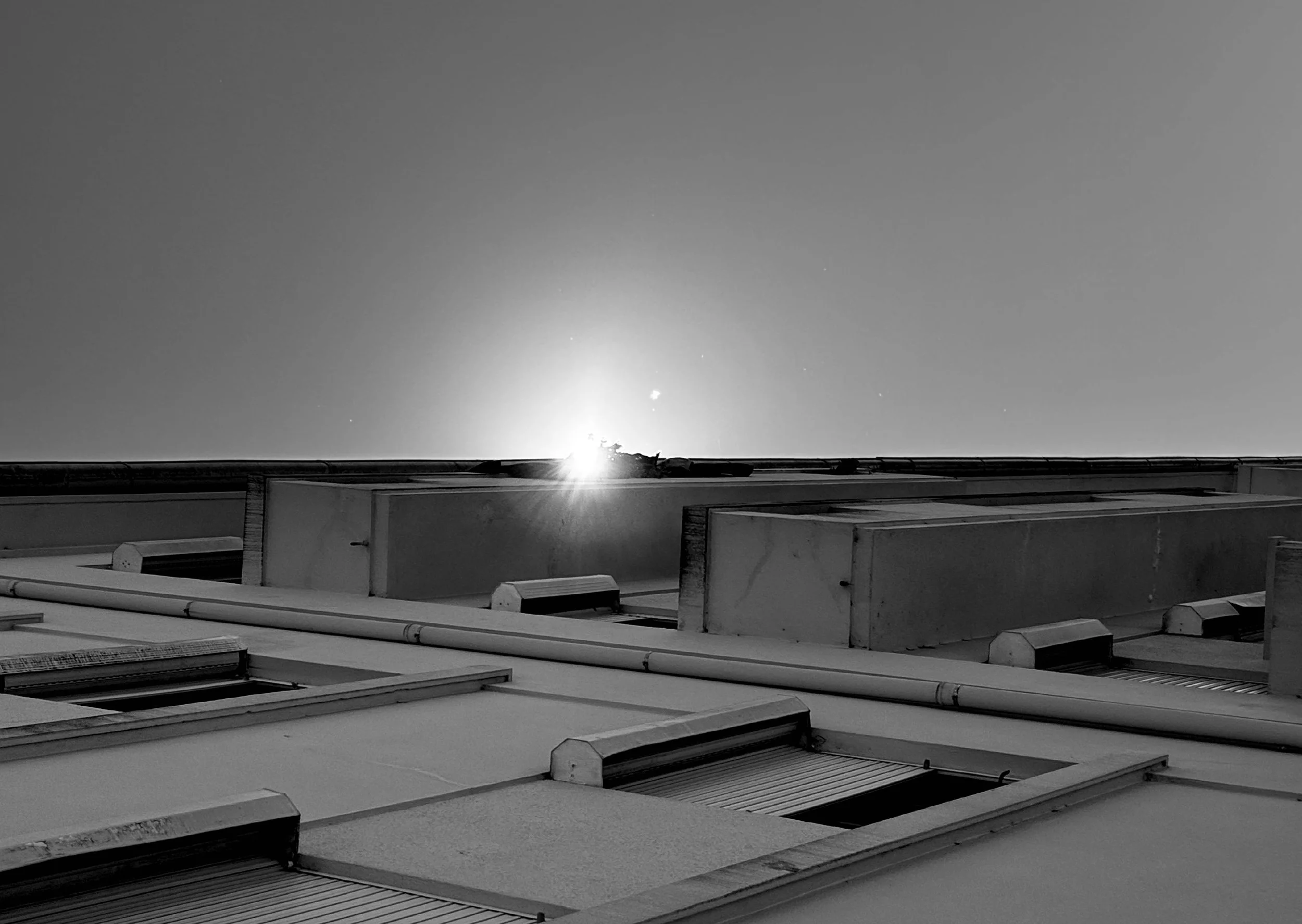
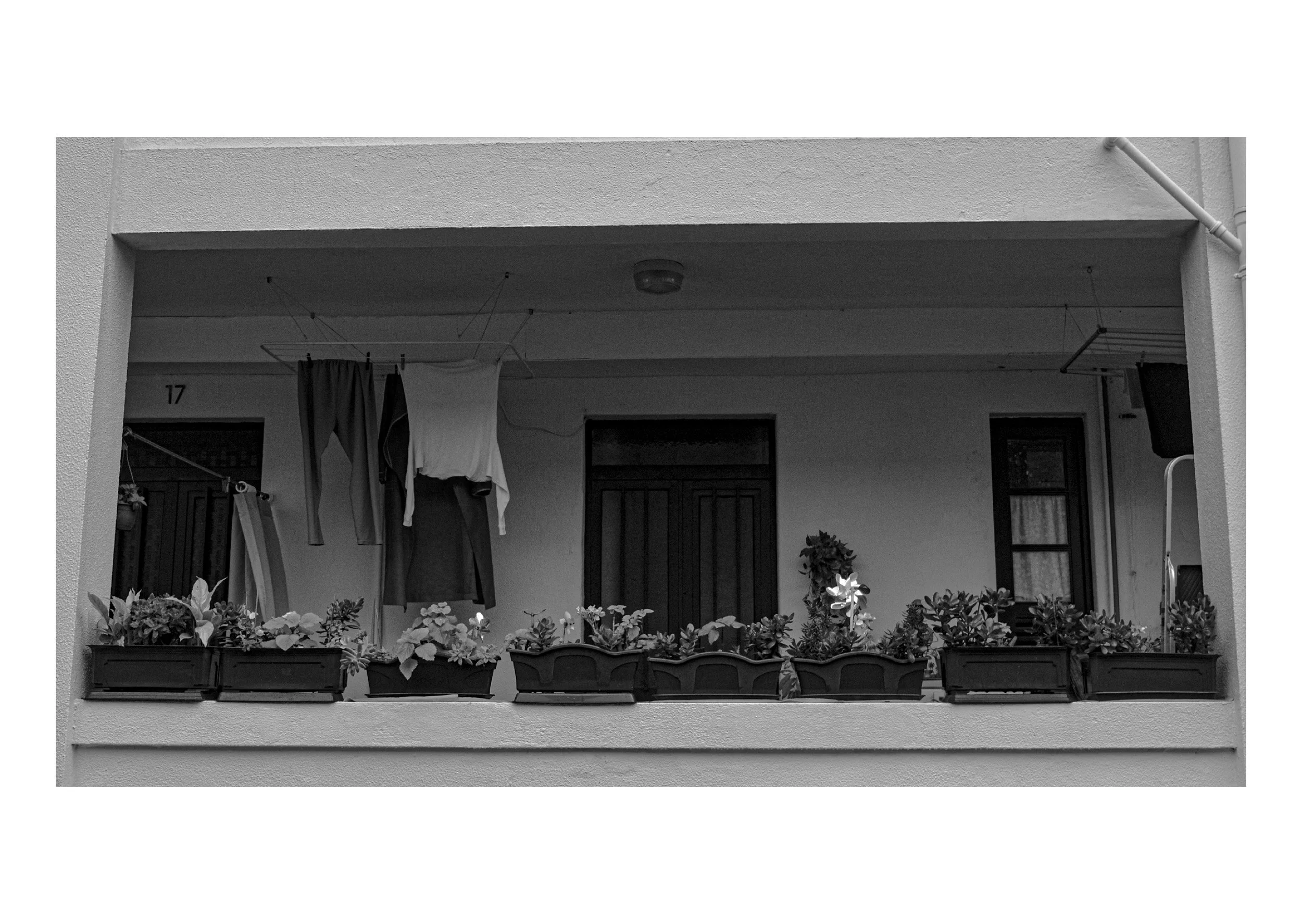
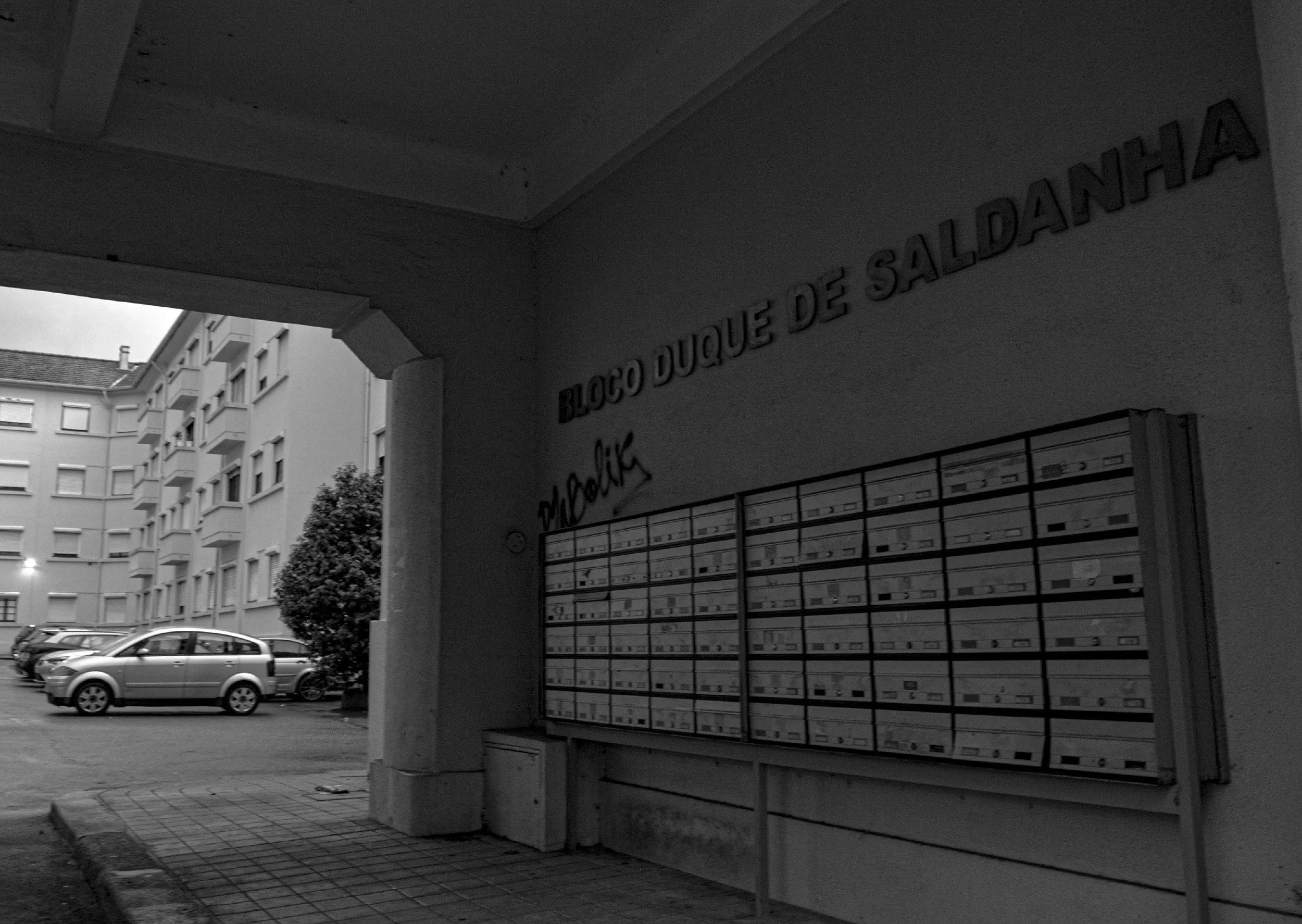
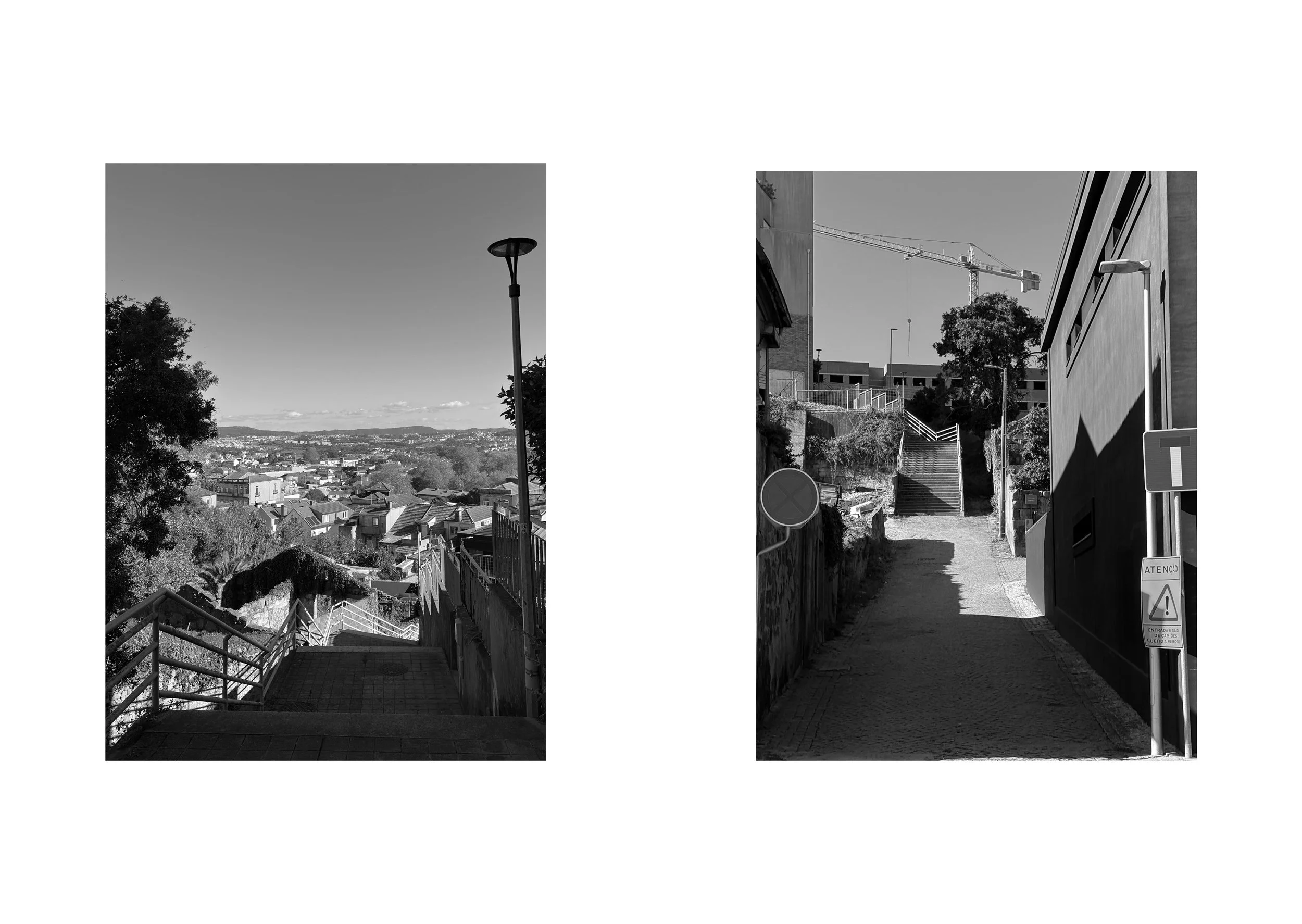
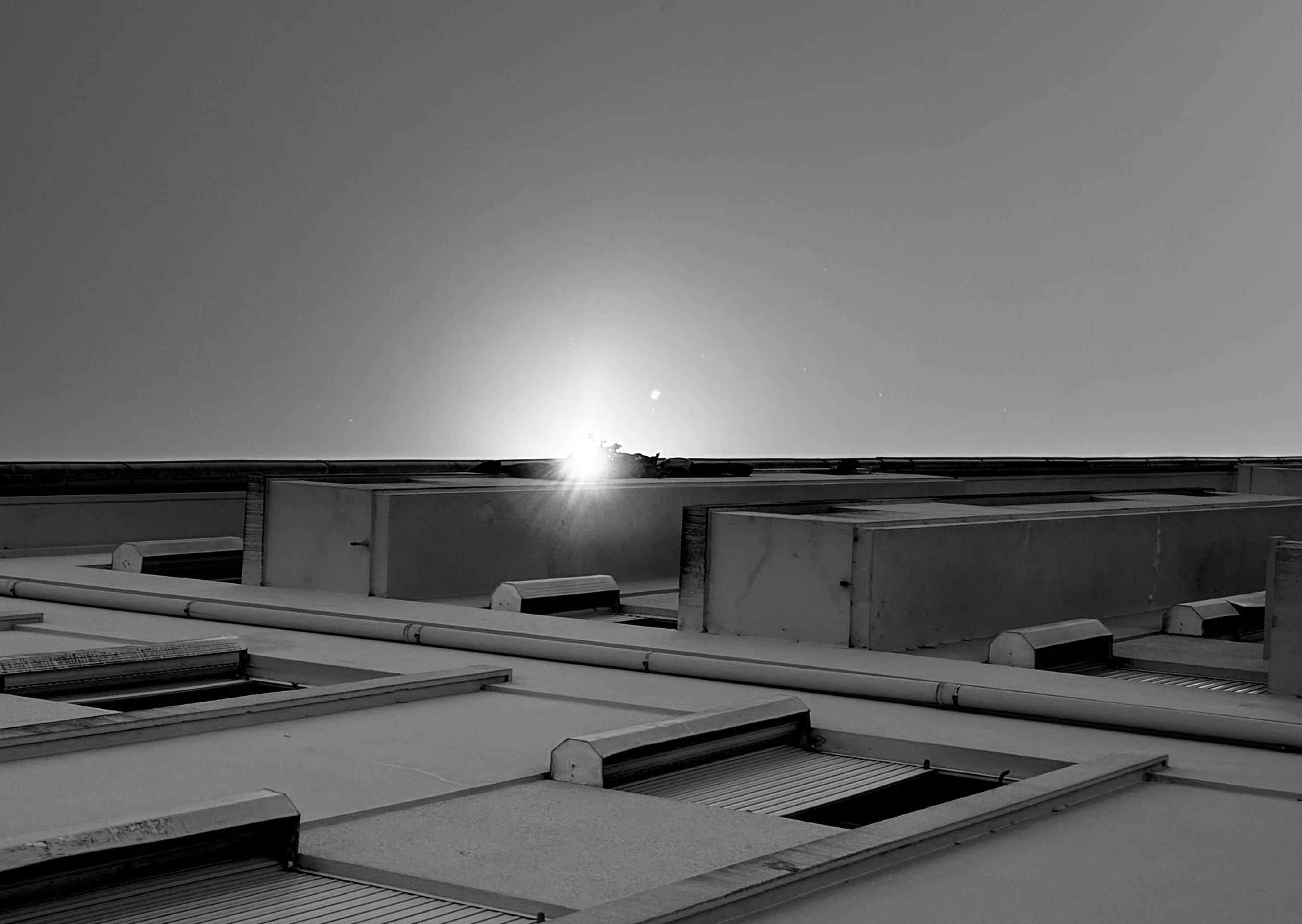
The Duque de Saldanha Block, in Porto, represents a key moment in the transition from the spontaneous city to the planned city, developed in the late 1930s within the first social housing policies. Conceived as a response to the precarious living conditions of the “ilhas,” the complex affirms collective housing as an instrument of urban order and social improvement. Architecturally, the block is structured around a large inner courtyard that guarantees natural light, ventilation, and environmental quality. This central void functions as a shared space of coexistence, articulated through access galleries that reinforce the relationship between the dwellings and the collective realm. Inserted in the dense and working-class urban fabric of the Bonfim neighborhood, the building consolidates the block and contributes to the definition of public space. Its architecture fosters proximity and everyday encounters, encouraging a strong communal dimension and the construction of a collective identity. Within this context, modern housing principles coexist with the echoes of traditional surrounding architecture, revealing overlapping temporal layers and different ways of understanding dwelling. These contrasts are ultimately absorbed by the urban fabric, forming a continuous condition in which the city’s identity emerges from the coexistence of different periods and modes of thought. The photographic approach of this series is inspired by the work of Gabriele Basilico, particularly his analytical vision of the city as an architectural and spatial construct. In series such as Milano. Ritratti di fabbriche and Porti di mare, Basilico employs frontal compositions, controlled perspectives, and a careful attention to scale, allowing architecture to be read with clarity. These principles inform the present work through stable viewpoints, an emphasis on spatial organization, and the use of human presence as a measure that activates, rather than dominates, the architectural space. The series thus seeks to portray the block not as an isolated object, but as a living urban system shaped by everyday life.
(…)